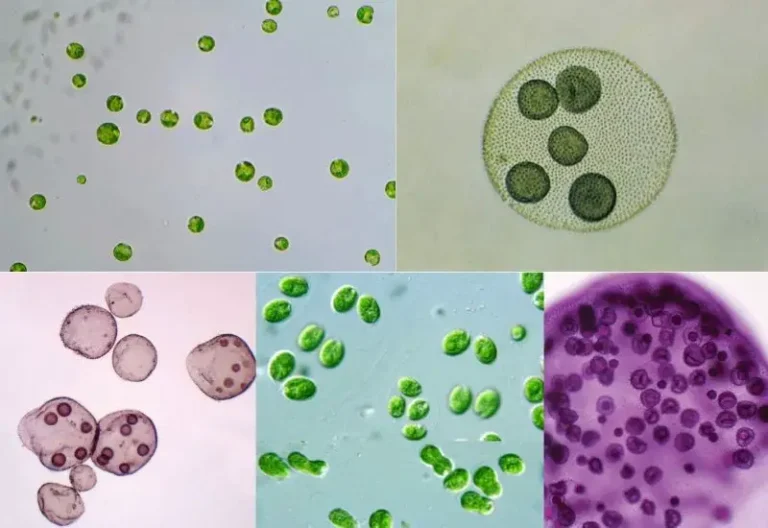
Chlamydomonas are single-celled green flagellates while Volvox is a part of colonial phytoflagellate that develops a hollow spheroid with several thousand cells enclosed in its mucilaginous wall.
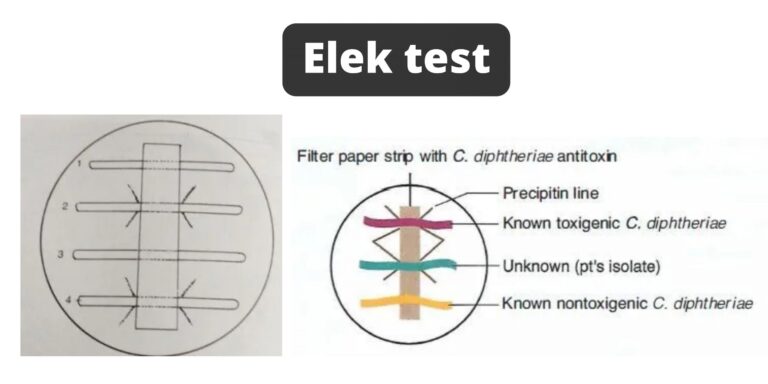
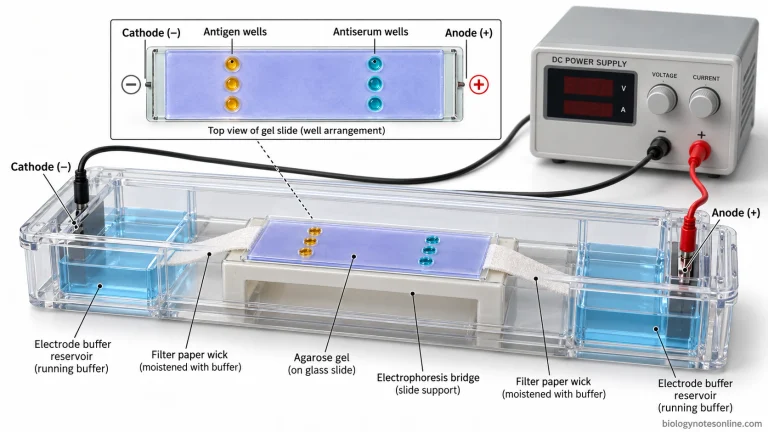
can be described as an test of immunoprecipitation (immunodiffusion) test that determines what specific strain of Corynebacterium Diphtheriae is toxic.
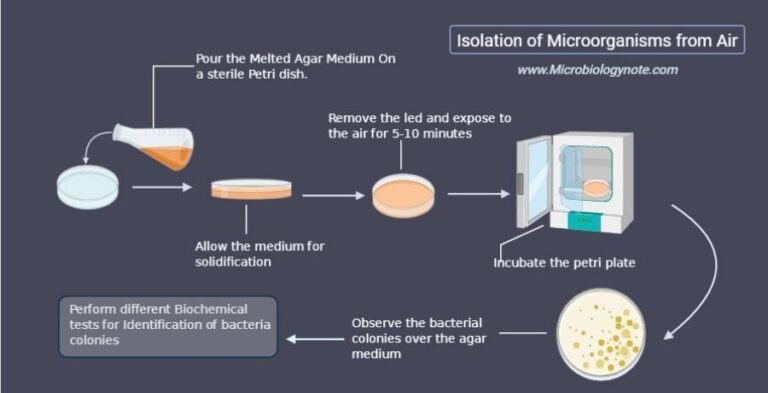
The microbial content of the outer atmosphere is changing with the season, it contains various pollen, algae, mosses, grains, spores of fungi, ferns, bacteria, and viruses.
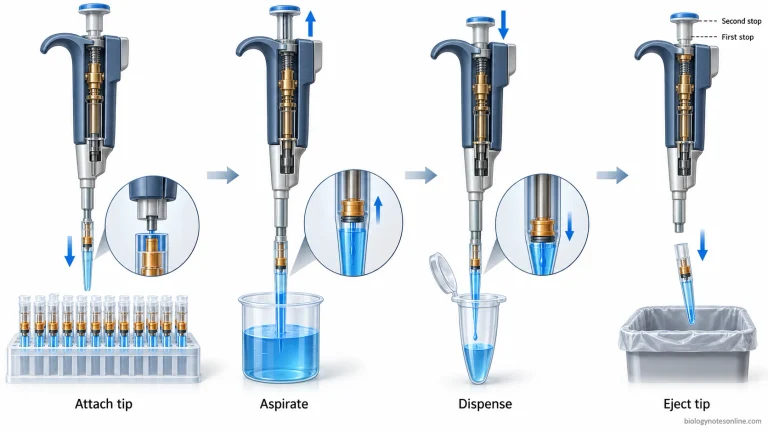
Pipetting explained: explore its purpose, principle, forward and reverse techniques, step-by-step method, accuracy tips, common errors, and lab safety.
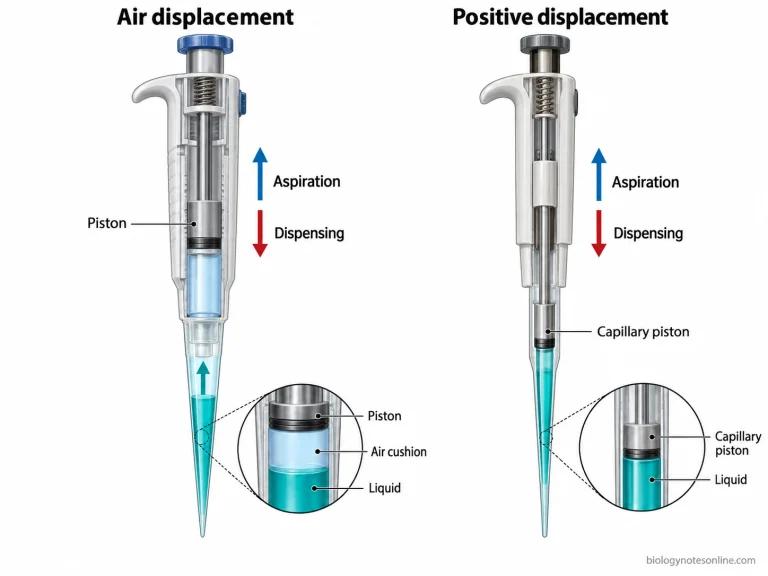
Understand the positive displacement pipette, including its parts, working principle, proper use, applications, and differences from air displacement pipettes.
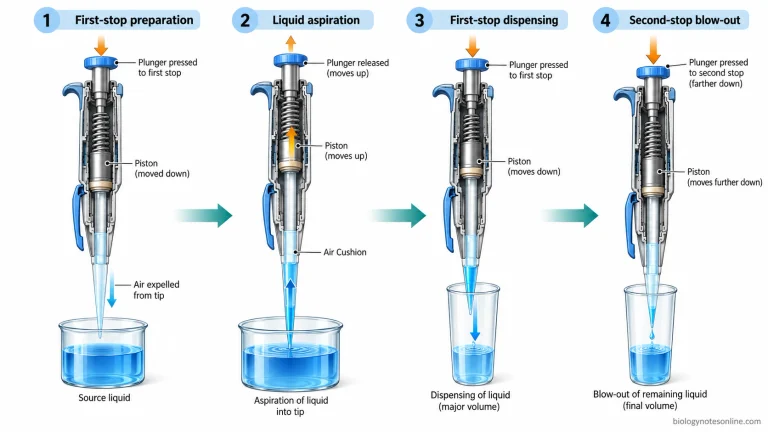
Air displacement pipetting: working principle, pipette parts, correct technique, accuracy factors, laboratory uses, and comparison with positive displacement.
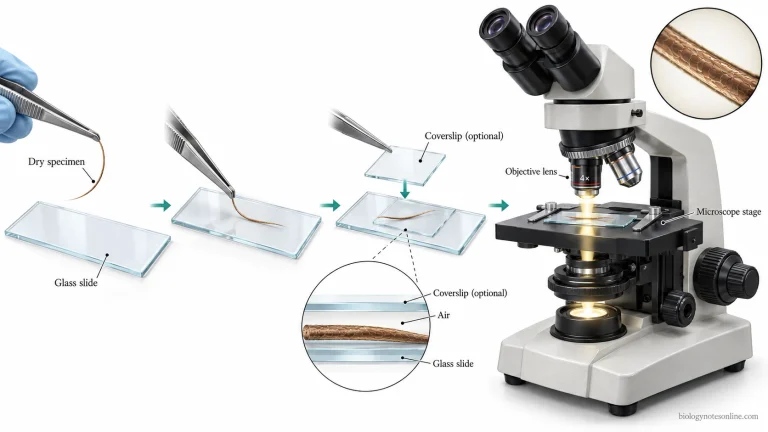
Dry mount slide preparation explained with required materials, step-by-step procedure, suitable specimens, precautions, and differences from wet mounts.
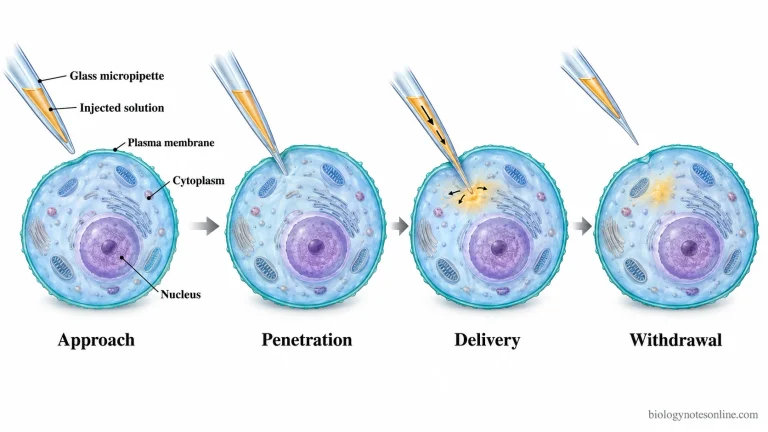
Microinjection is a direct method for delivering DNA and other materials into cells. Explore its principle, equipment, procedure, applications and limitations.
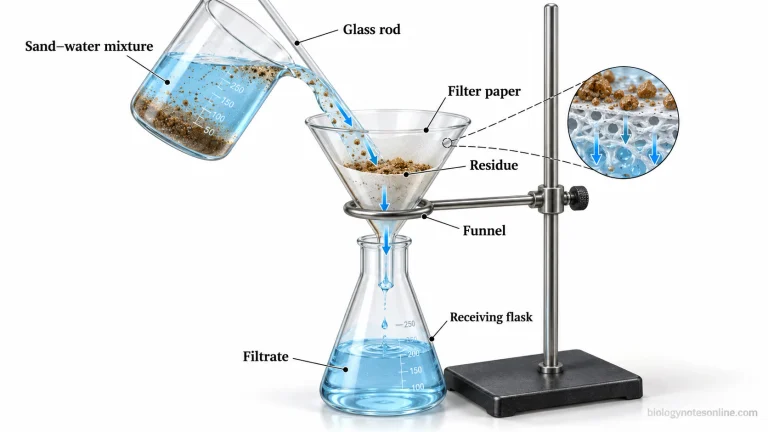
Filtration is a physical separation process in which a liquid or gas is passed through a filter medium to separate certain suspended particles from the fluid. The filter medium allows the fluid to pass through it while retaining the particles. It is commonly used for the separation of heterogeneous mixtures, especially suspensions containing insoluble solid