Chordate zoology notes covering defining features, classification, anatomy, development, evolution, and diversity of protochordates and vertebrate chordates across major groups.
Protochordate larvae is the juvenile stage found in lower chordates, and it is seen in members of Urochordata and Cephalochordata. It is the stage where the animal shows the typical chordate features very clearly. It is the notochord, dorsal hollow nerve cord, pharyngeal slits, and the post-anal tail that appear in this larval period. It
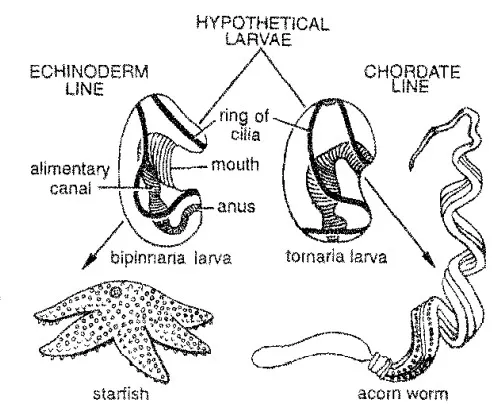
It is considered that the origin of chordates is deeply associated with the deuterostome lineage, where the early ancestors are sharing characters with hemichordates and echinoderms. In this group, the basic features such as a notochord, dorsal hollow nerve cord (DHNC), pharyngeal gill slits, post-anal tail and endostyle are present at some stage of development.
Herdmania is a solitary tunicate sea squirt. Learn its classification, habitat, morphology, anatomy, feeding, reproduction, tadpole larva and metamorphosis.
A fish is an aquatic vertebrate which is mostly characterized by the presence of gills throughout life, a streamlined body, and paired as well as unpaired fins which helps in swimming. It is the group that comprises jawless forms like hagfish and lampreys, cartilaginous fishes like sharks and rays, and the bony fishes which is
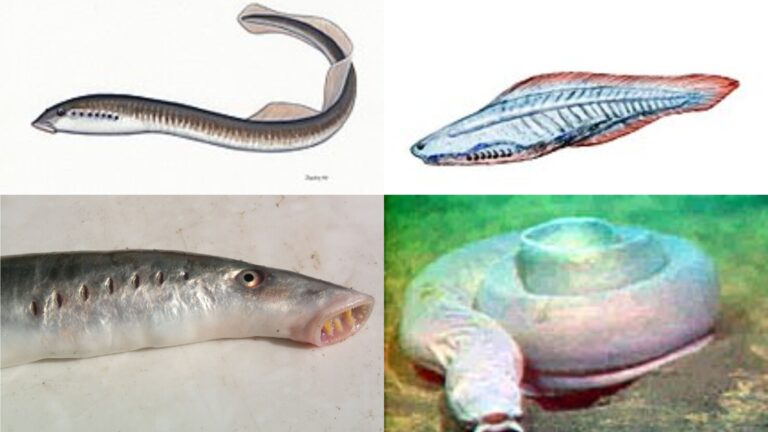
Agnatha is the superclass of vertebrates in which true jaws are absent. It is the group that represent the most primitive and earliest craniates, and in this group the mouth parts are simple without any jaw elements. It is the condition where the animals show a very old vertebrate body plan which is already present
What is Sphenodon? Sphenodon is the reptile that is commonly known as the tuatara, and it is the only living representative of the order Rhynchocephalia. It is the reptile that is found naturally in New Zealand, and it is considered a very old lineage that diverged from other reptiles in ancient geological time. The body
Parental Care in Amphibia 1. Protection by Nests, Nurseries, or Shelters in Amphibians Amphibians have evolved a variety of innovative strategies to protect their vulnerable eggs and larvae from predation. These methods often involve creating safe microhabitats that shield offspring until they are capable of defending themselves. The protection by nests, nurseries, or shelters can
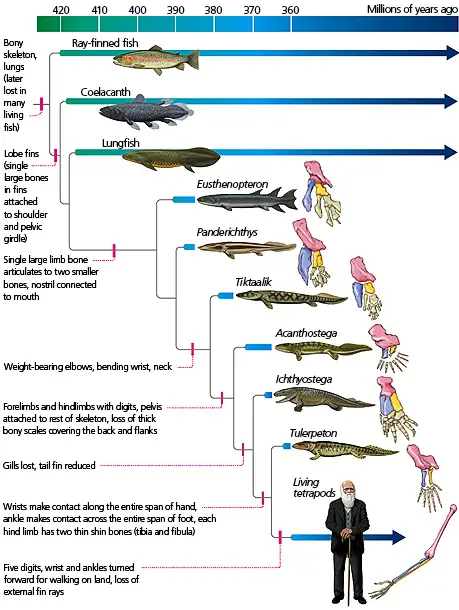
Tetrapoda: Evolution from Fish to Land-Dwelling Vertebrates Tetrapods are a group of vertebrates that includes amphibians, reptiles, birds, and mammals. The first tetrapods evolved during the Devonian period from crossopterygian fishes, which were adapted to shallow, marshy environments. These fishes already possessed some features that made their transition to land possible. The transition from aquatic
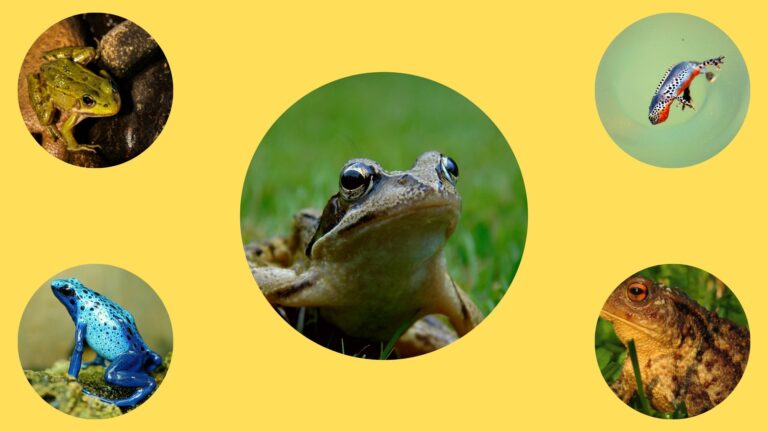
What is Amphibian? Scientific Classification of Amphibian Category Classification Kingdom Animalia Phylum Chordata Clade Batrachomorpha Class Amphibia Order Anura, Caudata, Gymnophiona Amphibians are believed to have evolved from a population of osteolepid fishes during the later part of the Devonian period. These fishes began spending more time on land, moving from one pool to another.
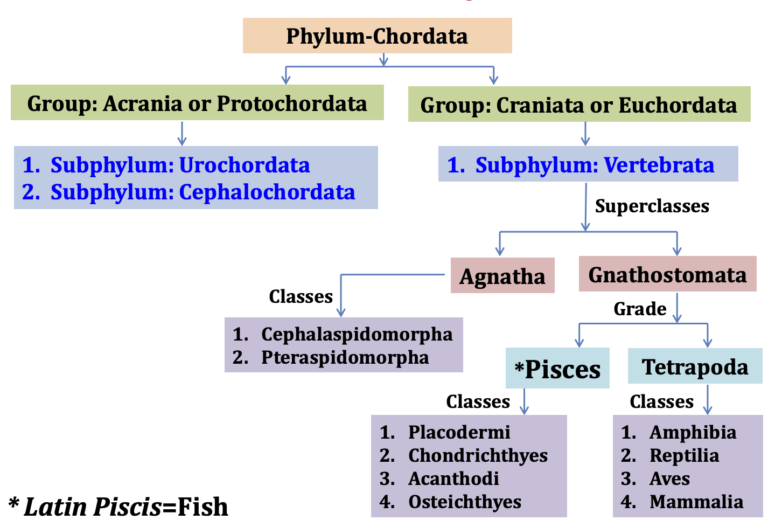
What is Protochordata? Characteristics of Protochordata Protochordata, often referred to as primitive chordates, exhibit several defining features that differentiate them from more advanced vertebrates. These organisms are primarily marine and show a blend of both invertebrate and vertebrate characteristics. Below is a detailed overview of the key characteristics of protochordates: Classification of Protochordata Protochordate is