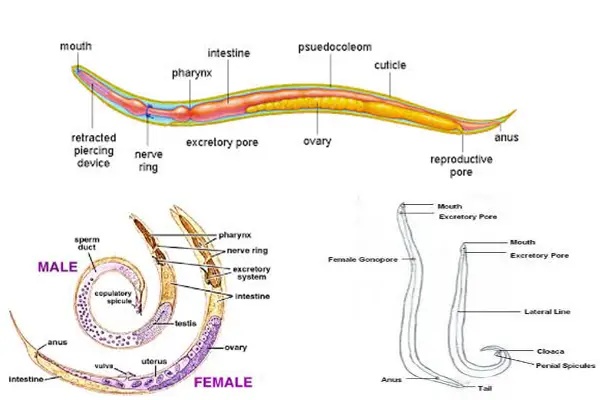
Phylum Nemathelminthes is a group of worm-like animals which was earlier used in classification and also referred to as Aschelminthes. It includes unsegmented, bilaterally symmetrical and triploblastic animals. These organisms are elongated and cylindrical in shape and the body is tapering at both ends. Because of this shape they are commonly called roundworms or threadworms.
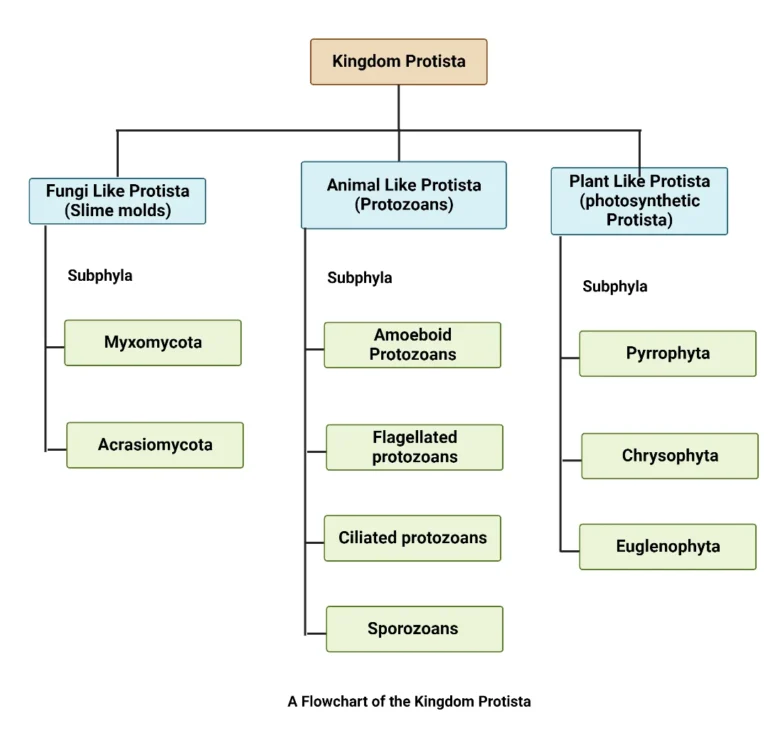
Kingdom Protista is described as a group of eukaryotic organisms which is neither plant nor animal nor fungus. It is the group that consists of organisms having a true nucleus and other membrane-bound organelles, and it is considered as the most diverse group among the eukaryotes. It is the historical classification used to place all
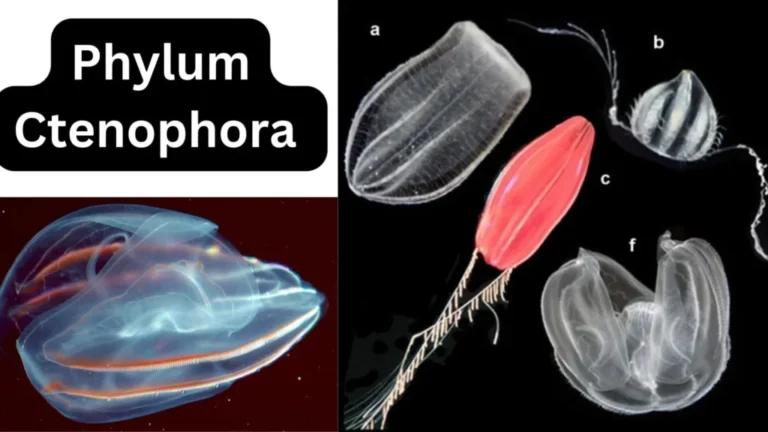
What is Phylum Ctenophora? Kingdom Animalia Subkingdom Eumetazoa Phylum Ctenophora Phylum Ctenophora, commonly referred to as comb jellies, encompasses a group of marine invertebrates known for their distinctive, jelly-like appearance and unique locomotive mechanisms. These creatures, often mistaken for jellyfish, play a significant role in marine ecosystems across the globe. Below is an exploration of
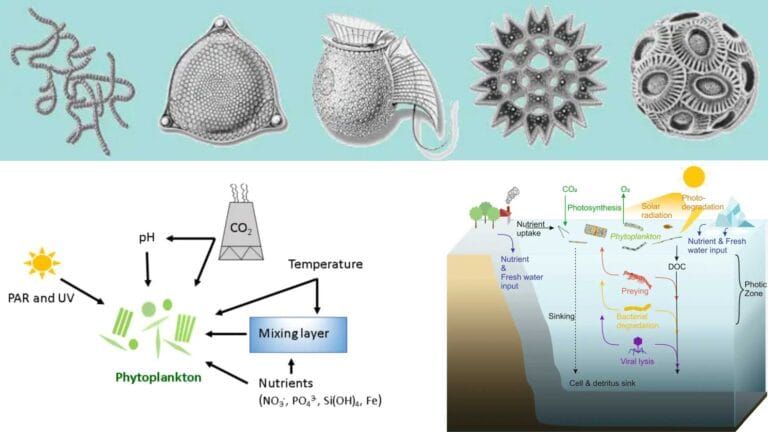
What is Phytoplankton? Definition of Phytoplankton Phytoplankton are microscopic, photosynthetic organisms found in aquatic environments that serve as the foundation of marine and freshwater food chains and contribute significantly to global oxygen production and carbon cycling. Characteristics Features of Phytoplankton Phytoplankton are a diverse group of microscopic photosynthetic organisms that inhabit aquatic ecosystems, and they
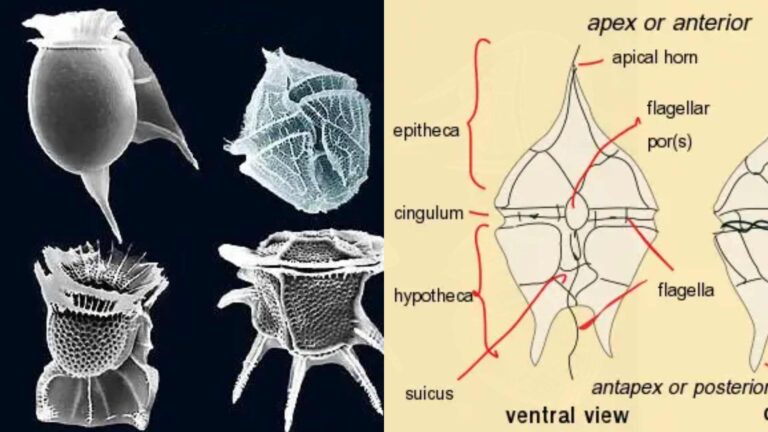
What is Dinoflagellate? Definition of Dinoflagellate Dinoflagellates are single-celled eukaryotic microorganisms, primarily found in marine environments, characterized by two whip-like flagella that facilitate movement. Many species are photosynthetic, and they play vital roles in aquatic ecosystems, ranging from primary producers to causing phenomena like bioluminescence and red tides. Dinoflagellates Classification Dinoflagellates are a diverse group
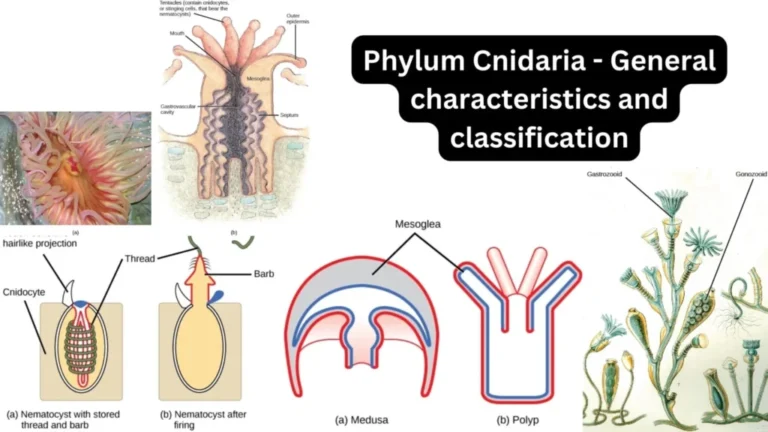
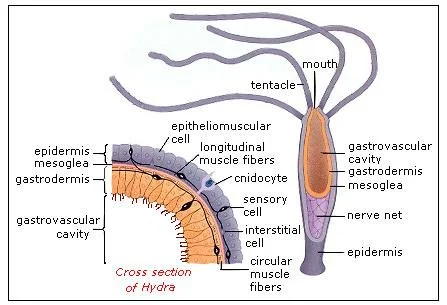
Cnidaria comes from the Greek word cnidos, which means stinging thread. The existence of cnidae characterises these creatures. Cnidaria is a phylum within the Kingdom Animalia that contains 10,000 known species, including corals, sea anemones, jellyfishes, and hydras. These organisms are found in both marine and freshwater environments. It is an additional ancient group with
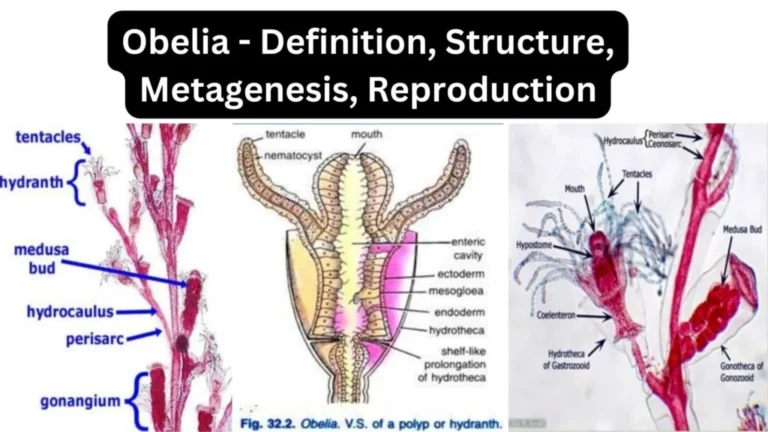
Sea fur is an alternative term for Obelia. Obelia has a delicate, semitransparent, pale to light-brown hydroid colony. It consists of stems with vertical branches called hydrocauli and root-like branches called hydrorhiza. In order to complete its life cycle, Obelia’s asexual and sexual generations alternate. The life cycle of Obelia regularly alternates between hydroid and
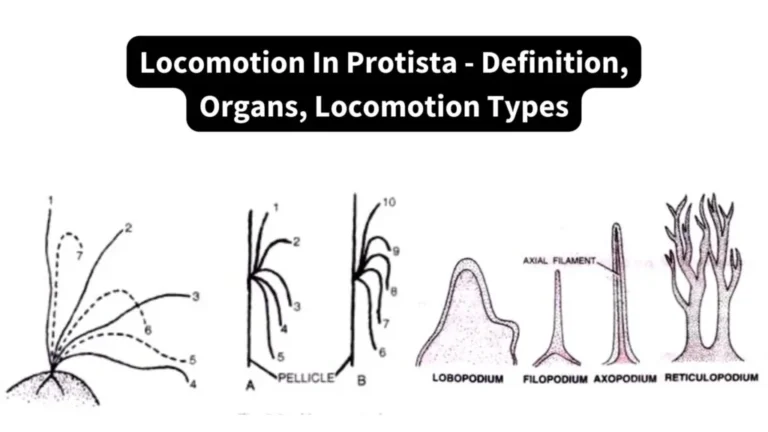
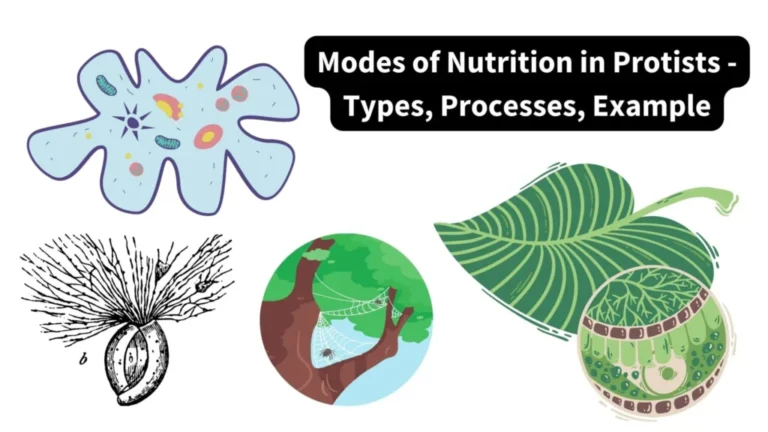
What is Protista? – Protista Definition Different Locomotion organs of Protista Protists are a heterogeneous group of unicellular eukaryotic creatures with a vast array of movement techniques. Certain protists utilise flagella, cilia, or pseudopodia for locomotion. 1. Flagella Some protists have long, whip-like appendages called flagella that protrude from their surface. They are utilised for
What is Polymorphism in cnidarians? The majority of polyps are sessile, whereas meduase types are motile. Nonetheless, there is a similarity between the two in their fundamental characteristics. Importance of Polymorphism Polymorphism is fundamentally a phenomena of labour division. Rather than assigning diverse functions to the components or organs of a single individual, distinct functions
Protists are a varied category of eukaryotic creatures that are unicellular or multicellular, and can be free-living or parasitic. They have a simple cellular structure, with a nucleus and other membrane-bound organelles, and are capable of a wide variety of metabolic operations, including as photosynthesis, digesting, and locomotion. Protists are found in nearly all habitats