Human Nervous System – Definition, Parts, Functions

Nervous System - Definition, Parts, Functions

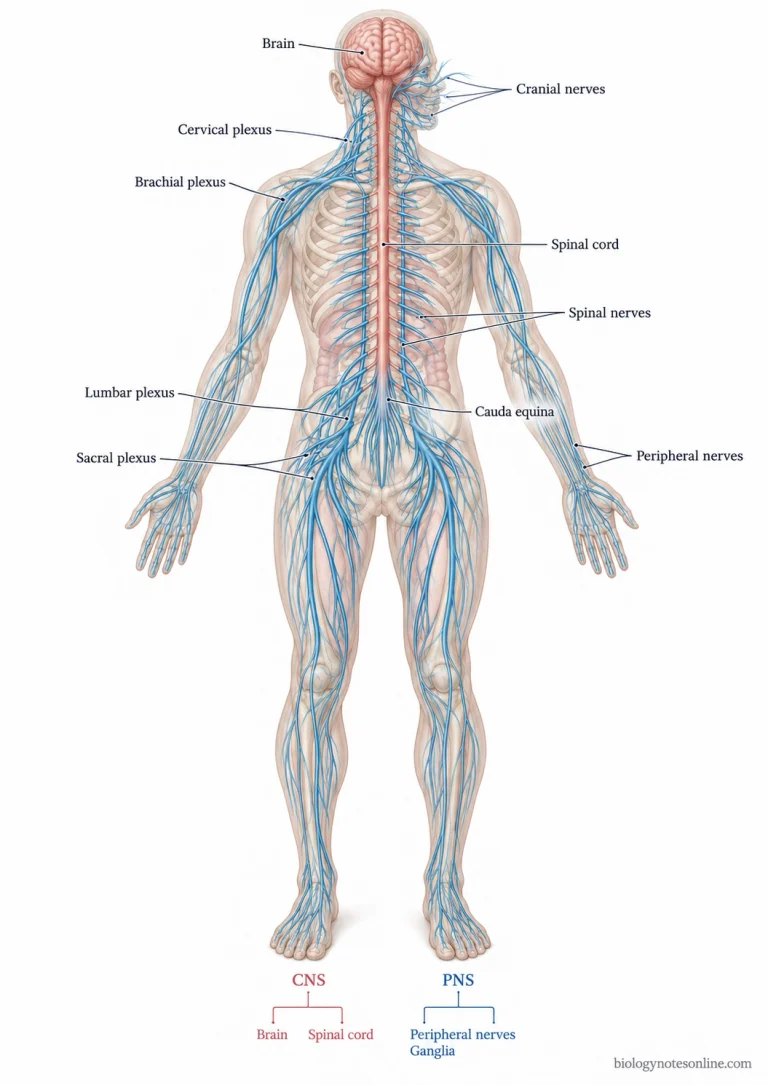
Nervous system is a complex controlling and coordinating system of the body. It receives stimulus, processes the informations and gives response through muscles and glands. Human nervous system is a highly complex biological network of the human body. It is responsible for coordinating body functions, receiving sensory informations and producing different body responses. It has … Read more

Speciation – Definition, Causes, Types, Process

Speciation - Definition, Causes, Types, Process

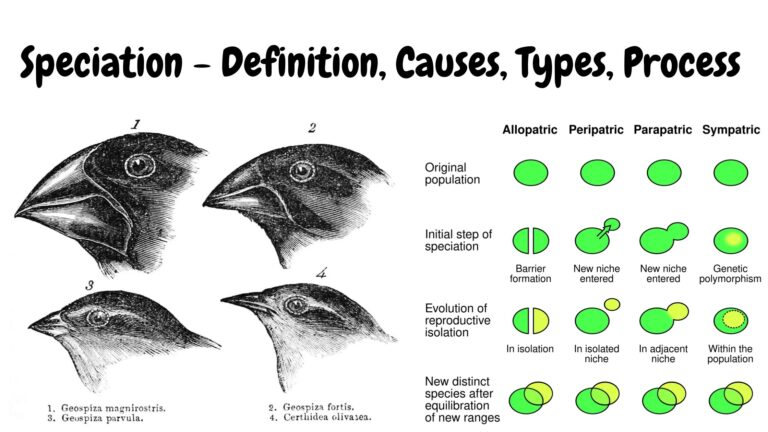
What is Speciation? Speciation is the evolutionary process by which new species are formed from a pre-existing species. It is the process where a single ancestral population is gradually divided into two or more distinct species. This process occurs when population of a species becomes isolated from each other and the gene flow between them … Read more

Eggs – Types, Structure, Egg Membranes, Examples

Types of Eggs and Egg Membranes

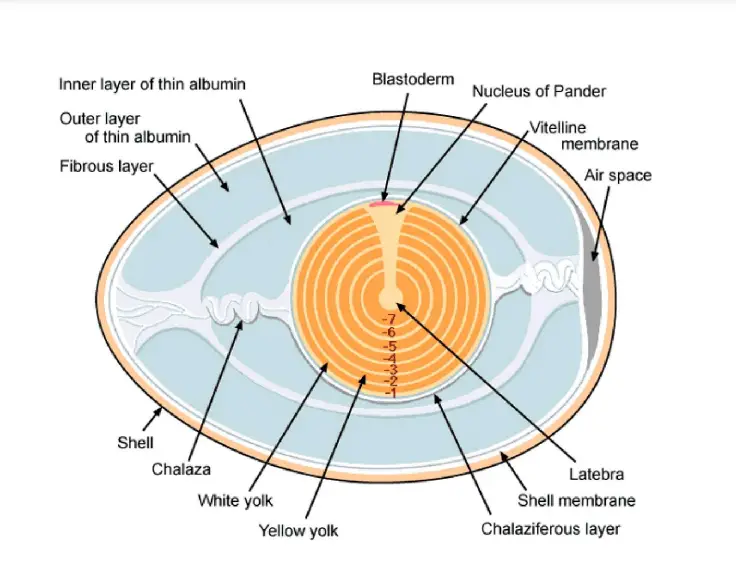
An egg is a biological structure which contains the female gamete and after fertilization it carries the developing embryo. It is an organic vessel that provides protection and nourishment to the embryo till hatching or birth. The major internal component of egg is yolk (vitellin) which acts as reserve food material and supplying energy for … Read more

Phylum Nemathelminthes – Anatomy, Morphology, Characteristics, Classification

Phylum Nemathelminthes - Definition, General Characteristics, Classification

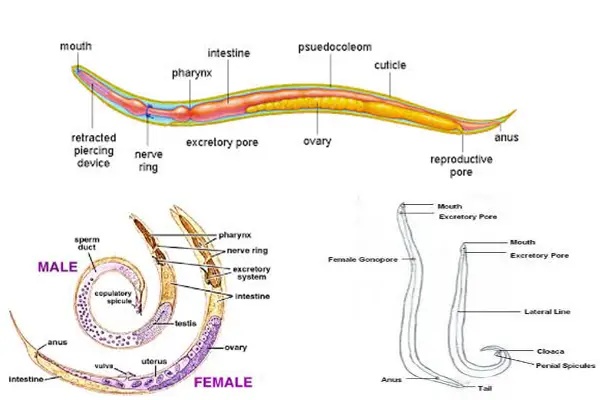
Phylum Nemathelminthes is a group of worm-like animals which was earlier used in classification and also referred to as Aschelminthes. It includes unsegmented, bilaterally symmetrical and triploblastic animals. These organisms are elongated and cylindrical in shape and the body is tapering at both ends. Because of this shape they are commonly called roundworms or threadworms. … Read more

Study of larval forms In Protochordates

Study of larval forms In Protochordates

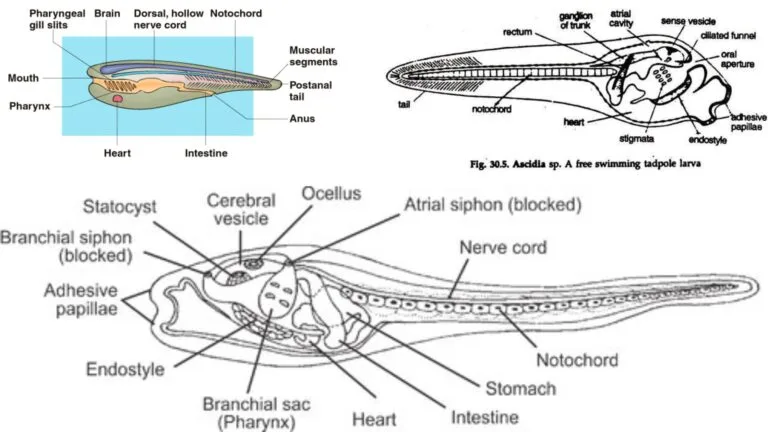
Protochordate larvae is the juvenile stage found in lower chordates, and it is seen in members of Urochordata and Cephalochordata. It is the stage where the animal shows the typical chordate features very clearly. It is the notochord, dorsal hollow nerve cord, pharyngeal slits, and the post-anal tail that appear in this larval period. It … Read more

Kingdom Protista – Characteristics, Classification, Reproduction, Life Cycle, Examples

Kingdom Protista - Characteristics, Classification, Reproduction, Life Cycle, Examples

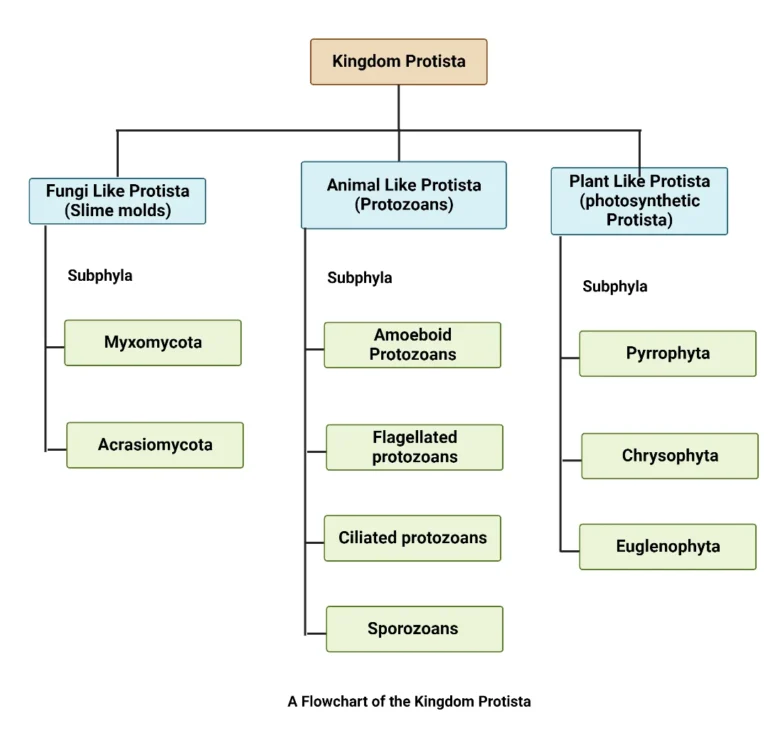
Kingdom Protista is described as a group of eukaryotic organisms which is neither plant nor animal nor fungus. It is the group that consists of organisms having a true nucleus and other membrane-bound organelles, and it is considered as the most diverse group among the eukaryotes. It is the historical classification used to place all … Read more

Origin of Chordates – Dipleurula concept, Echinoderm theory

Origin of Chordates - Dipleurula concept, Echinoderm theory

It is considered that the origin of chordates is deeply associated with the deuterostome lineage, where the early ancestors are sharing characters with hemichordates and echinoderms. In this group, the basic features such as a notochord, dorsal hollow nerve cord (DHNC), pharyngeal gill slits, post-anal tail and endostyle are present at some stage of development. … Read more

Herdmania – Characteristics, Anatomy (With Diagram), Nervous System

Herdmania - Characteristics, Anatomy (With Diagram), Nervous System

Domain Eukaryota Kingdom Animalia Phylum Chordata Subphylum Tunicata Class Ascidiacea Order Stolidobranchia Family Pyuridae Genus Herdmania Authority Lahille, 1888 What is Herdmania? Herdmania is a solitary ascidian which is included under the Subphylum Tunicata of the Phylum Chordata. It is a sessile marine animal and the adult remains attached to hard substratum like rocks or … Read more