Biochemical tests are laboratory procedures that use specific chemical reactions to identify and characterize microorganisms, such as bacteria. These tests are often used to identify the presence of specific enzymes or metabolic pathways in a microorganism, which can help to distinguish it from other microorganisms.
Some common biochemical tests used in bacteriology include:
Oxidase test: This test is used to detect the presence of the enzyme cytochrome oxidase, which is involved in the metabolism of oxygen. Catalase test: This test is used to detect the presence of the enzyme catalase, which helps to break down hydrogen peroxide. Indole test: This test is used to detect the presence of the enzyme tryptophanase, which breaks down the amino acid tryptophan. Nitrate reduction test: This test is used to detect the ability of a microorganism to reduce nitrate to nitrite. Gelatinase test: This test is used to detect the ability of a microorganism to produce the enzyme gelatinase, which breaks down gelatin.
These are just a few examples of the many different biochemical tests that are used in bacteriology. Biochemical tests can be useful for identifying and classifying bacteria, and for understanding their metabolism and ecological role.
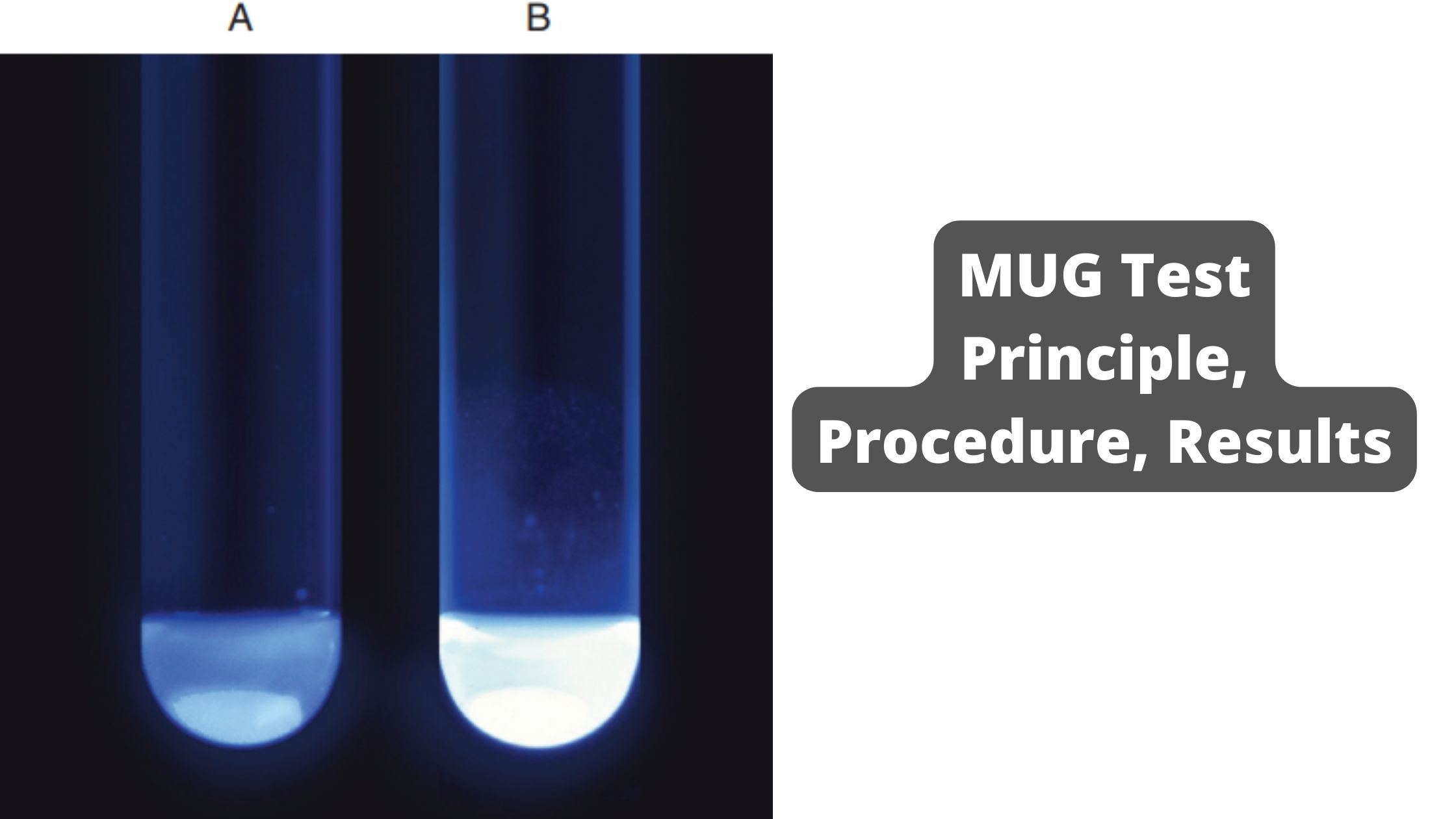
MUG test is a rapid biochemical assay used in microbiology. It is used to detect Escherichia coli (E. coli) mainly in food, water and environmental samples. It uses 4-methylumbelliferyl-β-D-glucuronide (MUG) as the substrate. The test is used to detect β-glucuronidase enzyme activity. About 96% to 97% of E. coli strains produce this enzyme. When MUG … Read more
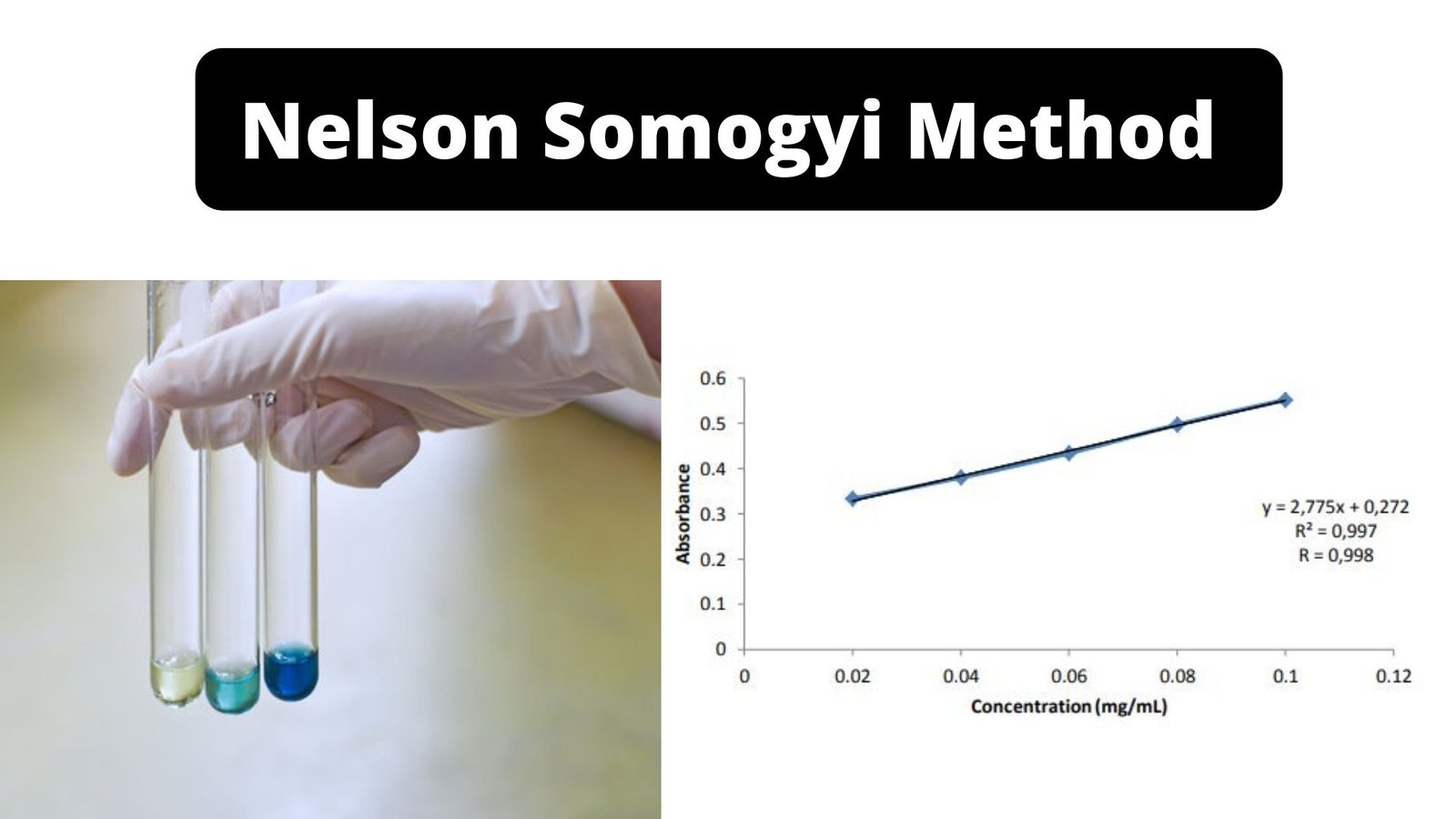
Nelson-Somogyi method is a classical colorimetric method used for quantitative estimation of reducing sugars like glucose in biological and industrial samples. It is a two step redox based assay where reducing sugars act as reducing agent and reaction is carried out in alkaline condition. In first step, sample containing reducing sugar is heated with alkaline … Read more
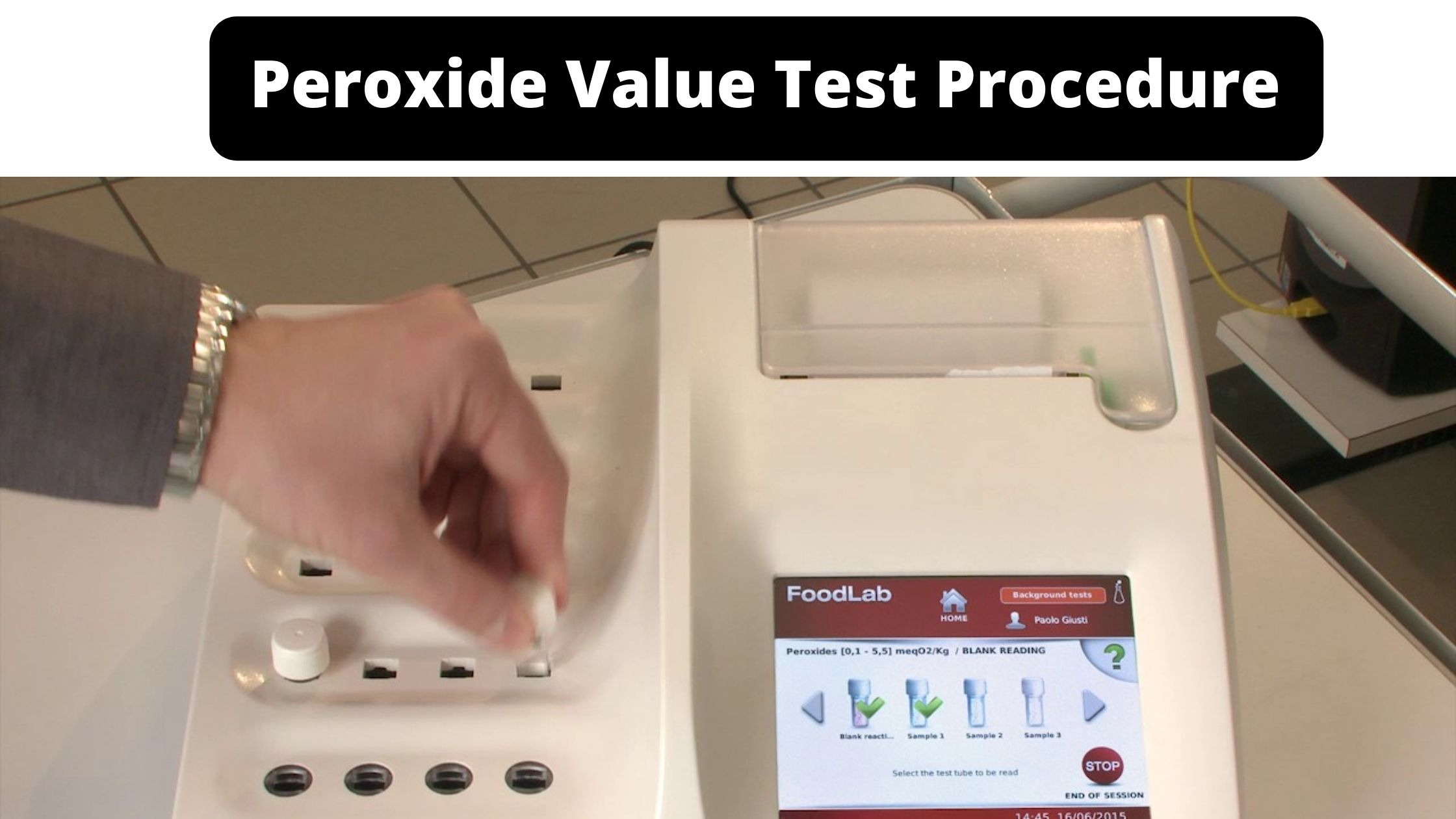
Peroxide Value (PV) Test is a chemical titration used to find the peroxides and hydroperoxides present in fats and oils. It is taken as an early index of oxidation and shows the freshness, quality, and keeping life of the sample. A high value means the oil is turning rancid. Objectives of Peroxide Value Test Principle … Read more
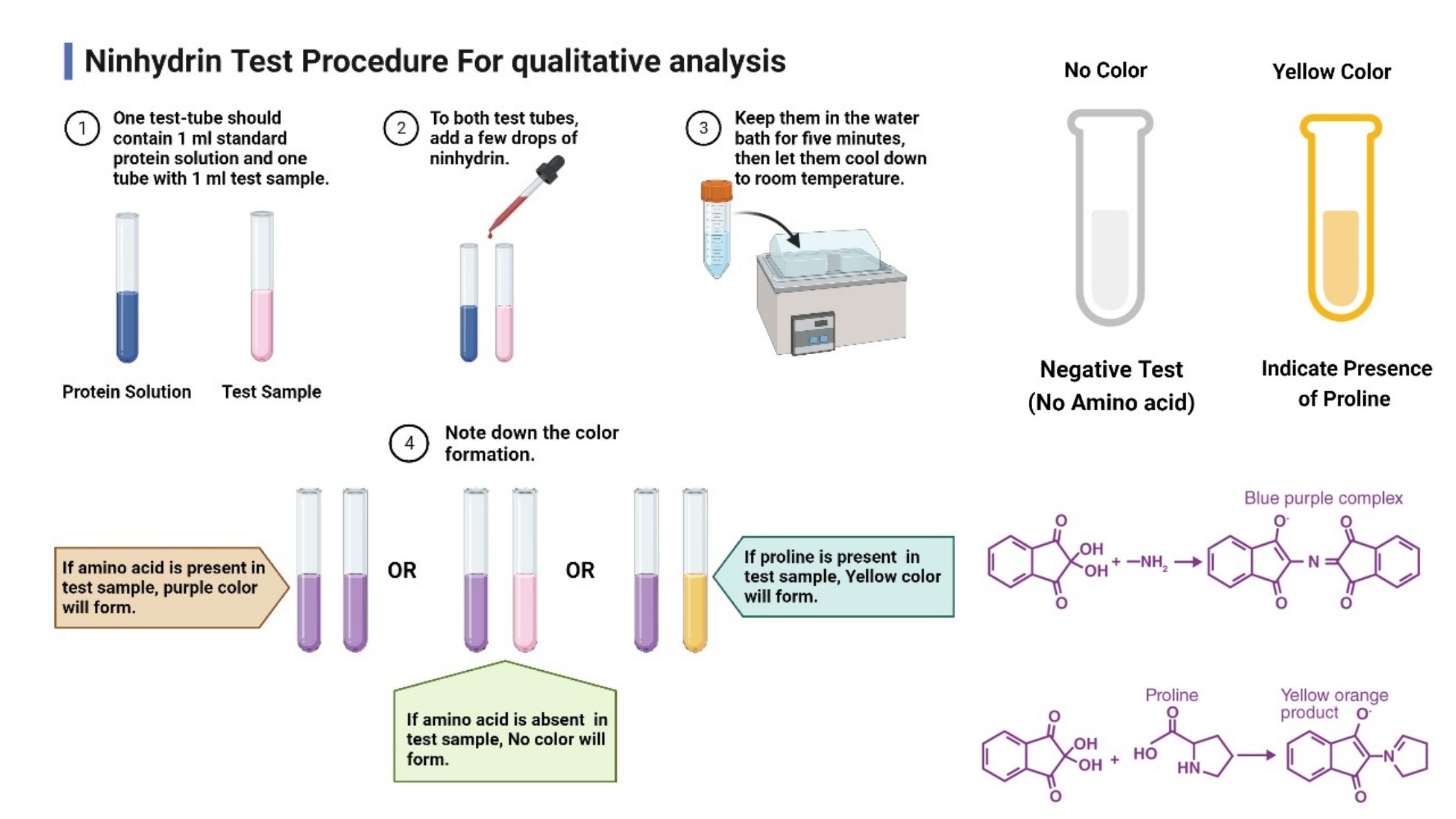
Ninhydrin Test is a chemical test used to detect ammonia, primary amines, secondary amines and α-amino acids in a given sample. It is done by treating the sample with ninhydrin (2,2-dihydroxyindane-1,3-dione). The reagent acts as a strong oxidizing agent and the reaction is seen after heating. During this test, amino acids undergo oxidative deamination and … Read more
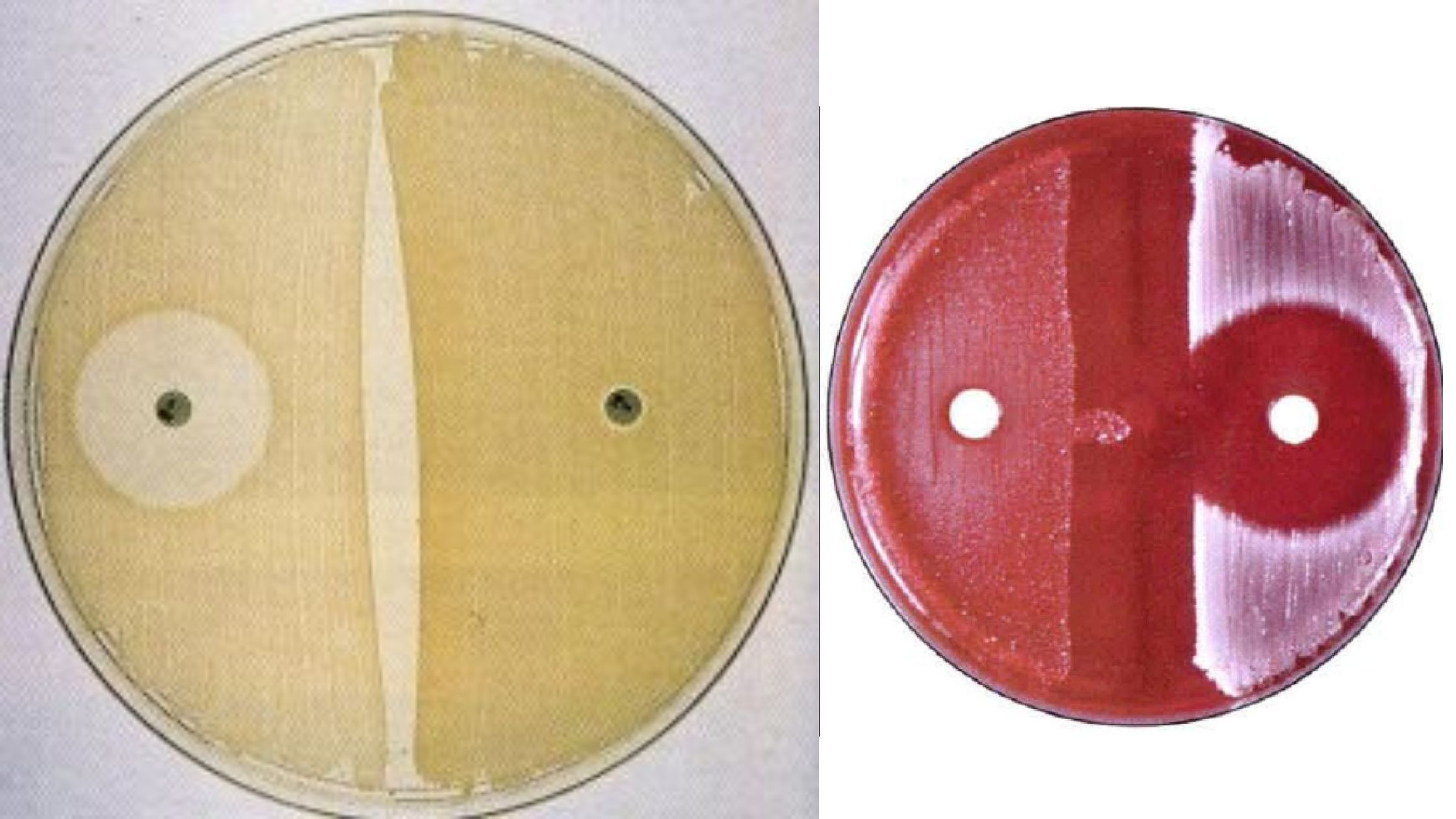
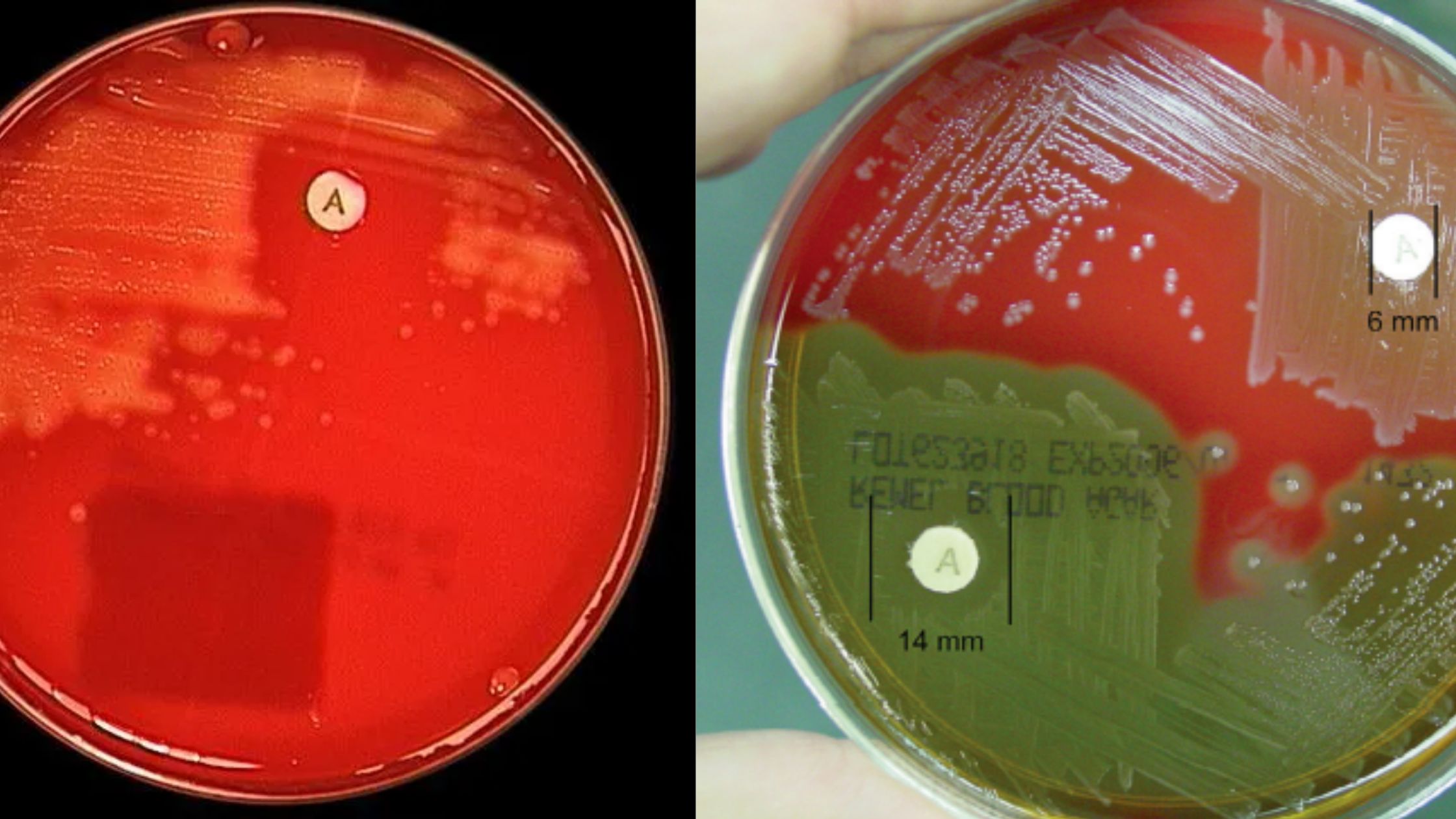
The novobiocin (antibiotic) differentiation disc can be used in the Novobiocin Susceptibility Test to help make a preliminary distinction between Staphylococcus saprophyticus and other coagulase-negative staphylococci (CoNS) in clinical (urinary) specimens.
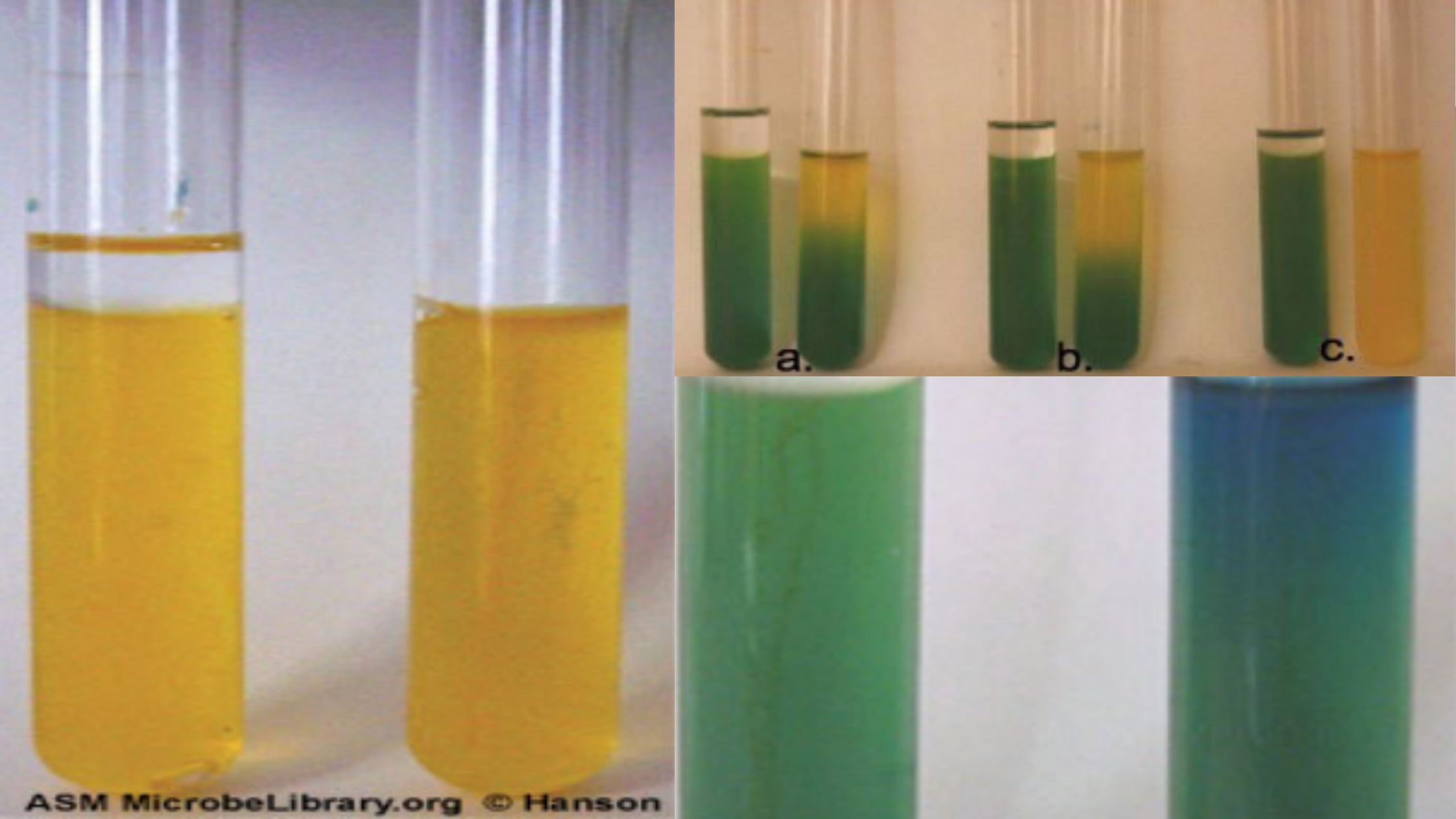
OF (Oxidation-Fermentation) test is a biochemical test used to find out how a bacterium utilize carbohydrate (mainly glucose). It was developed by Hugh and Leifson (1953). It differentiates organisms into fermentative type and oxidative type based on acid production in anaerobic and aerobic condition. It is done in a semi-solid OF medium having high carbohydrate … Read more
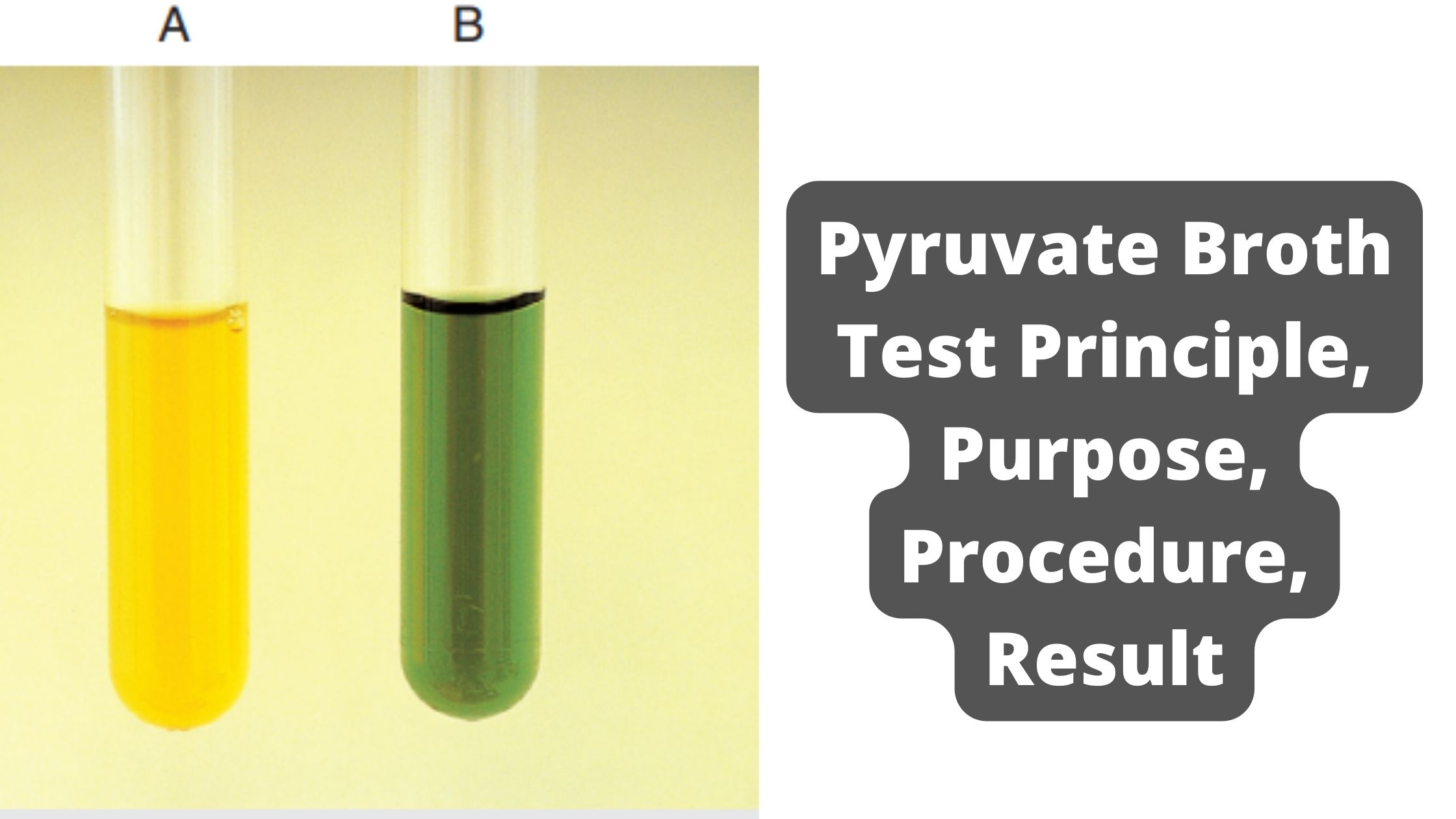
Pyruvate Broth Test is a biochemical test used to determine the ability of a bacterium to utilize pyruvate as a carbon and energy source. It is done in a carbohydrate-free broth medium containing sodium pyruvate. The medium contains an indicator (bromothymol blue) which gives greenish-blue colour initially. If the organism metabolizes pyruvate, organic acids are … Read more
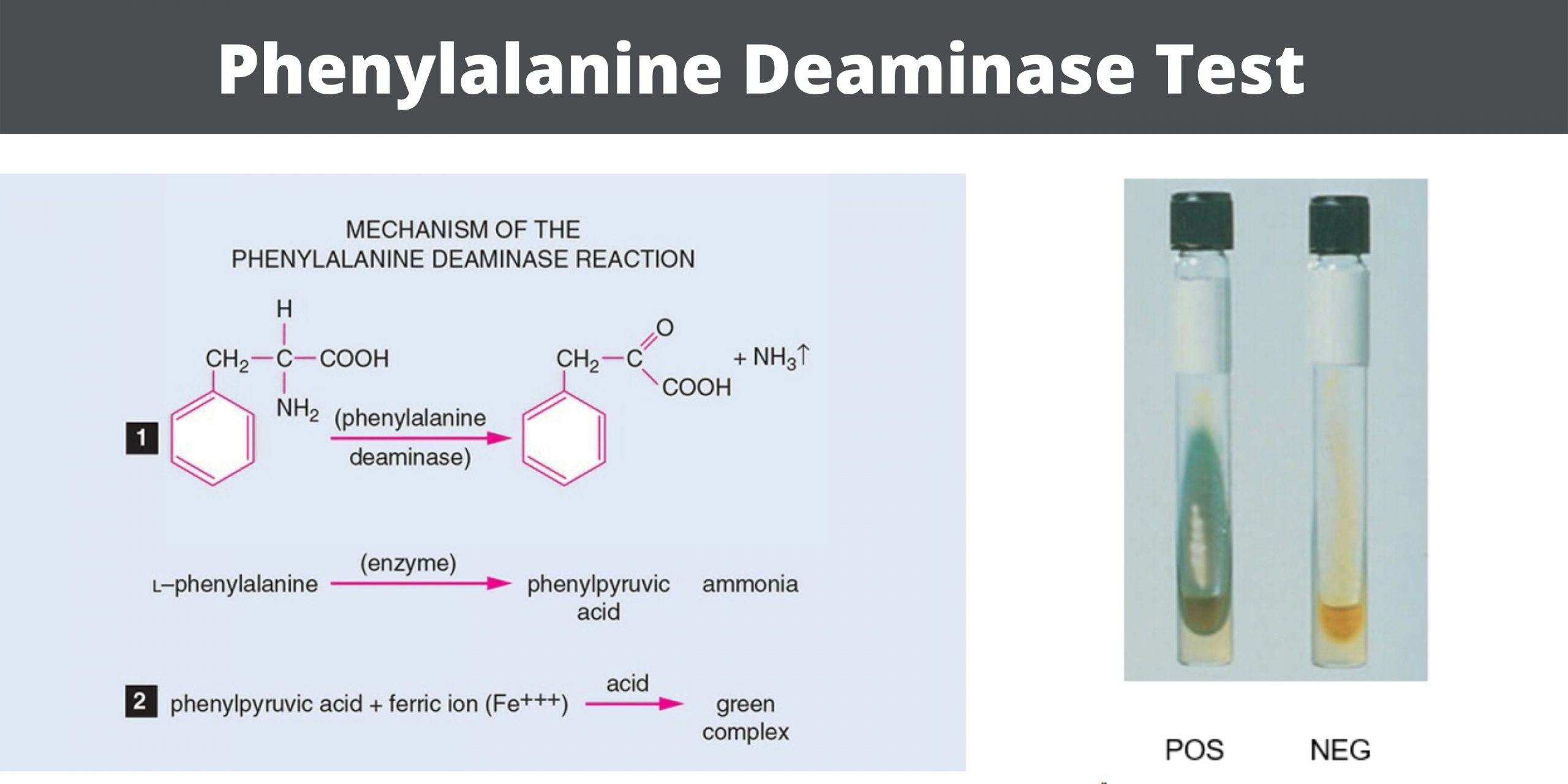
Phenylalanine Deaminase Test (PDA test) is a biochemical test used to detect the enzyme phenylalanine deaminase produced by some bacteria. It is used to identify and differentiate gram-negative enteric bacteria, mainly the Proteeae group from other Enterobacteriaceae. In this test, the organism is grown on a medium containing phenylalanine. If the enzyme is present, phenylalanine … Read more
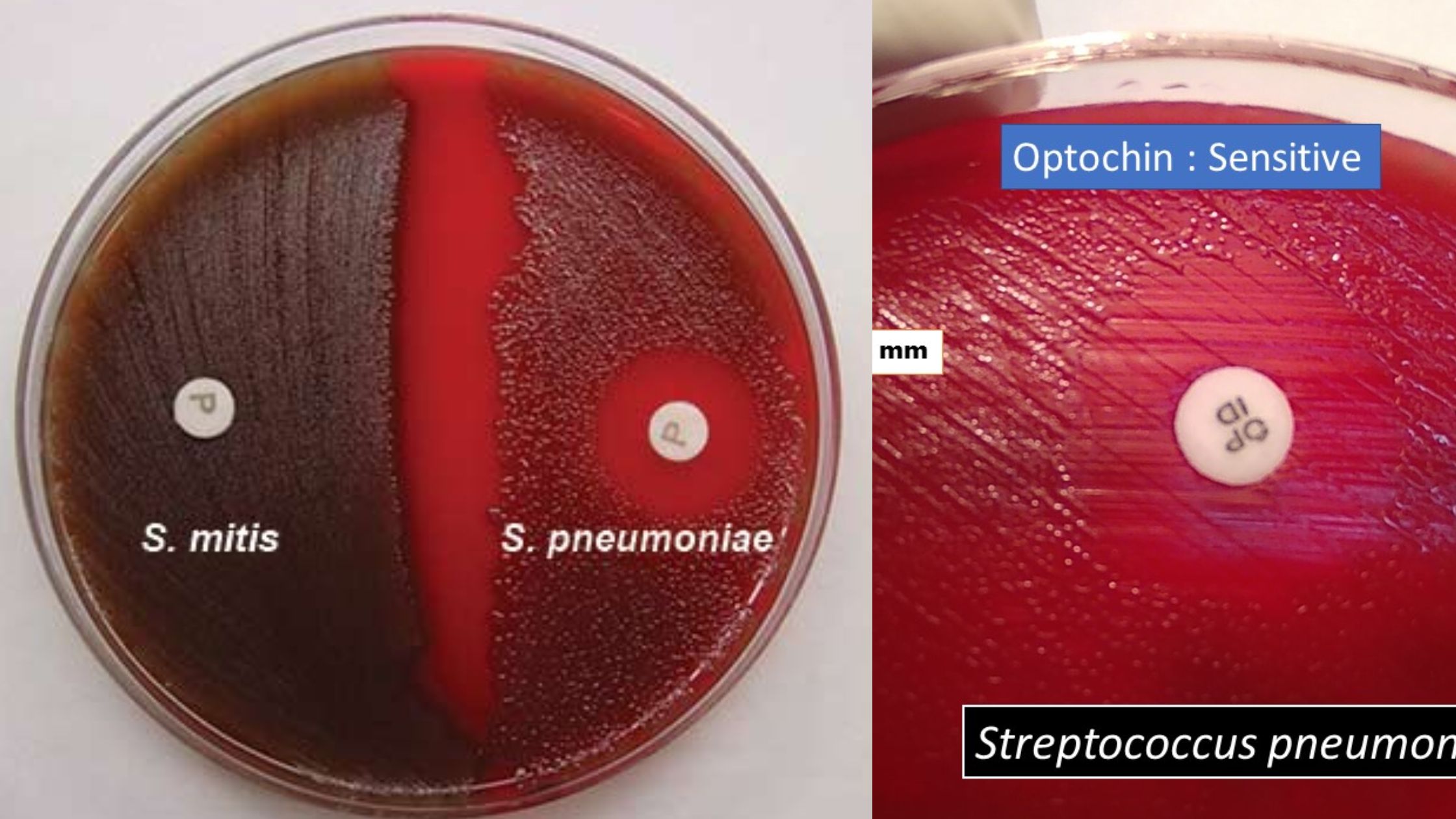
Streptococcus pneumoniae can be distinguished from other viridans streptococci by showing that it is sensitive to optochin, dissolves in bile, reacts with a specific DNA probe, or has species-specific capsular polysaccharides.