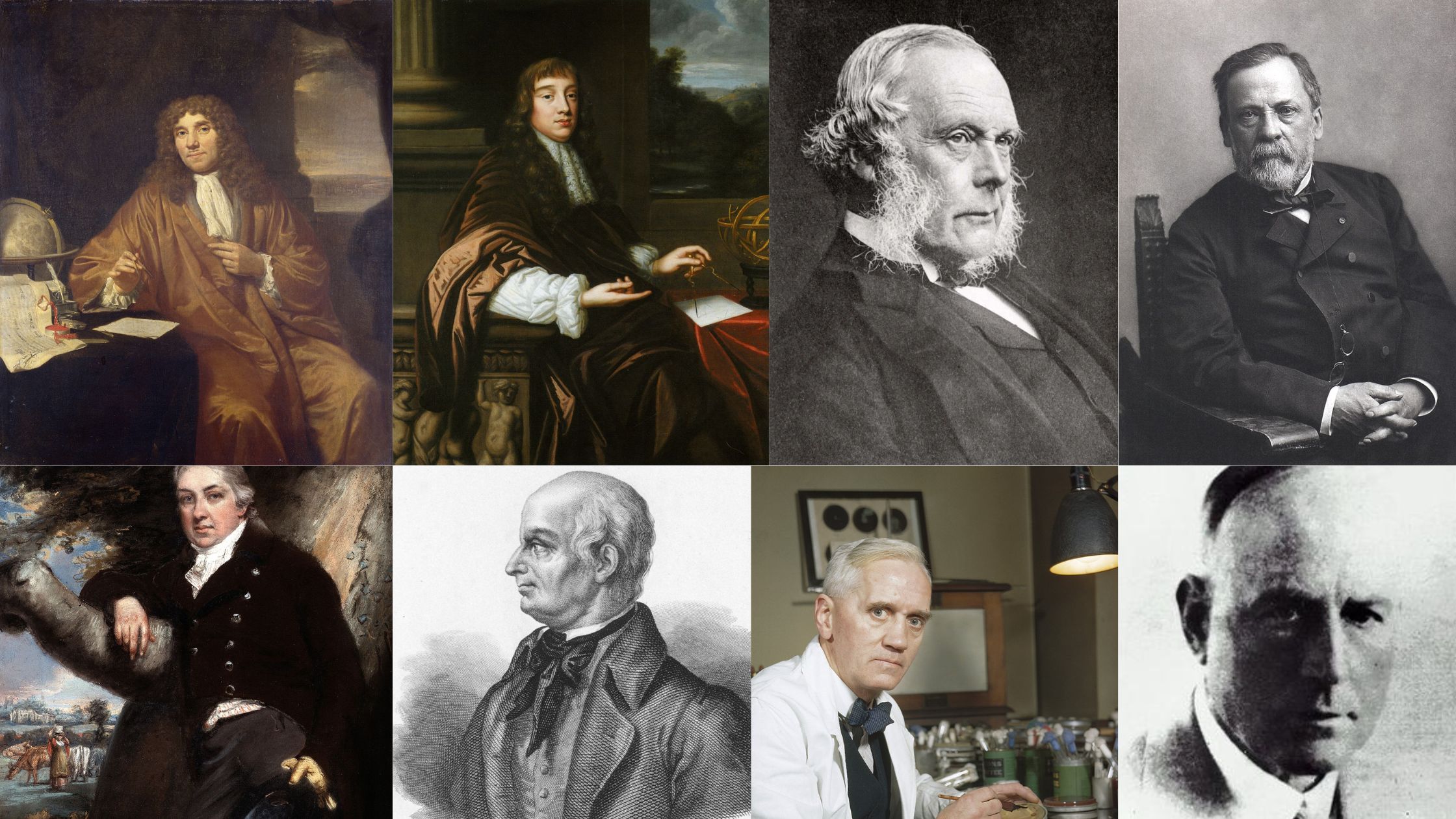
Microbiologist profiles and contributions covering major discoveries, experiments, theories, and historical advances that shaped microbiology, bacteriology, immunology, virology, and related fields.
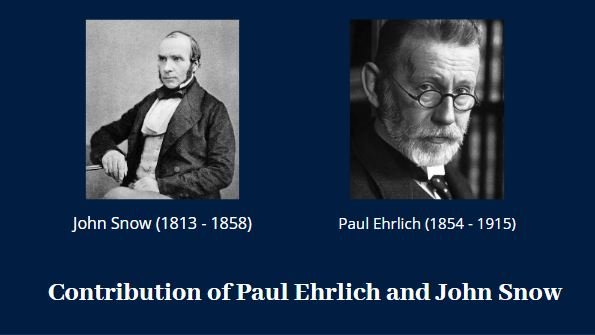
Paul Ehrlich Paul Ehrlich (1854–1915) was a German physician, biochemist and scientist. He is regarded as one of the founders of modern hematology, immunology and chemotherapy. His work was mainly concerned with immunity, staining techniques and chemical treatment of diseases. In 1908, he was awarded the Nobel Prize in Physiology or Medicine along with Élie … Read more
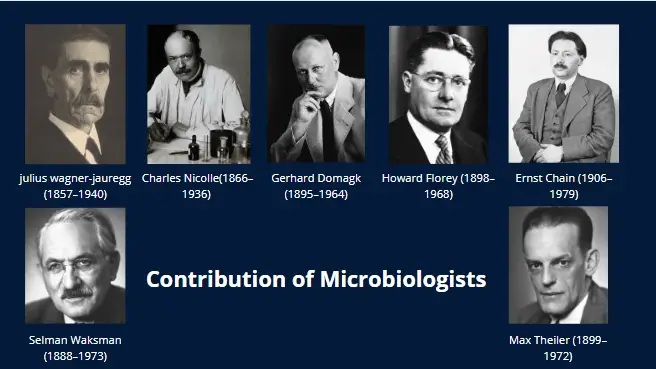
1. Julius Wagner-Jauregg Julius Wagner-Jauregg was an Austrian psychiatrist. He was the first psychiatrist who received the Nobel Prize in Physiology or Medicine. He is mainly known for introducing malarial therapy for the treatment of neurosyphilis. It is considered as one of the earliest biological treatment in psychiatry. Key Contributions of Julius Wagner-Jauregg Development of … Read more
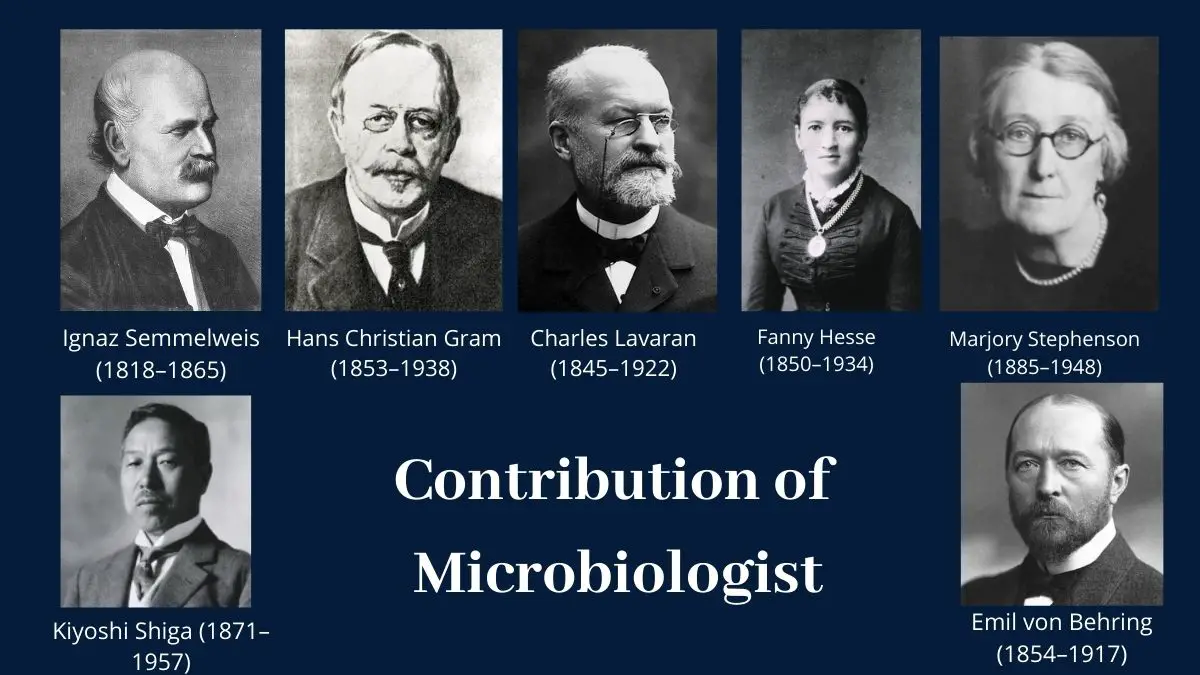
1. Ignaz Semmelweis Ignaz Semmelweis was a Hungarian physician and obstetrician (1818–1865). He is regarded as the “savior of mothers”. He worked in a maternity clinic in Vienna where high maternal deaths were observed after childbirth. It was during this period that he studied the cause of puerperal fever. Key Contributions of Ignaz Semmelweis Some … Read more
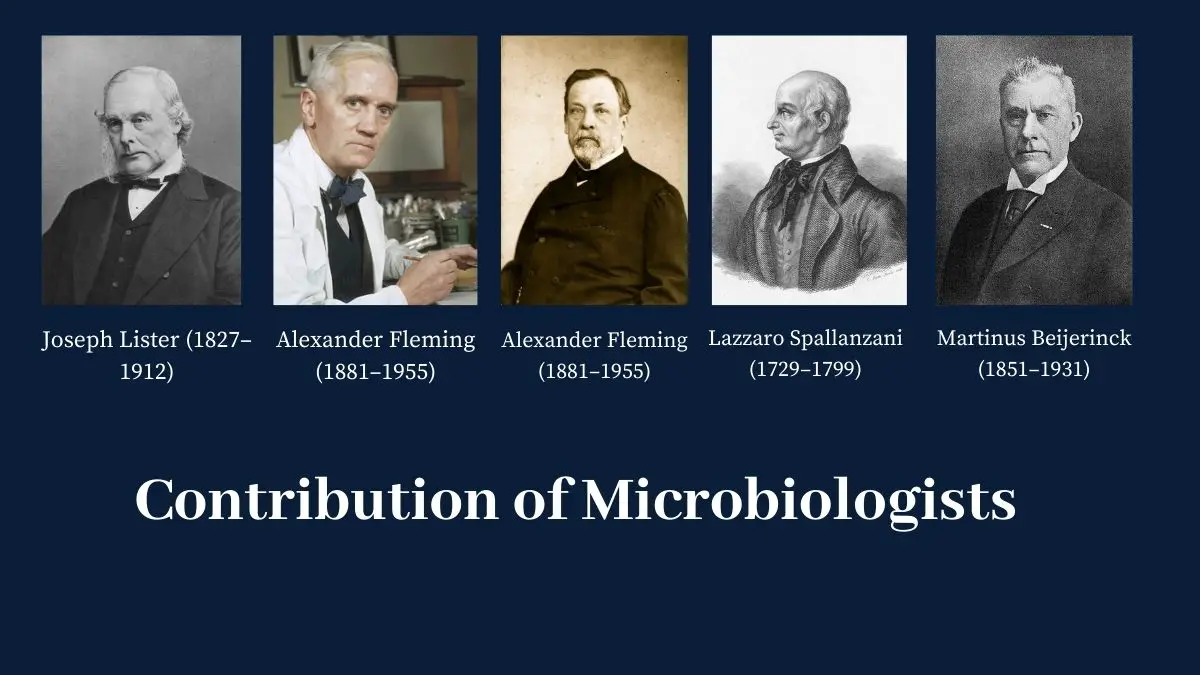
1. Joseph Lister Joseph Lister was a British surgeon and medical scientist. He was born in Essex, England in 1827 in a Quaker family. He is regarded as the father of modern surgery and father of antiseptic surgery. He obtained the degree of Bachelor of Medicine from University College London in 1852. His main work … Read more
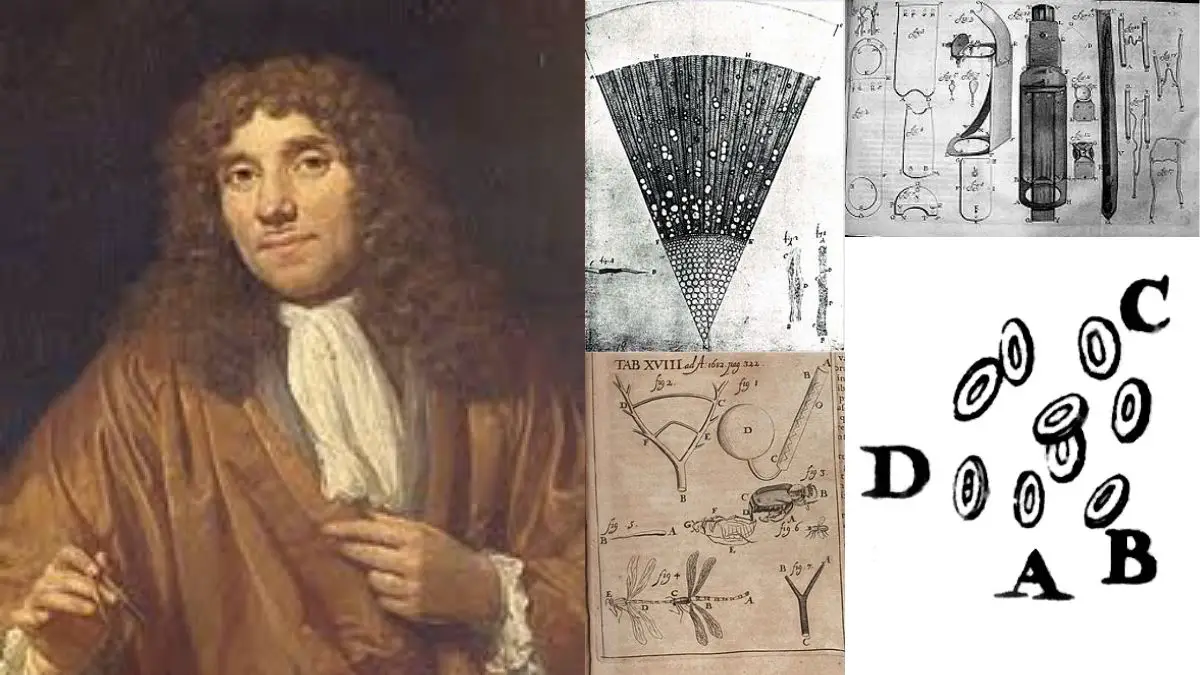
Who was Antonie van Leeuwenhoek? Antonie van Leeuwenhoek was a Dutch scientist who is regarded as the Father of Microbiology. He was born in 1632 in Delft, Netherlands. He did not receive formal higher education and he spoke only Dutch. He started his career as a linen draper. In this work he used small magnifying … Read more
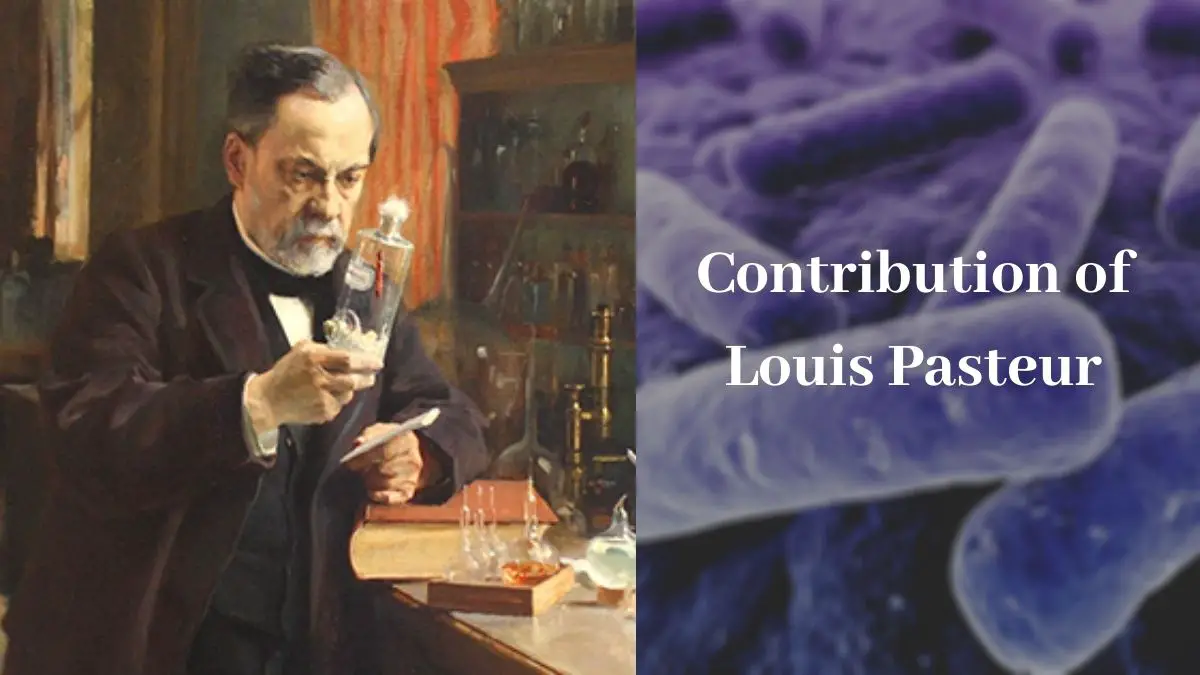
Who Was Louis Pasteur? Louis Pasteur was a French chemist and microbiologist who is regarded as one of the founder of modern bacteriology and microbiology. He was born in 1822 at Dole in France. His work is considered as the foundation of microbiology and immunology. In the early period of his career, he studied chemistry, … Read more
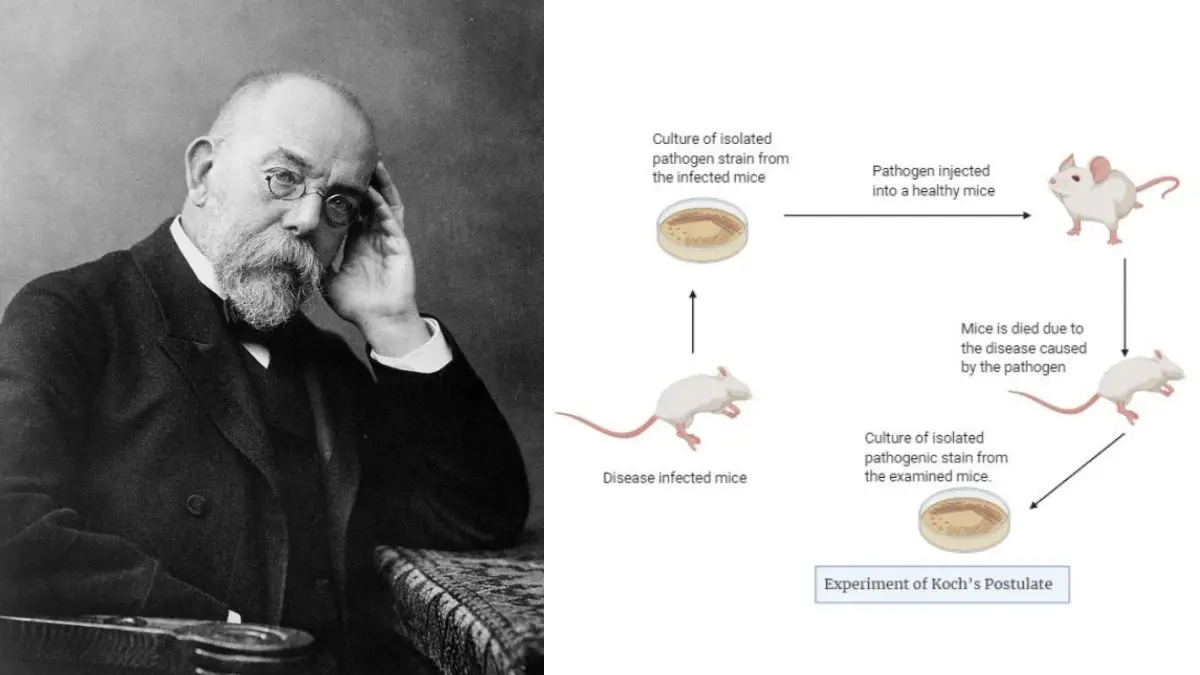
Who was Robert Koch? Heinrich Hermann Robert Koch (1843–1910)was a German physician and microbiologist. He is regarded as one of the founder of modern bacteriology. He is most famous for discovering the specific bacteria causing deadly infectious diseases. Anthrax is caused by Bacillus anthracis. Tuberculosis is caused by Mycobacterium tuberculosis. Cholera is caused by Vibrio … Read more
Here is the list of Top 56 Pioneers in Microbiology and their Great Contribution Antonie van Leeuwenhoek (1632–1723): The First Microbiologist Antonie van Leeuwenhoek was a Dutch scientist who is often considered the father of microbiology. He was the first to observe bacteria and other microorganisms using a microscope that he designed and built himself. … Read more