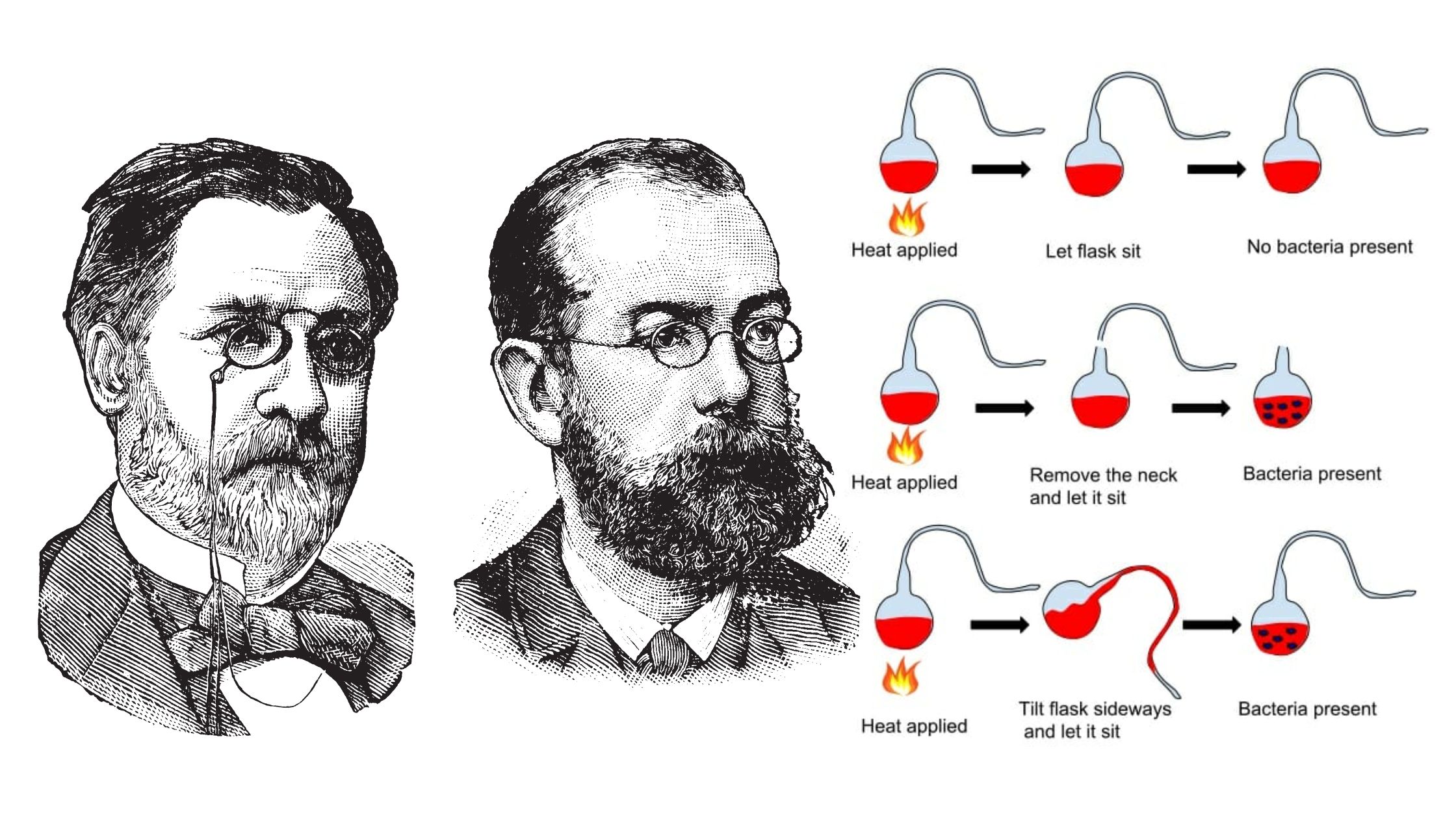
What is Germ Theory of Disease? Germ theory of disease is a scientific theory. It states that many infectious diseases are caused due to invasion of host organism by microscopic pathogens (germs). These germs are not seen by naked eye. These pathogens includes bacteria, viruses, fungi and protozoa. The germs enters in body and then … Read more
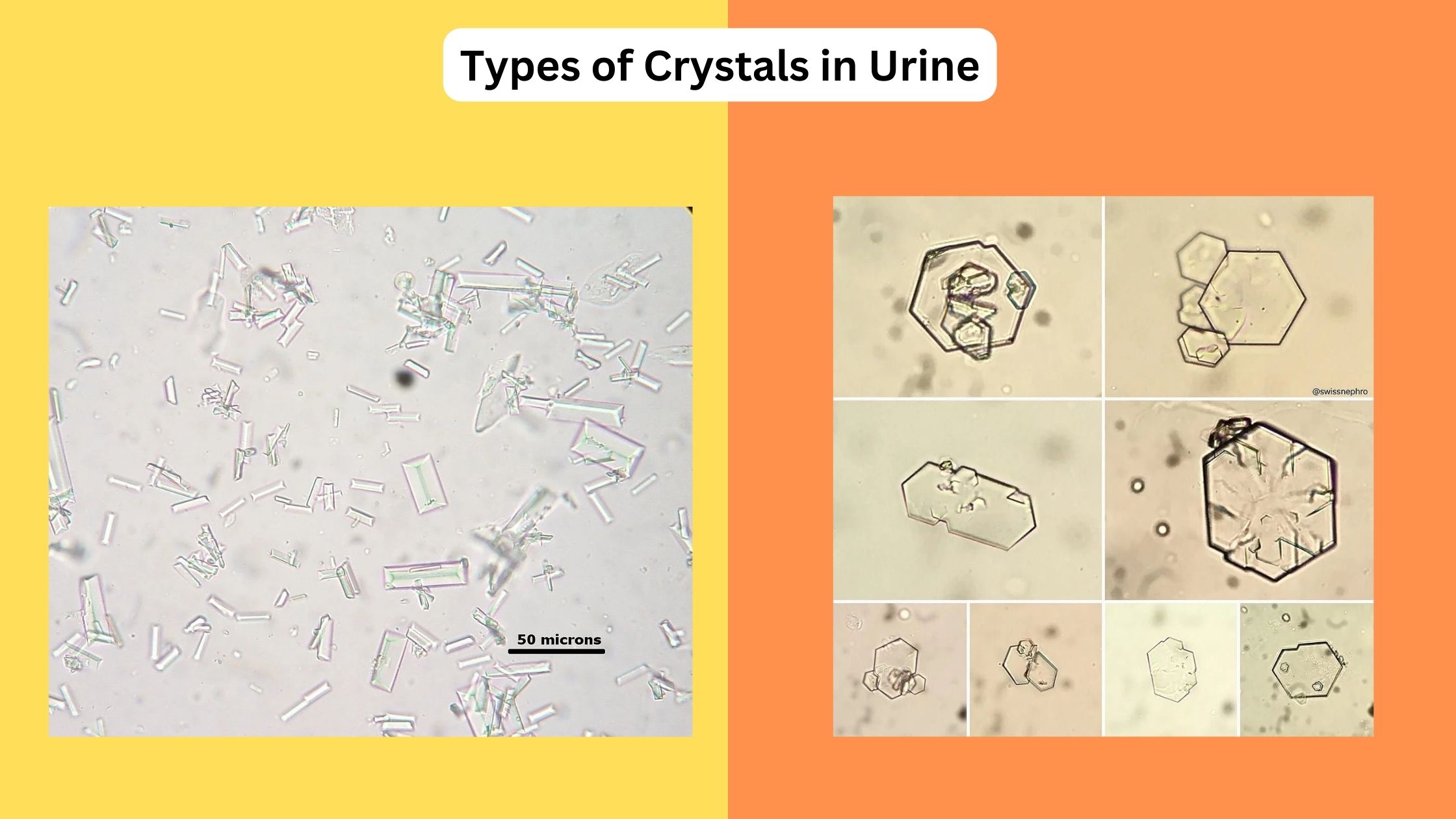
Crystals in urine is the condition in which solid crystalline particles are seen in urine. It is referred to as crystalluria. These crystals are formed when urine contains excess amount of minerals and waste products and they are precipitated out as solid particles. In normal conditions, kidneys filter blood and different dissolved solutes are excreted … Read more
Transmission of diseases is defined as the process by which an infectious agent is transferred from its natural habitat (reservoir) to a new susceptible host. It is the movement of pathogens from one individual to another or from environment to human. This process is an essential part of the chain of infection. Without transmission the … Read more
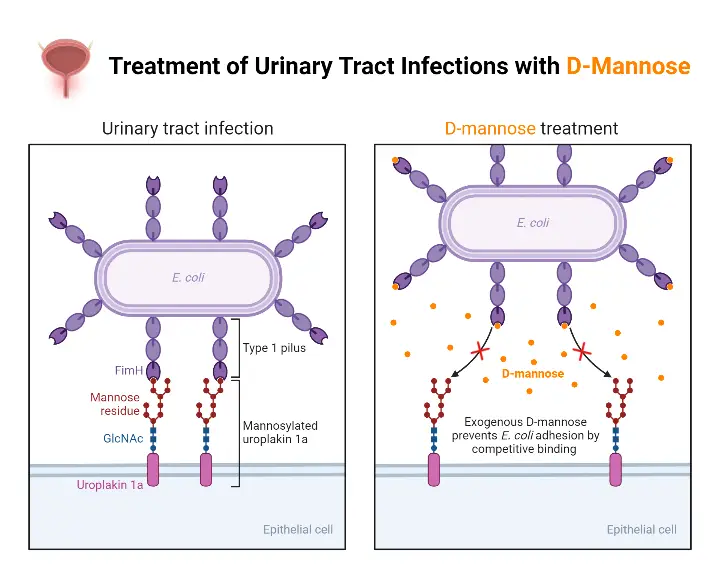
What is Urinary Tract Infection (UTI)? Urinary Tract Infection (UTI) is a common bacterial infection of urinary system. It is affecting any part of the urinary system which includes bladder, urethra, ureters and kidneys. It is most frequently caused by Escherichia coli (E. coli). It occurs more often in women than in men. UTI is … Read more
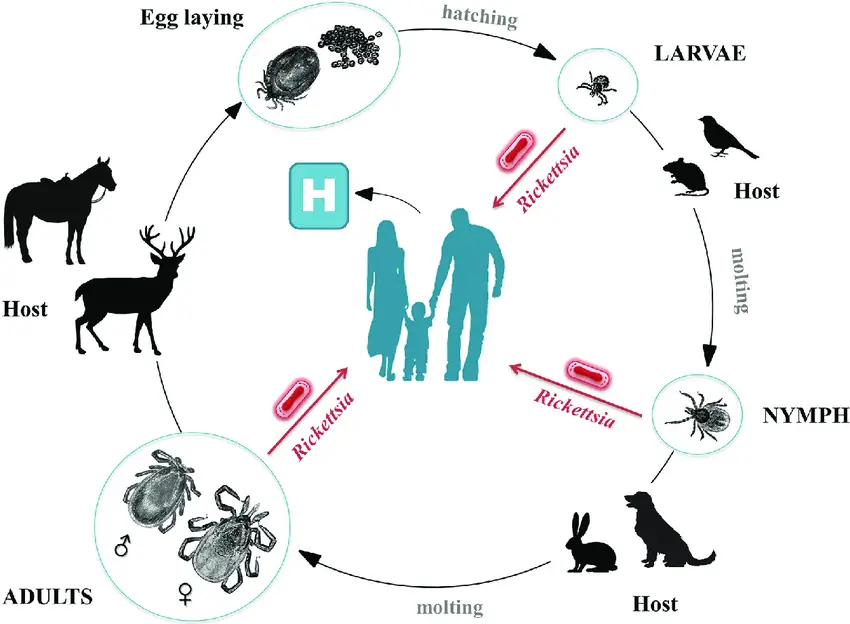
Rickettsia is a small, Gram-negative, obligately intracellular bacterium. It is the organism which can grow and multiply only inside the living host cell. It is highly specialized bacteria showing extreme genomic reduction. Due to this, many metabolic pathways are absent and the bacteria is unable to synthesize its own energy. It depends on the host … Read more
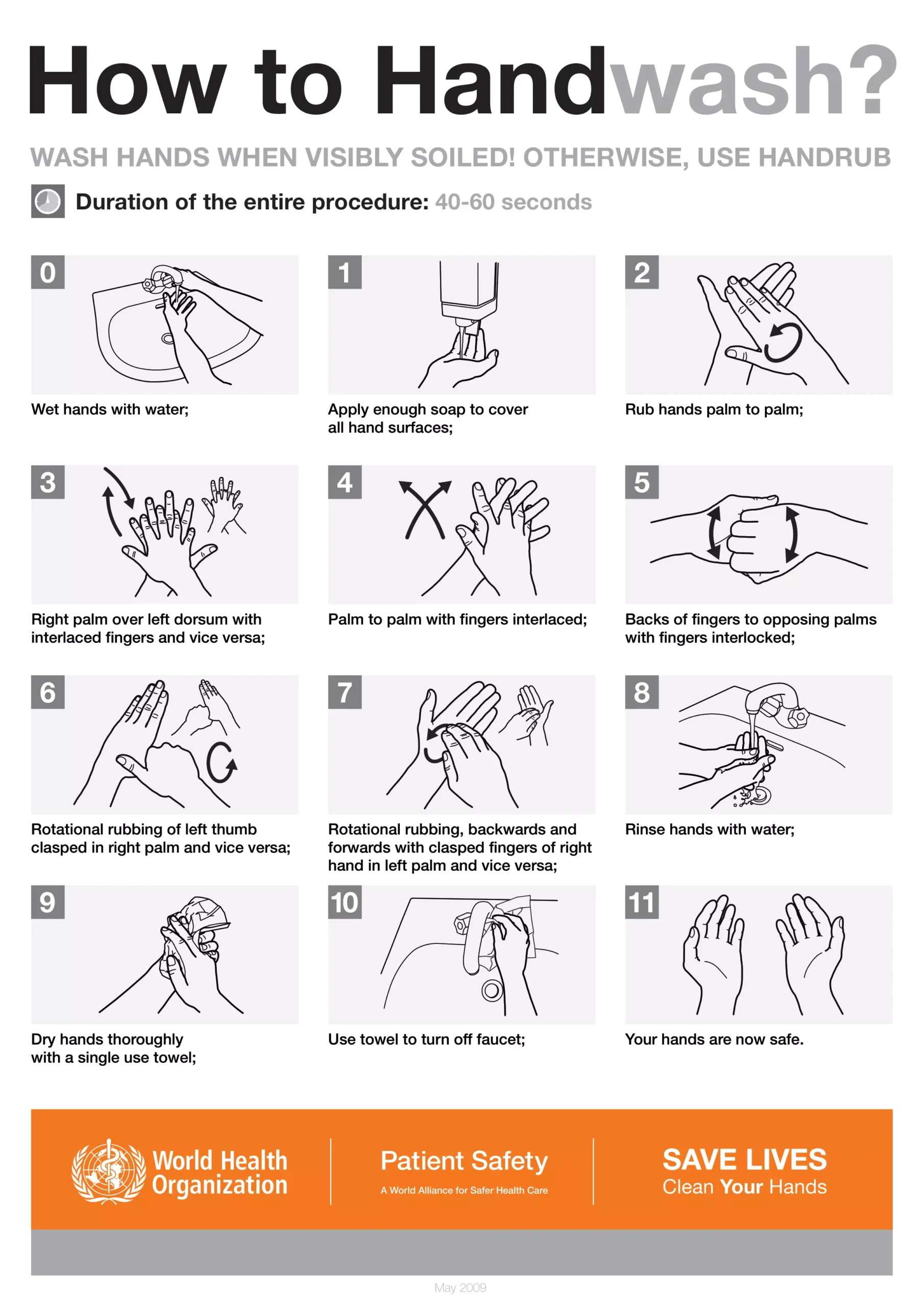
Handwashing is a fundamental and essential practice in basic hygiene that helps to prevent the transmission and spread of infectious agents. Poor hygiene practices can have a significant impact on causing various infections, including those affecting the skin, respiratory tract, and gastrointestinal system. Respiratory and gastrointestinal infections are often associated with a lack of or … Read more
Pathogenicity is the capacity of a microorganism to cause disease in a host. Virulence refers to the intensity or degree of pathogenicity. The virulence varies among different microorganisms and also among strains of same species. Virulence factors are the structures, substances or properties which help a pathogen to cause infection. These factors help the microorganism … Read more