Skip to content
Biology Notes Online
  • Video
  • Microscopic Pictures
  • Microbiology
    Agricultural Microbiology
    Bacteriology
    Basic Microbiology
    Biochemistry
    Bioinformatics
    Biotechnology
    Cell Biology
    Disease
    Ecology
    Environmental Microbiology
    Epidemiology
    Food Microbiology
    Genetics
    Immunology
    Industrial microbiology
    Intellectual Property Rights
    Medical Microbiology
    Microbiologists
    Microscope
    Molecular biology
    Mycology
    Parasitology
    Phycology
    Prions
    Protozoa
    Virology
  • Zoology
    Animal Behaviour
    Basic Zoology
    Biology of Insecta
    Chordates
    Developmental Biology
    Endocrinology
    Ethology
    Evolutionary Biology
    Fish and fisheries
    Human Anatomy
    Neuroscience
    Non-chordates
    Pest Management
    Physiology
    Protista
    Reproductive Biology
    Research Methodology
    Vertebrata
  • Botany
    Angiosperms
    Archegoniate
    Biodiversity
    Economic Botany
    Ethnobotany
    Horticultural
    Natural Resource Management
    Plant Anatomy and Embryology
    Plant Breeding
    Plant Ecology and Taxonomy
    Plant Physiology and Metabolism
  • Laboratory
    Biochemical Test
    Botany Practicals
    Culture Media
    Cytopathology
    Hematology
    Immunology Practical
    Instruments
    Laboratory Techniques
    Laboratory Tests
    Microbiology Techniques
    Protocols
    Solution preparation
    Staining
    Under Microscope
  • Resources
    Differences
    Recommended Books
    Research Methodology
    Syllabus

Home » Video lesson

Lab Instruments
Lab Instruments New
Bioinformatics
Bioinformatics
Biotechnology
Biotechnology
Agricultural Microbiology
Zoology
Zoology
Protozoa
Protozoa
Prions
Prions
Prions are misfolded proteins that can transmit their abnormal shape onto normal variants of the same protein, causing a chain reaction of protein misfolding in the host organism.They are unique infectious agents because, unlike bacteria, viruses, or fungi, they contain no nucleic acids (DNA or RNA). Their infectivity arises solely from their altered protein conformation.
Parasitology
Parasitology
Parasitology is the scientific study of parasites, their biology, ecology, interactions with hosts, and the diseases they cause. It is an interdisciplinary field drawing from zoology, microbiology, immunology, pathology, ecology, and medicine.A parasite is an organism that lives on or inside another organism (the host), deriving nutrients at the host's expense and often causing harm.

Medical Microbiology
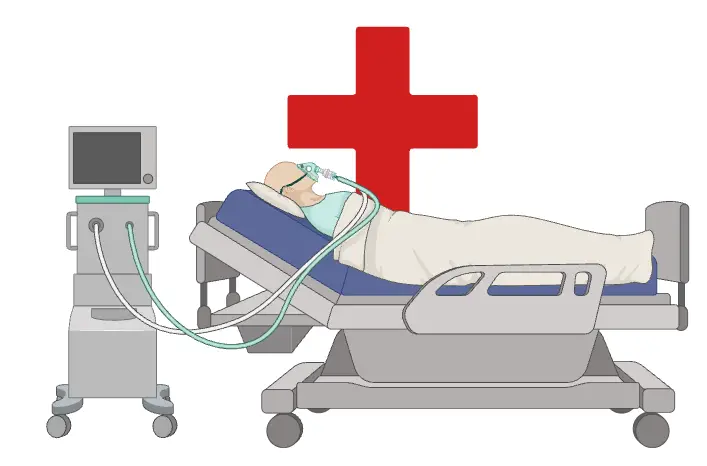
Medical microbiology is the branch of microbiology that deals with the study of microorganisms (bacteria, viruses, fungi, and parasites) that cause diseases in humans.
Phycology
Phycology
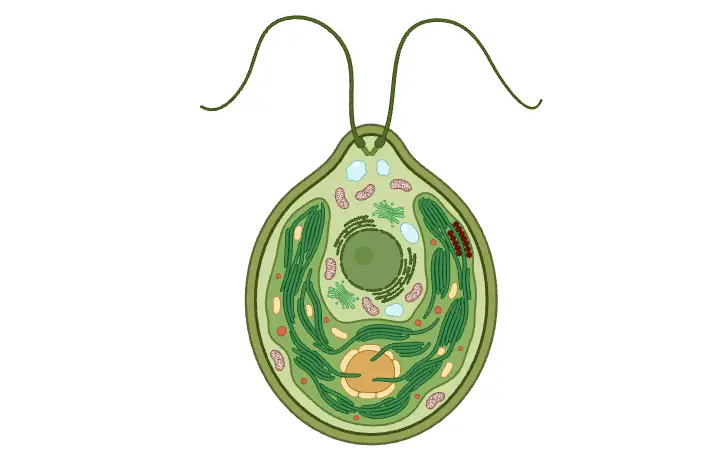
Phycology, also known as algology, is the scientific study of algae, a diverse group of predominantly aquatic, photosynthetic organisms that range from unicellular microalgae to multicellular forms like seaweeds.
Botany
Botany
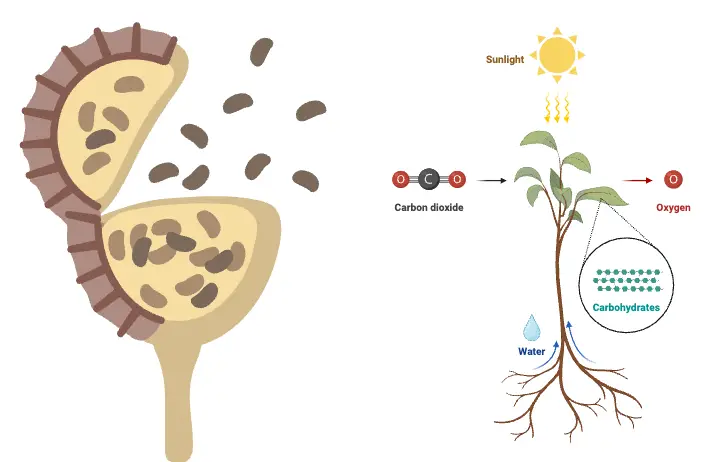
Botany is the branch of biology that deals with the scientific study of plants, including their structure, properties, biochemical processes, classification, physiology, ecology, and economic importance.
Basic Microbiology
Basic Microbiology
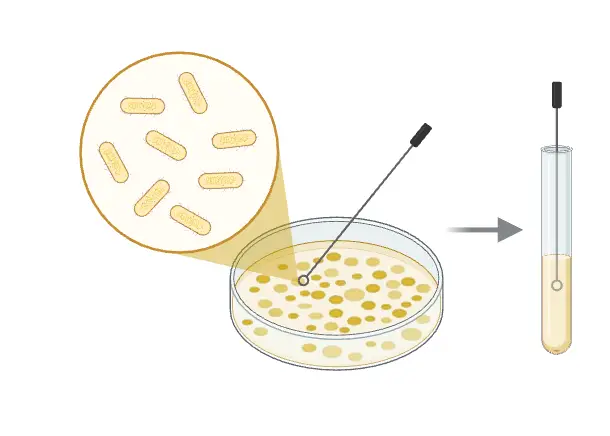
Microbiology is the scientific study of microorganisms, which are microscopic organisms including bacteria, archaea, viruses, fungi, protozoa, and algae.
Biochemistry
Biochemistry
Biochemistry is the branch of science that explores the chemical processes and substances occurring within living organisms, bridging biology and chemistry to understand life at the molecular level.
Molecular biology
Molecular biology
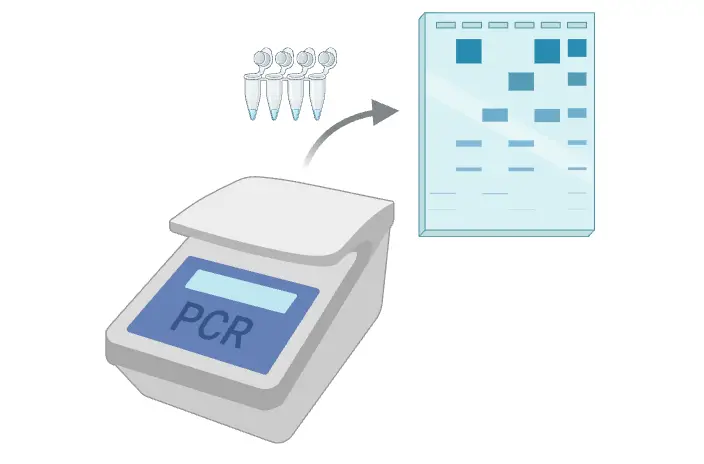
Molecular biology is a branch of biology that focuses on the molecular basis of biological activity within and between cells, particularly the interactions between DNA, RNA, proteins, and their synthesis.
Genetics
Genetics
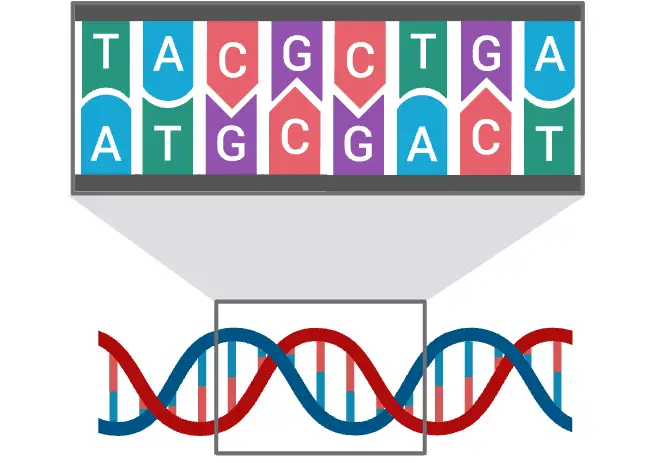
Genetics is the branch of biology that deals with the study of genes, genetic variation, and heredity in living organisms.
Cell Biology
Cell Biology
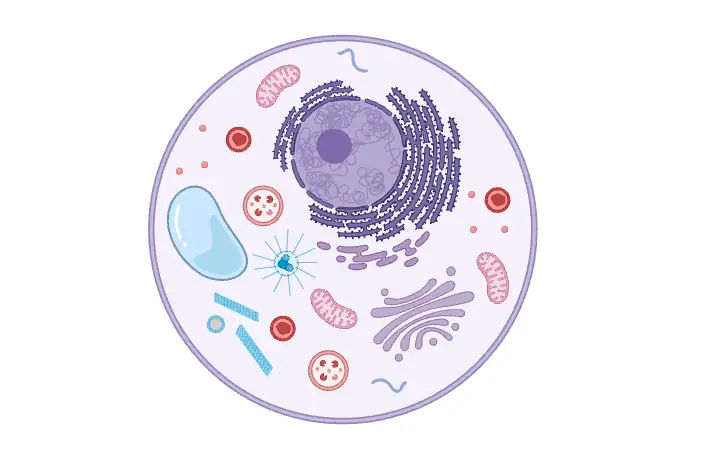
Cell biology, also known as cytology, is the branch of biology that studies the structure, function, and behavior of cells. Cells are the fundamental units of life, and understanding them provides insights into how organisms grow, reproduce, and carry out essential processes.
Anatomy
Anatomy
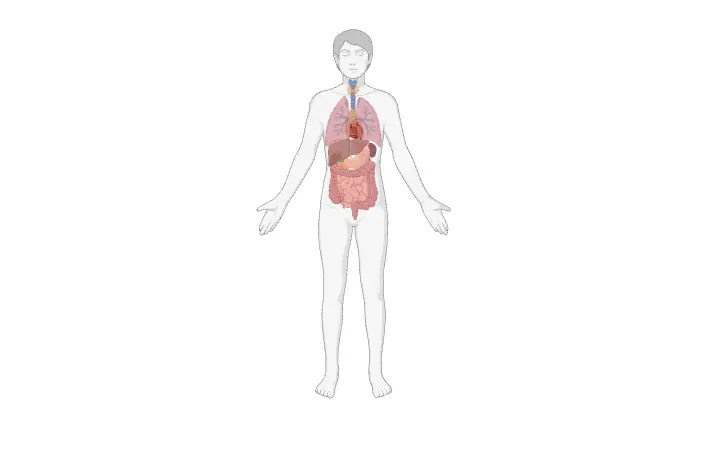
Anatomy is the branch of biological science concerned with the study of the structure and organization of living organisms, particularly the human body.
Advertisement
  • About Us
  • Contact Us
  • Affiliate Disclosure
  • Privacy Policy
  • Terms and Conditions
  • About the Author
  • Medical Disclaimer
  • Fact-Checking Policy
  • Editorial Policy
© 2024–2026 Biology Notes Online