Welcome to Biology Notes Online! We are the BNO Team, dedicated to providing high-quality, accessible biology study notes for students and teachers alike. Our goal is to simplify complex biological concepts and present them in an easy-to-understand format, entirely free of charge. Whether you're preparing for exams, teaching a class, or simply passionate about biology, our comprehensive notes are designed to support your learning and teaching journey.
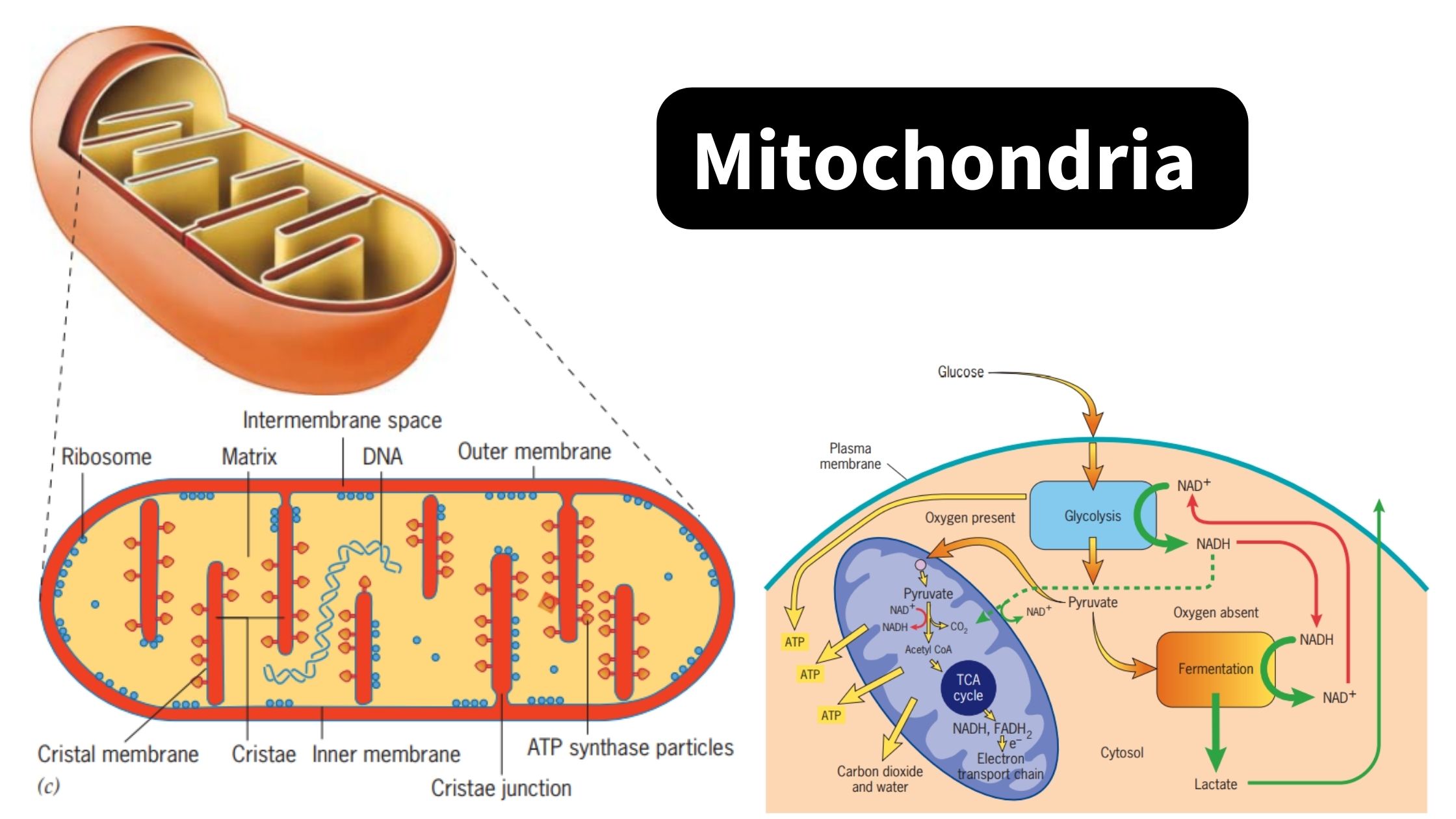
What are Mitochondria? Definition of Mitochondria Mitochondria are membrane-bound organelles in eukaryotic cells responsible for producing adenosine triphosphate (ATP), the primary energy currency of the cell. Organization and Distribution Mitochondria, often termed the cellular powerhouses, are intricate organelles that play a pivotal role in energy production. Their organization and distribution within cells are both diverse … Read more
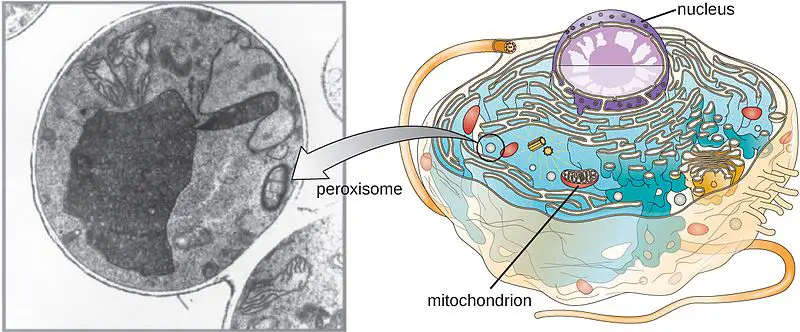
What is Microbodies? Historical Microbodies: Structure And Types Peroxisomes Structure of Peroxisomes Functions of Peroxisomes Peroxisomes have been found to engage in two types of biochemical processes: 1. Hydrogen peroxide metabolism H2O2and aging 2. Glycolate cycle Photorespiration CH2OH. COOH + O2 → CHO – COOH + H2O2 CHO — COOH + H2O2 → HCOOH + … Read more
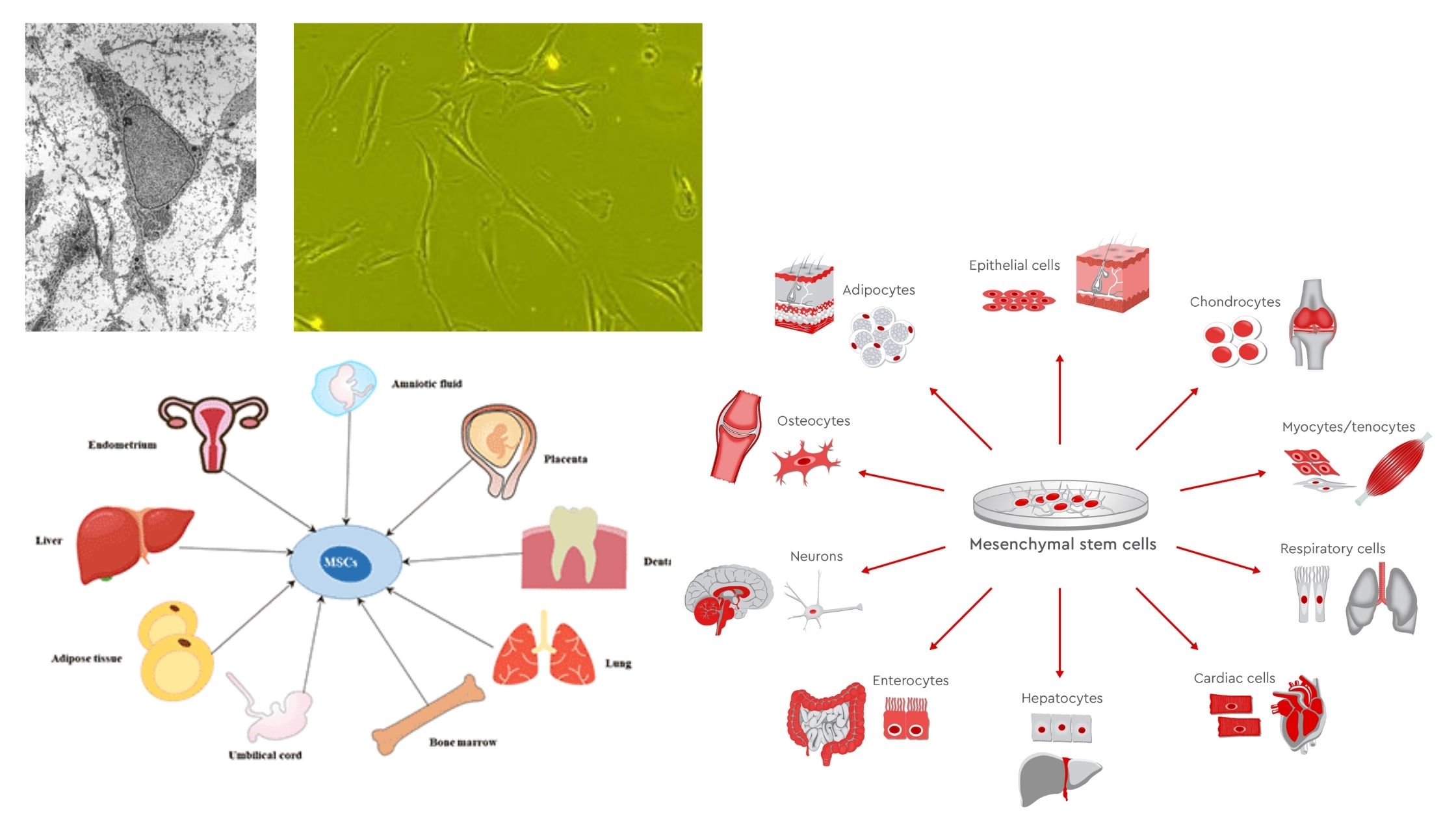
Mesenchymal stem cell (MSCs) are also referred to as mesenchymal stromal cell (also known as medicinal signaling cells) are stromal cells with multi-potency which can transform into a variety of cells, including osteoblasts (bone cells) as well as the chondrocytes (cartilage cells) and myocytes (muscle cells) and Adipocytes (fat cells that contribute to the adipose tissue of the marrow).
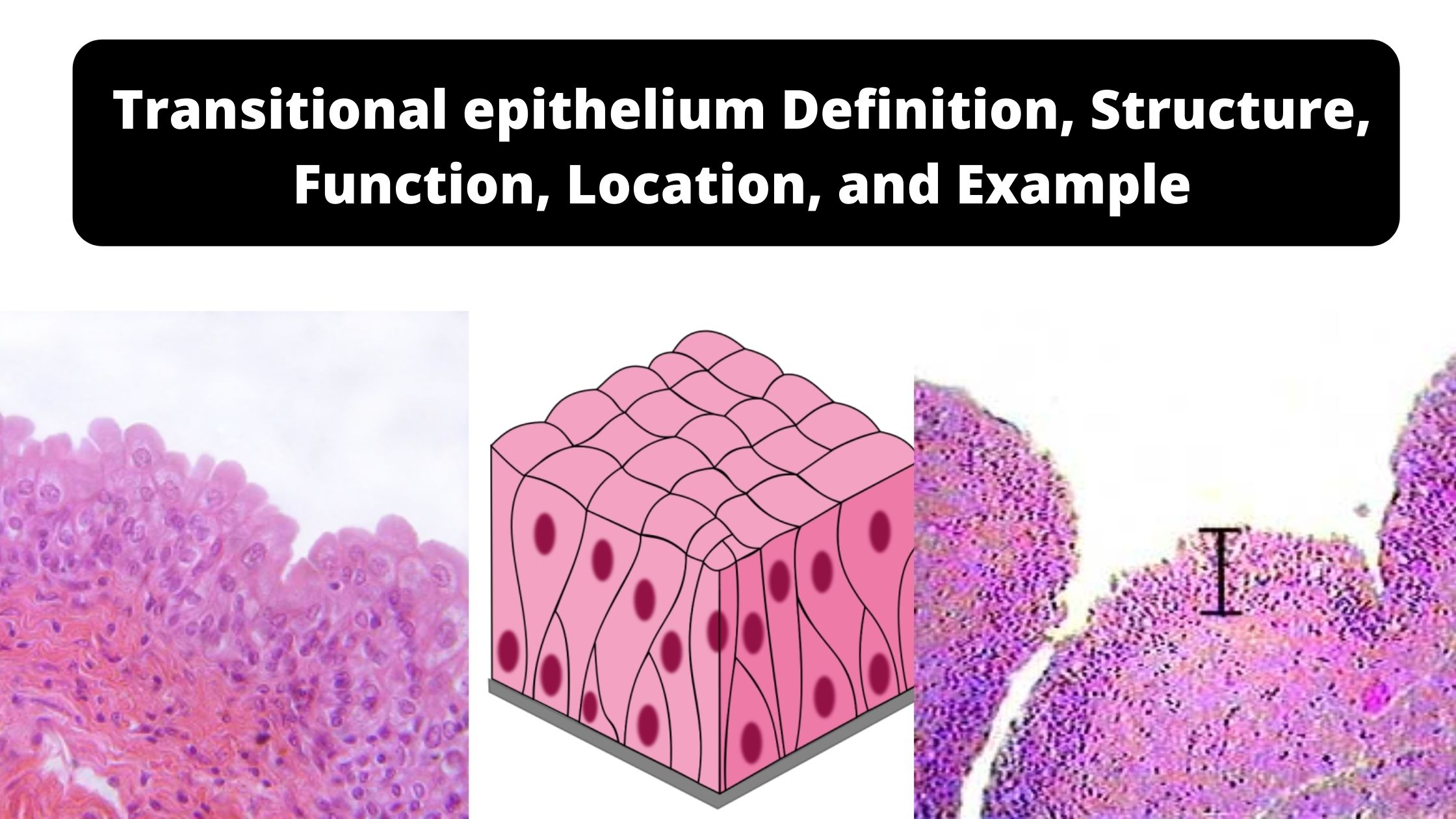
The epithelium of transition is a form of stratified epithelium that comprises several layers of cells, where their shape cells changes in accordance with the function that the organ performs. The epithelium can have a varied appearance, as it appears to be circular or cubic in a relaxed state with the exception of the apical layer that appears flat when stretched. The epithelium is essentially restricted to the urinary system that’s why it’s sometimes referred to”urothelium” “urothelium”.
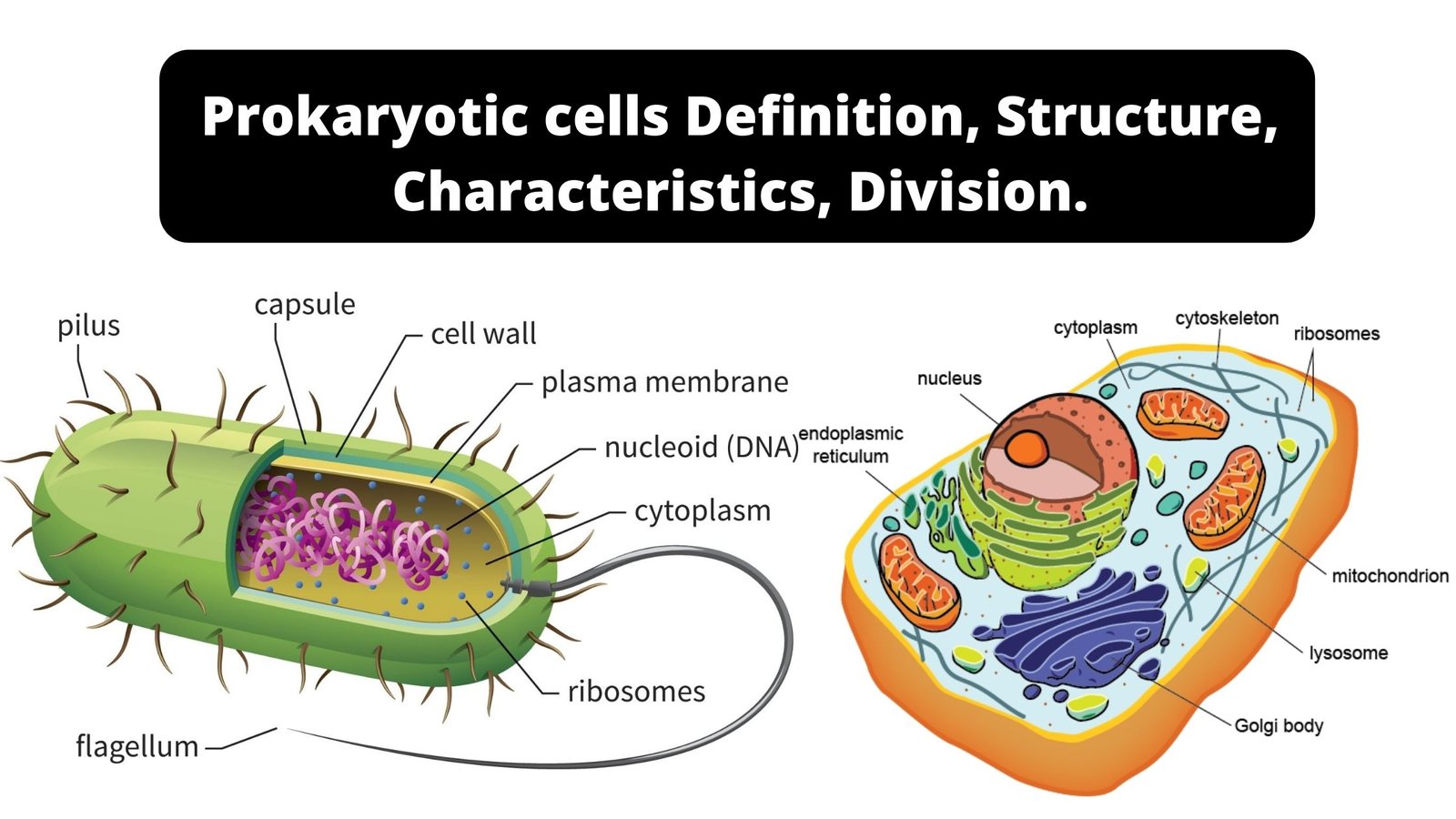
It is important to note that the distinction between prokaryotes as well as eukaryotes was clearly established by microbiologists Roger Stanier and C. B. van Niel in their 1962 paper on the concept of bacteria (though they used the words procaryote as well as eucaryot in the paper).
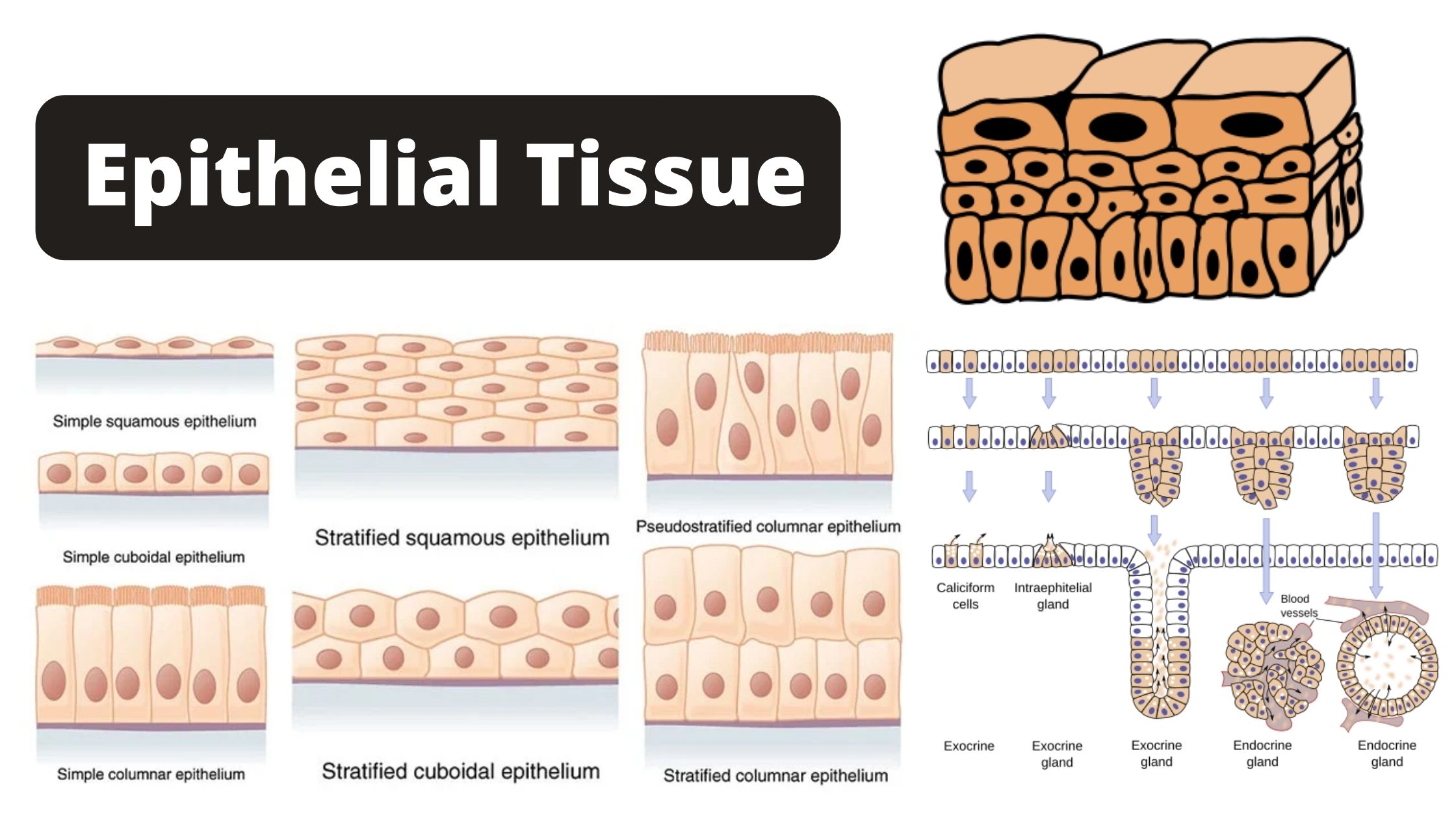
Epithelial Tissue is one the types of tissues (epithelial muscular, connective and nerve) in mammals. It is composed of polyhedral cells that are tightly aggregated that adhere firmly to each other, forming sheets of cells that cover the inside of hollow organs as well as covering the body’s the surface. Epithelium, also known as epithelial tissue (plural epithelia) comprises cells that are laid out in continuous sheets, the form of single or multiple layers.
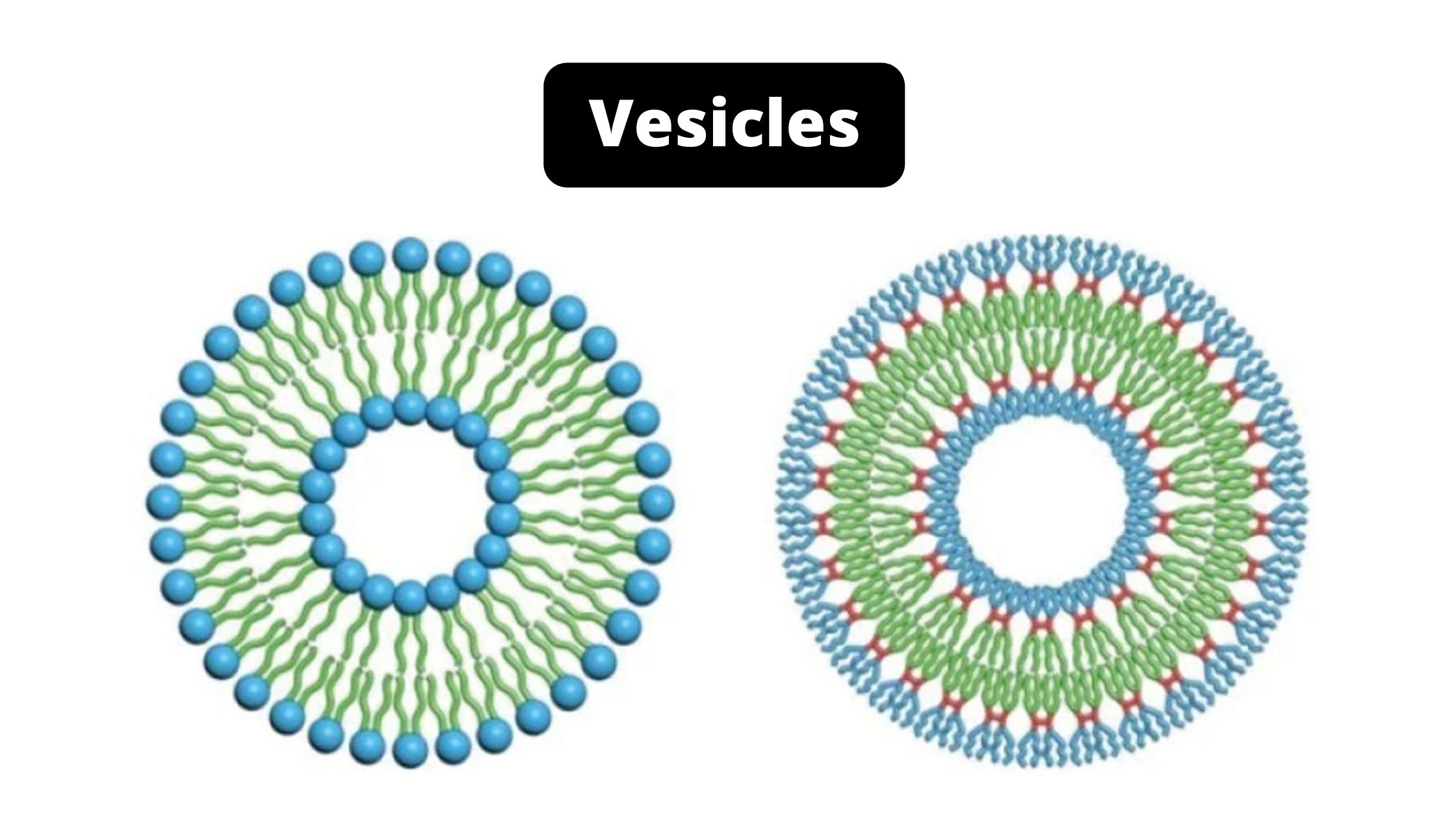
A vesicle can be described as a tiny part of a cell comprised of fluid that is enclosed by a bilayer of lipids. The membrane that surrounds the vesicle also has a lamellar phase like the plasma membrane.
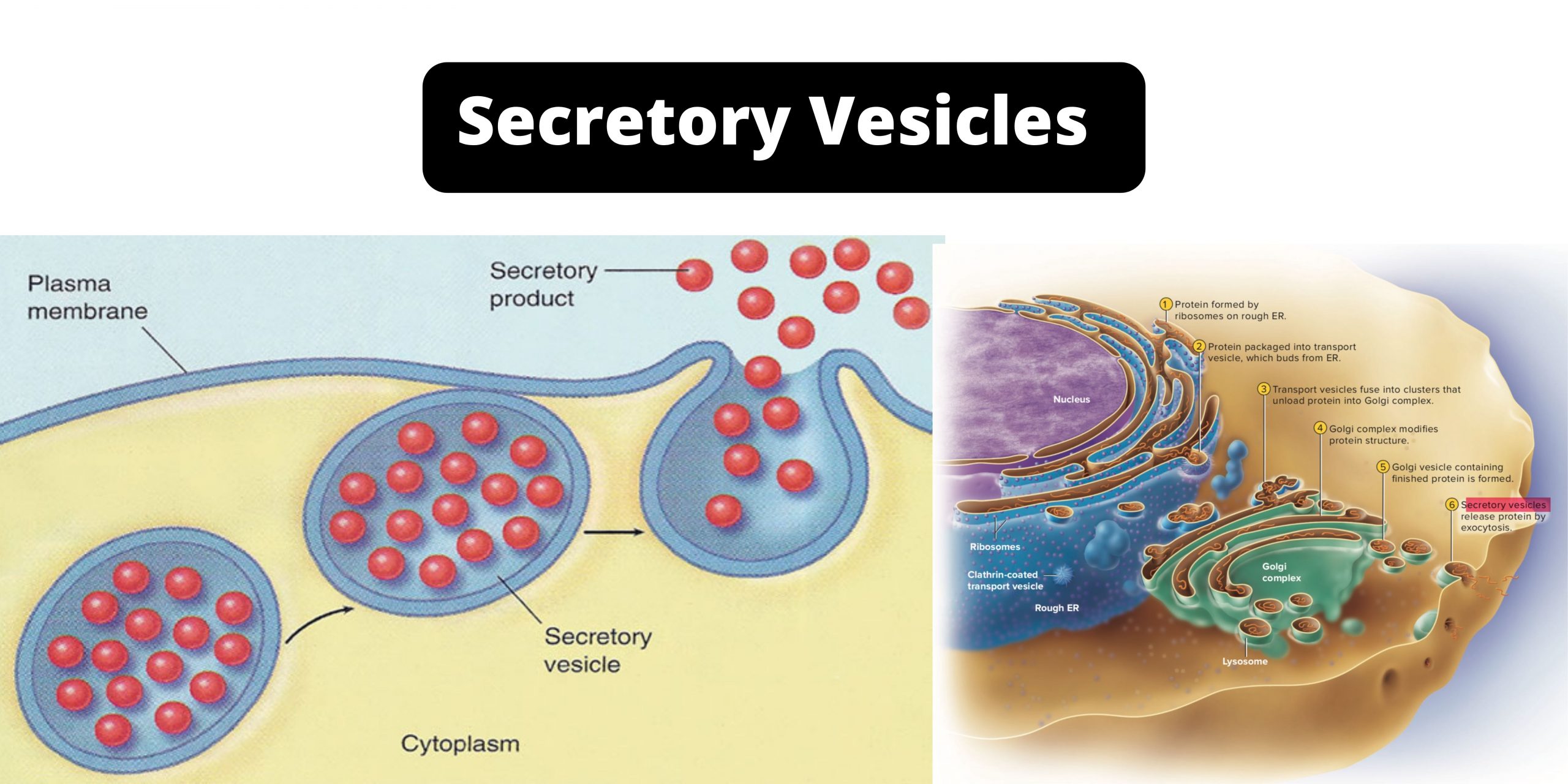
may contain materials that must be eliminated from the cell. These materials could be harmful to cells, such as end products of chemical reactions or waste products.
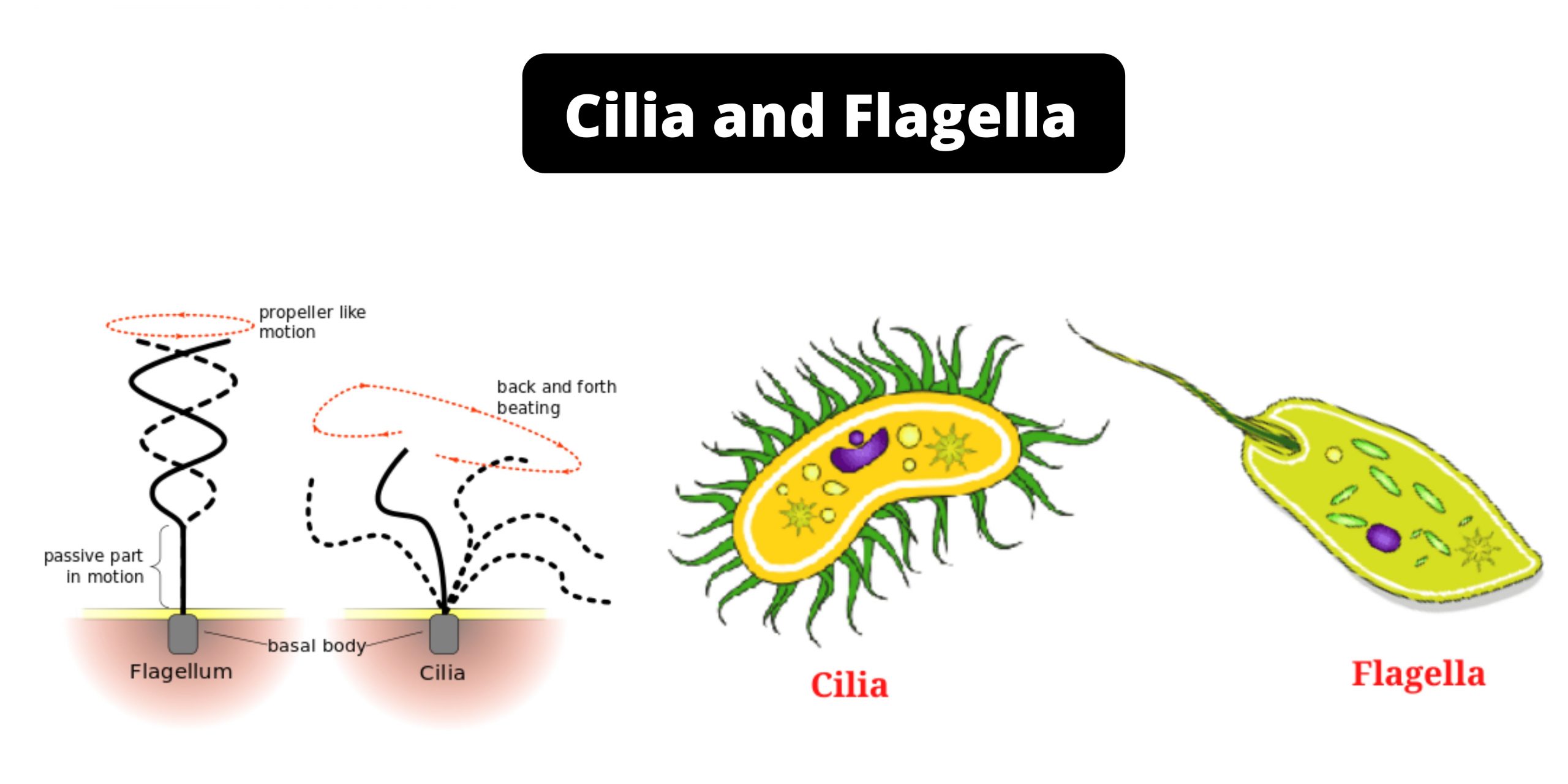
Cilia as well as Flagella are complex cytoplasmic filamentous structures that protrude through the cell’s wall. They are small, particularly distinct appendices to the cell. The flagella (singular meaning flagellum) are hairy, long structures that extend out from the plasma membrane. They can be utilized to move the entire cell.
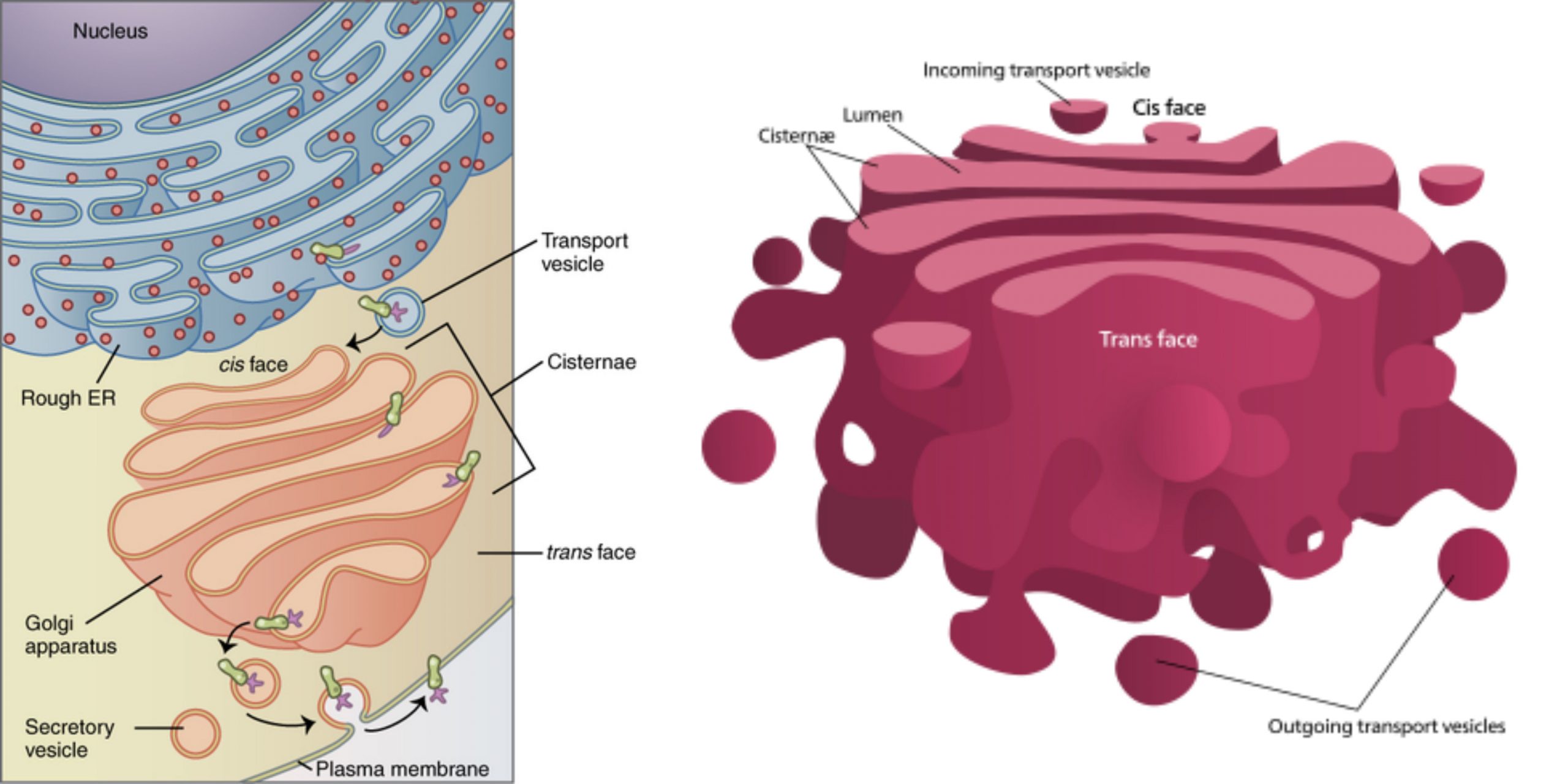
The principal purpose for Golgi’s main function is Golgi apparatus is to transfer vesicles or packets of different cell products, to various areas of the cell.