Welcome to Biology Notes Online! We are the BNO Team, dedicated to providing high-quality, accessible biology study notes for students and teachers alike. Our goal is to simplify complex biological concepts and present them in an easy-to-understand format, entirely free of charge. Whether you're preparing for exams, teaching a class, or simply passionate about biology, our comprehensive notes are designed to support your learning and teaching journey.
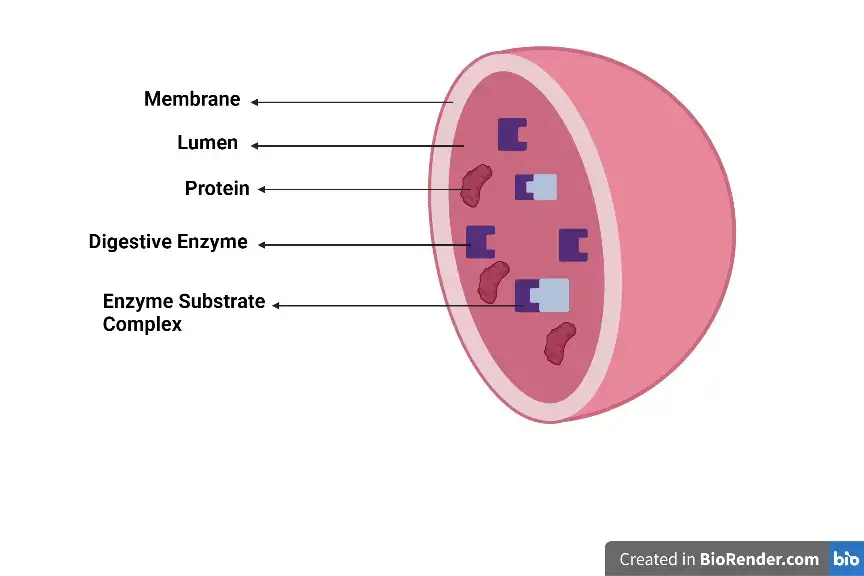
Lysosomes are membrane-boundand dense granular structures that contain hydrolytic enzymes that are responsible for digestion in extracellular and intracellular cells. The term “lysosome” is composed of two words “lysis” which means breakdown, and “soma” which means body. It is a crucial cell organelle, responsible for inter- and extracellular breakdown of various substances.
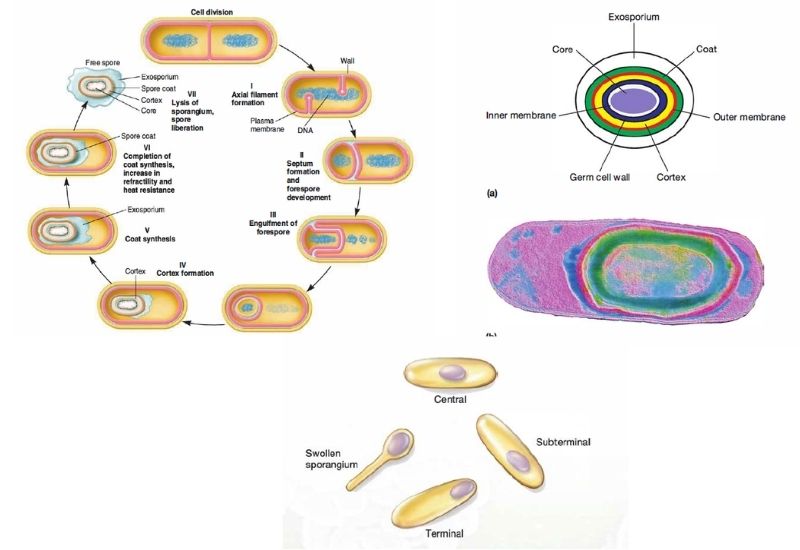
Endospores are dormant, tough, resistant, and non-reproductive structures which are produced by gram-positive bacterial cell (such as bacillus, clostridium) in the phylum firmicutes during the unfavorable condition of the environment.
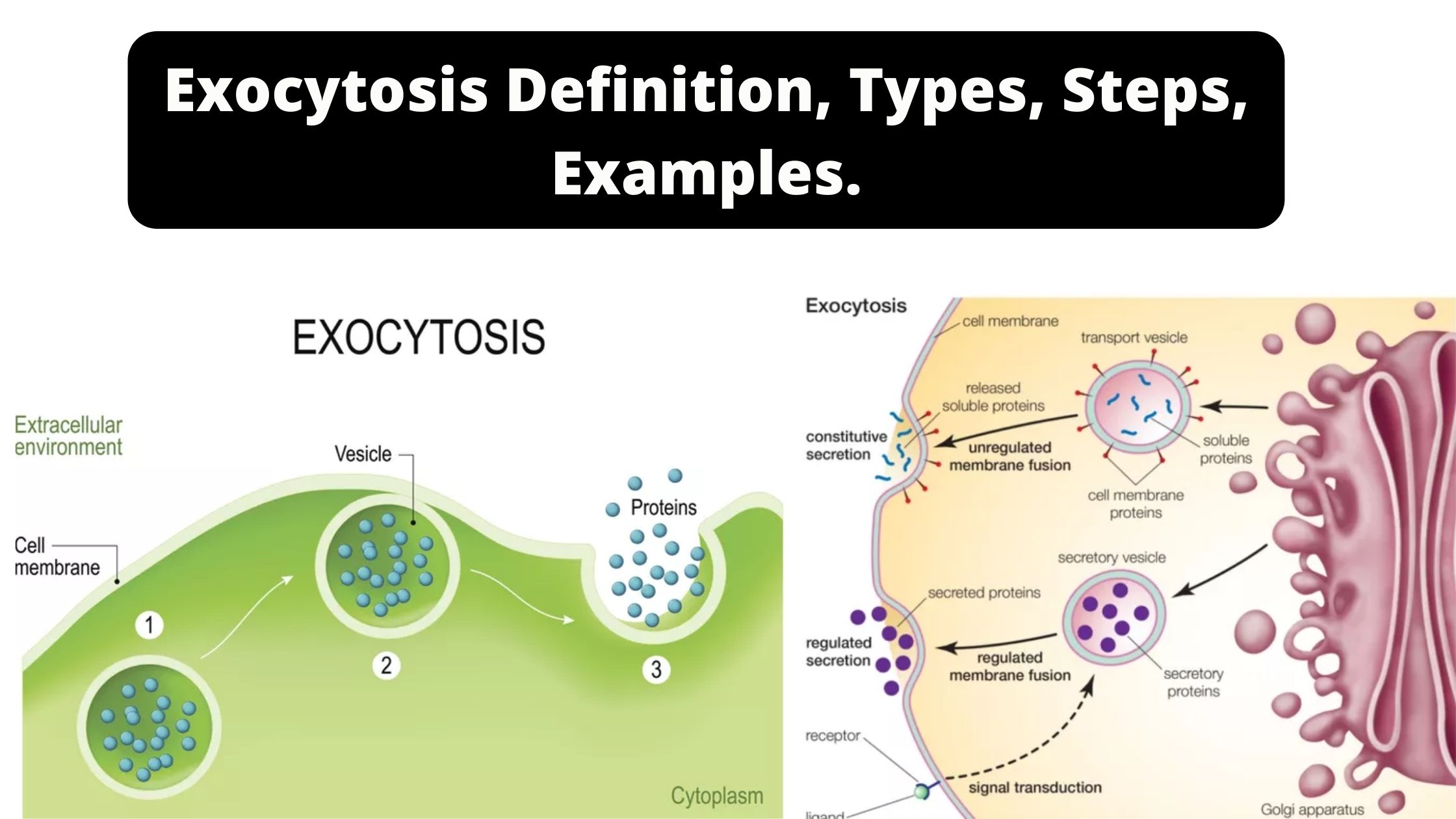
Exocytosis is a type of process, in which involves the movement of materials from the inside of a cell to the exterior of the cell by the use of energy.
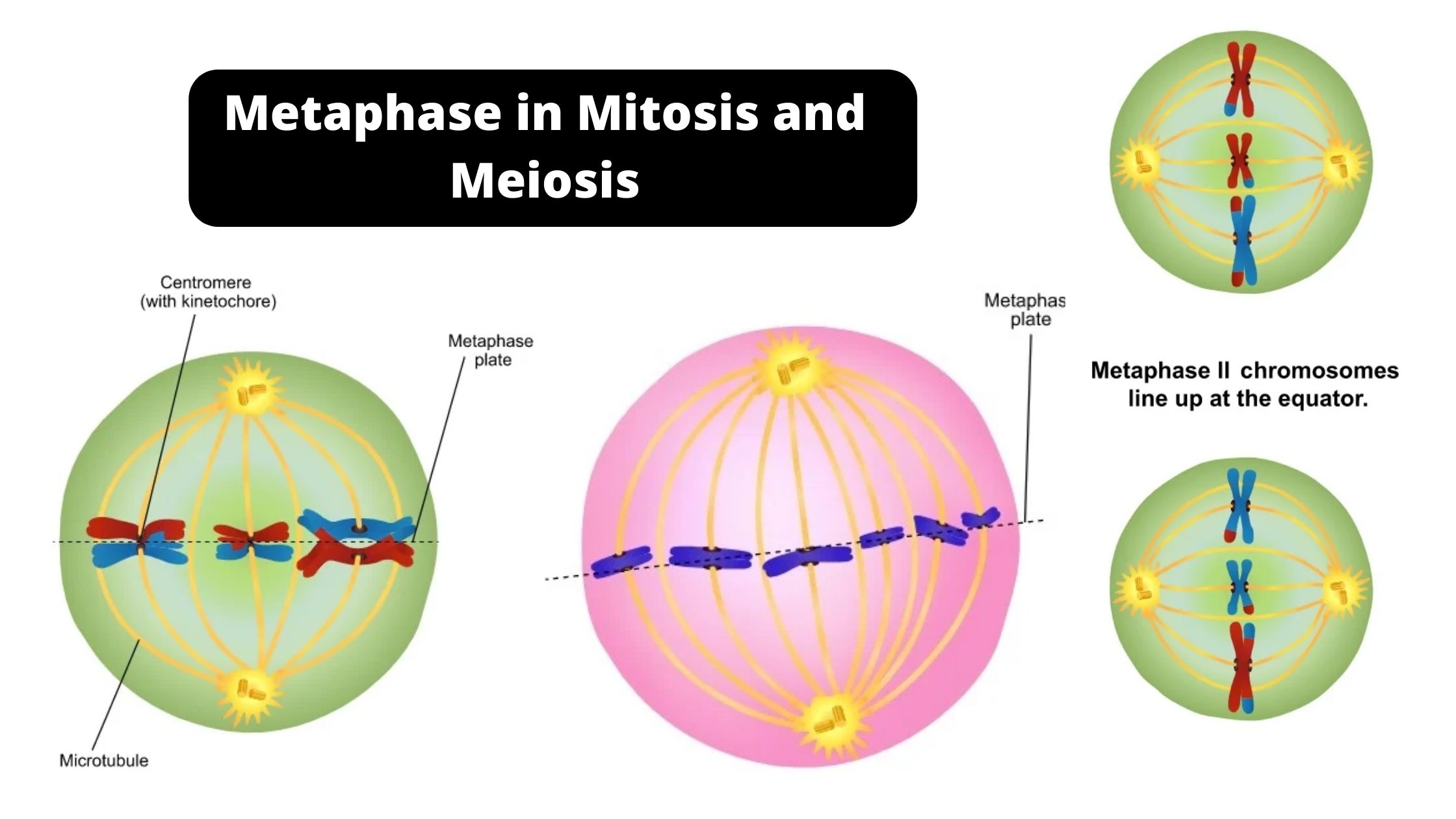
Metaphase is a stage of the cell cycle that occurs in both mitosis and meiosis cell division. During this stage, individual chromosomes cannot be observed in the cell nucleus.
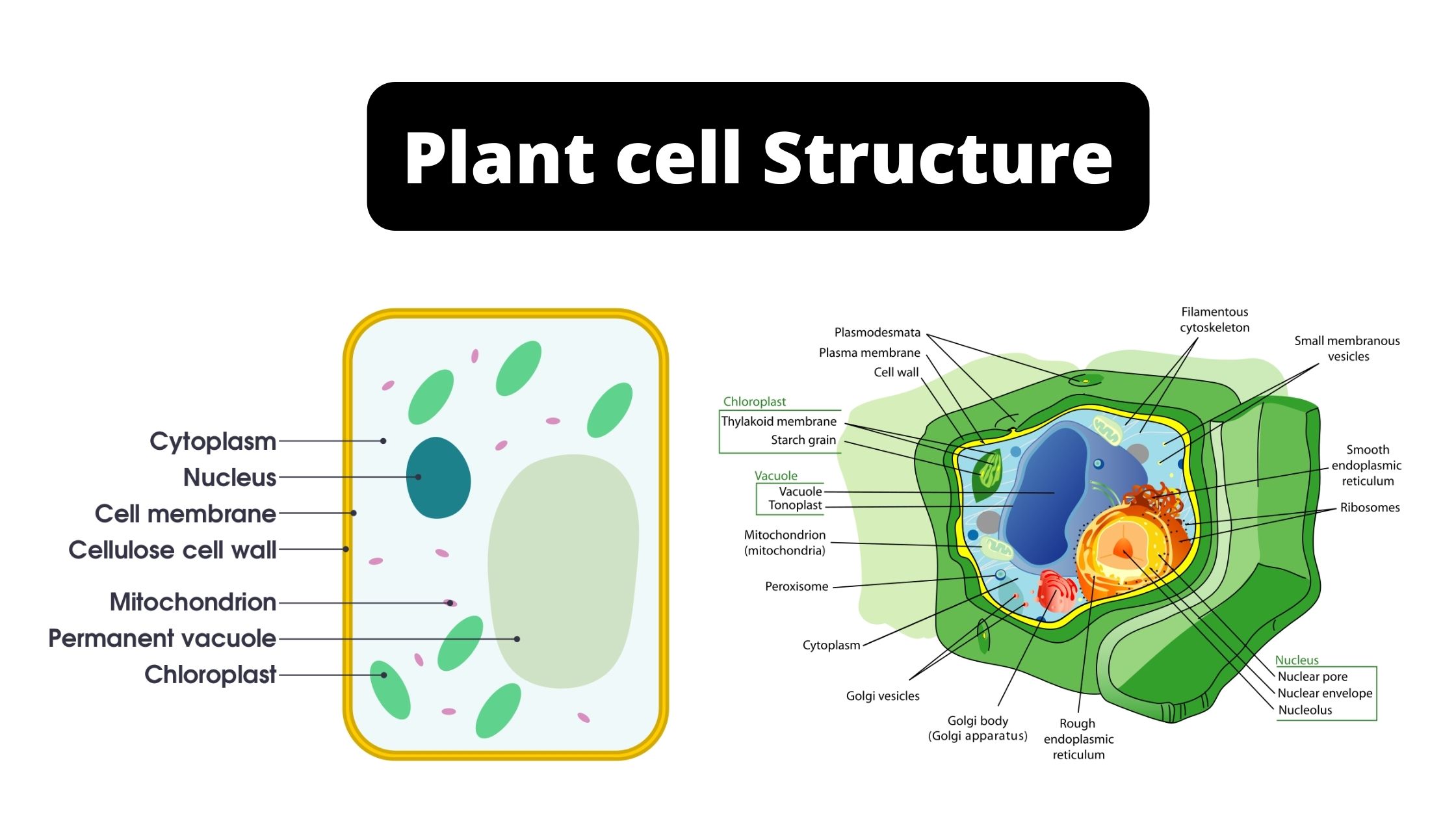
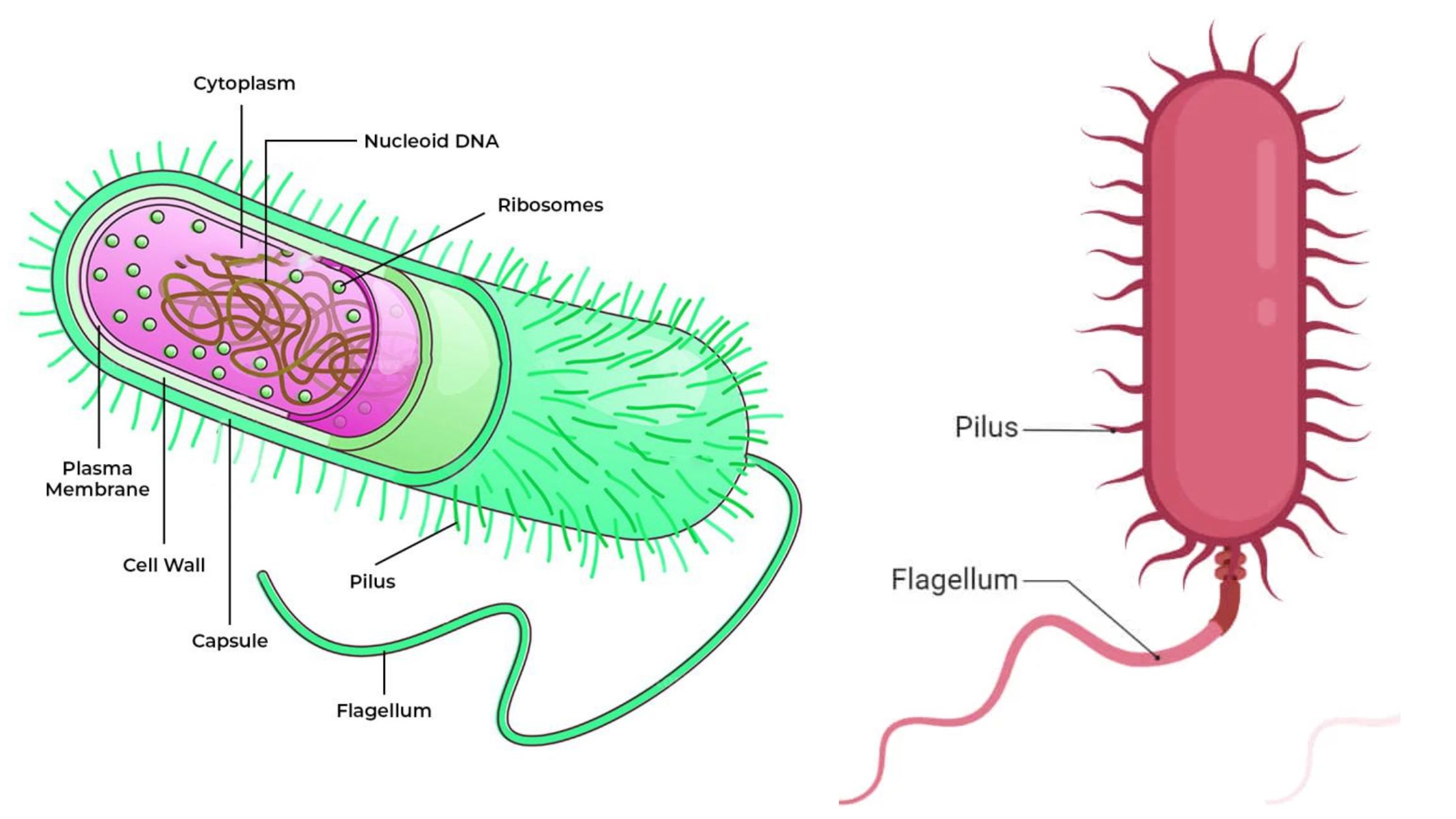
Animals, fungi and protists are composed of at least one eukaryotic cell. However archaea and bacteria are composed of only one prokaryotic cell. Plant cells differ from cells belonging to other organisms due to their cell walls, chloroplasts and the central vacuole.
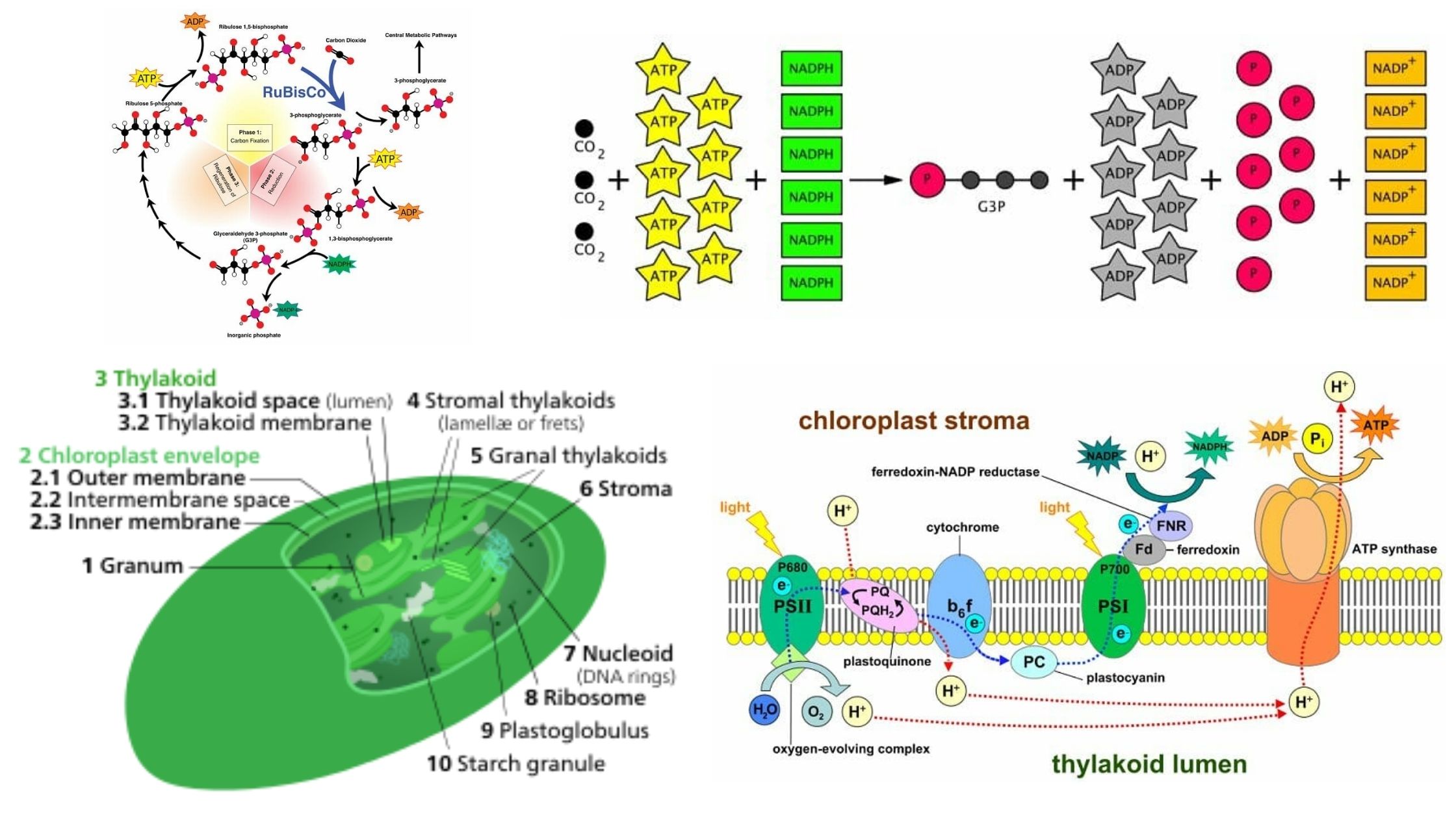
Stroma, as a term in botany, refers to the transparent fluid that surrounds the grana inside the chloroplast. In the stroma, there are the grana (stacks of the thylakoid) and sub-organelles, or daughter cells in which photosynthesis begins prior to the chemical reactions being completed within the stroma.
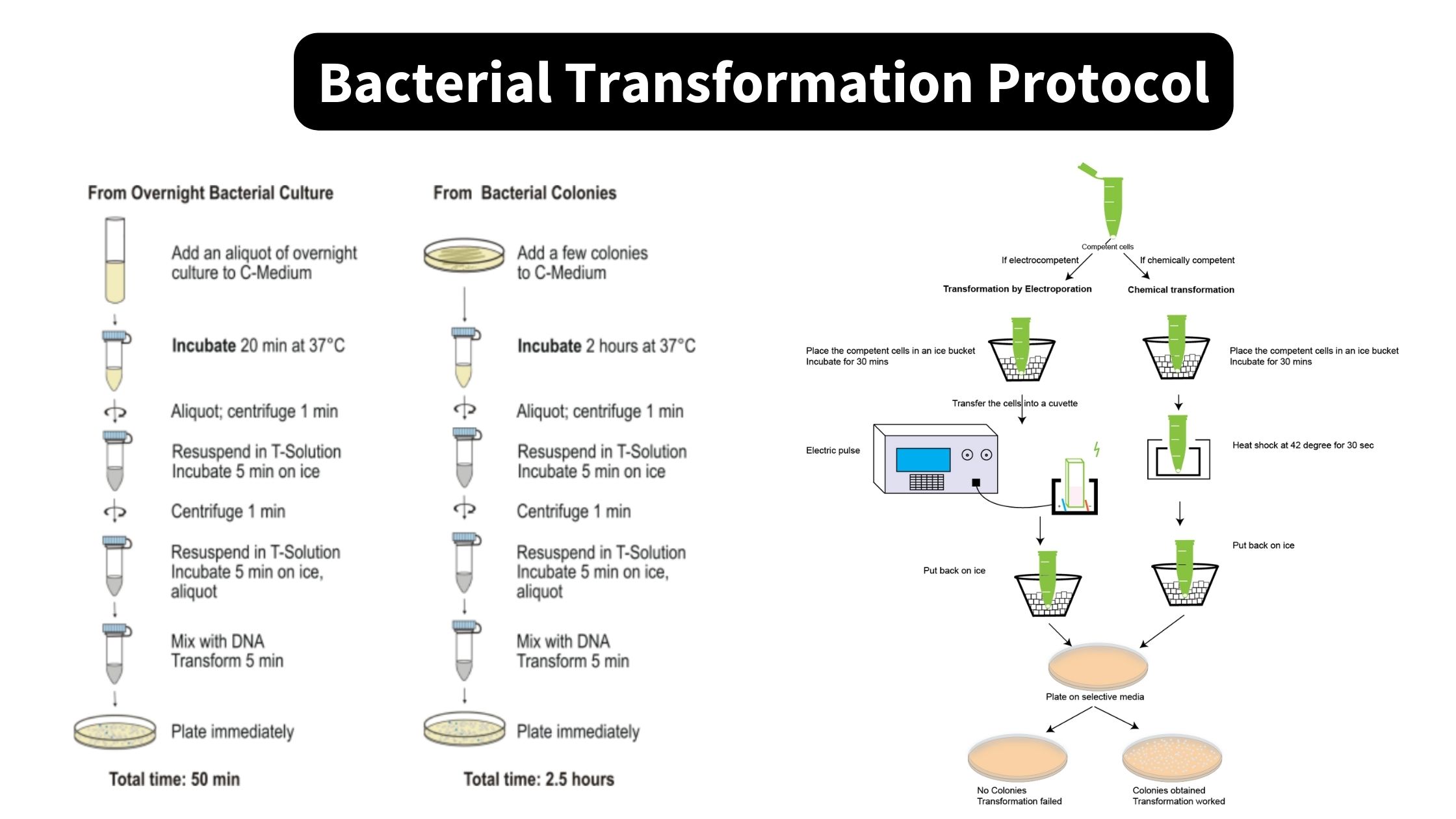
Bacterial transformation is a process wherein bacteria naturally modify their genetic makeup by incorporating foreign genetic material into their own genome. This phenomena has significant ramifications for health care, agriculture, and environmental science and has evolved into a fundamental genetic engineering tool. Scientists can create life-saving medications, alter crops for improved features, and speed up … Read more
What is Archaebacteria? Definition of Archaebacteria Archaebacteria, also known as Archaea, are a group of single-celled microorganisms that belong to one of the three domains of life. They are distinct from bacteria and eukaryotes in terms of their genetic, biochemical, and physiological characteristics. Archaebacteria are known for thriving in extreme environments such as hot springs, … Read more
What is Eubacteria? Definition of Eubacteria Eubacteria, also known as true bacteria, are prokaryotic microorganisms that belong to the domain Bacteria. They are single-celled organisms lacking a nucleus, with DNA organized in a single circular chromosome. Eubacteria can be gram-negative or gram-positive and have economic, agricultural, and medical significance. Examples include E. coli, Lactobacilli, and … Read more
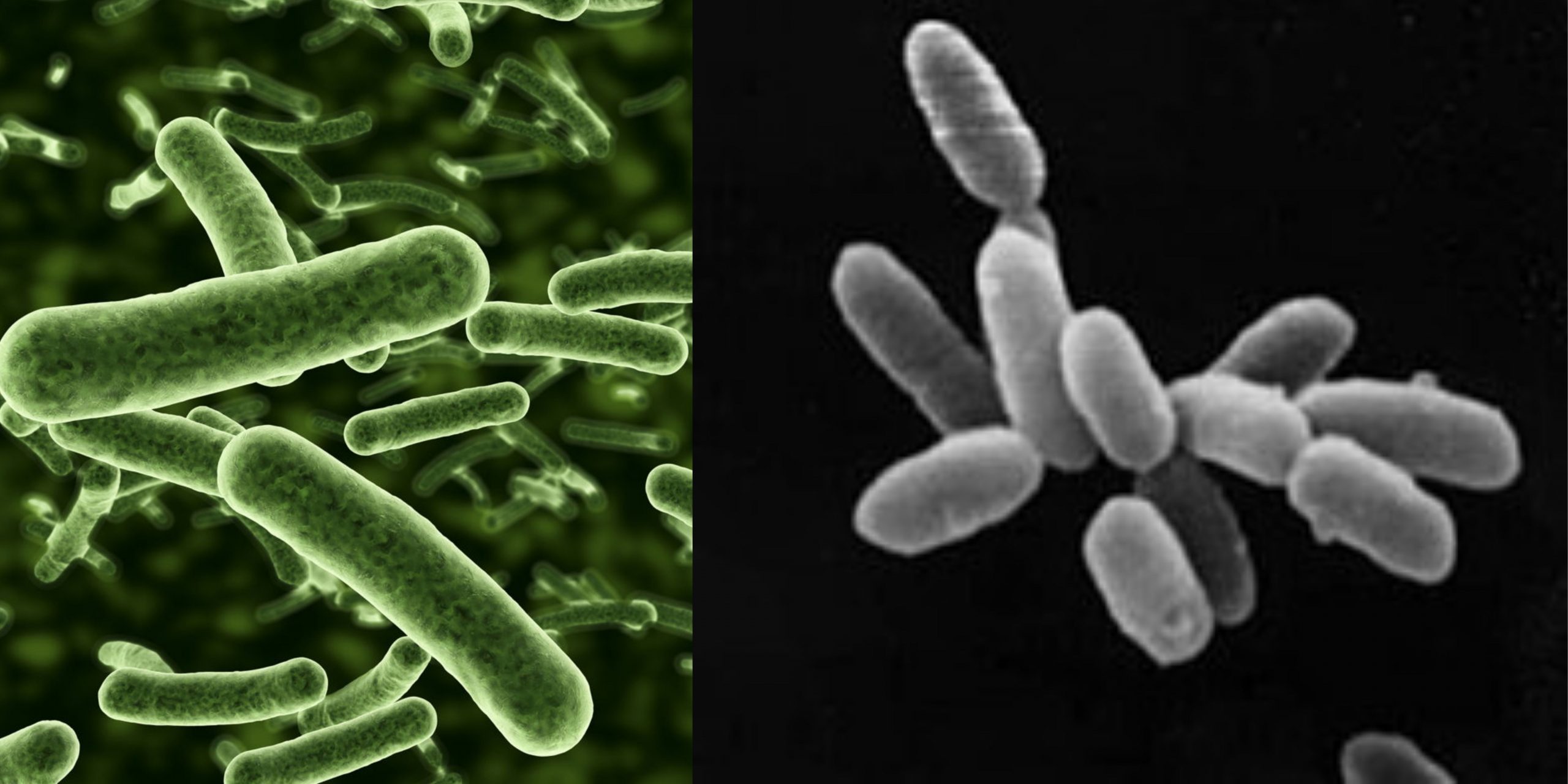
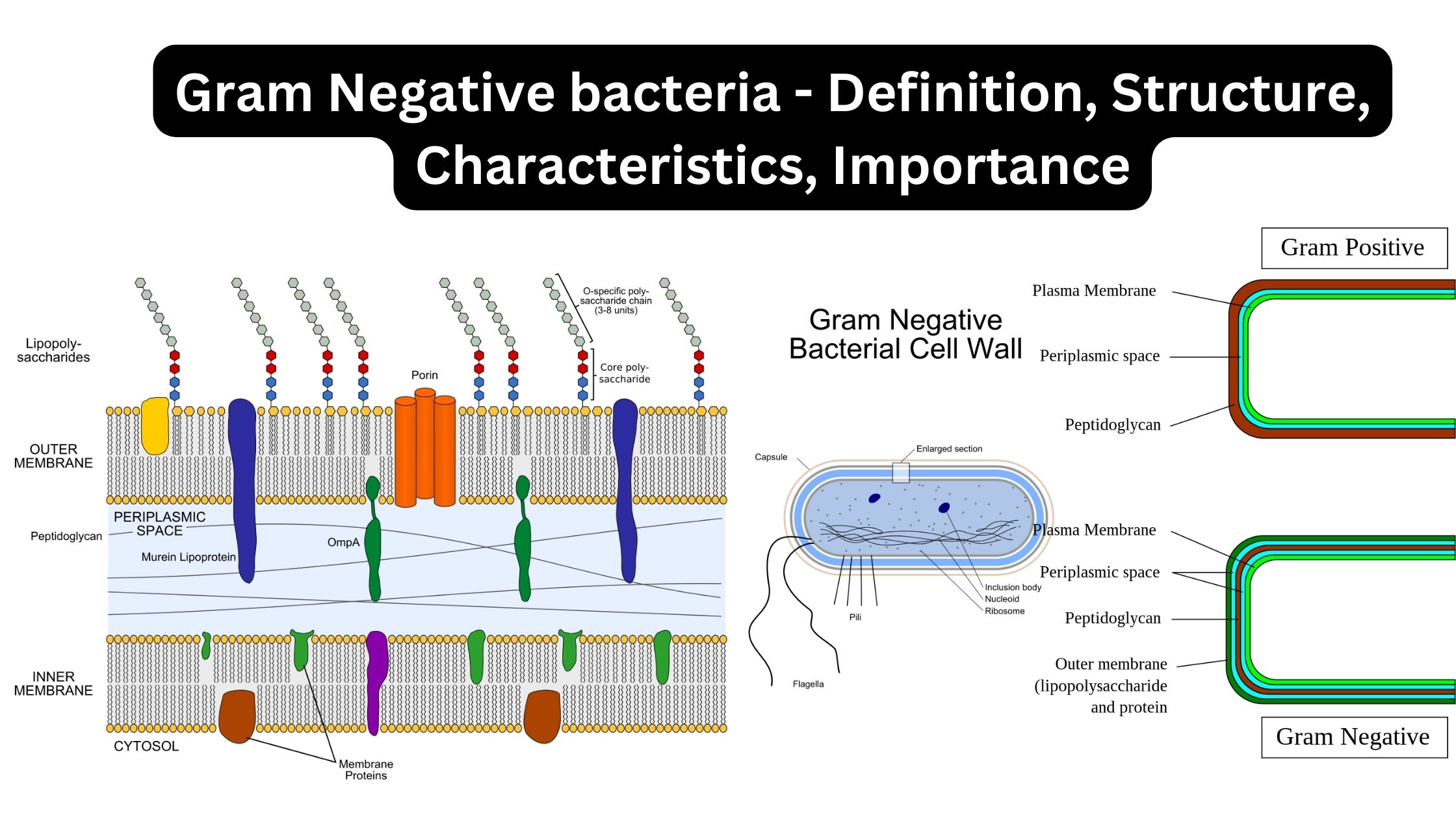
Gram-negative bacteria are a type of bacteria identified by their reaction to the Gram stain test, where they lose the purple dye and take up a red or pink counterstain. This happens because their cell walls are thinner and structurally different compared to Gram-positive bacteria. Instead of a thick peptidoglycan layer, they have a smaller … Read more