

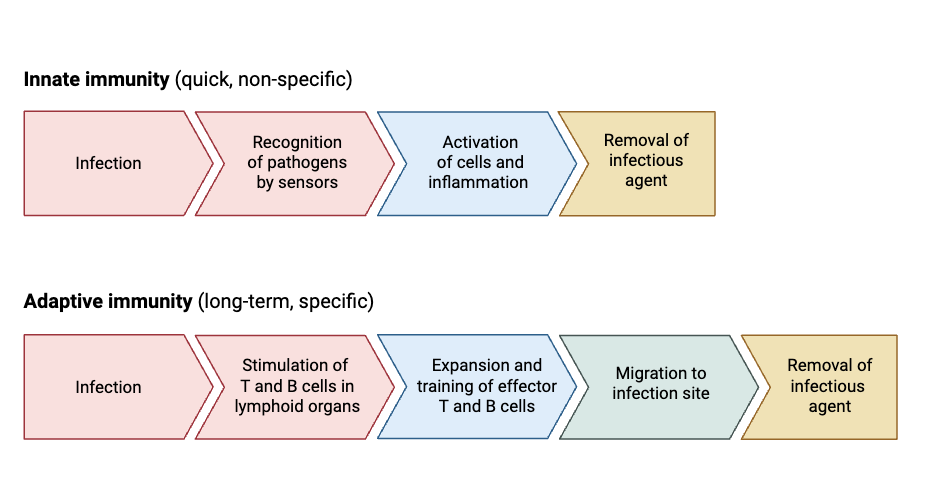
Innate immunity is the natural defence system of the body which is present from birth. It gives immediate protection against invading pathogens like bacteria, viruses, fungi and parasites. It acts in a non-specific manner and does not require previous exposure to the antigen.
Innate immunity is the first and primary defence system of the body against the entry of foreign pathogens like bacteria, viruses, fungi and parasites. It is present from birth and acts very quickly within few minutes or hours after infection. It is also known as natural immunity because it does not require previous exposure to the pathogen.
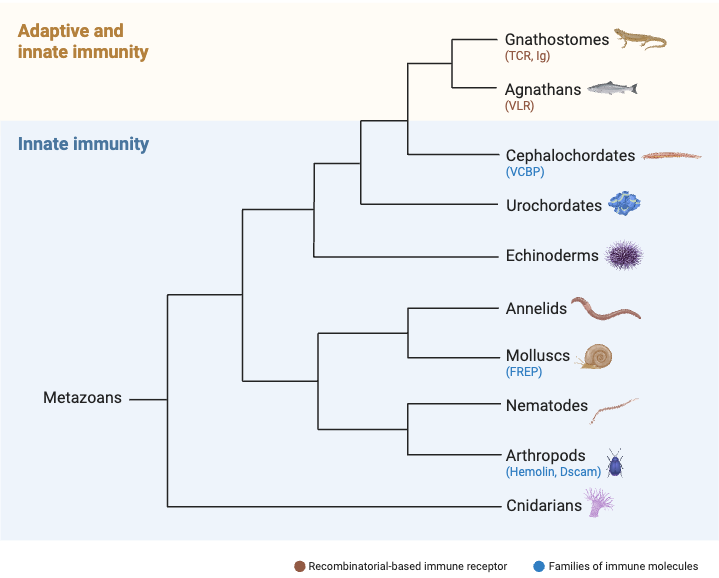
It is an ancient type of defence mechanism which is found in almost all multicellular organisms including plants, invertebrates and vertebrates. Unlike adaptive immunity, it does not produce highly specific response against a particular antigen. It acts in a non-specific manner and gives same general type of response to many microbes.
The innate immune system has different protective barriers. The first barrier includes skin, mucous membrane, stomach acid, tears, saliva and antimicrobial substances. These barriers prevent the entry of microorganisms into the body. Some antimicrobial peptides like defensins and cathelicidins also kill or inhibit the growth of microbes.
When the pathogen crosses these barriers, the internal defence system becomes active. The cells of innate immunity detect microbes by using pattern recognition receptors (PRRs). These receptors recognize common structures present on microbes, called pathogen associated molecular patterns (PAMPs). They also recognize damaged cell signals called damage associated molecular patterns (DAMPs).
After recognition of pathogen, different cells and proteins are activated. The important cells are macrophages, neutrophils, dendritic cells and natural killer (NK) cells. Macrophages and neutrophils engulf and digest the microbes by the process of phagocytosis. NK cells destroy virus infected cells and abnormal tumour cells.
The complement system is also an important part of innate immunity. It is a group of blood proteins which become activated during infection. It helps in lysis of pathogens, attraction of immune cells and coating of microbes for easy phagocytosis. This coating process helps phagocytic cells to identify and remove the microbes.
Inflammation is another important response of innate immunity. It occurs at the site of infection or tissue damage. During this process, blood flow increases and immune cells come to the infected area. Redness, swelling, heat and pain are common signs of inflammation.
Innate immunity does not give long lasting memory like adaptive immunity. But it is very important because it controls infection at the early stage. It also helps in activation of adaptive immune response by presenting antigen and producing chemical signals. Thus, innate immunity works as the immediate defence and also as a bridge between non-specific and specific immunity.
Historical Background of Innate Immunity
- Innate immunity is very old defence system. It is developed more than 500 million years ago. It is present in plants, invertebrates and vertebrates.
- It came before adaptive immunity. So, it is considered as primitive and conserved type of immune response.
- In late 19th century, Richard Pfeiffer, student of Robert Koch, used the term endotoxin. It was used for fever producing substance from Gram-negative bacteria.
- Later this fever producing substance was chemically known as lipopolysaccharide (LPS). It is an important component of outer membrane of Gram-negative bacteria.
- In 1985, Christiane Nüsslein-Volhard and Eric Wieschaus discovered Toll receptor in fruit fly, Drosophila melanogaster. First it was related with embryonic development.
- In 1988, the first Toll receptor was cloned by the laboratory of Kathryn Anderson. After this, the study of Toll receptor became more clear.
- In 1991, it was seen that mammalian interleukin-1 (IL-1) receptor had structural similarity with cytoplasmic part of Drosophila Toll receptor.
- In 1994, Polly Matzinger described damage associated molecular patterns (DAMPs). These act as alarm signals during cell injury and stress condition.
- In the same year, Nomura and his colleagues described the first human Toll-like receptor (TLR). It was important for understanding human innate immunity.
- In 1995, Pamela Ronald discovered XA21 receptor in rice. It was a plant homologue of Toll receptor.
- In 2000, Thomas Boller discovered FLS2 in Arabidopsis. These findings showed that similar pattern recognition system are present in plants also.
- In 1996, Jules A. Hoffmann and his team found that Toll receptor has role in immunity of fruit fly. It helps in production of antimicrobial peptides during fungal infection.
- In 1997, Charles Janeway and Ruslan Medzhitov showed that human Toll-like receptor 4 (TLR4) can connect innate immunity with adaptive immunity.
- In late 1990s, Bruce A. Beutler and his group proved that TLR4 is the sensing receptor for bacterial LPS.
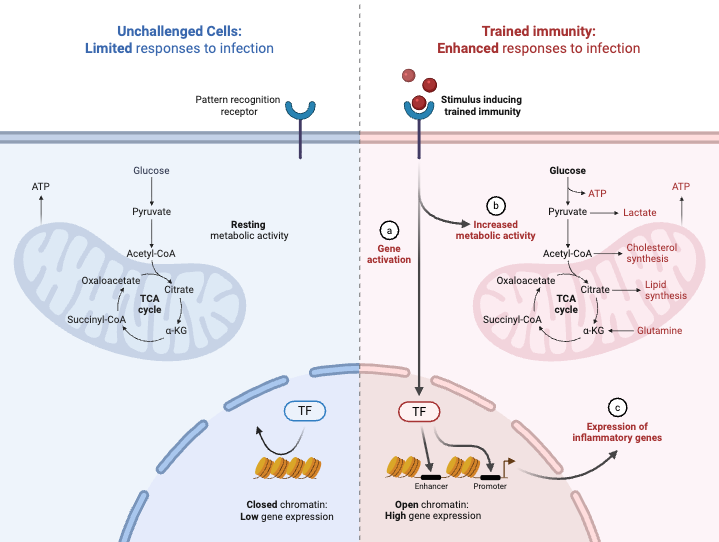
- During 2007 to 2012, the concept of trained immunity was developed. It was based on LPS tolerance and epigenetic changes.
- Trained immunity showed that innate immune system can also show a type of long lasting non-specific memory.
- In 2011, Bruce A. Beutler and Jules A. Hoffmann got Nobel Prize in Physiology or Medicine. They got it for discovery related with activation of innate immunity.
Characteristics of Innate Immunity
- Rapid response time – Innate immunity is the immediate defence system of the body. It acts after the entry of pathogen and become active within few minutes to 12 hours. It protects the body before adaptive immunity starts.
- Evolutionarily ancient – It is very old type of immunity. It developed before adaptive immunity and is found in plants, invertebrates and vertebrates. So, it is a conserved defence mechanism.
- Non-specific recognition – Innate immunity does not recognize one specific antigen. It recognize common structures of microbes called pathogen associated molecular patterns (PAMPs) and damaged cell signals called damage associated molecular patterns (DAMPs).
- Germline encoded receptors – The receptors of innate immunity are already present in the body. These are called pattern recognition receptors (PRRs). Toll-like receptors (TLRs) are important example of it. These receptors do not undergo somatic rearrangement and clonal expansion.
- Multilayered defence – Innate immunity includes many protective barriers and cells. Skin, mucous membrane, stomach acid and antimicrobial peptides prevent entry of microbes. Neutrophils, macrophages, dendritic cells, natural killer (NK) cells and complement system destroy the microbes.
- Bridge with adaptive immunity – It also helps to start adaptive immunity. Innate immune cells process antigen, secrete cytokines and increase costimulatory molecules. By this, lymphocytes become activated.
- Trained immunity – Earlier innate immunity was considered without memory. But now it is known that innate cells can show trained immunity. It is a long lasting but non-specific response due to epigenetic and metabolic changes.
Components of Innate Immunity
- Physical and anatomical barriers – Skin and mucous membrane are the first barrier of body. They prevent entry of pathogens. Mucus traps dust and microbes and cilia move them outside from respiratory tract.
- Chemical barriers – These are the chemicals present in body surface and secretion. Stomach acid, fatty acid of skin and acidic pH kill many microbes or stop their growth. Lysozyme present in tears, saliva and nasal secretion breaks bacterial cell wall.
- Antimicrobial peptides – Antimicrobial peptides (AMPs) are small protein like molecules. Defensins and cathelicidins are important example of it. They damage the membrane of bacteria, fungi and viruses.
- Phagocytes – Phagocytes are cells which engulf foreign particles and microbes. Macrophages, monocytes, neutrophils and dendritic cells are included in this group. They digest the microbes inside the cell.
- Granulocytes – Granulocytes are cells having granules in cytoplasm. These granules contain toxic enzymes and inflammatory substances. Neutrophils, eosinophils, basophils and mast cells are the main granulocytes.
- Natural killer cells – Natural killer (NK) cells are cytotoxic cells. They kill virus infected cells and tumour cells. They cause death of abnormal cell by apoptosis.
- Innate lymphoid cells – Innate lymphoid cells (ILCs) are present mainly in mucosal tissues. They are of ILC1, ILC2 and ILC3 types. They secrete cytokines and help in inflammation and tissue repair.
- Complement system – Complement system is a group of plasma proteins present in blood. It helps in lysis of microbes, inflammation and opsonization. In this process microbes are marked for easy phagocytosis.
- Soluble proteins – Some soluble proteins also take part in innate immunity. C-reactive protein (CRP), mannose-binding lectin (MBL) and ficolins recognize microbes and activate complement system.
- Pattern recognition receptors – Pattern recognition receptors (PRRs) are receptors of innate immune cells. They recognize PAMPs present on microbes and DAMPs released from damaged cells. TLRs, NLRs, CLRs and RLRs are important examples.
Physical and Anatomical Barriers of Innate Immunity
- Skin and mucous membrane – Skin and mucous membrane are the first physical barrier of innate immunity. Skin covers outer surface of body and mucous membrane lines the respiratory tract, gastrointestinal tract and genitourinary tract. They block the entry of pathogens into the body.
- Tight junctions – Tight junctions are special joining between neighbouring epithelial cells. It keeps the epithelial layer closed and intact. It prevents the microorganisms from passing through the space between cells.
- Mucus layer – Mucus layer is a thick slimy layer present on internal epithelial surface. It is made up of mucins and other glycoproteins. It traps dust, foreign particles and microbes and prevents their attachment with host tissue.
- Ciliary beating – Cilia are small hair like structures present in respiratory tract. They move continuously and push the mucus outside. In this way trapped microbes, dust and debris are removed from the respiratory passage.
- Desquamation – Desquamation is the shedding of outermost layer of skin, called stratum corneum. During this process, attached microbes are also removed from the skin surface. So, it acts as a mechanical protective barrier.
- Peristalsis – Peristalsis is the rhythmic movement of muscles of gastrointestinal tract. It helps to move intestinal content forward. It also removes many pathogens before they settle and multiply.
- Flushing action of fluids – Body fluids also remove microbes by washing action. Tears, sweat and urine help to flush out germs from body surface and organs. Urine mainly washes the organs of urinary system and prevents microbial attachment.
Chemical and Physiological Barriers of Innate Immunity
- Acidic environment – Acidic pH is a chemical barrier of body. Hydrochloric acid (HCl) in stomach kills many microbes coming with food. Fatty acid of sebaceous gland also makes skin acidic and prevent growth of pathogens.
- Enzymatic barriers – Some enzymes present in secretion destroy microbes.
- Lysozyme – It is present in tears, saliva and nasal secretion. It breaks bacterial cell wall.
- Digestive enzymes – Pancreatin and peptidase are present in gastrointestinal tract. They degrade microbial proteins.
- Antimicrobial peptides (AMPs) – AMPs are small positively charged molecules. They are secreted by epithelial cells, keratinocytes and phagocytes. They break membrane of bacteria, fungi, parasites and viruses.
- Defensins – α-defensins are formed by intestinal Paneth cells and neutrophils. β-defensins are mainly formed by epithelial cells and keratinocytes.
- Cathelicidins – LL-37 is example of it. It is secreted by neutrophils and epithelial cells. It kills bacteria and attract leukocytes.
- Dermcidin – It is secreted by eccrine sweat gland. It protects the skin surface.
- S100 proteins – Psoriasin (S100A7) is important example. It is produced by keratinocytes and found near hair follicle and sebaceous gland.
- RNase7 and REG3a – These are produced by keratinocytes. They inhibit microbial growth. REG3a also helps in wound repair.
- Nutrient binding proteins – Transferrin and lactoferrin bind iron. Iron is needed for growth of microbes. So, microbes do not grow properly.
- Other chemical mediators – Bile acids and fibronectin are present in mucosal tract. They control normal microbiome and prevent pathogen attachment. Breakdown of filaggrin forms urocanic acid and pyrrolidone carboxylic acid, which helps in skin chemical barrier.
Cells of the Innate Immune System
- Neutrophils – Neutrophils are most abundant white blood cells. They are first cells come at infection site. They engulf microbes and destroy them by toxic enzymes, reactive oxygen species (ROS) and neutrophil extracellular traps (NETs).
- Monocytes and macrophages – Monocytes are present in blood. After entering tissue they become macrophages. These cells act as scavenger cells and remove microbes, dead cells and also release cytokines.
- Dendritic cells – Dendritic cells (DCs) are antigen presenting cells. They are present in skin and mucosal surface. They engulf pathogen and carry antigen to lymph node for activation of T cells.
- Natural killer cells – Natural killer (NK) cells are cytotoxic cells. They kill virus infected cells and tumour cells. They release perforin and granzymes, which causes apoptosis of target cell.
- Innate lymphoid cells – Innate lymphoid cells (ILCs) are lymphoid cells present in tissues. They are mainly found in lung, gut and other mucosal barrier. ILC1, ILC2 and ILC3 are main types and they secrete cytokines quickly.
- Eosinophils – Eosinophils are granulocytes. They act mainly against large parasites like worms and helminths. They release toxic cationic proteins and enzymes because these parasites cannot be engulfed easily.
- Basophils and mast cells – Basophils and mast cells are non-phagocytic cells. They contain granules having histamine, serotonin and heparin. Basophils are present in blood and mast cells are present in connective tissue and mucosal surface.

Step by Step Mechanism of Innate Immunity
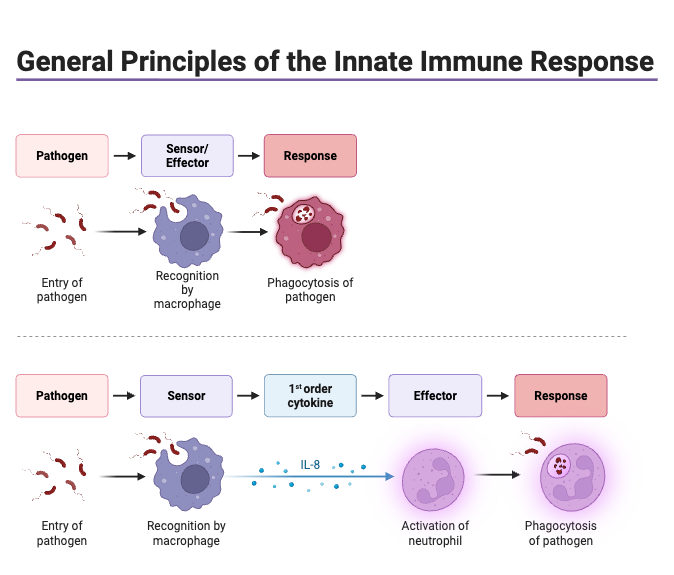
Step 1- Entry of pathogen
In this step, the pathogen enters into the body after crossing the first barrier. Skin, mucous membrane, mucus and stomach acid normally prevent the entry. But when the barrier is damaged, microbes enter into the tissue.
Step 2- Recognition of pathogen
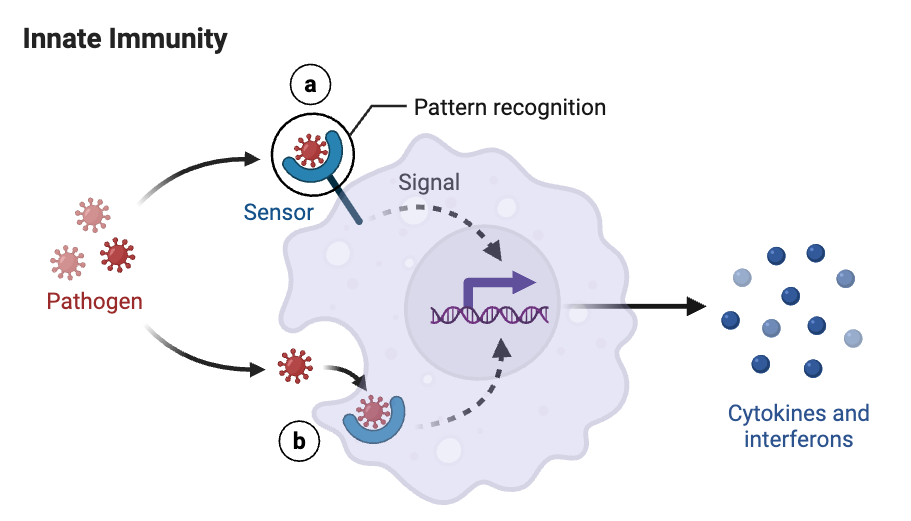
The entered microbes are recognized by pattern recognition receptors (PRRs). These receptors are present on the surface or inside the immune cells. TLRs, NLRs and RLRs are some important receptors. They recognize PAMPs and DAMPs.
Step 3- Intracellular signalling
After the binding of microbial product with receptor, the signal is passed inside the cell. MyD88 dependent pathway and TRIF dependent pathway are activated. This results in activation of NF-κB and interferon regulatory factors (IRFs).
Step 4- Formation of mediators
In this step, the activated cell forms inflammatory mediators. Cytokines, chemokines and interferons are produced. Interferons are mainly useful in viral infection.
Step 5- Inflammatory reaction
During this process, inflammation occurs at the site of infection. Blood vessels become dilated and permeability is increased. Redness, heat and swelling are produced. Neutrophils and monocytes come from blood to the infected area.
Step 6- Complement activation
The complement system is activated along with cellular response. It occurs by classical pathway, lectin pathway or alternative pathway. It causes opsonization, inflammation and lysis of microbes. Membrane attack complex (MAC) is formed on microbial membrane.
Step 7- Phagocytosis
In this step, macrophages and neutrophils engulf the microbes. The engulfed microbe is present inside the phagosome. The phagosome then fuses with lysosome and forms phagolysosome.
Step 8- Destruction of pathogen
Inside the phagolysosome, microbes are destroyed. Acidic enzymes and reactive oxygen species (ROS) are produced. This process is called respiratory burst and it kills the pathogen.
Step 9- Special killing mechanism
Some microbes are killed by special methods. Neutrophils form neutrophil extracellular traps (NETs). These are web like structure which trap microbes outside the cell. Natural killer (NK) cells kill virus infected cells and tumour cells by perforin and granzymes.
Step 10- Link with adaptive immunity
After killing of pathogen, dendritic cells and macrophages take the antigen fragments. They move to lymph node and present antigen to T cells. This starts the adaptive immunity. This is referred to as bridge between innate and adaptive immunity.
Pattern Recognition Receptors (PRRs) and Pathogen Recognition of Innate Immunity
- Pattern recognition receptors (PRRs) are receptors of innate immune system. These are already present in immune cells and also in some non-immune cells. They work as alarm system of body when microbes enter.
- These receptors are germline encoded. They are not formed newly after infection. They do not recognize one particular antigen like adaptive immunity.
- PRRs recognize common structures which are present in many microbes. These structures are conserved and important for survival of microbes. So, microbes cannot easily change them.
- The microbial structures recognized by PRRs are called pathogen associated molecular patterns (PAMPs). These are absent in host cells. Lipopolysaccharide (LPS), peptidoglycan, flagellin, fungal β-glucans, viral RNA and viral DNA are some example.
- PRRs also recognize danger signals from damaged host cells. These are called damage associated molecular patterns (DAMPs). They are released during stress, injury or abnormal cell death. Extracellular ATP and uric acid are example of it.
- Some PRRs are present on cell surface. They recognize microbial molecules present outside the cell. Some receptors are present in endosome and cytoplasm, so they can detect internalized microbes and viral nucleic acid.
- Toll-like receptors (TLRs) are important PRRs. Some are present on cell membrane and recognize LPS, flagellin and microbial proteins. Some are present inside endosome and recognize viral and bacterial nucleic acids.
- C-type lectin receptors (CLRs) recognize carbohydrate part of microbes. They bind mannose, glucans and other sugar molecules. They are mainly important in fungal infection.
- NOD-like receptors (NLRs) are present in cytoplasm. They detect microbial products inside the cell. NOD1 and NOD2 recognize bacterial peptidoglycan. Some NLRs form inflammasome and cause strong inflammatory reaction.
- RIG-I-like receptors (RLRs) are also present in cytoplasm. RIG-I and MDA5 recognize viral RNA during viral replication. They are important for antiviral defence.
- Some PRRs are soluble in blood and tissue fluid. Mannan-binding lectin (MBL) and C-reactive protein (CRP) are example. They bind to microbes and mark them for phagocytosis.
- After recognition of PAMPs or DAMPs, the immune cell become activated. It releases cytokines and chemokines. Then inflammation, complement activation and phagocytosis starts. This helps in early removal of pathogen.
Pathogen-Associated Molecular Patterns (PAMPs) and Damage-Associated Molecular Patterns (DAMPs) of Innate Immunity
- Pathogen-associated molecular patterns (PAMPs) are common molecular structures present on microbes. These are conserved structures and needed for survival of microbes. These are absent in host cells.
- PAMPs are recognized by pattern recognition receptors (PRRs). After recognition, innate immune response starts. It causes inflammation, phagocytosis and activation of other defence mechanism.
- Lipopolysaccharide (LPS) is an important PAMP. It is present in the outer membrane of Gram-negative bacteria. It strongly activates innate immune cells.
- Peptidoglycan and lipoteichoic acid are also PAMPs. These are present in the cell wall of Gram-positive bacteria. They are recognized as foreign microbial structures.
- Flagellin is a bacterial protein. It is the main protein of bacterial flagella. It is recognized by innate immune receptors and indicates the presence of motile bacteria.
- Microbial nucleic acids also act as PAMPs. Viral double-stranded RNA (dsRNA), viral single-stranded RNA (ssRNA) and unmethylated bacterial CpG DNA are important examples.
- Fungal cell wall components are also recognized as PAMPs. β-glucans, chitin and mannose are present in fungi and yeast. These help in recognition of fungal infection.
- Damage-associated molecular patterns (DAMPs) are danger signals released from damaged body cells. These are also called alarmins. They are released during cell stress, injury, necrosis or abnormal cell death.
- DAMPs are not microbial molecules. They are host cell molecules, but they come outside from their normal place during damage. So, immune system recognize them as danger signal.
- Extracellular ATP is an important DAMP. It is normally present inside cell. When cell is damaged it comes outside and activates immune response.
- Uric acid crystals, cholesterol crystals and β-amyloid also act as DAMPs. These substances indicate tissue injury or abnormal deposition in body.
- Some intracellular proteins act as DAMPs when they are released outside. HMGB1 and heat shock proteins (HSPs) are important example. These proteins normally remain inside the cell.
- Fragments of extracellular matrix also act as DAMPs. Hyaluronic acid fragments, histones and oxidized lipids like oxidized LDL are recognized during tissue damage.
- Misplaced nucleic acids also act as DAMPs. Mitochondrial DNA (mtDNA) or self-DNA present in wrong place may activate innate immune receptors. This can start inflammation without infection.


Step by Step Process of Phagocytosis in Innate Immunity
- Phagocytosis starts when microbes enter into tissue or when tissue injury occurs. Neutrophils and macrophages move towards the infected area. This movement occurs due to chemical signals and is called chemotaxis.
- In this step, the phagocytic cell recognize the microbe. The receptors present on phagocyte bind with microbial surface. Pattern recognition receptors (PRRs), complement receptors and Fc receptors are involved in this attachment.
- The attachment becomes more strong when microbes are coated by opsonins. Complement proteins and antibodies act as opsonins. This makes the microbe easy to recognize and engulf.
- After attachment, the plasma membrane of phagocyte starts to extend around the microbe. These extensions are called pseudopodia. The movement occurs due to actin polymerization.
- The pseudopodia completely surrounds the microbe. Then the microbe is taken inside the cell. It becomes enclosed in a membrane bound vesicle called phagosome.
- The phagosome moves inside the cytoplasm. It starts maturation and then fuses with lysosome. In neutrophils, it may also fuse with primary and secondary granules.
- After fusion, a new structure is formed called phagolysosome. It is the main killing chamber of the phagocyte. The internal environment becomes acidic.
- Inside phagolysosome, the pathogen is destroyed by different substances. Lysozyme, acid hydrolases, defensins and other antimicrobial substances digest the microbe.
- During this process, respiratory burst also occurs. NADPH oxidase enzyme produces toxic reactive oxygen species (ROS). Superoxide, hydrogen peroxide and hypochlorous acid kill the pathogen.
- After digestion, the waste material and debris are removed from the cell. The useful antigen fragments may remain inside some phagocytes.
- In macrophages and dendritic cells, the processed antigen fragments are presented on MHC molecules. These fragments are shown to lymphocytes.

Inflammatory Response in Innate Immunity
- Inflammatory response is a non-specific defence reaction of body. It starts quickly when there is infection, tissue injury or chemical damage. It helps to remove the harmful agent from the affected area.
- Inflammation starts when pattern recognition receptors (PRRs) recognize microbial products or damaged cell signals. Toll-like receptors (TLRs) are important receptors in this process. They recognize PAMPs and DAMPs.
- After recognition, local cells become activated. Macrophages, mast cells, epithelial cells and endothelial cells release chemical mediators. These mediators start the inflammatory reaction.
- The important chemical mediators are cytokines, chemokines, histamine, prostaglandins and leukotrienes. Fragments of complement system also increase the reaction.
- These mediators act on nearby blood vessels. Blood vessels become dilated and more blood comes to the infected area. Due to this, redness and heat are produced.
- The blood vessels also become more permeable. Fluid and plasma proteins come out from blood into the tissue. Complement proteins and coagulation factors also enter into the affected site.
- Due to entry of fluid, swelling occurs in the tissue. Pain occurs due to pressure of swelling and action of chemical mediators. So, redness, heat, swelling and pain are the main signs of inflammation.
- Some cytokines may also produce fever. Fever increases body temperature. It helps to inhibit growth of pathogen and also increases activity of immune cells.
- Endothelial cells of local blood vessels become activated. They produce cell adhesion molecules like selectins and integrins. These molecules help leukocytes to attach on blood vessel wall.
- Chemokines attract white blood cells from blood to the infected area. Neutrophils come first in large number. Then monocytes come and become macrophages in tissue.
- The attached leukocytes pass through the wall of blood vessel. This process is called extravasation. After that, they move towards the infection site by chemical signals.
- Neutrophils and macrophages engulf the microbes. They kill them by acidic enzymes, reactive oxygen species (ROS) and antimicrobial peptides. Dead cells, microbes and fluid together may form pus.
- Inflammation also helps to stop spread of infection. Local clotting may occur in small blood vessels. This walls off the infected area and prevents pathogen from entering into blood.
Complement System and Innate Immunity
- Complement system is a group of plasma proteins present in blood and extracellular fluid. These proteins remain inactive normally. After infection they become activated one after another.
- It is an important part of innate immunity. It helps to recognize microbes and remove them from body. It works with phagocytes, antibodies and inflammatory response.
- The activation of complement occurs by three main pathways. These are alternative pathway, classical pathway and lectin pathway. All these pathways finally activate the central protein C3.
- Alternative pathway is active at low level all time. This is called tick over. In this pathway C3 breaks spontaneously and its fragment attach with microbial surface.
- Classical pathway starts when C1q binds with antibody present on pathogen surface. Mainly IgG and IgM take part in this pathway. It may also start by damaged or dying host cells.
- Lectin pathway starts when mannose-binding lectin (MBL) or ficolins bind with carbohydrate present on microbial surface. It is mainly for sugar pattern of microbes.
- In all pathway, C3 is cleaved into C3a and C3b. C3b binds on the surface of pathogen. This marking of microbe is called opsonization.
- Opsonization makes phagocytosis easy. Macrophages and neutrophils recognize the C3b coated microbes by complement receptors. Then they engulf and destroy them.
- Some complement fragments act as inflammatory mediators. C3a and C5a are called anaphylatoxins. They attract immune cells and increase inflammation at infection site.
- C3a and C5a cause dilation of blood vessels and increase vascular permeability. So, fluid and immune cells come out from blood into tissue. This helps in local inflammatory reaction.
- In the final step, C5 is cleaved and C5b is formed. C5b joins with C6, C7, C8 and many C9 molecules. This forms membrane attack complex (MAC).
- Membrane attack complex (MAC) makes pore in microbial membrane. Water enters through the pore and the microbe bursts. This is called lysis of pathogen.
- Complement system also removes dead host cells. Low amount of C3b coat apoptotic cells. Then phagocytes remove these cells without producing strong inflammation.
- Complement system is very destructive, so it is controlled by regulatory proteins. Factor H, Factor I, C1 inhibitor and CD59 stop excess complement activity.
- These regulators protect normal body cells from complement attack. They make sure that complement acts mainly on microbes and not on healthy host tissue.
- Thus, complement system helps in opsonization, inflammation, direct lysis of microbes and clearance of cell debris. It is one of the major soluble defence system of innate immunity.
Role of Cytokines and Chemokines in Innate Immunity
- Intercellular communication – Cytokines are chemical messenger molecules of immune system. They are produced by immune cells and other cells during infection. They bind with receptors of target cells and regulate activation, differentiation and recruitment of immune cells.
- Inflammatory response – During infection or tissue damage, innate immune cells release pro-inflammatory cytokines. Tumor necrosis factor-alpha (TNF-α), interleukin-1 (IL-1) and IL-6 are important example. They produce local inflammation like redness, swelling and heat and also may produce fever.
- Chemotaxis – Chemokines are special type of cytokines. They act as chemical attracting substance for white blood cells. They guide immune cells from blood to the site of infection or injury. IL-8 mainly attract neutrophils, which are the first responding cells.
- Antiviral defence – Virus infected cells secrete type I interferons. IFN-α and IFN-β are important type I interferons. They act on infected cell and nearby cells and stop viral replication. They also activate natural killer (NK) cells for killing virus infected cells.
- Macrophage polarization – Cytokines decide the functional state of macrophages. IFN-γ changes macrophage into M1 type which is pro-inflammatory and kill microbes and tumour cells. IL-4, IL-10 and IL-13 change macrophage into M2 type which reduce inflammation and helps in tissue repair.
- Mucosal defence – Innate lymphoid cells (ILCs) release cytokines at mucosal barrier like gut and lungs. ILC3 secretes IL-22, which makes epithelial cells to produce mucus and antimicrobial peptides. ILC2 secretes IL-13 and amphiregulin, which helps in removal of helminth parasite and tissue repair.
- Bridge with adaptive immunity – Cytokines also connect innate immunity with adaptive immunity. IL-12 released by macrophages and dendritic cells activates T cells. IFN-γ also increase antigen processing and presentation to T cells.
- Trained immunity – Some cytokines help in trained immunity. IL-1β makes autocrine amplification loop and changes epigenetic state of innate immune cells. Due to this, the cells give faster and stronger response during future unrelated infection.
Natural Killer (NK) Cell-Mediated Immunity
- Natural killer (NK) cells are cytotoxic cells of innate immunity. They are included under innate lymphoid cells (ILCs). They give immediate defence against virus infected cells and tumour cells without previous exposure.
- NK cells are mainly of two types. CD56dim NK cells are more cytotoxic and directly kill the target cells. CD56bright NK cells mainly produce cytokines and take part in inflammatory response.
- NK cells check the MHC class I molecules present on normal body cells. Inhibitory receptors like KIRs and CD94/NKG2A bind with MHC class I and prevent killing of normal cells.
- When virus infected cell or tumour cell reduce MHC class I, the inhibitory signal is not produced. This is called missing self recognition. Then NK cell attack the abnormal cell.
- NK cells also recognize stress signals present on infected, stressed and malignant cells. NKG2D is an activating receptor. It binds with stress induced ligands like MICA/B.
- After activation, NK cells release toxic granules from cytoplasm. These granules contain perforin and granzymes. Perforin makes pore in target cell membrane and granzymes enter inside the cell.
- Granzymes start the process of apoptosis. In this process, the target cell dies in programmed manner. So, virus infected cell or tumour cell is removed without phagocytosis.
- NK cells can also kill by death receptor pathway. Fas/FasL and TRAIL pathway are involved in this process. These signals also cause apoptosis of target cell.
- NK cells have CD16 (FcγRIIIa) receptor on their surface. This receptor binds with Fc region of IgG antibody attached on target cell. This process is called antibody dependent cellular cytotoxicity (ADCC).
- During ADCC, antibody coated target cell is recognized by NK cell. Then NK cell become strongly activated and destroy the antibody tagged cell.
- Activated NK cells secrete cytokines like IFN-γ and TNF-α. These cytokines activate macrophages, dendritic cells and also help in activation of T cells.
- NK cells do not normally attack healthy body cells. During development, they learn to recognize self MHC molecules. If an NK cell does not have proper inhibitory receptor for self MHC, it become anergic or hyporesponsive.
Relationship Between Innate and Adaptive Immunity
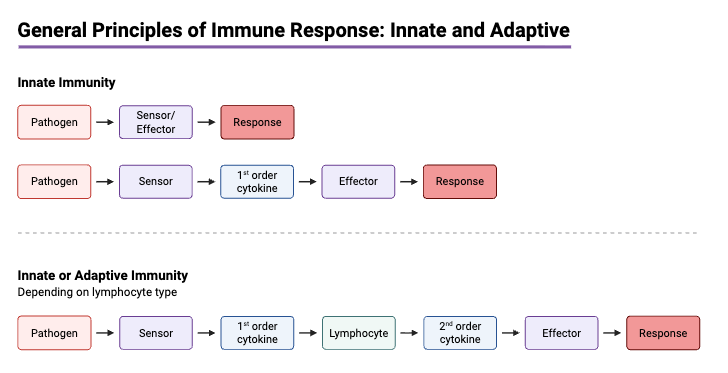
- Innate immunity acts first after entry of pathogen. It is rapid and non-specific type of defence. Adaptive immunity starts slowly and gives specific response when innate immunity cannot remove the pathogen completely.
- Innate immune cells take part in activation of adaptive immunity. Dendritic cells and macrophages engulf the pathogen and digest it. Then small antigen fragments are formed.
- These antigen fragments are carried to lymph node by antigen presenting cells (APCs). The antigens are presented on major histocompatibility complex (MHC) molecules. This helps in activation of T cells.
- Antigen presentation alone is not always enough for activation of T cells. A second signal is also needed. This is called costimulatory signal.
- Activated dendritic cells express B7 molecule on their surface. It binds with CD28 receptor present on helper T cell. This prevents death of T cell and helps in full activation of adaptive immunity.
- Innate immune cells also secrete cytokines. These cytokines decide what type of adaptive immune response will occur. So, innate immunity also guide the direction of adaptive immunity.
- IL-12 produced by macrophages helps T cells to become Th1 cells. Th1 cells are mainly useful against intracellular pathogens. Other cytokine condition may form Th2 cells, which help in antibody production.
- Complement system is a part of innate immunity, but it also helps adaptive immunity. It directly attacks microbes and also helps in formation of specific antibody response.
- Adaptive immunity also helps innate immunity by producing antibodies. Antibodies bind on the surface of pathogen. This coating is called opsonization.
- After opsonization, macrophages and neutrophils can easily recognize the pathogen. They attach with antibody coated microbes and destroy them by phagocytosis.
- Innate lymphoid cells (ILCs) also regulate adaptive immunity. They produce cytokines which affect the function of T cells and other adaptive immune cells.
- Some ILC3 cells present in gut can express MHC class II. They present harmless bacterial antigen to T cells. This helps in tolerance and prevents unnecessary inflammation against normal commensal bacteria.
- Thus, innate immunity starts the early defence and activates adaptive immunity. Adaptive immunity then gives specific response and also support innate cells for better removal of pathogen.
Limitations of Innate Immunity
- Lack of specificity – Innate immunity does not recognize a particular antigen very specifically. It recognize broad and common microbial structures. So, same type of response is produced against many different pathogens.
- Incomplete clearance – Innate immunity cannot always remove all pathogens alone. Some highly evasive microbes escape from early defence. In such condition adaptive immunity is needed for complete removal of infection.
- Pathogen evasion – Many microbes have special methods to escape innate immunity. Some bacteria have thick polysaccharide capsule which prevent phagocytosis. Some microbes survive inside phagosome and some release nucleases which destroy neutrophil extracellular traps (NETs).
- Tissue damage – Strong innate immune response can damage body tissues also. During respiratory burst, reactive oxygen species (ROS) are formed. Excess ROS may injure normal host cells and cause oxidative damage.
- Hyperinflammation – Inflammation is useful when it is local and controlled. But excessive inflammation is harmful. It may cause systemic oxidative stress, organ damage, sepsis and sometimes fatal septic shock.
- Chronic disease formation – Dysregulated innate immunity may take part in chronic and autoimmune diseases. Abnormal release of NETs may expose autoantigens and contribute to systemic lupus erythematosus (SLE) and vasculitis. Chronic activation of innate cells may also increase asthma and atherosclerosis.
- Hijacking by microbes – Some viruses block cytokine signalling by producing cytokine antagonist. Some bacteria like Salmonella produce intestinal inflammation and attract phagocytes. Then they enter into these cells and use them for spreading into other tissues.
Advantages of Innate Immunity
- Rapid response – Innate immunity acts very fast after entry of pathogen. It is the first line defence of body. It become active within few minutes to 12 hours and protect the body before adaptive immunity starts.
- No previous exposure – It does not need previous contact with the same pathogen. The response can start even when the microbe enters for first time. So, it gives immediate protection in early infection.
- Broad protection – Innate immunity protects against many types of microbes. It recognize common microbial patterns by pattern recognition receptors (PRRs). It does not need separate receptor for every specific antigen.
- Barrier defence – It gives continuous protection by physical and chemical barriers. Skin, mucus, tight junctions, stomach acid and other secretions block or destroy microbes before they enter into tissues.
- Less chance of resistance – Some innate chemical substances are difficult for microbes to escape. Defensins and other antimicrobial peptides damage microbial membrane. So, pathogen cannot easily develop resistance against them.
- Activation of adaptive immunity – Innate immunity also helps to start adaptive immunity. Macrophages and dendritic cells process antigen and release cytokines. This activates and guide T cells and other adaptive immune cells.
- Trained immunity – Earlier it was thought that innate immunity has no memory. But some innate cells can show trained immunity. It occurs by metabolic and epigenetic changes and gives stronger non-specific response during later infection.
Functions of Innate Immunity
- Prevention of infection – Innate immunity is first defence of body. Skin, mucous membrane, mucus and stomach acid prevent entry of microbes. These barriers stop pathogens before they enter into tissue.
- Killing of pathogens – It detects and removes microbes rapidly. Phagocytes engulf the microbes. Complement system, antimicrobial peptides and reactive oxygen species (ROS) kill the invading pathogens.
- Removal of dead cells – Innate immunity removes dead cells and damaged tissue materials. Macrophages clear apoptotic cells and cell debris. This prevents excess inflammation and autoimmune type reaction.
- Activation of adaptive immunity – It also starts adaptive immunity. Dendritic cells and macrophages present antigen to T cells. They also give costimulatory signal and cytokines for proper activation.
- Tissue repair – Some innate immune cells help in repair of damaged tissue. M2 macrophages and innate lymphoid cells (ILCs) reduce inflammation. They help in angiogenesis, collagen formation and healing process.
- Maintenance of homeostasis – It maintains normal tissue condition. It clears harmful materials and controls inflammatory reaction. So, tissue balance is maintained after infection or injury.
- Trained immunity – Some innate cells can show memory like response. It occurs due to metabolic and epigenetic changes. After this, they give faster and stronger non-specific response in later infection.
Clinical Significance of Innate Immunity
- Genetic immunodeficiency – Defect in innate immune components makes the patient more susceptible to infections. In chronic granulomatous disease (CGD), mutation occurs in NOX2 complex and phagocytes cannot produce proper reactive oxygen species (ROS). So, severe and repeated infections occur. Mannose-binding lectin (MBL) deficiency also reduces complement activation and increase risk of systemic infection.
- Autoimmune diseases – Abnormal innate immune response may produce autoimmune disease. Excess release of neutrophil extracellular traps (NETs) expose autoantigens to immune system. It is involved in systemic lupus erythematosus (SLE) and ANCA-associated vasculitis.
- Chronic inflammation – Continuous activation of innate immunity causes chronic inflammatory condition. Mutation in NOD2 receptor is associated with Crohn’s disease. Abnormal alternative complement pathway may cause atypical hemolytic uremic syndrome (aHUS) and age-related macular degeneration (AMD).
- Sepsis – In severe systemic infection, innate immune response may become uncontrolled. Excess ROS and NETs cause oxidative stress, endothelial injury, clotting and multi-organ failure. This condition may lead to sepsis and septic shock.
- Tissue injury – Massive tissue damage due to trauma, stroke or burns release large amount of DAMPs. These danger signals activate innate immunity at first. Later the immune system may enter into tolerant state and patient become weak against secondary infections.
- Cancer surveillance – Natural killer (NK) cells are important in killing tumour cells. They recognize abnormal cells and destroy them. In cancer therapy, inhibitory receptors like KIRs, NKG2A and TIM-3 may be blocked to increase killing of malignant cells.
- Innate receptors in cancer – Some innate receptors also have role in cancer. NOD1 and NOD2 may help in tumour cell death in some condition. But in other condition they may support tumour spread and metastasis.
- Metabolic disorders – Chronic low grade inflammation of innate immunity is involved in metabolic diseases. It contributes to insulin resistance and type 2 diabetes. Innate cells remain in pro-inflammatory state for long time.
- Cardiovascular disease – Trained immunity may become harmful in western diet condition. Oxidized lipid like oxLDL reprogram innate immune cells. This increases inflammation and helps in development of atherosclerosis.
- Targeted therapy – Innate immune pathways are used as target for treatment. Eculizumab blocks complement protein C5 and is used in aHUS and paroxysmal nocturnal hemoglobinuria (PNH). Other treatments block cytokines like IL-17, IL-12 and IL-23 in inflammatory diseases.
- Vaccine and immunotherapy – Some substances can activate trained immunity for useful purpose. β-glucans may stimulate innate immune cells and improve vaccine response. It may also help in anti-tumour immune response.
Disorders Associated with Innate Immunity
- Atypical hemolytic uremic syndrome (aHUS) – aHUS is a severe kidney related disease. It occurs due to defect in alternative complement pathway. Mutation may occur in C3, Factor B, Factor H or Factor I. Due to this complement activity become uncontrolled and causes endothelial damage, small blood clots and destruction of red blood cells.
- Chronic granulomatous disease (CGD) – CGD is inherited immunodeficiency disease. It occurs due to mutation in NADPH oxidase (NOX2) complex. So, phagocytes cannot produce proper reactive oxygen species (ROS). The patient get repeated bacterial and fungal infections and granuloma is formed.
- Systemic lupus erythematosus (SLE) – SLE is autoimmune disease. It is related with abnormal formation and poor clearance of neutrophil extracellular traps (NETs). Due to uncleared NETs, nuclear antigens come outside and immune system react against them.
- Rheumatoid arthritis (RA) – RA is joint inflammatory disease. Excess NETosis occurs in joints. Citrullinated protein antigens are exposed and it stimulates abnormal immune reaction. This causes inflammation and damage in joints.
- Inflammatory bowel disease (IBD) – IBD and Crohn’s disease are related with mutation in NOD2 receptor. NOD2 normally detect bacterial peptidoglycan. When this detection is lost, intestinal inflammation occur. ILC1 and ILC3 also increase in inflamed mucosa.
- Sepsis and septic shock – Sepsis occurs due to uncontrolled innate immune response during severe infection. Large amount of ROS, NETs and DAMPs are released. It causes oxidative stress, endothelial injury, blood clotting and multi-organ failure.
- Asthma and allergic rhinitis – These diseases are related with overactive ILC2 cells. After allergen exposure, ILC2 releases IL-5 and IL-13. This causes airway inflammation, mucus formation and airway hyper-responsiveness.
- Gout – Gout occurs due to deposition of monosodium urate crystals in joints. These crystals are not cleared easily by phagocytes. Neutrophils release IL-1β and NETs. This causes acute inflammation of joint.
- Atherosclerosis – Atherosclerosis is related with chronic low grade inflammation. Oxidized LDL (oxLDL) acts as DAMP. It changes innate cells into trained and inflammatory state. Macrophages become foam cells and plaque is formed.
- Diabetes – In diabetes, high glucose increase ROS production. It also increase PAD4 activity and NETosis. This damages tissue and delay wound healing. NOD1 and NOD2 expression is also related with insulin resistance.
- Hereditary angioedema – It occurs due to deficiency of C1 inhibitor (C1Inh). It normally controls classical complement pathway. In its deficiency bradykinin level increase and sudden edema occurs in tissue.
- Atopic dermatitis and psoriasis – These are skin inflammatory diseases. They occur due to abnormal skin barrier and altered antimicrobial peptides. Defensins and psoriasin are involved in this condition. Persistent skin inflammation is seen.
- Familial Mediterranean fever – It is an autoinflammatory disease. It gives repeated attack of fever and polyserositis. IL-1β and NET formation are involved in this disease.
- Duchenne muscular dystrophy (DMD) – DMD is genetic muscle disease. It is also linked with trained immunity. Bone marrow derived macrophages become hyperactive for long time and increase muscle inflammation.
References
- A subpopulation of human peripheral blood NK cells that lacks inhibitory receptors for self-MHC is developmentally immature. (n.d.). PubMed Central (PMC).
- Alberts, B., Johnson, A., Lewis, J., Raff, M., Roberts, K., & Walter, P. (2002). Innate immunity. In Molecular biology of the cell (4th ed.). Garland Science.
- Alfarra, H., Weir, J., Grieve, S., & Reiman, T. (2020). Targeting NK cell inhibitory receptors for precision multiple myeloma immunotherapy. Frontiers in Immunology, 11, 575609. https://doi.org/10.3389/fimmu.2020.575609
- Aristizábal, B., & González, Á. (2013). Innate immune system. In J. M. Anaya, Y. Shoenfeld, A. Rojas-Villarraga, et al. (Eds.), Autoimmunity: From bench to bedside. El Rosario University Press.
- Boster Biological Technology. (n.d.). Toll-like receptors (TLRs) signaling pathway.
- Cell Signaling Technology. (n.d.). Toll-like receptor signaling.
- Characterization of rapid neutrophil extracellular trap formation and its cooperation with phagocytosis in human neutrophils. (n.d.). PubMed Central (PMC).
- Complement receptor-mediated phagocytosis induces proinflammatory cytokine production in murine macrophages. (n.d.). PubMed Central (PMC).
- Complement system part II: Role in immunity. (n.d.). PubMed Central (PMC).
- Diversity and function of group 1 innate lymphoid cells. (n.d.). PubMed Central (PMC).
- Functions of arginase isoforms in macrophage inflammatory responses: Impact on cardiovascular diseases and metabolic disorders. (n.d.). PubMed Central (PMC).
- Grubbs, H., & Kahwaji, C. I. (2026). Physiology, active immunity. In StatPearls. StatPearls Publishing.
- Human NK cells: Surface receptors, inhibitory checkpoints, and translational applications. (n.d.). PubMed Central (PMC).
- Innate lymphoid cells (ILCs): Cytokine hubs regulating immunity and tissue homeostasis. (n.d.). PubMed Central (PMC).
- Innate lymphoid cells: A new paradigm in immunology. (n.d.). PubMed Central (PMC).
- Innate lymphoid cell function in the context of adaptive immunity. (n.d.). PubMed Central (PMC).
- Institute for Quality and Efficiency in Health Care (IQWiG). (2006). In brief: The innate and adaptive immune systems. InformedHealth.org.
- Janefrancis, O. L., Stella, M. A., Paul, O. T., Umar, Y. I., Mustapha, L., Masud, O. M., & Muhsin, U. M. (2025). The role of trained immunity in protection against infectious diseases: Epigenetic reprogramming and long-term immune responses. Asian Journal of Immunology, 8(1), 86–96. https://doi.org/10.9734/aji/2025/v8i1163
- Kang, J.-H., Kim, J.-H., Gim, J.-A., & Lee, M.-Y. (2025). iNOS in macrophage polarization: Pharmacological and regulatory insights. International Journal of Molecular Sciences, 26(24), 12056. https://doi.org/10.3390/ijms262412056
- Kim, H. G., Rincon, J. C., Efron, P. A., & Maile, R. (2025). DAMP-driven trained immunity: Metabolic and epigenetic reprogramming in critical illness and chronic inflammation. Frontiers in Immunology, 16, 1669054. https://doi.org/10.3389/fimmu.2025.1669054
- Kumar Malesu, V. (2026). Diet and the reprogramming of innate immune memory. News-Medical.Net.
- Li, Z., & Shang, D. (2024). NOD1 and NOD2: Essential monitoring partners in the innate immune system. Current Issues in Molecular Biology, 46(9), 9463–9479. https://doi.org/10.3390/cimb46090561
- Manfredi, A. A., Ramirez, G. A., Rovere-Querini, P., & Maugeri, N. (2018). The neutrophil’s choice: Phagocytose vs make neutrophil extracellular traps. Frontiers in Immunology, 9, 288. https://doi.org/10.3389/fimmu.2018.00288
- Merle, N. S., Church, S. E., Fremeaux-Bacchi, V., & Roumenina, L. T. (2015). Complement system part I – molecular mechanisms of activation and regulation. Frontiers in Immunology, 6, 262. https://doi.org/10.3389/fimmu.2015.00262
- Metabolism via arginase or nitric oxide synthase: Two competing arginine pathways in macrophages. (n.d.). PubMed Central (PMC).
- NADPH oxidase activation and assembly during phagocytosis. (n.d.). PubMed.
- NADPH oxidases: An overview from structure to innate immunity-associated pathologies. (n.d.). PubMed Central (PMC).
- Neutrophil extracellular traps and respiratory disease. (n.d.). PubMed Central (PMC).
- New insights into the immune functions of complement. (n.d.). PubMed Central (PMC).
- NK cell self tolerance, responsiveness and missing self recognition. (n.d.). PubMed Central (PMC).
- “Of mice and men”: Arginine metabolism in macrophages. (n.d.). PubMed Central (PMC).
- Panda, S. K., & Colonna, M. (2019). Innate lymphoid cells in mucosal immunity. Frontiers in Immunology, 10, 861. https://doi.org/10.3389/fimmu.2019.00861
- Pattern recognition receptors and central nervous system repair. (n.d.). PubMed Central (PMC).
- Pattern recognition receptors and inflammasome: Now and beyond… (n.d.). PubMed Central (PMC).
- Phagocytosis and neutrophil extracellular traps. (n.d.). PubMed Central (PMC).
- Raulet, D. H. (2006). Missing self recognition and self tolerance of natural killer (NK) cells. Seminars in Immunology, 18(3), 145–150. https://doi.org/10.1016/j.smim.2006.03.003
- Reactive oxygen species and cell signaling: Respiratory burst in macrophage signaling. (n.d.). PubMed.
- Reikine, S., Nguyen, J. B., & Modis, Y. (2014). Pattern recognition and signaling mechanisms of RIG-I and MDA5. Frontiers in Immunology, 5, 342. https://doi.org/10.3389/fimmu.2014.00342
- Sabir, S., & Jan, A. (2026). Physiology, immune response. In StatPearls. StatPearls Publishing.
- Structural basis of RIP2 activation and signaling. (n.d.). PubMed Central (PMC).
- Structural, cellular, and molecular ontogeny of innate immunity: Barriers, pattern recognition, and effector cascades. (n.d.).
- The role of complement in inflammatory diseases from behind the scenes into the spotlight. (n.d.). PubMed Central (PMC).
- Țocu, G., Ștefănescu, B. I., Stavăr Matei, L., & Țocu, L. (2026). Phagocyte NADPH oxidase NOX2-derived reactive oxygen species in antimicrobial defense: Mechanisms, regulation, and therapeutic potential—A narrative review. Antioxidants, 15(1), 55. https://doi.org/10.3390/antiox15010055
- Toll-like receptor signaling pathways. (n.d.). PubMed Central (PMC).
- Toll-like receptors (TLRs), NOD-like receptors (NLRs), and RIG-I-like receptors (RLRs) in innate immunity. TLRs, NLRs, and RLRs ligands as immunotherapeutic agents for hematopoietic diseases. (n.d.). PubMed Central (PMC).
- Trained immunity: A program of innate immune memory in health and disease. (n.d.). PubMed Central (PMC).
- Transcription of NOD1 and NOD2 and their interaction with CARD9 and RIPK2 in IFN signaling in a perciform fish, the Chinese perch, Siniperca chuatsi. (n.d.). PubMed Central (PMC).
- Wikipedia contributors. (2025). Pattern recognition receptor. In Wikipedia, The Free Encyclopedia.
- Wikipedia contributors. (2026). Respiratory burst. In Wikipedia, The Free Encyclopedia.
- Wikipedia contributors. (2026). Toll-like receptor. In Wikipedia, The Free Encyclopedia.
- Yang, H., Biermann, M. H., Brauner, J. M., Liu, Y., Zhao, Y., & Herrmann, M. (2016). New insights into neutrophil extracellular traps: Mechanisms of formation and role in inflammation. Frontiers in Immunology, 7, 302. https://doi.org/10.3389/fimmu.2016.00302
- Zaru, R. (n.d.). Pattern recognition receptor (PRRs) ligands. British Society for Immunology.
I like your blog.