

Tumor is also called neoplasm. It is an abnormal solid mass of tissue. It is formed when cells multiply in uncontrolled way or when cells do not die at proper time.
Tumor is different from cyst. Cyst is usually filled with fluid or air. But tumor is a solid growth. It has no useful function in the body.
Tumor may be very small like a nodule. It may also become large mass. It can develop in any part of the body. It may occur in skin, bone, gland and internal organs.
Tumors are mainly of three types. Benign tumor is non-cancerous and does not spread to other parts. Premalignant tumor is not cancer, but it may change into cancer if untreated. Malignant tumor is cancerous tumor and it grows aggressively.
Malignant tumor can damage nearby normal tissue. It can interfere with normal body function. It may also spread to distant organs. This spreading is called metastasis.
Definition of Tumor
Tumor is an abnormal solid mass of tissue formed due to uncontrolled growth of cells. It is also called neoplasm. It may be benign, premalignant or malignant.
Risk Factors for Tumors
Risk factors for tumors are the conditions or agents which increase the chance of tumor formation. These factors may damage DNA, change cell growth control or reduce immune protection. Some factors are environmental and some are inherited.
- Tobacco and smoking
Use of tobacco is an important risk factor for tumor. Cigarette, cigar and smokeless tobacco can cause cancer. Secondhand and thirdhand smoke also increase the risk. It is one of the major preventable cause of cancer death. - Dietary habits
Diet also affect tumor risk. High fat diet, processed meat and alcohol increase the chance of cancer. Low intake of fruits and vegetables is also a risk factor. These habits may affect body metabolism and cell damage. - Genetic factors
Some tumors occur due to inherited mutation. Mutation in BRCA1, BRCA2 and TP53 genes are important examples. Family history of cancer also increase the risk. These patients may develop hereditary cancer syndrome. - Obesity and inactivity
High body weight is related with increased tumor risk. Lack of physical activity also increase the chance of cancer. Obesity can change hormone level and inflammation in the body. These changes support abnormal cell growth. - Radiation exposure
Radiation can damage DNA of cells. Ultraviolet (UV) radiation from sunlight and tanning devices causes skin cancer risk. Ionizing radiation from X-rays and radioactive gas like radon also increase tumor formation. - Chemical carcinogens
Some chemicals can act as carcinogens. Asbestos, arsenic, benzene, formaldehyde and aflatoxins are important examples. Exposure may occur in workplace or from polluted air. Long exposure increases cancer risk. - Infectious agents
Some infections can cause tumor by chronic inflammation or direct change in cell growth. Human papillomavirus (HPV), hepatitis B virus, hepatitis C virus, HIV, Epstein-Barr virus (EBV) and Helicobacter pylori are important examples. - Age
Tumor risk increases with age. Older persons have more exposure to harmful factors for long time. DNA damage also accumulate slowly. Repair mechanism of the cell becomes less effective with aging. - Immunosuppression
Weak immune system increase the risk of tumor. It may occur in HIV infection or after use of immunosuppressant drugs. The body becomes less able to remove abnormal cells and cancer causing infections. - Chronic inflammation
Long continued inflammation may promote tumor formation. Inflammation causes repeated cell damage and repair. This increases chance of mutation. Chronic unresolved inflammation is an important risk factor for some cancers.
Types of Tumors
Tumors are divided into different types on the basis of growth and spreading. Some tumors are not cancerous. Some tumors may change into cancer. Some are cancerous and spread in the body.
- Benign tumors
Benign tumors are non-cancerous tumors. They grow slowly. They remain at one place. They do not invade nearby tissue. They do not spread to distant organs. Usually they are not life threatening.- a. Adenoma
Adenoma is tumor of glandular tissue. - b. Fibroid
Fibroid is tumor of connective tissue. - c. Lipoma
Lipoma is tumor of fat cells. - d. Hemangioma
Hemangioma is tumor of blood vessels.
- a. Adenoma
- Premalignant tumors
Premalignant tumors are abnormal growth of cells. They are not cancer at present. But they may become cancer later. So they should be observed or treated early.- a. Actinic keratosis
Actinic keratosis is a crusty patch on skin. It occurs due to sun damage. - b. Metaplasia of lung
Metaplasia of lung is change in lung lining cells. It may occur due to harmful stimulus. It may later progress to cancer.
- a. Actinic keratosis
- Malignant tumors
Malignant tumors are cancerous tumors. They grow rapidly. The cells divide in uncontrolled way. The cells are irregular and not uniform. They invade nearby tissues. They may spread to lymph nodes and distant organs. This spreading is called metastasis.- a. Carcinoma
Carcinoma arises from skin or lining of organs. - b. Sarcoma
Sarcoma arises from connective tissue. It may arise from bone, muscle or fat. - c. Blastoma
Blastoma arises from embryonic tissue. It is commonly seen in children. - d. Germ cell tumor
Germ cell tumor arises from germ cells. It may occur in testis or ovary.
- a. Carcinoma
General Characteristics of Tumor Cells
Tumor cells are abnormal cells. They grow more than normal cells. Their growth is not controlled properly. They may form a mass of tissue called tumor.
- Uncontrolled growth
Tumor cells divide rapidly. They do not follow normal growth control. They also do not die at proper time like normal cells. So the number of cells increase and mass is formed. - No useful function
Tumor cells form abnormal tissue mass. This mass has no normal function in the body. It may press nearby tissue. It may also disturb the work of organ. - DNA mutation
Tumor cells have damage in DNA. Some genes become mutated. These mutations change cell growth and cell death control. Due to this, the cell become genetically unstable. - Tumor antigen
Tumor cells may produce abnormal proteins. These proteins are called tumor antigens. They may be tumor-specific antigens (TSAs) or tumor-associated antigens (TAAs). They are formed due to mutation, viral infection or excess production of normal protein. - Immune escape
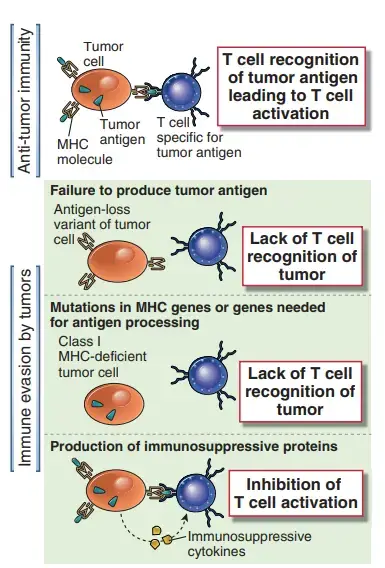
Tumor cells may hide from immune system. They may lose strong tumor antigen. They may also attract suppressive immune cells. By this, tumor cells protect themselves from immune attack. - High mitosis
Many tumor cells divide continuously. In malignant tumor, many cells are seen in mitosis under microscope. This is called high mitotic index. It shows rapid growth of tumor. - Benign cell appearance
In benign tumors, cells are usually uniform. They look more like normal cells. Differentiation is usually retained. Nucleus is mostly regular and single. - Malignant cell appearance
In malignant tumors, cells are irregular. They lose normal differentiation. This is called anaplasia. The cells may have large nucleoli, irregular shape and sometimes more than one nucleus. - Invasion
Malignant tumor cells can enter nearby tissue. They destroy normal tissue around them. Tissue death or necrosis may occur in some tumors. Benign tumor cells usually do not invade. - Metastasis
Malignant cells may spread to distant organs. They can travel through blood or lymph. Then they form new tumor at other site. This process is called metastasis.
Structure of Tumor Cell
Tumor cell has abnormal structure than normal cell. The changes are more marked in malignant tumor cells. These cells lose normal shape, size and arrangement.
- Loss of differentiation
Malignant tumor cells lose normal differentiation. They do not look like the mature normal cell from where they arise. Their structural organization is also lost. This condition is called anaplasia. - Pleomorphism
Tumor cells show pleomorphism. It means cells are different in size and shape. Some cells are very large and some are small. Their appearance is not uniform like normal cells. - Nuclear abnormality
The nucleus of malignant cell is abnormal. It may be large, irregular or deformed. Some cells may contain more than one nucleus. In benign tumor cells, nucleus is usually regular and single. - Prominent nucleoli
Malignant tumor cells may show large and visible nucleoli. Nucleoli are present inside the nucleus. In many benign tumor cells, nucleoli are not prominent or not clearly seen. - High N:C ratio
Some tumor cells have high nuclear-cytoplasmic ratio (N:C ratio). It means nucleus occupies large part of the cell. Cytoplasm becomes less. This is common in poorly differentiated tumor cells. - Frequent mitosis
Malignant tumor cells divide rapidly. So many mitotic figures are seen under microscope. The mitosis may also be abnormal. This is called high mitotic index. - Atypical mitosis
Some malignant cells show abnormal mitotic division. The division is not regular. This shows uncontrolled and defective cell multiplication. It helps in identifying malignant nature of tumor. - Benign tumor cell structure
Benign tumor cells are more like normal cells. They are usually uniform. Their nucleus is regular and single. They divide slowly and show less mitosis.
Difference Between Normal Cells and Tumor Cells
Normal cells and tumor cells are different in their growth, shape, function and genetic control. Normal cells follow body control mechanism. Tumor cells lose this control and form abnormal mass.
- Growth and division
Normal cells divide in controlled way. They divide only when it is needed for growth or repair. Tumor cells divide rapidly. Their division is uncontrolled and continuous. - Cell death
Normal cells die when they become old or damaged. This is a natural process. Tumor cells do not die at proper time. They escape from normal cell death signal. - Function
Normal cells become mature and perform specific function. Each normal cell has its own work in tissue. Tumor cells form abnormal mass. This mass has no useful function in the body. - Cell appearance
Normal cells are usually uniform in size and shape. They have single and regular nucleus. Tumor cells are irregular in shape. In malignant tumor, cells may have large nucleus, deformed nucleus or more than one nucleus. - Differentiation
Normal cells are well differentiated. They look and act like the tissue from where they arise. Tumor cells may lose differentiation. This loss of differentiation is called anaplasia. - Genetic material
Normal cells have normal and functioning DNA. Their genes control cell growth and death properly. Tumor cells have damaged or mutated DNA. Due to this, cell behavior becomes abnormal and unstable. - Surface antigen
Normal cells show normal self proteins on their surface. Immune system usually ignores them. Tumor cells may show abnormal proteins called tumor antigens. These may be tumor-specific antigens (TSAs) or tumor-associated antigens (TAAs). - Boundary control
Normal cells remain within their tissue boundary. They do not cross normal anatomical limit. Malignant tumor cells do not respect this boundary. They grow into nearby tissue and damage normal cells. - Invasion
Normal cells do not invade surrounding tissue. They remain arranged in normal tissue pattern. Tumor cells, mainly malignant cells, invade nearby tissues. They crowd out healthy cells. - Metastasis
Normal cells do not spread to distant organs. Benign tumor cells also usually remain localized. Malignant tumor cells may spread through blood or lymph. This spreading to distant organ is called metastasis.
Causes of Tumor Formation
Tumor formation occurs due to abnormal growth of cells. The main cause is change in DNA of the cell. Due to this change, cell division becomes uncontrolled and cell death does not occur at proper time.
- Genetic mutation
Genetic mutation is the basic cause of tumor formation. Mutation changes the normal instruction of the cell. The cell starts dividing rapidly. The abnormal cells collect together and form tumor mass. - DNA damage
DNA damage may occur due to many harmful agents. When damaged DNA is not repaired properly, abnormal growth starts. Some genes controlling cell growth and cell death become defective. This helps in tumor formation. - Natural division error
Some mutation occurs naturally during cell division. When cell copies its DNA, small error may occur. Most errors are repaired. But some errors remain and slowly may lead to tumor. - Inherited genetic defect
Some persons inherit mutated genes from parents. These genes increase chance of tumor formation. BRCA1, BRCA2 and TP53 mutations are important examples. Such persons may have hereditary cancer risk. - Chemical carcinogens
Some chemicals can damage DNA and cause tumor. These are called chemical carcinogens. Tobacco smoke, asbestos, alcohol, processed meat and arsenic are important examples. Long exposure increases the risk. - Physical carcinogens
Radiation is an important physical carcinogen. Ultraviolet (UV) radiation from sun can damage skin cell DNA. Ionizing radiation from X-rays and radon gas can also break or change DNA. This may start tumor formation. - Biological carcinogens
Some infections can cause tumor. Viruses may insert their genetic material into host cell DNA. They may disturb normal growth control. HPV, HIV, hepatitis B virus and hepatitis C virus are important examples. - Bacteria and parasites
Some bacteria and parasites also help in tumor formation. Helicobacter pylori causes chronic inflammation in stomach. Long continued inflammation may lead to tumor. Some parasites can also increase cancer risk in infected tissue. - Hormonal imbalance
Hormones can influence growth of some tissues. Abnormal hormone level may stimulate repeated cell growth. This may help tumor formation in hormone sensitive organs. Breast, uterus and prostate are important examples. - Weak immune system
Immune system helps to remove abnormal cells. When immunity is weak, abnormal cells may survive. This may occur in HIV infection or after immunosuppressive drugs. Tumor risk becomes increased. - Chronic injury and irritation
Repeated injury or irritation may cause abnormal cell growth. Frequent infection, chronic stress on tissue and local tissue damage may act as trigger. This is more commonly related with some benign tumors.
Process of Tumor Development (Tumorigenesis)
Tumorigenesis is the process by which normal cell changes into tumor cell. It occurs slowly in many steps. The main change starts from DNA damage and mutation.
- DNA damage
A normal cell first gets damage in its DNA. This damage may occur due to inherited gene defect. It may also occur due to error during cell division. Radiation, chemicals and infections may also damage DNA. - Mutation formation
When DNA damage remains in the cell, mutation is formed. Mutation changes the normal instruction of cell. The cell may start behaving abnormally. More mutations may collect slowly. - Failure of repair
Normal cells can repair damaged DNA. If damage is very severe, the cell may die. But in tumor forming cells, repair does not occur properly. The damaged cell remains alive and continue to divide. - Genetic instability
Due to poor repair, more and more mutations are added. This is called genetic instability. The cell becomes less controlled. It also becomes different from normal cell. - Gene dysregulation
Important growth controlling genes are affected. Oncogenes become activated. These genes increase cell growth. Tumor suppressor genes become inactive. These genes normally stop cell division or cause cell death. - Uncontrolled cell division
The balance between cell division and cell death is lost. Apoptosis does not occur properly. The abnormal cells divide again and again. Their number increases without normal control. - Formation of mass
The abnormal cells collect together. They form a solid mass of tissue. This mass is called tumor. In early stage, it may be a pre-cancerous lesion. - Immune escape
During development, tumor cells try to escape from immune system. This process is called immunoediting. Some tumor cells hide their antigen. Some suppress immune response. So they are not destroyed by immune cells. - Malignant progression
Some pre-cancerous lesions may become malignant. The cells become more irregular. They get ability to invade nearby tissue. This stage is more dangerous. - Metastasis
Malignant tumor cells may enter blood or lymph. They travel to distant organs. There they form new tumor. This spreading is called metastasis.
Growth and Progression of Tumors
Tumor growth occurs step by step. Normal cells slowly become abnormal. Mutation increases in the cells. The balance between cell division and cell death is lost.
- Genetic alteration
Tumor progression starts due to genetic and epigenetic changes. These changes disturb normal cell control. Cell division increases. Programmed cell death or apoptosis becomes reduced. - Hyperplasia
Hyperplasia is an increase in number of cells. The cells divide more than normal. Tissue layer becomes thick. This is an early change in tumor development. - Metaplasia
Metaplasia is replacement of one mature cell type by another mature cell type. It usually occurs due to chronic irritation. This change is reversible. But long continued irritation may increase chance of further abnormal change. - Dysplasia
Dysplasia is abnormal growth and arrangement of cells. The cells lose their normal uniformity. They become different in size and shape. This is called pleomorphism. - Carcinoma in situ
Carcinoma in situ is also called stage 0 cancer. In this condition, abnormal cells occupy full thickness of epithelium. But they do not cross the basement membrane. So invasion is not present yet. - Malignant invasion
In malignant stage, tumor cells grow rapidly. They lose normal differentiation. This is called anaplasia. The cells break normal tissue boundary. They invade nearby tissue and crowd out normal cells. - Tumor necrosis
Malignant tumor may grow very fast. Sometimes the tumor grows faster than its blood and nutrient supply. So some tumor cells die. This cell death area is called necrosis. - Metastasis
Some malignant cells break away from primary tumor. They enter blood vessels or lymphatic vessels. They travel to distant organs. There they form secondary tumor. This process is called metastasis.
Tumor Antigens and Their Importance
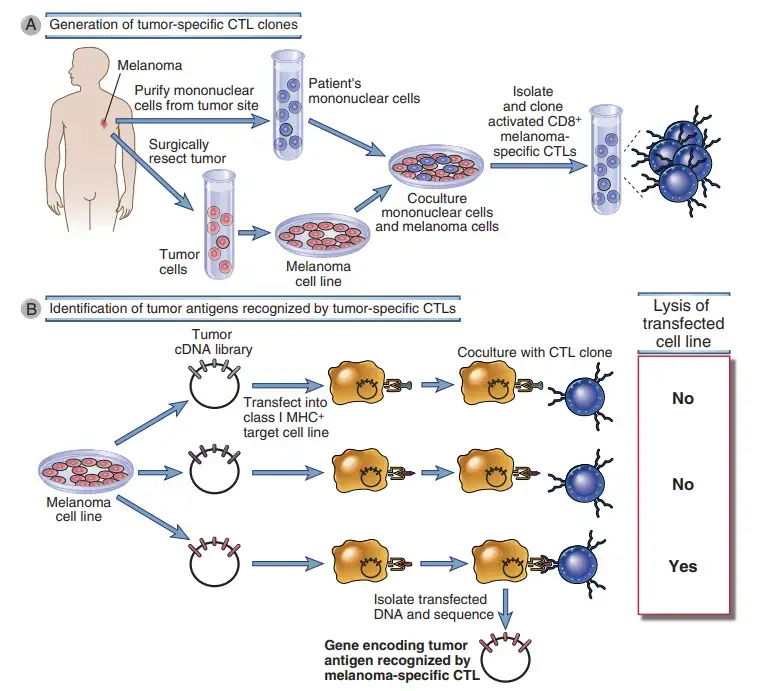
Tumor antigens are abnormal proteins or molecules present on tumor cells. These are shown on the surface of cancer cells. They help the immune system to identify tumor cells. They are important in diagnosis, prognosis and immunotherapy.
A. Types of Tumor Antigens
- Tumor-specific antigens
Tumor-specific antigens (TSAs) are present only on tumor cells. They are not present on normal cells. They are also called neoantigens. They are formed due to mutation in tumor DNA or due to cancer causing viruses like HPV. - Importance of TSAs
TSAs are completely foreign to the body. So they can produce strong immune response. They are very useful target in immunotherapy. They are safer because normal cells do not have these antigens. - Tumor-associated antigens
Tumor-associated antigens (TAAs) are normal body proteins but expressed abnormally in cancer cells. They may be produced in high amount. They may also be present in wrong tissue. HER2, PSA, embryonic antigens and cancer-testis antigens are examples. - Importance of TAAs
TAAs are useful tumor markers and therapy targets. But they are less immunogenic because the body may recognize them as self protein. They may also be present in low amount on normal cells. So targeting them can sometimes damage healthy tissues.
B. Importance of Tumor Antigens
- Immune recognition
Tumor antigens help in recognition of cancer cells. Cytotoxic T cells and NK cells can identify abnormal antigen. After recognition, immune response is started against tumor cells. - Immune surveillance
Immune system uses tumor antigens to detect malignant cells. This is important for removal of early abnormal cells. If tumor antigens are not recognized properly, tumor cells may escape. - Target for cancer vaccines
Tumor antigens are used for making cancer vaccines. Vaccine introduces the antigen or its mRNA instruction into the body. Then immune system is trained against that antigen. This helps in tumor specific immune response. - Target for CAR-T cell therapy
In CAR-T cell therapy, T cells are engineered to recognize tumor antigen. The receptor binds with selected antigen on cancer cell. Then the T cell becomes active and kills the tumor cell. - Target for monoclonal antibody therapy
Monoclonal antibodies are made against tumor antigens. They bind with specific antigen on cancer cells. After binding, they may block growth signal or help immune killing. Some antibodies also carry cytotoxic drug. - Diagnostic marker
Some tumor antigens are released into blood or body fluid. These can be measured in laboratory. PSA, CEA and CA-125 are important examples. They help in diagnosis of some cancers. - Prognostic marker
Tumor antigen level may show tumor burden and disease stage. High level may indicate more disease in some cases. Change in level also helps to know treatment response. - Monitoring recurrence
Tumor antigens are useful during follow up. After treatment, antigen level is checked repeatedly. If the level rises again, recurrence may be suspected. This helps in early detection of returning cancer.
Tumor Microenvironment
Tumor microenvironment (TME) is the local area present inside and around the tumor. It contains cancer cells and many other cells. These cells remain in contact with tumor cells and affect tumor growth.
- Tumor microenvironment contains tumor cells, T cells, dendritic cells, natural killer T cells (NKT cells), macrophages, neutrophils and myeloid-derived suppressor cells (MDSCs). These cells act together in the tumor area. Some cells support immune attack and some cells support tumor protection.
- It contains many cytokines. These are immune signaling proteins. Tumor cells can change these cytokine signals. By this, tumor survival and growth is increased.
- Some parts of tumor have low oxygen. This is called hypoxia. Low oxygen changes the behaviour of immune cells. It also affects tumor-associated macrophages and their function.
- Tumor makes the local area immunosuppressive. It collects suppressive cells and inhibitory molecules. This works like a protective shield. So immune system cannot destroy tumor cells properly.
- T cells remain exposed to tumor antigens for long time. Due to this, T cells become weak. This is called T cell exhaustion. Exhausted T cells show inhibitory receptors and their killing function is decreased.
- Tumor microenvironment is an important target in cancer treatment. Treatment tries to change this suppressive area. Radiation, immune checkpoint inhibitors and cancer vaccines may be combined. This helps to reduce local immune suppression and increase anti-tumor response.
Metastasis and Spread of Tumor Cells
Metastasis is the process by which malignant tumor cells spread from their original site to other parts of the body. It occurs only in cancerous tumor. The new tumor formed at distant place is called secondary tumor.
- Detachment from primary tumor
Cancer cells first detach from the main tumor mass. They change their behaviour. They lose normal attachment with nearby cells. After this, they start moving into surrounding tissue. - Local invasion
Tumor cells may spread locally also. They do not respect normal tissue boundary. They enter nearby tissue and crowd out normal cells. This causes destruction of adjoining tissue. - Entry into blood or lymph
After detachment, malignant cells may enter blood vessels or lymphatic vessels. Through these channels, they can travel in the body. This is an important step for distant spread. - Travel to distant organ
Cancer cells are carried by blood or lymph to other organs. They may reach liver, lung, bone, brain or lymph nodes. After reaching there, some cells survive and start growing. - Formation of secondary tumor
At the new site, the cancer cells multiply again. They form a new tumor mass. This tumor is called metastatic tumor or secondary tumor. It is dangerous because many organs may be affected. - Same cancer identity
Metastatic tumor has same cell type as the original tumor. If lung cancer spreads to liver, the tumor in liver is made of lung cancer cells. It is not liver cancer. So the identity of cancer remains same. - Destruction of normal tissue
Metastatic cells damage healthy cells at new site. They disturb normal structure of organ. They also reduce normal function of that organ. This causes severe disease condition. - Cause of death
Metastasis is the major cause of cancer death. Once cancer spreads widely, treatment becomes difficult. It is harder to control and remission also becomes less common.
Immune Response Against Tumors
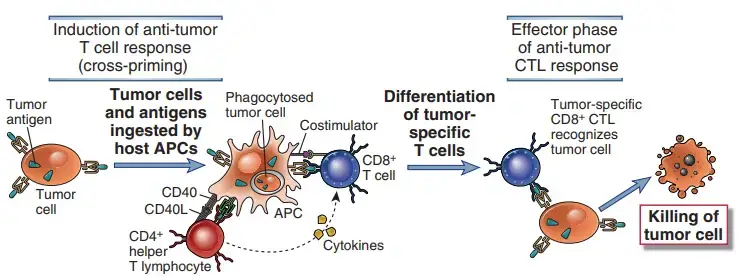
Immune response against tumors is the reaction of immune system against cancer cells. It starts when tumor antigen is recognized. After this, immune cells are activated and tumor cell killing occurs.
- Antigen presentation
Dendritic cells take up abnormal tumor proteins. These proteins are processed inside the cell. Then tumor antigens are presented to T cells. This starts the anti-tumor immune response. - Cytotoxic T cell killing
Cytotoxic T lymphocytes (CTLs) are the main cells for tumor killing. They recognize tumor antigen on cancer cells. After activation, they kill tumor cells by releasing cytokines and cytolytic granules. Perforin helps in destruction of tumor cell. - Fas mediated killing
Activated CTLs can also kill tumor cells by Fas-Fas ligand interaction. Fas ligand on T cell binds with Fas receptor on tumor cell. This starts cell death pathway. The tumor cell undergo apoptosis. - Helper T cell support
Helper T cells, mainly Th1 cells, support anti-tumor response. They secrete IFN-γ and TNF-α. These cytokines activate CTLs and antigen presenting cells. They help in stronger tumor killing. - Natural killer cell action
Natural killer (NK) cells give rapid response against tumor cells. They do not need specific antigen receptor like T cells. They kill tumor cells which have low MHC expression. This is important because many tumor cells reduce MHC to hide from T cells. - Natural killer T cell action
Natural killer T (NKT) cells recognize lipid antigens. They produce large amount of cytokines and chemokines quickly. These signals recruit other immune cells. Both innate and adaptive immune responses are stimulated in tumor area. - Macrophage action
Macrophages may kill tumor cells when they are activated by T cell signals. M1 macrophages help in anti-tumor activity. They support T cells and destroy tumor cells. M2 macrophages may help tumor tolerance and protect the cancer. - Role of antibodies
Antibodies may be produced against tumor cells. But humoral immunity alone is usually not enough to stop tumor growth. Some antibodies mark tumor cells for immune destruction. This can help killing by antibody-dependent cell-mediated cytotoxicity (ADCC). - Cancer immunoediting
Cancer immunoediting is the continuous interaction between tumor and immune system. It has three stages. In elimination, immune system destroys early tumor cells. In equilibrium, tumor remains controlled but keeps changing. In escape, tumor avoids immune attack and grows aggressively.
Diagnosis and Detection of Tumors
Diagnosis of tumor is done to find the presence, site and nature of tumor. It also helps to know whether the tumor is benign, premalignant or malignant. Different clinical, imaging and laboratory methods are used.
- Clinical evaluation
First the symptoms of patient are checked. Physical examination is done. Doctor may look for visible swelling, skin patch or palpable lump. Breast nodule and abnormal skin lesion may be detected in this step. - Imaging tests
Imaging tests are used to see tumor inside the body. They show size, shape and exact site of tumor. X-ray, CT scan, MRI, ultrasound and PET scan are commonly used. These tests also help to detect spread of tumor. - Routine screening
Screening is used to detect early cancer or precancerous lesion. It is done before symptoms appear. Mammography is used for breast cancer. Colonoscopy is used for colon cancer. Pap smear and HPV test are used for cervical cancer. - Biopsy
Biopsy is the most important test for final diagnosis. A small tissue piece is taken from the tumor. This tissue is sent to laboratory. It helps to confirm the type of tumor. - Histopathology
In histopathology, the biopsy tissue is seen under microscope. Cell shape, arrangement, uniformity and mitotic index are checked. It helps to know whether the tumor is benign, premalignant or malignant. - Tumor marker test
Some tumors release special proteins or chemicals in blood or urine. These are called tumor markers. PSA is used in prostate cancer. CA-125 is used in ovarian cancer. CEA is used in gastrointestinal cancers. AFP is used in liver and germ cell tumors. - Molecular diagnosis
Molecular tests are used to find genetic changes in tumor cells. Next-generation sequencing (NGS), RT-PCR and DNA methylation profiling are used. These tests detect mutation, gene fusion and epigenetic changes. It helps in targeted treatment selection. - Immunohistochemistry
Immunohistochemistry (IHC) is done on biopsy tissue. Special antibodies are used to detect specific proteins or antigens on tumor cells. It helps to identify tumor origin and subtype. It also helps to select some targeted therapy. - Flow cytometry
Flow cytometry is used for cellular analysis. It can detect cell markers and DNA content. It may also help in ploidy analysis and cell replication rate. It is useful in many blood cancers. - Hereditary genetic testing
This test is done when there is strong family history of cancer. Normal cells of patient are tested for inherited mutation. BRCA1, BRCA2, MLH1 and TP53 are important examples. It helps to know lifetime risk of certain tumors.
Clinical Significance of Tumors
Tumors are clinically important because they affect normal body function. Some tumors remain localized. Some tumors invade, spread and become life threatening. The effect depends on type, site, size and nature of the tumor.
- Mass effect
Tumor may cause problem by its size. Even benign tumor can press nearby structure. It may compress nerves, blood vessels or organs. Brain tumor may cause headache, seizure and neurological problems. Chest tumor may press windpipe and cause breathing difficulty. - Tissue invasion
Malignant tumor can invade surrounding tissues. It does not respect normal tissue boundary. It destroys healthy cells. Due to this, normal function of the organ is disturbed. - Metastasis
Malignant tumor may spread to distant organs. The cells travel through blood or lymph. New tumors are formed in other sites. This is called metastasis. Widespread metastasis is the major cause of cancer death. - Hormonal disturbance
Some tumors arise from endocrine glands. These tumors may produce excess hormones. Pituitary adenoma and neuroendocrine tumor are examples. It may cause gigantism, acromegaly or Cushing’s disease. - Systemic symptoms
Fast growing malignant tumors use more nutrients of body. Patient may have weight loss, severe fatigue, fever and night sweats. Nearby tissue may not get enough blood and nutrient. This may cause tissue death called necrosis. - Blood and immune system effect
Some tumors arise in blood or lymphatic system. Leukemia and lymphoma are examples. Abnormal white blood cells increase. They crowd out normal blood cells. Patient may develop infection, anemia and poor blood clotting. - Premalignant change
Premalignant tumors are important because they may become cancer. They are not malignant at present. But if untreated, they may change into invasive tumor. Early detection and treatment is important in this stage. - Treatment planning
Tumor features guide the treatment. Size, site, grade and stage are checked. Tumor markers and genetic mutations are also tested. These help to select surgery, chemotherapy, radiotherapy, targeted therapy or immunotherapy. - Prognosis
Tumor type and stage help to predict outcome. Low grade and localized tumor usually has better prognosis. High grade tumor, metastasis and important gene mutation may show poor prognosis. So clinical evaluation of tumor is necessary.
Prevention of Tumors
Prevention of tumors means reducing the risk factors which cause abnormal cell growth. Some tumors cannot be completely prevented. But many risks can be reduced by lifestyle change, vaccination and early screening.
- Healthy body weight
Maintaining normal body weight is important. Obesity increases the risk of many tumors. Regular physical activity helps to control body weight. It also helps to reduce inflammation and hormone imbalance. - Healthy diet
Diet should contain fruits and vegetables. High fat food and processed meat should be limited. Alcohol should be reduced or avoided. This helps to lower the risk of tumor formation. - Avoid tobacco
Tobacco is an important carcinogen. Cigarette, cigar and smokeless tobacco should be stopped. Secondhand smoke should also be avoided. It reduces risk of lung cancer and many other tumors. - Protection from radiation
Skin should be protected from ultraviolet (UV) radiation. Sunscreen and protective clothing may be used. Artificial tanning beds should be avoided. Unnecessary radiation exposure should also be reduced. - Avoid chemical carcinogens
Exposure to harmful chemicals should be reduced. Asbestos, heavy metals and other occupational toxins may cause tumor. Proper mask, gloves and protective equipment should be used. Air pollution exposure should also be minimized. - Radon testing
Radon gas is a radioactive gas present in some homes. It increases lung cancer risk. Homes should be tested for radon in high risk areas. Proper ventilation and correction should be done if level is high. - Vaccination
Some cancers are related with viral infection. HPV vaccine helps to prevent cervical cancer and some other cancers. Hepatitis B vaccine helps to prevent liver cancer. Vaccination is an important preventive measure. - Infection control
Safe sex practice and safe needle use helps to prevent HIV and hepatitis C infection. Helicobacter pylori infection should be treated with antibiotics when detected. This helps to reduce stomach cancer risk. - Hereditary risk management
Some persons have inherited mutation like BRCA1, BRCA2 or PALB2. They need genetic counselling and regular follow up. Risk reducing medicines or prophylactic surgery may be advised in selected cases. - Screening and early detection
Routine screening helps to detect early cancer or precancerous lesion. Colonoscopy can detect and remove colon polyps. Pap smear and HPV test detect cervical dysplasia. Early removal of such lesions prevents malignant transformation.
Treatment of Tumors
Treatment of tumors depends on the type, size, site and stage of tumor. Some tumors need only removal. Some malignant tumors need combined treatment. The aim is to remove tumor, destroy tumor cells and reduce symptoms.
- Surgery
Surgery is used to remove the tumor from the body. Some surrounding normal margin may also be removed. It is useful for benign tumors which cause pressure or symptoms. It is also useful in localized malignant tumors. - Radiation therapy
Radiation therapy uses high energy rays. X-rays are commonly used. These rays damage the DNA of tumor cells. Due to this, tumor cells die or stop dividing. - Chemotherapy
Chemotherapy uses drugs which kill rapidly dividing cells. It is a systemic treatment. It may be given before surgery to shrink tumor. It may also be given after surgery to destroy remaining malignant cells. - Immunotherapy
Immunotherapy uses patient immune system against cancer cells. It helps immune cells to recognize and kill tumor cells. Tumor antigen vaccines, immune checkpoint inhibitors and CAR-T cell therapy are important examples. - Targeted therapy
Targeted therapy acts on specific mutation or protein of cancer cells. Monoclonal antibodies are commonly used in this method. It blocks growth signals or destroys selected tumor cells. It is more specific than general chemotherapy. - Hormone therapy
Hormone therapy is used in hormone sensitive tumors. Some tumors grow due to hormones. Drugs are used to block hormone action or reduce hormone level. It is useful in some breast and prostate tumors. - Ablation therapy
Ablation therapy destroys tumor cells by heat or cold. Extreme heat may burn the tumor tissue. Extreme cold may freeze the abnormal cells. It is used in selected small tumors. - Embolization
Embolization blocks blood supply of tumor. The tumor needs blood for oxygen and nutrients. When blood vessel is blocked, tumor cells are starved. This may shrink or destroy the tumor. - Palliative care
Palliative care is given in advanced or terminal cancer. It does not mainly aim to cure disease. It reduces pain, symptoms and mental stress. It improves quality of life of the patient.
References
- Backert, S., & Blaser, M. J. (2016). The Role of CagA in the Gastric Biology of Helicobacter pylori. Cancer Research, 76(14), 4028–4031.
- Benign vs Malignant Tumors: Key Differences Explained. (n.d.).
- Bohrium SciencePedia. (n.d.). Tumor Antigens Tumor-specific and Tumor-associated Antigens.
- Bourré, L. (2019, September 17). Targeting Tumor-Associated Antigens and Tumor-Specific Antigens. Crown Bioscience.
- Brazier, Y., & Rush, T. (2023, November 16). Tumors: Benign, premalignant, and malignant. Medical News Today.
- Byrd Cancer Education and Advocacy Foundation. (n.d.). Genetics and Cancer.
- CagA and VacA Helicobacter pylori antibodies in gastric cancer – PMC – NIH. (n.d.).
- Cancer Research UK. (n.d.). Types of cancer.
- Carcinoembryonic Antigen, Carbohydrate Antigen 19-9, Cancer Antigen 125, Prostate-Specific Antigen and Other Cancer Markers: A Primer on Commonly Used Cancer Markers – PMC. (n.d.).
- Cleveland Clinic. (2023, June 19). Carcinogens: What They Are and Common Types.
- Cleveland Clinic. (2024, July 26). Tumor (Neoplasm): Types, Symptoms & Treatment.
- Desai, S., & Guddati, A. K. (2023). Carcinoembryonic Antigen, Carbohydrate Antigen 19-9, Cancer Antigen 125, Prostate-Specific Antigen and Other Cancer Markers: A Primer on Commonly Used Cancer Markers. World Journal of Oncology, 14(1), 4-14.
- El Gazzar, W. B., Al-Hashaikeh, Q. I., Al Maslooki, B. A., Qarout, D. K., Abdin, Y. M., Hamad, M. O., Al Shuraiqi, Q. A., Al-Madi, B. F., Bassiouni, J. A., & Nabil, N. (2024). Awareness of environmental carcinogens and cancer risk among Jordanians. Journal of the Egyptian Public Health Association, 99(1), 26.
- Feng, W., Zhao, Y., Yu, D., Jia, W., Cao, H., Zhang, Y., Cao, J., & Li, Z. (2025). Advances in Tumor Antigen Vaccines: A New Frontier in Cancer Immunotherapy. International Journal of Medical Sciences, 22(16), 4406-4417.
- Gale, R. P. (2024, July). Tumor Antigens. Merck Manual Professional Edition.
- Gateway for Cancer Research. (2023, September 27). Understanding Different Types of Cancer.
- Ilyas, S., & Yang, J. C. (2015). Landscape of Tumor Antigens in T-Cell Immunotherapy. The Journal of Immunology, 195(11), 5117–5122.
- Jamshidi, P., & Brat, D. J. (2022). The 2021 WHO classification of central nervous system tumors: what neurologists need to know. Current Opinion in Neurology, 35(6), 764–771.
- Jones, K. R., Whitmire, J. M., & Merrell, D. S. (2010). A Tale of Two Toxins: Helicobacter Pylori CagA and VacA Modulate Host Pathways that Impact Disease. Frontiers in Microbiology, 1, 115.
- JScreen. (n.d.). Beyond BRCA: Other Hereditary Cancer Syndromes.
- Let’s Talk Academy. (2025, October 24). Role of HPV E6 and E7 Oncoproteins in Cervical Cancer: Inactivation of p53 and Rb.
- Molecular Taxonomy of Neoplasms, Tumor Antigen Immunobiology, and the Multifactorial Etiology of Carcinogenesis. (n.d.).
- National Cancer Institute. (n.d.). A to Z List of Cancer Types.
- National Cancer Institute. (n.d.). Cancer Classification. SEER Training Modules.
- National Cancer Institute. (n.d.). Cancer Risk Factors. SEER Training Modules.
- National Cancer Institute. (n.d.). Tumor Markers. SEER Training Modules.
- National Cancer Institute. (2015, December 23). Risk Factors for Cancer.
- National Cancer Institute. (2019, March 4). Risk Factors: Infectious Agents.
- Psyrri, A., DeFilippis, R. A., Edwards, A. P. B., Yates, K. E., Manuelidis, L., & DiMaio, D. (2004). Role of the Retinoblastoma Pathway in Senescence Triggered by Repression of the Human Papillomavirus E7 Protein in Cervical Carcinoma Cells. Cancer Research, 64(9), 3079–3086.
- Salvatori, S., Marafini, I., Laudisi, F., Monteleone, G., & Stolfi, C. (2023). Helicobacter pylori and Gastric Cancer: Pathogenetic Mechanisms. International Journal of Molecular Sciences, 24(3), 2895.
- Schaberg, K., & Patel, V. (2025, March 24). Central Nervous System Tumors. Kurt’s Notes.
- Seladi-Schulman, J. (2022, October 27). What Are Carcinogens and How Do They Increase Your Risk of Cancer? Healthline.
- Serum levels of tumor markers and their clinical significance in epithelial ovarian cancer. (n.d.).
- Solanki, N., & Cheprasov, A. (n.d.). Malignant vs. Benign Tumors | Definition & Characteristics. Study.com.
- SYNLAB. (2025, September 25). Hereditary Cancer: How to Identify Risks and Perform Genetic Screening.
- The Role of HPV E6 and E7 Oncoproteins in HPV-associated Cervical Carcinogenesis. (n.d.).
- The University of Texas MD Anderson Cancer Center. (n.d.). Hereditary Cancer Syndromes.
- The University of Texas MD Anderson Cancer Center. (n.d.). Types of Cancer.
- UPMC. (n.d.). Hereditary Cancer Panels at UPMC.
- UpSurgeOn. (2023, November 29). Brain Tumor Classification: A comprehensive Guide.
- UT Southwestern Medical Center. (n.d.). Hereditary Cancer Syndromes.
- Vanderpuye, O. A. (2024). Carcinogens in the environment. EBSCO Research Starters.
- WebMD. (n.d.). Cancer: Sarcoma, Carcinoma, Lymphoma, and Leukemia.
- Welsh, J. B. (2024). Tumor markers. EBSCO Research Starters.
- WHO Classification of Tumours Editorial Board. (n.d.). Central Nervous System Tumours. International Agency for Research on Cancer.
- World Health Organization. (n.d.). Cancer.
- Yim, E.-K., & Park, J.-S. (2005). The Role of HPV E6 and E7 Oncoproteins in HPV-associated Cervical Carcinogenesis. Cancer Research and Treatment, 37(6), 319-324.