

Immunotherapy for tumors is a treatment method where the body immune system is used to act against cancer cells. It helps immune cells to identify and kill tumor cells. It is not like chemotherapy, because chemotherapy directly attacks dividing cells.
In immunotherapy, immune response is increased or trained against cancer antigen. The main target is to activate T cells and other immune cells. These cells then recognize tumor cells and destroy them.
Immune checkpoint inhibitors are used to remove natural brake from immune cells. These brakes normally stop overactivation of T cells. When these are blocked, T cells become active against tumor cells. PD-1, PD-L1 and CTLA-4 are important checkpoint pathways.
Cellular therapy is another type of immunotherapy. In CAR-T cell therapy, patient T cells are taken from blood. These cells are genetically changed to recognize tumor antigen. Then they are given back into the patient body to attack cancer cells.
Cancer vaccines are used to teach immune system about tumor antigen. They contain tumor markers or instruction for making tumor antigen. mRNA cancer vaccines also help to produce tumor antigen and stimulate immune response.
Some tumors do not respond properly to immunotherapy. The tumor may hide its antigen. It may also produce immunosuppressive environment around it. Due to this, immune cells cannot work properly inside the tumor.
Principle of Immunotherapy for Tumors
Principle of Immunotherapy for Tumors is based on the activation of body immune system against tumor cells. The immune system is made able to recognize cancer cells as abnormal cells. Then the immune cells target and destroy the tumor cells.
In this process, tumor specific T cells are first activated. These T cells should reach into the tumor area. After entering the tumor tissue, their killing activity should continue for proper anti-tumor effect.
Cancer cells can escape from immune surveillance. They may hide their antigen or suppress immune response around the tumor. So immunotherapy is used to remove these barriers and make immune cells active again.
Immune checkpoint inhibitors are based on removal of natural brakes of immune cells. Tumor cells use these brakes to stop T cell activity. When PD-1, PD-L1 or CTLA-4 pathway is blocked, T cells become active and attack tumor cells.
Cancer vaccines are based on teaching the immune system about tumor antigen. Tumor antigen is introduced into the body. Modern mRNA vaccines give instruction for making tumor antigen. Then immune system identify and attack cancer cells carrying that antigen.
Cellular therapy is based on using patient own immune cells. In CAR-T cell therapy, T cells are taken from the patient. These cells are genetically changed to recognize tumor antigen. Then these cells are given back to kill tumor cells.
Bispecific antibodies are based on bringing T cells close to tumor cells. One part binds with cytotoxic T cell and other part binds with tumor antigen. This direct contact helps in immediate killing response against the tumor.
Relationship Between Immune System and Tumor Cells
Immune system and tumor cells have a continuous interaction. At first immune system tries to remove abnormal cells. But tumor cells can change themselves and escape from this immune attack.
The following are the relationship between immune system and tumor cells-
- Immune surveillance
Immune system normally checks the body for abnormal cells. Early tumor cells may be recognized by immune cells. T cells, NK cells and other immune cells can attack and remove these cancer cells. - Elimination of tumor cells
When tumor antigen is recognized, immune reaction is started. Cytotoxic T cells kill the tumor cells. This is the protective role of immune system against cancer. - Immune evasion
Tumor cells may escape from immune recognition. They can mutate and reduce the expression of tumor antigen. They may also decrease MHC class I molecules. Due to this, T cells cannot recognize them properly. - Checkpoint activation
Tumor cells may express checkpoint proteins like PD-L1. This binds with PD-1 receptor on T cells. It gives inhibitory signal to T cells. So T cells become weak or exhausted. - Tumor microenvironment
Tumor cells create a special surrounding area called tumor microenvironment (TME). This area may have low oxygen and high acidity. Lactic acid accumulation affects immune cell function. CD8+ T cells become less active in this condition. - Recruitment of suppressor cells
Tumor cells release chemicals which attract suppressor immune cells. These include regulatory T cells (Tregs), myeloid-derived suppressor cells (MDSCs) and tumor-associated macrophages (TAMs). These cells stop anti-tumor immune response. - Physical barrier formation
Some tumors form dense fibrotic tissue around them. Blood vessels may be abnormal and leaky. Due to this, active immune cells cannot enter the tumor core properly. The tumor becomes immunologically cold. - Chemical suppression
Tumor cells and surrounding cells secrete inhibitory chemicals. TGF-β, VEGF and IL-10 are important examples. These substances reduce immune attack and also help in tumor growth and spread. - Tumor survival
When immune attack is suppressed, tumor cells survive and multiply. They become more resistant to immune destruction. This helps in tumor progression and metastasis.
Tumor Antigens and Their Role in Immunotherapy
Tumor antigens are special proteins or molecules present on cancer cells. These antigens help the immune system to identify cancer cells. In immunotherapy, these antigens are used as target for immune attack.
- Tumor antigens are present on the surface of cancer cells or inside the cell and presented by MHC molecules. The immune system can recognize these antigens as abnormal. After recognition, T cells become active and attack the tumor cell.
- Neoantigens are formed due to mutation in cancer cells. They are usually present only in tumor cells of a particular patient. So they are highly specific. These antigens are useful for personalized mRNA cancer vaccines.
- Tumor-associated antigens (TAAs) are common antigens which are overexpressed in cancer cells. They may also be present in small amount in normal tissues. Examples are mesothelin, EGFR and CEA. These antigens are used for common or off-the-shelf cancer vaccines.
- Cancer vaccines introduce tumor antigen into the body. Sometimes the vaccine gives mRNA instruction to make the antigen. This helps antigen-presenting cells to recognize the tumor marker. Then T cells are activated against cancer cells.
- In CAR-T cell therapy, patient T cells are genetically changed. These cells are made to express receptor which can bind with tumor antigen. When the receptor attaches to antigen, the T cell becomes active and kills the cancer cell.
- Tumor antigens help to make immune response specific. The immune system can attack cells having that antigen. This reduces random immune attack and helps to direct the killing toward tumor tissue.
- Cancer cells may escape by changing or reducing the target antigen. Sometimes they stop producing the antigen completely. This is called antigen escape. Due to this, single target immunotherapy may fail.
- Because tumor cells may lose one antigen, many treatments try to target more than one antigen. Multi-target therapy can reduce chance of escape. It may help immune cells to recognize tumor cells in more than one way.
- Some TAAs are also present in normal cells. So immunotherapy against these antigens may damage healthy tissue. This is called off-target toxicity. For this reason, more specific and localized treatment are developed.
Types of Immunotherapy for Tumors
Immunotherapy for tumors are of different types. These methods are used to activate immune system against cancer cells. Some methods remove inhibition from T cells, some give tumor antigen and some use modified immune cells.
- Immune checkpoint inhibitors
Immune checkpoint inhibitors (ICIs) are monoclonal antibodies. They remove natural brakes of immune system. Due to this T cells become active and continue attack on cancer cells.- a. PD-1 and PD-L1 blockers
These block the PD-1 and PD-L1 pathway. Tumor cells use this pathway to suppress T cells. After blocking, T cells can attack tumor cells better. - b. CTLA-4 blockers
These block CTLA-4 receptor. It helps in early activation of T cells. So anti-tumor immune response is increased. - c. LAG-3 and TIGIT blockers
LAG-3 and TIGIT are also inhibitory receptors. Blocking of these receptors helps exhausted T cells to become active again.
- a. PD-1 and PD-L1 blockers
- Therapeutic cancer vaccines
Therapeutic cancer vaccines are used to train immune system against tumor antigen. These vaccines introduce tumor antigen or instruction for making tumor antigen. Then immune system recognize cancer cells and attack them.- a. Personalized mRNA vaccines
These are made against patient specific mutation. They target unique tumor antigen of that patient. So the immune response becomes more specific. - b. Off-the-shelf vaccines
These vaccines target common tumor antigens. They can be used in broader group of patients. They are not made separately for each patient. - c. Hybrid vaccines
These vaccines target shared driver mutation. KRAS mutation is one example. They are between personalized and common vaccine type.
- a. Personalized mRNA vaccines
- Adoptive cell therapy
Adoptive cell therapy uses immune cells of patient. The cells are taken from the body and grown or genetically changed in laboratory. Then they are infused back into the patient.- a. CAR-T cell therapy
T cells are genetically modified to express CAR receptor. This receptor recognizes tumor antigen. After binding, the T cell kills the cancer cell. - b. TCR-engineered T cells
In this type, T cells are modified with specific T cell receptor (TCR). It helps them to recognize tumor antigen presented by MHC molecules. - c. CAR-NK cells
NK cells are modified with CAR receptor. These cells can kill tumor cells without same type of antigen presentation requirement as T cells. - d. Tumor-infiltrating lymphocytes
Tumor-infiltrating lymphocytes (TILs) are immune cells taken from tumor tissue. They are expanded in laboratory. Then they are given back to attack tumor. - e. Next-generation cell therapies
These include cytokine-armored CAR-T cells, stem-cell memory CAR-T cells and CAR-macrophages. These are made to work in hostile tumor microenvironment.
- a. CAR-T cell therapy
- Bispecific antibodies and T-cell engagers
Bispecific antibodies and BiTEs are engineered antibodies. They have two binding sites. One site binds with cytotoxic T cell and another site binds with tumor antigen. This brings both cells close and starts tumor killing. - Antibody-drug conjugates
Antibody-drug conjugates (ADCs) are antibody linked with cytotoxic drug. The antibody recognizes antigen present on cancer cell. Then the drug is delivered to tumor site. This helps to kill tumor cells and reduce damage to normal cells. - Intratumoral injection therapy
In this method, immune stimulating agent is injected directly into tumor. It increases local immune response. It helps to recruit immune cells in the tumor area. This makes anti-cancer reaction stronger at the site. - Cytokine therapy
Cytokine therapy uses immune stimulating cytokines. IL-12 is one important example. These cytokines activate immune cells and increase local anti-tumor response. - Microbiome-based therapy
Microbiome-based therapy changes the gut ecosystem. It may use fecal microbiota transplantation (FMT), dietary fiber or special probiotics. This may reduce immune resistance. It also helps other immunotherapy to work better.
Monoclonal Antibody Therapy
Monoclonal antibody therapy is a treatment method in which laboratory made antibodies are used. These antibodies are produced against a specific antigen. It may be present on tumor cell or immune cell. It is used for killing of tumor cells or for blocking of immune inhibitory pathway.
A. Mechanism
- Checkpoint blockade
Some monoclonal antibodies are used for blocking of immune checkpoint. The important checkpoints are PD-1, PD-L1, CTLA-4 and LAG-3. These checkpoints inhibit the activity of T cells. After blocking of these molecules, the inhibitory signal is removed. T cell cytotoxic activity is increased. - Bispecific antibody
Bispecific antibody has two binding sites. One site binds with tumor antigen. Another site binds with CD3 receptor of T cell. By this, T cell is brought near the tumor cell. Direct immune killing is started. - Direct antigen binding
Some monoclonal antibodies directly bind with tumor associated antigen. HER2 and EGFR are important examples. These antigens are related with growth of cancer cells. After binding, growth signal is blocked. Tumor growth is reduced. - Drug carrying antibody
Some antibodies are attached with cytotoxic drug. These are called antibody-drug conjugates (ADCs). The antibody binds with tumor cell antigen. Then the drug is delivered to tumor cell. Cancer cell destruction occurs. - Effect on tumor environment
Some antibodies act on the tumor surrounding environment. They block suppressive cytokines such as IL-6 and TGF-β. These cytokines normally reduce immune activity. After blocking, immune resistance is decreased. Anti-tumor immune response is improved.
B. Application
- Solid tumors
Checkpoint blocking antibodies are used in many solid tumors. Pembrolizumab and nivolumab are anti-PD-1 antibodies. Atezolizumab is anti-PD-L1 antibody. Ipilimumab is anti-CTLA-4 antibody. These are used in melanoma, NSCLC, urothelial carcinoma and Merkel cell carcinoma. - Blood cancers
Bispecific antibodies are used in blood cancers. Teclistamab, elranatamab and talquetamab are used in multiple myeloma. Mosunetuzumab, epcoritamab and glofitamab are used in lymphoma. Blinatumomab is used in acute lymphoblastic leukemia. - Specific solid tumors
Some monoclonal antibodies are used in selected solid tumors. Tarlatamab is used in small cell lung cancer. Amivantamab is used in NSCLC. Tebentafusp is used in uveal melanoma. Zanidatamab is used in HER2-positive biliary tract cancer. - Toxicity control
Some monoclonal antibodies are used for control of immunotherapy toxicity. Tocilizumab and siltuximab block IL-6 pathway. They are used in cytokine release syndrome. This condition may occur after strong immune activation. - Other uses
Monoclonal antibodies are also used in non-cancer diseases. Emicizumab is used in hemophilia A. Faricimab is used in eye diseases. It is used in neovascular age-related macular degeneration and diabetic macular edema.
Immune Checkpoint Inhibitor Therapy
Immune checkpoint inhibitor therapy is a type of immunotherapy. It uses monoclonal antibodies for blocking of inhibitory checkpoint molecules. These checkpoint molecules normally control the activity of T cells. Tumor cells use this pathway for escaping from immune attack.
- Mechanism of action
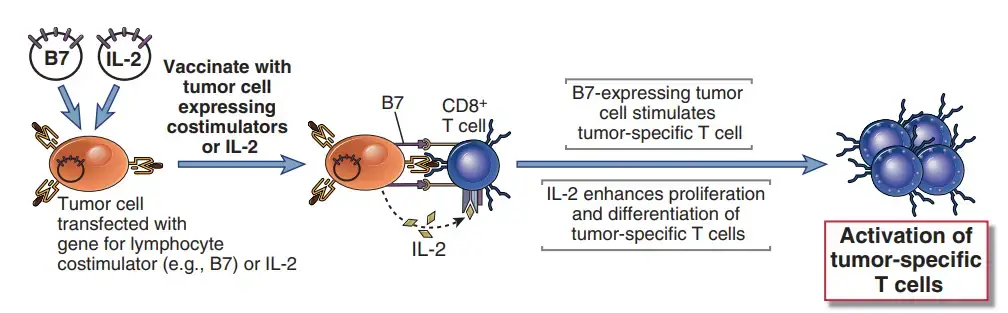
Immune checkpoint inhibitors (ICIs) remove the natural brake of immune system. Cancer cells often use these brakes to stop T cell activity. After blocking of these inhibitory receptors, T cells are reactivated. Tumor cell killing response is increased. - CTLA-4 pathway
CTLA-4 is an inhibitory receptor present on T cells. It competes with CD28 for binding with B7 ligands (CD80/CD86) on antigen presenting cells. Due to this, T cell activation is reduced. Ipilimumab blocks CTLA-4 and early immune response is increased. - PD-1 and PD-L1 pathway
PD-1 is present on exhausted T cells. PD-L1 is commonly expressed on tumor cells. When PD-1 binds with PD-L1, cytotoxic function of T cells is inhibited. Pembrolizumab, nivolumab and atezolizumab block this connection. Then cancer killing activity of T cells is restored. - LAG-3 pathway
LAG-3 is another inhibitory receptor. It binds with MHC II molecules and suppress immune activation. Relatlimab is used with PD-1 inhibitor in melanoma. This combination helps in better activation of immune response. - TIGIT pathway
TIGIT is an inhibitory receptor which competes with CD226. It binds with CD155/CD112 and supports T cell exhaustion. Blocking of TIGIT is being studied with PD-1 or PD-L1 inhibitors. Domvanalimab and tiragolumab are examples under clinical trials. - Clinical use
ICIs are used in many cancers. They are important in melanoma, non-small cell lung cancer (NSCLC) and urothelial carcinoma. They are also used in many other solid tumors. These drugs have changed the treatment of several advanced cancers. - Combination therapy
Checkpoint inhibitors may be combined with other treatment. They may be used with chemotherapy. They may also be used with anti-angiogenic drugs like VEGF blockers. Some bispecific antibodies are also made to block two checkpoints together, such as PD-1 and CTLA-4. - Primary resistance
Some tumors do not respond from the beginning. This is called primary resistance. It may occur when tumor has low PD-L1 expression. It may also occur when T cells cannot enter the tumor, called cold tumor. Low mutation burden also gives less antigen for immune recognition. - Acquired resistance
Some tumors respond first and later become resistant. This is called acquired resistance. Tumor may reduce antigen presentation. It may secrete immunosuppressive factors. Some tumors also develop mutation which blocks interferon-gamma (IFN-γ) signaling. - Role of gut microbiome
Gut microbiome affects response to ICIs. Good diversity of gut bacteria may improve treatment effect. High dietary fiber and fecal microbiota transplantation (FMT) from responder patients may increase response. Broad spectrum antibiotics near starting of therapy may reduce response. Some over-the-counter probiotics may also be related with poorer response. - Immune related adverse events
By activation of immune system, ICIs may also attack normal tissues. These toxicities are called immune-related adverse events (irAEs). It may cause pneumonitis, colitis, hepatitis, myocarditis and endocrine problems. Thyroid and adrenal dysfunction may remain for long time. - Management of toxicity
Toxicity needs careful follow up. Mild cases may need temporary stopping of drug. Severe cases are treated with corticosteroids. Some cases need targeted immunosuppressive drugs like IL-6 blockers or disease modifying antirheumatic drugs. Multidisciplinary care is required in serious organ involvement.
Adoptive Cell Therapy
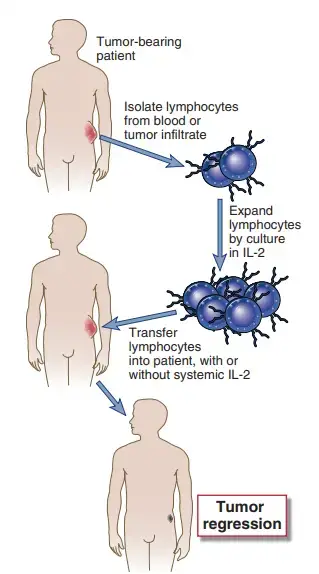
Adoptive cell therapy (ACT) is a type of immunotherapy. In this method, immune cells are taken from the patient. These cells are modified or increased in laboratory. Then they are given back into the patient body for killing of tumor cells.
The following are the adoptive cell therapies-
- CAR-T cell therapy
CAR-T cell therapy uses patient T cells. These cells are genetically modified to express chimeric antigen receptors (CARs). The CAR binds directly with tumor antigen. It does not need normal MHC presentation for recognition. - TCR-engineered T cells
TCR-engineered T cells (TCR-T) are modified with specific T cell receptor. These receptors identify intracellular tumor antigen. The antigen is presented on cancer cell surface by MHC molecules. This method is useful for antigens present inside tumor cells. - CAR-NK cell therapy
CAR-NK cell therapy uses natural killer (NK) cells. These cells are engineered with CARs. They are not restricted by MHC. They have less risk of cytokine release syndrome (CRS). They also do not cause graft-versus-host disease (GVHD). - Tumor-infiltrating lymphocytes
Tumor-infiltrating lymphocytes (TILs) are immune cells taken directly from tumor tissue. These cells already have some tumor specific killing activity. They are expanded in laboratory and then returned to the patient. They may also be further engineered to reduce exhaustion in solid tumors. - CAR-macrophages
CAR-macrophages are macrophages engineered with chimeric receptors. These cells help in engulfing of solid tumor cells. They also change the surrounding suppressive tumor stroma. It helps other immune cells to work better in tumor area. - KIR-CAR design
KIR-CAR is a newer multi-chain design. In this method, antigen binding and stimulatory function are kept on different protein chains. It acts like natural on-off switch. The cell becomes active when it finds tumor target and then rests again. - Cytokine-armored CARs
Cytokine-armored CARs are engineered cells which release immune stimulating cytokines. These include IL-12, decoy-resistant IL-18, IL-7 and CCL19. These cytokines act inside tumor microenvironment. They recruit and activate natural immune cells against tumor. - Dual and multi-targeting
Some adoptive cell therapies are made to recognize more than one tumor antigen. This reduces chance of antigen escape. Example is targeting both EGFR and IL13Rα2. If one antigen is lost, another antigen can still be recognized. - In vivo cellular reprogramming
This is an emerging off-the-shelf method. In this method, genetic instruction is given directly to white blood cells inside patient body. mRNA-lipid nanoparticles may be used for this delivery. It reduces need for long laboratory manufacturing. - Localized delivery
Engineered cells may be given directly at tumor site. Intracranial injection may be used for brain cancer. Intratumoral injection may be used for breast cancer. Intrapleural infusion may be used for mesothelioma. This increases local cell concentration and reduce systemic toxicity.
Cancer Vaccines in Tumor Immunotherapy
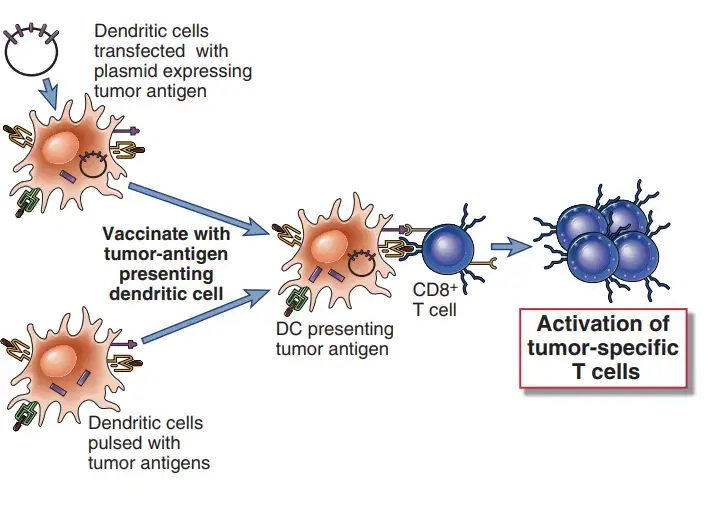
Cancer vaccines are therapeutic vaccines used in cancer treatment. They teach the immune system to recognize tumor antigen. After this, immune cells attack already present cancer cells.
- Mechanism of cancer vaccines
Cancer vaccines act by presenting tumor antigen to immune system. In mRNA cancer vaccine, lipid nanoparticles carry genetic instruction into the body. Cells make tumor antigen from this instruction. Then CD8+ T cells and CD4+ T cells are activated. - Types of cancer vaccines
Cancer vaccines are of different types depending on antigen selection. a. Personalized vaccines
These are made for one patient. Tumor sequencing is done first. Unique mutation or neoantigens are selected. It is highly specific, but it takes weeks to make and cost is high. b. Off-the-shelf vaccines
These are prepared against common tumor associated antigens. They can be used in many patients. They are faster to use and less costly. But they are less patient specific. c. Semi-personalized vaccines
These are also called hybrid vaccines. They target shared driver mutations. KRAS and TP53 are examples. They are used in selected genetic group of patients. - Combination therapy
Cancer vaccines work better when combined with checkpoint inhibitors. Vaccine trains new T cells against tumor antigen. PD-1 blockers remove the brake from T cells. So combined tumor killing response is increased. - Clinical uses and studies
Cancer vaccines are studied in many cancers.- a. Melanoma
Personalized mRNA vaccines with pembrolizumab reduce recurrence after surgery. It also reduce distant metastasis risk in some patients. - b. Kidney cancer
Vaccine trials show strong immune response in clear cell renal cell carcinoma. It is mainly studied in stage III and stage IV cases. Some patients show long cancer free period. - c. Other cancers
Trials are going on in NSCLC, pancreatic cancer, head and neck squamous cell carcinoma and glioblastoma. These are promising but still under study.
- a. Melanoma
- Challenges
Cancer vaccines have some limitations. Personalized vaccine need rapid manufacturing. The cost is very high. Cold tumor and immunosuppressive tumor environment reduce effect. Approval is also complex because vaccine may be different for each patient.
Cytokine Therapy for Tumors
Cytokine therapy is a type of tumor immunotherapy. In this treatment, immune stimulating proteins are used. These proteins activate immune cells and recruit them near tumor site. It helps in anti-cancer immune reaction.
- Mechanism of action
Cytokines are natural or engineered immune proteins. They stimulate T cells, NK cells, macrophages and other immune cells. After stimulation, these cells attack tumor cells. Cytokines also help immune cells to enter into tumor area. - Cytokine-armored CAR-T cells
In solid tumors, normal CAR-T cells may not work properly. This is due to suppressive tumor microenvironment. So CAR-T cells are engineered to release cytokines inside tumor site. This increases local immune activity. - IL-12 and DR-18
IL-12 and decoy-resistant IL-18 (DR-18) are used in armored cell therapy. These cytokines recruit different immune cells of the body. They act together and help to kill heterogeneous tumor cells. These are useful when some cancer cells escape direct CAR-T attack. - IL-7 and CCL19
Some CAR-T cells are made to secrete IL-7 and CCL19. These are called 7×19 CAR-T cells. IL-7 helps survival of T cells. CCL19 helps immune cells to come into tumor area. - Stem-cell memory support
Cytokine fusion scaffolds may be used with stem-cell memory CAR-T cells. These may combine IL-7, IL-15 and IL-21. It helps to maintain long lasting CAR-T cell population. It also reduces exhaustion in difficult tumors. - IL-10 based reprogramming
IL-10 is usually considered immunosuppressive cytokine. But in some therapy, IL-10-Fc fusion protein or IL-10 secreting CAR-T cells are used. It can increase oxidative phosphorylation in exhausted T cells. By this, terminally exhausted T cells may become active again. - Toxicity problem
Strong cytokines may cause severe inflammation when spread in whole body. IL-12 can produce dangerous systemic inflammation. So the cytokine activity should be kept mainly at tumor site. This helps to reduce damage to normal tissue. - Localized cytokine strategies
Some methods are used to keep cytokine action local. a. PD-L1 blocker fusion
IL-12 may be linked with PD-L1 blocking antibody fragment. Tumor cells often express PD-L1. So the cytokine becomes concentrated at tumor site. b. Anti-VEGF co-delivery
Cytokine release may cause tissue swelling. In brain tumor, edema may become dangerous. So anti-VEGF therapy or VEGF targeting cells may be given together. It reduces leaky blood vessel growth. - Blocking inhibitory cytokines
Some tumors produce suppressive cytokines for protection. IL-6 and TGF-β are important examples. Monoclonal antibodies or inhibitors are used to block these pathways. After blocking, immune resistance is reduced and anti-tumor immunity is restored.
Mechanism of Tumor Cell Killing by Immunotherapy
Tumor cell killing by immunotherapy occurs by activation of immune cells against cancer cells. Different methods are used for this killing. Some methods activate natural T cells, some train new T cells, and some directly bring immune cell near tumor cell.
- Checkpoint inhibitor action
Checkpoint inhibitors block inhibitory receptors of immune cells. These receptors include PD-1, CTLA-4 and TIGIT. These receptors normally reduce T cell activity. After blocking, the brake is removed. T cells again recognize and destroy tumor cells. - Cancer vaccine action
Cancer vaccines train immune system against tumor antigen. In mRNA vaccines, genetic instruction is delivered to antigen-presenting cells. These cells produce and present tumor antigen. Then CD8+ cytotoxic T cells and CD4+ helper T cells are activated. CD8+ T cells directly kill cancer cells. - Bispecific antibody action
Bispecific antibodies have two binding sides. One side binds with cytotoxic T cell. Other side binds with tumor antigen. This physically brings T cell close to tumor cell. After this contact, immediate tumor killing response is started. - CAR-T cell killing
CAR-T cells are engineered T cells. They have special receptor for tumor antigen. When CAR-T cell binds with tumor antigen, it becomes activated. Then it releases cytokines like IL-2 and IFN-γ. These signals help in destruction and apoptosis of tumor cells. - Antibody-drug conjugate action
Antibody-drug conjugates (ADCs) use antibody for finding tumor cells. The antibody binds with specific protein on cancer cell surface. After binding, toxic drug is released into the tumor cell. This drug kills the cancer cell directly. - Removal of suppressor cells
Some therapies kill suppressive immune cells present near tumor. Regulatory T cells (Tregs) protect tumor by reducing immune response. Fc-competent anti-TIGIT antibodies may remove these cells. Killing occurs by ADCC or ADCP mechanism. - ADCC and ADCP
In antibody-dependent cellular cytotoxicity (ADCC), immune cells kill antibody-coated target cells. In antibody-dependent cellular phagocytosis (ADCP), phagocytic cells engulf antibody-coated cells. These mechanisms help in removal of tumor supporting suppressor cells. - Oncolytic virus action
Oncolytic viruses are injected into tumor. These viruses enter cancer cells and multiply inside them. The infected tumor cells break down by viral lysis. After cell destruction, tumor antigens are released and wider immune response is stimulated.
Advantages of Tumor Immunotherapy
Tumor immunotherapy has many advantages in cancer treatment. It uses the immune system of the body against tumor cells. It can give specific and long lasting anti-tumor effect.
- Long lasting response
Immunotherapy can produce long lasting response. It activates immune memory against cancer cells. So the immune system may continue to recognize tumor cells even after treatment is stopped. This gives durable protection in some patients. - Specific action
Some immunotherapy are highly specific. mRNA cancer vaccines and CAR-T cell therapy can be made against patient specific tumor mutation. These mutations are called neoantigens. So the attack is mainly directed toward cancer cells. - Less damage to normal tissue
Because immunotherapy can target tumor antigen, damage to normal tissue may be less. It is not like general cytotoxic drug which kills many dividing cells. This is useful when the target antigen is more specific to tumor. - Useful in combination therapy
Immunotherapy can work with other treatment. Cancer vaccine may be combined with immune checkpoint inhibitor. It may also be combined with chemotherapy or targeted therapy. Combined treatment gives stronger immune attack against tumor. - Use in early cancer
Immunotherapy is not only used in advanced cancer. It is also used in early stage cancer in some cases. After surgery, it may help to prevent recurrence. It can increase the chance of complete cure in selected patients. - Overcome resistance
Some tumors escape from single target treatment. New immunotherapy can target more than one antigen or pathway. Bispecific antibodies can bind two targets at same time. This helps to reduce tumor resistance. - Adaptable treatment
Modern immunotherapy platforms are adaptable. mRNA technology can be changed quickly for new tumor protein. It does not alter patient DNA. So it can be designed for different or changing cancer targets. - Personalized therapy
Immunotherapy can be prepared according to tumor profile of patient. Tumor sequencing can identify mutations. Then vaccine or cell therapy can be selected or prepared. This makes treatment more matched with the patient tumor.
Limitations of Tumor Immunotherapy
Tumor immunotherapy is useful in many cancers. But it has some limitations also. Many tumors do not respond properly. Some tumors respond first and later escape from immune attack.
- Primary resistance
Some patients do not respond from the beginning. This is called primary resistance. It may occur when tumor has no proper immune cell infiltration. Such tumors are called cold tumors. Low mutation burden and absence of PD-L1 also reduce the response. - Acquired resistance
Some tumors respond first but later become resistant. Tumor cells may change their antigen. They may reduce antigen presenting molecules. They may also alter important pathway like interferon-gamma (IFN-γ) signaling. Due to this, immune cells cannot attack properly. - Hostile tumor microenvironment
Solid tumors form a difficult surrounding environment. There may be dense stromal tissue, abnormal blood vessels and high tissue pressure. These act like physical barrier. So T cells cannot enter the tumor core properly. - Immunosuppressive cells
Tumor cells attract suppressive immune cells. These include regulatory T cells (Tregs) and myeloid-derived suppressor cells (MDSCs). These cells reduce anti-tumor immune response. Due to this, immune cells become weak near the tumor. - Suppressive chemicals
Tumor cells secrete chemicals which inhibit immune activity. These chemicals can paralyze or exhaust T cells. So even if immune cells enter the tumor, they cannot kill the cancer cells properly. - Immune related toxicity
Immunotherapy may overactivate immune system. The immune system may attack normal organs also. This causes immune-related adverse events (irAEs). It may affect lung, intestine, liver, heart, thyroid and adrenal gland. Some effects may become chronic or lifelong. - Antigen heterogeneity
All cancer cells in a tumor do not carry same antigen. Some cells may have the target antigen and some may not have it. Immunotherapy kills only antigen positive cells. The antigen negative cells survive and grow again. - Antigen escape
Tumor cells may stop producing the targeted antigen. This is called antigen escape. It is an important cause of relapse after single target therapy. Multi-target therapy is used to reduce this problem. - Off-target toxicity
Many tumor antigens are not fully specific to cancer cells. Some are also present in low amount on normal tissues. So immunotherapy may attack healthy cells also. This is called off-target toxicity. - High cost
Personalized immunotherapy is very costly. CAR-T cell therapy and custom mRNA cancer vaccines may cost about 100,000-300,000 dollars per patient. This makes treatment difficult for many patients. - Manufacturing delay
Personalized therapy needs special laboratory preparation. Patient cells or tumor antigen have to be processed. This may take many weeks. In rapidly growing cancer, this delay may become a problem. - Effect of gut microbiome
Response to immunotherapy also depends on gut bacteria. Broad spectrum antibiotics can reduce useful gut bacteria. Some over-the-counter probiotics may also disturb the microbiome. Due to this, effect of immunotherapy may be reduced.
Clinical Applications of Immunotherapy in Different Cancers
Immunotherapy is used in many types of cancers. It may be used as checkpoint inhibitor, cancer vaccine, CAR-T cell therapy, bispecific antibody or antibody-drug conjugate. The use depends on the cancer type and target antigen.
- Melanoma
Melanoma is one of the important cancer where immunotherapy is highly used.- a. Checkpoint inhibitors
Nivolumab and pembrolizumab are anti-PD-1 antibodies. Ipilimumab is anti-CTLA-4 antibody. These drugs give long lasting survival in many patients. Relatlimab is anti-LAG-3 antibody and used with nivolumab. - b. Cancer vaccines
Personalized mRNA vaccine mRNA-4157 (V940) is used with pembrolizumab in adjuvant treatment. It reduces recurrence or death risk after surgery. BNT111 is off-the-shelf vaccine and used in PD-1 refractory melanoma. - c. Microbiome and cell therapy
Fecal microbiota transplantation (FMT) from responder patients may restore response in resistant cases. Tumor-infiltrating lymphocytes (TILs) are also approved for melanoma.
- a. Checkpoint inhibitors
- Hematological malignancies
Blood cancers are important area for cell therapy and bispecific antibody.- a. Multiple myeloma
In multiple myeloma, BCMA and GPRC5D are important targets. Idecabtagene vicleucel and ciltacabtagene autoleucel are CAR-T therapies. Teclistamab, talquetamab, elranatamab and linvoseltamab are bispecific T cell engagers. - b. Lymphomas
In large B-cell, follicular and mantle cell lymphoma, CD19 targeted CAR-T therapy is used. Examples are axicabtagene ciloleucel, lisocabtagene maraleucel and brexucabtagene autoleucel. CD20xCD3 bispecific antibodies like mosunetuzumab, epcoritamab and glofitamab are also used. - c. Leukemia
In acute lymphoblastic leukemia (ALL), CD19 directed therapy is used. Tisagenlecleucel and obecabtagene autoleucel are CAR-T cells. Blinatumomab is a bispecific antibody used in ALL.
- a. Multiple myeloma
- Lung cancer
Immunotherapy is used in both NSCLC and SCLC.- a. Non-small cell lung cancer
In NSCLC, immune checkpoint inhibitors are widely used. PD-1 and PD-L1 inhibitors are important. Newer bispecific like pumitamig targets PD-L1xVEGF-A and shows strong first line activity. mRNA-4157 vaccine is also under phase 3 trial in adjuvant setting. - b. Small cell lung cancer
In SCLC, tarlatamab is used. It targets DLL3 and CD3. It is a bispecific T cell engager for major solid tumor.
- a. Non-small cell lung cancer
- Gastrointestinal cancers
Different immunotherapy are used in stomach, colon, liver and biliary cancers.- a. Gastric and esophageal cancer
TIGIT inhibitor domvanalimab is used with PD-1 inhibitor zimberelimab and chemotherapy in trials. This combination shows good response. It may improve overall survival. - b. Colorectal cancer
In colorectal cancer (CRC), CAR-T cells targeting CEA are studied. Dual targeting CD19/GCC therapy also shows partial response and stable disease. Long persistence of these cells is still a problem. - c. Hepatocellular carcinoma
In HCC, investigational CAR-T cells target GPC3, CD133 and CD147. Early studies show tumor shrinkage and disease stabilization. - d. Biliary tract cancer
In HER2-positive biliary tract cancer, zanidatamab is used. It is a biparatopic bispecific antibody. It targets HER2 positive tumor cells.
- a. Gastric and esophageal cancer
- Brain cancers
Brain tumors are difficult because blood-brain barrier and suppressive environment are present.- a. Localized CAR-T therapy
CAR-T cells may be given directly into brain area. Intracerebroventricular or intracranial injection is used. Targets include EGFR/IL13Rα2, GD2 and B7-H3. This helps to bypass blood-brain barrier. - b. Cytokine-armored CAR-T
Brain tumor has strong immunosuppressive environment. So CAR-T cells are engineered to secrete cytokines like IL-12 and DR-18. This increases local immune activity at tumor site.
- a. Localized CAR-T therapy
- Pancreatic cancer
Pancreatic cancer is usually resistant and has dense tumor stroma.- a. Therapeutic vaccine
Individualized mRNA vaccine autogene cevumeran is studied in pancreatic cancer. It can induce immune response. Some early trials show complete response in selected patients. - b. CAR-T therapy
Experimental CAR-T cells target mesothelin (MSLN), HER2 and EGFR. These are under phase 1 trials. 7×19 MSLN CAR-T cells have shown shrinkage of hilar lymph node metastasis in advanced patients.
- a. Therapeutic vaccine
- Genitourinary and gynecologic cancers
These cancers include kidney, bladder and ovarian cancer.- a. Renal cell carcinoma
In RCC, allogeneic CAR-T cells targeting CD70 are under study. They show good disease control in some cases. HIF-2α inhibitor like belzutifan is also tested in combination to act against hypoxic tumor environment. - b. Bladder and urothelial cancer
Checkpoint inhibitors like atezolizumab are used in muscle-invasive disease. Targeted radioconjugates like AKY-1189 are also getting fast-track status. - c. Ovarian cancer
CTIM-76 is a CLDN6xCD3 bispecific antibody. It is fast-tracked for platinum resistant ovarian cancer. Dual targeting CAR-T cells like TAG-72/ΔCD47m are also showing preclinical activity.
- a. Renal cell carcinoma
- Breast cancer
In breast cancer, antibody based therapy and cell therapy are important.- a. Antibody-drug conjugates
Trastuzumab deruxtecan (T-DXd) is an important ADC. It is used in HER2 expressing breast cancer. It is also useful in early stage and advanced disease depending on indication. - b. Cellular therapy
c-Met targeted CAR-T cells are tested by intratumoral injection. It causes local immune infiltration and tumor necrosis. Systemic effect is still being improved.
- a. Antibody-drug conjugates
Future Prospects and Clinical Significance of Tumor Immunotherapy
Tumor immunotherapy is becoming an important part of cancer treatment. It is not used only in late stage cancer now. New methods are being developed to make immune response stronger, specific and long lasting.
- Early stage treatment
Immunotherapy is now moving toward early stage cancer treatment. It is used in adjuvant and neoadjuvant setting. The aim is to remove minimal residual disease after surgery or before main treatment. It also helps to reduce recurrence of cancer. - Cancer prevention approach
Some vaccines are being developed for high risk persons. These are called interception vaccines. They are used before cancer fully develops. It may be useful in persons having genetic risk or pre-cancerous condition. - Advanced mRNA technology
mRNA technology is becoming more useful in cancer immunotherapy. It can be used for personalized cancer vaccine and also for off-the-shelf vaccine. Some mRNA vaccines can give instructions like IRF8 and NIK. These instructions activate dendritic cells strongly and then T cell response is increased. - Next generation cell therapy
Cellular therapy is being improved for solid tumors. New CAR-T cells are made to reduce exhaustion and work in hostile tumor site. KIR-CAR has on-off switch like function. Cytokine-armored CAR-T cells release immune stimulating proteins at tumor site. - In vivo cell reprogramming
In this method, immune cells are changed inside the patient body itself. Nanoparticles may carry genetic instruction to immune cells. It avoids long laboratory preparation. It may reduce cost and delay of cell therapy. - Use of artificial intelligence
Artificial intelligence (AI) is becoming useful in tumor immunotherapy. It helps in drug discovery and selection of patients. It may predict response to immunotherapy. It may also match patients with proper clinical trials. - Imaging and treatment selection
AI may help to study tumor microenvironment (TME) from normal imaging. It may also assess thymic health. This helps to choose better treatment for each patient. So treatment becomes more personalized. - Modulation of tumor microenvironment
Future treatment is focused on changing the tumor microenvironment. Solid tumors have hypoxia, acidity and dense stromal barrier. New drugs and nanobiotechnology are used to reduce these barriers. It helps immune cells to enter and work inside tumor. - Removal of physical barriers
Cancer-associated fibroblasts may block immune cell entry. Some therapies are made to reduce these fibroblasts. This makes tumor less protected. Then T cells can infiltrate the tumor better. - Gut microbiome use
Gut microbiome affects response to checkpoint inhibitors. So microbiome testing may become routine in future. Dietary fiber, selected probiotics and fecal microbiota transplantation (FMT) from responder patients may be used. This can improve immunotherapy response. - Bispecific antibodies
Bispecific antibodies and BiTEs are increasing rapidly. These have two binding sites. One binds with T cell and another binds with tumor antigen. These are off-the-shelf treatment and do not need natural antigen presentation. - Multi-specific antibodies
Multi-specific antibodies can target more than one pathway. They may overcome tumor immune escape. These therapies may be useful when cancer loses one antigen or becomes resistant to single target therapy. - Liquid biopsy
Liquid biopsy is becoming important in cancer immunotherapy. It measures circulating tumor DNA (ctDNA) from blood. It can help in early detection of cancer. It also helps to detect minimal residual disease after surgery. - Monitoring resistance
ctDNA can show how tumor is changing during treatment. It can detect resistance early. This helps to change treatment before disease becomes very advanced. It is useful for follow up also. - Long term toxicity management
As patients live longer after immunotherapy, long term toxicity is important. Immune-related adverse events (irAEs) may occur late or may remain for years. These may affect endocrine glands, intestine, lung, liver and other organs. - Survivorship care
Future cancer care will need special follow up clinics. Multidisciplinary care is needed for chronic immune toxicity. Early symptom monitoring is important. It helps to control inflammation and endocrine dysfunction for long time. - Clinical significance
Tumor immunotherapy has changed the treatment of many cancers. It gives long lasting response in some patients. It also shows that immune system can be used as a major anti-cancer weapon. It is important in melanoma, lung cancer, blood cancers and many other tumors. - Global access
Advanced immunotherapy is costly and not easily available everywhere. Future work should reduce financial barriers. Diagnostic facilities and community screening should be improved. This is important for low and middle income countries also.
References
- Motolani, A. (2025, December 22). 2025 oncology year in review: Breakthrough cancer treatments and research. The Cancer News, Binaytara. [URL]
- Society for Immunotherapy of Cancer. (2026). 2026 a focus on toxicity management. [URL]
- Şevval, T. (2026, April 23). 7 breakthroughs: Cancer vaccine success stories and trials expected by 2025. Liv Hospital. [URL]
- ecancer. (2026, April 21). AACR 2026: New KIR-CAR T cell therapy shows promise in multiple solid cancers. [URL]
- Wang, L., Zhang, L., Zhang, Z., Wu, P., Zhang, Y., & Chen, X. (2024). Advances in targeting tumor microenvironment for immunotherapy. Frontiers in Immunology, 15, 1472772. https://doi.org/10.3389/fimmu.2024.1472772
- Arcus Biosciences. (n.d.). Anti-TIGIT domvanalimab plus anti-PD-1 zimberelimab and chemotherapy showed 26.7 months of median overall survival as first-line treatment of unresectable or advanced gastroesophageal adenocarcinomas in the phase 2 EDGE-gastric study. Investors & Media. [URL]
- Antibodies to watch in 2026. (n.d.). PMC – NIH. [URL]
- BioNTech to showcase progress across late-stage oncology pipeline at the 2026 ASCO annual meeting. (n.d.). FirstWord Pharma. [URL]
- DelveInsight. (2025). Bispecifics/BITE market insights, drugs and forecast – 2034. [URL]
- Khoury, R., Shayya, A., Orm, C. B., Deen, O. Z., & Ghanem, H. (2025). Cancer resistance to immunotherapy. Immuno, 5(3), 32. https://doi.org/10.3390/immuno5030032
- Cromos Pharma. (2025, November 24). Cancer vaccines 2025, part I: The mRNA revolution. [URL]
- Guo, J., Zhou, C., Zhao, H., & Li, H. (2025). Challenges and breakthroughs: Current landscape and future prospects of CAR-T cell therapy clinical trials for solid tumors. Frontiers in Oncology, 15, 1652329. https://doi.org/10.3389/fonc.2025.1652329
- Petrelli, F., Ghidini, A., Dottorini, L., Ghidini, M., Zaniboni, A., & Tomasello, G. (2025). Clinical evidence for microbiome-based strategies in cancer immunotherapy: A state-of-the-art review. Medicina, 61(9), 1595. https://doi.org/10.3390/medicina61091595
- Current landscape of clinical trials for mRNA-based therapeutics. (n.d.). PMC. [URL]
- Current state of CAR-T cell therapies for solid tumors. (n.d.). PubMed. [URL]
- Heady, D. (2026, May 20). Cytokine-armored CAR-T cell therapy helps eliminate aggressive brain tumors in preclinical study. UCLA Health. [URL]
- Delayed irAEs after immunotherapy demand long-term vigilance. (n.d.). OncLive. [URL]
- Haanen, J., Obeid, M., Spain, L., et al. (2022). Management of toxicities from immunotherapy: ESMO clinical practice guideline for diagnosis, treatment and follow-up. Annals of Oncology, 33(12), 1217–1238. [URL]
- Bader, E. (2026, May 4). Oncology drugs fast-tracked by the FDA in April 2026. Oncology News Central. [URL]
- Fisher, N. (2026, February 2). FDA grants fast track designation to investigational bispecific T-cell engager LBL-034 for RRMM. Multiple Myeloma Hub. [URL]
- Pizzolato, J. (2026, March 23). FDA approved bispecific antibodies. evitria AG. [URL]
- Harnessing the gut microbiota to improve cancer immunotherapy: Focus on lung cancer. (n.d.). PMC. [URL]
- Human and financial consequences of herding in oncology drug development: Clinical trials of TIGIT inhibitors. (n.d.). PMC. [URL]
- National Comprehensive Cancer Network. (2026). Management of immune checkpoint inhibitor-related toxicities. [URL]
- The ASCO Post Staff. (2026, May 1). Melanoma: Gut microbiome may help predict recurrence after immunotherapy. The ASCO Post. [URL]
- Modulating the gut microbiome to enhance cancer immunotherapy. (n.d.). [URL]
- Mount Sinai. (2026, January 22). Mount Sinai review maps the path forward for cancer vaccines, highlighting promise of personalized and combination approaches. [URL]
- University of Houston. (2026, May 19). New mRNA vaccine strategy dramatically amplifies cancer-fighting T cells. News Medical. [URL]
- Ignatova, E., Keogh, G., Freckelton, J., & Chau, I. (2026, February 4). Next-generation immune checkpoint inhibitors in upper gastrointestinal cancers: The role of TIGIT. ASCO Daily News. [URL]
- Abrams, Z. (2025, October 1). Next-generation CAR T cells could expand solid cancer treatment options. Keck School of Medicine of USC. [URL]
- Recent advances in cancer immunotherapy: Clinical progress, structural paradigms, and therapeutic trajectories (2025–2026). (n.d.). [Markdown]
- Noah AI. (n.d.). TIGIT immunotherapy, 2021–2026: Lessons from landmark studies. [URL]
- Topol, E. (2026, May 24). The remarkable proliferation of cancer immunotherapies. Ground Truths. [URL]
- Bayer. (n.d.). U.S. FDA grants priority review to supplemental new drug application for HYRNUO® (sevabertinib) under investigation as a first-line treatment of HER2-mutated non-small cell lung cancer. Bayer Global. [URL]
- Association of Community Cancer Centers. (2024, June 26). irAE workup guidelines. [URL]
- mRNA-based personalized cancer vaccines: Opportunities, challenges and outcomes. (n.d.). [URL]