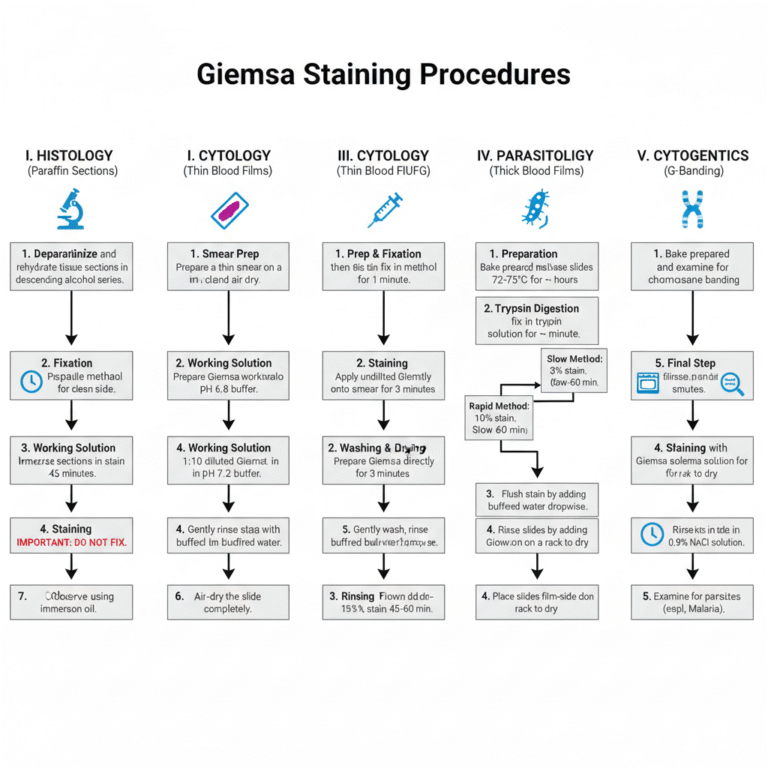
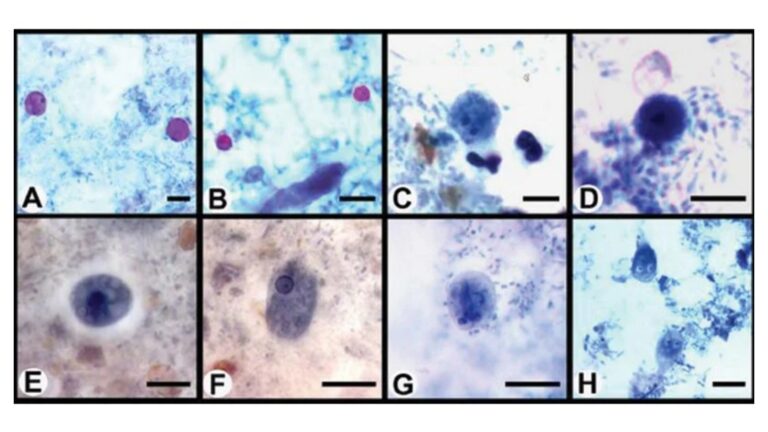
Giemsa stain is a polychromatic nucleic acid stain that is used mainly for demonstrating different blood cells and parasites in stained blood films. It is named after the German chemist Gustav Giemsa. It belongs to a group of stains known as Romanowsky stains. These are neutral stains made from a mixture of oxidized methylene blue,
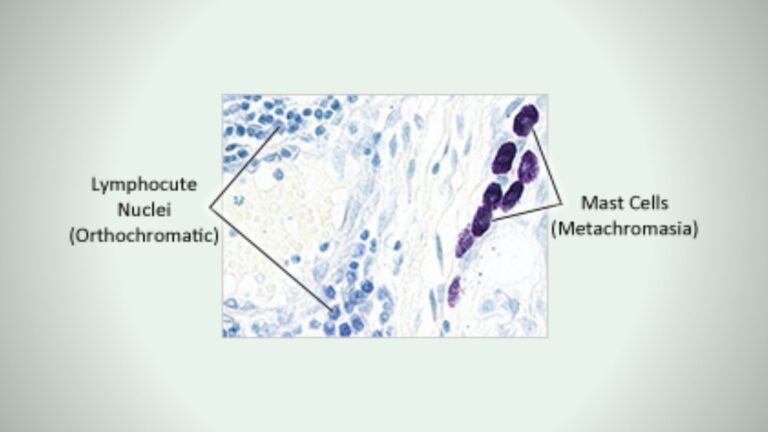
Toluidine blue is a basic thiazine metachromatic dye that stains nuclei blue, and can be used to differentiate different types of granules (e.g. within mast cells).
Hematoxylin is extracted from a leguminous plant, known as Haematoxylon campechianum, thus it is a natural dye. It forms hematein by oxidation (Ripening).
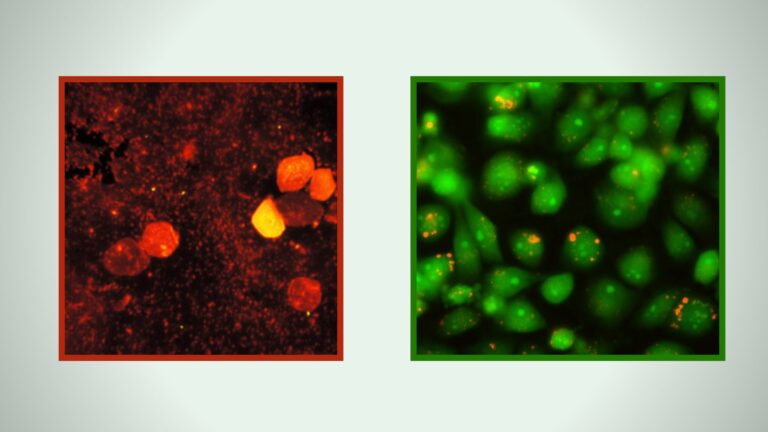
Acridine Orange contains metachromatic properties, that’s why it is employed in fluorescence microscopy and flow cytometry study of cellular physiology and cell cycle state, including the fluorescent microscopic examination of microorganisms.
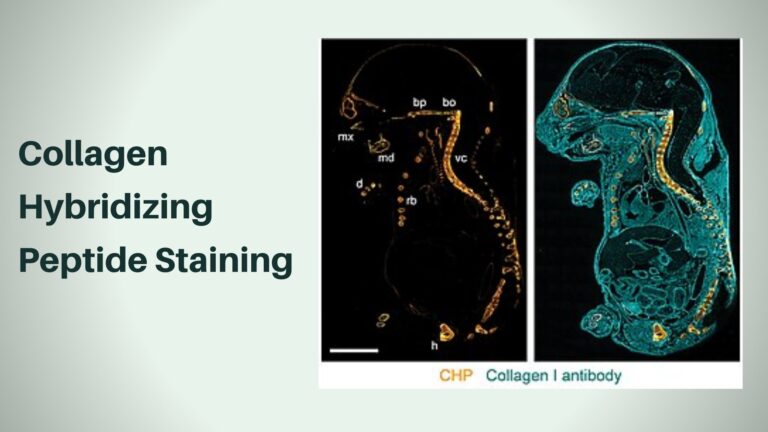
Collagen Hybridizing Peptide stain is a vital stain used for the detection of collagen degraded tissues, mainly used in Developmental Biology, Histology, and Histopathology.
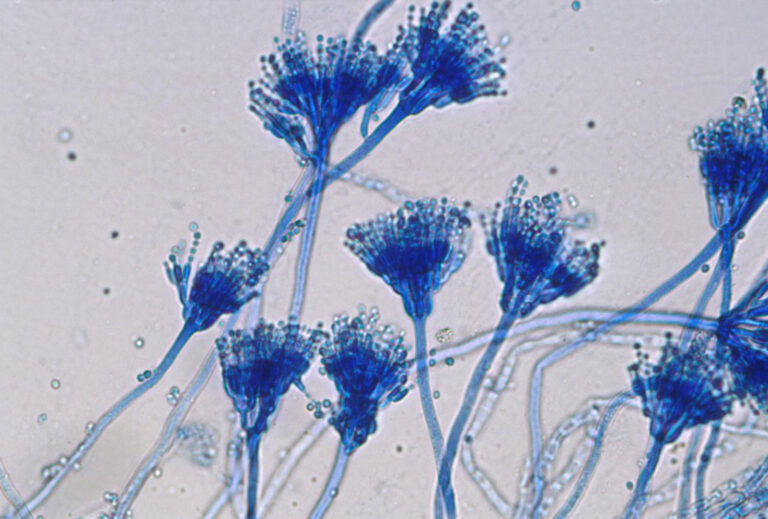
Lactophenol Cotton Blue (LPCB) staining is the simple wet-mount method used for microscopic examination of fungi, and it is considered one of the common procedure in mycology. It is the process where fixation, staining, and preservation of fungal structures is achieved within a single reagent. The solution is prepared by phenol, lactic acid, glycerol and