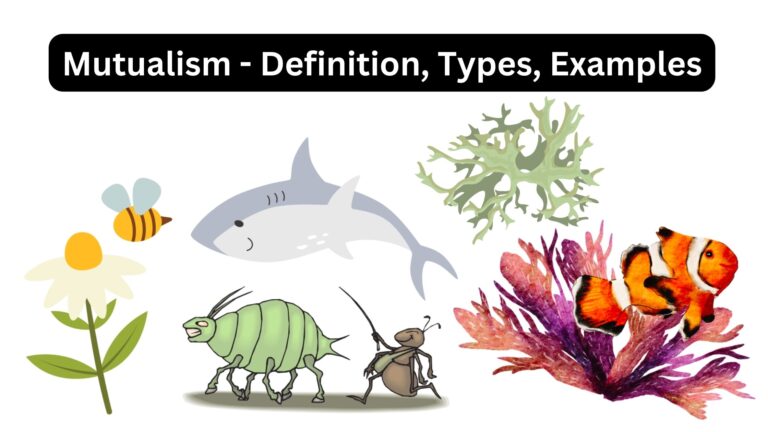
What is Mutualism? Mutualism is simply a partnership between two animals that benefits both. This link may exist either inside the species or between species. The organisms involved in this connection are known as symbionts. All living species, including humans, animals, birds, plants, and microbes such as bacteria, viruses, and fungi, exhibit interdependence. Mutualism resembles
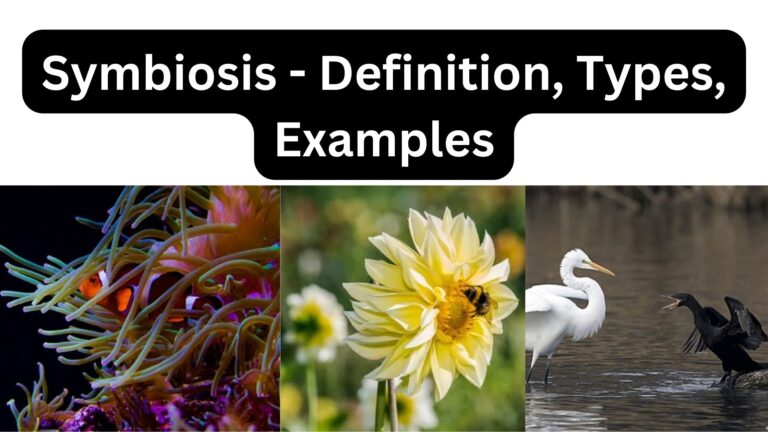
What is Symbiosis? Symbiosis, derived from the Greek words “σύν” (sýn) meaning “together” and “βίωσις” (bíōsis) signifying “living,” refers to a prolonged biological interaction between two distinct species, known as symbionts. This interaction can manifest in various forms, ranging from mutualistic, where both entities benefit, to commensalistic, where one benefits without harming the other, and
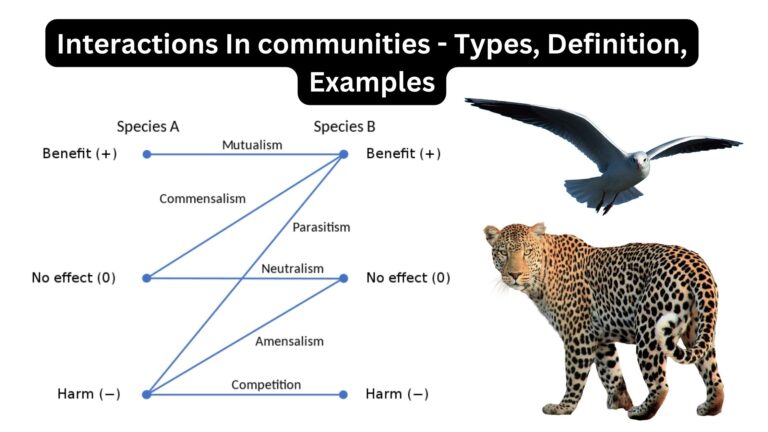
What is Competition Interaction? Competition is defined as an interaction between two or more individuals of the same population or between two or more populations in which each adversely affects the other’s access to limited resource(s) (food, water, nesting sites, shelter, mates, etc.). Mutualism is defined as a population interaction that benefits both parties. Competitive
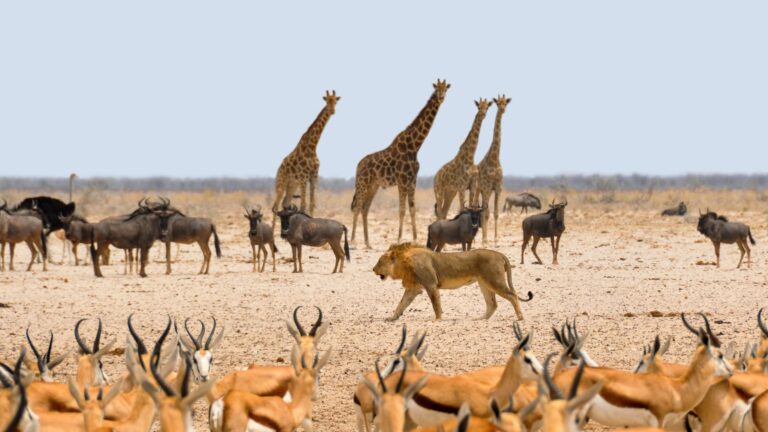
Short-term interactions 1. Predation Example of Predation 2. Pollination Example of Pollination 3. Seed dispersal Example of Seed dispersal Symbiosis: long-term interactions Mutualism, commensalism, parasitism, neutralism, amensalism, and competition are the six forms of symbiosis. These are distinguished by the extent to which they benefit or hurt each partner. 1. Competition Example of Competition 2.
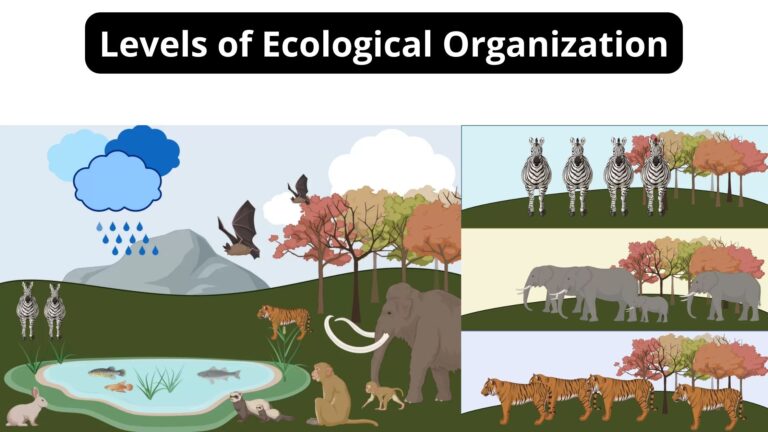
Ecological levels of organization Organism → Population → Community → Ecosystem → Biome → Biosphere Ecological Level 1 – Organisms Ecological Level 2 – Population Ecological Level 3 – Biological Community Types of Community Depending on how big they are and how independent they are, communities can be put into two groups: Major Community Minor
What are Abiotic Factors? Definition of Abiotic Factors Abiotic factors refer to the non-living physical and chemical elements in an ecosystem that influence and shape the conditions within which living organisms thrive and interact. Types of Abiotic Factors Here is the list of abiotic factors: Abiotic Factor Description Air A mixture of gases essential for
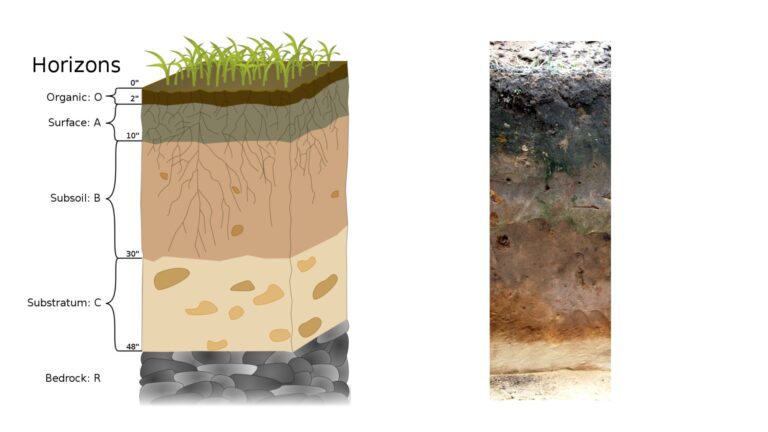
What is Soil? Soil Properties Distribution of soil layers Importance of Soil Soil Forming Factors Climate, organisms, relief, parent material, and time are the five major factors that influence the formation of soil. One may say that the local soil environment is determined by the relief, climate, and organisms, which work together to induce weathering
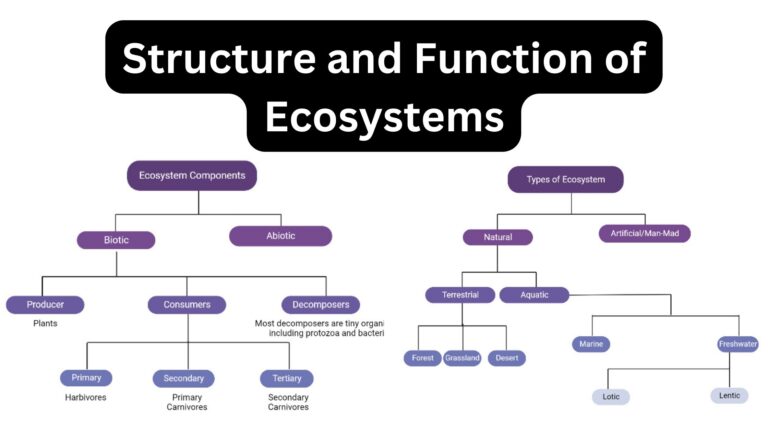
What is an Ecosystem? Ecosystem Definition An ecosystem is a complex interplay of living organisms and their physical environment, interacting as a functional unit. Characteristics of Ecosystem An ecosystem, as delineated by Smith (1966), possesses several distinct characteristics that underscore its significance in the realm of ecology: In essence, these characteristics elucidate the dynamic nature
What is a Producer? Types of Producers Phototrophs and chemotrophs are the two most common forms of primary producers. Phototrophs Word origin: photo– (light) + troph (nourishment) On occasion, the terms’secondary producers’ and ‘tertiary producers’ are employed. Animals that devour plants are secondary producers because they “generate” biomass for their predators. Likewise, carnivores that are
What are Decomposers? Definition of Decomposers Decomposers are organisms that break down dead or decaying organic matter into simpler substances, facilitating nutrient recycling in ecosystems. Common examples include fungi and bacteria. Types of decomposers Decomposers play a pivotal role in the biogeochemical cycling of nutrients within ecosystems. These organisms specialize in breaking down dead organic