Notes on microorganisms and their habitats, including microbes found in soil, water, air, extreme environments, plants, animals, and built environments, with emphasis on ecological adaptation.
Air microbiology Indoor air microbiology 1. Aeromicrospora of Pharmacy 2. Aeromicroflora of Hospitals 3. Other Houses 4. Aeromicroflora of Storage Materials A number of important goods are held in houses, and staff members are assigned to protect them. However, aeromicroflora degrade these substances. Several instances are provided below: (i) Library (ii) Wall Paintings Outdoor air
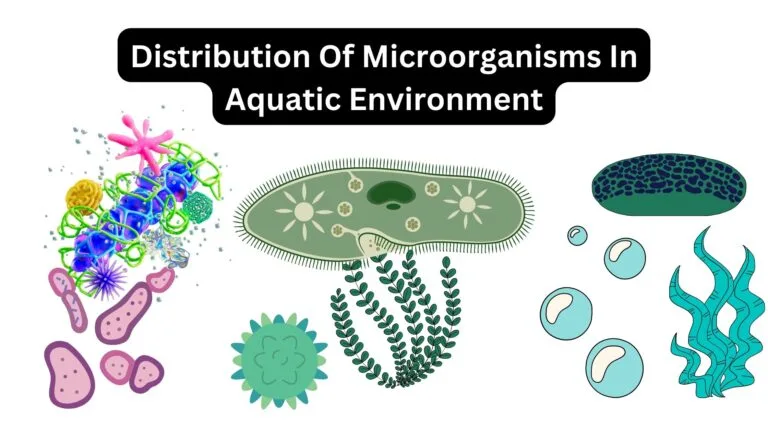
Types of Waters Inhabited by Microorganisms Biotopes of water microorganisms may include subterranean and/or surface waters, as well as sediments on the ocean floor. Microorganisms of Aquatic Environment Microorganisms inhabit surface waters in all zones; they may be suspended (plankton), cover fixed submerged objects, plants, etc. (periphyton), or reside in sediments at the bottom (benthos).
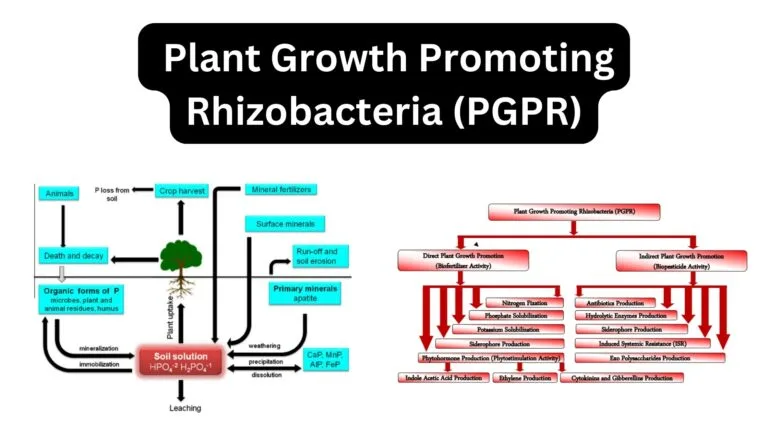
What is Plant Growth Promoting Rhizobacteria (PGPR)? Mechanism of action of Plant Growth Promoting Rhizobacteria (PGPR) The synthesis of different chemicals alters the entire microbial community in the rhizosphere niche to facilitate PGPR-mediated plant growth promotion. In general, PGPR stimulates plant growth either directly by enabling resource acquisition (nitrogen, phosphorus, and critical minerals) or indirectly
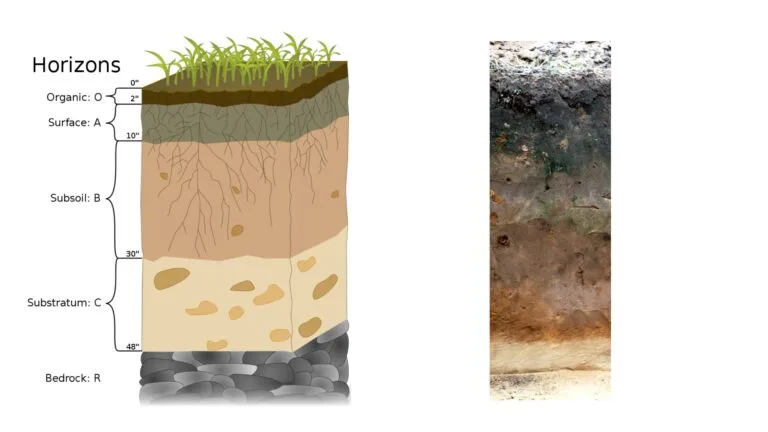
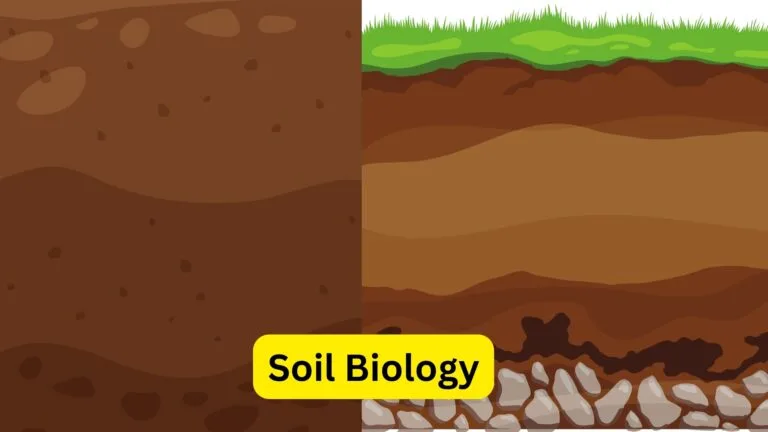
What is Soil? Soil Properties Distribution of soil layers Importance of Soil Soil Forming Factors Climate, organisms, relief, parent material, and time are the five major factors that influence the formation of soil. One may say that the local soil environment is determined by the relief, climate, and organisms, which work together to induce weathering
What is an Ecosystem? Ecosystem Definition An ecosystem is a complex interplay of living organisms and their physical environment, interacting as a functional unit. Characteristics of Ecosystem An ecosystem, as delineated by Smith (1966), possesses several distinct characteristics that underscore its significance in the realm of ecology: In essence, these characteristics elucidate the dynamic nature
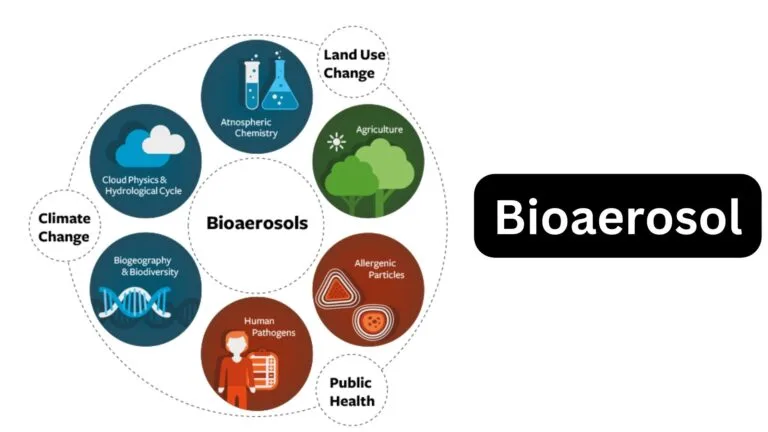
What is Bioaerosol? Types of bioaerosols 1. Fungi 2. Bacteria 3. Viruses 4. Pollen Collection Methods of Bioaerosol/Deposition of Bioaerosol Bioaerosols are primarily collected via collection plates, electrostatic collectors, mass spectrometers, and impactors. Other experimental approaches are also utilised. In comparison to other PC filter alternatives, Polycarbonate (PC) filters have produced the most accurate bacterial
What is Rhizosphere? The rhizosphere is the small area of soil around plant roots that is directly affected by root secretions and the microbes that live there. Usually goes about one millimeter from the root surface and includes soil that sticks to the roots and can be easily shook off. Root exudates and rhizodeposition: Roots
What is Soil Biology? What is Soil? Components of Soil The components of soil exhibit variations in their ratios across different locations due to various soil-forming factors, climate, topology, the presence of organisms, human influences, and the duration of their interaction. These components can be broadly categorized into four main groups: The relative proportions and
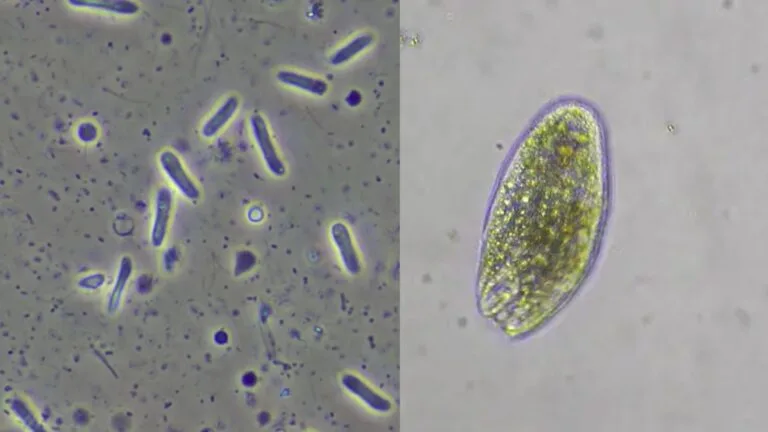
Types of Microorganisms In Pond Water 1. Arthropods 2. Bacteria 3. Protozoa 4. Hydra 5. Algae Algae are autotrophic protists commonly found in pond water. They exhibit a wide range of colors, with most microorganisms being green, while some may appear yellowish-brown. The diversity of algae extends to their structure, where they can exist as
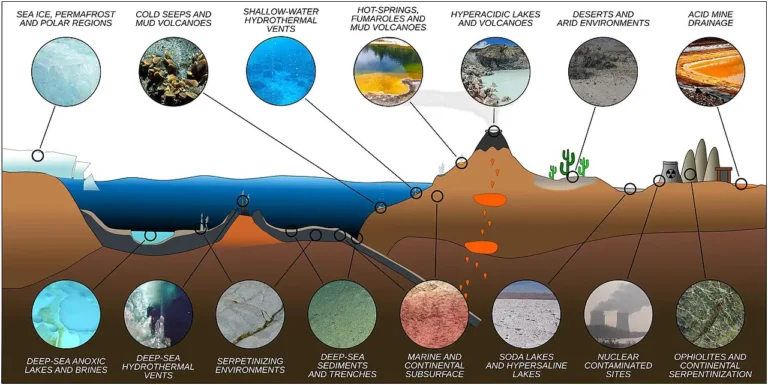
Microbiology of extreme environments focuses on the study of microorganisms that are capable of surviving and thriving in these harsh and inhospitable conditions. These microorganisms have evolved unique adaptations that allow them to withstand extreme temperatures, pressures, pH levels, salinity, and radiation exposure. Here are some key points about the microbiology of extreme environments: Studying