Membrane Filtration Explained

Transcript
Membrane filtration is a separation method that uses a semi-permeable membrane to separate particles and molecules from liquids or gases.
The membrane acts as a selective barrier, allowing certain components to pass through while retaining others.
This selectivity is based on various factors including particle size, charge, or other properties.
The membrane functions as a selective barrier through several mechanisms including size exclusion, charge interactions, chemical affinity, and hydrophobic or hydrophilic properties.
This technology has revolutionized separation processes across multiple industries including water treatment, food and beverage processing, pharmaceutical manufacturing, biotechnology, and wastewater treatment.
Key benefits of membrane filtration include efficient separation without chemicals, scalability, reduced energy consumption, minimal waste generation, and precise control over the separation process.
Membrane filtration is a versatile separation technology that offers significant advantages in efficiency, environmental impact, and process control.
Microfiltration is a membrane filtration process that uses pores ranging from 0.1 to 10 micrometers in size.
At this scale, microfiltration effectively removes bacteria, which typically range from 0.5 to 5 micrometers, as well as larger viruses and particles from liquids.
During the filtration process, water and smaller particles pass through the membrane, while larger contaminants are trapped on the surface.
Microfiltration operates at relatively low pressures, typically between 1 and 3 bar, making it energy efficient compared to finer filtration methods.
Common applications include clarification processes, removal of bacteria for water purification, and pre-treatment before more rigorous filtration methods such as ultrafiltration or reverse osmosis.
Ultrafiltration represents a critical advancement in membrane filtration technology.
Ultrafiltration employs membranes with significantly smaller pore sizes, ranging from zero point zero one to zero point one micrometers.
This smaller pore size allows ultrafiltration to effectively remove macromolecules, colloids, proteins, and most bacteria, while allowing water molecules to pass through.
Let’s observe how different particles interact with an ultrafiltration membrane. Notice how only water molecules can pass through while larger particles are captured.
Ultrafiltration systems operate at pressures ranging from two to ten bar. This moderate pressure range is sufficient to force water through the small pores while maintaining energy efficiency.
Ultrafiltration has become essential in numerous industrial and scientific applications. Let’s examine three key applications where ultrafiltration excels.
First, protein concentration is a critical application in biotechnology and pharmaceuticals, where ultrafiltration selectively concentrates valuable proteins while allowing water and salts to pass through.
Second, virus removal leverages ultrafiltration’s precise pore size to effectively capture and remove viral particles from water supplies and pharmaceutical products.
Third, water treatment facilities use ultrafiltration to produce safe drinking water by removing bacteria, parasites, and other contaminants from source water.
To summarize, ultrafiltration represents a critical filtration technology with its unique pore size range, moderate pressure requirements, and versatile applications across multiple industries.
Reverse osmosis represents the finest level of membrane filtration technology.
With extremely small pore sizes ranging from zero point zero zero zero one to zero point zero zero one micrometers, reverse osmosis membranes have the smallest pores of all filtration methods.
This allows reverse osmosis to remove virtually all particles, bacteria, viruses, and most dissolved salts from water.
To achieve this level of filtration, reverse osmosis requires high operating pressures between ten and one hundred bar.
During the filtration process, only water molecules can pass through the semi-permeable membrane, while contaminants are blocked.
Reverse osmosis is primarily used for three main applications: desalination of seawater to produce drinking water, generation of ultrapure water for laboratories and medical facilities, and concentrating valuable solutes in pharmaceutical and food industries.
Reverse osmosis stands as the most precise membrane filtration method, producing the highest quality filtrate while requiring significant energy due to its high pressure operation.
This level of filtration makes reverse osmosis essential for applications requiring the highest purity standards.
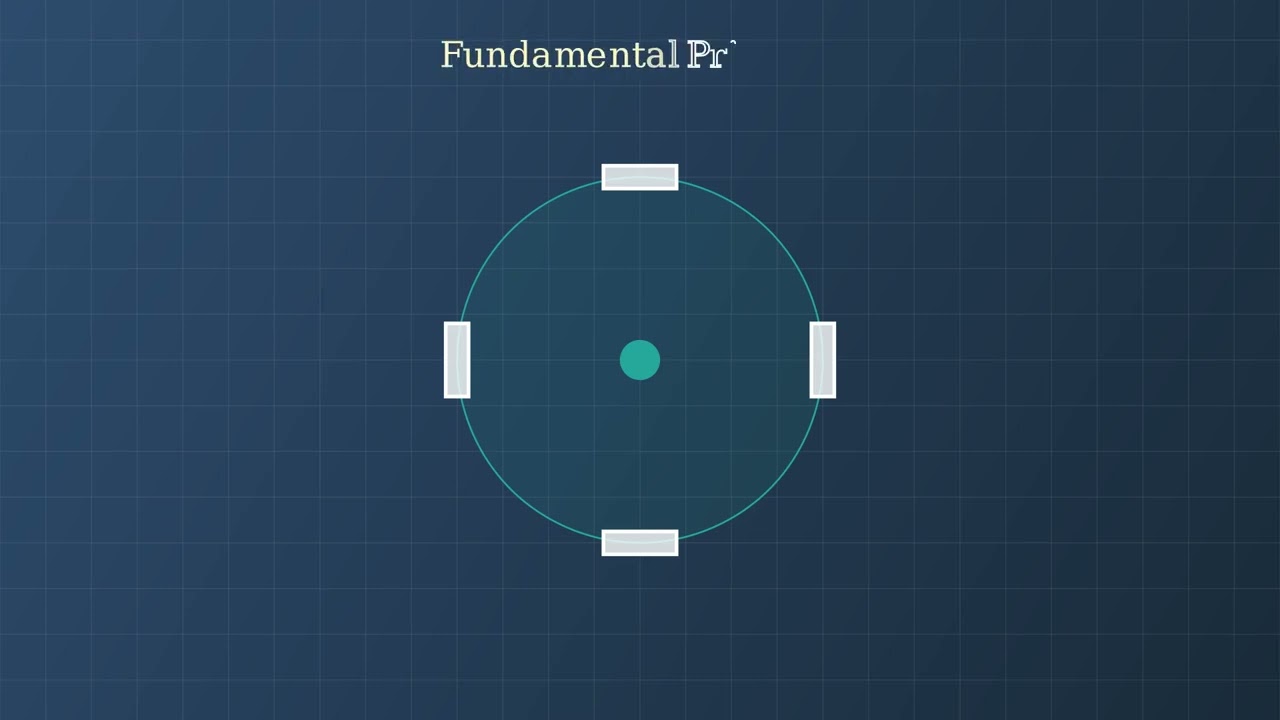
The filtration funnel is a key component in membrane filtration systems.
It holds the sample liquid and directs it toward the membrane filter.
The locking ring secures the funnel to the base and ensures a tight seal.
Let’s look at how these components fit together in a cross-section view.
The filtration funnel sits on top of the membrane, which rests on the base.
The locking ring then secures the funnel to the base, creating a tight seal that prevents leakage during filtration.
These components are typically made from various materials depending on application requirements.
Stainless steel components offer durability and resistance to heat and chemicals, making them ideal for harsh environments.
Glass components provide transparency for visual monitoring and are chemically inert.
Chemical-resistant plastics offer lightweight, affordable options for routine applications.
Let’s examine how these components function during the filtration process.
The funnel holds the liquid sample that needs to be filtered.
The liquid sample is poured into the funnel.
The liquid contains various particles that need to be filtered.
The locking ring creates a crucial seal between the funnel and base, preventing leakage during filtration.
As filtration proceeds, the liquid passes through the membrane while larger particles are retained.
A proper seal between these components is critical to prevent sample loss and contamination during the filtration process.
Membrane filtration plays a crucial role in the food and beverage industry.
It serves three primary functions: clarification, concentration, and purification of various products.
The membrane acts as a selective barrier that allows certain components to pass through while retaining others.
This process allows for the separation of components without using heat treatment, which helps preserve the natural flavors, nutrients, and overall quality of the products.
In the dairy industry, membrane filtration is used to concentrate milk proteins while selectively removing lactose and minerals.
For fruit juice production, it enables clarification by removing suspended solids while preserving the natural flavor and color compounds.
In wine and beer production, filtration clarifies the liquid by removing yeast cells and other microorganisms that could affect taste and stability.
For vegetable oil processing, membrane technology removes impurities and waxes without requiring additional chemical processing steps.
Membrane filtration offers several key advantages for food and beverage processing.
Perhaps most importantly, it preserves natural flavors and aromas while maintaining the nutritional value of the products.
The technology operates at low temperatures, which helps extend product shelf life without thermal damage.
Additionally, it reduces energy consumption compared to traditional heat-based separation methods.
Let’s compare membrane filtration with traditional processing methods used in the food and beverage industry.
Unlike traditional methods that rely on high heat, membrane filtration operates at low temperatures, preventing flavor and nutrient loss.
It also eliminates or reduces the need for chemical additives while being more energy efficient than conventional processes.
These benefits make membrane filtration an increasingly popular technology in modern food and beverage processing.
Membrane filtration faces significant challenges when processing highly turbid water.
The numerous suspended particles found in turbid water quickly accumulate on the membrane surface.
These particles rapidly clog the membrane pores, severely restricting water flow.
This clogging dramatically reduces flow rates, sometimes by seventy to ninety percent.
Another significant disadvantage is the risk of bacterial growth on membrane surfaces over time.
Bacteria naturally present in water can accumulate on the membrane surface.
Initially, only a small number of bacteria attach to the membrane.
Over time, these bacteria multiply and form a biofilm—a complex community of microorganisms embedded in a protective matrix.
These biofilms significantly reduce filtration efficiency, decrease flow rates, and can potentially contaminate the filtered water.
Addressing these challenges requires implementing specific solutions.
Pre-treatment steps are essential for turbid water. These include coagulation and flocculation to aggregate particles, sedimentation to remove larger solids, and pre-filtration to capture remaining particles.
Regular maintenance procedures are also critical. These include backwashing to remove accumulated particles, chemical cleaning to eliminate biofilms, and eventual membrane replacement when performance deteriorates significantly.
These limitations significantly increase operational complexity and maintenance costs in practical applications, making membrane filtration less suitable for certain water sources without proper pre-treatment and maintenance protocols.
Membrane fouling and clogging represent one of the most significant operational challenges in membrane filtration systems.
Fouling occurs when particles, precipitates, or biological growth accumulate on or within the membrane structure.
Under normal conditions, water and appropriate-sized particles flow through the membrane pores as intended.
However, larger particles and contaminants can accumulate on the membrane surface, leading to what we call particulate fouling.
Biological contaminants can also form biofilms on the membrane surface, a process known as biofouling.
Membrane fouling can be categorized into several types, each with its unique characteristics and challenges.
The consequences of membrane fouling are significant, impacting both performance and operational costs.
Fortunately, several strategies exist to address and mitigate membrane fouling issues.
Through proper pre-treatment strategies, optimized operating conditions, and regular maintenance, the impact of membrane fouling can be significantly reduced, extending membrane life and maintaining filtration efficiency.
Related Videos