

What is Bioinformatics?
Bioinformatics is an interdisciplinary discipline that analyses and interprets biological data by combining biology, computer science, mathematics, and statistics. It involves the creation and application of computational tools, algorithms, and databases for storing, retrieving, managing, and analysing biological data. Bioinformatics is essential for organising, analysing, and deriving meaningful insights from enormous quantities of biological data generated by high-throughput techniques such as genomics, proteomics, and transcriptomics.
In bioinformatics, computational approaches are used to study biological processes, understand the structure and function of biological molecules (such as DNA, RNA, and proteins), predict protein structure and function, analyse gene expression patterns, and investigate evolutionary relationships between species. Researchers can identify genes, annotate genomes, compare sequences, infer protein structures, conduct phylogenetic analyses, and gain insights into complex biological systems using bioinformatics tools and methods.
Additionally, bioinformatics contributes to the growth of drug discovery, personalised medicine, and precision agriculture. Bioinformatics facilitates the discovery of potential drug targets, the identification of genetic variations associated with diseases, and the optimisation of agricultural practises based on genomic information by integrating and analysing diverse biological datasets.
Bioinformatics plays a crucial role in advancing our comprehension of biological systems, facilitating biomedical research, and supporting a variety of applications in fields including medicine, agriculture, ecology, and biotechnology. It integrates computational and analytical methods with biological knowledge to extract valuable insights from biological data, thereby contributing to scientific discoveries and advances in the life sciences.
What is Biological Database?
A biological database is a structured compilation of biological data that is typically stored electronically and enables the efficient storage, retrieval, and analysis of biological information. These databases serve as repositories for numerous categories of biological data, such as genomic sequences, protein sequences, gene expression data, protein structures, and genetic variants. Biological databases are an essential component of bioinformatics and provide researchers in the life sciences with valuable resources.
Biological databases are intended to retain data in a standardised and organised format, facilitating researchers’ access to and retrieval of information for specific research purposes. To accommodate the diverse categories of biological data, they frequently employ specialised data models and formats. These databases may be global resources that are accessible to the scientific community, or they may be local databases that are specific to certain research groups or initiatives.
Organisations, research institutions, and consortiums such as the National Centre for Biotechnology Information (NCBI), the European Bioinformatics Institute (EBI), and the Protein Data Bank (PDB) establish and maintain biological databases. These databases incorporate information from a variety of sources, such as experimental studies, literature curation, and computational predictions, in order to provide exhaustive and current data.
Utilising biological databases is fundamental to numerous bioinformatics analyses and scientific endeavours. Using specialised search tools, researchers can query these databases and retrieve information about specific genes, proteins, genomes, and other biological entities. Frequently, databases offer tools and interfaces for data visualisation, sequence alignment, structure prediction, and other computational analyses, allowing researchers to derive meaningful insights and generate hypotheses.
Databases facilitate data sharing, collaboration, and the discovery of new knowledge in the scientific community by centralising and organising biological data. They play an essential role in the advancement of research in disciplines such as genomics, proteomics, transcriptomics, structural biology, and systems biology, laying the groundwork for data-driven investigations and discoveries.
Types of Biological Databases
Biological databases can be classified into the following three types based on their purpose and usage:
- Primary Databases: Primary databases are the central repositories of original, curated, and fundamental biological data. They serve as the primary source of information and provide raw or minimally processed data. Examples of primary databases include GenBank (nucleotide sequences), UniProt (protein sequences), and PDB (protein structures). These databases collect and maintain data from various sources, including experimental studies and literature curation.
- Secondary Databases: Secondary databases are derived from primary databases and provide additional processed or integrated information. They offer value-added services, such as data analysis, cross-referencing, and annotations. Secondary databases often incorporate data from multiple primary databases and apply standardized formats and annotations. Examples include Ensembl (genome annotations), NCBI RefSeq (reference sequences), and UCSC Genome Browser (genome visualization and analysis).
- Specialized Databases: Specialized databases focus on specific domains, organisms, or research areas, providing specialized data and tools for more targeted analyses. These databases often offer in-depth information, specialized data mining capabilities, and domain-specific analysis tools. Examples include FlyBase (Drosophila genetics and genomics), EcoCyc (Escherichia coli metabolism), and RGD (Rat Genome Database). These databases cater to specific research communities and provide specialized resources and knowledge.
- Classification of Biological Databases Based on Nature of Data: There are several types of biological databases, each specializing in a particular area of biological data. Here are some common types of biological databases:
- Sequence Databases: These databases store nucleotide and protein sequences from various organisms. Examples include GenBank, RefSeq, UniProt, and Ensembl.
- Genomic Databases: These databases focus on the storage and analysis of complete genomes or genome assemblies. Examples include NCBI Genome Database, Ensembl Genome Browser, and UCSC Genome Browser.
- Protein Databases: Protein databases store information about protein sequences, structures, functions, and interactions. Examples include Protein Data Bank (PDB), Protein Information Resource (PIR), and Protein Data Archive (PDA).
- Gene Expression Databases: These databases store gene expression data obtained from various experimental techniques. Examples include Gene Expression Omnibus (GEO) and ArrayExpress.
- Metabolic Pathway Databases: These databases provide information on metabolic pathways, reactions, enzymes, and compounds involved in cellular metabolism. Examples include KEGG, Reactome, and BioCyc.
- Interaction Databases: Interaction databases catalog protein-protein interactions, protein-DNA interactions, and other molecular interactions. Examples include STRING, BioGRID, and IntAct.
- Structural Databases: These databases store three-dimensional structures of biomolecules, including proteins, nucleic acids, and complexes. Examples include Protein Data Bank (PDB), RCSB PDB, and CATH.
- Pharmacological Databases: These databases focus on information related to drugs, including drug targets, chemical structures, pharmacokinetics, and drug interactions. Examples include DrugBank, PubChem, and ChEMBL.
- Disease Databases: These databases provide information on genetic variations, disease-associated genes, and clinical data related to specific diseases. Examples include Online Mendelian Inheritance in Man (OMIM), ClinVar, and GWAS Catalog.
- Literature Databases: Literature databases index and provide access to scientific articles, publications, and citations related to biological research. Examples include PubMed, Scopus, and Web of Science.
Small Molecular Databases
Small molecular databases are specialized repositories designed to store and manage information on low molecular weight compounds, including drugs, antibiotics, peptides, and various organic and inorganic molecules. Unlike macromolecular databases that focus on larger biological molecules such as proteins and nucleic acids, small molecular databases are tailored to support research and applications involving smaller chemical entities. The following are prominent examples of small molecular databases:
- PubChem
- Nature of Data: PubChem is a comprehensive resource for chemical information, encompassing data on various chemicals, drugs, and derivatives. It includes details on molecular formulas, structures, physical properties, safety and toxicity information, biological activities, literature citations, and patents.
- Functionality: Users can search for chemicals using identifiers such as molecular formula, name, or structure. The database is continually updated with new substances based on experimental results and literature. It is a vital tool for locating vendor-based chemicals and screening molecules for disease treatments.
- Examples of Use: Researchers use PubChem to identify compounds for potential treatments of diseases such as atherosclerosis and cardiovascular conditions.
- Access: Available freely online, PubChem provides extensive data to millions of users worldwide. PubChem
- DrugBank
- Nature of Data: DrugBank serves as a comprehensive knowledge base for pharmaceutical drugs approved by regulatory authorities like the FDA. It contains structured data on drugs, including pharmacology, chemical structures, targets, metabolism, and toxicology.
- Functionality: The database provides detailed information on existing drugs and supports precision medicine and drug discovery. Users can search by text, gene sequence, or chemical structure. The database is freely accessible for academic and non-commercial research.
- Examples of Use: DrugBank is utilized by researchers and clinicians to obtain detailed drug information and aid in the development of new therapeutic strategies.
- Access: Available for free online. DrugBank
- ZINC Database
- Nature of Data: The ZINC database includes a vast collection of commercially available compounds formatted for virtual screening. It contains over 230 million purchasable compounds in ready-to-dock, 3D formats and over 750 million compounds in total.
- Functionality: Researchers use ZINC for virtual screening to identify potential drug candidates. The database facilitates the search for chemical analogs and supports drug discovery efforts.
- Examples of Use: ZINC is used by scientists, biotech companies, and academic researchers to explore chemical libraries for drug discovery and development.
- Access: Freely accessible online. ZINC
- Cambridge Structural Database (CSD)
- Nature of Data: The CSD contains over one million 3D structures of organic and metal-organic compounds derived from X-ray and neutron diffraction analyses. It provides detailed information on crystal structures and physical properties.
- Functionality: The CSD supports visualization, downloading, and understanding of chemical structures. The database is used for applications in drug discovery, materials science, and crystallography.
- Examples of Use: Researchers use the CSD to gain insights into chemical and crystallographic phenomena, aiding in the development of new drugs and materials.
- Access: The database is maintained by the Cambridge Crystallographic Data Centre and provides high-quality structural data. CSD
Examples of Different Biological Databases
Biological databases are essential resources in bioinformatics, providing organized and accessible information about various biological sequences and their functions. These databases are categorized into primary and secondary types based on the nature and source of the data they hold. Below are detailed descriptions of key examples from each category.
Primary Sequence Repositories
- Primary Nucleotide Sequence Databases:
- NCBI GenBank: Hosted by the National Center for Biotechnology Information (NCBI), GenBank is a comprehensive repository for nucleotide sequences from a wide range of organisms. It provides both raw sequence data and functional annotations.
- Website: NCBI GenBank
- EMBL-EBI ENA: The European Nucleotide Archive (ENA) is a major database for nucleotide sequences managed by the European Molecular Biology Laboratory (EMBL) and the European Bioinformatics Institute (EBI). It shares its data with GenBank and DDBJ.
- Website: ENA
- DDBJ: The DNA Data Bank of Japan (DDBJ) offers nucleotide sequences from various organisms, synchronized daily with GenBank and ENA, ensuring a consistent repository of genetic information.
- Website: DDBJ
- NCBI GenBank: Hosted by the National Center for Biotechnology Information (NCBI), GenBank is a comprehensive repository for nucleotide sequences from a wide range of organisms. It provides both raw sequence data and functional annotations.
- Primary Protein Sequence Databases:
- UniProt: A major resource for protein sequence and functional information, UniProt integrates data from several sources, including SWISS-PROT, TrEMBL, and PIR-PSD.
- UniProt Knowledgebase (UniProtKB):
- UniProtKB/Swiss-Prot: A curated database providing manually-annotated protein sequences with detailed functional information.
- UniProtKB/TrEMBL: A computationally annotated database that supplements Swiss-Prot with additional sequences.
- UniProt Archive (UniParc): Contains a comprehensive sequence archive from various protein databases, updated daily.
- UniProt Reference Clusters (UniRef): Provides clustered sets of sequences to offer non-redundant views of protein data.
- Website: UniProt
- UniProt Knowledgebase (UniProtKB):
- PIR-PSD: The Protein Information Resource – Protein Sequence Database (PIR-PSD) is one of the first databases to classify and annotate protein sequences. It focuses on functional annotations and superfamily-based classifications.
- Website: PIR-PSD
- UniProt: A major resource for protein sequence and functional information, UniProt integrates data from several sources, including SWISS-PROT, TrEMBL, and PIR-PSD.
Secondary Sequence Repositories
- Secondary or Derived Nucleotide Sequence Databases:
- Entrez: NCBI’s integrated search and retrieval system that combines molecular data with literature. It provides access to sequences, gene expression data, and more.
- Website: Entrez
- UniGene: Processes GenBank data into non-redundant clusters representing distinct transcription loci, with additional information on gene expression and genomic location.
- Website: UniGene
- Ensembl: Provides automated annotation of eukaryotic genomes, offering extensive genomic data for various species.
- Website: Ensembl
- RefSeq: A comprehensive, non-redundant set of sequences including genomic DNA, transcripts, and proteins, used for genome annotation and comparative analysis.
- Website: RefSeq
- dbSNP: A database for single nucleotide polymorphisms (SNPs) and small-scale genetic variations.
- Website: dbSNP
- Entrez: NCBI’s integrated search and retrieval system that combines molecular data with literature. It provides access to sequences, gene expression data, and more.
- Secondary or Derived Protein Sequence Databases:
- PROSITE: A database of protein domains, families, and functional sites, offering patterns and profiles for over a thousand protein families.
- Website: PROSITE
- Pfam: A curated collection of protein families, each represented by multiple sequence alignments and hidden Markov models (HMMs).
- Website: Pfam
- PRIDE: A database for protein and peptide identifications, including post-translational modifications and spectral evidence.
- Website: PRIDE
- InterPro: Provides functional analysis of protein sequences by classifying them into families and predicting domains and important sites using signatures from various member databases.
- Website: InterPro
- PRINTS: A database of protein fingerprints that represents conserved motifs and can be used for protein family characterization and functional annotation.
- Website: PRINTS
- PROSITE: A database of protein domains, families, and functional sites, offering patterns and profiles for over a thousand protein families.
These databases play a crucial role in bioinformatics by providing essential data for sequence analysis, functional annotation, and comparative genomics.
Examples of Primary Biological Databases
1. GenBank
- Overview: GenBank is one of the largest and fastest-growing repositories for nucleotide sequences. It functions as an open-access database managed by the National Center for Biotechnology Information (NCBI) in Bethesda, MD, USA. GenBank is part of the International Nucleotide Sequence Database Collaboration (INSDC), which also includes the EMBL and DDBJ databases.
- Structure and Content: GenBank utilizes a flat file format, which is ASCII text and easily readable by both humans and computers. It contains nucleotide sequence data along with associated information such as accession numbers, gene names, phylogenetic classifications, and references to published literature.
- Features:
- Core Nucleotide Database: Includes the majority of nucleotide sequences.
- Expressed Sequence Tag (EST): Contains short sequences derived from cDNA libraries.
- Genome Survey Sequence (GSS): Includes sequences that survey genomes.
- Submission Tools: Sequences can be submitted using tools like BankIt, Sequin, and tbl2asn.
2. EMBL (European Molecular Biology Laboratory)
- Overview: The EMBL nucleotide sequence database is a comprehensive resource for DNA and RNA sequences. It was established in 1980 and is maintained by the European Bioinformatics Institute (EBI). EMBL collaborates with GenBank and the DNA Data Bank of Japan (DDBJ).
- Content: EMBL collects nucleotide sequences from scientific literature, direct submissions by researchers, and other sources. It provides a detailed and curated collection of these sequences.
3. Swiss-Prot
- Overview: Swiss-Prot is a curated protein sequence database renowned for its high level of integration with other databases and low redundancy. Established in 1986, it is maintained collaboratively by the University of Geneva and the EMBL Data Library.
- Features:
- High-Level Annotation: Swiss-Prot provides detailed annotations including descriptions of protein functions, domain structures, and post-translational modifications.
- Supplementary Database: TrEMBL, a complementary database, contains translations of EMBL nucleotide sequence entries that are not yet included in Swiss-Prot. As of the latest update, Swiss-Prot has approximately 0.5 million sequences, while TrEMBL has around 7.6 million sequences.
4. Protein Information Resource (PIR)
- Overview: PIR is an integrated public bioinformatics resource that supports genomic and proteomic research. It offers a range of tools and resources to assist in protein annotation and analysis.
- Features:
- PIRSF: Protein Information Resource Superfamily, used for protein family classification.
- ProClass: Provides protein classification based on functional and structural properties.
- ProLINK: Offers links to related databases and resources for extended protein analysis.
These primary biological databases play critical roles in the storage, annotation, and analysis of genetic and protein data, thereby facilitating research and advancements in genomics and proteomics.
Examples of Some Secondary Biological Databases
1. Motif Databases
- PROSITE:
- Overview: PROSITE is a comprehensive database that documents protein domains, families, and functional sites. It includes patterns and profiles for the identification of these features.
- Function: It helps in characterizing proteins by identifying conserved motifs which are crucial for protein function.
- PRINTS:
- Overview: PRINTS is a database that focuses on protein fingerprints, which are groups of conserved motifs used to characterize protein families.
- Function: It provides a method to identify and classify proteins based on conserved patterns found within protein sequences.
2. Domain Databases
- ProDom:
- Overview: ProDom is a database of protein domains that has been automatically generated from the Swiss-Prot and TrEMBL sequence databases.
- Function: It is used for domain identification and characterization within protein sequences.
- SMART:
- Overview: SMART (Simple Modular Architecture Research Tool) is a tool for identifying and analyzing protein domains.
- Function: It offers reliable and sensitive domain identification, which is crucial for understanding protein function and structure.
- COG:
- Overview: COG (Clusters of Orthologous Groups) is a database and tool for motif and domain identification.
- Function: It provides information on orthologous gene groups and functional annotation of protein domains.
3. 3D Structure Databases
- PDB (Protein Data Bank):
- Overview: The PDB is a primary repository for 3D structural data of biological macromolecules determined through X-ray crystallography and NMR spectroscopy.
- Function: It stores experimental data used to determine macromolecular structures and provides tools for structural analysis.
- SCOP (Structural Classification of Proteins):
- Overview: SCOP classifies protein 3D structures into a hierarchical classification scheme of structure classes.
- Function: It organizes and categorizes protein structures based on their fold and evolutionary relationships.
- CATH (Class, Architecture, Topology, Homologous):
- Overview: CATH provides a hierarchical classification of protein domain structures.
- Function: It categorizes protein domains based on their class, architecture, topology, and homologous relationships.
4. Gene Expression Databases
- GEO (Gene Expression Omnibus):
- Overview: GEO is a curated online resource for gene expression data. It serves as a repository for gene expression data, allowing for browsing, querying, and retrieval.
- Function: It supports research by providing access to a vast amount of gene expression data from various experiments.
- GXD (Gene Expression Database):
- Overview: GXD is a community resource providing information on gene expression.
- Function: It focuses on gene expression data, particularly in model organisms.
- MGED (Microarray Gene Expression Data):
- Overview: MGED contains data generated from microarray experiments used in functional genomics and proteomics.
- Function: It offers data related to gene expression profiles obtained from microarray analyses.
- ArrayExpress:
- Overview: ArrayExpress is a repository for transcriptomics data maintained by the European Bioinformatics Institute (EBI).
- Function: It provides access to data from transcriptomic studies, including microarrays and RNA-seq.
5. Metabolic Pathway Databases
- KEGG PATHWAY Database:
- Overview: KEGG (Kyoto Encyclopedia of Genes and Genomes) PATHWAY Database contains graphical representations of metabolic pathways for various organisms.
- Function: It facilitates understanding of biochemical pathways and their roles in metabolism.
- EcoCyc:
- Overview: EcoCyc is a database dedicated to the genome and biochemical pathways of Escherichia coli.
- Function: It provides detailed information on the metabolic machinery and genetic components of E. coli.
- LIGAND:
- Overview: LIGAND is a chemical database for enzyme reactions at the Institute for Chemical Research, Kyoto.
- Function: It includes databases on compounds, drugs, glycans, reactions, and enzymes, supporting research in enzymology and biochemistry.
- MetaCyc:
- Overview: MetaCyc is a non-redundant database of experimentally elucidated metabolic pathways.
- Function: It provides comprehensive data on metabolic pathways and their reactions.
- BRENDA:
- Overview: BRENDA is an enzyme database containing detailed information on enzymes and their reactions.
- Function: It supports enzymology research by offering extensive data on enzyme function, classification, and kinetics.
6. Genome Databases
- GOLD (Genomes Online Database):
- Overview: GOLD provides a comprehensive list of complete and ongoing genome projects worldwide.
- Function: It tracks and catalogs genome sequencing projects and their progress.
- Genomes at NCBI:
- Overview: This database hosted by NCBI offers access to a variety of genome sequences and associated data.
- Function: It supports research by providing genome sequences from a wide range of organisms.
- TIGR (The Institute for Genomic Research) Database:
- Overview: TIGR offers genomic data and resources for a variety of organisms.
- Function: It contributes to genome research by providing detailed genomic sequences and annotations.
7. Virological Databases
- ICTVdB (International Committee on Taxonomy of Viruses Database):
- Overview: ICTVdB contains taxonomic information for thousands of virus species.
- Function: It organizes and classifies viruses according to taxonomic standards set by the International Committee on Taxonomy of Viruses (ICTV).
8. World Biodiversity Databases
- CCINFO:
- Overview: CCINFO is a taxonomic database that documents species and their classifications.
- Function: It provides access to species names, descriptions, and references.
- STRAIN:
- Overview: STRAIN is a database of microbial strains.
- Function: It offers detailed information on various strains used in research.
- ALGAE:
- Overview: ALGAE is a database focused on algae species.
- Function: It provides taxonomic and ecological data on different types of algae.
9. Databases for Various Model Organisms
- Escherichia coli:
- E. coli Genome Centre: Managed by the University of Wisconsin, USA.
- E. coli Index: Maintained by the University of Birmingham, UK.
- Arabidopsis thaliana:
- TAIR (The Arabidopsis Information Resource): Provides comprehensive data on Arabidopsis genes and their functions.
- Homo sapiens:
- Human Genome Resources: Hosted by NCBI, it offers extensive data on human genetic information.
- Oryza sativa (rice):
- RGP (Rice Genome Research Programme): Based in Japan, this resource focuses on rice genome data.
- Drosophila melanogaster:
- FlyBase: A comprehensive database for Drosophila genome data.
- Mus musculus (mouse):
- Mouse Genome Informatics: Provides data on the mouse genome and its functional elements.
- Danio rerio (zebrafish):
- ZFIN (Zebrafish Information Network): Offers data on zebrafish genetics and developmental biology.
- Saccharomyces cerevisiae (baker’s yeast):
- SGD (Saccharomyces Genome Database): A resource for yeast genomics, maintained by Stanford University, USA.
Types of Bioinformatics Tools
Bioinformatics tools encompass a wide range of applications designed to analyze and interpret biological data using computational approaches. These tools can be categorized into several types based on their specific functionalities and areas of focus. Here are some common types of bioinformatics tools:
- Sequence Analysis Tools: These tools focus on analyzing DNA, RNA, and protein sequences. They include software for sequence alignment, motif searching, sequence assembly, gene prediction, and identification of genetic variations like single nucleotide polymorphisms (SNPs) and insertions/deletions (indels).
- Structure Prediction Tools: These tools use computational methods to predict the three-dimensional structures of proteins and other biomolecules. They include software for protein structure prediction, protein modeling, and protein-ligand docking.
- Comparative Genomics Tools: These tools facilitate the comparison of genomes across different species to identify similarities, differences, and evolutionary relationships. They include software for genome alignment, synteny analysis, and identification of conserved regions.
- Functional Annotation Tools: These tools help annotate genes, proteins, and other biomolecules with functional information. They include software for gene ontology (GO) annotation, protein domain identification, and functional enrichment analysis.
- Gene Expression Analysis Tools: These tools enable the analysis of gene expression data obtained from techniques like microarrays and RNA sequencing. They include software for data normalization, differential gene expression analysis, clustering, and pathway enrichment analysis.
- Metagenomics Tools: These tools focus on the analysis of microbial communities and their genetic content. They include software for taxonomic profiling, functional annotation of metagenomic sequences, and identification of microbial species.
- Next-Generation Sequencing (NGS) Analysis Tools: These tools are specifically designed for the analysis of data generated by high-throughput sequencing technologies. They include software for read alignment, variant calling, de novo assembly, and transcriptome analysis.
- Network Analysis Tools: These tools facilitate the analysis of biological networks, such as protein-protein interaction networks and gene regulatory networks. They include software for network visualization, topological analysis, and identification of network modules.
- Data Visualization Tools: These tools focus on visualizing biological data in graphical formats to aid in data exploration and interpretation. They include software for genome browsers, phylogenetic tree visualization, and interactive data visualization.
- Data Integration Tools: These tools aim to integrate diverse types of biological data from multiple sources to gain a comprehensive view of biological systems. They include software for data integration, data mining, and knowledge discovery.
Examples of Bioinformatics Tools
- Sequence Analysis Tools:
- BLAST (Basic Local Alignment Search Tool): A widely used tool for sequence similarity searching, allowing users to compare query sequences against sequence databases.
- Clustal Omega: A tool for multiple sequence alignment, enabling the alignment of multiple sequences to identify conserved regions.
- EMBOSS (European Molecular Biology Open Software Suite): A collection of bioinformatics tools for sequence analysis, including sequence alignment, motif searching, and primer design.
- Structure Prediction Tools:
- SWISS-MODEL: A tool for protein structure modeling and homology modeling, allowing users to predict the three-dimensional structure of proteins based on known structures.
- Phyre2: A protein structure prediction server that employs advanced algorithms to predict protein structures using sequence information.
- I-TASSER: A widely used tool for protein structure prediction that combines template-based modeling and ab initio modeling methods.
- Comparative Genomics Tools:
- Ensembl: A genome browser and annotation database that provides comprehensive genome information for a wide range of organisms.
- UCSC Genome Browser: A web-based tool for visualizing and exploring genomic data, including genome assemblies, annotations, and comparative genomics data.
- OrthoDB: A database of orthologous genes across different species, allowing users to identify and analyze orthologous relationships.
- Functional Annotation Tools:
- DAVID (Database for Annotation, Visualization, and Integrated Discovery): A comprehensive tool for functional annotation and enrichment analysis of gene lists, providing insights into biological themes and functional implications.
- GeneMANIA: A web-based tool that integrates multiple functional genomics datasets to predict gene function and analyze gene networks.
- InterProScan: A tool for functional annotation of protein sequences, identifying protein domains, motifs, and functional sites.
- Gene Expression Analysis Tools:
- DESeq2: A widely used R/Bioconductor package for differential gene expression analysis using RNA-Seq data.
- Gene Set Enrichment Analysis (GSEA): A computational method for identifying biological pathways or gene sets that are significantly enriched in a gene expression dataset.
- Cytoscape: A powerful tool for network analysis and visualization, allowing users to explore and analyze gene expression networks.
- Metagenomics Tools:
- QIIME (Quantitative Insights Into Microbial Ecology): A bioinformatics pipeline for the analysis of microbial community sequencing data, including taxonomic profiling and diversity analysis.
- MG-RAST (Metagenomics Rapid Annotation using Subsystem Technology): A web-based platform for metagenomic data analysis, providing functional annotation and comparative analysis of metagenomic datasets.
Structure Viewing Tools and File Formats
In the field of molecular biology and bioinformatics, visualization tools and file formats play a crucial role in analyzing and interpreting the three-dimensional structures of molecules such as proteins, DNA, RNA, and small organic compounds. These tools and formats allow researchers to observe molecular configurations, perform modifications, and calculate various structural parameters. Here is an overview of the key structure viewing tools and file formats commonly used in molecular visualization:
File Formats
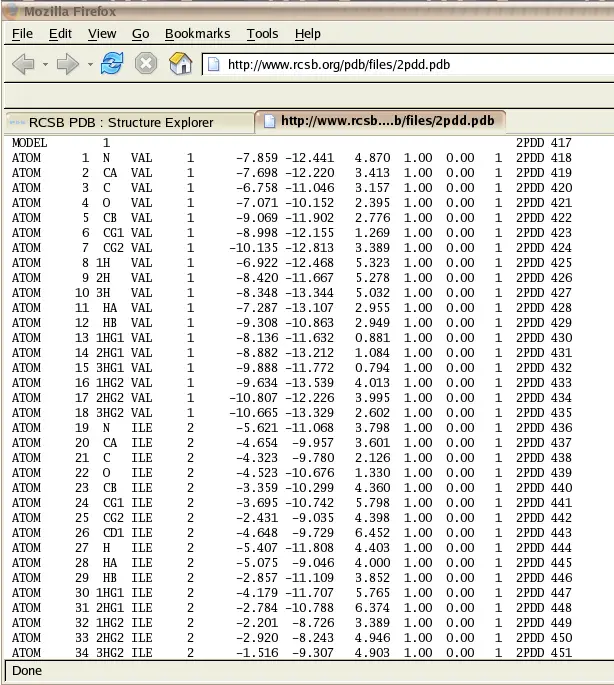
- PDB (Protein Data Bank) Format
- Nature of Data: The PDB format is a widely used standard for representing the three-dimensional coordinates of atoms within a molecule. It provides detailed information about atomic positions relative to the X, Y, and Z axes, enabling accurate visualization of molecular structures.
- Functionality: This format is essential for the visualization of macromolecular structures such as proteins and nucleic acids. It supports a range of visualization tools and software that can read and interpret the structural data.
Structure Viewing Tools
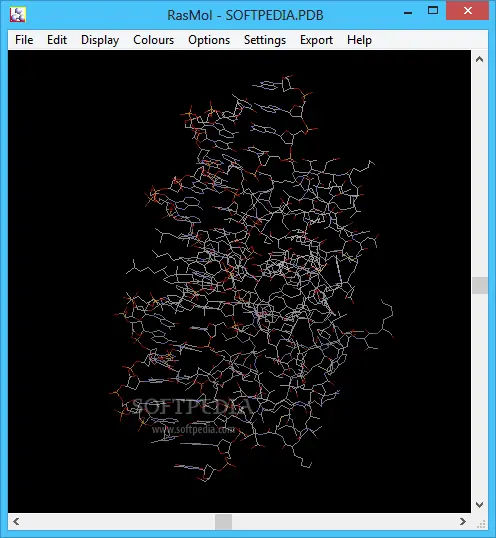
- RasMol
- Functionality: RasMol is a molecular graphics program designed for the visualization of proteins, nucleic acids, and small molecules. It operates with atomic coordinate files in various formats, including PDB. RasMol allows users to visualize molecules in different representations, such as wireframes, sticks, spheres, and ribbons. It also supports features like zooming, rotation, and color schemes.
- Use Case: Ideal for academic and research purposes, RasMol is popular for its flexibility and ease of use in visualizing and analyzing molecular structures.
- Access: Available for download from the RasMol website. RasMol
- Chime
- Functionality: Chime is a derivative of RasMol that operates within web browsers. It allows for the visualization of molecular structures directly on web pages. However, it supports only certain molecules permitted by the software provider.
- Use Case: Useful for online visualization of molecular structures, Chime offers a convenient way to view molecules without needing standalone software.
- Access: Accessible through the provided link. Chime
- MolMol
- Functionality: MolMol is a molecular graphics program focused on the display, analysis, and manipulation of 3D structures, with particular emphasis on NMR solution structures of proteins and nucleic acids. It provides advanced features for analyzing molecular interactions and structures.
- Use Case: Suitable for in-depth structural analysis and manipulation of macromolecules, especially those determined by NMR.
- Access: Available from the MolMol website. MolMol
- PyMOL
- Functionality: PyMOL is a powerful, user-friendly molecular visualization tool used in structural bioinformatics and drug design. It allows users to visualize protein-ligand interactions, model secondary structures, and analyze molecular surfaces. PyMOL supports a variety of representations, including balls and sticks, wireframes, and molecular surfaces with energy distributions.
- Use Case: Widely used in structural biology and bioinformatics for detailed molecular modeling and analysis.
- Access: Freely available for academic use with registration. Tutorials and downloads are available on the PyMOL website. PyMOL
- Swiss-PdbViewer (SPDBV)
- Functionality: Swiss-PdbViewer provides a user-friendly interface for analyzing and comparing multiple protein structures. It allows for superimposition, structural alignment, and examination of amino acid mutations and interactions. This tool is integrated with SWISS-MODEL for homology modeling.
- Use Case: Useful for structural comparisons and model building, Swiss-PdbViewer facilitates the generation of protein models and their refinement.
- Access: Developed by Nicolas Guex and available through the Swiss Institute of Bioinformatics. Swiss-PdbViewer
Importance of Bioinformatics Databases
Bioinformatics databases are crucial for organizing, storing, and retrieving vast amounts of biological data. Their importance can be highlighted in several ways:
- Centralized Data Storage: They provide a centralized location for storing diverse types of biological data, such as nucleotide sequences, protein structures, and functional annotations.
- Data Integration: Databases integrate information from various sources, enabling comprehensive analyses and cross-referencing. For example, UniProt integrates protein sequences and functional information from different studies.
- Facilitating Research: Researchers use databases to access pre-analyzed data, which accelerates research by providing a foundation for hypothesis generation and experimental design.
- Supporting Data Retrieval: Efficient query systems allow users to retrieve specific data quickly. For instance, BLAST allows researchers to find sequence similarities in large databases.
- Enabling Data Sharing: Databases facilitate the sharing of data among researchers, promoting collaboration and reproducibility. Public databases like GenBank and the Protein Data Bank (PDB) are examples.
- Assisting in Data Interpretation: They offer tools and resources for data interpretation, such as functional annotation, pathway analysis, and structural predictions.
- Updating and Curating Data: Many databases are continuously updated and curated to reflect new discoveries and correct errors, ensuring that the data remains accurate and relevant.
- Educational Resources: Databases serve as valuable resources for teaching and training in bioinformatics and computational biology, providing access to a wealth of information and examples.
- Supporting Clinical Applications: In clinical research, databases like ClinVar provide information on genetic variants and their associations with diseases, aiding in personalized medicine and diagnostics.
- Facilitating Meta-Analyses: They allow for the aggregation and comparison of data from multiple studies, which is crucial for meta-analyses and large-scale research projects.
Applications of Bioinformatics Tools
Bioinformatics tools are used to analyze and interpret complex biological data. Here are some key applications:
- Gene Sequencing and Annotation: Tools like BLAST and GenBank help identify genes, predict their functions, and annotate genomes.
- Protein Structure Prediction: Software such as SWISS-MODEL and Phyre2 can predict protein structures based on their amino acid sequences.
- Genomic Data Analysis: Tools like GATK and SAMtools are used for variant calling and genomic data processing.
- Phylogenetic Analysis: Programs like MEGA and BEAST help in constructing phylogenetic trees to study evolutionary relationships.
- Drug Discovery: Tools such as AutoDock and Docking Suite are used to simulate and analyze drug interactions with target proteins.
- Systems Biology: Software like Cytoscape and Pathway Commons helps in modeling and analyzing biological networks and pathways.
- Metagenomics: Tools like QIIME and Mothur analyze microbial communities in environmental samples.
- Transcriptomics: Tools like STAR and DESeq2 are used for RNA-Seq data analysis to study gene expression.
- Structural Bioinformatics: Software like PyMOL and Chimera visualizes and analyzes macromolecular structures.
- Evolutionary Genomics: Tools such as OrthoFinder and EggNOG help in understanding evolutionary relationships and gene orthology.
List of Bioinformatics Softwares
- BLAST (Basic Local Alignment Search Tool): A widely used tool for sequence similarity searching, allowing comparison of query sequences against sequence databases.
- Clustal Omega: A software for multiple sequence alignment, enabling the alignment of multiple sequences to identify conserved regions.
- EMBOSS (European Molecular Biology Open Software Suite): A comprehensive collection of bioinformatics tools for sequence analysis, including sequence alignment, motif searching, primer design, and more.
- MEGA (Molecular Evolutionary Genetics Analysis): A tool for conducting evolutionary analysis, including phylogenetic tree construction, sequence alignment, and evolutionary distance calculations.
- GROMACS (GROningen MAchine for Chemical Simulations): A widely used software package for molecular dynamics simulations of biomolecules, allowing the study of their behavior and interactions.
- IGV (Integrative Genomics Viewer): A genomic data visualization tool that enables the interactive exploration of diverse genomic datasets, including DNA sequencing, RNA sequencing, and variant analysis.
- Galaxy: A web-based platform that provides a user-friendly interface for bioinformatics analysis. It offers a wide range of tools and workflows for sequence analysis, genomics, transcriptomics, and more.
- R/Bioconductor: An open-source software environment for statistical analysis and visualization of biological data. It includes a vast collection of packages and tools specifically designed for bioinformatics analysis.
- Cytoscape: A software platform for visualizing and analyzing biological networks, including protein-protein interaction networks, gene regulatory networks, and signaling pathways.
- NCBI Toolkit: A suite of bioinformatics tools provided by the National Center for Biotechnology Information (NCBI), including sequence retrieval, database searching, and analysis tools like BLAST, Entrez Utilities, and SRA Toolkit.
- TopHat and HISAT: Alignment tools for RNA sequencing data, used for mapping RNA-Seq reads to a reference genome.
- Trinity: A software for de novo transcriptome assembly from RNA-Seq data, particularly useful for organisms with no reference genome.
- GATK (Genome Analysis Toolkit): A software package for variant discovery and genotyping analysis, widely used for analyzing high-throughput sequencing data.
- MEME Suite: A collection of tools for motif discovery and analysis, allowing identification of conserved sequence patterns in DNA, RNA, or protein sequences.
- PyMOL: A molecular visualization system used for 3D molecular structure analysis, protein visualization, and rendering high-quality molecular graphics.
What is Biological Database Retrieval System?
A Biological Database Retrieval System is a framework designed to efficiently access, query, and retrieve biological data from various databases. These systems support researchers in locating specific biological information, analyzing datasets, and integrating data from different sources. They play a critical role in fields such as genomics, proteomics, and drug discovery. Here’s a detailed overview of how these systems operate and their components:
Components of a Biological Database Retrieval System
- Database Interface
- Purpose: Acts as the entry point for users to access the biological databases. It provides a graphical or command-line interface where users can input search queries and retrieve information.
- Functionality: Includes search fields for keywords, accession numbers, sequences, or other identifiers. It may also offer advanced search options such as Boolean operators and filters.
- Query Processor
- Purpose: Handles user queries and translates them into database-specific search commands. It is responsible for interpreting and executing search requests.
- Functionality: Includes query formulation, optimization, and execution. It ensures efficient retrieval of relevant data by accessing the appropriate database tables or indices.
- Data Retrieval Engine
- Purpose: Retrieves data from the database based on the processed query. It accesses the database, extracts relevant information, and returns it to the user.
- Functionality: Includes data extraction, formatting, and presentation. It ensures that the retrieved data is accurate and presented in a user-friendly format.
- Database Management System (DBMS)
- Purpose: Manages the storage, retrieval, and updating of biological data within the database. It ensures data integrity, security, and efficient access.
- Functionality: Includes data storage, indexing, and transaction management. The DBMS handles large volumes of biological data and supports various data types and structures.
- Data Integration and Normalization
- Purpose: Integrates data from multiple sources and standardizes it for consistent retrieval and analysis.
- Functionality: Includes mapping of data fields, resolution of inconsistencies, and harmonization of data formats. This ensures that data from different databases can be compared and combined effectively.
- User Interface and Visualization Tools
- Purpose: Provides tools for visualizing and analyzing retrieved data. This includes graphical representations such as charts, graphs, and molecular structures.
- Functionality: Includes data visualization, analysis tools, and interactive features. It enables users to interpret data visually and gain insights into biological phenomena.
Workflow of a Biological Database Retrieval System
- Query Submission
- Users submit queries through the database interface, specifying search criteria such as gene names, protein sequences, or experimental conditions.
- Query Processing
- The query processor interprets the search request, formulates a query command, and optimizes it for efficient execution.
- Data Retrieval
- The data retrieval engine executes the query against the database, extracting relevant information based on the user’s criteria.
- Data Presentation
- Retrieved data is formatted and presented to the user through the interface. This may include raw data, graphical representations, or summary reports.
- Data Analysis
- Users can utilize visualization tools and analysis features to explore and interpret the retrieved data, such as identifying patterns or performing statistical analyses.
Examples of Biological Database Retrieval Systems
- NCBI Entrez
- Description: A widely used retrieval system that provides access to a variety of biological databases, including GenBank, PubMed, and Protein Data Bank.
- Features: Offers a unified search interface, advanced search options, and integrated data visualization tools.
- UniProt
- Description: A comprehensive protein sequence and functional information retrieval system.
- Features: Provides detailed protein annotations, sequence alignments, and functional insights through its user-friendly interface.
- EBI (European Bioinformatics Institute) Search Engines
- Description: Includes tools such as Ensembl and InterPro for accessing genomic, proteomic, and functional data.
- Features: Offers integrated search capabilities, data visualization, and analysis tools.
FAQ
What is a bioinformatics database?
A bioinformatics database is a structured collection of biological data, such as DNA sequences, protein structures, gene expression profiles, and genetic variations. It allows researchers to store, organize, and retrieve biological information for analysis and interpretation.
What are the types of bioinformatics databases?
Bioinformatics databases can be categorized into various types, including sequence databases, genomic databases, protein databases, pathway databases, interaction databases, and disease databases. Each type focuses on specific biological data and provides specialized resources for research and analysis.
What is the role of bioinformatics software in biological research?
Bioinformatics software plays a crucial role in analyzing, visualizing, and interpreting biological data. It includes tools for sequence alignment, genome assembly, protein structure prediction, gene expression analysis, functional annotation, and more. These software tools enable researchers to extract meaningful insights from complex biological datasets.
What are some commonly used bioinformatics software tools?
Popular bioinformatics software tools include BLAST, Clustal Omega, EMBOSS, GROMACS, IGV, Galaxy, R/Bioconductor, Cytoscape, NCBI Toolkit, and MEME Suite. These tools offer a range of functionalities, from sequence analysis to network visualization, and are widely adopted in biological research.
Where can I find bioinformatics databases and software tools?
Bioinformatics databases and software tools are available through various platforms and websites. Major resources include public databases like NCBI, EMBL-EBI, and UniProt, which offer access to a wide range of biological data. Additionally, many software tools are freely available online or as downloadable packages from specific research groups or organizations.
How can I choose the right bioinformatics tool for my research needs?
Choosing the right bioinformatics tool depends on the specific research question or analysis task at hand. Factors to consider include the type of data, the required analysis methods, user interface preferences, availability of documentation and support, and compatibility with existing workflows or pipelines.
Can bioinformatics tools be used by researchers without programming skills?
Yes, there are bioinformatics tools with user-friendly graphical interfaces that do not require extensive programming skills. These tools often provide a point-and-click interface or web-based platforms, allowing researchers to perform analyses and visualize results without writing code.
Are there resources for learning bioinformatics tools and databases?
Yes, there are numerous online tutorials, courses, and workshops available for learning bioinformatics tools and databases. Platforms like Coursera, edX, and Bioinformatics.org offer educational resources, and many universities and research institutions provide training programs in bioinformatics.
Can bioinformatics tools and databases be integrated with each other?
Yes, integration of bioinformatics tools and databases is crucial for seamless analysis and data exchange. Many software tools are designed to be compatible with common database formats, allowing researchers to retrieve data from databases directly into analysis workflows, and vice versa.
How can I stay updated on new bioinformatics databases and software developments?
To stay informed about new bioinformatics databases and software developments, you can subscribe to relevant scientific journals, follow bioinformatics blogs and websites, participate in conferences and workshops, and join online communities or forums dedicated to bioinformatics and computational biology.
- https://mgcub.ac.in/pdf/material/20200406015739416c3962e5.pdf
- https://webstor.srmist.edu.in/web_assets/srm_mainsite/files/files/database.pdf
- https://www.geeksforgeeks.org/types-of-biological-database-in-bioinformatics/
- https://www.slideshare.net/slideshow/1-data-retrieval-systems/20368727
- https://mccollegeonline.co.in/attendence/classnotes/files/1586267644.pdf
- https://egyankosh.ac.in/bitstream/123456789/85313/1/Unit-2%20%282%29.pdf
- https://www.lkouniv.ac.in/site/writereaddata/siteContent/202004120815046353monisha_Retrieval_of_Biological_data.pdf
- https://dhingcollegeonline.co.in/attendence/classnotes/files/1589301642.pdf