Different Types of Biotechnology Techniques Explained

Transcript
Introduction to Biotechnology -Define biotechnology according to the European Federation of Biotechnology (EFB). Explain how biotechnology involves using living organisms or their components to develop products and processes beneficial to humans. Distinguish between traditional biotechnology (like fermentation) and modern biotechnology that involves genetic manipulation. Highlight the interdisciplinary nature of biotechnology, combining biology, chemistry, and engineering principles.
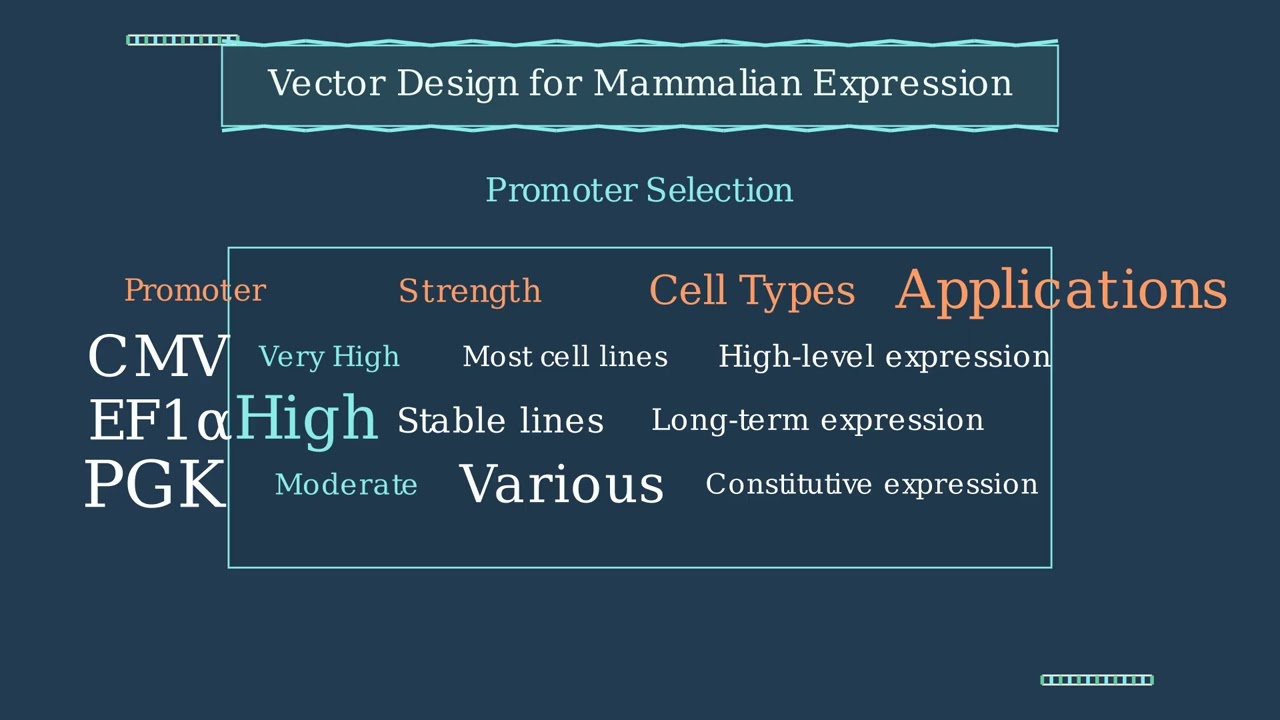
Recombinant DNA Technology -Explain recombinant DNA technology as a cornerstone of modern biotechnology. Describe how it involves combining DNA from different sources to create new genetic combinations. Detail the basic steps: isolation of DNA, cutting DNA with restriction enzymes, joining DNA fragments with ligase, and introducing recombinant DNA into host organisms. Highlight applications in medicine (insulin production), agriculture, and research. Show visual representations of the DNA recombination process.
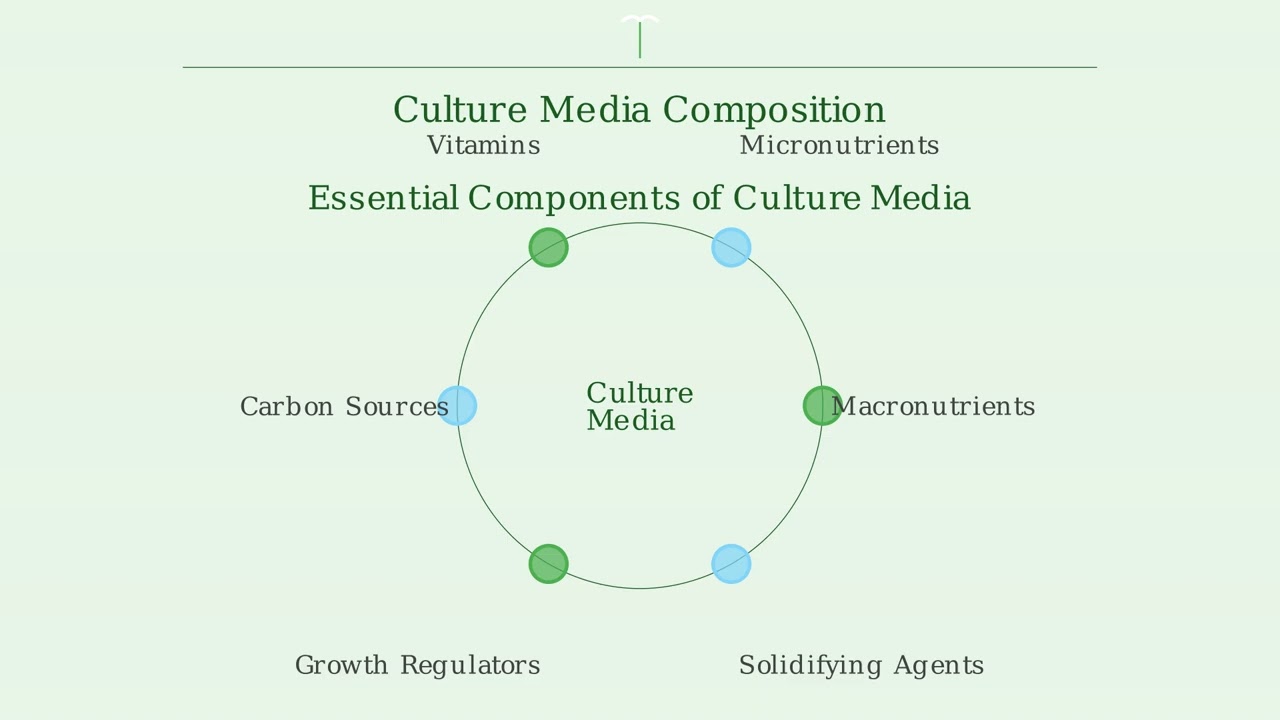
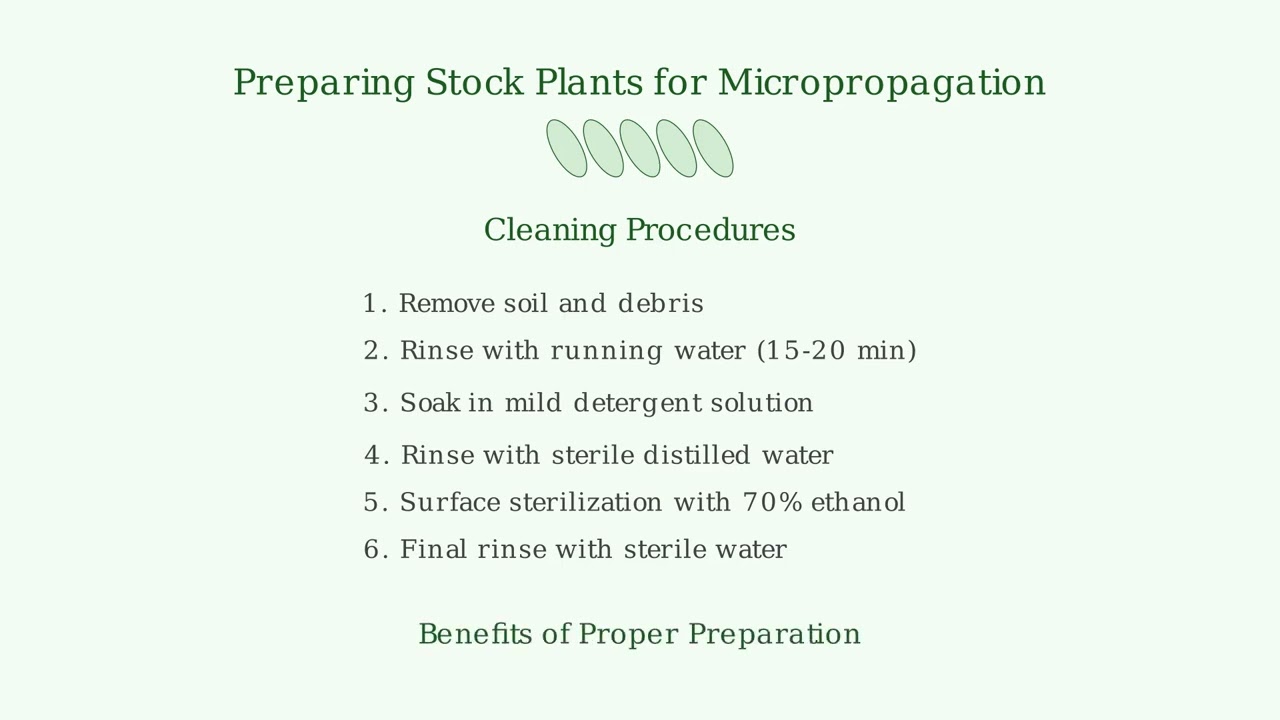
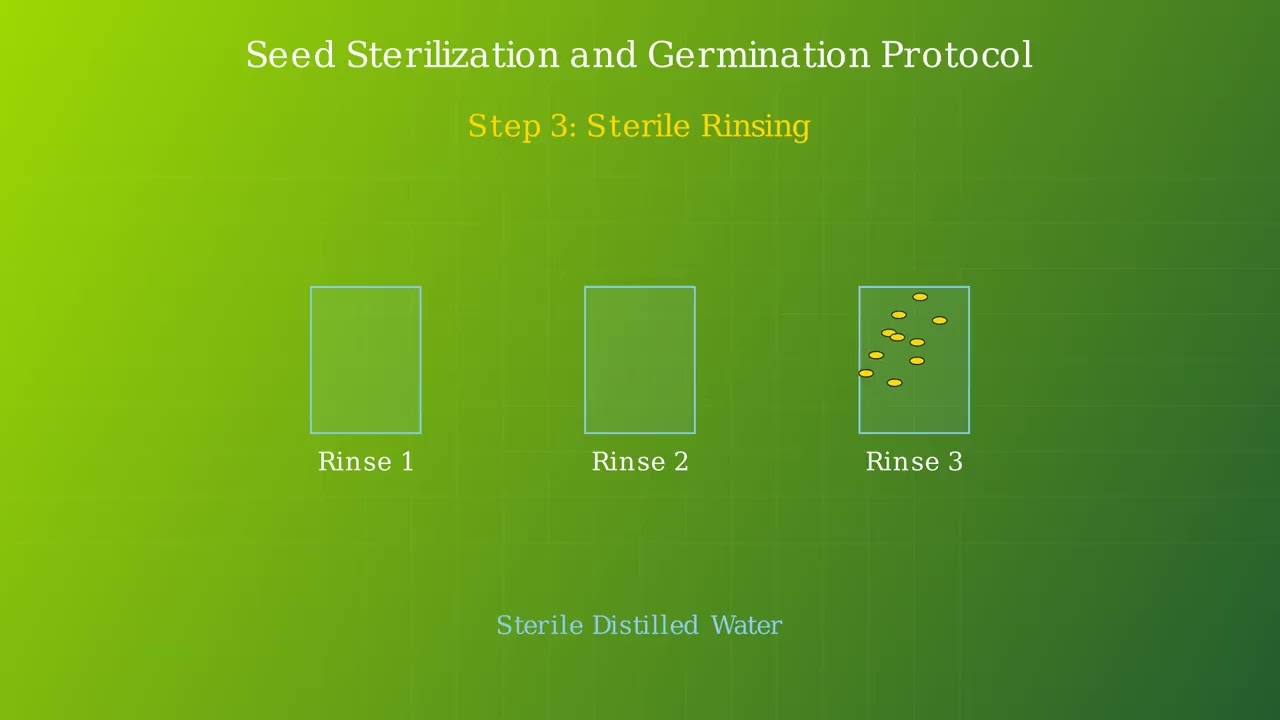
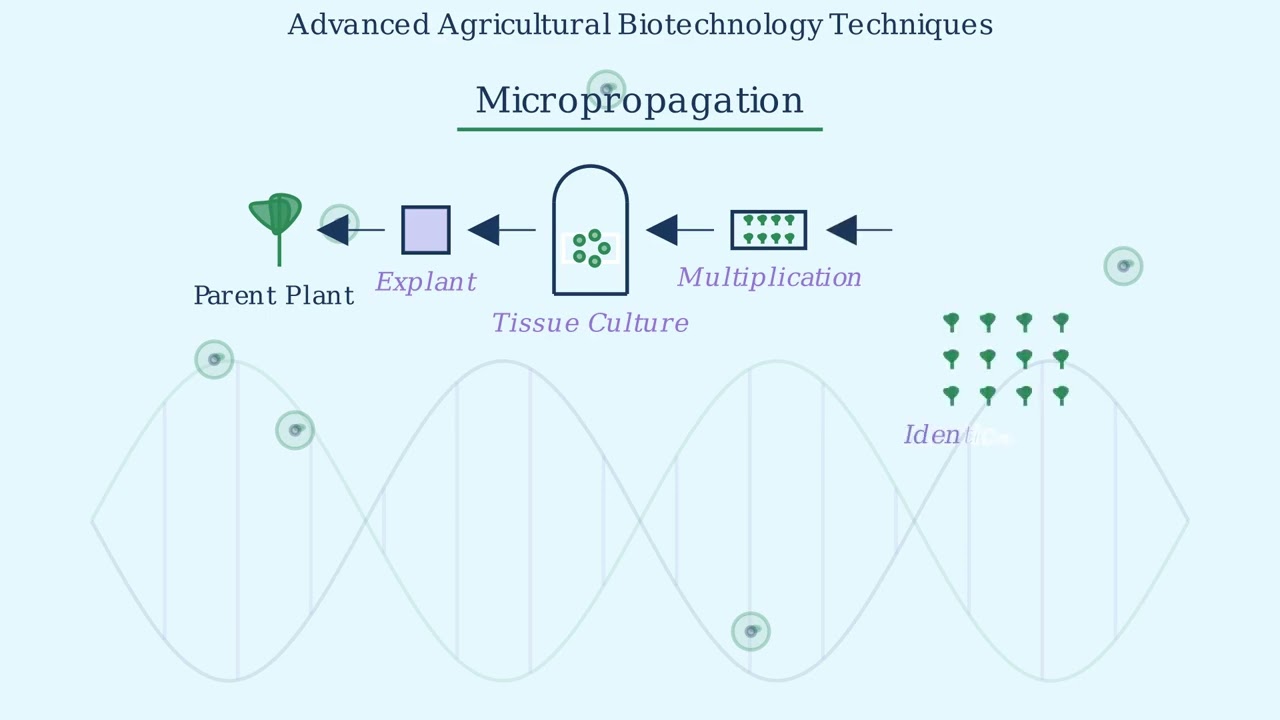
Plant Tissue Culture Techniques -Define plant tissue culture as growing plant cells, tissues, or organs in sterile conditions on artificial nutrient media. Explain key methods including micropropagation, embryo rescue, and protoplast fusion. Describe how these techniques enable rapid multiplication of disease-free plants, conservation of rare species, and development of improved crop varieties. Illustrate the laboratory setup required and the stages from explant to fully developed plant.
DNA Cloning: Principles and Methods -Explain DNA cloning as the process of making multiple identical copies of DNA fragments. Differentiate between molecular cloning (copying DNA fragments), cell cloning (producing identical cells), and organism cloning (creating genetically identical organisms). Detail the use of vectors like plasmids and the role of host organisms. Show how researchers use cloning to study gene function, produce proteins, and develop new biotechnology applications.
Microbial and Cell Cloning Applications -Focus on microbial cloning using bacteria and yeast as biofactories. Explain how microorganisms are engineered to produce valuable products like enzymes, antibiotics, and biofuels. Describe cell cloning in research, including the creation of cell lines for studying diseases and testing treatments. Highlight industrial applications where microbes produce compounds more efficiently than chemical synthesis methods.
Plant and Animal Cloning -Explain plant cloning techniques like grafting and tissue culture that create genetically identical plants. Detail animal cloning methods, focusing on somatic cell nuclear transfer (the technique used to create Dolly the sheep). Discuss applications in agriculture, conservation of endangered species, and research. Address technical challenges and success rates of different cloning approaches. Show the step-by-step process of creating a cloned animal.
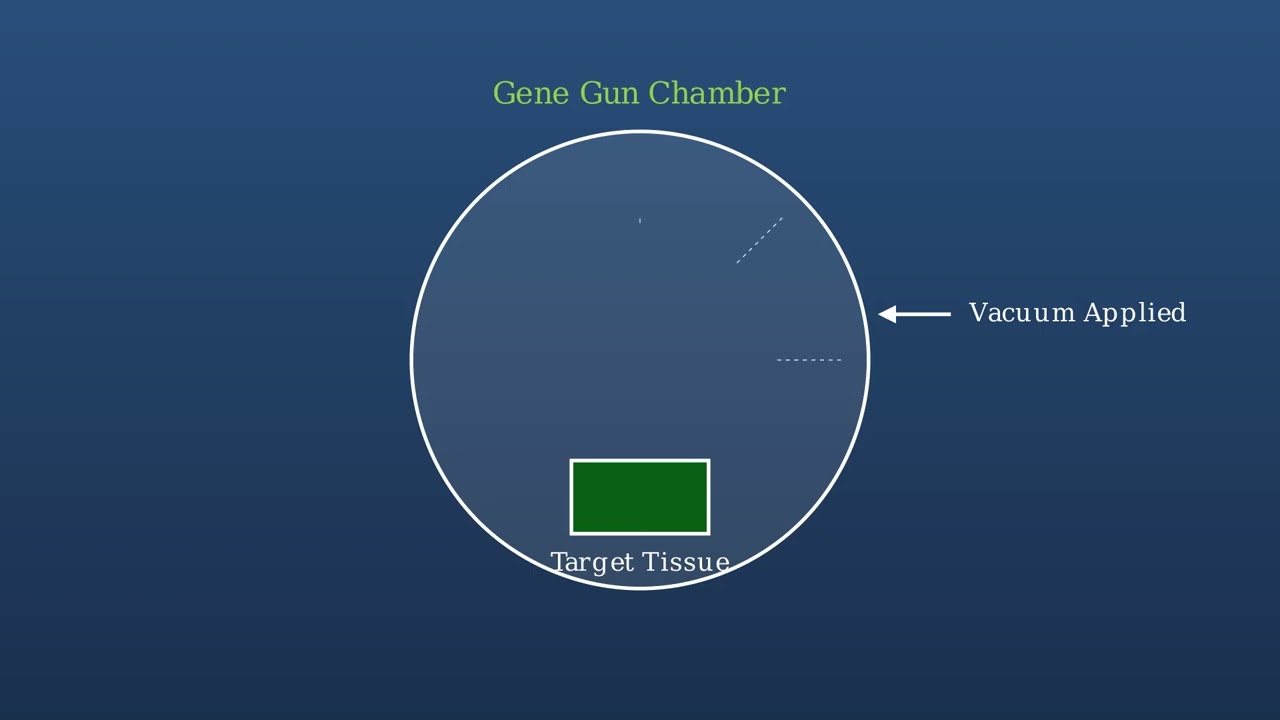
Genetically Modified Organisms: Creation and Types -Define GMOs as organisms whose genetic material has been altered using genetic engineering techniques. Explain the process of creating transgenic organisms by introducing foreign genes. Differentiate between types of GMOs: transgenic plants (Bt cotton, Golden Rice), transgenic animals, and genetically modified microorganisms. Illustrate the technical process of gene insertion using methods like Agrobacterium-mediated transformation and gene guns.
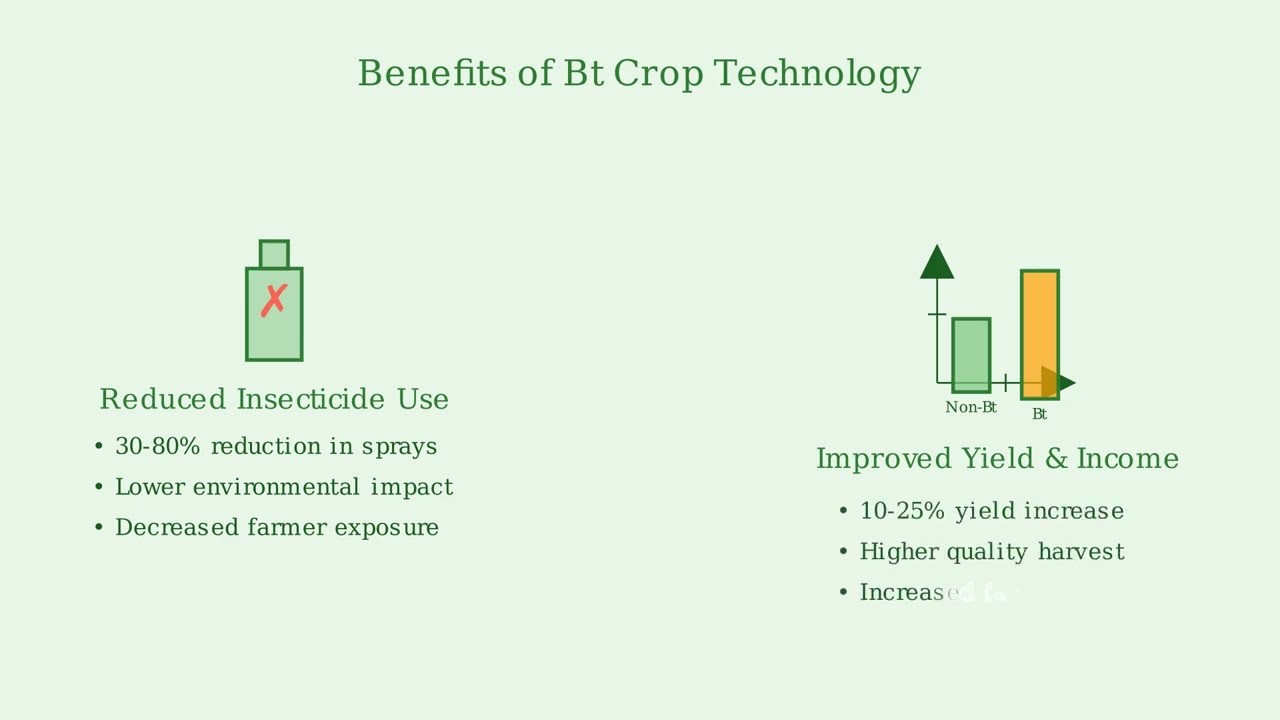
Applications of GMOs in Agriculture and Medicine -Detail how GMOs are used to create crops with improved traits like pest resistance, herbicide tolerance, and enhanced nutritional content. Explain medical applications including production of insulin, vaccines, and gene therapy vectors. Provide specific examples of commercially successful GM crops and medical products. Show statistics on adoption rates of GM crops worldwide and their economic impact.
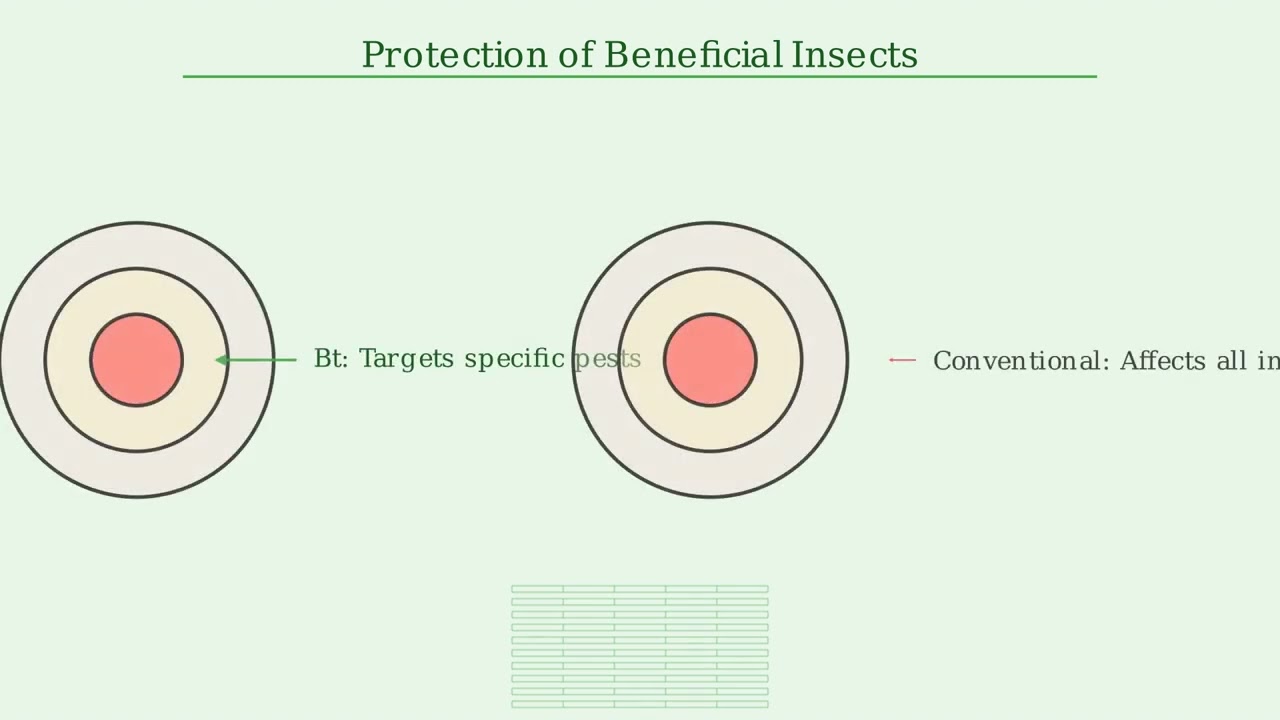
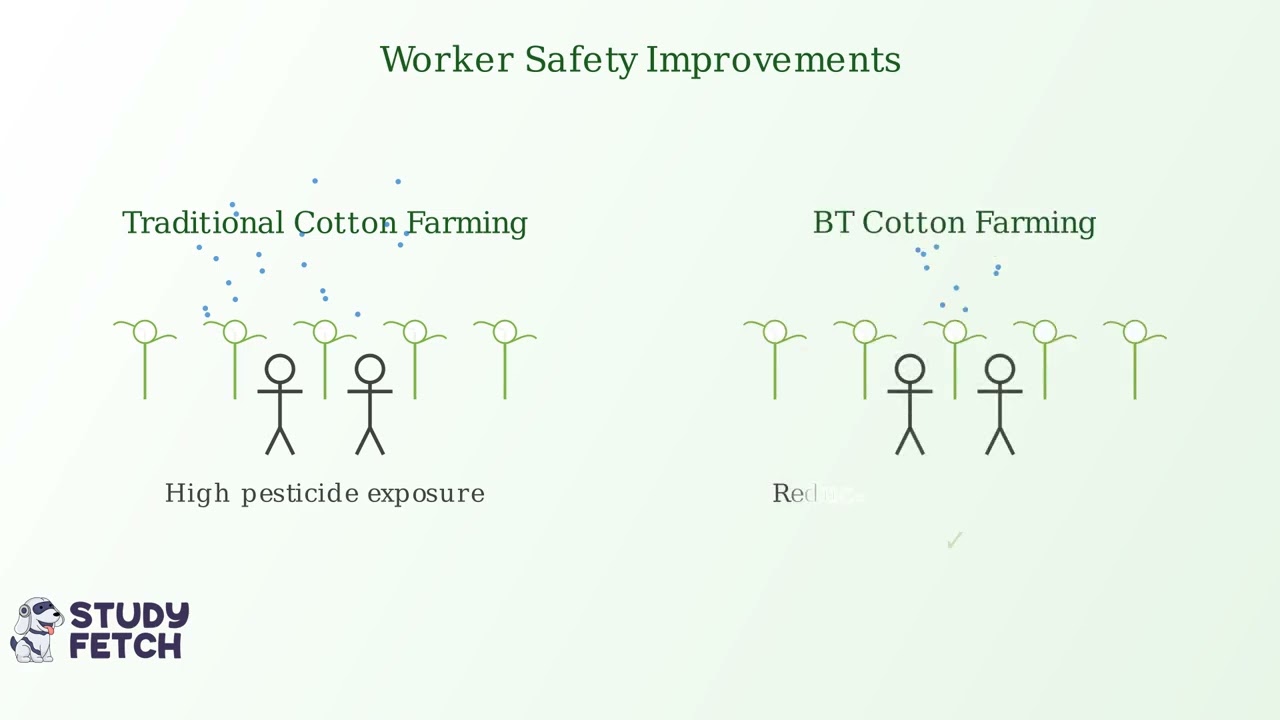
Advantages and Limitations of Biotechnology -Present the benefits of biotechnology: increased crop yields, reduced pesticide use, medical treatments, and environmental applications like bioremediation. Balance this with limitations: technical challenges, high development costs, and potential unintended consequences. Discuss how biotechnology offers solutions to global challenges like food security and disease treatment, while acknowledging the need for careful implementation and monitoring.
Ethical Considerations and Future Directions -Address concerns about biotechnology including safety issues, environmental impacts, and socioeconomic considerations. Discuss regulatory frameworks that govern biotechnology applications in different countries. Present emerging biotechnology trends like CRISPR gene editing, synthetic biology, and personalized medicine. Conclude with the importance of balancing innovation with responsible development and public engagement in biotechnology decisions.
Related Videos