

Inflammation is a protective reaction of body against injury, infection and harmful substances. It is a part of innate immune system. It helps to remove the harmful agent and starts tissue repair.
Inflammation is a protective defence reaction of the body which occurs against infection, toxic chemical, injury and tissue damage. It is a part of innate immune system and it helps the body to remove harmful agent. This reaction is essential for protection of body and also starts repair of damaged tissue.
During inflammation, the body detects harmful stimulus and releases different warning chemicals. These chemicals attract white blood cells to the affected area. The white blood cells destroy pathogens, remove dead cells and help in tissue healing.
The main aim of inflammation is to neutralize the harmful agent and restore the tissue into normal condition. When inflammation occurs near the body surface, it shows five common signs. These are redness, heat, swelling, pain and loss of function.
Inflammation may be of different types according to duration. The following are the main phases of inflammation-
Acute inflammation is a rapid and short-term response. It occurs immediately after injury or infection and usually ends within few days. It is mostly beneficial because it removes the cause and starts healing.
Subacute inflammation occurs when acute inflammation does not resolve completely. It usually lasts for about two to six weeks. In this stage, repair and inflammatory reaction may continue together.
Chronic inflammation is a long-lasting and slow inflammatory response. It may continue for months or years. It occurs when the body cannot remove the initial cause or when the immune system attacks its own healthy tissue.
Unlike acute inflammation, chronic inflammation may become harmful to the body. It causes progressive tissue damage, scarring and loss of normal function. It is also related with many severe chronic diseases.
Causes of Inflammation
The following are the important causes of inflammation–
- Infections
Inflammation may be caused by different infectious agents. These include bacteria, viruses, fungi, parasites and protozoa. Common viral infections like cold, flu and COVID-19 also produce inflammatory reaction in the body. - Physical injuries
Physical injury is one of the common cause of inflammation. It occurs due to direct tissue damage like cuts, wound, sprain and trauma. Burns, frostbite and ionizing radiation can also damage tissue and starts inflammation. - Foreign bodies and irritants
Some non-living or non-microbial substances may also cause inflammation. These substances are not easily removed by the body. Allergens, toxic chemicals, irritants, silica dust and asbestos are some examples. - Autoimmune and genetic disorders
In some diseases, the immune system attacks the body’s own healthy tissue. This produces long-lasting inflammation. Examples are rheumatoid arthritis, lupus and type 1 diabetes. Some genetic defects can also cause autoinflammatory disease, like Familial Mediterranean Fever. - Internal biochemical stressors
Dead cells, damaged cells and stressed cells release different signals inside the body. These signals can start inflammatory reaction. Accumulation of uric acid crystals, oxidized lipoproteins, advanced glycation end products and free radicals also causes inflammation and oxidative stress. - Lifestyle factors
Some lifestyle habits increase chronic inflammation. These include obesity, poor diet, cigarette smoking, alcohol intake and less physical activity. Diet rich in saturated fat, trans-fat and refined sugar can worsen the condition. Physical stress, emotional stress and sleep disorders are also related with inflammation. - Age and hormones
Increasing age is also associated with more inflammatory changes in the body. Decline of sex hormones like testosterone and estrogen may also contribute to inflammatory condition.
Types of Inflammation
The following are the types of inflammation–
- Acute inflammation-
Acute inflammation is a rapid inflammatory response of body. It occurs just after injury, trauma or infection. It is short term reaction and usually remains for few days. - Subacute inflammation-
Subacute inflammation is the stage between acute and chronic inflammation. It is not very rapid and also not very long lasting. It generally remains for two to six weeks. - Chronic inflammation-
Chronic inflammation is a slow inflammatory reaction which remains for long time. It may remain for months or years. It occurs when acute inflammation cannot remove the cause properly.
Chronic inflammation is of following types-
- Nonspecific proliferative inflammation-
This type of inflammation shows formation of non-specific granulation tissue. This tissue may grow and form lesion. Nasal polyp and cervical polyp are some examples. - Granulomatous inflammation-
This type of inflammation shows formation of small nodular lesion called granuloma. It is seen in some chronic infection and foreign body reaction. Tuberculosis and silica dust are important examples.
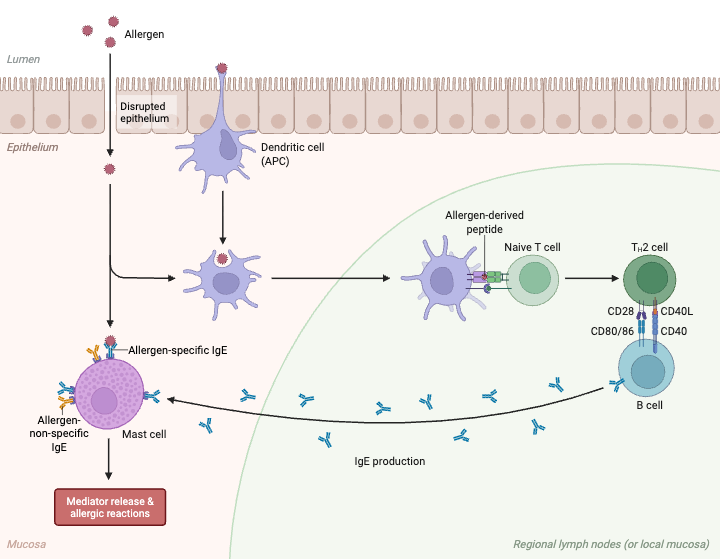
Cells Involved in Inflammation
The following are the important cells involved in inflammation–
- Neutrophils-
Neutrophils are the first cells that reach at the site of inflammation. They are mainly seen in acute inflammation. They destroy pathogens and also release inflammatory signals. - Macrophages-
Macrophages are large phagocytic cells. They remove foreign antigen, dead cells and damaged tissue by phagocytosis. They also release cytokines which regulate the inflammatory reaction. - Monocytes-
Monocytes are circulating white blood cells present in blood. They move to the site of inflammation. After reaching the tissue, they may change into macrophages. - Dendritic cells-
Dendritic cells are sentinel cells of innate immune system. They detect pathogens and tissue damage. They release cytokines and present antigen to other immune cells. - Mast cells-
Mast cells are present mainly in connective tissue. They become active after tissue injury or irritation. They release histamine and other chemicals which causes swelling and leakage of blood vessels. - Lymphocytes-
Lymphocytes include T-cells and B-cells. They act as next line of defence after neutrophils. They are important in chronic inflammation and produce cytokines and antibodies. - Natural Killer cells-
Natural Killer (NK) cells are immune cells which help to fight against infected and abnormal cells. Sometimes they become highly active. This may contribute to severe inflammatory reaction like cytokine storm. - Plasma cells-
Plasma cells are white blood cells formed from B-lymphocytes. They are seen mostly in prolonged inflammation. They move to injured site along with lymphocytes and produce antibodies. - Platelets-
Platelets are circulating cell fragments in blood. They help in clot formation and stop bleeding. They also release chemokines and other inflammatory mediators. - Endothelial cells-
Endothelial cells are the cells lining the blood vessels. At the site of injury, they release different proteins. These proteins help immune cells to move from blood into affected tissue. - Epithelioid cells and Giant cells-
Epithelioid cells and Giant cells are formed from activated macrophages. They are mainly found in granulomatous inflammation. They form cellular aggregates around chronic infection or foreign body.
Chemical Mediators of Inflammation
The following are the chemical mediators of inflammation–
- Cytokines-
Cytokines are protein substances which regulate inflammation. They are released by immune cells. IL-1, IL-6 and TNF-α are important cytokines. They cause fever and activates other inflammatory cells. - Chemokines-
Chemokines are signalling proteins. They attract white blood cells at the site of injury or infection. They mainly bring neutrophils and monocytes towards inflamed area. - Histamine-
Histamine is released mainly from mast cells. It causes widening of blood vessels. It also makes the vessel wall more permeable, so fluid comes out into tissue. Thus redness and swelling are produced. - Prostaglandins-
Prostaglandins are lipid substances formed from arachidonic acid. They are involved in pain and fever. They also dilate blood vessels during inflammation. - Leukotrienes-
Leukotrienes are also formed from arachidonic acid. They help white blood cells to attach with vessel wall. They causes contraction of smooth muscle and increase fluid leakage in the tissue. - Kinins-
Kinins are peptide mediators formed during tissue injury. Bradykinin is the main example. It increases permeability of blood vessels and causes swelling. It is also a strong pain producing substance. - Complement proteins-
Complement proteins are blood proteins which act in sequence. C3a, C3b and C5a are important in inflammation. They attract neutrophils, activate mast cells and coat pathogens for destruction. - Acute-phase proteins-
Acute-phase proteins are produced by liver during inflammation. C-Reactive Protein (CRP) and fibrinogen are important examples. They bind with bacteria and dead tissue and help in their removal. - Reactive Oxygen Species and Reactive Nitrogen Oxide Species-
Reactive Oxygen Species (ROS) and Reactive Nitrogen Oxide Species (RNOS) are reactive molecules. They are released by neutrophils and other cells. They kill pathogens, but in excess amount they damage tissue and produce oxidative stress.
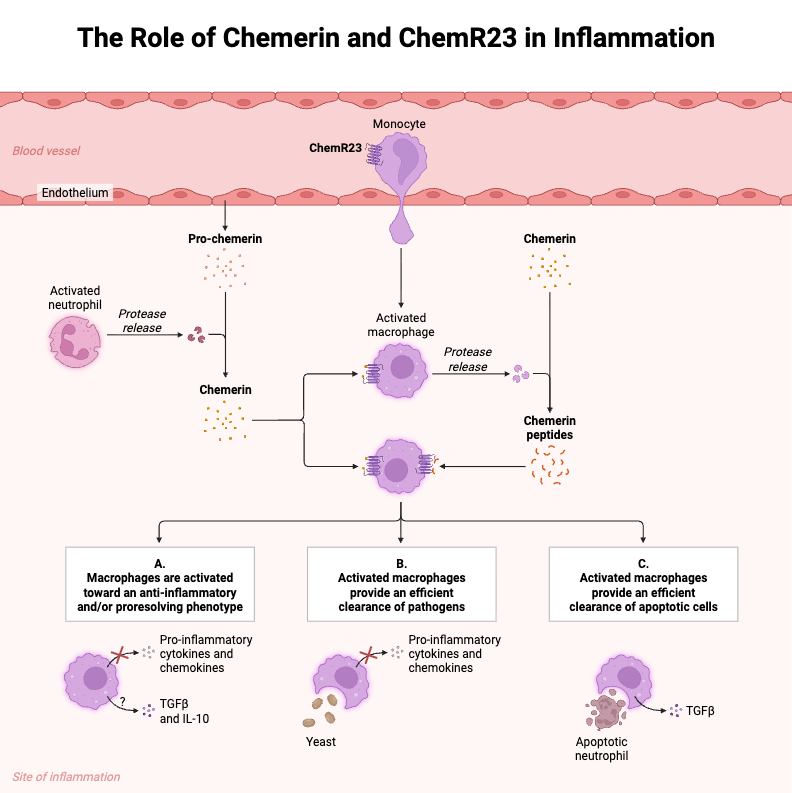
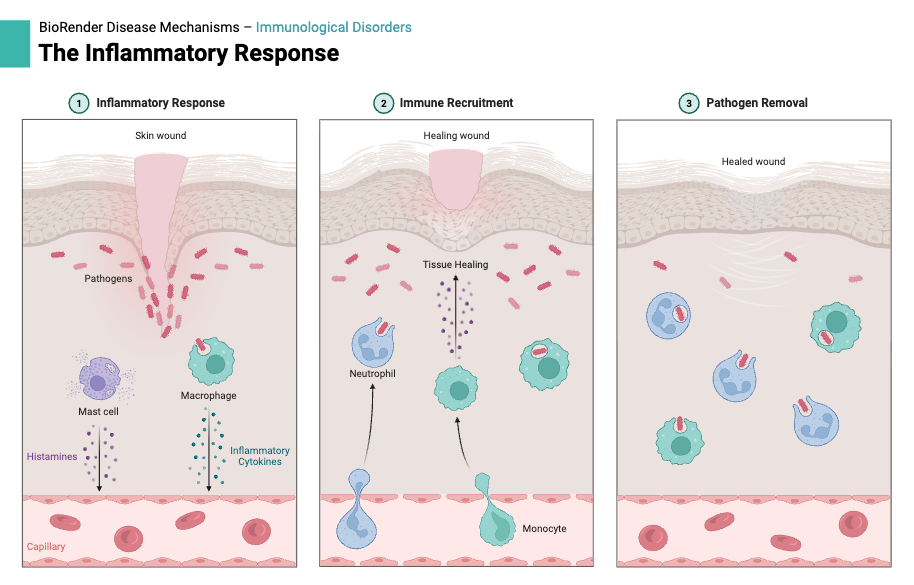
Mechanism of Acute Inflammation
The mechanism of acute inflammation occurs in following steps-
Step 1- Detection of harmful agent
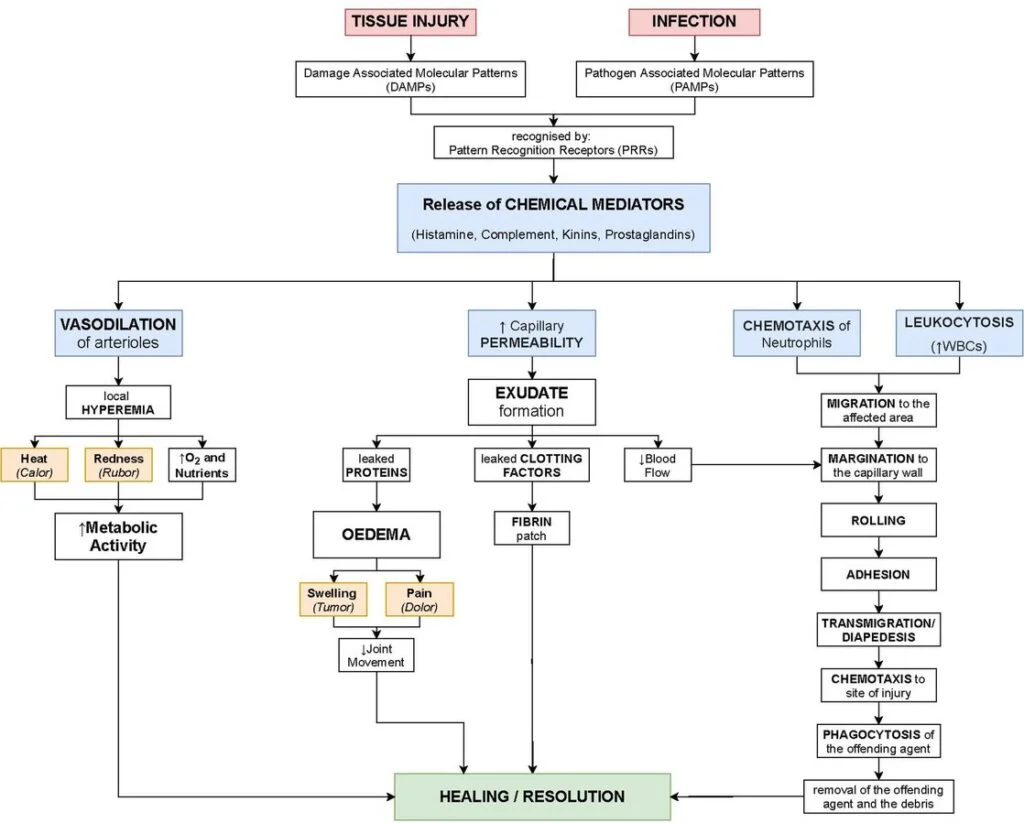
The process starts when harmful agent enters into the tissue or tissue is damaged. The harmful agent may be bacteria, virus, toxin, dead cells or injured tissue. These are detected by cells of innate immune system.
Step 2- Recognition by sensor cells
Macrophages, mast cells and dendritic cells act as sensor cells. They contain special receptors such as Toll-like receptors (TLRs). These receptors recognize danger signals and start the inflammatory reaction.
Step 3- Activation of cellular pathway
After recognition, the signal passes inside the cell. This activates cellular pathway and transcription factors like NF-kB. Then the cell starts formation of inflammatory chemicals.
Step 4- Release of chemical mediators
In this step, different chemical mediators are released. Mast cells release histamine, TNF and kinins. Cell membrane releases arachidonic acid, which forms prostaglandins and leukotrienes. Complement proteins like C3a, C5a and C3b are also formed.
Step 5- Activation of kinin and clotting system
Hageman factor is activated after tissue injury. It starts kinin system and forms bradykinin. Bradykinin increases vessel permeability and produces pain. It is an important mediator of acute inflammation.
Step 6- Vascular changes
The mediators act on local blood vessels. First there is vasodilatation, so more blood enters into the affected area. This produces redness and heat. Then the vessel wall becomes more permeable and fluid comes out into tissue. This produces swelling.
Step 7- Migration of white blood cells
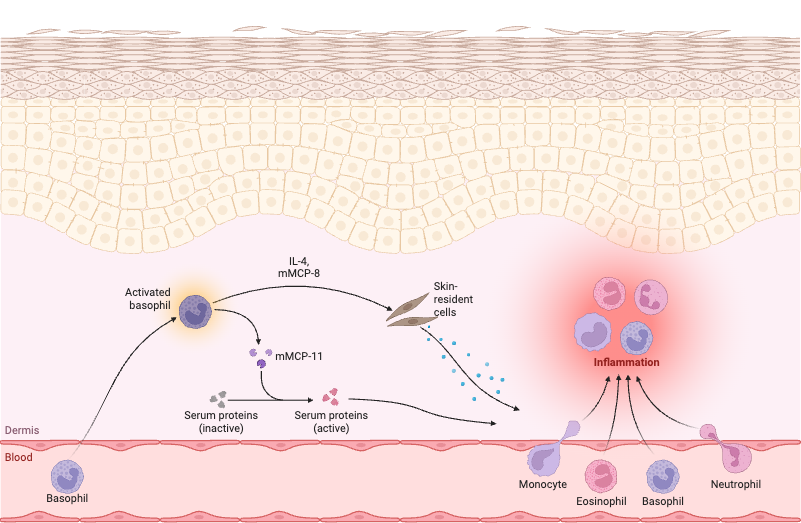
Chemokines and cytokines attract white blood cells towards the inflamed area. Neutrophils come first and attach with endothelial wall. Then they move out from blood vessel into the tissue. Later monocytes come and change into macrophages.
Step 8- Destruction of harmful agent
At the site of inflammation, neutrophils and macrophages engulf pathogens and dead tissue by phagocytosis. They release enzymes and reactive molecules. These substances kill microbes and remove necrotic tissue.
Step 9- Resolution and repair
After removal of harmful agent, inflammation starts to decrease. Macrophages clear dead cells and tissue debris. Then tissue repair begins. Finally the tissue returns toward normal condition, this is called homeostasis.
Mechanism of Chronic Inflammation
The mechanism of chronic inflammation occurs in following steps-
Step 1- Failure of acute inflammation
Chronic inflammation starts when acute inflammation cannot remove the causative agent. The harmful agent may remain inside the tissue for long time. It may be persistent infection, foreign body, autoimmune reaction or continuous tissue injury.
Step 2- Cellular transition
In early inflammation, neutrophils are the main cells. But they are short living cells. When inflammation continues for long time, neutrophils are gradually replaced by mononuclear cells. These cells remain in tissue for longer period.
Step 3- Infiltration of immune cells
The main feature of chronic inflammation is accumulation of inflammatory cells in the tissue. These cells include macrophages, lymphocytes and plasma cells. T-cells, B-cells and plasma cells are mainly seen in long continued inflammation.
Step 4- Activation of macrophages
Macrophages are the most important cells in chronic inflammation. They become activated by microbes, dead tissue and cytokines released from T-lymphocytes. Activated macrophages release many substances which maintain the inflammatory reaction.
Step 5- Release of inflammatory mediators
In this step, inflammatory cells continuously release chemical mediators. IL-1, TNF-α, growth factors and destructive enzymes are important mediators. These substances keep the inflammation active and also attract more immune cells into the tissue.
Step 6- Tissue destruction
The released enzymes, cytokines and reactive molecules cause damage of nearby tissue. So the tissue destruction continues slowly. This destruction may affect normal structure and function of the organ.
Step 7- Attempt of repair
At the same time, the body also tries to repair the damaged area. Growth factors stimulate formation of new blood vessels and connective tissue. So tissue damage and tissue healing occur together in chronic inflammation.
Step 8- Fibrosis and remodeling
When inflammation remains for months or years, repeated injury and repair causes excess deposition of fibrous tissue. This is called fibrosis. Due to fibrosis, scarring occurs and normal tissue architecture is disturbed.
Step 9- Granuloma formation
In some chronic inflammation, activated macrophages collect at one place and form nodular lesion. This lesion is called granuloma. It is seen in tuberculosis, foreign body reaction and some long lasting infections.
Step 10- Loss of normal function
Finally, continuous inflammation, fibrosis and tissue remodeling reduce normal function of the affected organ. The organ may become hard, scarred and less functional. This is the harmful effect of chronic inflammation.
Outcomes of Inflammation
The following are the outcomes of inflammation–
- Complete resolution and healing-
This is the best outcome of inflammation. The harmful agent is removed from the tissue. Damaged cells are repaired and the tissue comes back to normal condition. This normal state is called homeostasis. - Tissue destruction and scarring-
When inflammation remains for long time, it may damage the normal tissue. Healthy cells may be replaced by scar tissue. This scar tissue is non-functional and may reduce the normal work of the organ. - Fibrosis-
Fibrosis is the formation of excess fibrous tissue in the damaged area. It occurs due to repeated injury and repair. The tissue becomes hard and less flexible. It may cause permanent loss of movement or organ function. - Progression to chronic inflammation-
If acute inflammation cannot remove the harmful stimulus, then it changes into chronic inflammation. It becomes slow and long lasting reaction. Sometimes activated macrophages collect together and form nodular lesion called granuloma. - Development of chronic diseases-
Unresolved low grade inflammation may affect whole body. It is related with many chronic diseases. Cardiovascular disease, heart attack, stroke, type 2 diabetes, Alzheimer’s disease and some cancers are important examples. - Systemic complications-
Sometimes inflammation becomes very severe and uncontrolled. It may spread throughout the body. This condition is called Systemic Inflammatory Response Syndrome (SIRS). It is a dangerous complication of inflammation. - Organ failure and death-
Severe systemic inflammation may cause acute respiratory distress syndrome (ARDS), septic shock and multiple organ dysfunction syndrome (MODS). In this condition, many organs stop working properly. If not controlled, it may finally cause death.
Diseases Associated with Inflammation
The following are the diseases associated with inflammation–
- Cardiovascular diseases-
Inflammation is related with many diseases of heart and blood vessels. Heart disease, atherosclerosis, heart attack, high blood pressure and stroke are included in this group. In atherosclerosis, arteries become hard and narrow. - Metabolic disorders-
Type 2 diabetes and obesity are associated with chronic inflammation. In obesity, fat tissue releases inflammatory substances. These substances disturb normal metabolism and insulin action. - Autoimmune and joint diseases-
In these diseases, immune system attacks own body tissue. This causes continuous inflammation. Rheumatoid arthritis, systemic lupus erythematosus (SLE), multiple sclerosis and osteoarthritis are some examples. - Neurodegenerative diseases-
These diseases affect brain and nerve cells. Alzheimer’s disease, dementia and cognitive decline are related with inflammation. Long continued inflammation may slowly damage nerve tissue. - Gastrointestinal disorders-
Inflammation may occur in digestive tract. Inflammatory bowel disease (IBD) is important example. It includes Crohn’s disease and ulcerative colitis. - Respiratory conditions-
Inflammation may affect lungs and air passage. Asthma, chronic obstructive pulmonary disease (COPD) and allergic reactions are included here. Hay fever is an allergic inflammatory condition. - Cancers-
Chronic inflammation is associated with many types of cancer. These are colorectal, lung, stomach, breast, liver, prostate and pancreatic cancers. Long inflammation may support abnormal growth of cells. - Skin diseases-
Eczema, psoriasis and acne are common skin diseases related with inflammation. These diseases show redness, itching, swelling and irritation of skin. - Mental health disorders-
Depression, anxiety and mood disorders are also linked with inflammation. Chronic inflammation may affect brain function and mood. - Organ-specific acute inflammation-
In some condition, inflammation occurs in a single organ. Acute pancreatitis is inflammation of pancreas. Hepatitis is inflammation of liver. Acute kidney inflammation occurs in kidney tissue. - Systemic inflammatory conditions-
Some diseases show inflammation in whole body. Sepsis, severe COVID-19, acute respiratory distress syndrome (ARDS) and cytokine release syndrome (CRS) are important examples. These may become severe and life threatening.
Diagnosis of Inflammation
The following are the diagnosis of inflammation–
- Physical examination and medical history-
This is the first step for diagnosis. The history of patient is taken. The affected area is checked for redness, heat, swelling, pain and loss of function. - C-Reactive Protein test-
C-Reactive Protein (CRP) is a blood test. It is an acute phase protein made by liver. Its level increases rapidly in inflammation. So it is used for acute inflammation and for checking treatment response. - High-Sensitivity CRP test-
High-Sensitivity CRP (hs-CRP) is more sensitive form of CRP test. It detects very low amount of inflammation. It is mainly used to know risk of cardiovascular disease. - Erythrocyte Sedimentation Rate-
Erythrocyte Sedimentation Rate (ESR) is a non-specific blood test. It measures settling of red blood cells at the bottom of tube. In inflammation, some proteins coat red cells and settling becomes faster. - Use of ESR-
ESR increases and decreases slowly than CRP. So it is less useful in acute inflammation. It is useful in chronic inflammatory diseases like rheumatoid arthritis, polymyalgia rheumatica and giant cell arteritis. - Procalcitonin test-
Procalcitonin (PCT) is a blood test. It increases mainly in bacterial infection. It is used to separate bacterial infection from viral infection. It is also used in sepsis and for guiding antibiotic treatment. - SIRS criteria-
Systemic Inflammatory Response Syndrome (SIRS) is used for severe whole body inflammation. It is diagnosed when two or more findings are present. These are abnormal body temperature, high heart rate, high respiratory rate and abnormal white blood cell count. - Additional laboratory tests-
Other tests are also used in systemic or chronic inflammation. These are fibrinogen level, serum protein electrophoresis (SPE) and cytokine tests like TNF-alpha, IL-1 beta and IL-6. Cytokine tests are costly and not commonly used like CRP and ESR.
Treatment and Control of Inflammation
The following are the treatment and control of inflammation–
- Nonsteroidal anti-inflammatory drugs-
Nonsteroidal anti-inflammatory drugs (NSAIDs) are commonly used drugs. Ibuprofen, naproxen and aspirin are important examples. They block cyclooxygenase (COX) enzymes and decrease formation of prostaglandins. So pain, fever and swelling are reduced. - Topical NSAIDs-
Topical NSAIDs are applied on skin as gel, cream or patch. They are used in local joint pain and muscle pain. They act mainly at the affected area and produce less whole body side effects. - Corticosteroids-
Corticosteroids are strong anti-inflammatory drugs. Prednisone, cortisone and dexamethasone are important examples. They act like adrenal hormones and suppress immune response. They reduce swelling and inflammation. - Use of corticosteroids-
Corticosteroids may be given by mouth, inhalation, injection or topical application. They may also be injected directly into joint or tissue. They are used when inflammation is more severe or not controlled by simple drugs. - Biologics and immunosuppressants-
Biologics are used in severe autoimmune and inflammatory diseases. They target specific inflammatory cytokines like TNF-alpha and IL-6. Some drugs also act on special immune cells and reduce abnormal immune reaction. - Other medicines-
Some medicines also reduce inflammatory markers in blood. Metformin and statins are examples. They are mainly used for other diseases but also show anti-inflammatory effect. - RICE method-
RICE method is used in acute soft tissue injury. It means Rest, Ice, Compression and Elevation. It is used in first 24 to 48 hours. It helps to control swelling, bleeding and pain. - Modern active recovery-
Newer methods do not support long rest and excess ice. Because it may delay natural healing. MEAT and PEACE & LOVE methods are used in sports injury. They include early painless movement, gradual exercise and active recovery. - Anti-inflammatory diet-
Anti-inflammatory diet includes whole and natural foods. Fruits, vegetables, legumes, whole grains, nuts and olive oil are useful. These foods contain antioxidants and polyphenols which reduce inflammation. - Omega-3 fatty acids-
Omega-3 fatty acids are important anti-inflammatory nutrients. They are present in fatty fish like salmon and tuna. Flaxseeds are also a good source. They help to stop inflammatory cascade. - Avoid pro-inflammatory foods-
Some foods increase inflammation in body. Ultra-processed foods, refined carbohydrates, added sugar, deep fried foods, saturated fat and trans fat should be limited. These foods may disturb gut microbiome and activate inflammatory pathways. - Regular physical activity-
Regular exercise helps to control inflammation. Aerobic exercise and strength training regulate immune system. It also helps in release of anti-inflammatory cytokines. - Weight management-
Healthy body weight is important for controlling inflammation. Excess fat tissue releases inflammatory mediators. So obesity increases chronic inflammation in the body. - Stress reduction-
Chronic stress increases inflammation. Physical and emotional stress releases stress hormones. Yoga, deep breathing and meditation helps to calm nervous system and reduce inflammatory effect. - Adequate sleep-
Proper sleep is needed for repair of body. Seven to nine hours sleep is usually useful for adults. Poor sleep and sleep disorder increases risk of inflammation. - Avoid environmental toxins-
Smoking, excess alcohol, sun damage and toxic chemicals can increase inflammation. Quitting smoking and limiting alcohol are important. Sunscreen and avoiding harmful chemicals also reduce inflammatory triggers. - Treatment of severe systemic inflammation-
Severe inflammation like sepsis, SIRS and cytokine release syndrome (CRS) need urgent medical treatment. Intravenous fluids, oxygen, ventilator support, vasopressors and broad spectrum antibiotics may be used. These treatments support organs and remove the main infection.
Clinical Significance of Inflammation
The following are the clinical significance of inflammation–
- Cardinal signs-
Inflammation is clinically identified by five classical signs. These are redness, heat, swelling, pain and loss of function. These signs are mainly seen in localized acute inflammation. - Cause of redness and heat-
Redness and heat occurs due to increased blood flow in the affected area. The local blood vessels become dilated. So more blood comes into the inflamed tissue. - Cause of swelling and pain-
Swelling occurs due to increased permeability of blood vessels. Fluid comes out from blood into the tissue. Pain occurs due to release of pain producing chemical mediators at the injured site. - Diagnostic value-
Inflammatory markers are used for diagnosis of inflammation. C-Reactive Protein (CRP), Erythrocyte Sedimentation Rate (ESR) and Procalcitonin (PCT) are important tests. These tests help to detect acute and chronic inflammation. - Prognostic value-
Inflammatory markers are also used to know progress of disease. They help to see whether inflammation is increasing or decreasing. They are also useful for checking response of patient to treatment. - Differentiation of infection-
Procalcitonin (PCT) is useful in differentiating bacterial and viral infection. It increases more in bacterial infection. So it helps in selection and duration of antibiotic treatment. - Cardiovascular risk-
High-Sensitivity CRP (hs-CRP) detects low grade inflammation in blood. It is useful in persons without clear symptoms. It helps to estimate risk of cardiovascular disease and may help in preventive treatment. - Role in chronic diseases-
Inflammation is an important mechanism in many chronic diseases. Atherosclerosis, acute pancreatitis, inflammatory bowel disease and cancers are related with inflammation. Crohn’s disease is an important example of inflammatory bowel disease. - Early warning sign-
Severe inflammation may affect whole body. Abnormal body temperature, high heart rate and high respiratory rate are important clinical signs. These are used in diagnosis of Systemic Inflammatory Response Syndrome (SIRS). - Severe complications-
SIRS helps to identify dangerous systemic inflammation early. It may occur in sepsis and other severe conditions. Early detection is important because it may progress into septic shock and multiple organ dysfunction syndrome (MODS).
Advantages of Inflammation
The following are the beneficial effects of inflammation–
- Defence mechanism-
Inflammation is an important defence mechanism of body. It is a part of innate immune system. It protects body from bacteria, viruses, fungi, parasites, toxic chemicals and physical injury. - Removal of harmful agents-
Inflammation helps to identify and remove harmful agents. It clears foreign pathogens from the tissue. It also removes dead cells and damaged tissue materials. - Recruitment of immune cells-
During inflammation, chemical signals are released at the affected site. These signals attract white blood cells. Neutrophils and macrophages come to the site and destroy microbes and tissue debris. - Phagocytosis-
Inflammation helps in phagocytosis of microbes and dead cells. Neutrophils and macrophages engulf the harmful particles. Thus the infected and damaged area becomes clean. - Tissue repair-
Inflammation is needed before proper healing. It starts the process of wound healing. It helps in repair of damaged tissue and regeneration of cells. - Prevention of spread of infection-
Inflammatory reaction helps to localize the harmful agent in one area. This prevents spread of infection to other tissues. Clotting and swelling also help to limit the movement of microbes. - Restoration of normal condition-
The final aim of inflammation is to remove the cause and repair the tissue. After this, the body returns to normal condition. This normal balanced condition is called homeostasis.
Harmful Effects of Inflammation
The following are the harmful effects of inflammation–
- Tissue destruction-
When inflammation remains for long time, it damages normal tissue. The inflammatory cells release enzymes and reactive substances. These substances destroy healthy cells also. - Scarring and fibrosis-
Long continued inflammation causes repeated injury and repair. In this condition, fibrous tissue is deposited in the damaged area. This is called fibrosis. It produces permanent scar and reduces normal organ function. - Autoimmune attack-
In some diseases, immune system attacks own body tissue. The normal tissue is wrongly identified as foreign material. This causes diseases like rheumatoid arthritis, lupus and multiple sclerosis. - Chronic diseases-
Chronic low grade inflammation is related with many severe diseases. Cardiovascular disease, type 2 diabetes, cancers and Alzheimer’s disease are important examples. In these diseases inflammation continues slowly for long period. - Systemic inflammatory response-
Sometimes inflammation spreads in whole body. This condition is called Systemic Inflammatory Response Syndrome (SIRS). It is severe and uncontrolled form of inflammation. - Cytokine storm-
In some condition, inflammatory cytokines are released in very high amount. This is called cytokine storm. It causes widespread tissue damage and may disturb normal body functions. - Blood clotting and shock-
Severe inflammation may increase clot formation in blood. This is called hypercoagulability. It may also lead to sepsis, septic shock and poor blood supply to organs. - Respiratory distress and organ failure-
Uncontrolled inflammation may damage lungs and other organs. It may cause acute respiratory distress syndrome (ARDS) and multiple organ failure. These conditions are life threatening. - Daily symptoms-
Prolonged inflammation produces many disturbing symptoms. These include chronic joint pain, tiredness, skin rashes and digestive problem. It may also cause anxiety, depression and brain fog.
References
- Hannoodee, S., & Nasuruddin, D. N. (2024). Acute inflammatory response. StatPearls Publishing. https://www.ncbi.nlm.nih.gov/books/NBK556083/.
- Harvard Health Publishing. (n.d.). All about inflammation. Harvard Health. https://www.health.harvard.edu/healthy-aging-and-longevity/all-about-inflammation.
- American Health Care Academy. (2025). RICE method: What it stands for and how to treat injuries effectively. https://cpraedcourse.com/blog/rice-method/.
- Shmerling, R. H. (2022, May 5). An action plan to fight unhealthy inflammation: Harvard Health. Invision Sally Jobe. https://www.invisionsallyjobe.com/post/an-action-plan-to-fight-unhealthy-inflammation-harvard-health.
- Yune, S., & Kelley, J. T. (2025). C-Reactive protein and erythrocyte sedimentation rate test use (Version 1.0). College of American Pathologists. https://documents.cap.org/documents/C-ReactiveProteinandErythrocyteSedimentationRateTestUse.pdf.
- Guidelines and Protocols Advisory Committee. (2018, December 5). C-Reactive protein and erythrocyte sedimentation rate testing. Province of British Columbia. https://www2.gov.bc.ca/gov/content/health/practitioner-professional-resources/bc-guidelines/esr.
- Pahwa, R., Goyal, A., & Jialal, I. (2023). Chronic inflammation. StatPearls Publishing. https://www.ncbi.nlm.nih.gov/books/NBK493173/.
- Creative Proteomics. (n.d.). Cytokine storms: Mechanisms, molecular pathways, and analysis techniques. https://cytokine.creative-proteomics.com/cytokine-storms-mechanisms-molecular-pathways-analysis-techniques.htm.
- Wikipedia contributors. (2026, February 1). Cytokine release syndrome. In Wikipedia, The Free Encyclopedia. https://en.wikipedia.org/w/index.php?title=Cytokine_release_syndrome&oldid=1335967540.
- Jaffer, U., Wade, R. G., & Gourlay, T. (2010). Cytokines in the systemic inflammatory response syndrome: A review. HSR Proceedings in Intensive Care and Cardiovascular Anesthesia, 2(3), 161–175. https://pmc.ncbi.nlm.nih.gov/articles/PMC3484588/.
- Tennant, F. (2024, November 18). Erythrocyte sedimentation rate and C-reactive protein: Old but useful biomarkers for pain treatment. MedCentral. https://www.medcentral.com/pain/chronic/erythrocyte-sedimentation-rate-c-reactive-protein-old-useful-biomarkers-pain-treatment.
- Superpower Science Team. (2026, April 3). ESR vs. CRP: Key differences, when each is used and how to interpret results. Superpower. https://superpower.com/biomarker-guides/esr-vs-crp.
- Van Thomme, G. (2026, March 20). How to reduce inflammation in the body. UT MD Anderson Cancer Center. https://www.mdanderson.org/cancerwise/how-to-reduce-inflammation-in-the-body.h00-159853767.html.
- Cleveland Clinic. (2020). Inflammation [PDF]. Cleveland Clinic Foundation. https://my.clevelandclinic.org/-/scassets/files/org/rehabilitation-sports-therapy/moving-smarter-nutrition-handout.pdf.
- Inflammation: The cause of all diseases. (n.d.). PubMed Central (PMC). https://pmc.ncbi.nlm.nih.gov/articles/PMC11592557/.
- Pearson, L. N., & Rudolf, J. (2025, June). Inflammatory markers. ARUP Consult. https://arupconsult.com/content/inflammatory-markers.
- Department of Health, State Government of Victoria, Australia. (2021). Medications – non-steroidal anti-inflammatory drugs. Better Health Channel. https://www.betterhealth.vic.gov.au/health/conditionsandtreatments/medications-non-steroidal-anti-inflammatory-drugs.
- Harrold, A., & Miller, J. (n.d.). NSAIDs and corticosteroids. Sports Medicine Today. https://www.sportsmedtoday.com/nsaids-and-corticosteroids-va-160.htm.
- Cleveland Clinic. (2023, July 24). NSAIDs (Nonsteroidal anti-inflammatory drugs). https://my.clevelandclinic.org/health/treatments/11086-non-steroidal-anti-inflammatory-medicines-nsaids.
- Zubair, M., & Burns, B. (2024). Pathology, inflammation. StatPearls Publishing. https://www.ncbi.nlm.nih.gov/books/NBK534820/.
- Amaechi, O., Huffman, M. M., & Featherstone, K. (2021). Pharmacologic therapy for acute pain. American Family Physician, 104(1), 63-72. https://www.aafp.org/afp/2021/0700/p63.
- Mayo Clinic Staff. (2026, January 21). Prednisone and other corticosteroids. Mayo Clinic. https://www.mayoclinic.org/tests-procedures/cortisone-shots/in-depth/steroids/art-20045692.
- Harvard Health Publishing. (2026, March 30). Quick-start guide to an anti-inflammation diet. Harvard Health. https://www.health.harvard.edu/diet-and-nutrition/quick-start-guide-to-an-antiinflammation-diet.
- Cleveland Clinic. (2025, January 24). RICE method for injury. https://my.clevelandclinic.org/health/treatments/rice-method.
- Baddam, S., & Burns, B. (2025). Systemic inflammatory response syndrome. StatPearls Publishing. https://www.ncbi.nlm.nih.gov/books/NBK547669/.
- Wikipedia contributors. (2026, March 19). Systemic inflammatory response syndrome. In Wikipedia, The Free Encyclopedia. https://en.wikipedia.org/w/index.php?title=Systemic_inflammatory_response_syndrome&oldid=1344347269.
- The physiological spectrum of inflammation: Comprehensive mechanisms, etiologies, symptomatology, and clinical therapeutics. (n.d.)..
- What exactly is inflammation (and what is it not?). (n.d.). PubMed Central (PMC). https://pmc.ncbi.nlm.nih.gov/articles/PMC9738871/.
- Orlando Senior Help Desk. (2023). What to do when you’re in pain: From RICE to MEAT – Understanding injury recovery protocols. https://orlandoseniorhelpdesk.org/what-to-do-when-youre-in-pain-from-rice-to-meat-understanding-injury-recovery-protocols/.