

Cells of immune system are the protective cells of the body. These cells are concerned with defence against microorganisms, foreign particles, toxins and abnormal cells of own body. Most of these cells are formed in the bone marrow from hematopoietic stem cells.
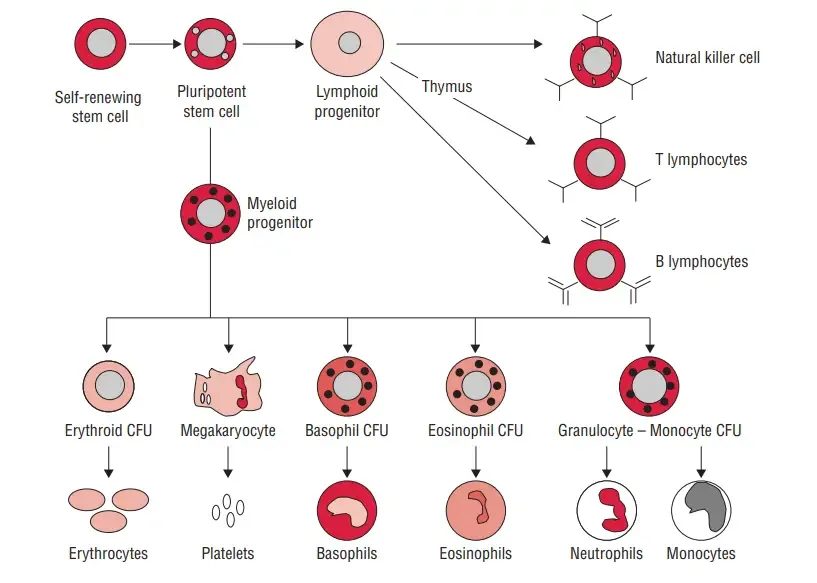
The hematopoietic stem cell gives rise to different blood cells. In immune system, two major cell lineages are important. These are myeloid lineage and lymphoid lineage. From these lineages different types of immune cells are produced.
Myeloid lineage mostly includes cells of innate immunity. It acts rapidly. There is no need of previous exposure with same antigen. This lineage forms monocytes, macrophages, dendritic cells, granulocytes and mast cells.
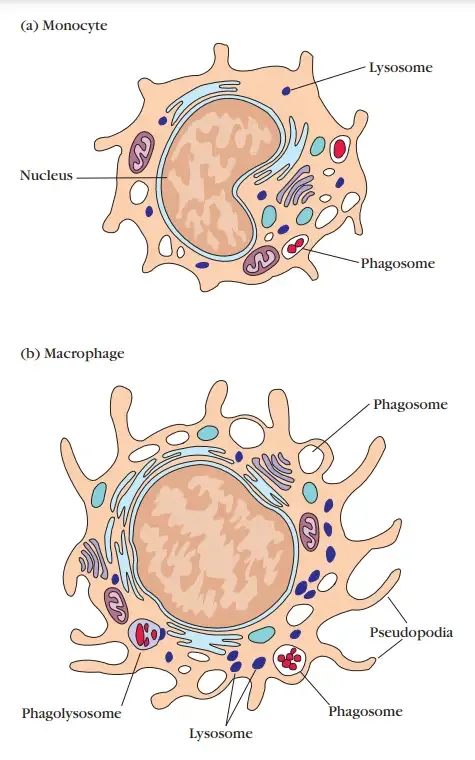
Monocytes are circulating cells of blood. They are large cells. When monocytes enter in tissue, they develop into macrophages. The macrophage is phagocytic in nature. It engulfs bacteria, dead cells and other cell debris. Antigen presentation is also done by them.
Dendritic cells are another important myeloid cell. They are called professional antigen presenting cells. They are present in skin, mucosal surfaces and many tissue areas. These cells catch the foreign antigen. Then they move to lymph node and show the antigen to T cells.
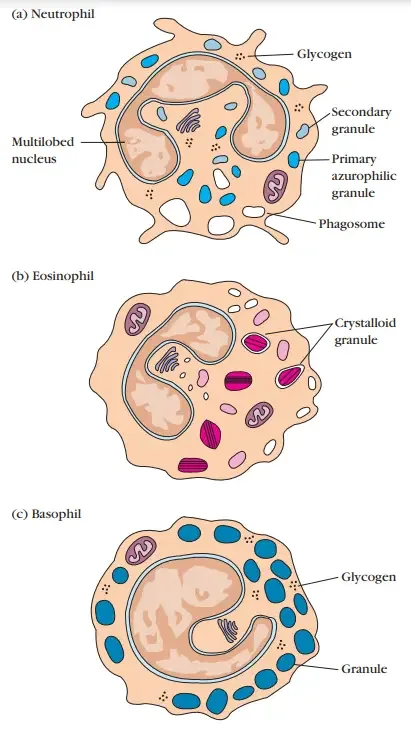
Granulocytes are the cells having granules in cytoplasm. The granules contain enzymes, toxic proteins and other killing substances. Neutrophils, eosinophils and basophils are included under this group.
Neutrophils are most abundant granulocyte in blood. At the site of infection they reach early. They destroy microbes by phagocytosis. In some condition they also release neutrophil extracellular traps (NETs), which trap the microbes outside the cell.
Eosinophils mainly work during parasitic infection. Their granules are toxic to parasites. They also take part in allergic condition. Basophils are less in number but important in allergy. They release histamine and other mediators.
Mast cells are tissue cells. They are present in connective tissue and mucosal area. During acute inflammation and allergic reaction, mast cells release histamine. Due to this local inflammatory changes are produced.
Lymphoid lineage mostly forms cells of adaptive immunity. This type of immunity is specific. It may also produce memory response. The main cells formed from this lineage are B lymphocytes, T lymphocytes, Natural Killer cells and Innate Lymphoid Cells.
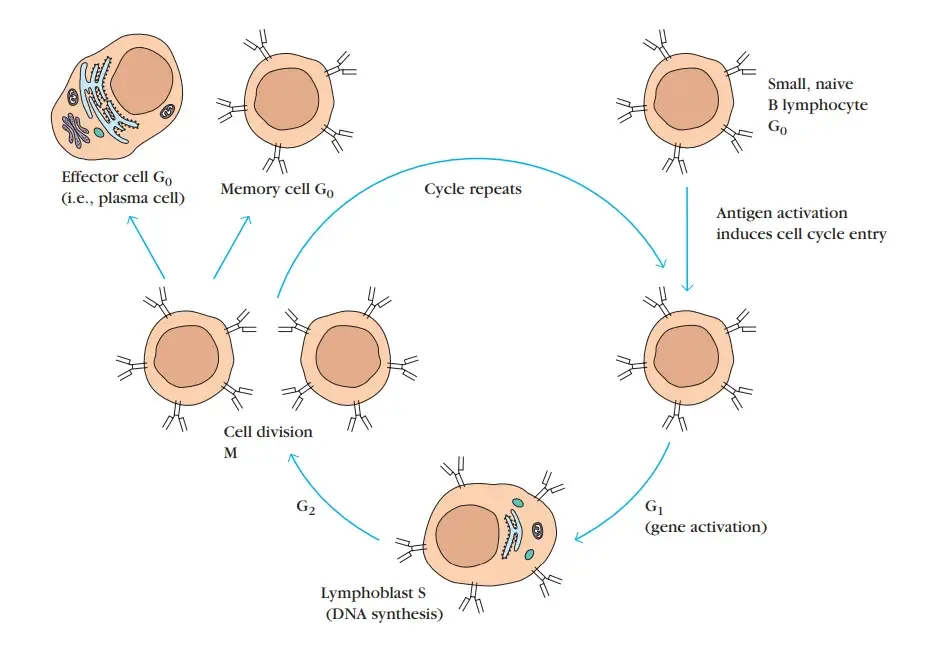
B lymphocytes are related with antibody mediated immunity. After stimulation by antigen, the B cell changes into plasma cell. Plasma cell secretes antibodies. Some B cells become memory B cells, which remain for long time and respond faster during next infection.
T lymphocytes are involved in cell mediated immunity. They are not antibody producing cells. Mainly two types are present, CD4⁺ helper T cells and CD8⁺ cytotoxic T cells. The helper T cell secretes cytokines and controls other immune cells. The cytotoxic T cell kills virus infected cells and cancer cells.
Natural Killer (NK) cells are lymphoid cells but work as innate immune cells. They do not require specific antigen priming. They can rapidly kill infected cells, stressed cells and malignant cells by releasing toxic granules.
Innate Lymphoid Cells (ILCs) are present mainly at mucosal barriers. They are found in gut and lungs. These cells help in controlling inflammation. They also help to maintain normal tissue condition.
Origin and Development of Immune Cells (Hematopoiesis)
Hematopoiesis is the process by which blood cells are formed in the body. In this process immune cells, RBC, platelets and other blood cells are produced. It is a continuous process. New cells are formed regularly because many blood cells survive only for short period.
In early embryonic life, blood cell formation starts from aorta-gonad-mesonephros region, vitelline artery and umbilical artery. After that, the process occurs in yolk sac, fetal liver and placenta. In adult human body, the main site is red bone marrow.
Red bone marrow is present inside the bones. It is mainly found in pelvis, ribs, sternum and femur. This region gives proper condition for growth, division and maturation of blood forming cells.
Hematopoietic Stem Cells
All immune cells arise from hematopoietic stem cells (HSCs). These are multipotent cells. They can produce many types of blood cells and also maintain their own number by self-renewal.
There are different forms of stem cells in bone marrow. Long-Term HSCs remain for long time and have life long self-renewing capacity. They are mostly quiet cells. Short-Term HSCs work for limited period. Multipotent Progenitors (MPPs) are formed after this, which can make different blood cell lineages but they cannot renew themselves like stem cells.
Lineage Commitment
The development of immune cells occurs by gradual commitment of stem cells. In the old classical model, MPPs divide into two main progenitor cells. One is Common Myeloid Progenitor (CMP) and another is Common Lymphoid Progenitor (CLP).
This model shows a fixed pathway. But hematopoiesis is not always so fixed. In modern view, the stem cells may pass through continuous changes. Some cells show tendency towards one lineage from early stage. In some cases, cells may skip some middle stages and form mature immune cells.
Myeloid Lineage
Common Myeloid Progenitor (CMP) forms the myeloid cells. These cells mostly take part in innate immunity. Their action is fast. They do not need previous exposure with same antigen.
From this lineage monocytes, macrophages, neutrophils, eosinophils, basophils and mast cells are formed. Monocytes are found in blood. After entering tissue, they become macrophages. The macrophage is a phagocytic cell. It engulfs bacteria, dead cells and other waste materials.
Neutrophils are granulocytic cells. They reach early at the infected site. Eosinophils are more important in parasitic infection. Basophils are small in number but involved in allergic reaction. Mast cells are present in tissues and release histamine during inflammation and allergy.
The myeloid lineage does not form only immune cells. It also gives rise to erythrocytes and megakaryocytes. Erythrocytes are red blood cells. Megakaryocytes form platelets by breaking into small cell fragments.
Lymphoid Lineage
Common Lymphoid Progenitor (CLP) forms the lymphoid cells. These cells mostly form the adaptive immune system. Some of them also function in innate immunity.
The main cells of this lineage are B lymphocytes, T lymphocytes, Natural Killer (NK) cells and Innate Lymphoid Cells (ILCs). B cells and T cells are related with specific immunity. NK cells and ILCs act early and do not require same type of antigen stimulation.
B lymphocytes develop in bone marrow. In fetal stage, development also occurs in fetal liver. The early cell is pro-B cell. It changes into pre-B cell and then into immature B cell. After this, naive B cells enter the blood and move to lymph nodes and spleen.
T lymphocytes start from progenitor cells of bone marrow, but they mature in thymus. These progenitor cells leave the bone marrow and enter thymus. In thymus, special signals act on them. Notch signaling helps to commit them into T cell lineage.
Natural Killer (NK) cells are lymphoid in origin. But their function is like innate immune cells. They destroy infected cells, stressed cells and cancerous cells. They do not require specific antigen priming.
Innate Lymphoid Cells (ILCs) are also formed from lymphoid progenitors. They are found mainly at mucosal surfaces. They are important in gut, lungs and other barrier tissues. They help in inflammation control and tissue protection.
Dendritic Cells
Dendritic cells are antigen presenting cells. They capture antigen from foreign particles and present it to T lymphocytes. For this reason, they connect innate immune response with adaptive immune response.
These cells are special in origin. They can arise from myeloid lineage as well as lymphoid lineage. They are present in skin, mucosal surface and lymphoid organs.
Regulation of Hematopoiesis
Hematopoiesis is controlled by many factors. Genes, transcription factors and cytokines regulate the formation of cells. Cell division, maturation and cell death are maintained in a balanced way.
For myeloid cell formation, cytokines like IL-1, IL-3, IL-6 and Granulocyte-Macrophage Colony-Stimulating Factor (GM-CSF) are important. These help in growth and maturation of myeloid cells.
For lymphoid development, IL-2, IL-7, IL-12 and Transforming Growth Factor-beta (TGF-β) are important. These factors support growth of lymphoid cells and their differentiation into mature immune cells.
Classification of Cells of the Immune System
Cells of immune system are classified into two main groups. They are innate immune cells and adaptive immune cells. The innate cells act early. They are rapid and non-specific. The adaptive cells are specific in nature and also produce memory response.
1. Innate Immune System Cells
Innate immune cells are the first defensive cells of the body. They recognize microbes in a general way. Previous exposure with same antigen is not needed.
A. Phagocytes
- Monocytes – Monocytes are white blood cells circulating in blood. During inflammation they come out from blood vessel and enter into tissue. In tissue they may form macrophages or sometimes dendritic cells.
- Macrophages – Macrophages are large tissue phagocytic cells. They engulf bacteria, dead cells and cell debris. Antigen is also presented by them to T lymphocytes. Mainly two forms are described, M1 macrophage and M2 macrophage.
- Dendritic Cells (DCs) – These are professional antigen presenting cells. They have branch like cytoplasmic processes. They are present in tissue, where antigen is captured. After this, they migrate to lymph node and activate T cells.
B. Granulocytes
- Neutrophils – Neutrophils are most abundant granulocytes of blood. They reach first at the site of infection. Killing of microbes is done by phagocytosis, toxic granules and also by Neutrophil Extracellular Traps (NETs).
- Eosinophils – Eosinophils mainly act against large parasites like helminths. Their granules contain toxic proteins. They are also involved in allergy and sometimes tissue injury is produced.
- Basophils – Basophils are circulating granulocytes. They are less in number. They release histamine and other mediators during allergy and parasitic defence.
- Mast Cells – Mast cells are present in tissue. They are found near blood vessels and mucosal surfaces. In acute inflammation, allergy and anaphylaxis, mast cells release histamine in large amount.
C. Innate Lymphoid Cells
- Natural Killer (NK) Cells – NK cells are cytotoxic cells of innate immunity. They kill virus infected cells and tumour cells. Specific antigen priming is not required for their action.
- Other Innate Lymphoid Cells (ILCs) – This group includes ILC1, ILC2, ILC3 and LTi cells. They are mainly present in mucosal barriers, such as gut and lungs. They regulate inflammation and help in protection of tissue.
2. Adaptive Immune System Cells
Adaptive immune cells act against a particular antigen. Their response is slow at first exposure but becomes rapid in second exposure. Memory cell formation is a main feature of this group.
A. T Lymphocytes
- Helper T Cells (CD4⁺ T cells) – These cells secrete cytokines. By these cytokines, other immune cells are activated and controlled. The main types are Th1, Th2, Th17 and T follicular helper (Tfh) cells.
- Th1 cells – These cells act mainly against intracellular pathogens. They also activate macrophages.
- Th2 cells – These cells are useful in parasitic infection. They are also related with allergic reaction.
- Th17 cells – These cells protect against extracellular bacteria and fungi. They are important in inflammation.
- T follicular helper (Tfh) cells – These cells help B lymphocytes inside lymphoid follicles. Antibody production and B cell maturation are supported by them.
- Cytotoxic T Cells (CD8⁺ T cells) – These are killing T cells. They destroy virus infected cells and cancer cells. Their action is specific for antigen.
- Regulatory T Cells (Tregs) – Tregs suppress immune response. Excess inflammation is controlled by them. They also prevent autoimmune type reaction.
B. B Lymphocytes
- Conventional B-2 Cells – These are the main B cells of humoral immunity. Follicular B cells and marginal zone B cells are included in this group. They form antibody response, generally with the help of T cells.
- B-1 Cells – B-1 cells are innate like B cells. They secrete natural antibodies. This gives early protection before the full adaptive response develops.
- Plasma Cells – Plasma cells are completely differentiated B cells. They are antibody secreting cells. Large amount of specific antibodies are produced by them.
- Memory B Cells – Memory B cells remain in the body for long time. They remember the same antigen. During second infection, response becomes faster and stronger.
- Regulatory B Cells (Bregs) – Bregs are suppressor B cells. They control inflammation and regulate T cell response. Their main cytokine is IL-10, which is anti-inflammatory in nature.
Cells of Innate Immune System
Innate immune system contains the cells which act early against infection. These cells are rapid acting cells. They do not require previous contact with same antigen. Their response is non-specific but very important in first defence of body.
1. Phagocytic Cells
Monocytes – Monocytes are white blood cells present in blood circulation. They are precursor cells. When they enter into tissues, they may change into macrophages or dendritic cells. During inflammation their number and activity increases.
Macrophages – Macrophages are large phagocytic cells present in tissues. They engulf microbes, dead cells and cell debris. They also release inflammatory chemicals called cytokines. Some macrophages become M1 macrophages, which are pro-inflammatory. Others form M2 macrophages, which help in tissue repair.
Neutrophils – Neutrophils are the most abundant white blood cells. They reach very fast at the infection site. These cells kill pathogens by phagocytosis. They also release toxic antimicrobial granules. In some condition, web like structures are released from them, called Neutrophil Extracellular Traps (NETs).
Dendritic Cells (DCs) – Dendritic cells are professional antigen presenting cells. They have branch like extensions. They capture foreign particles from tissues. After that they travel to lymph nodes and activate T lymphocytes. So they act as a link between innate and adaptive immunity.
2. Granulocytes
Eosinophils – Eosinophils contain granules with toxic proteins and free radicals. These cells mainly act against large parasites like helminths. They are also active in allergic reaction. Sometimes tissue damage is also produced by them.
Basophils – Basophils are circulating granulocytes. They are less in number in blood. On activation they release histamine. They take part in allergic response and also in defence against parasites.
Mast Cells – Mast cells are tissue resident cells. They are found in connective tissue, skin and mucosal surfaces. They are also present near blood vessels. Their granules contain histamine and heparin. During allergy and acute inflammation, these granules are released.
3. Innate Lymphoid Cells
Natural Killer (NK) Cells – NK cells are cytotoxic cells of innate immune system. They do not need previous antigen exposure. They patrol the body and kill virus infected cells and cancerous cells. They can recognize abnormal cells when normal MHC-I markers are reduced or absent.
Non-cytotoxic ILCs – These include ILC1, ILC2 and ILC3. They are mainly present in mucosal barriers. Gut and lungs are important sites. These cells do not directly kill pathogens. They secrete cytokines and regulate inflammation, microbial defence and tissue health.
4. Innate-like Lymphocytes
NKT cells – NKT cells are special T cells having features of both T cells and NK cells. They act rapidly. They mainly recognize lipid antigen and help in early immune response.
MAIT cells – MAIT cells are mucosal associated invariant T cells. They are found mostly at mucosal surfaces. These cells recognize conserved microbial products and act as rapid sentinel cells.
γδ T cells – Gamma delta T cells are unconventional T cells. They are present in skin and mucosal tissues. They respond quickly to stress signals and microbial structures.
5. Innate-like B Cells
B-1 cells – B-1 cells are special B cell subsets. They produce natural antibodies, mainly IgM. These antibodies are produced even before strong antigen stimulation. It gives early protection against common pathogens.
Marginal Zone B Cells – Marginal zone B cells are present mainly in spleen. They respond rapidly to blood borne pathogens. They also produce early antibody response, mostly against common microbial antigens.
Cells of Adaptive Immune System
Adaptive immune system contains the cells which give specific defence against antigen. This response is slower in first exposure. But in second exposure, it becomes faster due to memory cells. The main cells are T lymphocytes and B lymphocytes.
1. T Lymphocytes
T lymphocytes are the cells which mature in thymus. They mainly take part in cell mediated immunity. These cells recognize antigen with the help of MHC molecules. Different types of T cells perform different functions.
Helper T Cells (CD4⁺ T cells) – Helper T cells are controlling cells of adaptive immune response. They recognize antigen presented on MHC class II molecules. After activation they secrete cytokines. These cytokines activate B cells, cytotoxic T cells, macrophages and other immune cells.
- Th1 cells – Th1 cells mainly act against intracellular pathogens. Viruses and some bacteria are included in this group. They activate macrophages. They also produce interferon-gamma (IFN-γ), which increases cell mediated immune response.
- Th2 cells – Th2 cells are important in defence against large extracellular parasites like helminths. They also take part in allergic response. These cells produce cytokines such as IL-4, IL-5 and IL-13.
- Th17 cells – Th17 cells protect the body from extracellular bacteria and fungi. They are mainly active at mucosal barriers. They produce IL-17. Due to this, neutrophils are recruited at the site of infection.
- T Follicular Helper (Tfh) cells – Tfh cells are present in lymphoid organs. They work with B lymphocytes. They give signals which are required for antibody production. High affinity antibody formation is supported by these cells.
- Regulatory T Cells (Tregs) – Tregs are suppressor T cells. They control excessive immune response. They maintain tolerance to self-antigen. By this, autoimmune reaction is prevented.
Cytotoxic T Cells (CD8⁺ T cells) – Cytotoxic T cells are killing cells of adaptive immunity. They recognize antigen present on MHC class I molecules. They directly destroy virus infected cells and cancer cells. This destruction is specific for antigen.
2. B Lymphocytes
B lymphocytes are formed and mature mainly in bone marrow. These cells are responsible for humoral immunity. Humoral immunity means antibody mediated immunity. B cells recognize antigen by their B cell receptors (BCRs).
Conventional B-2 Cells – These are most common B cells of adaptive immune system. Follicular B cells and Marginal Zone B cells are included in this group. They capture antigen by BCR, process it and present it to helper T cells. After getting help from T cells, they become fully activated.
Plasma Cells – Plasma cells are fully differentiated B cells. They do not divide actively. Their main function is secretion of antibodies. Large amount of highly specific antibodies are produced by them against the antigen.
Memory B Cells – Memory B cells are long living cells. They remain in inactive state after first infection. They remember the specific antigen. When the same pathogen enters again, they quickly become active and form plasma cells. The antibody response becomes faster and stronger.
Regulatory B Cells (Bregs) – Bregs are special B cells which suppress immune response. They reduce tissue inflammation. Their important cytokine is IL-10, which is anti-inflammatory in nature. They also regulate activity of T cells.
Structure and Functions of Major Immune Cells
The major immune cells have different structure and different functions. Some cells are phagocytic. Some cells release granules. Some cells present antigen and some cells produce antibody. Their structure helps them to perform their own immune function.
1. Neutrophils
Structure – Neutrophils are granulocytic white blood cells. Their nucleus is lobed, so they are also called polymorphonuclear cells. Cytoplasm contains many enzyme rich granules.
Functions – Neutrophils are the most abundant white blood cells in blood. They reach quickly at infection or injury site. They engulf microbes by phagocytosis. Toxic oxidizing substances are also released by them. In some condition they form web like chromatin fibres, called Neutrophil Extracellular Traps (NETs), which trap and kill microbes.
2. Eosinophils
Structure – Eosinophils are granulocytes. Their cytoplasm contains large granules. These granules are filled with toxic cationic proteins and free radicals.
Functions – Eosinophils mainly act against large extracellular parasites. Helminths are important example. They release toxic granule contents on the surface of parasite. They also take part in allergic reaction and asthma. In these conditions, tissue damage may also occur.
3. Basophils and Mast Cells
Structure – Basophils and mast cells are granule containing cells. Their granules contain histamine, heparin and other chemical mediators. Basophils are found in blood. Mast cells are found in connective tissue and mucous membrane.
Functions – On activation, these cells release granules rapidly. Histamine causes acute inflammation and allergic response. They are important in allergy and anaphylaxis. They also help in defence against parasites.
4. Monocytes and Macrophages
Structure – Monocytes are mononuclear phagocytic cells present in blood. They are precursor type cells. When monocytes enter into tissues, they become large tissue cells called macrophages.
Functions – Macrophages are large eaters of immune system. They patrol the tissue. They engulf bacteria, dead cells and cellular debris. They digest the material inside cell. Inflammation producing cytokines are also released by macrophages, so other immune cells are recruited at the site.
Macrophages also act as antigen presenting cells. They present antigen to T lymphocytes. According to their activity, macrophages may become M1 macrophages or M2 macrophages. M1 is more pro-inflammatory. M2 is related with tissue repair.
5. Dendritic Cells
Structure – Dendritic cells are phagocytic cells. They have long branch like membrane extensions. Due to these branches, they look like dendrites of nerve cells.
Functions – Dendritic cells are professional antigen presenting cells. They are most efficient in antigen presentation. They sample the tissue by phagocytosis and pinocytosis. After capturing antigen, they migrate to lymph nodes. There they present antigen to T cells.
These cells connect innate immune response with adaptive immune response. So they are very important cells in starting of T cell mediated immunity.
6. Natural Killer Cells
Structure – Natural Killer (NK) cells are large granular lymphocytes. They do not have specific T cell receptor (TCR) or B cell receptor (BCR). Their cytoplasm contains preformed toxic granules. These granules contain perforin and granzymes.
Functions – NK cells give rapid non-specific defence. They destroy virus infected cells and malignant tumour cells. They can recognize cells having low or absent MHC class I molecules. This is called missing self recognition.
After recognition, NK cells release toxic granules. Perforin forms pores in target cell membrane. Granzymes enter into target cell and cause apoptosis.
7. T Lymphocytes
Structure – T lymphocytes are adaptive immune cells. They contain specific T cell receptors (TCRs) on their surface. These receptors recognize processed antigen which is presented with Major Histocompatibility Complex (MHC) molecules.
Functions – T cells are mainly responsible for cell mediated immunity. They have different functional types. Helper T cells (CD4⁺) secrete cytokines. These cytokines activate B cells, macrophages and other immune cells.
Cytotoxic T cells (CD8⁺) are killing T cells. They destroy virus infected cells and cancerous cells. Regulatory T cells (Tregs) suppress immune reaction. They prevent excessive inflammation and autoimmune reaction.
8. B Lymphocytes
Structure – B lymphocytes are adaptive lymphocytes. Their surface contains B cell receptors (BCRs). These receptors are Y shaped specific proteins attached with cell membrane. They bind with specific antigen.
Functions – B cells are the main cells of humoral immunity. Humoral immunity means antibody mediated immunity. After antigen recognition and help from T helper cells, B cells divide rapidly.
Some B cells become plasma cells. Plasma cells are non-dividing antibody producing cells. They secrete large amount of specific antibodies. Some B cells become memory B cells. These cells remain in body for long time and give rapid response during future infection by same pathogen.
Role of Antigen-Presenting Cells in the Immune System
Antigen-presenting cells (APCs) are the cells which capture antigen and show it to T lymphocytes. The antigen is first processed inside the cell. After that, small antigenic fragments are placed on the cell surface with Major Histocompatibility Complex (MHC) molecules.
1. Antigen Capture
APCs first recognize foreign materials in tissues. These may be bacteria, virus particles, toxins or dead infected cells. The antigen is taken inside the cell by phagocytosis, pinocytosis or receptor mediated uptake.
After entry, antigen is broken down into small peptide fragments. These fragments are not shown freely. They are attached with MHC molecules and then brought to the surface of the cell.
2. Antigen Presentation
The main function of APCs is antigen presentation. The processed antigen is displayed on the surface with MHC class I or MHC class II molecules. This makes the antigen visible to T cells.
T lymphocytes cannot recognize free antigen directly. They need antigen to be presented by APCs. So without antigen presentation, proper T cell activation does not occur.
3. Bridge Between Innate and Adaptive Immunity
APCs act as a link between innate immune system and adaptive immune system. In the tissue, they first take part in innate type response by recognizing and capturing pathogen.
After that, they move the antigen information to T cells. This starts adaptive immune response. In this way, a non-specific early response becomes converted into a specific immune response.
4. Professional Antigen-Presenting Cells
Professional APCs are the cells which can activate naive T cells. These cells give three important signals to T cells.
Signal 1 is the antigen presented with MHC molecule. Signal 2 is the co-stimulatory signal present on the APC surface. Signal 3 is given by cytokines, which guide the type of immune response.
5. Dendritic Cells
Dendritic cells are the most efficient antigen-presenting cells. They are present in skin, mucosal surface and other tissues. They have branch like processes, so more antigen can be captured from surrounding area.
After antigen capture, dendritic cells migrate to lymph nodes. There they present antigen to naive T lymphocytes. They are very important for starting of adaptive immune response.
Dendritic cells can also do cross-presentation. In this process, extracellular antigen is presented on MHC class I molecule. Due to this, CD8⁺ cytotoxic T cells are activated.
6. Macrophages
Macrophages are tissue resident phagocytic cells. They engulf pathogens, dead cells and cell debris. When activated, they show antigen on MHC class II molecules.
They also express co-stimulatory molecules such as B7. By this, they activate CD4⁺ helper T cells. Activated helper T cells again activate macrophages, so killing of microbes becomes more effective.
7. B Lymphocytes
B cells are also professional antigen-presenting cells. They do not capture antigen randomly like macrophages. They use specific B cell receptors (BCRs) to bind soluble antigen.
After binding, antigen is taken inside the B cell and processed. Then it is presented with MHC class II molecule to helper T cell. The helper T cell gives signals to B cell. After this, B cell divides and forms plasma cells and memory B cells.
8. Non-Professional Antigen-Presenting Cells
Non-professional APCs include almost all nucleated cells of the body. These cells do not mainly capture outside antigen. They present internal peptides formed inside their own cytoplasm.
These internal peptides are presented with MHC class I molecules. If the cell is infected by virus or become cancerous, abnormal antigen is shown on its surface.
CD8⁺ cytotoxic T cells recognize these abnormal antigens. Then the infected or cancerous cell is killed. This helps to remove damaged and dangerous body cells.
Interaction Between Immune Cells During Immune Response
Immune response is not done by one cell only. Different immune cells act together. One cell gives signal and another cell becomes activated. In this way the defence reaction is continued and controlled.
1. Antigen Presentation
Dendritic cells and macrophages first take up the pathogen. The pathogen is digested inside the cell. After digestion, small antigenic parts are formed.
These antigen fragments are shown on cell surface with Major Histocompatibility Complex (MHC) molecules. This is called antigen presentation. By this process, antigen information is given to T lymphocytes.
Dendritic cells move to lymph nodes after antigen capture. There they interact with naive T cells. The antigen signal, co-stimulatory signal and cytokine signal are given together. Molecules like CD40, B7 and CD28 take part in this cell to cell interaction.
2. Interaction Between B Cells and Helper T Cells
B lymphocytes bind antigen by their B cell receptors (BCRs). After binding, the antigen enters into the B cell. It is processed and then presented to helper T cells with MHC class II molecule.
The helper T cell then binds with the B cell. One important interaction is between CD40 ligand of T cell and CD40 of B cell. After this, helper T cell secretes cytokines like IL-4 and IL-21.
Due to these signals, B cells multiply. They also undergo isotype switching. Some of them become plasma cells which secrete antibodies. Some become memory B cells, which remain for long time.
3. Helper T Cell as Controlling Cell
Helper T cells (CD4⁺ cells) control many immune reactions. They secrete different cytokines. These cytokines decide which type of immune response will be formed.
Th1 cells secrete interferon-gamma (IFN-γ). This activates macrophages and helps in killing of intracellular pathogens. It also supports cytotoxic T cell activity.
Th17 cells secrete IL-17 and IL-22. These cytokines act on epithelial cells and other tissue cells. Neutrophils are recruited in large number. This is important against extracellular bacteria and fungi.
4. Antibody-Dependent Cellular Cytotoxicity
Antibody-Dependent Cellular Cytotoxicity (ADCC) is a process where antibody and innate cell act together. First, antibodies bind to the surface of target cell. The target cell may be virus infected cell or cancer cell.
These antibodies are produced by plasma cells. After coating of target cell, Natural Killer (NK) cells recognize the antibody attached on its surface. The receptor involved is CD16.
After recognition, NK cells release toxic granules. These granules contain perforin and granzymes. They enter the target cell and cause apoptosis.
5. Recruitment of Innate Cells
At the infected tissue, macrophages and mast cells detect invading pathogen. They use pattern recognition receptors (PRRs) for this recognition. After activation, they release inflammatory mediators.
Mast cells release histamine. Macrophages release cytokines and chemokines. Other mediators like prostaglandins are also produced. These substances dilate blood vessels and increase movement of cells from blood to tissue.
Due to chemokine signals, neutrophils, eosinophils and monocytes come out from blood vessel. They enter into infected tissue. Then pathogen killing and clearing of damaged material is started.
6. Regulation and Suppression of Immune Response
Immune response must be controlled after activation. If it is not controlled, tissue damage and autoimmune reaction may occur. For this reason, suppressor type cells are needed.
Regulatory T cells (Tregs) suppress active immune cells. They control effector T cells, macrophages and dendritic cells. Their action reduces excess inflammation.
Regulatory B cells (Bregs) also suppress immune reaction. They secrete anti-inflammatory cytokines. The main cytokines are IL-10 and TGF-β. These cytokines stop over activity of immune cells and maintain balance of immune response.
Immune Cell Communication Through Cytokines and Chemokines
Immune cells communicate with each other by chemical substances. These substances are mainly cytokines and chemokines. Cytokines control activation, growth and function of immune cells. Chemokines mainly guide the movement of cells from blood to infected tissue.
1. Innate Cell Alarm and Recruitment
Macrophages are early warning cells in tissues. When pathogen enters, macrophages release TNF-alpha, IL-1 beta, IL-6 and IL-8. These cytokines produce inflammation. Fever may occur. Liver is stimulated to form acute phase proteins.
IL-8 is important for neutrophil attraction. It gives signal to bone marrow also, so more neutrophils are matured and released in blood. After this, neutrophils move towards the infected site.
Mast cells also take part in early communication. They release cytokines like TNF-alpha, IL-4, IL-5 and IL-6. Chemokines such as CCL3, CCL4 and CCL5 are also produced by them.
Due to these mediators, blood vessels become more permeable. Fluid and immune cells come out from blood. Eosinophils and neutrophils are recruited in the tissue.
Natural Killer (NK) cells communicate mainly by inflammatory cytokines. They secrete IFN-gamma, TNF-alpha and GM-CSF. Chemokines like CCL4, CCL5 and CCL22 are also released. These signals help in local inflammation and activation of other immune cells.
2. Bridge Between Innate and Adaptive Immunity
Dendritic cells are professional antigen presenting cells. They do not only present antigen. They also give cytokine signal to naive T cells. This cytokine signal is called Signal 3.
The type of cytokine released by dendritic cell decides the type of T cell response. In viral infection, plasmacytoid dendritic cells produce large amount of type I interferons. These interferons help in antiviral defence.
Activated myeloid dendritic cells may produce IL-12 family cytokines. These cytokines help in formation of Th1 cells. Sometimes dendritic cells produce IL-6, IL-10 and TGF-beta, which help in regulatory type response.
3. T Helper Cell Orchestration
After activation, CD4⁺ helper T cells become different types of helper cells. This depends on cytokines present around them. Then each helper cell produces its own cytokines and controls different immune actions.
Th1 cells are formed mainly under the effect of IL-12 and IFN-gamma. After formation, they produce IFN-gamma and IL-2. IFN-gamma activates M1 macrophages. This is important against intracellular bacteria and viruses.
Th2 cells are formed under IL-4 and IL-2. They secrete IL-4, IL-5 and IL-13. These cytokines are important in defence against extracellular parasites. They are also involved in allergic reaction.
Th17 cells are formed by TGF-beta with IL-6 or IL-21. They produce IL-17 and IL-22. These cytokines act on epithelial barrier. They recruit neutrophils in large number, specially during fungal and bacterial infection.
4. B Cell Activation and Isotype Switching
Helper T cells activate B cells by direct contact and cytokine release. Direct contact occurs through molecules like CD40 and CD40L. But cytokines are also needed for full activation of B cell.
The cytokines are released near the contact area between T cell and B cell. This area is called immunological synapse. By this, the signal is given directly to the antigen specific B cell.
IL-4, IL-5 and IL-6 help in B cell multiplication. They also help B cells to become plasma cells. Plasma cells secrete antibodies.
Cytokines also decide antibody class switching. IL-4 helps switching to IgG1 and IgE. TGF-beta helps in switching to IgG2b and IgA. IFN-gamma from Th1 cells helps switching to IgG2a and IgG3.
5. Immune Regulation and Suppression
Immune response must be controlled after activation. Otherwise tissue injury may occur. For this, regulatory cells release suppressive cytokines.
Regulatory B cells (Bregs) produce anti-inflammatory cytokines. The important cytokines are IL-10, IL-35 and TGF-beta. These reduce inflammation and control immune cell activity.
Regulatory T cells (Tregs) also suppress immune response. They use IL-10 and TGF-beta for this function. Effector T cells, macrophages and dendritic cells are controlled by these signals. Self-tolerance is also maintained.
6. Targeted Cell Migration by Chemokines
Chemokines are special cytokines which guide cell movement. They form chemical trail in tissue. Immune cells having proper chemokine receptors move toward that signal.
For example, CCL17 and CCL22 attract cells which have CCR4 and CCR8 receptors. Th2 cells and Regulatory T cells may express these receptors. So they move toward the area where these chemokines are produced.
This chemokine system is also important in tumour condition. Some tumours secrete CCL17 and CCL22. Due to this, suppressive Tregs are recruited into tumour microenvironment. Then tumour cells can escape from immune destruction.
Distribution of Immune Cells in Blood, Lymphoid Organs, and Tissues
Immune cells are not present in one place only. Some cells circulate in blood. Some cells remain in lymphoid organs. Many cells are also fixed in tissues, mucosal surfaces and body cavities. Their distribution depends on their function.
1. Immune Cells in Blood
Neutrophils – Neutrophils are the most abundant leukocytes in blood. They form about 50-70% of circulating white blood cells. They remain in circulation and move quickly to infected tissue when chemical signals are produced.
Monocytes – Monocytes are released continuously from bone marrow. They circulate in blood for some time. After that they enter tissues and change into macrophages or sometimes dendritic cells.
Basophils – Basophils are granulocytes present in blood in small number. They can move to the site of allergic reaction or parasitic infection. Their granules contain histamine and other mediators.
Eosinophils – Eosinophils also circulate in blood. They are recruited mainly during parasitic infection and allergic condition. In tissues, they release toxic granule proteins.
Natural Killer (NK) cells – NK cells are mainly found in peripheral blood. Some are also present in lymphoid organs. They move through circulation and kill virus infected cells and malignant cells.
2. Immune Cells in Lymphoid Organs
A. Bone Marrow
Bone marrow is the main site of hematopoiesis. Hematopoietic stem cells (HSCs) and early progenitor cells are present here. From these cells, different immune cells are formed.
Bone marrow is also a home for long lived plasma cells. These plasma cells secrete antibodies for long period. Some NK cells and NKT cells are also present in bone marrow.
B. Thymus
Thymus is the organ where T cell progenitors mature. These progenitor cells come from bone marrow and enter thymus. Inside thymus, they develop into functional T lymphocytes.
NKT cells are also present in thymus. This organ is important for formation of self-tolerant T cells, so harmful self-reactive cells are removed.
C. Spleen
Spleen filters blood and contains many immune cells. It is important for response against blood borne antigens.
Marginal Zone B cells are present in the marginal zone of spleen. They respond rapidly to antigens coming through blood.
Follicular B cells are present mainly in the follicles of spleen. They are also found in lymph nodes. They take part in adaptive antibody response.
Spleen also contains short lived plasma cells, NK cells and NKT cells. It acts as a reservoir for some immune cells.
D. Lymph Nodes
Lymph nodes are collection points of immune cells. Naive B cells, memory B cells, naive T cells and memory T cells are present here. Antigen from tissues reaches lymph nodes through lymph.
Dendritic cells come to lymph nodes from peripheral tissues. They bring captured antigen. In lymph node, they present antigen to T lymphocytes.
After activation, some B cells form short lived plasma cells. These plasma cells may move to medullary cords of lymph nodes and start antibody secretion.
3. Immune Cells in Peripheral Tissues
Tissue macrophages are found in almost all tissues of body. They are fixed or resident type cells. Their name changes according to their location.
Kupffer cells – These are macrophages of liver.
Microglial cells – These are macrophage like cells of brain.
Alveolar macrophages – These are present in lungs, specially in alveoli.
Osteoclasts – These are macrophage related cells present in bones.
Histiocytes – These are macrophages of connective tissue.
Mesangial cells – These are present in kidneys.
4. Immune Cells in Mucosa and Barrier Tissues
Mast cells are mainly present in connective tissue. They are found near blood vessels, nerves, skin and mucosal surfaces. In intestine and lung, mast cells are important for allergy and acute inflammation.
Dendritic cells are scattered in skin and mucosal epithelial layers. These are sentinel cells. They remain at entry sites of pathogens and capture foreign antigen.
Innate Lymphoid Cells (ILCs) are mainly tissue resident cells. ILC1, ILC2 and ILC3 are present at mucosal barriers. Gut and lungs are important sites. They control local inflammation and help in tissue repair.
MAIT cells are mucosa associated invariant T cells. They are mainly found in intestinal lamina propria and lungs. They act rapidly against microbial products.
5. Immune Cells in Body Cavities
B-1 B cells are special B cells found mainly in body cavities. They are present in pleural cavity and peritoneal cavity. These cells produce natural antibodies, mainly IgM.
B-1 cells help in early protection against common pathogens. They act before full adaptive immune response is formed.
Role of Immune Cells in Innate and Adaptive Immunity
1. Innate Immunity
Innate immunity is the early defence system of body. It acts rapidly. It is non-specific and does not need previous exposure with same antigen.
- Neutrophils – These are most abundant white blood cells. They reach first at infection site. They kill microbes by phagocytosis, antimicrobial granules and Neutrophil Extracellular Traps (NETs).
- Monocytes – These cells circulate in blood. After entering tissues, they form macrophages. They act as precursor cells.
- Macrophages – These are large phagocytic cells of tissues. They engulf pathogens, dead cells and cell debris. They release inflammatory cytokines. Antigen presentation is also done by them.
- Dendritic Cells (DCs) – These cells are professional antigen presenting cells. They capture antigen from skin and mucosal surfaces. Then they move to lymph nodes and activate T cells.
- Natural Killer (NK) Cells – These cells kill virus infected cells and cancer cells. They do not need previous antigen exposure. They recognize cells with reduced MHC-I and kill them by perforin and granzymes.
- Eosinophils – These cells mainly act against large parasites like helminths. Their granules contain toxic proteins. They also take part in allergy.
- Basophils – These are circulating granulocytes. They release histamine and other mediators. They are involved in allergic reaction and parasitic defence.
- Mast Cells – These are tissue resident cells. They are present near blood vessels, skin and mucosa. They release histamine during acute inflammation, allergy and anaphylaxis.
- Innate Lymphoid Cells (ILCs) – These are mainly present in mucosal barriers like gut and lungs. They do not have antigen specific receptors. They secrete cytokines and help in inflammation control, microbial defence and tissue repair.
2. Adaptive Immunity
Adaptive immunity is specific for antigen. First response is slow. After memory formation, second response becomes faster and stronger.
- Helper T Cells (CD4⁺ T cells) – These cells recognize antigen presented by APCs. They secrete cytokines. These cytokines activate B cells, macrophages and cytotoxic T cells.
- Cytotoxic T Cells (CD8⁺ T cells) – These are killing T cells. They recognize antigen with MHC class I. They destroy virus infected cells and cancerous cells.
- Regulatory T Cells (Tregs) – These cells suppress immune response. They prevent excess inflammation. They also maintain self tolerance and reduce autoimmune reaction.
- B Lymphocytes – These cells are responsible for humoral immunity. They recognize antigen by B cell receptors (BCRs). After activation, they form plasma cells and memory B cells.
- Plasma Cells – These are fully differentiated B cells. They secrete large amount of specific antibodies. These antibodies neutralize pathogens and help in their removal.
- Memory B Cells – These cells remain in body for long time. They remember the same antigen. During second infection, they give rapid and strong antibody response.
Clinical Significance of Cells of the Immune System
- Hematopoietic Stem Cells (HSCs) – Hematopoietic stem cells are the basic cells of blood forming system. They are used in hematopoietic stem cell transplantation (HSCT). In leukemia, multiple myeloma, primary immune deficiency and severe autoimmune disease, these cells are given to replace the defective marrow. After this, new blood cells and immune cells are formed.
- Neutrophils – Neutrophils are important cells in acute bacterial infection. Their number increases in blood during many bacterial diseases. But excessive activity is harmful. Large release of Neutrophil Extracellular Traps (NETs) is called NETosis. It is related with deep vein thrombosis, delayed wound healing in diabetes, organ injury in sepsis, Rheumatoid Arthritis and Systemic Lupus Erythematosus (SLE).
- Macrophages – Macrophages are phagocytic cells but in tumour they may help the tumour also. In tumour area, they are called Tumor-Associated Macrophages (TAMs). Many of them show M2-like character. These cells suppress immune reaction and support tumour growth. Cancer cells may show CD47, which acts as don’t eat me signal. By blocking CD47, macrophages can again engulf malignant cells.
- Dendritic Cells (DCs) – Dendritic cells are professional antigen presenting cells. So they are used in cancer vaccine. Tumour antigen is loaded into the dendritic cell. Then these cells present the antigen to T lymphocytes. In this way anti-tumour immune response is produced. This method is studied in metastatic melanoma, breast cancer and other cancers.
- Natural Killer (NK) Cells – Natural Killer cells are useful in cancer and viral infection. They kill the cell which has low MHC class I marker. Such type of change is seen in virus infected cell and tumour cell. NK cell immunotherapy is a developing treatment. NK-92 cell line is also used for study in advanced malignancy.
- T Lymphocytes – T lymphocytes have clinical role in transplant reaction, cancer, chronic infection and HIV. In Graft-Versus-Host Disease (GVHD), donor Th1 and Th17 cells attack host tissues. Tregs suppress this reaction. In cancer and chronic infection, T cells become exhausted and show PD-1, CTLA-4 and TIM-3. These molecules are blocked by checkpoint inhibitor drugs. CD4⁺ T cell count is also used for monitoring HIV infection.
- B Lymphocytes – B lymphocytes are important in diagnosis of B cell malignancy. CD19 and CD20 are common surface markers. These are used in B-cell leukemia and B-cell lymphoma. CD20 is also a treatment target. Rituximab acts against CD20 positive B cells. In some solid tumour, presence of B cells in Tertiary Lymphoid Structures (TLS) indicates better response to immunotherapy.
- Plasma Cells – Plasma cells are antibody secreting cells. Their abnormal increase is seen in multiple myeloma. In this disease, plasma cells accumulate in bone marrow. CD138 (syndecan-1) is an important plasma cell marker. It is used for detection of plasma cell infiltration and diagnosis of multiple myeloma.
Disorders Associated with Immune Cells
Disorders associated with immune cells are the diseases in which immune cells become abnormal in number or function. Sometimes the immune cells attack own body cells. Sometimes they cannot kill microbes properly. In some cases, these cells become malignant and produce cancer of blood or lymphoid tissue.
Autoimmune and Autoinflammatory Diseases
- Systemic Lupus Erythematosus (SLE) is related with abnormal neutrophil activity. In this disease, excess Neutrophil Extracellular Traps (NETs) are formed. Their clearance is also not proper. Oxidized mitochondrial DNA may come out and it increases the autoimmune response.
- Rheumatoid Arthritis is associated with excess NETosis in synovial fluid. Neutrophils release more NETs there. These NETs expose autoantigens and the immune system reacts against joint tissues. Increased B-1 cells may also be found in this disease.
- Inflammatory Bowel Disease (IBD) includes Crohn’s disease and Ulcerative Colitis. It occurs due to disturbance of intestinal immune balance. ILC3 cells and Th17 cells are important here. NOD2 receptor gene defect may also help in producing abnormal intestinal inflammation.
- Multiple Sclerosis is an autoimmune disease of nervous system. Th17 cells are strongly involved in it. These cells produce inflammatory cytokines. As a result, damage of nervous tissue takes place.
- Type 1 Diabetes is caused by immune attack on pancreatic beta cells. Pathogenic CD4⁺ T cells take part in this reaction. CD40 expressing T cells are also related. Barrier dysfunction may help the disease process.
- ANCA-associated Vasculitis is caused by abnormal neutrophil response. Neutrophils release NETs containing PR3 and MPO. These act as autoantigens. Severe inflammation of small blood vessels is produced.
- Sjögren’s Syndrome is related with abnormal B cell activity. Increased CD5⁺ B-1 cells are seen. These cells may help in autoantibody formation and glandular damage.
Immunodeficiency Disorders
- Chronic Granulomatous Disease (CGD) is an inherited disorder of phagocytes. In this disease NOX2 enzyme is defective. So reactive oxygen species (ROS) are not formed properly. Bacteria and fungi are not killed efficiently.
- Hyper IgM Immunodeficiency occurs due to defective CD40L on helper T cells. The B cells do not get proper signal. So isotype switching does not occur. IgG, IgA and IgE are low, but IgM remains high.
- Wiskott-Aldrich Syndrome is an immune deficiency disease. Antibody response against polysaccharide antigen is poor. These antigens are TI-2 antigens. Because of this, infection by encapsulated bacteria becomes common.
- Mannose-Binding Lectin (MBL) Deficiency is a primary immunodeficiency. In this condition, opsonization and phagocytosis are reduced. Complement activation is also weak. So systemic infection may occur more easily.
Allergies and Hypersensitivity Disorders
- Asthma is mainly associated with Th2 cells, mast cells, basophils and eosinophils. Th2 cells produce IL-4, IL-5 and IL-13. Mast cells release histamine. Eosinophils release toxic proteins. These produce airway inflammation and narrowing.
- Atopic Dermatitis or Eczema is related with skin barrier defect. Keratinocytes show abnormal immune activity. Strong Th2 response occurs against environmental antigens. It produces itching, redness and chronic skin inflammation.
- Psoriasis also involves abnormal skin immunity. Skin barrier is disturbed. Antimicrobial peptides (AMPs) are expressed abnormally by keratinocytes. Immune cell activation produces thick inflamed plaques.
- Allergic Rhinitis occurs due to type 2 inflammatory response. Mucosal barrier is also defective. Mast cells, eosinophils and Th2 cells are involved. Sneezing, nasal discharge and swelling are produced.
- Eosinophilic Esophagitis is an allergic inflammation of esophagus. Eosinophils accumulate in esophageal tissue. Type 2 immune response and epithelial barrier defect are important in this disease.
Cancers and Malignancies
- Leukemias are malignant diseases of blood forming cells. They may arise from stem cells, myeloid cells or lymphoid cells. In Acute Myeloid Leukemia (AML), abnormal immature myeloid cells increase in blood and bone marrow.
- Lymphomas are cancers of lymphocytes. They may be of B cell or T cell origin. In many B-cell lymphomas, CD19 and CD20 are used as diagnostic markers.
- Multiple Myeloma is a cancer of plasma cells. Abnormal plasma cells accumulate in bone marrow. CD138 is used as an important marker to detect plasma cell infiltration.
- Solid tumours like melanoma, breast cancer, colorectal cancer and pancreatic cancer also contain many immune cells. Tumor-Associated Macrophages (TAMs) and Regulatory T cells (Tregs) suppress anti-tumour immunity. Th1 cells and CD8⁺ T cells try to kill tumour cells.
Pregnancy and Vascular Complications
- Preeclampsia is a pregnancy complication. It shows high inflammation and hypertension. Excess NETs are released by neutrophils. This causes vascular and placental injury.
- Thrombosis may occur due to neutrophil NETs. NETs form a scaffold like structure. Red blood cells and platelets are trapped in it. Coagulation factors become activated and clot formation occurs.
- Atherosclerosis is associated with inflammation of blood vessel wall. Macrophage pyroptosis and NETosis take part in it. Plaque formation and vascular damage occur slowly.
Other Systemic Conditions
- Graft-Versus-Host Disease (GVHD) occurs after stem cell transplantation. Donor T cells attack host tissues. Mainly Th1 and Th17 cells are involved. Skin, liver and gastrointestinal tract are commonly damaged.
- Sepsis is a severe systemic inflammatory condition due to infection. In this condition, excess NETs are released in blood vessels. These NETs trap bacteria, but large amount is harmful. It may cause thrombosis, tissue toxicity, multi-organ failure and shock.
- Delayed Wound Healing in Diabetes is related with abnormal neutrophil activity. High glucose stimulates neutrophils to produce more NETs. These NETs disturb tissue repair. Chronic inflammation remains in diabetic wound.
References
- Abcam. (n.d.). B cell markers.
- Abcam. (n.d.). Flow cytometry markers: a guide to key applications.
- Abcam. (n.d.). Innate lymphoid cell markers.
- Antibodies.com. (n.d.). Immune cell markers.
- Aristizábal, B., & González, Á. (2013). Innate immune system. In J. M. Anaya, Y. Shoenfeld, A. Rojas-Villarraga, et al. (Eds.), Autoimmunity: From bench to bedside. El Rosario University Press.
- Atlas Antibodies. (n.d.). CD markers.
- Balance between Id and E proteins regulates myeloid-versus-lymphoid lineage decisions. (n.d.). PubMed Central (PMC).
- Beckman Coulter. (n.d.). Neutrophils.
- Bio-Techne. (n.d.). Innate immunity markers- dendritic, mast, NK, macrophages, granulocytes.
- Biointron. (2024, March 6). Antigen recognition and B cell activation: A closer look.
- Campe, J., & Ullrich, E. (2022). T helper cell lineage-defining transcription factors: Potent targets for specific GVHD therapy? Frontiers in Immunology, 12, 806529.
- CD4 T helper cell subsets and related human immunological… (n.d.). PubMed Central (PMC).
- Charles River Laboratories. (n.d.). Neutrophil assays.
- Comparison of the hierarchical and continuum hematopoietic stem cell… (n.d.). ResearchGate.
- CUSABIO. (n.d.). Hematopoietic cell lineage.
- Distinct progenitors for B-1 and B-2 cells are present in adult mouse spleen. (n.d.). PNAS.
- Guillotin, F., Fortier, M., Portes, M., Demattei, C., Mousty, E., Nouvellon, E., Mercier, E., Chea, M., Letouzey, V., Gris, J.-C., & Bouvier, S. (2023). Vital NETosis vs. suicidal NETosis during normal pregnancy and preeclampsia. Frontiers in Cell and Developmental Biology, 10, 1099038.
- Hierarchical models of hematopoiesis. A In the classic model, a… (n.d.). ResearchGate.
- Immunopaedia. (n.d.). 3. The innate immune system.
- Janeway, C. A., Jr., Travers, P., Walport, M., & Shlomchik, M. J. (2001). B-cell activation by armed helper T cells. In Immunobiology: The immune system in health and disease (5th ed.). Garland Science.
- KEGG. (n.d.). KEGG PATHWAY: map04640.
- Lymphoid and myeloid lineage commitment in multipotent hematopoietic progenitors. (n.d.). PubMed Central (PMC).
- Miltenyi Biotec. (n.d.). B cells (mouse).
- Molecular mechanisms of T helper cell differentiation and functional specialization. (n.d.). PubMed Central (PMC).
- Molecular mechanisms and therapeutic target of NETosis in diseases. (n.d.). PubMed Central (PMC).
- Myeloid cell origins, differentiation, and clinical implications. (n.d.). PubMed Central (PMC).
- NETosis: Molecular mechanisms, role in physiology and pathology… (n.d.). PubMed Central (PMC).
- New paradigms on hematopoietic stem cell differentiation. (n.d.). PubMed Central (PMC).
- Nova-Lamperti, E., Fraga, M., Romano, M., & Lombardi, G. (2018). Effector and regulatory CD4+ T helper lineages in cancer. Journal of Cancer Treatment and Diagnosis, 1(1), 1119.
- Osinski, V. (2019, April 9). How to identify B cell subsets using flow cytometry. Novus Biologicals.
- Peripheral B cell subsets. (n.d.). PubMed Central (PMC).
- R&D Systems. (n.d.). Immune cells.
- Rastogi, I., Jeon, D., Moseman, J. E., Muralidhar, A., Potluri, H. K., & McNeel, D. G. (2022). Role of B cells as antigen presenting cells. Frontiers in Immunology, 13, 954936.
- SEER Training Modules. (n.d.). Introduction to the hematopoietic system. U.S. National Institutes of Health, National Cancer Institute.
- Sino Biological. (n.d.). Cluster of differentiation (CD) antigens.
- Systemic architecture of the human immune system: Lineage ontogeny, phenotypic heterogeneity, and functional collaboration. (n.d.).
- T and B lymphocyte differentiation from hematopoietic stem cell. (n.d.). PubMed Central (PMC).
- The making of hematopoiesis: Developmental ancestry and… (n.d.). PubMed Central (PMC).
- Thermo Fisher Scientific. (n.d.). Neutrophil overview.
- Thermo Fisher Scientific. (n.d.). T helper 17 cells overview.
- Vital NETosis vs. suicidal NETosis during normal pregnancy and preeclampsia. (n.d.). PubMed Central (PMC).
- Vital NETosis vs. suicidal NETosis during normal pregnancy and preeclampsia. (n.d.). PubMed.
- Wikipedia contributors. (2026, April 9). Antigen-presenting cell. In Wikipedia, The Free Encyclopedia.
- Wikipedia contributors. (2026, May 10). Innate immune system. In Wikipedia, The Free Encyclopedia.
- Wikipedia contributors. (2026, May 28). Hematopoietic stem cell. In Wikipedia, The Free Encyclopedia.
- Yang, H., Biermann, M. H., Brauner, J. M., Liu, Y., Zhao, Y., & Herrmann, M. (2016). New insights into neutrophil extracellular traps: Mechanisms of formation and role in inflammation. Frontiers in Immunology, 7, 302.
- “Hierarchy” and “holacracy”; a paradigm of the hematopoietic system. (n.d.). PubMed Central (PMC).