

Cytotoxic T cells are special type of white blood cells present in the adaptive immune system. These cells are commonly called CD8⁺ T cells. They are mainly used to destroy the body cells which are infected by virus, intracellular pathogens or changed into cancerous cells.
Cytotoxic T cells continuously move in the body and check the cells for abnormal antigen. When a harmful cell shows foreign antigen on its surface with MHC class I molecule, the CD8⁺ T cell recognizes it and attaches with the target cell. This recognition helps in starting the killing process.
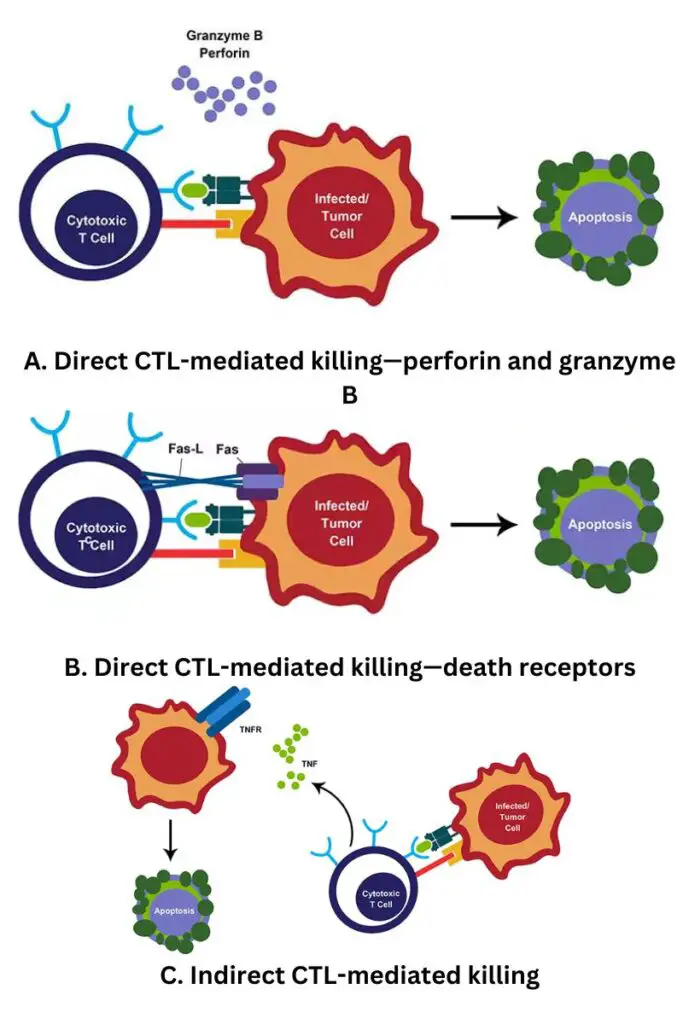
The main function of cytotoxic T cells is destruction of infected and malignant cells. They release toxic granules which contain perforin and granzymes. Perforin forms pores in the membrane of target cell. Through these pores, granzymes enter into the cell and activate apoptosis or programmed cell death.
Another mechanism is also used by cytotoxic T cells. In this process, the Fas ligand (FasL) on T cell binds with Fas receptor present on the target cell. This also starts death signal inside the target cell and finally the cell undergoes apoptosis.
Thus, cytotoxic T cells are important cellular defence cells of the immune system. They remove virus infected cells, abnormal cells and cancer cells before they spread more in the body. This process protects the host by killing only the harmful cells and maintaining normal body defence.
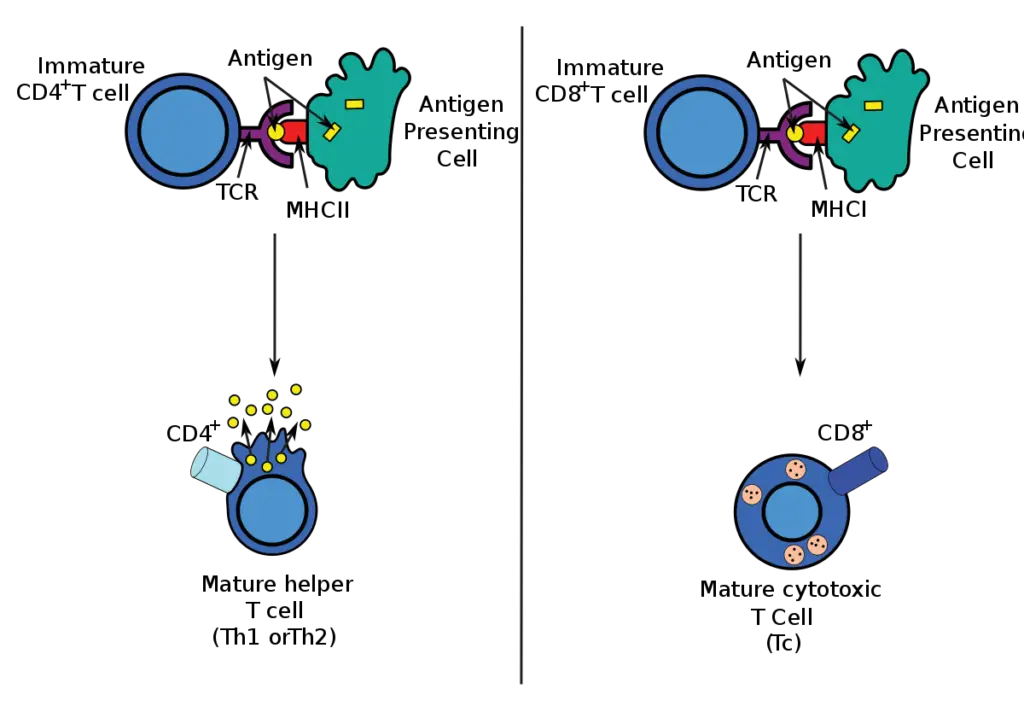
Characteristics of Cytotoxic T Cells
The following are the important characteristics of cytotoxic T cells–
- Cytotoxic T cells are specialized white blood cells of adaptive immune system. They are commonly called CD8⁺ T cells and mainly act as cellular killing cells.
- These cells are originated in the bone marrow but mature in the thymus. In thymus, they undergo positive and negative selection, so that they can recognize foreign antigen and do not attack own healthy body cells.
- Cytotoxic T cells recognize the infected or cancerous cells by T cell receptor (TCR). The foreign antigen is presented on the surface of target cell with Major Histocompatibility Complex class I (MHC-I) molecule.
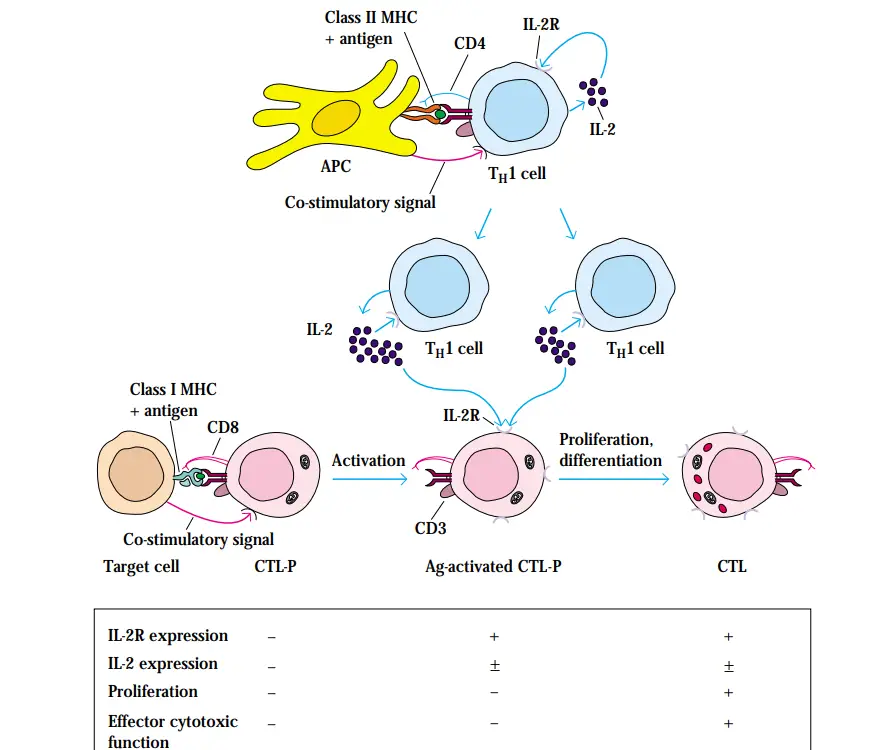
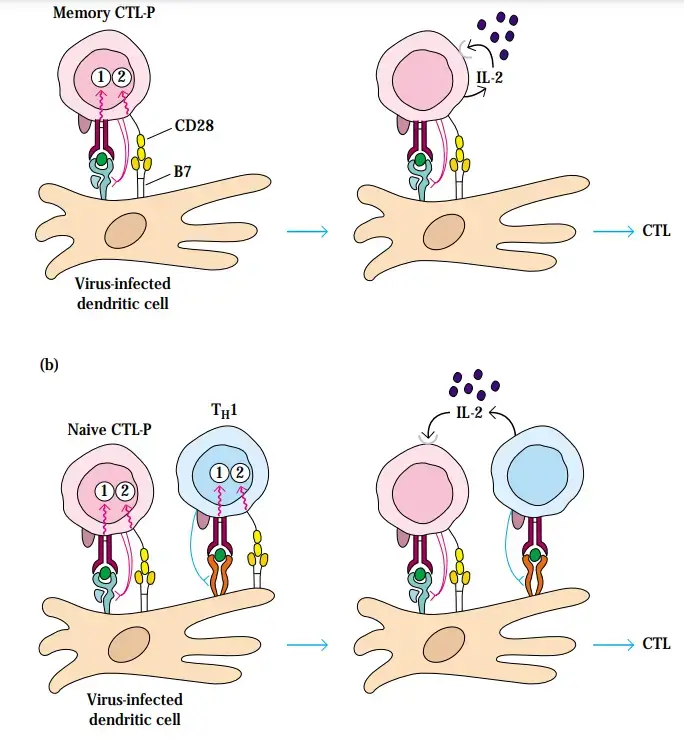
- Activation of cytotoxic T cells needs three signals. These are antigen recognition by TCR, costimulatory signal such as CD28, and inflammatory cytokines like IL-12.
- When cytotoxic T cell attaches with the target cell, it forms a close contact region called lytic immunological synapse. This helps in direct release of toxic molecules into the diseased cell without damaging nearby normal cells.
- The main killing mechanism is granule exocytosis. In this process, toxic granules are released which contain perforin and granzymes. Perforin makes pores in target cell membrane and granzymes enter inside the cell to cause apoptosis.
- These cells also kill by death receptor pathway. In this method, Fas ligand (FasL) present on cytotoxic T cell binds with Fas receptor of target cell and starts self-destruction of the cell.
- Activated cytotoxic T cells secrete cytokines such as interferon-gamma (IFN-γ) and tumor necrosis factor-alpha (TNF-α). These cytokines help in recruiting other immune cells and also suppressing tumour growth.
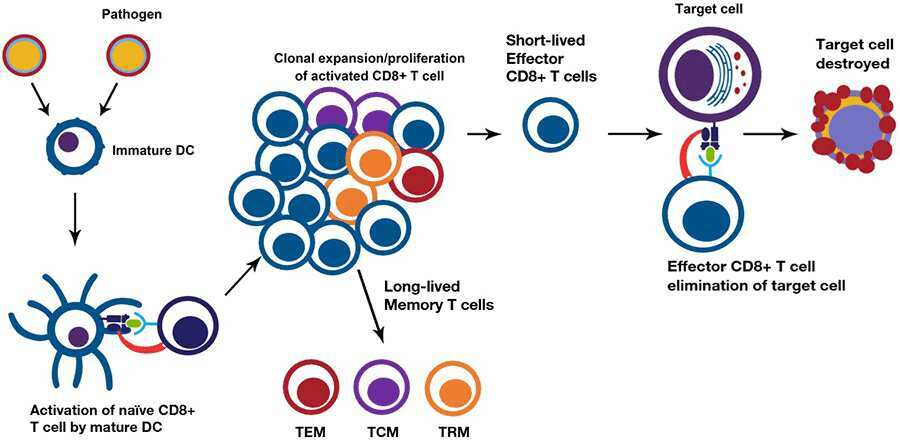
- After infection is cleared, most active cytotoxic T cells die. Some cells remain as long-lived memory T cells, which may circulate in blood or stay in tissue as tissue-resident memory T cells (Tᵣₘ) for rapid protection during next infection.
Surface Markers of Cytotoxic T Cells
The following are the important surface markers of cytotoxic T cells–
- CD8 – It is the main surface marker of cytotoxic T cells. It binds with MHC class I molecule and helps in stable attachment with target cell.
- TCR – T cell receptor (TCR) recognizes the foreign peptide antigen present on infected or abnormal cell.
- CD62L and CCR7 – These are present on naive cytotoxic T cells. They help the cells to move into lymph nodes.
- CD44 – It is low in naive cytotoxic T cells. Its level becomes increased after activation and memory cell formation.
- CD28 – It is a costimulatory receptor. It helps in complete activation, proliferation and survival of T cells.
- 4-1BB, CD2, OX40, ICOS and CD27 – These are secondary costimulatory markers. They are increased during activation and help in long survival and cytokine production.
- CD69 – It is an early activation marker. It appears on the surface of cytotoxic T cells soon after antigen stimulation.
- CD45RA – It is present in naive and stem cell memory T cells (TSCM). It is also re-expressed in terminally differentiated effector memory T cells (TEMRA).
- CD45RO – It is found in memory T cells such as central memory T cells (TCM) and effector memory T cells (TEM).
- KLRG1 and CD57 – These are terminal differentiation markers. They are mostly seen in highly differentiated cytotoxic T cells.
- CD103 and CD49a – These are tissue retention markers. They are present in tissue resident memory T cells (TRM) and help the cells to stay in tissue.
- PD-1, TIM3, LAG3, CTLA4 and TIGIT – These are inhibitory markers. They are highly expressed in exhausted cytotoxic T cells during chronic infection or cancer.
- LFA-1 – It is an adhesion molecule. It binds with ICAM-1 on target cell and helps in formation of tight immunological synapse.
- Fas and FasL – Fas (CD95) and FasL (CD178) are death receptor pathway markers. They help to start apoptosis in target cell.

Activation Process of Cytotoxic T Cells
The following are the steps of activation process of cytotoxic T cells–
- Antigen recognition – In the first step, the naive cytotoxic T cell recognizes the antigen. The T cell receptor (TCR) binds with the foreign peptide present on MHC class I (MHC-I) molecule of antigen presenting cell (APC).
- CD8 binding – The CD8 co-receptor also binds with the MHC-I molecule. It makes the binding more strong and stable. This starts the signalling inside the T cell.
- Costimulation – Only antigen binding is not enough for activation. The CD28 receptor of T cell binds with B7-1 (CD80) and B7-2 (CD86) present on APC. This is the second signal.
- Prevention of anergy – If costimulatory signal is absent, the T cell may die or become unresponsive. This unresponsive condition is called anergy. So costimulation is required for proper activation.
- Cytokine signal – In this step, the APC releases inflammatory cytokines. The important cytokines are IL-12 and type I interferons. These cytokines give the third signal to the cytotoxic T cell.
- Full activation – After receiving three signals, the cytotoxic T cell becomes fully activated. It starts differentiation into effector T cell. It can now produce killing molecules like granzymes and interferon-gamma (IFN-γ).
- Clonal expansion – The activated cytotoxic T cell divides rapidly. This forms many similar antigen specific T cells. This is needed to fight against infected cells or tumour cells.
- Metabolic change – During activation, the cell needs more energy. So the metabolism changes from resting oxidative phosphorylation to aerobic glycolysis, glutaminolysis and fatty acid synthesis.
- Migration of effector cell – The activated cytotoxic T cells move to the infected or diseased tissue. They search the target cells which show the same antigen on MHC-I molecule.
- Lytic synapse formation – When the effector cytotoxic T cell binds with target cell, a close contact area is formed. This area is called lytic immunological synapse. It helps in release of toxic granules only toward the target cell.
- Movement of granules – In this step, the internal cytoskeleton of T cell is changed. The microtubule-organizing center (MTOC) and secretory granules move toward the synapse region.
- Granule release – The secretory granules come near the plasma membrane and fuse with it. This process is calcium dependent. Then the toxic materials are released directly into the target cell.
- Target cell killing – The released perforin makes pores in the target cell membrane. Through these pores granzymes enter into the cell. Then apoptosis is started and the infected or cancerous cell is destroyed.
Mechanism of Target Cell Recognition
The following are the mechanism of target cell recognition by cytotoxic T cells–
- Antigen recognition – In the first step, T cell receptor (TCR) of cytotoxic T cell recognizes the foreign antigen. This antigen is present as peptide with MHC class I (MHC-I) molecule on the surface of target cell.
- TCR binding – The TCR binds with the specific peptide-MHC-I complex. It mainly interacts with the outer region of MHC-I molecule. This binding gives the first recognition signal.
- CD8 attachment – At the same time, CD8 co-receptor also binds with the same MHC-I molecule. Usually it is present as CD8 αβ heterodimer.
- Binding with α3 domain – The CD8 molecule binds with the conserved α3 domain of MHC-I molecule. This region is close to the membrane of target cell. It makes the contact between both cells more strong.
- Signal stabilization – The CD8 binding helps in stabilizing the TCR-peptide-MHC-I interaction. This is important when the affinity of TCR for antigen is low or medium. Without this, signal may not become properly passed inside the T cell.
- Mechanical force – During cell contact, small physical force is produced between cytotoxic T cell and target cell. These forces help in formation of special dynamic bonds. These are called catch bonds.
- Catch bond formation – Catch bonds are formed by the combined action of TCR, CD8 co-receptor and peptide-MHC-I complex. These bonds hold the two cells together for longer time and make the recognition more stable.
- Receptor clustering – After proper recognition, different surface receptors start to come together at the contact site. Activating receptors and adhesion molecules become arranged in one region.
- Synapse formation – A special contact area is formed between cytotoxic T cell and target cell. This is called cytolytic immunological synapse. It helps in proper recognition and later delivery of killing substances.
- SMAC formation – The synapse becomes arranged into ring like areas called supramolecular activation clusters (SMACs). These areas help in separating signalling and adhesion molecules.
- Central zone – The central part is called cSMAC. It contains mainly TCR-peptide-MHC-I complexes, CD8 co-receptors and costimulatory molecules. This region helps in activation signalling.
- Peripheral zone – The surrounding part is called pSMAC. It contains adhesion molecules such as LFA-1 on cytotoxic T cell which binds with ICAM-1 on target cell.
- Tight cell contact – The LFA-1 and ICAM-1 binding locks both cells together. It forms a tight seal at the synapse. This prevents leakage of toxic molecules to nearby normal cells.
- Final recognition – After these steps, the cytotoxic T cell confirms the target cell as infected or abnormal cell. Then the killing mechanism is started against that target cell.
Mechanism of Target Cell Killing
The following are the mechanism of target cell killing by cytotoxic T cells–
- Granule release – In the first method, cytotoxic T cells (CTLs) release lytic granules into the immunological synapse. This is the main and rapid killing method of target cell.
- Perforin action – The granules contain perforin molecules. Perforin forms pores in the membrane of target cell. These pores help in entry of killing enzymes into the cell.
- Granzyme entry – Through the pores, granzymes enter into the target cell. The important enzyme is Granzyme B. It starts the internal death process of the target cell.
- Mitochondrial damage – Granzyme B cleaves a protein called Bid. This damages the mitochondria of target cell. Then Cytochrome C is released from mitochondria into the cytoplasm.
- Apoptosome formation – The released Cytochrome C helps in formation of apoptosome. This activates executioner caspases, mainly caspase-3.
- Apoptosis – Activated caspase-3 breaks down the cell components and DNA of target cell. This type of cell death is called apoptosis or programmed cell death.
- Pyroptosis – Sometimes, perforin pores may cause inflammatory cell death. This is called pyroptosis. In this process, potassium is lost from the target cell and calcium enters into it.
- Inflammasome activation – Due to ion change, NLRP3 inflammasome becomes activated in the target cell. It activates caspase-1. Then caspase-1 cleaves Gasdermin D (GSDMD).
- Cell lysis – Cleaved GSDMD forms more pores in the membrane. The target cell swells, membrane becomes bubbled and finally cell undergoes osmotic lysis.
- Fas-FasL pathway – Cytotoxic T cells also kill by a slower death receptor pathway. In this pathway, Fas ligand (FasL) present on CTL binds with Fas receptor present on target cell.
- DISC formation – After binding, the Fas receptors become clustered. Adapter protein FADD is recruited and forms Death-Inducing Signaling Complex (DISC).
- Caspase-8 activation – The DISC activates caspase-8. Then a caspase cascade is started inside the target cell and finally apoptosis occurs.
- Late stage killing – This pathway is important when cytotoxic T cells have less perforin or have used their granules. It still helps the CTLs to kill target cells by contact dependent method.
- Cytokine secretion – Cytotoxic T cells also release cytokines such as interferon-gamma (IFN-γ). This is a non-cytolytic method. It can stop target cell proliferation and makes the cell more sensitive to apoptosis.
- Death receptor increase – IFN-γ may increase death receptors such as Fas and TRAIL on target cells. This makes the target cell more easily killed by immune reaction.
- Autoprotection – During killing, CTLs protect themselves from their own toxic molecules. They bring Cathepsin B on their own surface. Cathepsin B destroys stray perforin molecules and prevents pore formation in the CTL membrane.
- Serial killing – After killing one target cell, the cytotoxic T cell can detach from it. Then it moves to another infected or cancerous cell and again starts killing process.
Cytokines Produced by Cytotoxic T Cells
The following are the important cytokines produced by cytotoxic T cells–
- Interferon-gamma (IFN-γ) – It is a major inflammatory cytokine secreted by active effector cytotoxic T cells and tissue resident memory T cells (Trm). It stops tumour cell proliferation, increases Fas and TRAIL death receptors and makes the target cell more sensitive for apoptosis.
- Tumor Necrosis Factor-alpha (TNF-α) – It is secreted rapidly after antigen stimulation along with IFN-γ. It helps in local immune defence and controls the immune response at the infected or diseased site.
- TNF-α and dendritic cell maturation – TNF-α also helps in maturation of dendritic cells. This makes antigen presentation more effective and helps in stronger immune reaction.
- Interleukin-2 (IL-2) – Central memory CD8⁺ T cells (TCM) produce high amount of IL-2 when they again meet the same antigen. It helps in rapid proliferation and forms new secondary effector T cells.
- IL-2 in tissue resident cells – Some tissue resident memory T cells (Trm) also produce IL-2. In liver, CD103⁺ CD8⁺ Trm cells show strong IL-2 expression.
- Interleukin-17 (IL-17) – IL-17 is less commonly produced by cytotoxic T cells. It is mainly produced by a special subset of CD8⁺ tissue resident memory T cells, called Trm17 cells.
- IL-17 and inflammation – Trm17 cells are found in skin lesions and they are related with autoimmune inflammatory condition like psoriasis. IL-17 helps in increasing local inflammation.
- Cytokine function – These cytokines do not directly work like perforin and granzymes. They help to control nearby immune reaction, recruit other immune cells and make target cell more easy to be destroyed.
Role of Cytotoxic T Cells in Viral Infections
The following are the role of cytotoxic T cells in viral infections-
- Killing of infected cells – Cytotoxic T cells (CTLs) are important cells in viral infection. They destroy virus infected cells and remove the intracellular virus from the body.
- Perforin and granzymes – CTLs release cytotoxic granules which contain perforin and granzymes. Perforin forms pores in infected cell membrane and granzymes enter into the cell and starts apoptosis.
- Fas-FasL pathway – Cytotoxic T cells also kill infected cells by Fas/FasL death receptor pathway. Fas ligand (FasL) of CTL binds with Fas receptor of infected cell and causes programmed cell death.
- Tissue resident memory cells – After viral infection is cleared, some CD8⁺ T cells remain in tissues as tissue resident memory T cells (Trm). These cells do not mainly circulate in blood. They stay in skin, lung, gut and other barrier tissues.
- Frontline defence – Trm cells act as local sentinel cells. When the same virus enters again, they respond rapidly at that tissue site and stop the virus before it spread more.
- Cytokine secretion – During reinfection, resident memory CD8⁺ T cells quickly produce inflammatory cytokines. The important cytokines are interferon-gamma (IFN-γ) and tumor necrosis factor-alpha (TNF-α).
- Pathogen alert state – Reactivated CD8⁺ Trm cells create a local pathogen alert condition. In this condition, other immune cells are recruited and activated at the infected tissue.
- Recruitment of immune cells – Cytotoxic T cells help to bring circulating T cells, B cells and Natural Killer (NK) cells into the infected area. This makes the antiviral response stronger.
- Broad antiviral protection – The alert condition produced by Trm cells can also give protection against other unrelated viral pathogens. It increases general antiviral defence in that local tissue.
- Respiratory tract protection – In respiratory tract, influenza specific CD8⁺ Trm cells stay in nasal epithelium. They prevent spread of influenza virus from upper respiratory tract to lungs.
- RSV control – Cytotoxic T cells also help in controlling Respiratory Syncytial Virus (RSV) infection. They destroy infected respiratory cells and limit the viral infection.
- Brain infection control – In brain, CD8⁺ Trm cells can protect against viral reinfection such as LCMV. They rapidly produce perforin and IFN-γ and prevent severe brain infection.
- Skin and mucosal defence – Cytotoxic T cells patrol skin and mucosal tissues. They help to prevent spread of Herpes Simplex Virus (HSV) in skin and reproductive tract.
- Anti-HIV immunity – Some CD8⁺ T cells remain in gastrointestinal tract. These cells help in natural anti-HIV immunity by controlling infected cells locally.
Role of Cytotoxic T Cells in Tumor Immunity
The following are the role of cytotoxic T cells in tumor immunity-
- Tumor cell killing – Cytotoxic CD8⁺ T cells directly recognize and kill malignant cells. They mainly use perforin-granzyme pathway for destruction of tumor cells.
- Tumor antigen recognition – The cytotoxic T cell recognizes tumor antigen present on the surface of cancer cell. After recognition, it attaches with the tumor cell and starts killing reaction.
- Lytic synapse formation – A tight contact area is formed between cytotoxic T cell and tumor cell. This area is called lytic immunological synapse. Through this region toxic materials are released into the tumor cell.
- Apoptosis of cancer cell – Perforin forms pores in the tumor cell membrane. Granzymes enter through these pores and starts apoptosis. Thus the cancer cell is removed by programmed cell death.
- Graft-versus-Leukemia effect – The same killing mechanism is also important in Graft-versus-Leukemia (GVL) effect. Here, donor T cells destroy leukemic cells after transplantation.
- Cytokine action – Cytotoxic T cells also remove tumor cells without direct killing. They secrete cytokines, mainly interferon-gamma (IFN-γ). This cytokine stops tumor growth and makes the tumor cell weak.
- Cell cycle arrest – IFN-γ activates STAT1 pathway and increases p21 in tumor cells. This blocks cell cycle progression. So the tumor cells cannot divide properly.
- Death receptor increase – IFN-γ increases death receptors like Fas and TRAIL on tumor cells. These receptors make the cancer cells more sensitive to apoptosis.
- Tumor blood vessel collapse – IFN-γ can also damage local tumor vasculature. This cuts the blood supply of tumor. Due to this, tumor regression may occur.
- Immune surveillance – Tissue resident memory T cells (TRM) stay permanently in peripheral tissues. They act as sentinel cells and check the tissue for dormant cancer cells.
- Prevention of early tumor growth – TRM cells can prevent early development of tumor. They recognize abnormal cells in tissue and control growth before the tumor becomes large.
- Tumor infiltrating lymphocytes – In solid tumors, many resident CD8⁺ T cells are present as CD103⁺ tumor infiltrating lymphocytes (TILs). High number of these cells is related with better clinical outcome in cancers like lung, breast and ovarian cancer.
- Metastasis prevention – CD103⁺ CD8⁺ TILs help in stopping regional tumor metastasis. They are important after surgical resection also, because they can remove remaining tumor cells.
- Recruitment of dendritic cells – Cytotoxic T cells also control the tumor microenvironment. TRM cells secrete factors which recruit dendritic cells (DCs) and help in their maturation.
- Cross priming of T cells – Mature dendritic cells present tumor neoantigens to other T cells. This process is called cross priming. It increases anti-tumor immune response.
- Recruitment of myeloid cells – These cells can also recruit myeloid cells such as neutrophils. This increases the local immune attack against tumor cells.
- T cell exhaustion – In tumor microenvironment, CD8⁺ T cells may become exhausted. This happens due to chronic antigen stimulation, hypoxia, nutrient deficiency and lactate accumulation.
- Exhaustion markers – Exhausted cytotoxic T cells show less proliferation and less cytokine production. They express inhibitory receptors such as PD-1, CTLA-4, TIM-3 and CD39.
- Checkpoint blockade response – Exhausted tumor specific T cells are the main target of immune checkpoint blockade (ICB) therapy. Anti-PD-1 treatment blocks inhibitory signal and makes the T cells active again.
- Restored killing activity – After checkpoint blockade, cytotoxic T cells again proliferate locally. They produce granzyme B and perforin and again start killing tumor cells.
- CAR-T cell therapy – In this method, patient’s own CD8⁺ T cells are modified into Chimeric Antigen Receptor T cells (CAR-T cells). These cells recognize tumor surface antigen directly and kill the cancer cells.
- TCR-T cells – TCR-engineered T cells (TCR-T cells) are also made for tumor treatment. They contain engineered TCR which recognize tumor antigen more strongly.
- BiTE action – Bispecific T-cell engagers (BiTEs) bind tumor antigen and CD3 receptor on T cells at the same time. This brings T cell close to tumor cell and rapidly activates cancer killing machinery.
Role of Cytotoxic T Cells in Transplant Rejection
The following are the role of cytotoxic T cells in transplant rejection-
- Alloreactivity – Many peripheral T cells are naturally alloreactive. About 1-24% of these cells can react strongly with foreign peptides present on mismatched Major Histocompatibility Complex (MHC) molecules. This strong reaction is an important cause of acute T cell mediated rejection.
- Acute rejection – In mismatched transplant, cytotoxic T cells recognize donor tissue as foreign. They attack the graft cells and can destroy them by cytotoxic mechanisms. This produces acute rejection of transplanted tissue.
- Kidney graft rejection – In kidney transplant, recipient CD8⁺ tissue resident memory T cells (TRM) can cause both acute and chronic rejection. These cells may replace the donor TRM cells inside the kidney, proliferate locally and produce interferon-gamma (IFN-γ). This causes inflammation and damage of the graft.
- Chronic graft injury – Continuous activity of recipient CD8⁺ T cells can slowly injure the transplanted organ. The graft function decreases gradually due to long standing inflammation and immune attack.
- Donor TRM in lung graft – In lung transplant, donor derived CD8⁺ TRM cells may have protective role. When more donor lung TRM cells remain in the graft, fewer adverse events are seen. These cells may help in graft acceptance and tolerance.
- Graft-versus-host disease (GVHD) – In allogeneic bone marrow transplant, donor cytotoxic T cells may attack the normal tissues of host. This condition is called graft-versus-host disease (GVHD). The damage is mainly caused by Fas/Fas ligand (FasL) death receptor pathway.
- Anti-rejection target – CD8⁺ T cells are important target for anti-rejection therapy because they take part in graft attack. Anti-CD8 monoclonal antibodies can reduce CD8⁺ T cell activity and help in preventing chronic rejection like cardiac allograft vasculopathy.
- Tolerance induction – Control of cytotoxic T cells can help in immune tolerance. It can support survival of MHC-mismatched heart allografts and xenografts by reducing the direct cytotoxic attack on graft tissues.
Memory Cytotoxic T Cells
The following are the types of memory cytotoxic T cells–
- Memory cytotoxic T cells – After infection or threat is removed, most of the active effector cytotoxic T cells die. About 90-95% cells are lost and only 5-10% cells survive. These surviving cells form long lived immunological memory.
- Stem cell memory T cells (TSCM) – These are long lived and multipotent memory cells. They have stem like ability for self renewal. When the same threat enters again, they act as reservoir and form other memory and effector T cells.
- Central memory T cells (TCM) – These cells have homing receptors and circulate through blood, lymph node and spleen. They do not show immediate strong killing activity. But after re-encountering antigen, they produce high interleukin-2 (IL-2) and rapidly form many secondary effector cells.
- Effector memory T cells (TEM) – These cells lack lymph node homing receptors. They circulate between blood, spleen and peripheral non-lymphoid tissues. They have less proliferative ability, but they contain toxic granzymes and give immediate cytolytic activity when target cell is found.
- Tissue resident memory T cells (TRM) – These cells permanently remain inside barrier tissues like skin, lungs and gut, and also in organs like brain and liver. They do not return to blood circulation. They act as local sentinel cells and during reinfection they release IFN-γ, TNF-α and also degranulate quickly.
- Metabolic adaptation of TRM – TRM cells survive in their tissue by taking free fatty acids from surrounding tissue. This helps them to stay for long time in local environment and give rapid local defence.
- Terminally differentiated effector memory T cells (TEMRA) – These are end stage memory cytotoxic T cells. They re-express naive marker like CD45RA, but they lack lymph node homing ability. They are highly cytotoxic cells with very low or almost no capacity to multiply.
- Senescent nature of TEMRA – TEMRA cells have very short telomeres and are often considered senescent cells. They remain active in killing, but their proliferation capacity is nearly absent.
Regulation of Cytotoxic T Cell Activity
The following are the regulation of cytotoxic T cell activity-
- Immune checkpoints – PD-1, CTLA-4, TIM-3, LAG-3 and TIGIT are inhibitory receptors present on cytotoxic T cells. These molecules act as brake and prevent overactivation of the cell. In chronic infection or cancer, continuous stimulation of these receptors makes the T cells dysfunctional and this condition is called exhaustion.
- Activation-induced cell death (AICD) – Repeated stimulation of T cell receptor (TCR) can start death of overactivated cytotoxic T cells. This process occurs mainly through Fas/FasL apoptotic pathway. It helps to remove expanded effector cells and maintain peripheral immune tolerance.
- Transcriptional control – The function of cytotoxic T cells is regulated by transcription factors. T-bet and Eomes help in production of effector molecules. Runx3 controls cytotoxic and tissue residency programme, while ThPOK negatively regulate cytotoxic activity. During chronic stimulation, TOX and NR4A are increased and they maintain the exhaustion programme.
- Metabolic sensors – Cytotoxic T cell activity depends on energy availability and metabolic change. mTOR and AMPK pathways regulate this process. Inhibitory receptors reduce glucose metabolism and mitochondrial biogenesis, while tumor product like lactate suppress the proliferation and cytotoxic function of the cell.
- Cytokine microenvironment – The local cytokine condition controls the activity of cytotoxic T cells. Inflammatory cytokines like IL-12 and type I interferons increase effector function and lytic molecule production. But IL-10 and TGF-β reduce immediate effector differentiation and helps in memory formation and tissue retention.
- Purinergic signals – Tissue damage releases extracellular ATP and NAD. These danger signals are sensed by receptors such as P2RX7. This signalling balances the activation of resident memory T cells and can also cause selective cell death to prevent uncontrolled immune reaction in healthy tissue.
- Hormonal regulation – Some intraepithelial resident CD8⁺ T cells in gut express GLP-1 receptor. Binding of metabolic hormone GLP-1 reduces their activation and cytokine release. Thus nutrient metabolism is linked with local immune regulation.
- Autoprotection – During target cell killing, cytotoxic T cells produce toxic environment near themselves also. To protect their own membrane, they bring Cathepsin B on their surface. This enzyme degrades stray perforin molecules and prevents pore formation in the T cell membrane.
Clinical Significance of Cytotoxic T Cells
The following are the clinical significance of cytotoxic T cells–
- Genetic immunodeficiency – Mutation in proteins required for cytotoxic granule release causes severe immune disorder. Mutation in Rab27a causes Griscelli Syndrome 2 (GS2), while mutation in Munc13-4, Syntaxin-11 and Munc18-2 causes Familial Hemophagocytic Lymphohistiocytosis (FHL) type 3, 4 and 5. In these conditions, cytotoxic T cells cannot kill target cells properly.
- Autoimmune lymphoproliferative syndrome (ALPS) – Mutation in Fas receptor or Fas ligand (FasL) blocks activation-induced cell death. Due to this, overactive cytotoxic T cells are not removed. This causes accumulation of lymphocytes and autoimmune lesions, which is called ALPS.
- Autoimmune diseases – Dysregulation of cytotoxic T cells and defective apoptosis are related with systemic autoimmune diseases. These include rheumatoid arthritis (RA), systemic lupus erythematosus (SLE) and Sjögren’s syndrome. In these diseases, abnormal immune killing and inflammation damage the own tissues.
- Chronic inflammatory diseases – Local CD8⁺ tissue resident memory T cells (TRM) can maintain chronic tissue inflammation. These cells are involved in diseases like psoriasis, vitiligo, glomerulosclerosis and autoimmune hepatitis. They stay in tissue and continue inflammatory response.
- Engineered cancer therapy – Patient’s own CD8⁺ T cells can be modified into Chimeric Antigen Receptor T cells (CAR-T cells) or TCR-engineered T cells. These engineered cells recognize cancer cells strongly and kill them, even when normal antigen presentation is weak or absent.
- Immune checkpoint blockade therapy – In many tumors, cytotoxic T cells become exhausted and weak. These exhausted cells express receptors like PD-1 and other checkpoint molecules. Immune checkpoint blockade (ICB) such as anti-PD-1 can reactivate these cells and restore tumor killing activity.
- GVHD and GVL effect – In bone marrow transplant, donor cytotoxic T cells may cause graft-versus-host disease (GVHD) by attacking normal host tissues. This is mainly through Fas/FasL pathway. But the same cells can remove remaining leukemia cells by perforin-granzyme pathway, which is called graft-versus-leukemia (GVL) effect.
- Transplant rejection – Recipient CD8⁺ TRM cells can enter transplanted organs such as kidney. They proliferate locally and secrete inflammatory cytokines. This causes acute and chronic graft rejection and may finally lead to graft failure.
- Vaccine development – CD8⁺ TRM cells remain permanently in barrier tissues like lungs, gut and skin. They give rapid local protection during reinfection. So induction of these cells is important for next generation mucosal vaccines and tumor vaccines.
Disorders Related to Cytotoxic T Cells
The following are the disorders related to cytotoxic T cells–
Genetic Immunodeficiencies
- Griscelli Syndrome 2 (GS2) – It is caused due to mutation in Rab27a gene. In this disorder, the lytic granules do not dock with plasma membrane. So the cytotoxic T cells fail to release granules and killing activity becomes very low.
- Familial Hemophagocytic Lymphohistiocytosis (FHL) – It occurs due to defect in granule fusion and release. Munc13-4 mutation causes FHL3, Syntaxin-11 mutation causes FHL4 and Munc18-2 mutation causes FHL5. Here the granules may dock, but do not fuse and toxic materials are not released.
- Wiskott-Aldrich Syndrome (WAS) – It is caused by absence of WASp protein. Due to this, actin accumulation at the immunological synapse becomes reduced. The T cell cannot make proper synapse and target cell killing becomes poor.
Autoimmune Lymphoproliferative Syndrome
- Autoimmune Lymphoproliferative Syndrome (ALPS) – It is an inherited systemic immune disorder. It occurs due to mutation in Fas receptor or Fas ligand (FasL) gene. Due to this defect, activation-induced cell death (AICD) does not occur properly and overactive lymphocytes are accumulated.
- Features of ALPS – In this disorder, lymphocytes are increased in body. It causes splenomegaly, lymphadenopathy and autoimmune lesions. This happens because the Fas/FasL pathway cannot remove activated lymphocytes.
Systemic Autoimmune Diseases
- Systemic autoimmune diseases – When Fas/FasL apoptotic pathway is impaired, autoreactive cytotoxic T cells are not destroyed. These cells remain in the body and causes autoimmune reaction. It is seen in systemic lupus erythematosus (SLE), rheumatoid arthritis (RA) and Sjögren’s syndrome.
Skin-Specific Inflammatory Disorders
- Vitiligo – It is related with local accumulation of CD8⁺ tissue resident memory 1 T cells (TRM1). These cells are CD103⁺ CD49a⁺ and contain perforin and granzyme B. They destroy pigment producing cells and causes white patches on skin.
- Psoriasis – It is associated with CD8⁺ TRM17 cells in skin. These cells are CD103⁺ CD49a⁻ and produce high amount of interleukin-17 (IL-17). This causes chronic psoriasiform inflammation.
Organ-Specific Inflammatory and Autoimmune Diseases
- Glomerular diseases – In kidney, high number of CD8⁺ TRM cells increases inflammation. These cells also increase podocyte injury. This helps in development of glomerulosclerosis.
- Autoimmune hepatitis – In this disease, liver resident CD103⁺ CD8⁺ TRM cells are increased. The number of these cells is related with the severity of liver inflammation.
- Bystander liver pathologies – CD103⁻ CD8⁺ TRM bystander cells are involved in liver diseases. These include nonalcoholic steatohepatitis (NASH), cirrhosis and chronic hepatitis D virus (HDV) infection.
- Hashimoto’s thyroiditis – In this disorder, abnormal Fas/FasL interaction occurs on thyroid cells. This helps in immune mediated destruction of thyroid tissue.
Transplant Rejection and Graft-Versus-Host Disease
- Solid organ rejection – In organ transplant, recipient CD8⁺ TRM cells enter into the graft. They proliferate locally and produce inflammatory cytokine like interferon-gamma (IFN-γ). This causes acute and chronic rejection of transplanted organ.
- Graft-versus-host disease (GVHD) – After allogeneic bone marrow transplant, donor cytotoxic T cells attack the healthy tissues of host. This causes GVHD. The main pathway involved is Fas/FasL death receptor pathway.
Laboratory Identification of Cytotoxic T Cells
The following are the laboratory identification methods of cytotoxic T cells–
- Flow cytometry analysis – It is the main method for identifying cytotoxic T cells and their subsets. In this method, monoclonal antibodies are used against CD8 and other surface markers. By using marker combinations, naive cells, memory cells and effector cells can be separated.
- Surface marker pattern – Different CD8⁺ T cells show different marker pattern. Naive cells are CD62L⁺ CCR7⁺. Central memory T cells are CD45RA⁻ CCR7⁺ CD62L⁺. Effector memory T cells are CCR7⁻ CD62L⁻ and TEMRA cells are CD45RA⁺ CD27⁻ CCR7⁻ CD62L⁻.
- MHC tetramer staining – This method is used for antigen specific cytotoxic T cells. Fluorescent MHC class I-peptide tetramers bind with specific T cell receptor (TCR). So the T cells against a virus, bacteria or tumor antigen can be detected.
- CD107a degranulation assay – CD107a (LAMP-1) is present on lytic granule membrane. When cytotoxic T cell releases perforin and granzymes, CD107a comes on cell surface. So it is used as a marker of degranulation and killing activity.
- Cytotoxicity assay – In this test, isolated CD8⁺ effector T cells are mixed with target cells. Then target cell death is measured. Active caspase-3 staining may be used to detect apoptosis of target cells.
- Intracellular staining – Many important molecules are inside the T cell. So the cells are fixed and permeabilized before staining. This method is used to detect perforin, granzyme B, Runx3, T-bet, Eomes and Blimp-1.
- MACS and FACS – MACS uses magnetic beads for separation of CD8⁺ T cells. Unwanted cells like CD14⁺ monocytes and CD19⁺ B cells may be removed. FACS is then used for sorting cells according to fluorescent marker pattern.
- Mass cytometry (CyTOF) – CyTOF is used for detailed study of CD8⁺ T cells. It detects many proteins at a same time. This helps to identify many subpopulations and exhausted state of cytotoxic T cells.
- Epigenetic profiling – Bisulphite pyrosequencing is used to check DNA methylation. It may check the PRF1 promoter region of perforin gene. This helps to know the cytotoxic programme of the cell.
- Transcriptional profiling – Single-cell RNA sequencing and microarray are used to study gene expression of isolated CD8⁺ T cells. This shows the transcriptional pattern of cytotoxic T cells in different conditions.
References
- A molecular threshold for effector CD8+ T cell differentiation controlled by transcription factors Blimp-1 and T-bet. (n.d.). PMC.
- Galandrini, R., Capuano, C., & Santoni, A. (2013). Activation of Lymphocyte Cytolytic Machinery: Where are We? Frontiers in Immunology, 4, 390.
- Apoptosis of tumor-infiltrating T lymphocytes: a new immune checkpoint mechanism. (n.d.). PMC.
- Promega Corporation. (n.d.). Biologics Briefing TCK Segment Two : Under the Hood of a CAR-T Cell [Video]. YouTube.
- Blimp-1 Rather Than Hobit Drives the Formation of Tissue-Resident Memory CD8+ T Cells in the Lungs. (n.d.). PMC.
- CD4-CD8 lineage differentiation: Thpok-ing into the nucleus. (n.d.). PMC – NIH.
- Wu, X., Wu, P., Shen, Y., Jiang, X., & Xu, F. (2018). CD8+ Resident Memory T Cells and Viral Infection. Frontiers in Immunology, 9, 2093.
- CD8+ T cell-based cancer immunotherapy. (n.d.). PMC – NIH.
- Chimeric antigen receptor signaling: Functional consequences and … (n.d.).
- Concerted Action of the FasL/Fas and Perforin/Granzyme A and B Pathways Is Mandatory for the Development of Early Viral Hepatitis but Not for Recovery from Viral Infection. (n.d.). PMC.
- Current updates on generations, approvals, and clinical trials of CAR T-cell therapy. (n.d.). PMC.
- Cytokines and the Inception of CD8 T Cell Responses. (n.d.). PMC – NIH.
- Cytotoxic CD8+ T cells in cancer and cancer immunotherapy. (n.d.). PMC – NIH.
- Cytotoxic T Cells: Ontogeny, Activation, and Effector Biology. (n.d.).
- Cytotoxic T lymphocyte perforin and Fas ligand working in concert even when Fas ligand lytic action is still not detectable. (n.d.). PMC.
- Distinct phases in the positive selection of CD8 + T cells distinguished by intrathymic migration and T-cell receptor signaling patterns. (n.d.). PNAS.
- Yamada, A., Arakaki, R., Saito, M., Kudo, Y., & Ishimaru, N. (2017). Dual Role of Fas/FasL-Mediated Signal in Peripheral Immune Tolerance. Frontiers in Immunology, 8, 403.
- Konjar, Š., & Veldhoen, M. (2019). Dynamic Metabolic State of Tissue Resident CD8 T Cells. Frontiers in Immunology, 10, 1683.
- Thermo Fisher Scientific. (n.d.). Fas Pathway.
- Fatty acid metabolism in CD8+ T cell memory: challenging current concepts. (n.d.). PMC – NIH.
- Fatty acid metabolism in CD8⁺ T‐cell subsets. Memory CD8⁺ T cells:… (n.d.). ResearchGate.
- Elstak, E. D., Neeft, M., Nehme, N. T., Callebaut, I., de Saint Basile, G., & van der Sluijs, P. (2012). Munc13-4*rab27 complex tethers secretory lysosomes at the plasma membrane. Communicative & Integrative Biology, 5(1), 64-67.
- Generations of CAR-T cells. There are five generations of CARs,… (n.d.). ResearchGate.
- Granzymes: The Molecular Executors of Immune-Mediated Cytotoxicity. (n.d.). PMC – NIH.
- Harnessing the Induction of CD8+ T-Cell Responses Through Metabolic Regulation by Pathogen-Recognition-Receptor Triggering in Antigen Presenting Cells. (n.d.). PMC.
- Knocking ’em Dead: Pore-Forming Proteins in Immune Defense. (n.d.). Boston Children’s Hospital.
- Cyagen. (2026, January 15). Mastering CAR Structure and Design for Enhanced Anti-Tumor Response with CAR-T Cell Therapy.
- Memory CD8+ T cell differentiation. (n.d.). PMC – NIH.
- Muroyama, Y., & Wherry, E. J. (2021). Memory T-Cell Heterogeneity and Terminology. Cold Spring Harbor Perspectives in Biology, 13(10), a037929.
- Metabolic Regulation of Tissue-Resident Memory CD8+ T cells. (n.d.). PMC – NIH.
- Munc13-4rab27 complex tethers secretory lysosomes at the plasma …* (n.d.).
- Overview of CAR structure. All five generations of CAR constructs share… (n.d.). ResearchGate.
- Perforin-mediated pore formation at the lytic synapse triggers the canonical pyroptotic cell death pathway. (n.d.). bioRxiv.
- Perforin-mediated pore formation at the lytic synapse triggers the canonical pyroptotic cell death pathway. (n.d.). bioRxiv.
- Perforin: A Key Pore-Forming Protein for Immune Control of Viruses – and Cancer. (n.d.). Boston Children’s Hospital.
- Hagel, K. (2018, August 20). Positive and Negative Selection of T Cells. ImmunoBites.
- Positive and negative selection of the T cell repertoire: what thymocytes see and don’t see. (n.d.). PMC.
- Smirnov, S., Mateikovich, P., Samochernykh, K., & Shlyakhto, E. (2024). Recent advances on CAR-T signaling pave the way for prolonged persistence and new modalities in clinic. Frontiers in Immunology, 15, 1335424.
- Review: Current clinical applications of chimeric antigen receptor (CAR) modified T cells. (n.d.).
- Li, W., & Zhang, L. (2020). Rewiring Mitochondrial Metabolism for CD8+ T Cell Memory Formation and Effective Cancer Immunotherapy. Frontiers in Immunology, 11, 1834.
- Srinivasan, S., Zhu, C., & McShan, A. C. (2024). Structure, function, and immunomodulation of the CD8 co-receptor. Frontiers in Immunology, 15, 1412513.
- Mookerjee-Basu, J., Chemmannur, S. V., Qin, L., & Kappes, D. J. (2018). ThPOK, a Key Regulator of T Cell Development and Function. In J. Soboloff & D. J. Kappes (Eds.), Signaling Mechanisms Regulating T Cell Diversity and Function. CRC Press/Taylor & Francis.
- The Impact of the Intracellular Domains of Chimeric Antigenic Receptors on the Properties of CAR T-cells. (n.d.). PMC.
- Topol, E. (2026, May 24). The Remarkable Proliferation of Cancer Immunotherapies. Ground Truths.
- The many roles of FAS receptor signaling in the immune system. (n.d.). PMC – NIH.
- Serroukh, Y., Gu-Trantien, C., Hooshiar Kashani, B., Defrance, M., Vu Manh, T.-P., Azouz, A., Detavernier, A., Hoyois, A., Das, J., Bizet, M., Pollet, E., Tabbuso, T., Calonne, E., van Gisbergen, K., Dalod, M., Fuks, F., Goriely, S., & Marchant, A. (2018). The transcription factors Runx3 and ThPOK cross-regulate acquisition of cytotoxic function by human Th1 lymphocytes. eLife, 7, e30496.
- Murphy, M. K., McCullen, M., Deffenbaugh, J. L., Chen, A. Y., Pai, J., Daniel, B., Yousif, A., Raju, S., Hsiung, S., Wang, Z., Ghoneim, H. E., Satpathy, A. T., Colonna, M., Oltz, E. M., & Egawa, T. (2025). The transcriptional repressor BLIMP1 enforces TCF-1-dependent and -independent restriction of the memory fate of CD8+ T cells. Immunity.
- Yates, A. J. (2014). Theories and Quantification of Thymic Selection. Frontiers in Immunology, 5, 13.
- Xiong, Y., Castro, E., Yagi, R., Zhu, J., Lesourne, R., Love, P. E., Feigenbaum, L., & Bosselut, R. (2013). Thpok-independent repression of Runx3 by Gata3 during CD4+ T-cell differentiation in the thymus. European Journal of Immunology, 43(4), 918-928.
- Xu, L., Ye, L., & Huang, Q. (2025). Tissue‐Resident Memory CD8+ T Cells: Differentiation, Phenotypic Heterogeneity, Biological Function, Disease, and Therapy. MedComm, 6(3), e70132.
- Milner, J. J., & Goldrath, A. W. (2018). Transcriptional programming of tissue-resident memory CD8+ T cells. Current Opinion in Immunology, 51, 162-169.