Biochemical tests are laboratory procedures that use specific chemical reactions to identify and characterize microorganisms, such as bacteria. These tests are often used to identify the presence of specific enzymes or metabolic pathways in a microorganism, which can help to distinguish it from other microorganisms.
Some common biochemical tests used in bacteriology include:
Oxidase test: This test is used to detect the presence of the enzyme cytochrome oxidase, which is involved in the metabolism of oxygen. Catalase test: This test is used to detect the presence of the enzyme catalase, which helps to break down hydrogen peroxide. Indole test: This test is used to detect the presence of the enzyme tryptophanase, which breaks down the amino acid tryptophan. Nitrate reduction test: This test is used to detect the ability of a microorganism to reduce nitrate to nitrite. Gelatinase test: This test is used to detect the ability of a microorganism to produce the enzyme gelatinase, which breaks down gelatin.
These are just a few examples of the many different biochemical tests that are used in bacteriology. Biochemical tests can be useful for identifying and classifying bacteria, and for understanding their metabolism and ecological role.
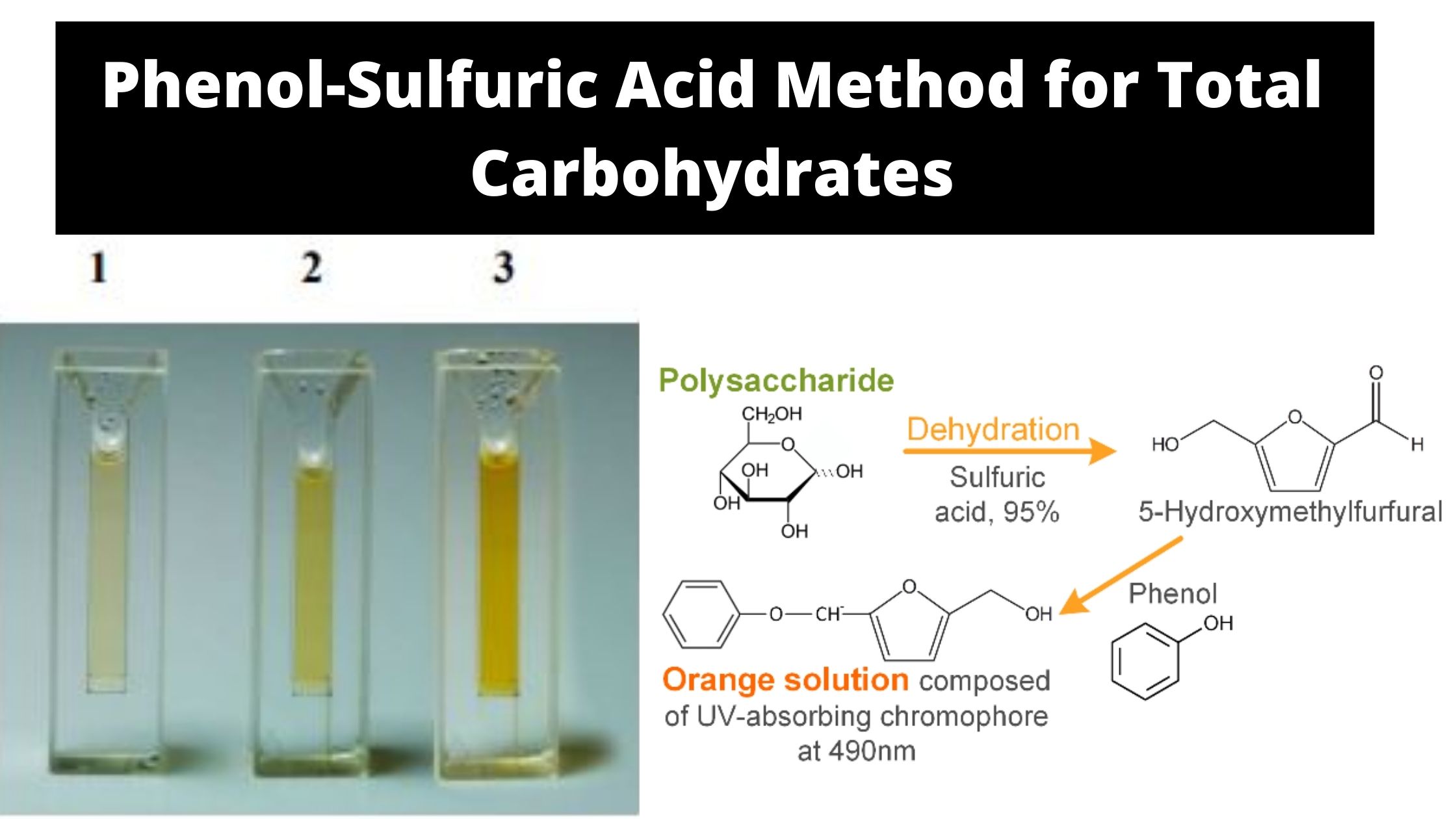
What is Phenol-Sulfuric Acid Method for Total Carbohydrates? Phenol-sulfuric acid method is a colorimetric method which is used for quantitative estimation of total carbohydrates. It was formalized by DuBois in 1956. It is simple rapid and reliable method. It can detect almost all type of carbohydrates like monosaccharides disaccharides oligosaccharides and polysaccharides. In this method … Read more
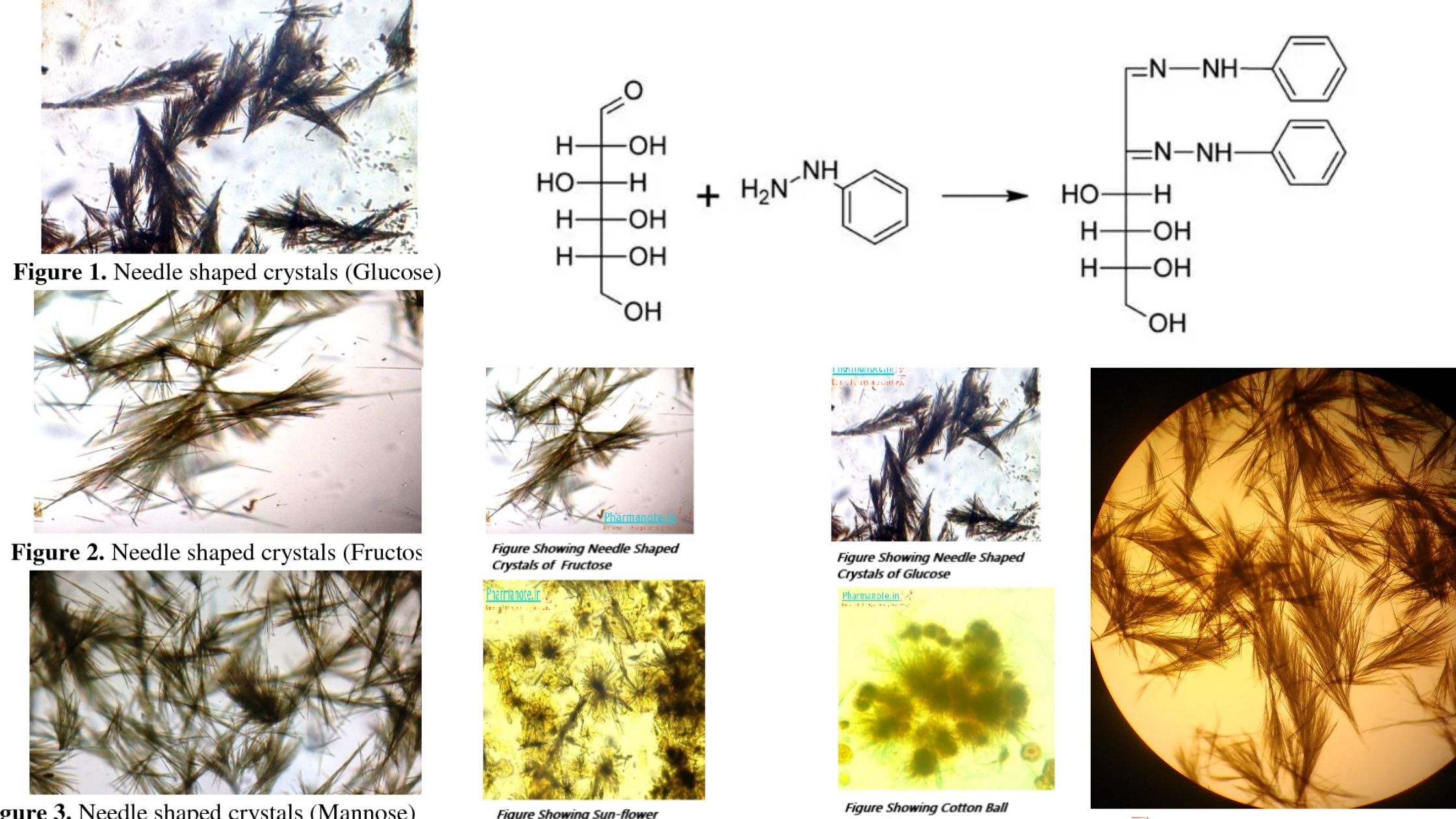
What is Osazone Test? Osazone test is a chemical test which is used for detection and differentiation of reducing sugars. Reducing sugar contains free carbonyl group (or potentially free carbonyl group) and it gives positive reaction. This test was developed by Emil Fischer. It is based on formation of osazone crystals and these crystals are … Read more
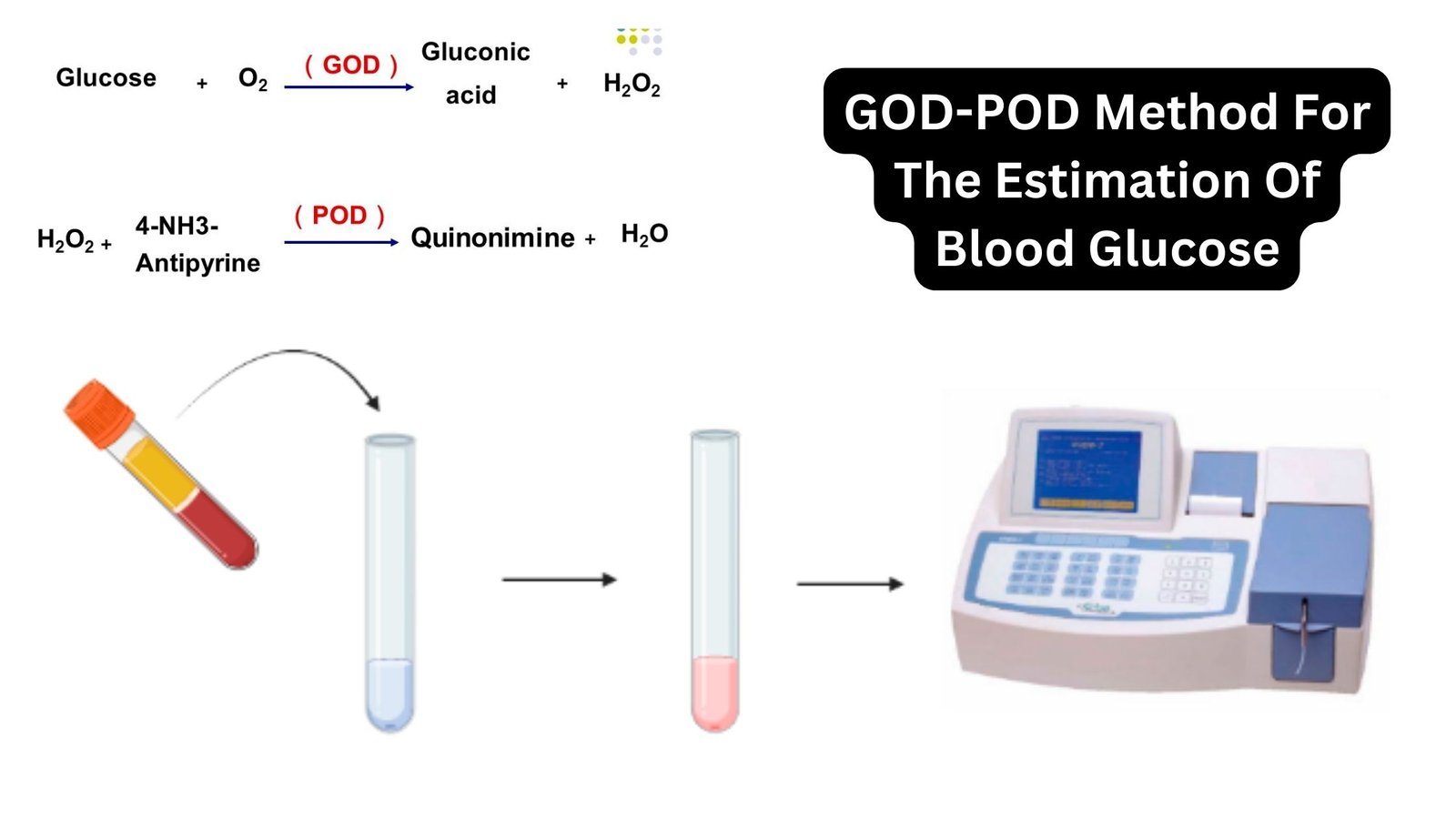
What is GOD-POD Method for Glucose Estimation? GOD-POD method is referred to as Glucose oxidase-peroxidase method (Trinder method). It is a enzymatic method which is used for estimation of blood glucose. It is highly specific and it gives true glucose value. This method is based on two step enzymatic reaction and colour development. In first … Read more
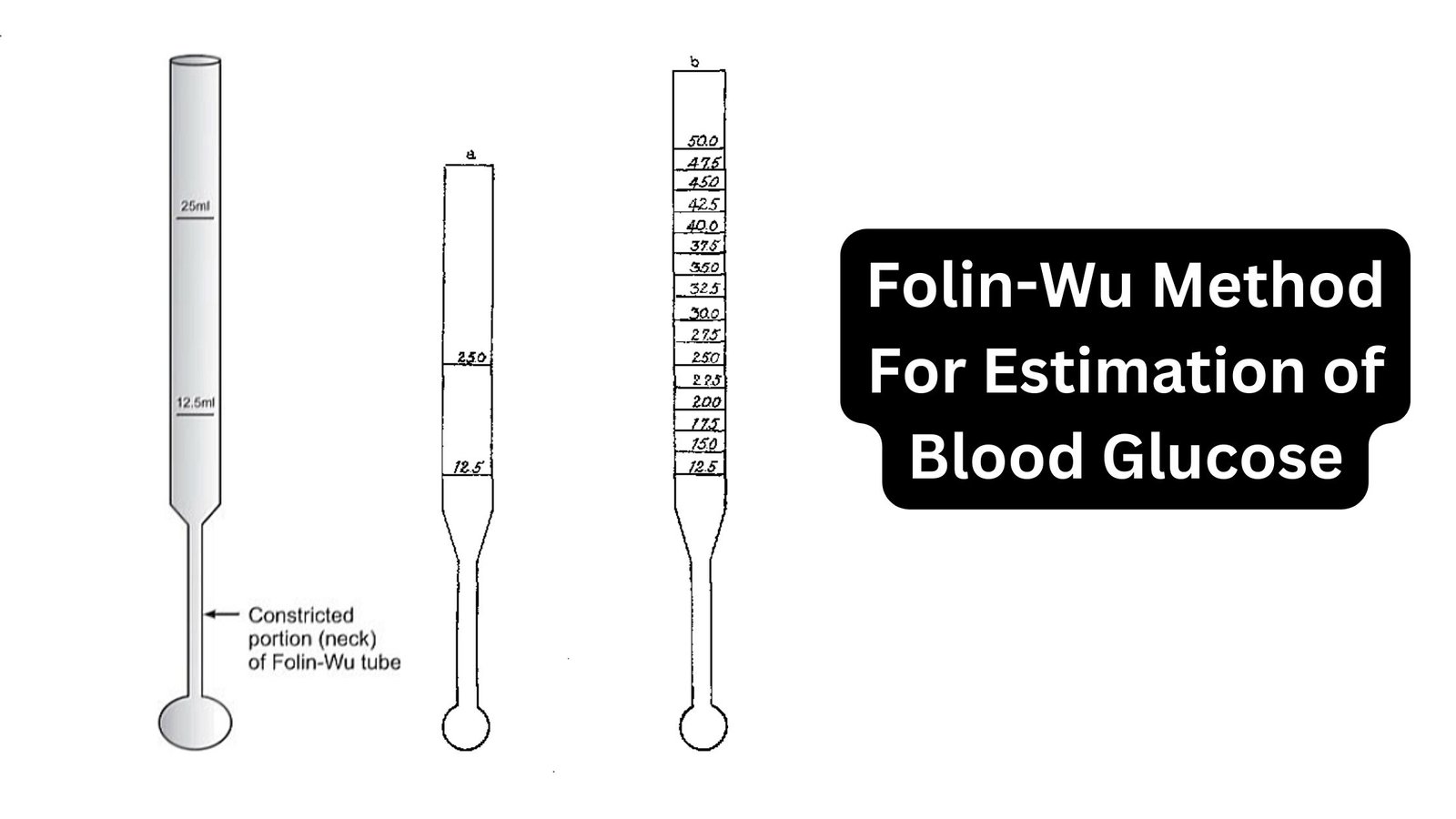
What is Folin-Wu Method? Folin-Wu method is a old colorimetric method which is used for estimation of glucose in blood. It was developed in 1919 by Otto Folin and Hsien Wu. It is based on oxidation-reduction reaction. The blue colour is produced and this colour intensity is measured for glucose level. In this method the … Read more
Calcium in milk is measured by first releasing the calcium from milk matrix and then it is quantified by titration or instrumental method. In milk calcium are present in soluble form and also it is bound with casein complex so direct estimation without treatment is not accurate. The sample is prepared by mineralization in which … Read more
Determination of magnesium in milk is an analytical test in which total magnesium present in milk is released from milk matrix and then it is quantified by suitable method. Magnesium is an important macro mineral in milk and it is present around 90–150 mg/kg. It has structural role in stabilizing casein micelle and maintaining colloidal … Read more
Determination of phosphorus in milk is a biochemical test in which the total phosphorus present in milk is converted into inorganic orthophosphate and then it is measured by colour reaction. It is the process in which different form of phosphorus present in milk matrix are first released from organic matter and then it is estimated … Read more
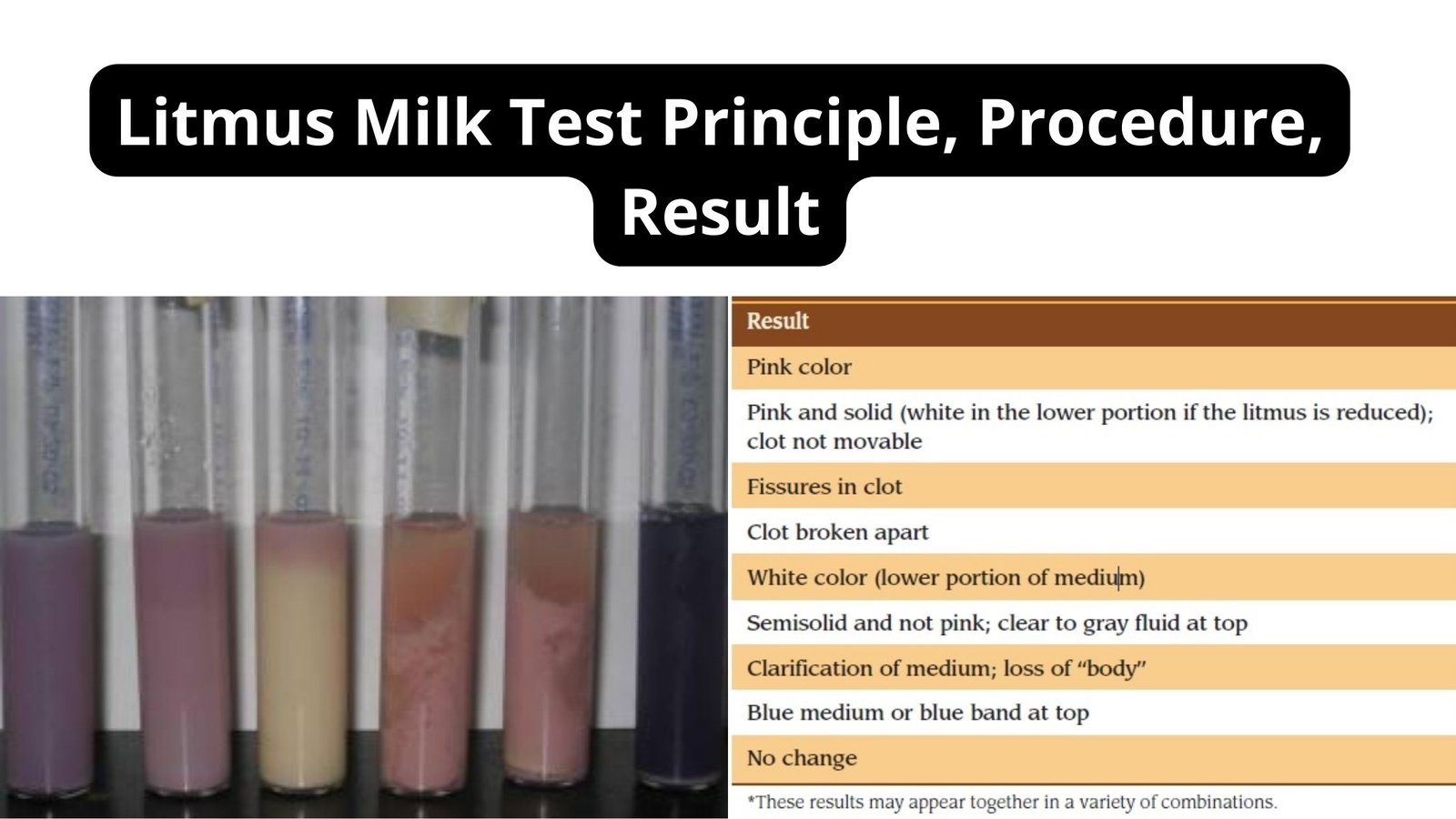
What is the Litmus Milk Test? Litmus milk test is a differential biochemical procedure used in microbiology to evaluate metabolic capability of different bacteria. It is done by using a liquid medium containing skim milk and litmus. Skim milk provides lactose(milk sugar) and casein(milk protein) and litmus dye acts as pH indicator and oxidation–reduction indicator. … Read more
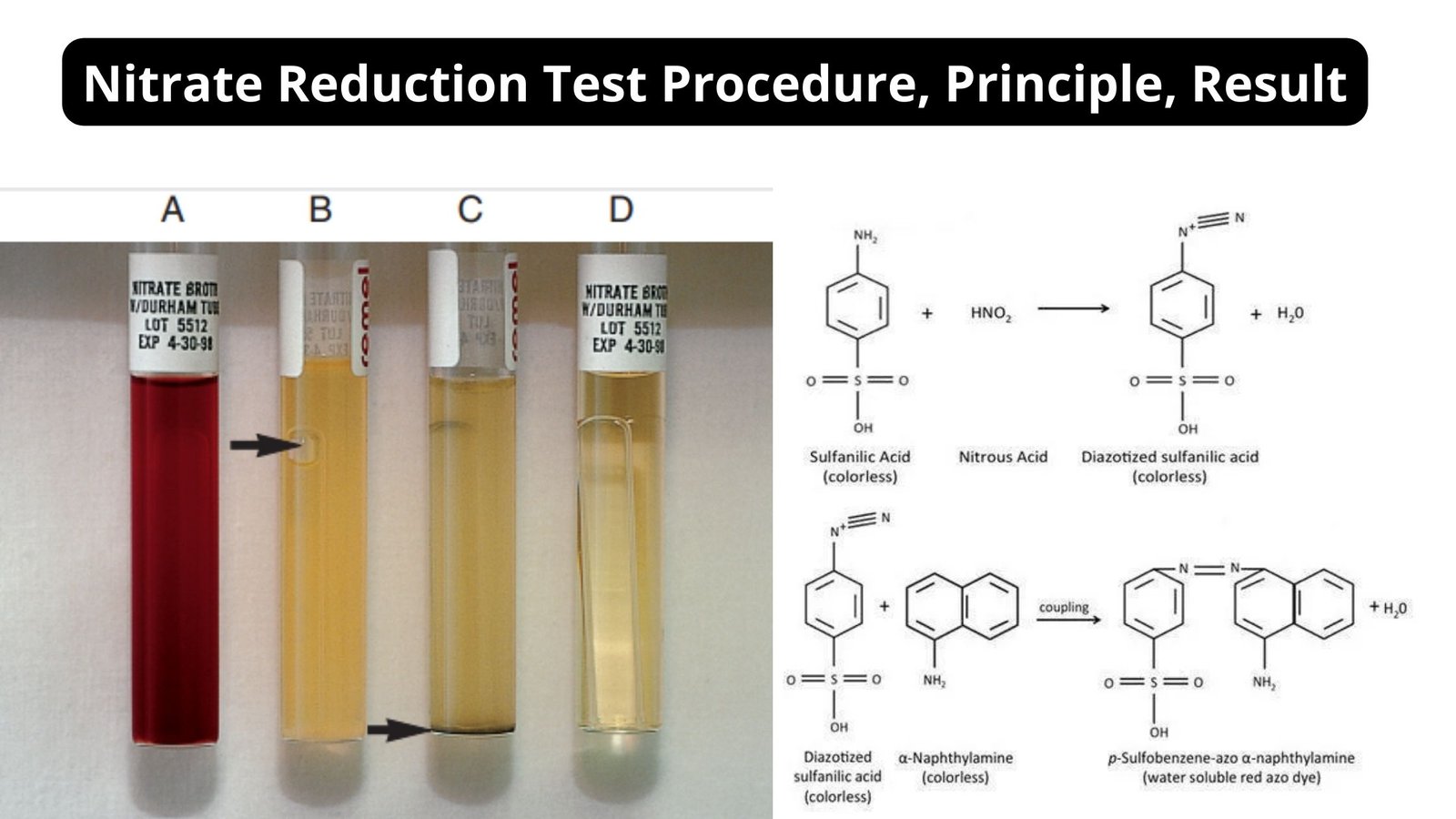
What is Nitrate Reduction Test? Nitrate reduction test is a biochemical test used to determine the ability of bacteria to reduce nitrate (NO₃⁻) into nitrite (NO₂⁻) or into other nitrogenous compounds such as ammonia or nitrogen gas. It is the process in which nitrate acts as a terminal electron acceptor during anaerobic respiration. This test … Read more
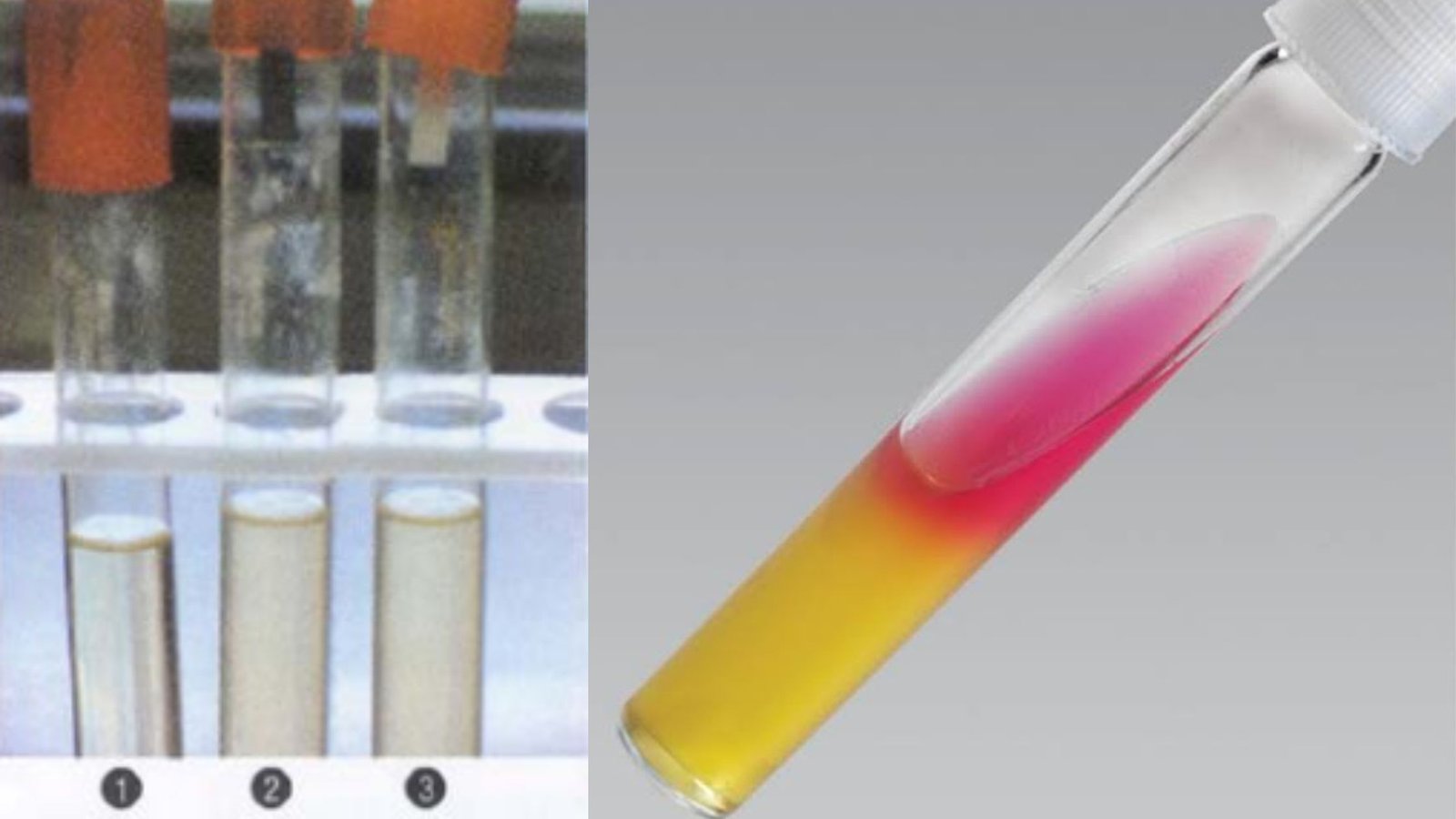
What is Hydrogen Sulfide (H2S) Test? The Hydrogen Sulfide (H2S) test is a routine biochemical method used in bacteriology, it is the process by which the capacity of a strain to produces hydrogen sulfide gas is detected in selective or differential media, this is referred to as an important aid for separating Salmonella and Proteus … Read more