Cytokinesis – Definition, Process, and Types in Plant and Animal Cells

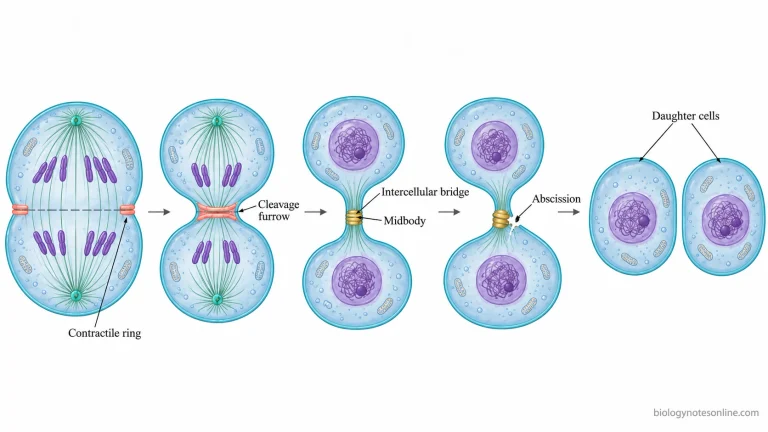
Cytokinesis divides a cell’s cytoplasm into daughter cells. Learn when it occurs, how it works in animal and plant cells, and how it differs from mitosis.

Cytokinesis divides a cell’s cytoplasm into daughter cells. Learn when it occurs, how it works in animal and plant cells, and how it differs from mitosis.
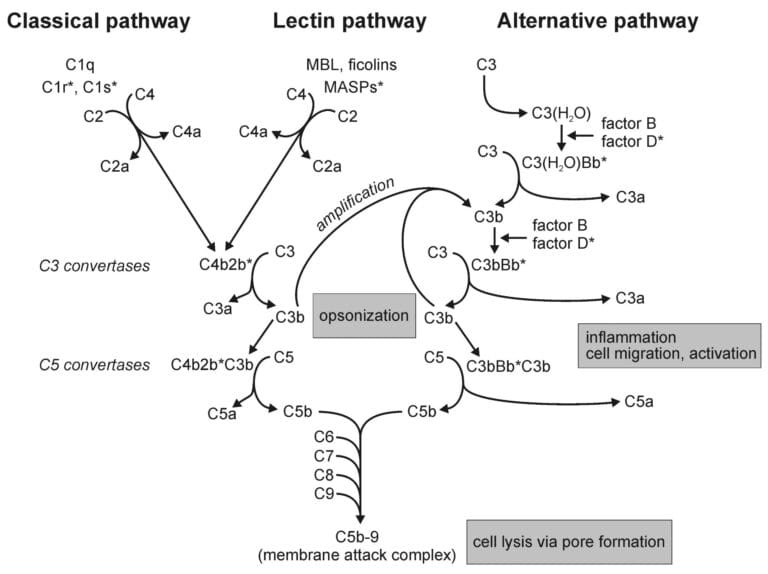
Complement pathway is a part of innate immune system of body. It is also called complement cascade. It consists of more than 50 proteins which are present in blood and also attached on the cell surfaces. These proteins normally remain in inactive condition. When any foreign invader, pathogen or damaged cell is detected, these proteins
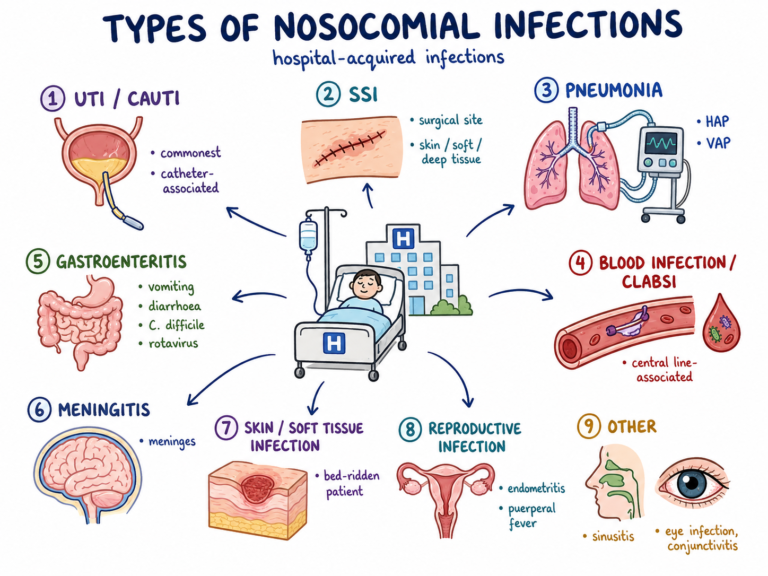
Nosocomial infection is an infection acquired from hospital or health care centre. It occurs during treatment of a patient. It is also called hospital-acquired infection or healthcare-associated infection (HAI). The word nosocomial is derived from Greek word nosokomeion. It means hospital. This term is used when the infection was not present in the patient before

Passive immunization is a type of immunization in which already formed antibodies are given to a person. It gives immediate protection against disease, toxin or venom. In this method, the body does not produce its own antibody for protection. This immunity may be naturally acquired. In natural passive immunization, the maternal antibodies are transferred from
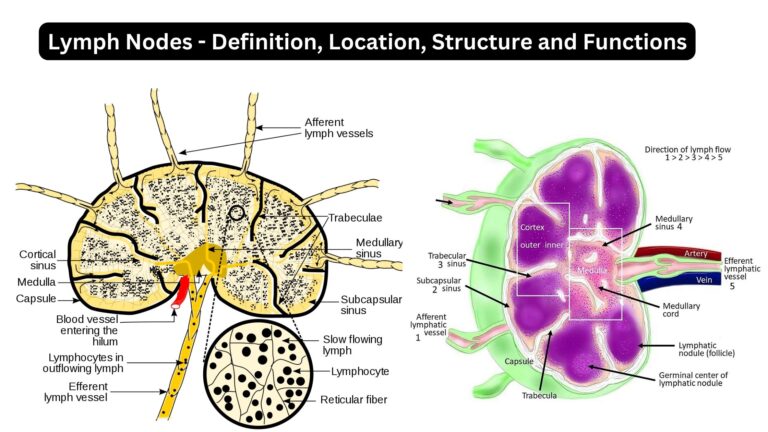
Lymph nodes are small bean shaped or kidney shaped organs present in the lymphatic system. It is an important part of the body immune system. These are found throughout the body and about 800 lymph nodes are present in human body. The size of lymph node is generally about 1 to 2 cm. They are
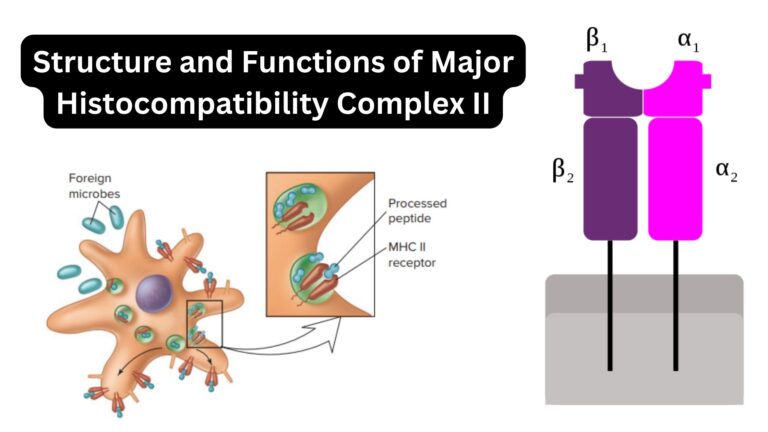
Major Histocompatibility Complex II (MHC II) molecules are protein molecules present on the surface of some immune cells. These are mainly found on professional antigen presenting cells (APCs). The cells include dendritic cells, macrophages and B cells. MHC II molecules are different from MHC I molecules because MHC I is present on almost all nucleated
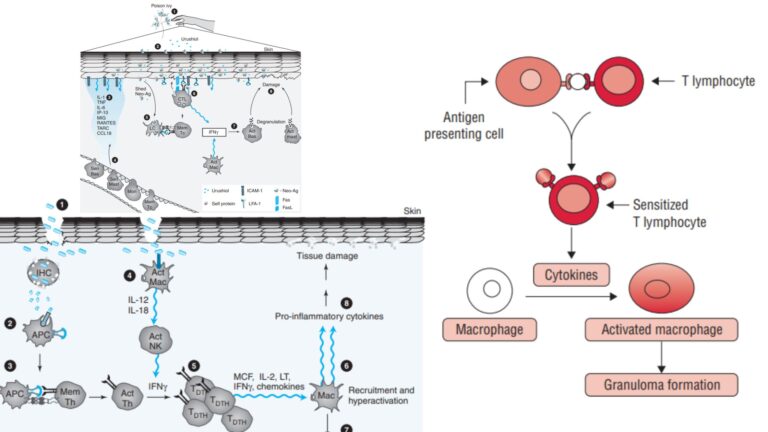
Type IV hypersensitivity is also called Delayed-Type Hypersensitivity (DTH). It is a cell mediated hypersensitivity reaction. It is due to T lymphocytes. It is not due to antibody. It is called delayed type because the reaction appears late. Usually it appears after 48 to 72 hours. Sometimes more time also needed. This delay is due
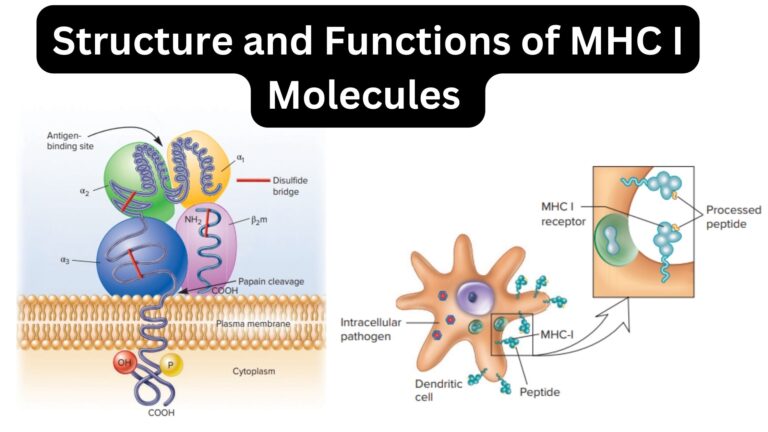
Major Histocompatibility Complex class I (MHC I) is a cell surface glycoprotein which is found on almost all nucleated cells and platelets. In human it is known as Human Leukocyte Antigen (HLA). The main classical forms are HLA-A, HLA-B and HLA-C. MHC I is heterodimer in structure. It is made up of one heavy alpha
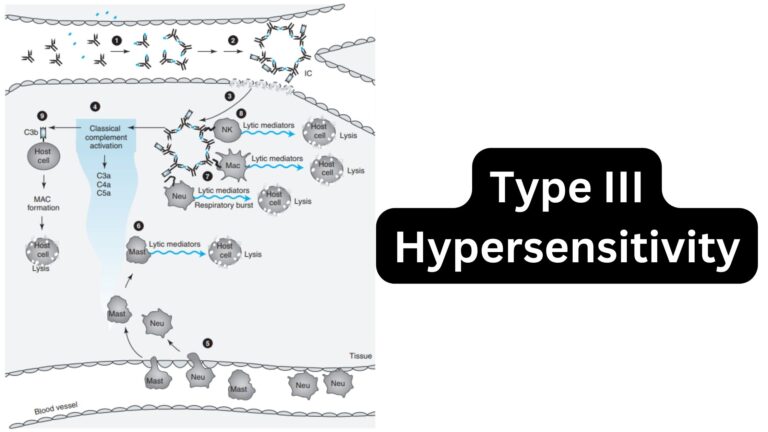
Type III hypersensitivity is also called immune complex mediated reaction. It is caused by deposition of antigen-antibody complex in tissue. The antibodies involved are mainly IgG and IgM. In this reaction soluble antigen is present in blood. This antigen combines with antibody. So immune complex are formed.The reaction is as follows- Soluble antigen + IgG/IgM
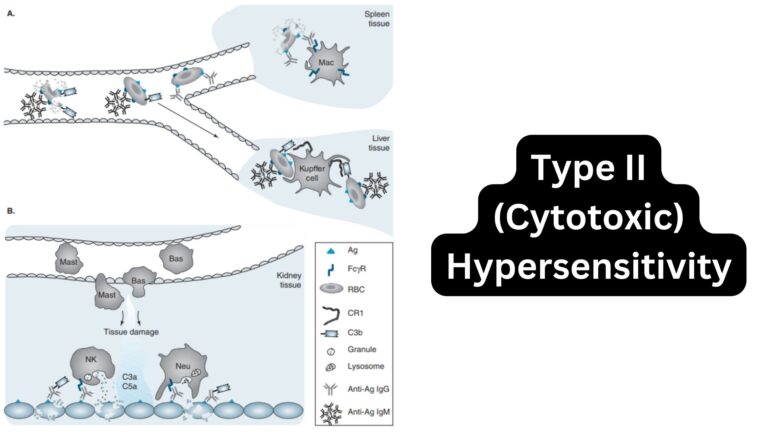
Type II (Cytotoxic) Hypersensitivity is an antibody mediated hypersensitivity reaction in which IgG or IgM antibodies react with antigen present on the surface of body cell or extracellular matrix. In this reaction, the antibody binds with the normal host cell antigen. Then the immune system identifies this cell as harmful cell. It causes injury of