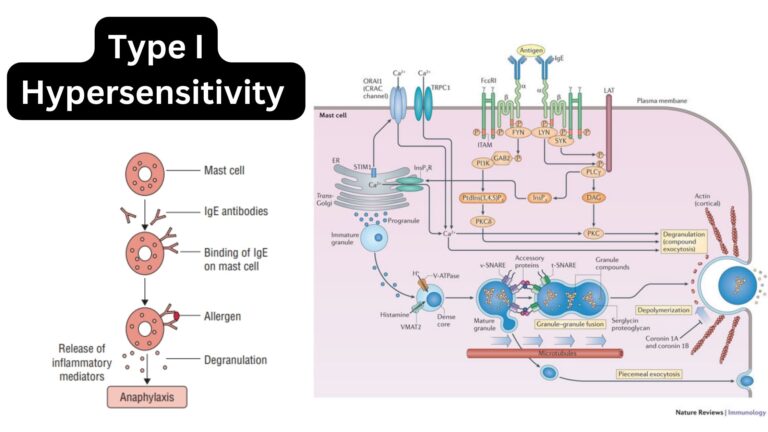
Type I hypersensitivity reaction is an immediate hypersensitivity reaction. It is also called anaphylactic hypersensitivity. It is produced against some harmless foreign substances called allergens. The allergens may be pollen, food, drugs, dust and insect venom. These substances enter into the body and the immune system reacts against them. The reaction is very fast and
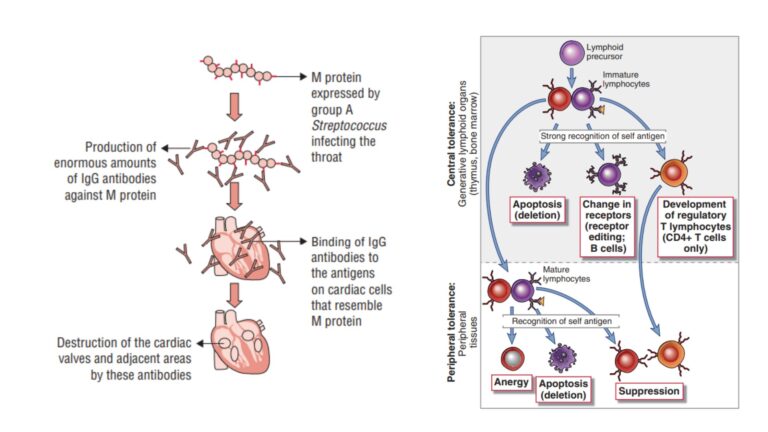
Autoimmunity is an abnormal condition in which the body immune system react against its own healthy cells and tissues. It means the immune system cannot properly identify self-antigen and foreign antigen. So, the body’s own tissues are attacked like they are infectious agents. Normally, the immune system has a protective mechanism called self-tolerance. This tolerance
Rh blood group is a human blood group system. It is one of the most important blood group after ABO blood group. It has great importance in blood transfusion and pregnancy. The Rh blood group is mainly identified by Rh factor. This Rh factor is the D antigen. It is present on the surface of
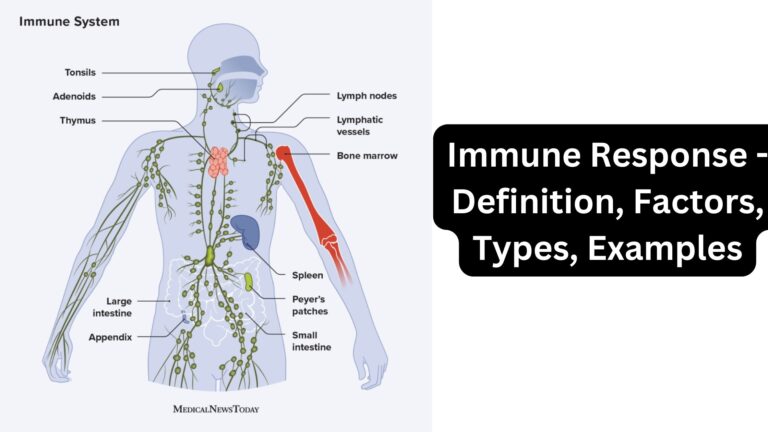
Immune response is a protective response of body against harmful foreign agents. It is done by physical barriers, immune cells and chemical signals. It helps to maintain normal health of body. The main function of immune response is to identify and destroy pathogens, foreign toxins and abnormal cells. It also removes damaged cells from body.
Major Histocompatibility Complex (MHC) molecules are glycoproteins present on the surface of cells. These are encoded by a large group of genes. In human, these genes are present on chromosome 6 and are called Human Leukocyte Antigens (HLA). The main function of MHC molecules is to bind short peptide fragments and present them on the
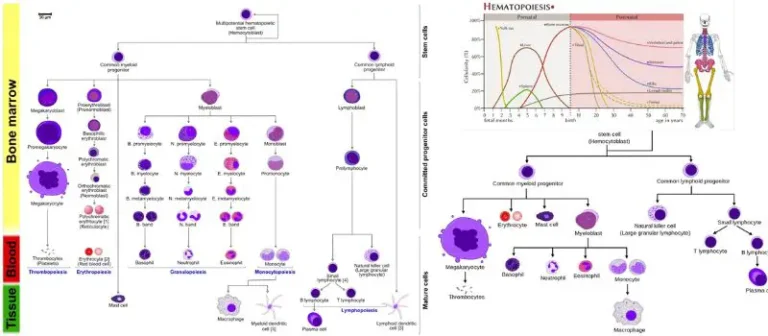
Hematopoiesis is a continuous physiological process by which all mature blood cells and bone marrow cells are formed. It is an essential process for maintaining normal blood cell number in the body. This process starts from pluripotent hematopoietic stem cells (HSCs). These stem cells are mainly present in the soft spongy tissue of bone marrow
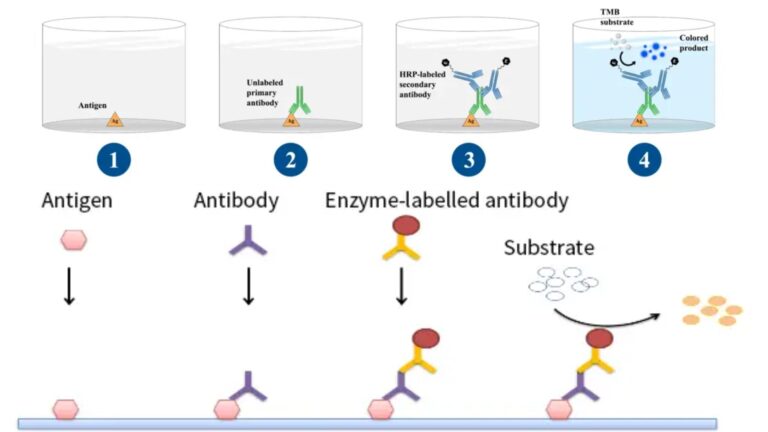
ELISA (Enzyme-Linked Immunosorbent Assay) is a sensitive laboratory test used for detection of antigen, antibody, protein, peptide and hormone from biological samples. It is based on the specific binding between antigen and antibody. So the particular substance present in the sample can be detected by this reaction. In this test, the sample or target molecule
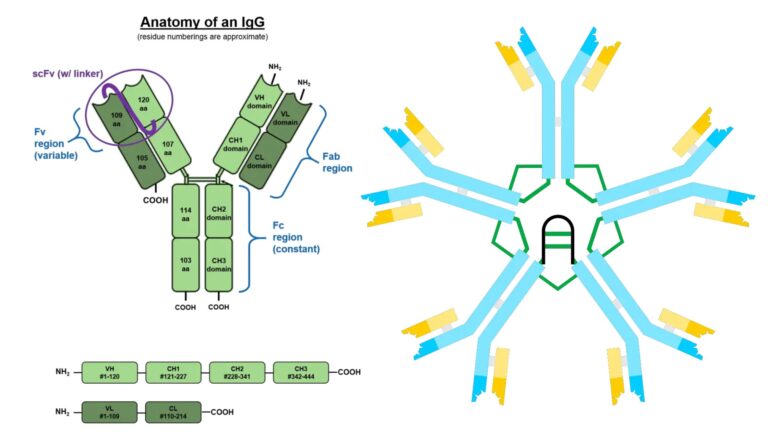
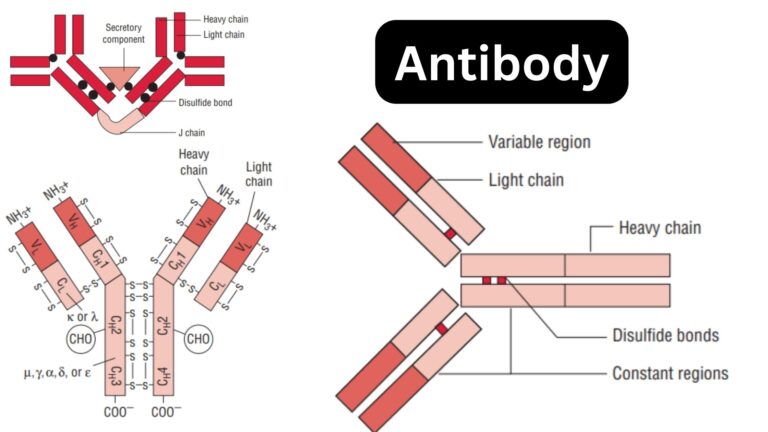
Antibodies are Y-shaped glycoproteins. These are also called immunoglobulins. It is important component of adaptive immunity. These are produced by B-lymphocytes. After activation, B-cells are changed into plasma cells. These plasma cells produce large amount of antibodies against foreign substances. The foreign substance is called antigen. Antigen may be bacteria, virus, toxin or any other
Antibody or immunoglobulin (Ig) is a specific glycoprotein produced by B-lymphocytes and plasma cells. It is produced in response to entry of foreign substance in the body. These foreign substances are called antigens. Antibody is an important part of humoral immunity. It is used to identify and bind with bacteria, viruses, toxins and other harmful
Indirect ELISA (Enzyme-Linked Immunosorbent Assay) is a sensitive laboratory method used to detect specific antibody present in a biological sample like serum. It is called indirect because the enzyme is not attached with the primary antibody. The enzyme is attached with the secondary antibody, which detects the primary antibody. In this test, a known antigen