

Autoimmunity is an abnormal condition in which the body immune system react against its own healthy cells and tissues. It means the immune system cannot properly identify self-antigen and foreign antigen. So, the body’s own tissues are attacked like they are infectious agents.
Normally, the immune system has a protective mechanism called self-tolerance. This tolerance prevents immune cells from reacting against the body own antigens. It helps the immune system to attack only foreign materials like microbes, toxins, and other harmful substances.
When self-tolerance fails, the adaptive immune cells become self-reactive. These cells may include T-lymphocytes and B-lymphocytes. They recognize normal body tissues as foreign and start immune reaction against them.
But presence of autoimmunity does not always produce disease. Low amount of self-reactive T-cells or autoantibodies may present in many individuals. They remain silent because checkpoint control and homeostatic mechanisms keep them under control.
The condition becomes autoimmune disease when these self-reactive lymphocytes escape the normal control mechanism. Then they produce tissue injury, organ damage and disturbance of normal function. This is referred to as pathological autoimmunity.
The causes of autoimmunity are not due to single factor. It is produced by many factors together. Some of the important factors are genetic predisposition, hormonal influence, and environmental triggers. These factors disturb the normal immune regulation and allow the immune system to attack self tissues.
Types of Immunological Tolerance
Immunological tolerance is mainly of two types-
- Central tolerance
- Peripheral tolerance
1. Central tolerance
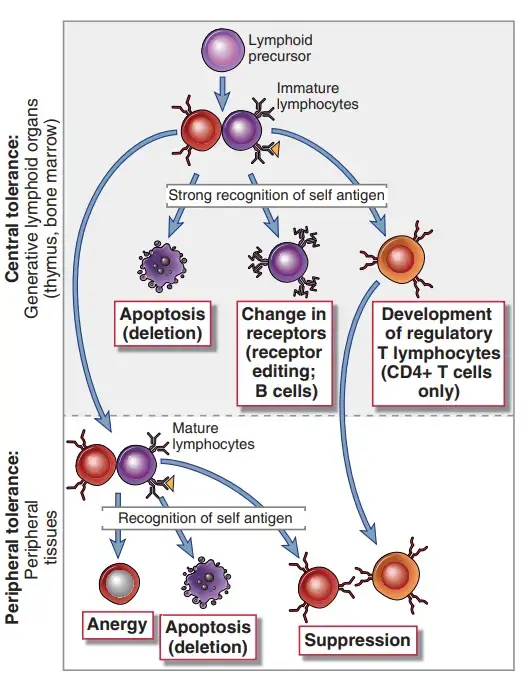
Central tolerance is the first type of immunological tolerance. It develops during early maturation of immune cells.
It takes place in primary lymphoid organs. T-cells develop in the thymus. B-cells develop in the bone marrow.
In this tolerance, the strongly self-reactive lymphocytes are removed or changed. So they cannot attack the body own tissues.
The following are the mechanisms of central tolerance–
Negative selection or clonal deletion
In this process, developing T-cells and B-cells are checked against self-antigens.
If these cells bind strongly with self-antigens, then they are destroyed. This destruction occurs by programmed cell death or apoptosis.
This is called negative selection or clonal deletion.
Receptor editing
Receptor editing occurs mainly in developing B-cells.
If a B-cell reacts strongly with self-antigen, then its receptor is changed. This occurs by genetic rearrangement.
After receptor editing, if the new receptor does not react with self-antigen, then the B-cell is saved. If it still reacts with self-antigen, then it is destroyed.
Regulatory T-cell diversion
Some developing T-cells in thymus bind with self-antigens with intermediate affinity.
These cells are not always destroyed. They are directed to become Regulatory T-cells (Tregs).
These Tregs suppress immune reaction. They help to control autoreactive immune cells.
2. Peripheral tolerance
Peripheral tolerance is the second type of immunological tolerance. It acts as the backup system.
Central tolerance is not complete always. Some self-reactive lymphocytes may escape from thymus and bone marrow.
These escaped cells enter into blood, spleen, lymph nodes and other peripheral tissues. Peripheral tolerance controls these cells.
The following are the mechanisms of peripheral tolerance–
Anergy
Anergy is an inactive state of lymphocyte.
It occurs when autoreactive T-cell recognizes self-antigen but does not get costimulatory signal.
For full activation, the cell needs antigen signal and also second danger signal. Without this second signal, the cell becomes functionally inactive.
This inactive condition is called anergy.
Exhaustion
Exhaustion is progressive loss of function of immune cells.
It occurs due to chronic and high dose exposure to antigen. The immune cell becomes weak and cannot work properly.
This also helps to reduce harmful immune reaction against self-antigens.
Deletion by apoptosis
Some autoreactive lymphocytes are removed in peripheral tissues.
They are killed by extrinsic death pathway. One important pathway is Fas-Fas ligand (FasL) system.
This pathway induces apoptosis and removes harmful self-reactive cells.
Active suppression by regulatory cells
Some regulatory cells suppress the immune response. The important cells are FOXP3+ Regulatory T-cells (Tregs) and Regulatory B-cells (Bregs).
They release anti-inflammatory cytokines. Example IL-10, TGF-β and IL-35.
These cytokines reduce inflammation. They also suppress autoreactive effector cells and reduce their survival signals.
Antigen sequestration or clonal ignorance
In clonal ignorance, self-reactive lymphocytes are present but they do not cause damage.
This occurs because some self-antigens are hidden from immune system. They are present in protected sites.
Example, eye and brain. These are protected by blood-retina barrier and blood-brain barrier.
So the systemic immune cells cannot easily reach these antigens. This forms immunologically privileged sites.
Immunological Tolerance and Its Role in Preventing Autoimmunity
Immunological tolerance is a normal physiological condition of immune system. In this condition immune system does not attack the body own self-antigens. It protects the healthy cells and tissues from destructive inflammatory reaction.
It is an important protective mechanism. It controls the autoreactive lymphocytes before they cause tissue damage. Thus, it has major role in prevention of autoimmunity.
Immunological tolerance is of two types-
- Central tolerance
- Peripheral tolerance
1. Central tolerance
Central tolerance takes place during maturation of lymphocytes. It occurs in primary lymphoid organs. T-cells mature in the thymus and B-cells mature in the bone marrow.
In this process the lymphocytes which strongly react with self-antigens are removed. So these cells cannot enter the blood and peripheral tissues.
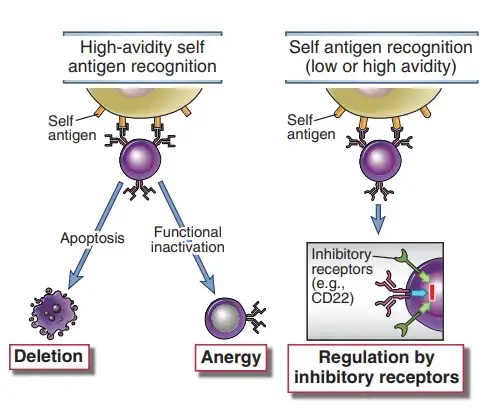
T-cell negative selection
In the thymus, immature T-cells are tested against different self-antigens. These antigens are presented with MHC molecules.
If the T-cell binds strongly with self-antigen, then the cell is destroyed. This is done by programmed cell death or apoptosis. This process is called negative selection or clonal deletion.
Role of AIRE
AIRE (autoimmune regulator) is a transcription factor. It is present in thymus.
It helps the thymus to express many tissue-restricted antigens. These antigens are normally found in specific organs. So the thymus can test developing T-cells against many body antigens.
By this way, harmful self-reactive T-cells are removed before they become mature.
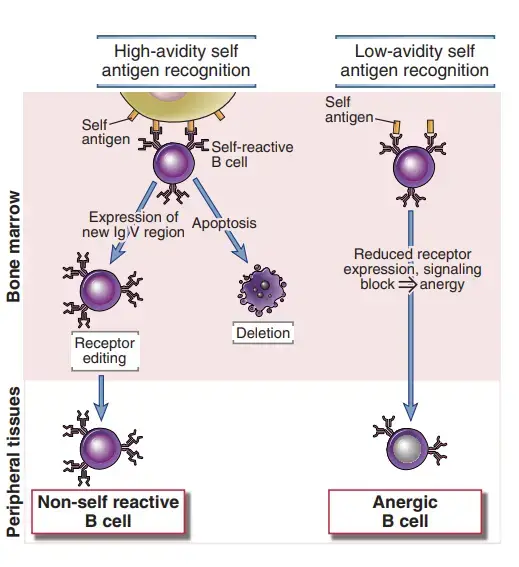
B-cell receptor editing
In the bone marrow, immature B-cells are exposed to self-antigens. If a B-cell reacts strongly with self-antigen, then it may change its receptor.
This process is called receptor editing. In this process the gene rearrangement occurs and a new receptor is formed.
If the new receptor is not self-reactive, the cell survives. If receptor editing fails, the B-cell is destroyed by clonal deletion.
2. Peripheral tolerance
Peripheral tolerance is the second line of protection. It acts outside the primary lymphoid organs. It occurs in blood, spleen, lymph nodes and other peripheral tissues.
Central tolerance is not complete always. Some self-reactive lymphocytes may escape from thymus and bone marrow. These escaped cells are controlled by peripheral tolerance.
The following are the important mechanisms of peripheral tolerance-
Anergy
Anergy is the inactive state of lymphocyte. It occurs when lymphocyte recognizes antigen but does not get proper costimulatory signal.
For full activation, lymphocyte needs two signals. One is antigen recognition and other is danger or costimulatory signal.
If self-reactive T-cell or B-cell binds with self-antigen without costimulation, then it becomes inactive. It cannot produce immune response.
Deletion by apoptosis
Some autoreactive cells are removed in peripheral tissues. This occurs by apoptosis.
Repeated contact with self-antigen may activate death pathway. One important pathway is Fas-Fas ligand system. It causes death of harmful self-reactive immune cells.
Active suppression by regulatory cells
Some special cells suppress the immune response. These are FOXP3+ Regulatory T-cells (Tregs) and Regulatory B-cells (Bregs).
They produce anti-inflammatory cytokines. Example IL-10 and TGF-β. These cytokines reduce inflammation and suppress autoreactive effector cells.
They also consume local survival factors. So the autoreactive cells cannot survive properly.
Clonal ignorance
Clonal ignorance means the self-reactive lymphocytes are present but they do not react. It happens because they do not meet their target self-antigens.
Some self-antigens are hidden in protected sites. Example brain and retina. These are protected by blood-brain barrier and blood-retina barrier.
So the systemic immune cells cannot easily reach these antigens.
Role in preventing autoimmunity
Immunological tolerance prevents autoimmunity by different ways. It removes self-reactive cells. It makes them inactive. It suppresses their function. It also keeps some self-antigens hidden from immune system.
It maintains the difference between self and non-self. So immune system attacks foreign antigens but does not attack own tissues.
When tolerance fails, the self-reactive lymphocytes escape control. They multiply and attack the body own tissues.
This causes inflammation, tissue injury and organ dysfunction. This condition is called autoimmunity. When it produces disease condition, it is called autoimmune disease.
Mechanisms Responsible for Autoimmunity
Autoimmunity occurs due to failure of normal immune control. In this condition the immune system starts reaction against body own self-antigens. It may be due to genetic, environmental, hormonal and immunological factors.
The following are the important mechanisms responsible for autoimmunity–
1. Genetic susceptibility
Genetic susceptibility has important role in development of autoimmunity.
Some inherited gene variants disturb immune regulation. The important genes are HLA complex and non-HLA genes like PTPN22, NOD2 and CTLA4.
These genes affect antigen presentation, lymphocyte activation and tolerance checkpoint. So self-reactive immune cells may escape from normal control.
2. Breakdown of immunological tolerance
Breakdown of immunological tolerance is the main mechanism of autoimmunity.
Normally central tolerance removes self-reactive lymphocytes in thymus and bone marrow. Peripheral tolerance controls escaped self-reactive cells by anergy, apoptosis and regulatory cells.
When these mechanisms fail, autoreactive T-cells and B-cells survive. They become active and attack own tissues.
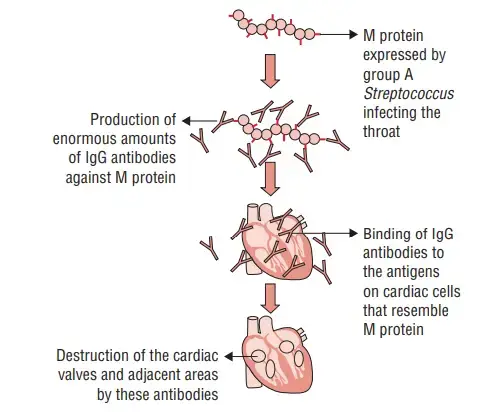
3. Molecular mimicry
Molecular mimicry occurs when foreign pathogen antigen look similar to body self-antigen.
During infection, immune system makes response against the pathogen. But due to similarity, the same immune cells or antibodies react with host tissue also.
Thus, the immune response against pathogen becomes cross-reactive. It produces tissue damage and autoimmune reaction.
4. Epitope spreading
Epitope spreading is the spreading of immune response from one epitope to other epitopes.
At first immune reaction is against one specific epitope. But due to chronic inflammation and tissue injury, more self-antigens are released.
Then immune system starts reacting against new epitopes. These may be present in same protein or in other associated proteins.
5. Bystander activation
Bystander activation occurs in highly inflammatory condition.
Persistent infection or tissue damage produces many inflammatory cytokines. These cytokines activate nearby immune cells in non-specific way.
By this way, already present self-reactive T-cells or B-cells may become active without proper specific antigen recognition.
6. Release of cryptic epitopes
Cryptic epitopes are hidden self-peptides. They are normally not exposed to immune system.
During chronic inflammation or abnormal antigen processing, these hidden epitopes become exposed. Since they were not seen during immune cell development, immune system may treat them as foreign.
This leads to activation of self-reactive lymphocytes and autoimmunity.
7. Superantigens
Superantigens are certain bacterial or viral proteins.
They bypass normal antigen presentation. They activate large number of T-cells or B-cells in non-specific manner.
This causes massive polyclonal activation. Some dormant autoreactive clones may also become active and produce autoimmune response.
8. Failure of antigen sequestration
Some self-antigens are normally hidden in immunologically protected sites. These sites include eye, brain and testes.
They are separated from systemic immune system by physical barriers. Due to trauma or infection, these barriers may break.
Then hidden antigens are released into circulation. The immune system identifies them as foreign and starts autoimmune reaction. Example is sympathetic ophthalmia.
9. Environmental triggers
Some environmental factors can change self-proteins and make them immunogenic.
Smoking can increase citrullination of proteins in lungs. In genetically susceptible persons, this may help in development of rheumatoid arthritis.
UV radiation causes cell death and exposes nuclear antigens. This is linked with systemic lupus erythematosus (SLE).
10. Neuroendocrine and hormonal influences
Hormones also influence autoimmunity.
Sex hormones like estrogen and prolactin may increase immune activity. Chronic stress can disturb hypothalamic-pituitary-adrenal (HPA) axis.
This changes cytokine balance and lowers inflammatory threshold. So the immune system may shift towards self-directed aggressive response.
11. Impaired clearance of apoptotic cells
Normally apoptotic cells are removed by phagocytes.
If this clearance is defective, dead cell debris accumulates. These materials may undergo secondary necrosis and release intracellular antigens.
These intracellular components act as danger signals. They stimulate autoantibody production and autoimmune inflammation.
Genetic Factors in Autoimmunity
The following are the genetic factors in autoimmunity–
- HLA complex– Human Leukocyte Antigen (HLA) complex is the most important genetic factor. Mainly HLA class II genes are involved. These genes control presentation of self-peptides to T-cells. If presentation becomes abnormal, autoreactive T-cells may be activated. HLA-DRB1 shared epitope is seen in rheumatoid arthritis. HLA-DR3/DR4 is seen in Type 1 diabetes. HLA-DR2/DR3 is seen in cutaneous lupus erythematosus.
- PTPN22– PTPN22 is a non-HLA gene. It acts as negative regulator of T-cell receptor and B-cell receptor signaling. Mutation in this gene disturb normal immune control. The important variant is R620W (1858C>T). It increases risk of rheumatoid arthritis, systemic lupus erythematosus (SLE) and Type 1 diabetes.
- CTLA-4– CTLA-4 is an immune checkpoint gene. It normally stops excess T-cell activation. It helps in peripheral tolerance. When polymorphism occurs in this gene, the control over T-cell is reduced. So self-reactive T-cells may remain active. It is related with Type 1 diabetes and autoimmune thyroid disease.
- FOXO-3– FOXO-3 is a transcription factor. It is involved in immune regulation, apoptosis and oxidative stress response. Polymorphism in this gene can change immune tolerance. It may increase susceptibility to autoimmune thyroid disease.
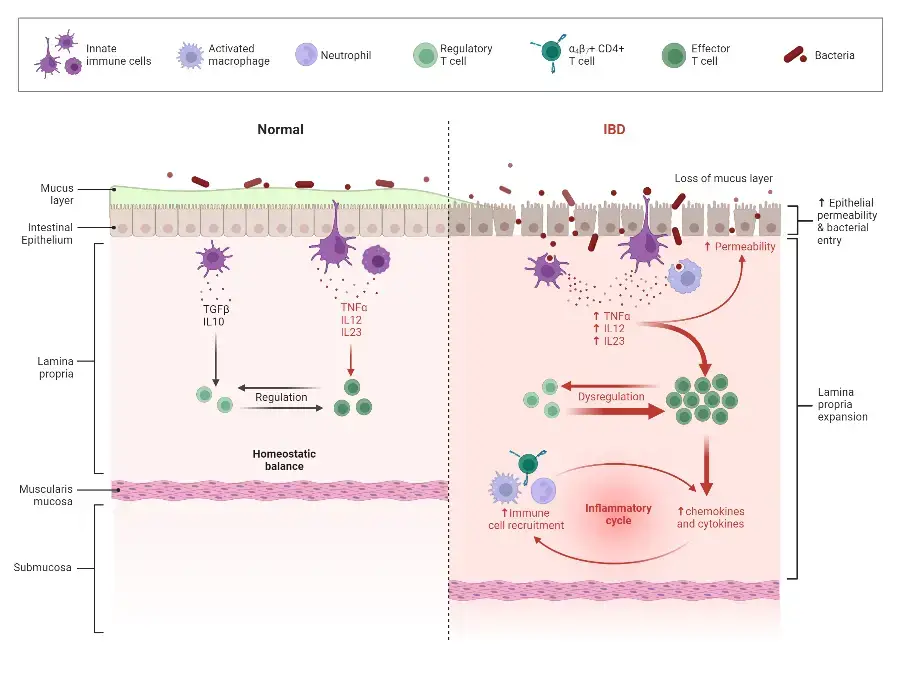
- NOD2– NOD2 gene has role in mucosal immunity. It helps to maintain mucosal Regulatory T-cells (Tregs). Mutation in NOD2 causes defective NF-κB activation. It also causes early death of protective Tregs. So intestinal immune control becomes weak. It is involved in bowel lesions of Crohn’s disease.
- Interferon genes– Some genes control nucleic acid sensing and interferon response. These include TREX1, IRF5, ITGAM and TYK2. Mutation in these genes disturb removal of cytosolic DNA. Interferon response also become abnormal. This may lead to lupus type autoimmunity like cutaneous lupus erythematosus.
- Epistasis– Epistasis means one gene affect the function of another gene. In autoimmune disease, many genes act together. So disease risk becomes more high. Example, high risk HLA alleles with INS, CTLA4 and PTPN22 variants increase risk of childhood Type 1 diabetes.
- Epigenetic change– Epigenetic change means change in gene expression without changing DNA sequence. It includes abnormal DNA hypomethylation and altered microRNA expression. These changes disturb normal immune function. So tolerance may break and autoimmunity can develop.
Environmental Factors Triggering Autoimmunity
The following are the environmental factors triggering autoimmunity–
- Infection– Viruses and bacteria are important environmental triggers of autoimmune diseases. Pathogens may activate immune system by molecular mimicry, bystander activation and epitope spreading. In this condition immune response against microbes may also attack the body own healthy tissues.
- UV radiation– Ultraviolet radiation, mainly UVB, causes apoptosis of skin cells. During this process hidden nuclear autoantigens are released outside the cell. These antigens act as danger signal and increase pro-inflammatory cytokines and interferons. It is related with cutaneous lupus erythematosus and systemic lupus erythematosus (SLE).
- Smoking and pollutants– Cigarette smoking increases autoimmune risk, mainly in genetically susceptible person. In rheumatoid arthritis, smoking increases citrullination of proteins in lung tissues and these changed proteins become immunogenic. In lupus, smoking is related with severe skin lesions and poor response to treatment. Environmental pollutants also produce chronic inflammation and disturb immune tolerance.
- Physical trauma– Physical injury or surgical trauma can break the barrier of protected body sites. Antigens from eye, brain and other privileged sites may enter into lymph nodes and blood. Immune system may treat these antigens as foreign. Example, penetrating injury of eye may cause sympathetic ophthalmia, where autoimmune attack occurs in both eyes.
- Stress– Psychological and emotional stress can trigger autoimmunity in susceptible person. Chronic stress affects hypothalamic-pituitary-adrenal (HPA) axis and autonomic nervous system. It causes hormonal imbalance and lowers inflammatory threshold. Then immune system may produce aggressive cytokine response.
- Drugs– Some medicines may induce autoimmune reaction. Example, certain diuretics, anti-TNF agents and blood pressure medicines. These drugs may bind with self-proteins and form new antigens, called hapten formation. They may also cause cell toxicity, disturb tolerance checkpoint and alter gene expression by epigenetic changes.
- Diet and microbiome– Diet, nutrients and gut microbes are important in immune tolerance. Vitamin D helps in normal immune regulation. Healthy gut bacteria produce short-chain fatty acids, which promote protective Regulatory T-cells (Tregs). But altered diet response or disturbed gut microbiome may produce inflammatory condition and trigger bowel or systemic autoimmune disorders.
Autoantigens and Autoantibodies
Autoantigens– Autoantigens are normal body self molecules. Present in healthy cells and tissues. But immune system wrongly take it as foreign antigen. It may be protein, nucleic acid or complex cellular structure. Reaction against it produce autoimmune damage.
Autoantibodies– Autoantibodies are antibodies formed against body own antigen. These are formed by autoreactive B-cells and plasma cells. It binds with autoantigens. Then immune reaction starts against own tissue.
Damage by autoantibodies
- Type II reaction– Autoantibody binds with antigen on cell surface or extracellular matrix. Then complement activation occurs. Phagocytosis also occurs. The cell is damaged or destroyed. In some cases antibody binds with receptor. It may stimulate receptor or block receptor work.
- Type III reaction– Autoantibody binds with soluble autoantigen. It forms immune complex. The complex circulate in blood. It deposit in blood vessel, joint and kidney. After deposition local inflammation occurs. Tissue damage is produced.
Systemic examples
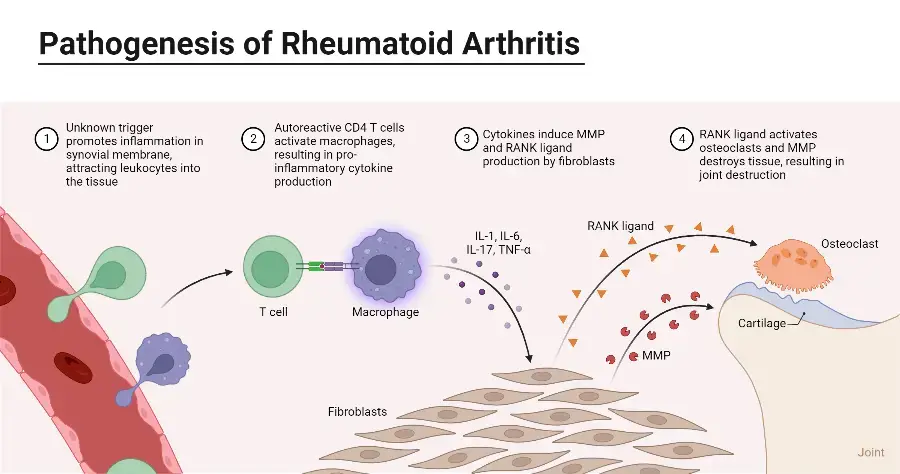
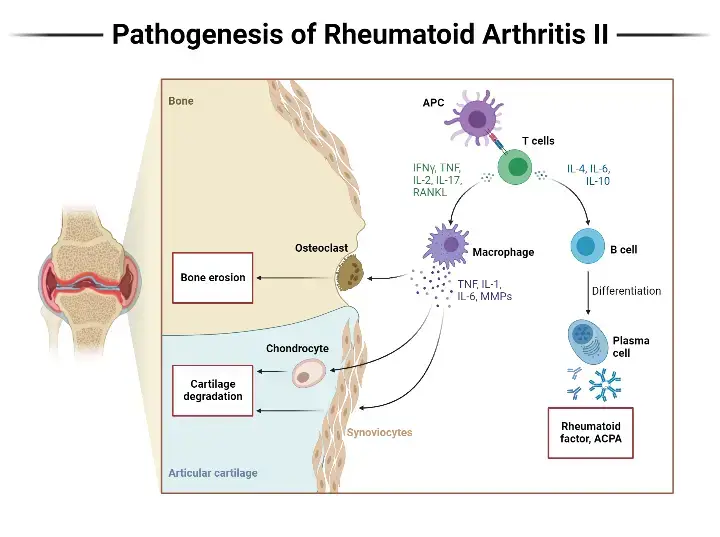
- Rheumatoid arthritis– In rheumatoid arthritis (RA), main autoantigens are citrullinated proteins. Example fibrin and enolase. These are targeted by anti-cyclic citrullinated peptide antibody (ACPA). Rheumatoid factor (RF) is also present. It reacts with IgG Fc region.
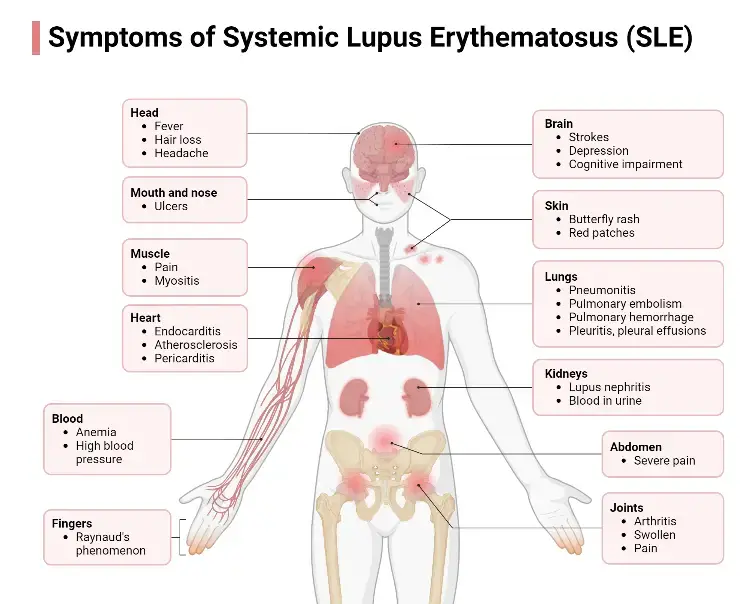
- SLE– In systemic lupus erythematosus (SLE), main autoantigens are nuclear materials. These are double stranded DNA (dsDNA), histones, Smith (Sm) antigen and La/Ro ribonucleoproteins. These are targeted by antinuclear antibody (ANA) and anti-dsDNA antibody.
Organ specific examples
- Skin– In blistering disease, autoantigens are cell adhesion proteins and basement membrane proteins. Desmoglein 1 and Desmoglein 3 are targeted in pemphigus vulgaris and pemphigus foliaceus. BP180 and BP230 are targeted in bullous pemphigoid. Collagen VII is targeted in epidermolysis bullosa acquisita.
- Thyroid– In Hashimoto’s thyroiditis, thyroid peroxidase (TPO) and thyroglobulin are targeted. Thyroid cells are damaged. So hypothyroidism occurs. In Graves’ disease, TSH receptor is targeted. The receptor is stimulated. So hyperthyroidism occurs.
- Gastrointestinal tract– In autoimmune gastritis, H+, K+-ATPase or proton pump is targeted. It affects parietal cells of stomach. In celiac disease and dermatitis herpetiformis, transglutaminases (TG2, TG3) are targeted by IgA autoantibodies.
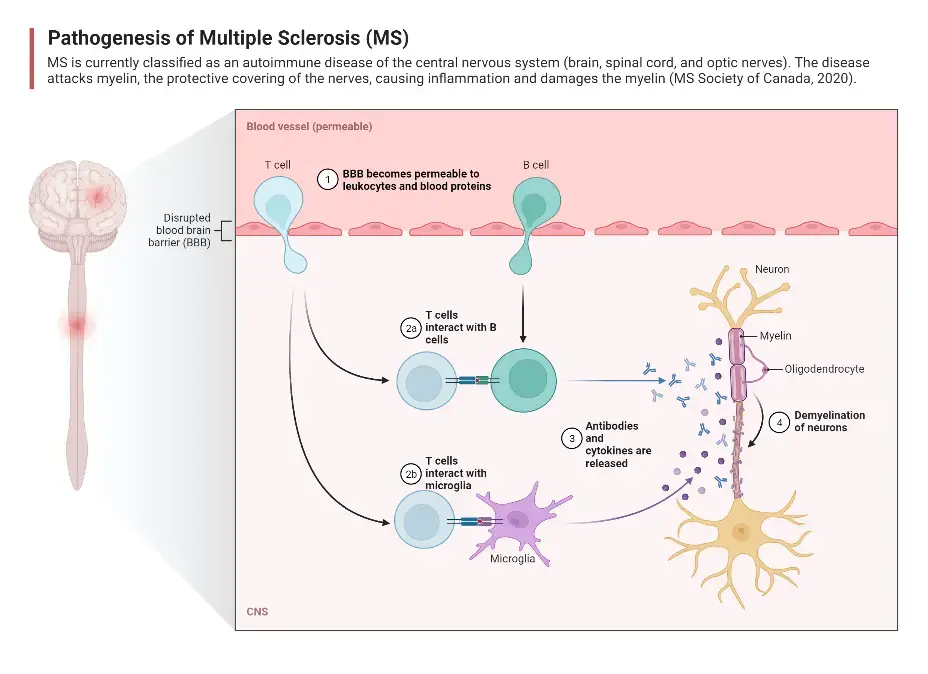
- Nervous system and muscle– In multiple sclerosis, myelin basic protein (MBP) and myelin oligodendrocyte glycoprotein (MOG) are autoantigens. In myasthenia gravis, acetylcholine receptor is targeted. Neuromuscular transmission is blocked. Muscle weakness occurs.
Cytokines and Immune Mediators in Autoimmunity
The following are the important cytokines and immune mediators in autoimmunity–
Cytokines are chemical messengers of immune system. In autoimmune disease their normal balance is disturbed. Inflammatory signals become more and regulatory signals become less. So chronic inflammation and tissue destruction occurs.
- Interferons– Interferons (IFNs) are strong immune activating cytokines. IFN-α, IFN-β and IFN-λ produce antiviral type inflammatory response. This type of response is common in lupus. IFN-γ is produced by Th1 cells. It activates macrophages and brings cytotoxic lymphocytes to the damaged tissue.
- TNF-α– Tumor Necrosis Factor-alpha (TNF-α) is a powerful inflammatory cytokine. It increases immune reaction and tissue injury. Its high level is seen in many autoimmune diseases. So anti-TNF therapy is used to block its effect.
- IL-1 and IL-6– IL-1 and IL-6 are pro-inflammatory interleukins. They support survival and increase of T-cells and B-cells. They lower the inflammatory threshold. They also help in autoantibody formation and long immune activation.
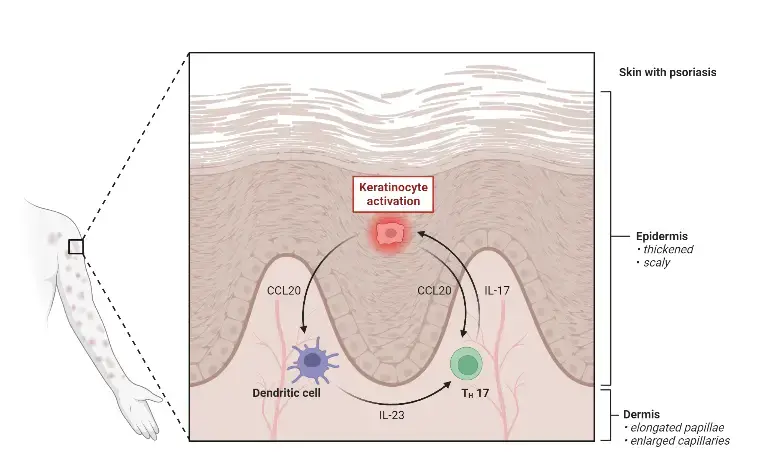
- IL-17– IL-17 is produced by Th17 cells. It mainly recruits neutrophils. These neutrophils enter the tissue and produce strong sterile inflammation. It is important in many autoimmune and hypersensitivity reactions.
- IL-21– IL-21 helps B-cells to come at inflammatory site. It also supports local autoantibody production. Due to this autoimmune reaction is continued in the tissue.
- Regulatory cytokines– IL-10, TGF-β and IL-35 are suppressor cytokines. These are produced by Regulatory T-cells (Tregs) and Regulatory B-cells (Bregs). They reduce autoreactive effector cells. They maintain immunological tolerance.
- CXCL8– CXCL8 is also called IL-8. It attracts neutrophils to affected tissue. It also activates them. Then neutrophils release inflammatory enzymes and local tissue damage occurs.
- CXCL9, CXCL10 and CXCL11– These are chemokines produced by stressed cells. In lupus, keratinocytes of skin may release them. They attract T-cells, macrophages and plasmacytoid dendritic cells (pDCs). Thus inflammatory cycle is maintained.
- BAFF– B-cell Activating Factor (BAFF) helps in maturation and survival of B-cells. In autoimmune disease, it allows autoreactive B-cells to survive. These cells then produce harmful autoantibodies.
- Granzymes and perforin– Granzyme B and perforin are cytotoxic mediators. They are released by CD8+ T-cells, Natural Killer cells and some dendritic cells. They induce apoptosis of healthy body cells. So tissue damage is produced.
- Histamine and leukotrienes– Histamine and leukotrienes are vasoactive mediators. They are released mainly from mast cells. They increase vascular permeability and tissue edema. Thus they help in local inflammatory environment.
Classification of Autoimmune Disorders
The classification of autoimmune disorders are as follows-
Anatomical classification
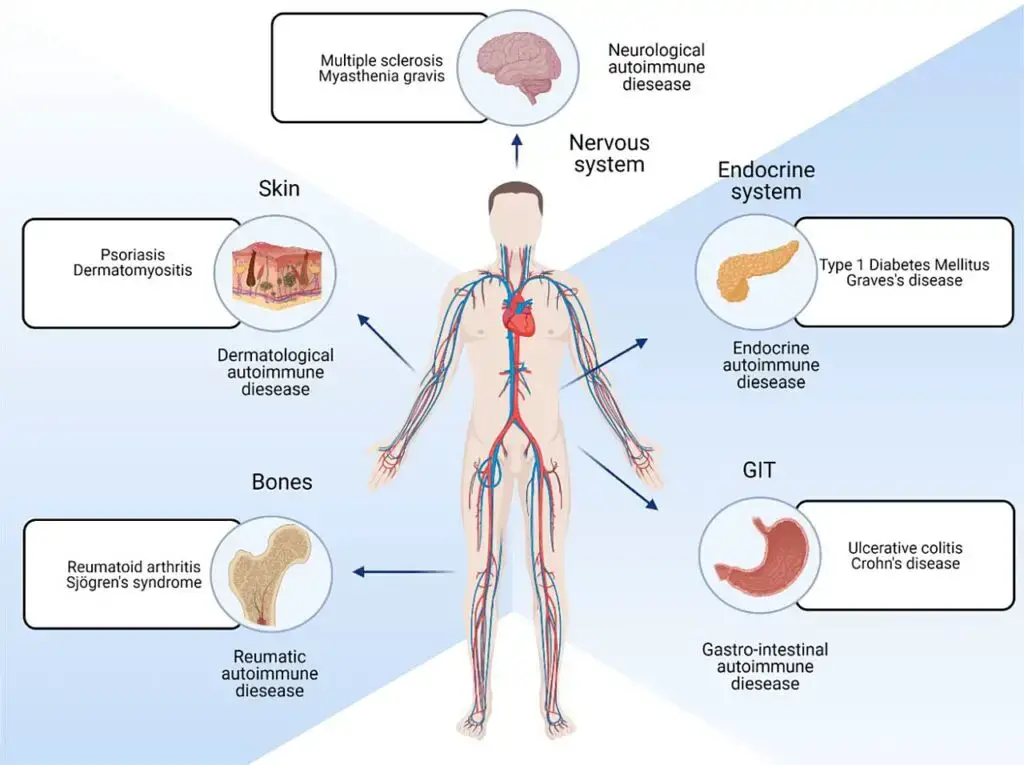
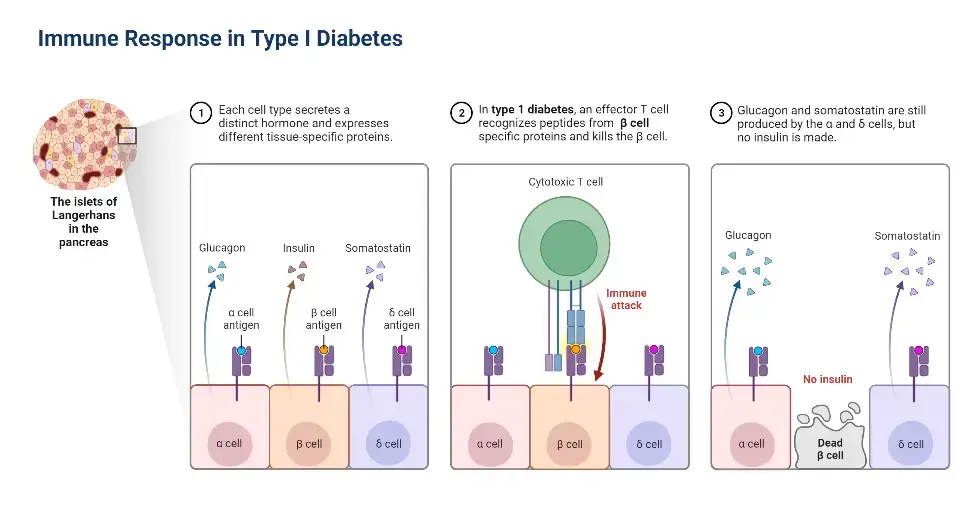
- Organ specific– In this type, immune system attack one organ or one tissue only. The autoantigens are mostly tissue restricted. Examples are Type 1 diabetes where pancreatic beta cells are damaged. Graves’ disease and Hashimoto’s thyroiditis affect thyroid gland. Autoimmune gastritis affect stomach. Vitiligo affect skin.
- Systemic– In this type, immune reaction is not limited to one organ. Autoantigens are present in many cells of body. So many tissues and organs are damaged. Examples are Systemic lupus erythematosus (SLE), Rheumatoid arthritis, Sjögren’s syndrome and Dermatomyositis.
Pathophysiological classification
- Type IIa cytotoxic– In this type, IgG or IgM antibodies bind with cell surface antigen or extracellular matrix antigen. Then complement activation occurs. Phagocytosis and cytotoxicity also occur. Examples are Autoimmune hemolytic anemia and Goodpasture’s disease.
- Type IIb cell stimulating– In this type, autoantibodies act on cell receptor. It may stimulate the receptor or block the receptor. In Graves’ disease, receptor stimulation occurs. In Myasthenia gravis, receptor blocking occurs.
- Type III immune complex– In this type, soluble antigen and antibody combine and form immune complexes. These complexes circulate in blood and deposit in kidney, skin or joints. Then complement activation and neutrophil damage occurs. Examples are SLE glomerulonephritis and Rheumatoid arthritis synovitis.
- Type IV cell mediated– In this type, damage is caused by T-cells. It is delayed type reaction. Th1 type reaction is seen in Type 1 diabetes. Th2 type reaction may occur in some autoimmune reactions. CD8+ cytotoxic T-cell reaction is seen in viral induced myocarditis. T-cell and neutrophil type reaction also occur in some lesions.
McGonagle spectrum classification
- Pure autoinflammatory– In this group, disease is mainly due to abnormal activation of innate immune system. There is no clear autoreactive T-cell response or high titre autoantibody. Many are monogenic disease. Examples are Familial Mediterranean fever (FMF) and TNF receptor-associated periodic syndrome (TRAPS).
- Classical autoimmune– In this group, there is breakdown of adaptive immune self-tolerance. HLA class II association is strong. Autoreactive B-cells and T-cells increase. High titre autoantibodies are present. Examples are SLE, Graves’ disease and Type 1 diabetes.
- Mixed intermediate– In this group, both autoinflammatory and autoimmune features are present. Innate immune trigger and adaptive immune response act together. These are mostly polygenic conditions. Examples are Rheumatoid arthritis, Crohn’s disease, Psoriasis and Ankylosing spondylitis.
Pathogenesis of Autoimmune Diseases
The pathogenesis of autoimmune diseases are as follows-
Genetic Factors
- HLA variants– Human Leukocyte Antigen (HLA) genes are the strongest genetic factors. These genes control presentation of self-peptides to T-cells. If self-peptide presentation become abnormal, then autoreactive immune response may start.
- Non-HLA genes– Some non-HLA genes also take part in autoimmunity. These include PTPN22, CTLA4 and NOD2. Mutation in these genes disturb immune regulation. So central and peripheral tolerance may not work properly.
- Epigenetic change– Epigenetic change means change in gene expression without change in DNA sequence. It includes abnormal DNA methylation and altered microRNA expression. These changes disturb normal immune function and help in autoimmunity.
Immunological Mechanisms
- Molecular mimicry– In this process, foreign pathogen antigen become similar with body own antigen. Immune system first reacts against pathogen. But due to similarity it also attack self tissue. Thus autoimmune reaction is started.
- Epitope spreading– In this process, immune response first start against one epitope. Later due to chronic inflammation, more self-antigens are released. Then immune response spread to other epitopes of same molecule or associated protein.
- Bystander activation– Infection or tissue damage produce high inflammatory condition. Many cytokines are released at that site. These cytokines activate silent self-reactive immune cells without specific antigen recognition.
- Cryptic epitopes– Cryptic epitopes are hidden self-peptides. Normally these are not exposed to immune system. During chronic inflammation protein processing may change. Then hidden epitopes become exposed and immune system take them as foreign.
- Antigen sequestration failure– Some antigens are normally hidden in protected sites like eye and brain. Trauma or infection may break these barriers. Then hidden antigen enter blood and lymph node. Immune system reacts against it. Example is sympathetic ophthalmia.
Environmental Triggers
- Microbial infection– Viruses and bacteria are important triggers of autoimmunity. They may start disease by molecular mimicry, bystander activation and epitope spreading. So infection act as first stimulus in many autoimmune diseases.
- UV radiation– Ultraviolet radiation causes apoptosis of skin cells. If dead cells are not cleared properly, cellular debris accumulate. Nuclear autoantigens are exposed. This is important in pathogenesis of lupus.
- Smoking– Cigarette smoking increases oxidative stress. It also increases citrullination of proteins in lungs. These changed proteins become immunogenic. It increases risk of rheumatoid arthritis in genetically susceptible person.
- Drugs– Some drugs can produce drug induced autoimmunity. They may bind with self-proteins and form new antigens. This is called hapten formation. Some drugs also cause cell toxicity or disturb immune tolerance.
Hormonal and Neuroendocrine Factors
- Sex hormones– Autoimmune diseases are more common in females. Estrogen can change signaling pathway of activated T-cells. It lowers inflammatory threshold and helps in disease onset.
- Chronic stress– Chronic stress activates hypothalamic-pituitary-adrenal (HPA) axis and autonomic nervous system. It causes hormonal imbalance. Then immune system produce more self-directed cytokines. Peripheral tolerance may break and autoimmunity develops.
Diagnosis of Autoimmune Disorders
The diagnosis of autoimmune disorders are done by different laboratory tests. These tests are used to find inflammation, autoantibodies and genetic susceptibility.
1. Initial tests– Complete blood count (CBC) and comprehensive metabolic panel (CMP) are done first. These tests give general idea about blood cells, liver function, kidney function and other basic body condition. It is used as first laboratory work-up.
2. Inflammatory markers– ESR, CRP and ferritin are tested to detect inflammation. These are acute phase reactants. Their level may increase during active autoimmune disease. Sometimes ceruloplasmin, fibrinogen, haptoglobin and albumin are also checked.
3. Autoantibody test– ELISA is commonly used to detect circulating autoantibodies. In rheumatoid arthritis, Rheumatoid factor (RF) and anti-CCP are tested. In systemic lupus erythematosus (SLE), ANA and anti-dsDNA are tested. ANCA is tested in diseases like Wegener granulomatosis and microscopic polyangiitis.
4. Immunofluorescence– Direct immunofluorescence (DIF) and indirect immunofluorescence (IIF) are used to detect antibodies and complement. DIF shows deposits present directly in tissue like skin and mucous membrane. IIF shows circulating antibodies present in blood. It is useful in autoimmune blistering disease and cutaneous lupus.
5. Flow cytometry– Flow cytometry is used to count and study immune cell population. It identifies cells by cell surface markers. It helps to know which immune cells are increased, decreased or abnormal.
6. Genetic typing– Genetic test and HLA typing are used because many autoimmune diseases have genetic link. PCR and gel electrophoresis may be used for this. HLA-B27 is associated with ankylosing spondylitis. HLA-DRB1 is associated with rheumatoid arthritis.
Prevention and Management of Autoimmunity
The following are the prevention and management of autoimmunity–
Prevention strategies
- Smoking cessation– Smoking should be stopped. It can reduce risk of some autoimmune diseases like rheumatoid arthritis. It is more important in genetically susceptible person.
- UV protection– Excess UV light exposure should be avoided. Proper photoprotection is used. It helps to prevent onset and flare of cutaneous lupus erythematosus and systemic lupus erythematosus (SLE).
- Stress management– Chronic stress should be controlled. Stress activates neuroendocrine pathway. It lowers inflammatory threshold. So stress control may help to prevent immune imbalance and reactivation of disease.
- Diet and nutrition– Balanced diet is important. Disease specific trigger should be avoided. Example, gluten is avoided in celiac disease. Vitamin D and probiotics may help in immune tolerance and metabolic control.
- Trauma care– Proper care of tissue injury and surgery is needed. It prevents release of hidden antigens. Penetrating eye injury should be managed quickly to prevent sympathetic ophthalmia.
Standard medical management
- Corticosteroids– Corticosteroids are used to suppress acute immune response. Example prednisone and prednisolone. These may be given systemic or topical. It quickly reduces inflammation.
- Immunosuppressive drugs– These drugs are used for long term control and to reduce steroid side effects. Examples are methotrexate, azathioprine, mycophenolate mofetil, cyclosporine and cyclophosphamide.
- Biologic therapy– Biologic drugs target selected immune pathway. They do not suppress whole immune system like general drugs. Examples are TNF-α inhibitors such as infliximab, adalimumab, etanercept. Rituximab removes B-cells. Belimumab blocks BAFF.
- Plasmapheresis and IVIG– Plasmapheresis is used to remove harmful autoantibodies from blood. Intravenous immunoglobulin (IVIG) is used in severe cases as supportive immune treatment. These are used when disease is serious or not controlled.
- Side effect control– Long term treatment needs monitoring. Immunosuppressive drugs may cause infection and other problems. Calcium and Vitamin D are used for osteoporosis prevention. Blood sugar should be checked. Infection surveillance is also needed.
Advanced and emerging therapies
- Small molecule inhibitors– These are newer oral drugs. They block inflammatory signals inside the cell. Examples are JAK/STAT pathway inhibitors and SYK inhibitors. Deucravacitinib is one such drug.
- Antigen specific therapy– This therapy tries to control only harmful autoimmune response. Decoy peptides may neutralize harmful autoantibodies. Therapeutic peptide vaccines may restore immune tolerance without full immune suppression.
- Adoptive cell transfer– In this method, patient own regulatory immune cells are taken. They are increased in laboratory and given back to the body. Tregs or engineered CAR-Tregs may suppress autoimmune attack.
- Stem cell and gene therapy– Autologous hematopoietic stem cell transplantation (HSCT) is used to reset the defective immune system. Gene therapy is also studied to correct genetic defects which disturb immune regulation.
Clinical Significance of Autoimmunity
The following are the clinical significance of autoimmunity–
- High burden– Autoimmune diseases affect large number of people worldwide. Its prevalence is increasing day by day. So it is an important health problem.
- Silent autoimmunity– Presence of self-reactive lymphocytes or autoantibodies does not always mean disease. Many time it remain clinically silent. Disease occur only when these cells escape normal control and produce tissue damage.
- Organ damage– Uncontrolled autoimmune reaction causes chronic inflammation. It damages tissues and reduce normal function of organ. Example, rheumatoid arthritis (RA) causes cartilage and bone damage. Systemic lupus erythematosus (SLE) may damage kidney. Sympathetic ophthalmia may cause permanent blindness.
- Female predominance– Autoimmune diseases are more common in women. It shows the role of sex hormones in immune response. Estrogen and other hormonal factors may increase immune activity and disease tendency.
- Wide involvement– Autoimmunity may affect single organ or many organs. In organ specific disease, one organ is mainly affected, such as pancreas in Type 1 diabetes and thyroid in Graves’ disease. In systemic disease, many organs are affected, such as SLE and RA.
- Diagnostic difficulty– Diagnosis of autoimmune disease is not always easy. Symptoms may be different in different patients. So clinical features, inflammatory markers like CRP and ESR, and autoantibody tests like ANA, RF and anti-CCP are used together.
- Disease progression– One autoimmune disease may increase risk of another autoimmune disease. In chronic disease, immune response may spread to new antigens. This is called epitope spreading. Due to this disease may become progressive and difficult to control.
- Treatment problem– There is no fixed cure for most autoimmune diseases. Treatment is often long term. Corticosteroids, immunosuppressive drugs and biologic agents are used to control inflammation. But these drugs may cause infection risk, bone loss and organ toxicity.
Examples of Autoimmune Disorders
The following are the examples of autoimmune disorders–
- Rheumatoid arthritis (RA)– It is a systemic autoimmune disease. It mainly affects joints. Chronic inflammation causes pain, swelling and joint damage.
- Systemic lupus erythematosus (SLE)– It is a systemic autoimmune disease. It may affect skin, kidney, joints, blood and nervous system. ANA and anti-dsDNA antibodies are commonly present.
- Type 1 diabetes mellitus– It is an organ specific autoimmune disease. Immune system damages the pancreatic beta cells. So insulin production becomes low.
- Sjögren’s syndrome– It affects mainly salivary and lacrimal glands. Dry mouth and dry eyes are common features.
- Multiple sclerosis (MS)– It affects central nervous system. Immune reaction damages myelin sheath. So nerve conduction becomes disturbed.
- Celiac disease– It is gluten induced autoimmune disease. It affects small intestine. Transglutaminase is the main autoantigen.
- Graves’ disease– It affects thyroid gland. Autoantibodies stimulate TSH receptor. So hyperthyroidism occurs.
- Hashimoto’s thyroiditis– It is autoimmune thyroid disease. TPO and thyroglobulin are targeted. Thyroid damage causes hypothyroidism.
- Crohn’s disease– It is chronic inflammatory bowel disease. It can affect any part of gastrointestinal tract. Immune dysregulation and intestinal inflammation occurs.
- Scleroderma– It is autoimmune connective tissue disease. Skin thickening and fibrosis are common. Internal organs may also be affected.
- Psoriasis and psoriatic arthritis– Psoriasis affects skin. Psoriatic arthritis affects joints. Both are related with abnormal immune activation.
- Ankylosing spondylitis– It mainly affects spine and sacroiliac joint. It is associated with HLA-B27.
- Myasthenia gravis– It affects neuromuscular junction. Autoantibodies block acetylcholine receptor. Muscle weakness occurs.
- Guillain-Barré syndrome– It affects peripheral nerves. It may occur after infection. Weakness and paralysis may develop.
- Autoimmune hemolytic anemia– Autoantibodies attack red blood cells. It causes hemolysis and anemia.
- Goodpasture syndrome– Autoantibodies attack basement membrane of lung and kidney. It causes lung bleeding and kidney damage.
- Pemphigus vulgaris and pemphigus foliaceus– These are autoimmune blistering diseases. Desmogleins are targeted. Skin and mucous membrane blisters occur.
- Bullous pemphigoid– It is blistering disease of skin. BP180 and BP230 are targeted. Tense blisters are formed.
- Dermatitis herpetiformis– It is related with gluten sensitivity. Transglutaminase is targeted. It causes itchy skin lesions.
- Autoimmune hepatitis– Immune system attacks liver cells. Chronic liver inflammation and liver damage occurs.
- Autoimmune adrenalitis– It is also called Addison’s disease. Immune system damages adrenal cortex. Cortisol and aldosterone production becomes low.
- Giant cell arteritis– It is autoimmune inflammation of large and medium arteries. Temporal artery is commonly involved.
- Rheumatic fever– It occurs after streptococcal infection. Due to molecular mimicry, immune reaction may damage heart, joints and other tissues.
- Primary biliary cirrhosis– It is autoimmune disease of bile ducts. Small intrahepatic bile ducts are damaged. Cholestasis and liver injury occur.
- Immune thrombocytopenic purpura– Autoantibodies attack platelets. Platelet count decreases. Bleeding tendency occurs.
- Sympathetic ophthalmia– It may occur after injury of one eye. Retinal antigens are exposed. Autoimmune attack may affect both eyes.
- Autoimmune uveitis– It is autoimmune inflammat
References
- A Proposed Classification of the Immunological Diseases – PMC. (n.d.).
- Verdelli, A., Barletta, E., Mariotti, E. B., Landini, S., Magnatta, A., Ruffo di Calabria, V., Corrà, A., Quintarelli, L., Bonanni, I., Sanna, L., Corti, V., & Caproni, M. (2025). An overview of the pathogenesis of cutaneous lupus erythematosus. Journal of Clinical Medicine, 14(23), 8285.
- Eidan, K., & Saleh, D. S. (2026). Association of the HLA‑DRB1*04 allele and auto‑antibodies with disease severity in smokers and non‑smokers with rheumatoid arthritis. World Academy of Sciences Journal, 8(4), 64.
- Autoimmune Diseases: Molecular Pathogenesis and Therapeutic Targets – PMC. (n.d.).
- Autoimmune disease: genetic susceptibility, environmental triggers … (n.d.).
- Serraino, C. (n.d.). Autoimmune vs autoinflammatory disease. Global Autoimmune Institute.
- Autoimmunity and autoinflammation: A systems view on signaling pathway dysregulation profiles – PMC. (n.d.).
- Autoinflammatory Syndromes | Doctor – PMM – PMMonline.org. (n.d.).
- Kurup, S., & Pozun, A. (2022). Biochemistry, autoimmunity. In StatPearls. StatPearls Publishing.
- Serraino, C. (n.d.). Body regions commonly affected by autoimmunity. Global Autoimmune Institute.
- Chapter 28: Classification of hypersensitivity reactions – PubMed. (n.d.).
- Classification of Autoimmune Diseases – Johns Hopkins Pathology. (n.d.).
- Dispenza, M. C. (2019). Classification of hypersensitivity reactions. Allergy Asthma Proc, 40, 470–473.
- Definition of Autoimmunity & Autoimmune Disease – Johns Hopkins Pathology. (n.d.).
- Global trends of peripheral immune tolerance research: a bibliometric and visualization analysis – PMC. (n.d.).
- Schwartz, R. H. (2012). Historical overview of immunological tolerance. Cold Spring Harbor Perspectives in Biology, 4(4), a006908.
- Didona, D., & Di Zenzo, G. (2018). Humoral epitope spreading in autoimmune bullous diseases. Frontiers in Immunology, 9, 779.
- Hypersensitivity. (2026). In Wikipedia.
- Identification of susceptibility SNPs in CTLA‐4 and PTPN22 for scleritis in Han Chinese – PMC. (n.d.).
- Immune privilege. (2026). In Wikipedia.
- Immunogenetic mechanisms for the coexistence of organ-specific and systemic autoimmune diseases – PMC. (n.d.).
- Immunological mechanisms of tolerance: Central, peripheral and the … (n.d.).
- Arthritis Center. (2005). Impact of shared epitope genes and smoking on risk of seropositive RA development. Johns Hopkins Arthritis Center.
- Larid, G., Pancarte, M., Offer, G., Clavel, C., Martin, M., Pradel, V., Auger, I., Lafforgue, P., Roudier, J., Serre, G., & Balandraud, N. (2021). In rheumatoid arthritis patients, HLA-DRB1*04:01 and rheumatoid nodules are associated with ACPA to a particular fibrin epitope. Frontiers in Immunology, 12, 692041.
- Armitage, L. H., Wallet, M. A., & Mathews, C. E. (2021). Influence of PTPN22 allotypes on innate and adaptive immune function in health and disease. Frontiers in Immunology, 12, 636618.
- Cichocka, E., Maj-Podsiadło, A., Górczyńska-Kosiorz, S. B., Szweda-Gandor, N., & Gumprecht, J. (2025). Interaction between CTLA-4, FOXO-3, and PTPN-22 variants and environmental factors in type 1 diabetes—Observational association study. Nutrients, 17(24), 3886.
- Introduction to immunology and autoimmunity – PubMed. (n.d.).
- Is disturbed clearance of apoptotic keratinocytes responsible for UVB-induced inflammatory skin lesions in systemic lupus erythematosus? – PMC. (n.d.).
- Joint effects of HLA, INS, PTPN22 and CTLA4 genes on the risk of type 1 diabetes – PMC. (n.d.).
- Mechanisms of B Cell Tolerance in Health and Autoimmunity – PMC – NIH. (n.d.).
- Mechanistic foundations of immunological self-tolerance, autoimmune pathogenesis, and clinical taxonomy. (n.d.).
- Molecular Mimicry and Autoimmunity – PMC – NIH. (n.d.).
- Cusick, M. F., Libbey, J. E., & Fujinami, R. S. (2011). Molecular mimicry as a mechanism of autoimmune disease. Clinical Reviews in Allergy & Immunology, 42(1), 102–111.
- Molecular mimicry. (2025). In Wikipedia.
- Molecular mimicry and immune‐mediated diseases – PMC – NIH. (n.d.).
- NOD2 (CARD15) mutations in Crohn’s disease are associated with diminished mucosal α-defensin expression – PMC. (n.d.).
- NOD2 and Crohn’s Disease Clinical Practice: From Epidemiology to Diagnosis and Therapy, Rewired – PMC. (n.d.).
- Taylor, A. W. (2016). Ocular immune privilege and transplantation. Frontiers in Immunology, 7, 37.
- Ocular immune privilege – PMC – NIH. (n.d.).
- Ward, T. P. (n.d.). Sympathetic ophthalmia. In Ophthalmic care of the combat casualty (Chapter 16).
- Stanford, S. M., & Bottini, N. (2014). PTPN22: The archetypal non-HLA autoimmunity gene. Nature Reviews Rheumatology, 10(10), 602–611.
- Pathogenesis of autoimmune disease – PMC – NIH. (n.d.).
- Potential clinical implications of molecular mimicry‐induced autoimmunity – PMC. (n.d.).
- Delogu, L. G., Deidda, S., Delitala, G., & Manetti, R. (2011). Infectious diseases and autoimmunity. The Journal of Infection in Developing Countries, 5(10), 679–687.
- Skin sensitivity to UVB irradiation in systemic lupus erythematosus is not related to the level of apoptosis induction in keratinocytes – PubMed. (n.d.).
- Smoking increases rheumatoid arthritis susceptibility in individuals carrying the HLA-DRB1 shared epitope, regardless of rheumatoid factor or anti-cyclic citrullinated peptide antibody status – PubMed. (n.d.).
- Smoking interacts with HLA-DRB1 shared epitope in the development of anti-citrullinated protein antibody-positive rheumatoid arthritis: results from the Malaysian Epidemiological Investigation of Rheumatoid Arthritis (MyEIRA) – PubMed. (n.d.).
- Yan, J., & Hobbs, S. D. (2024). Sympathetic ophthalmia. In StatPearls. StatPearls Publishing.
- The Increasing Prevalence of Autoimmunity and Autoimmune Diseases: An Urgent Call to Action for Improved Understanding, Diagnosis, Treatment and Prevention – PMC. (n.d.).
- The Pathogen Recognition Receptor NOD2 Regulates Human … (n.d.).
- Jara, L. J., Medina, G., Voorduin, S., Romero-Sánchez, G., Saavedra, M. A., & Vera-Lastra, O. (2013). The endocrine system and autoimmunity. In J. M. Anaya, Y. Shoenfeld, A. Rojas-Villarraga, et al. (Eds.), Autoimmunity: From Bench to Bedside (Chapter 12). El Rosario University Press.
- Tolerance and autoimmunity – PMC – NIH. (n.d.).
- Ultraviolet light and cutaneous lupus – PubMed. (n.d.).
- Chiavolini, D. (n.d.). Untangling a complex web: How to categorize autoimmune disease. Global Autoimmune Institute.
- What is epitope spreading. (n.d.). Creative Biostructure.