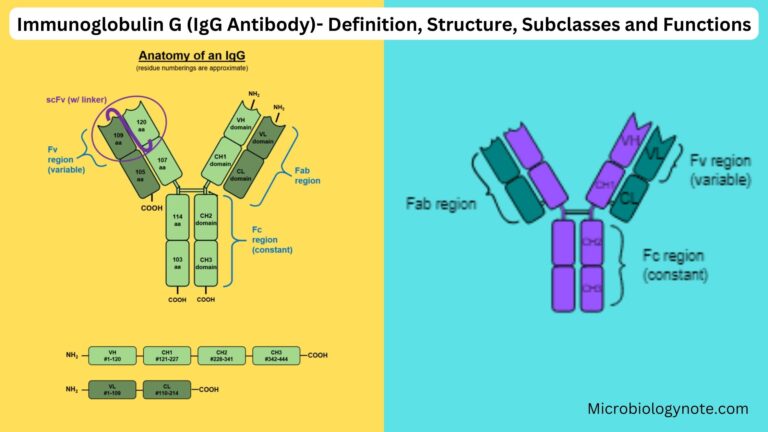
Immunoglobulin G (IgG) is the most abundant antibody present in human blood and tissue fluid. It is a Y-shaped glycoprotein produced by plasma cells. It gives long term protection by neutralizing toxins and microbes, opsonization and complement activation. Immunoglobulin G (IgG) is the most abundant antibody present in human blood. It forms about 10-20% of
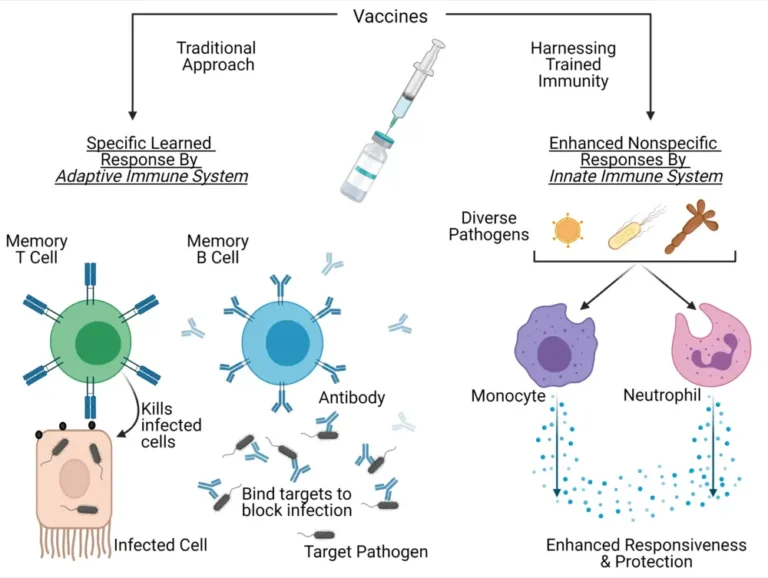
Active immunization is the process by which body own immune system is stimulated by giving antigen or vaccine. It produce antibodies and memory cells. The immunity is slow but long lasting. Active immunization is the process by which a harmless antigen is introduced into the body to produce immune response. It is commonly done by
Immunoglobulin A (IgA) is a type of antibody which is produced by plasma cells. It is mainly present in external secretion of body. It gives first protection in mucosal surface. It is found in saliva, tears, breast milk, respiratory tract secretion, gastrointestinal tract secretion and genitourinary tract secretion. So IgA is the major antibody of
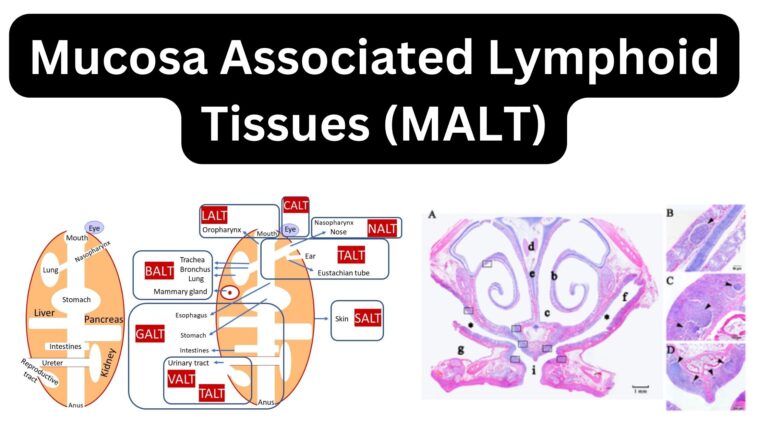
Mucosa Associated Lymphoid Tissue (MALT) is a lymphoid tissue present in mucosal and submucosal lining of body. It protects mucosal surfaces from harmful antigen and microbes entering through digestive, respiratory and other tracts. Mucosa Associated Lymphoid Tissue (MALT) is a specialized lymphoid tissue present in the mucosal and submucosal lining of body. It is not
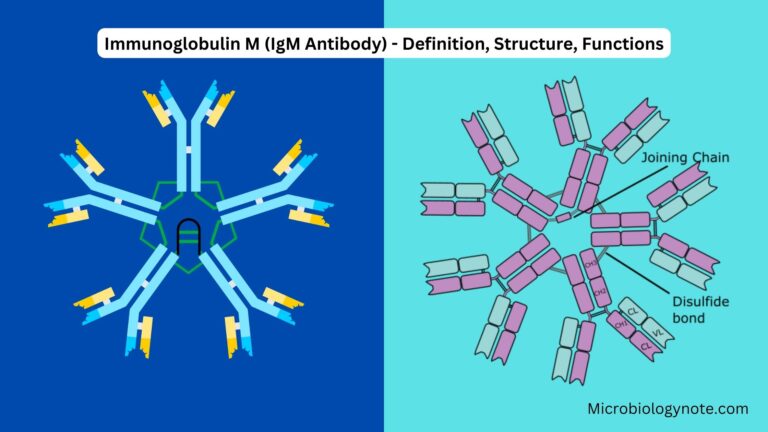
Immunoglobulin M (IgM Antibody) is a type of antibody that is produced by plasma cells during early immune response. It is the first antibody formed when any foreign antigen enters into the body. It acts as an important first line defence of the immune system. IgM is considered as the most ancient immunoglobulin of adaptive
Non-specific immune response is the inborn defence mechanism of body. It gives immediate and general protection against different pathogens. It does not need previous exposure and does not form immunological memory. Non-specific immune response is the immediate and natural defence system of the body. It is also called innate immunity. It is present from birth
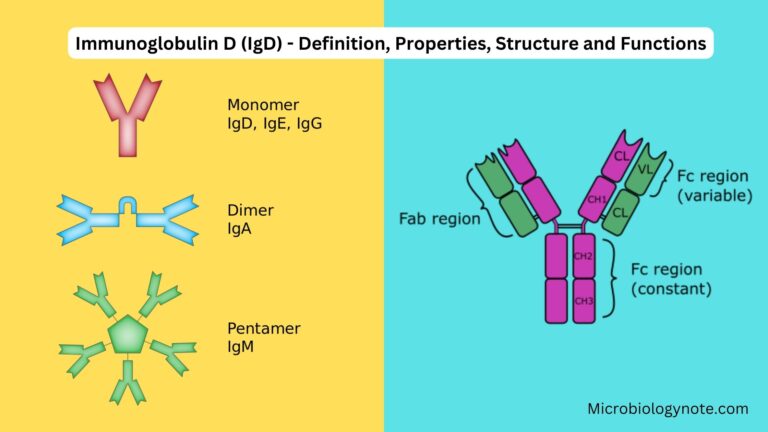
Immunoglobulin D (IgD) is a type of antibody present in the immune system. It is also called IgD and it is one of the five major classes of immunoglobulins. It was discovered in 1965 and it is present in very low amount in the blood. IgD forms about 0.25% to 1% of the total serum
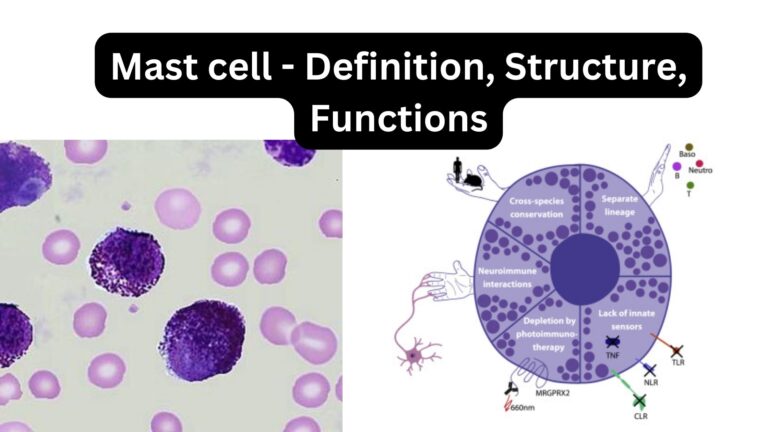
Mast cells are granulated immune cells present in connective tissues and body barrier sites. They release histamine, heparin and other mediators during inflammation, allergy and host defense. Mast cell is a specialized type of white blood cell which takes part in immune response. It is formed from bone marrow and later moves into tissues where
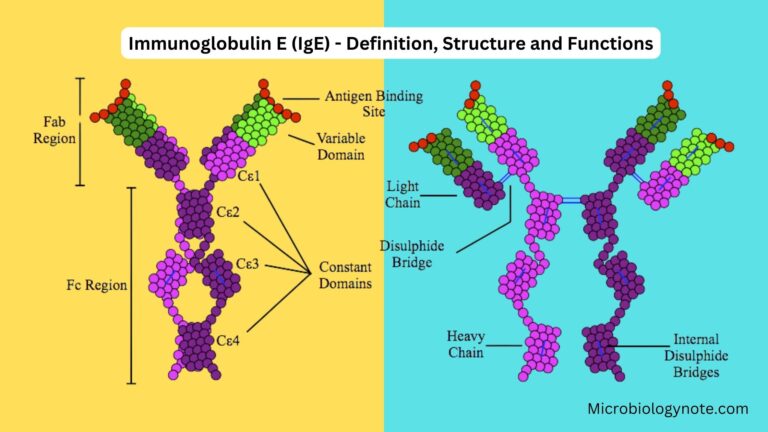
Immunoglobulin E (IgE) is a class of antibody found only in mammals. It is present in very small amount in blood but it is highly active. It mainly takes part in allergic reactions and defence against parasitic infections. Immunoglobulin E (IgE) is a type of antibody that is present only in mammals. It plays an
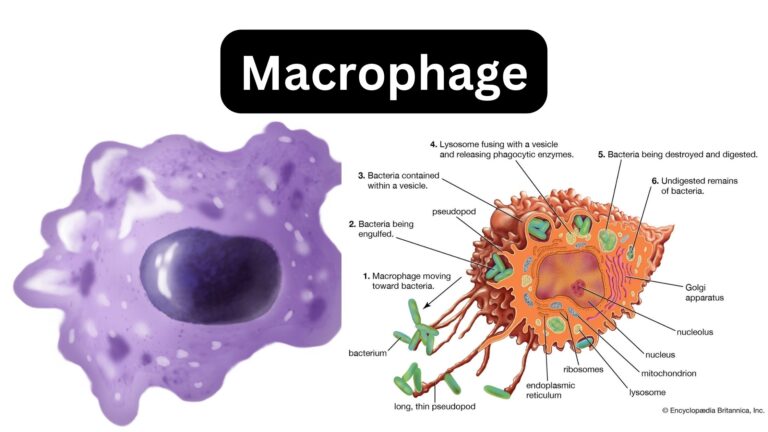
Macrophage is a specialized cell of innate immune system. It is present in all vertebrates and acts as the first line of defence against the invading microorganisms. It is derived from hematopoietic stem cells in bone marrow and also from early embryonic cell population. These cells are present in almost all tissues of the body.