

Algae are simple, chlorophyll bearing and photosynthetic organisms. They may be microscopic unicellular forms or large multicellular seaweeds. Phytoplankton are small algal forms and kelp is large seaweed form.
The plant body of algae is not differentiated into true root, stem and leaves. Vascular tissues are also absent. The body is simple and thalloid. This body is called thallus.
Algae prepare their own food by using sunlight and carbon dioxide. Oxygen is released during this process. They are mostly eukaryotic forms but all algae do not have same origin, so they are considered as diverse group.
As vascular system is absent, algae need water or moist place for growth. They are mainly found in sea, river, pond and freshwater lakes. Some algae also grow on damp soil, wet rocks and tree trunks.
Some algae are found in special habitat also. They may grow on snow. Some live with fungi and form lichens. Some algae also live with animals in symbiotic association.
Algae are important primary producers of aquatic habitat. They form the base of aquatic food chain. They produce large amount of oxygen of the world.
Algae are classified into different groups on the basis of pigments, reserve food and cell wall. The major groups are green algae, brown algae and red algae.
Characteristics of Algae
The following are the important characteristics of algae–
- Algae are simple photosynthetic organisms. They contain chlorophyll and other pigments. They prepare their own food by using sunlight and carbon dioxide. Oxygen is released during this process.
- The plant body is simple and thalloid. It is not differentiated into true root, stem and leaves. This undifferentiated body is called thallus.
- Vascular tissues are absent in algae. Xylem and phloem are not present. So water and nutrients are not transported like higher plants.
- True algae are eukaryotic in nature. Their cells contain true nucleus and membrane bound organelles. But blue green algae are prokaryotic and they are not considered as true algae now.
- Algae mostly grow in water or moist places. They are found in freshwater, sea water, damp soil, wet rocks and tree trunks. Some algae also live in symbiotic association like lichens.
- Algae show great variation in size. Some are microscopic and unicellular like phytoplankton. Some are large multicellular forms like giant kelp.
- Algae reproduce by vegetative, asexual and sexual methods. Vegetative reproduction occurs by fragmentation. Asexual reproduction occurs by spores like zoospores. Sexual reproduction occurs by fusion of gametes.
- Embryo is not formed after fertilization. This is the important character of algae. After gametic fusion protected embryo stage is absent.
- Cell wall is generally present in algae. It is mainly made up of cellulose. In some algae, other substances like pectose, algin, carrageenan and galactans are also present.


Habitat of Algae
The following are the common habitat of algae–
- Freshwater habitat– Many algae are found in freshwater. They grow in ponds, lakes, rivers and slow moving streams. These forms may be free floating or attached with some surface.
- Marine habitat– Many algae are marine forms. They are found in sea, ocean and brackish water. Some grow in shallow coastal water and some are found in deep water also.
- Moist terrestrial habitat– Some algae grow outside water. But moisture is necessary for them. They are found on damp soil, wet rocks, wood and tree trunks.
- Extreme habitat– Some algae can live in harsh condition. They are found in snow fields, hot springs, desert soil and high salt lakes. These algae can tolerate very high or low environmental condition.
- Symbiotic habitat– Some algae live with other organisms. Algae with fungi form lichens. Some algae live inside corals and aquatic plants. Some may grow on the fur of animals like sloth bear and polar bear.
Classes of Algae
The following are the important classes of algae–
- Chlorophyceae (Green algae)– These are green coloured algae. Green colour is due to chlorophyll a and chlorophyll b. They are mostly freshwater forms. Reserve food is starch and sometimes oil droplets. Cell wall has inner cellulose layer and outer pectose layer.
- Phaeophyceae (Brown algae)– These are mostly marine algae. The colour varies from olive green to brown. Brown colour is due to fucoxanthin. They also contain chlorophyll a and chlorophyll c. Reserve food is mannitol and laminarin.
- Rhodophyceae (Red algae)– These are mostly marine algae. Red colour is due to r-phycoerythrin. They also contain chlorophyll a and chlorophyll d. Reserve food is floridean starch. It is similar to glycogen and amylopectin.
- Xanthophyceae (Yellow green algae)– These are mostly freshwater forms. They contain chlorophyll a, chlorophyll e and excess xanthophylls. The colour is yellow green. Reserve food is mainly oil.
- Chrysophyceae (Golden brown algae)– These are freshwater and marine forms. The colour is brown or orange due to excess phycochrysin. Reserve food is oil and leucosine.
- Bacillariophyceae (Diatoms)– These are found in freshwater and marine water. They have siliceous cell wall. The characteristic pigment is diatomin. The colour is yellow or golden brown.
- Cryptophyceae– These algae have two large parietal chloroplasts. Pyrenoids are also present. Reserve food is starch.
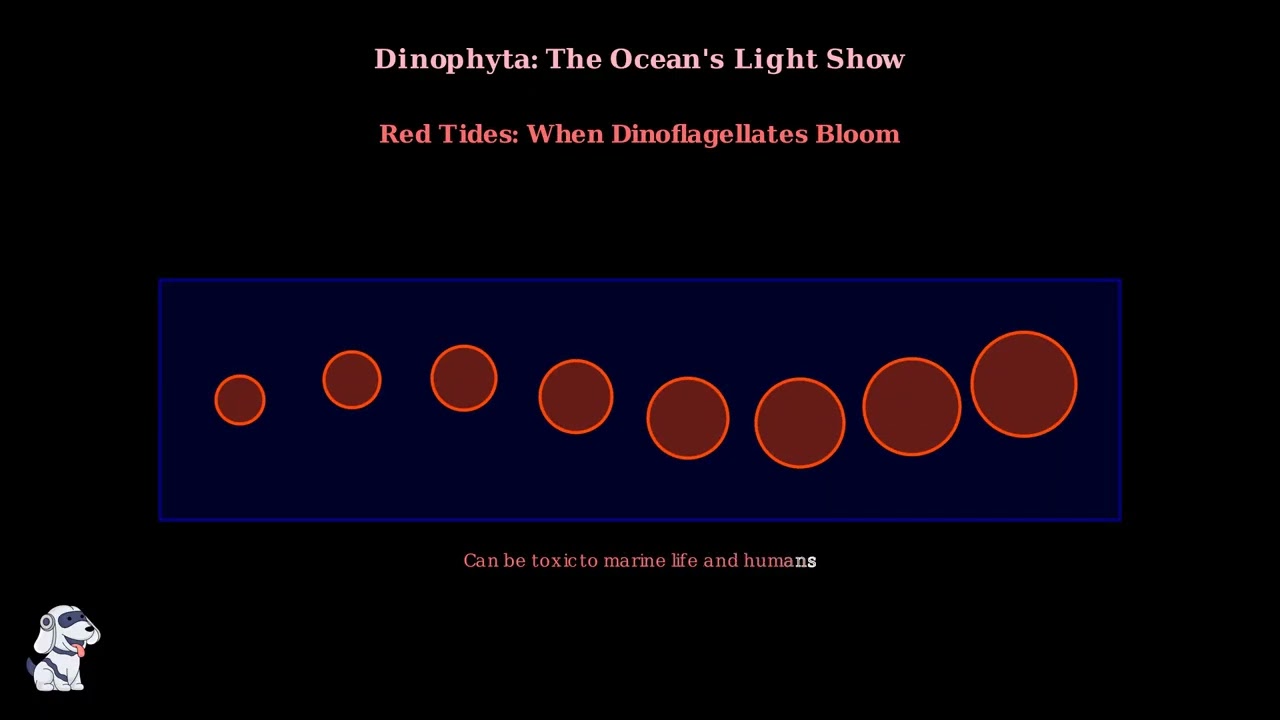
- Dinophyceae (Dinoflagellates)– These are mostly unicellular and motile algae. Motile cells are biflagellate. The colour is brown or dark yellow. Reserve food is starch and fat.
- Chloromonadineae– These are freshwater forms. They are pale green in colour. This colour is due to excess xanthophylls. Large discoid chromatophores are present.
- Euglenophyceae (Euglenoids)– These are unicellular flagellated forms. They contain chlorophyll a, chlorophyll b, carotene and xanthophyll. Reserve food is paramylon and lipids.
- Cyanophyceae (Blue green algae)– These are prokaryotic forms. True nucleus is absent. They contain phycocyanin and phycoerythrin. Reserve food is cyanophycean starch. They are now more commonly placed under bacteria.
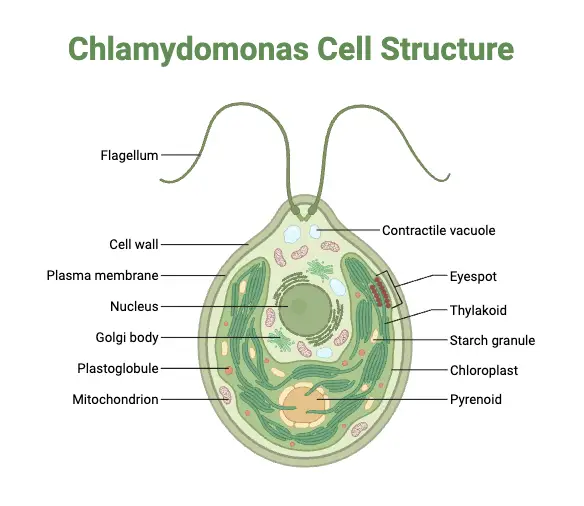
Structure of Algal Cell
The typical algal cell has the following parts-
- Cell wall– Cell wall is the outermost rigid covering of algal cell. It is generally made up of cellulose. In green algae outer layer may be of pectose. In brown algae algin or alginic acid is present. In red algae agar and carrageenan are present. In diatoms, the wall is made up of silica.
- Plasma membrane– It is present just below the cell wall. It is made up of lipid and protein. It surrounds the cytoplasm. It is selectively permeable in nature.
- Cytoplasm– It is the living fluid part of the cell. Different cell organelles are present in it. Mitochondria, Golgi bodies and endoplasmic reticulum are present in cytoplasm.
- Nucleus– A true nucleus is present in eukaryotic algal cell. It is covered by double nuclear membrane. Nuclear pores are present in it. It contains DNA with histone proteins.
- Chloroplast– Chloroplasts are photosynthetic plastids. They contain chlorophyll and other pigments. They may be cup-shaped, discoid, star-shaped, spiral or ribbon like. Photosynthesis takes place in chloroplast.
- Pyrenoids– Pyrenoids are present mostly inside the chloroplast. They are storage bodies. They store protein and reserve food material like starch or oil droplets.
- Vacuoles– Vacuoles are fluid filled sacs. They are bounded by a membrane called tonoplast. They help in osmoregulation. They also store reserve materials and control solute movement.
- Flagella– Flagella are present in motile algal cells. They are fine thread like structures. They help in locomotion. They arise from basal granules. The internal arrangement is 9+2 type. Flagella may be smooth whiplash type or hairy tinsel type with mastigonemes.
Algae Pigments
The following are the important pigments present in algae–
- Chlorophylls– These are green coloured pigments. They are fat soluble. They are important for photosynthesis. Chlorophyll a is present in all classes of algae. It is the main photosynthetic pigment.
- Chlorophyll b– It is found mainly in green algae or Chlorophyceae. It is also found in euglenoids. It helps in absorption of light.
- Chlorophyll c– It is present in brown algae or Phaeophyceae. It is also found in diatoms and cryptomonads.
- Chlorophyll d– It is found in red algae or Rhodophyceae. It helps these algae in photosynthesis.
- Chlorophyll e– It is present in yellow green algae or Xanthophyceae.
- Carotenoids– These are yellow, orange and brown pigments. They are also fat soluble pigments. They act as accessory pigments. They include carotenes and xanthophylls.
- Carotenes– β-carotene is present in all classes of algae. Other carotenes are α-carotene, γ-carotene and lycopene. These pigments help in trapping light.
- Xanthophylls– These are oxygen containing derivatives of carotenes. Fucoxanthin is an important xanthophyll. It is found in brown algae and diatoms. It gives olive green to brown colour. Peridinin is found in dinoflagellates.
- Phycobilins– These are red and blue coloured pigments. They are water soluble. They are mostly found in red algae and blue green algae.
- Phycoerythrin– It is a red pigment. It is mainly present in Rhodophyceae. It gives red colour to red algae.
- Phycocyanin– It is a blue pigment. It is present in blue green algae or Cyanophyceae. It gives blue green colour.
- Allophycocyanin– It is also a phycobilin pigment. It is found with phycocyanin and phycoerythrin in some algae.
These pigments are used in photosynthesis. They also give colour to different algal groups. Classification of algae is also done on the basis of pigments, reserve food and cell wall.
Thallus Organization of Algae
The following are the main types of thallus organization in algae–
- Unicellular forms– The plant body is made up of single cell. It may be motile or non-motile. Motile forms have flagella such as Chlamydomonas. Non-motile forms have no flagella such as Chlorella and Synechococcus. Some unicellular forms are large also like Acetabularia.
- Colonial forms– In this type, many cells remain together and form a colony. The cells may be motile or non-motile. Motile colony is seen in Volvox. Non-motile colony is seen in Pediastrum.
- Palmelloid forms– In this type, many non-motile cells remain embedded in common mucilaginous covering. The colony is jelly like. Example is Palmella.
- Dendroid forms– In this type, the algal body is microscopic and tree like. Mucilage is generally present at the base. Example is Dinobryon.
- Filamentous forms– In this type, cells are arranged end to end in a single row. It forms thread like body. The filament may be unbranched or branched.
- Unbranched filament– The filament is simple and no branches are present. Examples are Spirogyra and Ulothrix.
- Branched filament– In this type, branches are present on the filament. Example is Bulbochaete.
- Pseudo-branched filament– In this type, the filament looks like branched but true branching is absent. This appearance is due to close association of filaments. Example is Scytonema.
- Heterotrichous forms– It is more developed filamentous thallus. The plant body is divided into two parts. One is prostrate system which creeps on the substratum. Other is erect system which grows upward. Examples are Ectocarpus, Draparnaldia and Fritschiella.
- Siphonous or coenocytic forms– In this type, the plant body is long and without transverse septa. The body has many nuclei in continuous cytoplasm. This is called coenocytic condition. Examples are Caulerpa and Codium.
- Pseudoparenchymatous forms– In this type, branching filaments are closely packed and give false tissue like body. It may be uniaxial with one main axis such as Polysiphonia. It may be multiaxial with many main axes such as Chondrus.
- Parenchymatous forms– In this type, cell division takes place in many planes. It forms flat, foliose or complex multicellular thallus. Some members have root like holdfast, stem like stipe and leaf like frond. Examples are Laminaria, Fucus, Chara and Macrocystis.
Reproduction in Algae
The following are the types of reproduction in algae–
- Vegetative reproduction
In this method, new plant is formed from vegetative part of the thallus. Spore formation and gametic fusion is absent.- a. Fragmentation– It is the common method of vegetative reproduction. In this process, the algal thallus breaks into small fragments. Each fragment grows into new individual.
- b. Cell fission– It occurs in unicellular algae. The cell divides into two daughter cells. Each daughter cell forms new algal plant.
- c. Budding– In this method, small outgrowth is formed from parent cell. It separates and develops into new individual.
- d. Special vegetative structures– Some algae reproduce by tubers, bulbils, amylum stars and adventitious branches. These structures form new plants under favourable condition.
- Asexual reproduction
In this method, new plants are formed by spores. Gametes are not involved. Spores are produced in sporangia and after germination they produce new algae.- a. Zoospores– These are the common asexual spores of algae. They are motile spores. Flagella are present and help in movement. After settling, they germinate into new plant.
- b. Non-motile spores– These spores are without flagella. They are formed mostly in unfavourable condition. Examples are aplanospores, akinetes, hypnospores, monospores and tetraspores.
- Sexual reproduction
In this method, two sex cells or gametes fuse together. A diploid zygote is formed after fusion. It later develops into new plant.- a. Isogamous reproduction– In this type, the fusing gametes are similar in size and structure. They may be motile as in Ulothrix. They may be non-motile as in Spirogyra.
- b. Anisogamous reproduction– In this type, the fusing gametes are similar in structure but unequal in size. Male gamete is generally smaller.
- c. Oogamous reproduction– It is the advanced type of sexual reproduction. Female gamete is large and non-motile. Male gamete is small and motile. Fusion of them forms zygote.
Perennation or Survival Strategies in Algae
The following are the perennation or survival strategies in algae–
- Production of dormant spores
Some algae produce dormant spores. These spores remain inactive during unfavourable condition. When favourable condition comes, they germinate and form new plant.- a. Akinetes– These are special perennating bodies. They survive dry and unfavourable condition. Later they develop into new individual.
- b. Hypnospores– These are thick walled and non-motile spores. They contain much reserve food. They are formed to survive harsh condition.
- c. Aplanospores– These are non-motile spores. In some algae, they have protective pigments like astaxanthin. They help the cell to survive drying and other adverse condition.
- d. Hormospores or Hormocysts– These are thick walled structures. They are formed mostly in dry condition. They protect the organism during unfavourable period.
- Formation of perennating vegetative structures
Some algae form special vegetative structures for survival. These structures remain alive even when main plant body dies. They again form new plant in favourable condition.- a. Amorphous bulbils– These are irregular cell clusters. They act as perennating bodies. They survive adverse condition and again regenerate into new plant.
- b. Tubers and amylum stars– These are starch filled or globular bodies. They may separate from parent plant. They survive for some time and later grow into new individual.
- Formation of protected zygote or oospore
After sexual reproduction, the fertilized zygote develops thick and hard wall. This structure is called oospore. It remains dormant during unfavourable condition. Later it germinates when condition becomes favourable. - Structural and biochemical adaptation
Some algae change their cell structure and chemical nature for survival. This help them to tolerate heat, freezing, drying and UV radiation.- a. Thick cell wall and mucilage– The cell wall becomes thick. Mucilage sheath may be present around the cell. It delays water loss and protects the cell from drying.
- b. Organic osmolytes– These are special substances formed during stress. They protect the cell from heat and oxidative damage.
- c. Enhanced reserve food– Algae store food as lipids and sugars. These reserve foods help the cells and spores to survive in poor and extreme condition.
Ecological Importance of Algae
The following are the ecological importance of algae–
- Primary producers
Algae are primary producer in aquatic habitat. They make food by photosynthesis. They are present at the base of food chain. Many small and large aquatic animals are dependent on them. - Oxygen production
During photosynthesis, algae produce oxygen. Phytoplankton are the main oxygen producing algae. They produce about 50% to more than 70% oxygen of the atmosphere. - Carbon fixation
Algae take carbon dioxide from water and air. This carbon dioxide is used in photosynthesis. Thus they reduce carbon dioxide level and help in climate balance. - Nutrient cycling
Algae take part in cycling of nutrients. Carbon, nitrogen, phosphorus and silicon are cycled by them. Cyanobacteria fix atmospheric nitrogen. It increases nitrogen content of the habitat. - Habitat formation
Large algae like kelp form underwater forest. This forest gives shelter to many animals. It also provides breeding place and protection. Fish, sea otter and other marine animals are found there.
Economical Importance of Algae
The following are the economical importance of algae–
- Algae as food
Many algae are used as food by man. Seaweeds like Porphyra, Laminaria, Ulva, Gracilaria and Chondrus are eaten in many countries. Porphyra is used as nori and Laminaria is used as kombu. They provide vitamins like A, E, C, D, minerals like iodine and also carbohydrates. a. Spirulina and Chlorella are used as food supplement. They are rich in protein, vitamins, minerals and omega-3 fatty acids. - Algae as base of food chain
In freshwater and marine water, algae form the first link of food chain. They prepare organic food by photosynthesis. These foods are used by fishes and other small animals. Later these animals are eaten by higher animals and man. - Algae in fish culture
Algae are used in aquaculture. Tilapia mossambica feed on filamentous algae. Scenedesmus culture is also used as daily feed in fish rearing. - Algae as fodder
Some seaweeds are used as animal fodder. Rhodymenia, Alaria and other algae are given to cattle, goats and sheep in coastal areas. Kelp meal is also mixed in poultry feed because it contains vitamins and minerals. - Algae as fertilizers
Seaweeds are used as organic manure. They increase fertility of soil and water holding capacity. Blue green algae fix nitrogen in paddy field. Nostoc, Anabaena and Tolypothrix are used for increasing rice yield. - Industrial extracts or hydrocolloids
Some algae give useful commercial substances like agar, alginates and carrageenan. These are used as thickening, gelling, stabilizing and emulsifying agents.- a. Agar is obtained from Gelidium and Gracilaria. It is used in bacteriological media, food jellies, dairy products and canning of fish and meat. It is also used in leather, photography and cosmetics.
- b. Algin is obtained from brown algae like Macrocystis, Sargassum and Fucus. Sodium alginate is used in food, paint, textile and cosmetic industries.
- c. Carrageenan is obtained from red algae. It is used in food and dairy products as stabilizer and thickener.
- Kelp industry
Brown algae like Laminaria and Saccorhiza were burnt to obtain kelp ash. This ash contains soda, potash, potassium chloride and iodine. It was used in many chemical industries. - Diatomaceous earth industry
Dead diatoms form deposits of siliceous walls called diatomaceous earth. It is used as filtering agent in sugar and petrol industry. It is also used as abrasive, thermal insulator, sound proofing material and filler in paints, varnishes and battery boxes. - Medicinal uses
Some algae are used in medicine. Laminaria, Sargassum and Gelidium are used in glandular disorders, stomach diseases and obstetrics. Agar is used as laxative and in pharmaceuticals. Antibiotic chlorellin is prepared from Chlorella. - Pharmaceuticals and cosmetics
Algal compounds are used in medicines and antibiotics. Seaweed extracts are used in creams, lotions, toothpaste and sunblocks. They keep moisture and protect skin. They also show antioxidant and anti-ageing property. - Biofuel production
Microalgae grow fast and contain high lipid. So they are used for production of biodiesel, bioethanol and biogas. They are considered as third generation biofuel source. - Wastewater treatment
Algae are used in sewage and wastewater treatment. Chlamydomonas, Scenedesmus, Chlorella and Euglena are used in sewage plants. They release oxygen by photosynthesis. This oxygen helps bacteria in decomposition. They also remove heavy metals and excess nutrients. - Effect on water supply
During summer, algal bloom may form in reservoirs and lakes. Water becomes cloudy, coloured and foul smelling. Some blue green algae produce toxins. These toxins may cause death of cattle, sheep and other animals after drinking polluted water. - Petroleum and gas origin
Some fossil fuels are considered to be formed from ancient algal biomass. Marine phytoplankton trapped sunlight and formed organic matter. Later these deposits were changed into oil and gas. Methane (CH₄) is also formed by bacteria from organic matter. - Limestone formation
Some algae deposit calcium carbonate (CaCO₃) in their wall or sheath. Blue green algae and red algae take part in this process. Limestone beds near hot springs and coral reefs are formed by them. - Space research and studies
Chlorella is used in space research. It converts CO₂ into O₂ by photosynthesis. So it can keep air pure in spacecraft. Chlamydomonas and Acetabularia are also used in genetics and biochemical studies. - Algae in recreation
In some water bodies, algae are grown with fishes. These are used in lakes and ornamental ponds. It is mainly for recreational purpose.
Examples of Algae
The following are some examples of algae–
- Green algae (Chlorophyceae)
These are green algae. The common examples are- a. Chlamydomonas– It is a motile unicellular alga. Flagella are present. b. Chlorella– It is a non-motile unicellular alga. It is used as food and protein supplement. c. Volvox– It is colonial green alga. The colony is motile and has fixed number of cells. d. Ulothrix– It is unbranched filamentous alga. It is commonly called pond wool. e. Spirogyra– It is unbranched filamentous alga. It is commonly called pond silk. Spiral chloroplast is present. f. Acetabularia– It is called umbrella plant. It is largest unicellular green alga. g. Chara– It is macroscopic multicellular alga. Stem like and leaf like parts are present. It is called stonewort. h. Ulva– It is sheet like green alga. It is commonly called sea lettuce. - Brown algae (Phaeophyceae)
These are mostly marine algae. The common examples are- a. Laminaria– It is large marine kelp. It is used as food such as kombu. It is also source of iodine and alginates. b. Fucus– It is branched marine brown alga. c. Sargassum– It is highly branched marine alga. d. Ectocarpus– It is simple branched filamentous brown alga. e. Dictyota– It is common brown alga. f. Macrocystis– It is giant marine kelp. It may grow about 60-100 meters long. It forms large underwater forest. g. Undaria– It is used as food. It is used in preparation of wakame. - Red algae (Rhodophyceae)
These are mostly marine red algae. The common examples are- a. Porphyra– It is marine red alga. It is used as food. It is used as nori for wrapping sushi. b. Gracilaria– It is highly branched red alga. It is important commercial source of agar. c. Gelidium– It is also used for agar production. d. Chondrus– Chondrus crispus is called Irish moss. It is used for extraction of carrageenan. e. Polysiphonia– It is complex red alga. It has many main axes. f. Batrachospermum– It is red alga. It is sometimes found in freshwater. - Other important algae
Some other important algae are- a. Spirulina– It is blue green alga or cyanobacterium. It is used as nutritious food supplement. b. Dunaliella– Dunaliella salina is green microalga. It is grown for production of carotene. c. Haematococcus– Haematococcus pluvialis is used for production of astaxanthin. It is an antioxidant pigment. d. Alexandrium– It is dinoflagellate. Some species cause toxic red tides. They are related with paralytic shellfish poisoning. e. Pseudo-nitzschia– It is a diatom. It produces domoic acid. It causes amnesic shellfish poisoning. f. Karenia brevis– It is dinoflagellate. It causes toxic red tides, especially in Gulf of Mexico. g. Phaeocystis– It forms large colonies. It may produce white or coloured foam on beaches.
References
- Wilkins, E. (2011). 20 Harmful algal blooms (HABs) [PDF]. Status of the Fisheries Report 2011, California Department of Fish and Wildlife.
- The Robertson Laboratory. (2026). Algal pigments. Clark University.
- Thiyagarasaiyar, K., Goh, B.-H., Jeon, Y.-J., & Yow, Y.-Y. (2020). Algae metabolites in cosmeceutical: An overview of current applications and challenges. Marine Drugs, 18(6), 323. https://doi.org/10.3390/md18060323
- Talreja, D. S. (n.d.). Algae NEET biology guide: Classification & types explained. Vedantu.
- EduRev. (n.d.). Algae and its classification – NCERT on your fingertips 2025-2026 edition.
- Vedantu. (n.d.). Algae are divided into three main classes What are class 11 biology CBSE.
- Askiitians Tutor Team. (n.d.). Algae are divided into three main classes. What are the three classes. askIITians.
- GeeksforGeeks. (2022, September 2). Algae | Class 11 biology.
- Markov, S. A. (2025). Algae. Environmental Sciences | Research Starters. EBSCO.
- BYJU’S. (n.d.). Algae – Definition, characteristics, types and examples.
- Sharma, N. (2025, August 20). Algae: Characteristics, classes, structure, reproduction, importance. Microbe Notes.
- Algal phycocolloids: Bioactivities and pharmaceutical applications. (n.d.). PMC – NIH.
- Algal-based bioplastics: Global trends in applied research, technologies, and commercialization. (n.d.). PMC – NIH.
- BrainKart. (2016, February 9). Algea: Arranagement of flagella.
- Wikipedia. (2026, May 22). Biological life cycle.
- Maine Department of Environmental Protection. (2019). Biomonitoring algae — Monitoring and assessment, Bureau of Land and Water Quality.
- AcadHelp. (n.d.). Ch-03 | Biological classification [PDF].
- SATHEE – IIT Kanpur. (n.d.). Chapter 03 plant kingdom.
- Wikipedia. (2026, April 23). Chara (alga).
- Saraswat, K. (2025, May 30). Chara, diagram, structure, characteristics, reproduction and life cycle. Physics Wallah.
- ALLEN. (n.d.). Chara: Structure, classification and life cycle.
- Leung, E. H. W. (2025). Current and prospective pharmaceutical use of algal bioproducts. In I. A. Severo (Ed.), Algae – Science and applications. IntechOpen. https://doi.org/10.5772/intechopen.1009486
- askIITians. (n.d.). Differentiate whiplash flagellum from a tinsel flagellum.
- Pohekar, H. R. (n.d.). Economic importance of algae [PDF]. Institute of Science, Nagpur.
- Sharma, N. (2025, July 14). Economic importance of algae. Microbe Notes.
- Evolution of life cycles and reproductive traits: Insights from the brown algae. (n.d.). bioRxiv.
- Evolutionary biology, taxonomy, and biorefinery potential of algal systems. (n.d.).
- Wikipedia. (2026, April 10). Flagellum.
- MoonlitMelody. (2023). General characters of algae [Lecture notes]. EduBirdie.
- Connecticut Department of Agriculture. (n.d.). Harmful algal blooms. CT.gov.
- New York State Department of Environmental Conservation. (n.d.). Harmful algal blooms and marine biotoxins. NYSDEC.
- Easy Biology Class. (n.d.). Life cycle of algae.
- gkumarimahesh. (n.d.). Life cycle of algae [PowerPoint slides]. Slideshare.
- Microalgae as source of polyhydroxyalkanoates (PHAs) — A review. (n.d.). ResearchGate.
- Microalgae in bioplastic production: A comprehensive review. (n.d.). PMC – NIH.
- Eldiehy, K. S. H., Haraz, Y. G., Alkhazi, I. S., Alrashidi, M., Alghamdi, M., Elbanhawy, N. M., & Atta, O. M. (2026). Microalgal biofactories: Sustainable solutions for nutrition and cosmetics. Phycology, 6(1), 17. https://doi.org/10.3390/phycology6010017
- McFadden, G. I. (2001). Primary and secondary endosymbiosis and the origin of plastids. Journal of Phycology, 37(6), 951–959.
- LND College, Motihari. (n.d.). Plant body of Chara [PDF].
- Boyer, J. (2025). Plant diversity – Lifecycles. Google Sites.
- Wikipedia. (2026, March 10). Plastid evolution.
- Massachusetts Department of Public Health. (n.d.). Red tide (paralytic shellfish poisoning). Mass.gov.
- Bruckner, M. (2006, April 13). Red tide – A harmful algal bloom. Microbial Life, SERC.
- ALLEN. (n.d.). The economic importance of algae.
- The endosymbiotic origin, diversification and fate of plastids. (n.d.). PMC – NIH.
- Archibald, J. M., & Keeling, P. J. (2004). The evolutionary history of plastids: A molecular phylogenetic perspective. In Organelles, genomes and eukaryote phylogeny (pp. 55-74). CRC Press LLC.
- Filo. (2026, January 18). The provided image is a table titled “TABLE 3.1 Divisions of algae and th..
- Curriculum Research & Development Group. (2011). Weird science: Serial endosymbiosis. Exploring Our Fluid Earth, University of Hawai’i.
- National Council of Educational Research and Training (NCERT). (n.d.). Plant kingdom chapter 3 [PDF].
- National Council of Educational Research and Training (NCERT). (n.d.). Plant kingdom chapter 3 – Notes [PDF].
nice information