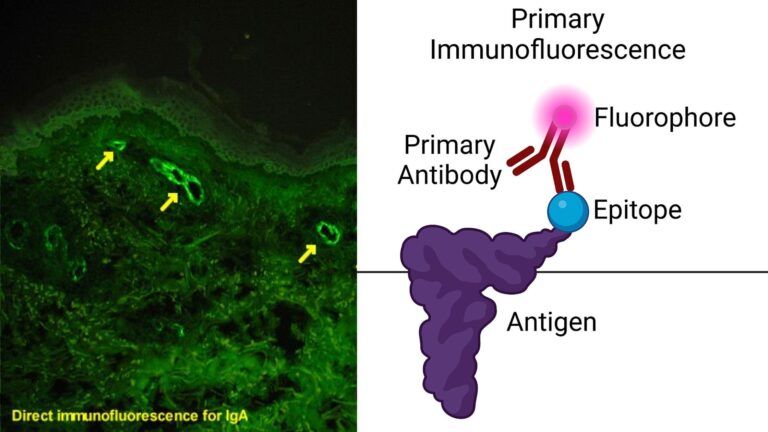
Immunofluorescence assay (IF) is a fluorescence based immunological technique used for detection and localization of specific antigen or protein in cells and tissues by using fluorescent labelled antibody. Immunofluorescence assay (IF) is a technique used for detection of specific antigen or protein in the cells and tissues. It is a microscopic method. In this method
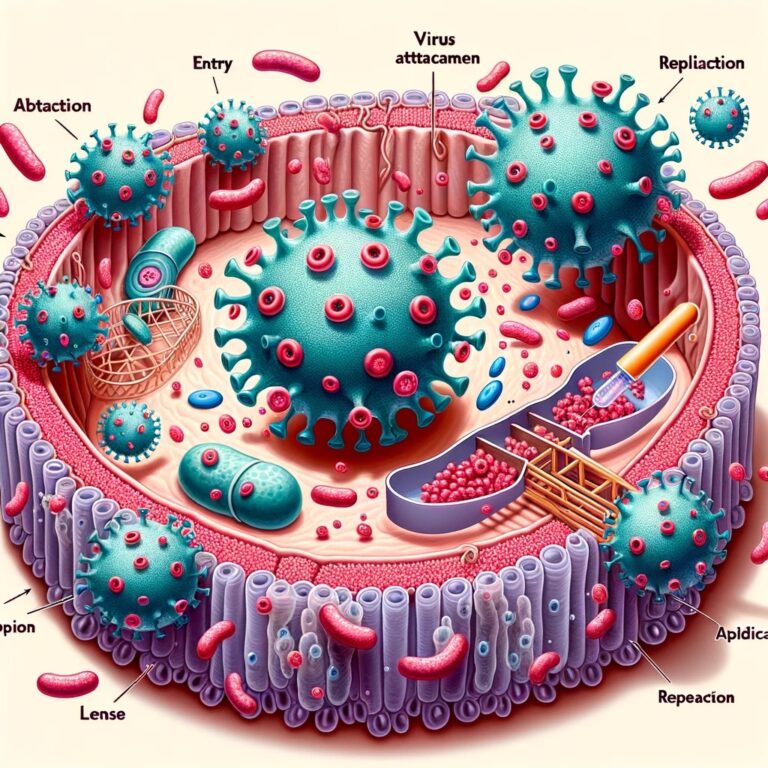
Antiviral drugs are the drugs used for the treatment and prevention of viral infections. They are not similar to antibiotics. Antibiotics kill or destroy bacteria but antiviral drugs generally do not kill the viruses. They mainly inhibit the multiplication of virus. These drugs are mostly virustatic in nature. It means they suppress the virus and
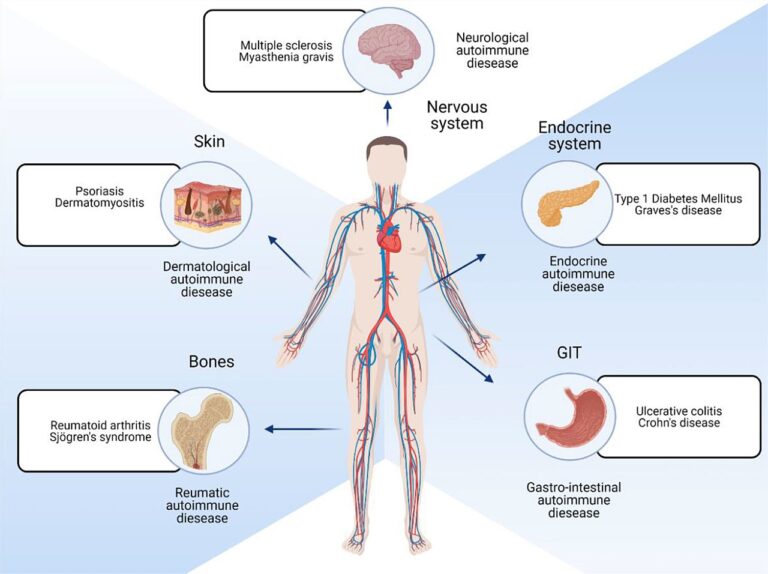
Autoimmune disease is a condition in which the body’s immune system attacks its own healthy cells and tissues. Normally the immune system protects the body from harmful infection and foreign substances. It also maintain immune tolerance, which helps to stop the immune reaction against self body cells. In autoimmune disease, this self-tolerance is broken. The
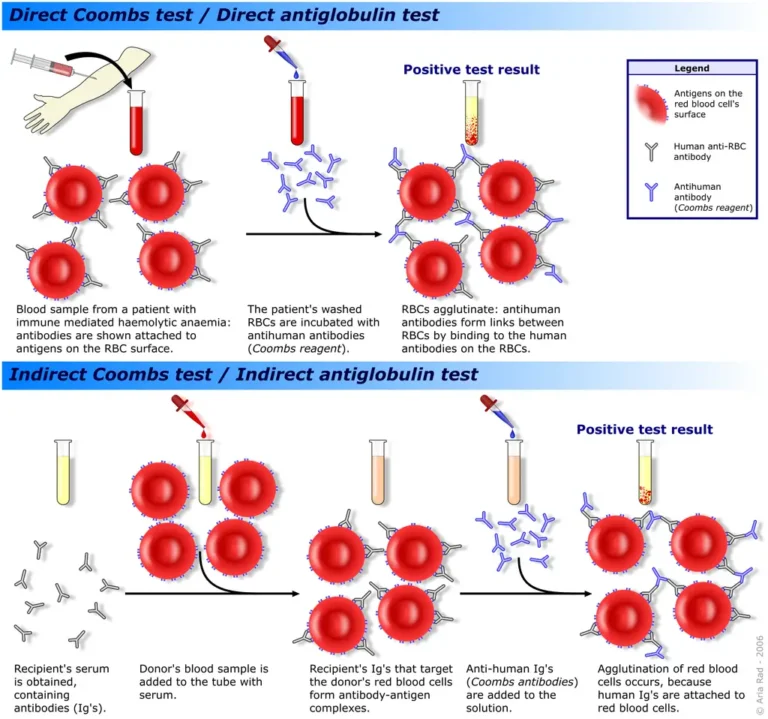
Coomb’s test is a serological blood test which is used to detect antibodies or complement proteins attached with red blood cells (RBCs) or present freely in serum. It is also called antiglobulin test.Coomb’s test is a serological blood test which is used to detect antibodies or complement proteins present on the surface of red blood
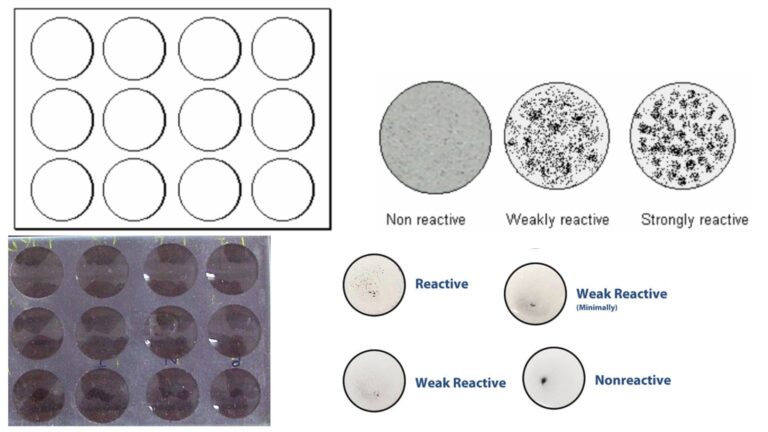
Venereal Disease Research Laboratory (VDRL) test is a rapid and simple test used for screening of syphilis. It is caused by Treponema pallidum. This test is non-treponemal test because it does not detect the organism directly. It detects reagin antibodies which are produced in the body against lipoidal material. These antibodies are mainly IgG and
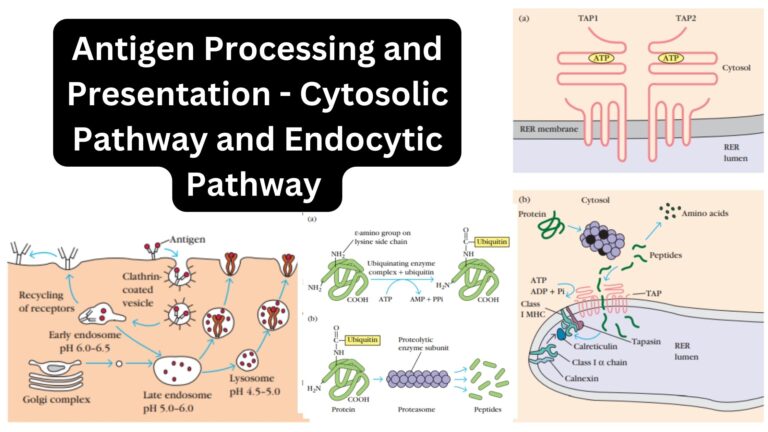
Antigen Processing and Presentation is a process by which antigen proteins are broken into small peptides and shown on cell surface with MHC molecules. These peptide-MHC complexes are recognized by T cells. It helps the immune system to detect infected cells, foreign antigen and abnormal cells. Antigen processing and presentation is a continuous immune surveillance
Superantigens (SAgs) are a special type of powerful toxins. These are produced by some bacterial and viral pathogens. It causes very strong and uncontrolled activation of immune system. The superantigens are different from normal antigens. Normal antigens are taken inside the antigen-presenting cells and broken into small pieces. But SAgs act as intact protein and
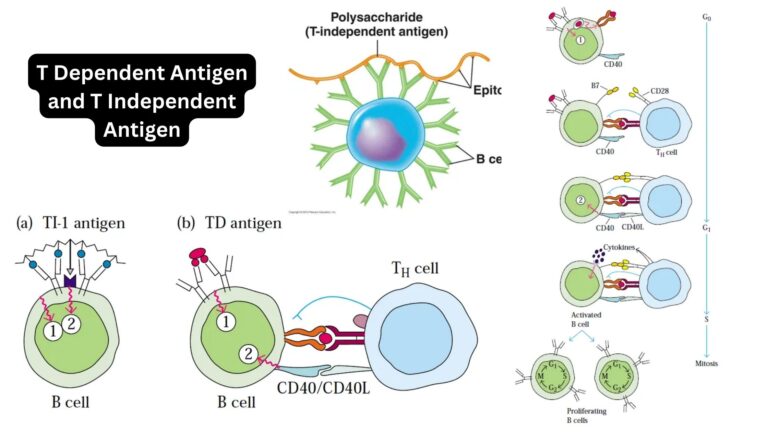
T-dependent antigens are the antigens which need the help of CD4+ helper T cells for complete activation of B cells. These antigens are mostly soluble or particulate proteins. They produce strong and long lasting immune response. When B cell comes in contact with T-dependent antigen, the antigen binds with B cell receptor (BCR). Then the
Precipitation Reaction is a reaction in which two soluble substances react together in a solution and form an insoluble solid substance. This insoluble solid substance is called precipitate. In chemical reaction, it occurs when the concentration of dissolved ions becomes more than their solubility limit. This limit is controlled by solubility product constant (Ksp). When
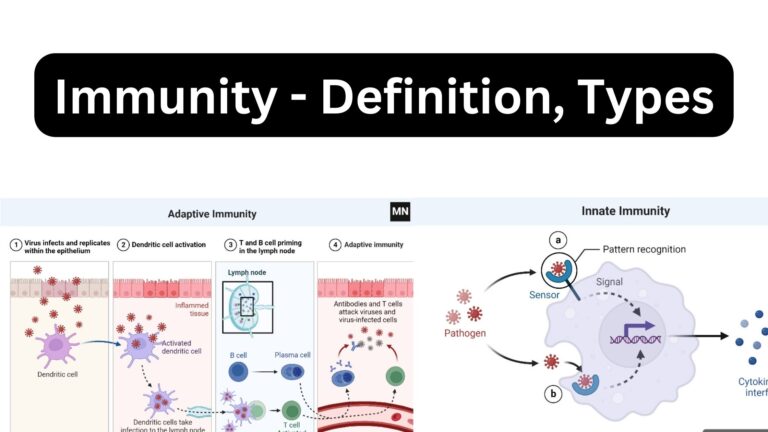
Immunity is the ability of the body to resist and protect itself from disease causing organisms. It acts against foreign substances like bacteria, viruses, toxins and other antigens. Immunity is the ability of the body to protect itself from infectious diseases and harmful foreign substances. It helps the body to recognize and destroy pathogens like