

Autoimmune disease is a condition in which the body’s immune system attacks its own healthy cells and tissues. Normally the immune system protects the body from harmful infection and foreign substances. It also maintain immune tolerance, which helps to stop the immune reaction against self body cells.
In autoimmune disease, this self-tolerance is broken. The immune system wrongly identifies normal body cells as foreign invaders. Then it starts a misdirected attack against the own body tissues.
This abnormal immune response causes uncontrolled inflammation. It may produce pain, fatigue and damage of organs and tissues. Sometimes this damage become severe and irreversible.
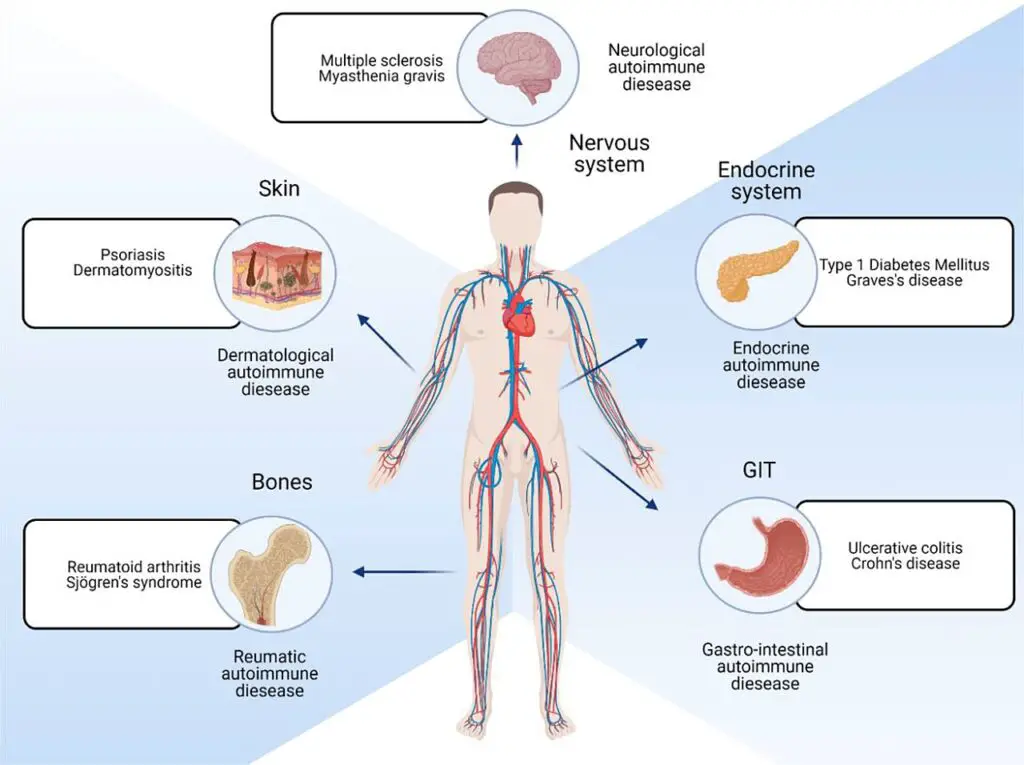
There are about 80 to more than 100 types of autoimmune diseases identified. Some autoimmune diseases affect only a particular organ. Other diseases are systemic and affect many parts or whole body.
Self and Non-Self Recognition in the Immune System
Self and non-self recognition is the process by which the immune system identifies its own body cells and harmful foreign materials. The body’s own healthy tissues are called self. The foreign invaders like bacteria, viruses and other pathogens are called non-self.
Normally the immune system does not attack the self cells. This is maintained by a process called immune tolerance. It helps to prevent immune reaction against the body’s own tissues.
This self-tolerance is mainly developed during early formation of T cells and B cells. These cells develop in organs like thymus and bone marrow. In this stage, the developing immune cells are tested against the body’s own molecules called self antigens.
If any immune cell reacts strongly with self antigen, then it is destroyed or changed. Some cells may also converted into protective regulatory cells. This helps the body to remove harmful self-reactive cells before they enter the blood.
But this checking process is not always complete. Some self-reactive immune cells can escape into the circulation. To control them, the body uses another system called peripheral tolerance.
Peripheral tolerance works by regulatory T cells and strict activation control. It suppresses the escaped self-reactive cells. It makes sure that immune response is produced mainly against true foreign substances.
When self and non-self recognition fails, the immune system attacks own tissues as foreign. This condition can lead to autoimmune disease. In this case, the body loses self-tolerance and the immune attack starts against host cells.
Immunological Tolerance and Its Role in Preventing Autoimmunity
Immunological tolerance is the ability of the immune system to prevent attack against the body’s own healthy cells and tissues. It helps to stop anti-self immune response. This tolerance is very important for maintaining normal immune balance and protecting the body from autoimmune disease and inflammatory conditions.
Central tolerance is the first line of defense. It takes place during early development of immune cells in primary lymphoid organs. T cells are checked in the thymus and B cells are checked in the bone marrow.
During this process, developing immune cells are tested against the body’s own molecules called self antigens. If any cell reacts too strongly with self antigen, then it is destroyed by clonal deletion or negative selection. Some self-reactive cells are not destroyed and they may converted into protective regulatory T cells (Tregs).
Peripheral tolerance is the backup system of the immune system. It works because central tolerance is not completely perfect. Some self-reactive immune cells can escape into the blood and peripheral tissues.
In peripheral tolerance, these escaped cells are controlled by different mechanisms. One important mechanism is clonal anergy, where the self-reactive cell become functionally unresponsive. Regulatory T cells (Tregs) also suppress autoreactive cells and release inhibitory cytokines like IL-10 and TGF-β.
These cytokines calm down unwanted immune response. They help to prevent inflammation against own tissues. In this way, central tolerance and peripheral tolerance together maintain self-tolerance.
When immunological tolerance fails, the immune system loses the ability to separate self from non-self. Rogue immune cells remain unchecked and attack host tissues as foreign invaders. This causes chronic inflammation, tissue damage and finally leads to autoimmunity.
Epidemiology of Autoimmune Disease
Autoimmune diseases are found in many populations of the world. These diseases affect about 3% to 10% of the world population. More than 100 million people are affected globally. In United States, about 23.5 million Americans have one or more autoimmune diseases.
There are many types of autoimmune diseases. About 80 to more than 100 autoimmune diseases are identified. Some are organ-specific diseases and some are systemic diseases. In industrialized countries, autoimmunity is considered as the third common category of disease after cardiovascular disease and cancer.
Autoimmune diseases are also important cause of illness and disability. They are among the top causes of death in women below 65 years. They are also a major cause of disability in women. So these diseases have important clinical and public health importance.
A strong female predominance is seen in autoimmune diseases. About 80% of autoimmune patients are females. Some diseases like systemic lupus erythematosus (SLE), Sjögren’s disease and thyroiditis are much more common in females than males. This is related with sex hormones and X-chromosome factors.
Some autoimmune diseases are more common in males. These are less common exceptions. Primary biliary cholangitis and myocarditis may occur more frequently in males. So all autoimmune diseases do not show same sex distribution.
In children, the sex difference is usually less marked. Type 1 diabetes occurs almost equally in males and females. This shows that age and type of disease also affect the epidemiological pattern.
Autoimmune diseases also show familial clustering. More than one member of a family may have autoimmune disease. This indicates genetic predisposition. But the affected relatives may not have the same disease. One member may have thyroid disease and another may have rheumatoid arthritis or SLE.
Among specific diseases, autoimmune thyroid diseases are the most common organ-specific autoimmune conditions. They affect about 2% to 5% of the population. Rheumatoid arthritis is a systemic autoimmune disease and affects about 0.5% to 1% of the world population.
Causes of Autoimmune Disease
- Genetic Predisposition
Genetic predisposition is an important cause of autoimmune disease. It depends on inherited genetic makeup of the person. Some gene variants like HLA genes increase the chance of autoimmune reaction. Family history also has important role. - X-Chromosome Imbalance
X-chromosome imbalance is related with more autoimmune diseases in females. Females have two X chromosomes. If one X chromosome is not fully inactivated, extra immune related genes may remain active. This causes more production of immune-stimulating proteins. - Sex Hormones
Sex hormones also affect autoimmunity. Estrogen increases activation and survival of immune cells. It also increases autoantibody production. So autoimmune diseases are more common in females. Some protective regulatory genes may also become less active. - Bacterial and Viral Infections
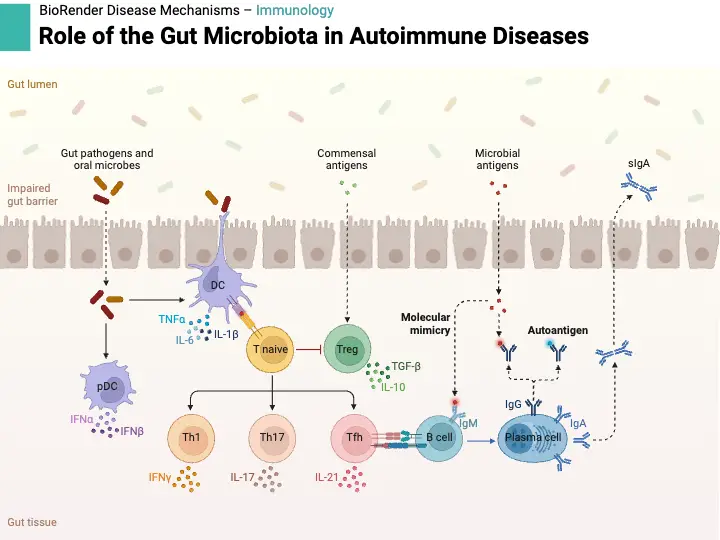
Bacterial and viral infections are important triggering factors. Severe or persistent infection may start autoimmune reaction. In molecular mimicry, the pathogen antigen looks similar to the self tissue antigen. So the immune system attacks both pathogen and own tissue. Epstein-Barr virus and Streptococcus are some examples. - Leaky Gut Syndrome
Leaky gut syndrome occurs when the intestinal lining becomes weak or more permeable. Due to this, bacteria, toxins and undigested food particles enter into the blood. Gluten may also act as a triggering antigen in some persons. These substances produce systemic inflammation and abnormal immune response. - Gut Microbiota Dysbiosis
Gut microbiota dysbiosis is the imbalance of normal gut microbes. It disturbs immune regulation. It may damage the mucosal barrier of intestine. This condition also contributes to leaky gut and chronic immune activation. - Environmental Toxins
Environmental toxins can change the function of immune system. Heavy metals, silica dust, pesticides, solvents and chemicals like BPA may act as triggering factors. They can also disturb hormone signaling. In susceptible person, these exposures may start autoimmune disease. - Chronic Stress
Chronic stress affects immune balance. Long time psychological or physical stress can disturb cortisol regulation. It also reduces healing ability of the body. Due to this, immune control becomes weak and inflammation may increase. - Diet and Lifestyle
Diet and lifestyle have role in autoimmune disease. Cigarette smoking and chronic alcohol intake can irritate the gut mucosa. Low-fiber diet and highly processed food may also increase inflammation. These factors can support dysbiosis and abnormal immune activation. - Certain Medications
Some drugs can trigger autoimmune response. This is called drug-induced autoimmunity. Drugs like hydralazine, procainamide, minocycline and TNF inhibitors may cause autoimmune like reactions in some persons.
Mechanisms of Autoimmune Disease Development
- Loss of Immune Tolerance
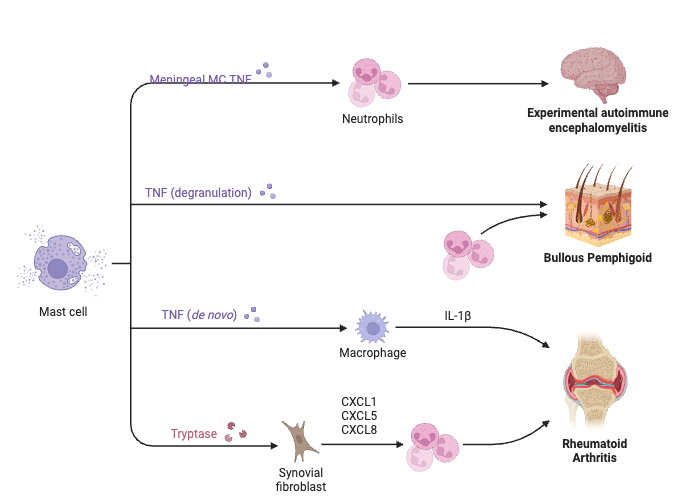
Autoimmune disease develops when the normal checkpoints of immune system are failed. These checkpoints are central tolerance and peripheral tolerance. When they do not remove or suppress self-reactive immune cells, these cells attack own healthy tissues. - Genetic Susceptibility and Sex Differences
Genetic makeup of a person has important role in autoimmune disease development. Some persons carry genes that make the immune system more prone to self reaction. Autoimmune diseases are also more common in females due to incomplete X-chromosome inactivation and immune stimulating effect of estrogen. - Molecular Mimicry
Molecular mimicry occurs when a foreign pathogen looks similar to the body’s own tissues. The pathogen may be virus or bacteria. Immune cells activated against this infection may cross-react with similar self tissue and attack the host cell by mistake. - Bystander Activation and Epitope Spreading
During severe infection, inflammation can damage the local tissues. This damage releases hidden self-antigens and these antigens may start autoimmune response. This process is called epitope spreading. In the same inflammatory area, nearby self-reactive immune cells may also become activated accidentally and this is known as bystander activation. - Dual T-Cell Receptors
Some T cells may have two different receptors on their surface. Due to this, they can recognize both a foreign pathogen and a healthy self-antigen. When infection activates the pathogen specific receptor, the same cell may also start attack against self tissue by its self-reactive receptor. - Leaky Gut Syndrome and Dysbiosis
Dysbiosis is the imbalance of gut bacteria. It may be caused by dietary triggers or disturbance in intestinal microbes. In leaky gut syndrome, the intestinal lining become more permeable and allows bacteria, toxins and undigested food particles to enter into blood. This can trigger widespread immune activation and autoimmune reaction. - Quorum Threshold Failure
The immune system normally needs a minimum number of activated T cells to start a full immune response. This minimum number is called quorum threshold. During persistent or severe viral infection, this threshold may be overwhelmed. Then protective regulatory control is bypassed and autoimmunity can be started.
Factors Contributing to Autoimmune Diseases
- Genetic Susceptibility
Genetic susceptibility is one of the important factor for autoimmune disease. It depends on inherited genetic makeup of the person. Some gene variants like HLA haplotypes make the immune system more likely to react against own tissues. - Biological Sex and X Chromosomes
Autoimmune diseases are more common in females. This is mainly related with two X chromosomes in females. When one X chromosome is not fully silenced, it may cause gene dosage imbalance and more production of immune-stimulating proteins. - Sex Hormones
Estrogen has an immune stimulating effect. It helps in survival, activation and antibody production of immune cells. Because of this, females are more susceptible to autoimmune diseases. Testosterone and progesterone usually suppress the immune system and give protective effect. - Infections and Molecular Mimicry
Bacterial and viral infections are important trigger of autoimmune disease. In molecular mimicry, the foreign pathogen has similar structure with body’s own tissues. The immune system attacks the pathogen but also cross-reacts with the similar host tissues. - Leaky Gut Syndrome
Leaky gut syndrome occurs when the intestinal barrier become more permeable. Due to this, undigested food proteins, toxins and bacteria can enter into the bloodstream. This causes systemic inflammation and wide immune activation. - Gut Microbiota Dysbiosis
Gut microbiota dysbiosis is the imbalance of normal gut bacteria. It may occur due to low fiber diet, high saturated fat, chronic alcohol intake or certain pathogens. This imbalance can damage the protective mucosal lining and increase intestinal permeability. - Dietary Triggers
Some food components can act as dietary trigger. Gliadin and gluten present in wheat may increase the production of zonulin. Zonulin breaks the tight junctions of gut lining and opens the pathway for autoimmune pathogenesis. - Tissue Damage and Epitope Spreading
Severe infection, trauma or drug interaction can damage local tissues. This damage exposes hidden self-antigens to the immune system. Then immune system may attack these newly exposed self tissues and this process is related with epitope spreading. - Environmental Factors
Environmental factors also contribute to autoimmune disease. Exposure to sunlight, heavy metals, pesticides, endocrine-disrupting chemicals like BPA and some medications can change immune function. These changes may start autoimmune response in susceptible person. - Epigenetic Changes
Epigenetic changes are changes in gene expression without changing the DNA sequence. These changes may be caused by environmental exposure, stress and hormonal shifts. It can promote inflammation and autoimmunity. - Dual T-Cell Receptors
Some T cells have two different receptors on their surface. One receptor may recognize a foreign pathogen and another may be self-reactive. During infection, activation of these T cells may accidentally start autoimmune attack against healthy tissues.
Autoantigens and Autoantibodies
Autoantigens are the body’s own proteins, molecules, cells or tissues. They are also called self-antigens. In healthy body, these autoantigens are not attacked by immune system because immune tolerance is present.
The immune system normally ignores the self-antigens. It recognises them as part of own body. But in autoimmune disease, this tolerance is lost and the same self-antigens are taken as foreign substances.
Autoantibodies are antibodies formed against the body’s own autoantigens. Normal antibodies are produced by white blood cells against foreign infections. But autoantibodies are abnormal antibodies and they act against own cells and tissues.
Small amount of autoantibodies may be present in normal persons also. But when their level become high, they produce strong immune reaction. It may cause inflammation, cell injury and tissue damage.
Autoantibodies bind with their specific autoantigens. After binding, they may directly destroy the cells or change the normal function of the cells. Sometimes they form immune complexes with autoantigens.
These immune complexes may deposit in blood vessels, joints and other tissues. This deposition causes chronic inflammation. It is seen in many autoimmune conditions.
When the autoantigen is present in one particular organ, the disease is called organ-specific autoimmune disease. For example, autoantibody against thyroid peroxidase damages the thyroid gland. It causes Hashimoto’s thyroiditis.
When the autoantigen is present in many cells of the body, the disease is called systemic autoimmune disease. For example, antinuclear antibodies (ANAs) attack nuclear proteins. It is related with systemic lupus erythematosus (SLE).
Classification of Autoimmune Diseases
Autoimmune diseases are classified according to the place where immune reaction occurs and according to the immune mechanism involved in the disease. In some diseases, the immune attack is mainly present in one organ. In some diseases, the reaction is spread in many organs and tissues. The following are the classification of autoimmune diseases.
A. Classification by Anatomical Target
- Organ-Specific Autoimmune Diseases
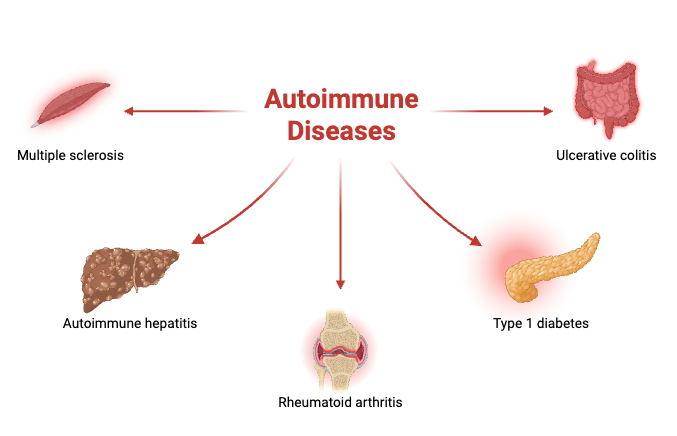
Organ-specific autoimmune diseases are those diseases in which the immune system attacks the self-antigens of a single organ or tissue. The reaction is localised, so the damage is mostly found in that organ only. Some important examples are type 1 diabetes affecting pancreas, Hashimoto’s thyroiditis affecting thyroid gland and celiac disease affecting small intestine. - Systemic Autoimmune Diseases
Systemic autoimmune diseases are those diseases in which the immune system attacks the common cellular components present in different cells of the body. These components may be nucleic acids, DNA or nuclear proteins. As these antigens are widely present, the inflammation and tissue damage is also found in many organs. Some examples are systemic lupus erythematosus (SLE), rheumatoid arthritis and multiple sclerosis. - Mixed or Overlap Syndromes
Mixed or overlap syndromes are the autoimmune conditions in which the characters of both organ-specific and systemic diseases are present. In this case, more than one autoimmune disease may occur in the same individual. It is referred to as overlap autoimmune syndrome.
B. Classification by Immune Mechanism
- Type II Autoimmunity (Antibody-Mediated Cytotoxic Type)
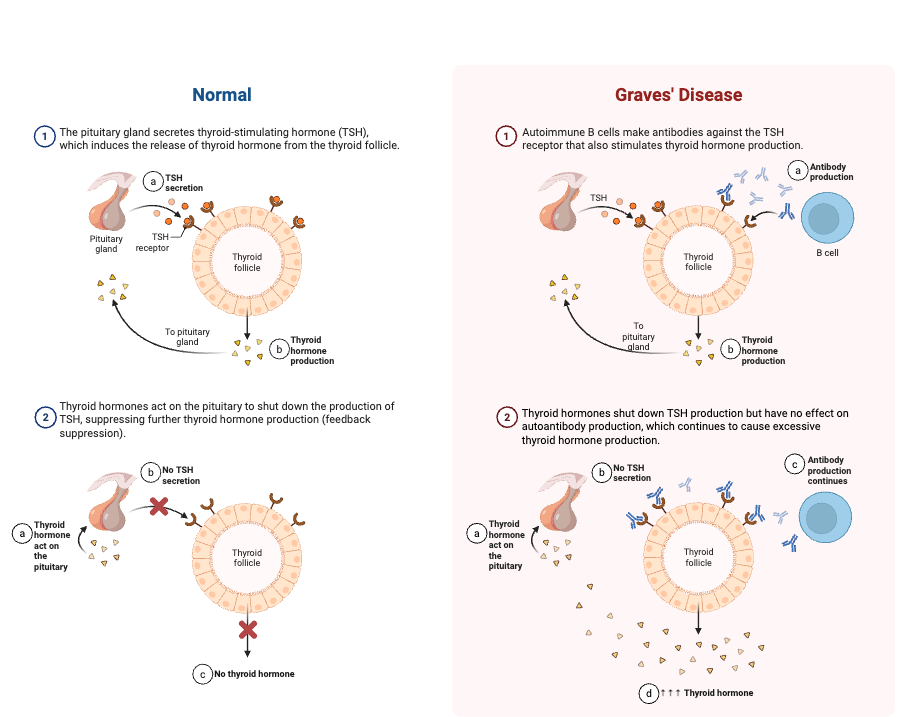
Type II autoimmunity is the type in which autoantibodies bind with antigens present on the surface of cells or in the extracellular matrix. After binding, the cells may be destroyed directly or their normal function may be changed. Graves’ disease is an example, where autoantibodies stimulate the thyroid gland more than normal. - Type III Autoimmunity (Immune Complex-Mediated Type)
Type III autoimmunity is caused by formation of soluble antigen-antibody complexes in the blood. These complexes are deposited in tissues such as blood vessel walls, joints and kidneys. After deposition, they produce inflammatory reaction and damage of the surrounding tissues. Systemic lupus erythematosus (SLE) is an important example of this type. - Type IV Autoimmunity (Cell-Mediated or Delayed Type)
Type IV autoimmunity is mediated by autoreactive T cells. In this type, antibodies are not mainly involved. Cytotoxic T cells destroy the healthy host cells directly, while T helper cells release cytokines and activate macrophages. Type 1 diabetes is an example, where T cells destroy the insulin-producing beta cells of pancreas.
Pathogenesis of Autoimmune Diseases
Autoimmune disease develops step by step when the normal control of immune system is disturbed. The disease starts from genetic tendency and then environmental or infectious factors activate the immune system. Finally the immune system loses tolerance and attacks own tissues.
- Autoimmune disease starts when some genetic tendency are present in the body. In some persons, incomplete X-chromosome inactivation and effect of estrogen make the immune system more reactive. During early development of immune cells, T cells in thymus and B cells in bone marrow are checked. If this checking is defective, self-reactive immune cells are not removed and they escape into blood.
- After this, some environmental factor may disturb the gut barrier. Gut dysbiosis, gluten and other dietary antigens may increase zonulin production. Zonulin breaks the tight junctions of intestinal lining. Due to this, bacteria, toxins and undigested antigens enter into circulation and immune activation is started.
- Viral and bacterial infections also act as triggering factor. During infection, the immune system starts response against pathogen antigens. In molecular mimicry, some pathogen antigens are similar to self tissues. So the immune cells formed against pathogen also react with the body’s own tissues. Infection may also activate nearby self-reactive cells by bystander activation.
- Some T cells may have dual receptors. One receptor may recognise foreign antigen and another receptor may recognise self-antigen. During active infection, these cells may be activated through foreign antigen. Then they can also start attack against self-antigen.
- Peripheral tolerance normally controls the escaped autoreactive cells. But when immune activation becomes strong, this control is disturbed. Regulatory T cells (Tregs) cannot suppress these cells properly. The self-reactive cells remain active and they begin to produce autoimmune response.
- Normally immune system needs a minimum number of activated T cells in one area to start a full immune attack. This is called quorum threshold. During persistent infection, large number of cross-reactive T cells are activated. When this threshold is crossed, the natural suppressive mechanism is overcome.
- After tolerance is lost, the immune system attacks the body’s own organs. This produces inflammation and tissue damage. The damaged tissue releases hidden self-antigens which were not exposed before. These antigens again stimulate the immune system and the attack spreads to new targets.
- This spreading of immune attack is called epitope spreading. In this condition, the disease does not remain limited to the first antigen only. More self-antigens are involved and more immune cells are activated. Thus inflammation becomes continuous.
- In the final stage, autoantibodies, autoreactive T cells, cytokines and immune complexes take part in tissue injury. The tissue damage releases more self-antigens and again more immune reaction is produced. In this way, autoimmune disease becomes chronic and self-perpetuating.
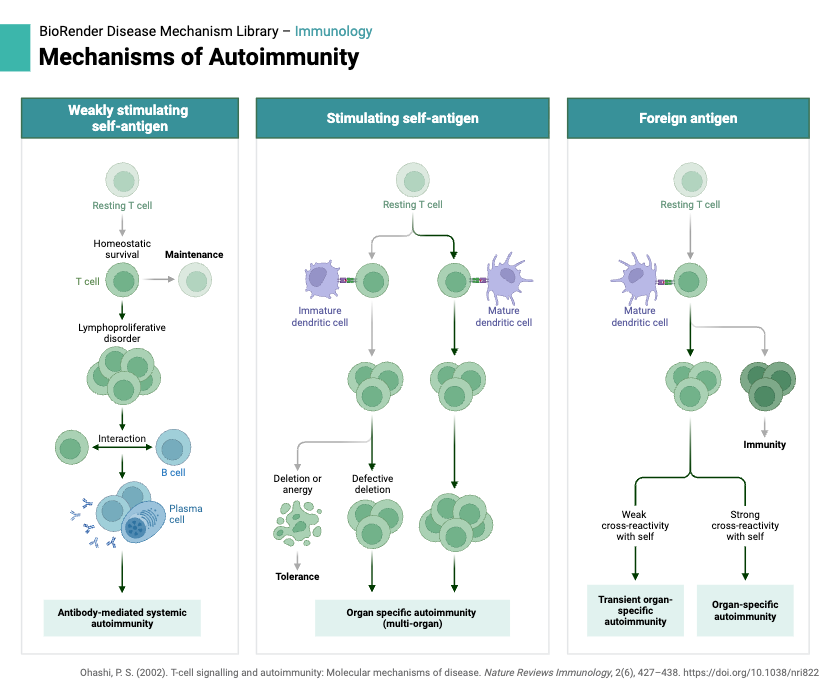
Role of B Cells and T Cells in Autoimmunity
B cells and T cells are the main cells of adaptive immune system. They normally recognise foreign antigens and protect the body from infection. In autoimmune disease, the tolerance mechanism fails and these cells start reacting with the body’s own tissues. Thus the immune response becomes harmful to the host.
A. Role of T Cells
- Autoreactive T cells are important in cell mediated autoimmunity. In this condition, CD8+ cytotoxic T cells directly attack and destroy healthy host cells. In type 1 diabetes, these T cells destroy the insulin producing beta cells of pancreas.
- CD4+ helper T cells also take part in autoimmune reaction. Mainly Th1 and Th17 cells release inflammatory cytokines. These cytokines attract macrophages and other inflammatory cells. Thus chronic inflammation is produced in the tissue.
- Regulatory T cells (Tregs) normally suppress the autoreactive immune cells. They act as control system of immune response. In autoimmune disease, the number of Tregs may decrease or their suppressive activity may be lost. So the self-reactive cells remain active and inflammation continues.
- In some autoimmune condition, imbalance occurs between Th17 cells and Tregs. Th17 cells produce inflammatory reaction and Tregs suppress the reaction. When Th17 activity become more and Treg control become less, autoimmune inflammation is increased.
- Some T cells may have two different receptors on their surface. One receptor can recognise pathogen antigen and another receptor can recognise self-antigen. During viral or bacterial infection, the pathogen activates the cell and this may also start reaction against self tissue.
- The immune system normally needs a minimum number of activated T cells in one area to start strong immune attack. This is called quorum threshold. During severe or persistent infection, many cross-reactive T cells are activated. When this threshold is crossed, the suppression by Tregs is overcome and autoimmunity may start.
B. Role of B Cells
- B cells mainly cause autoimmunity by producing autoantibodies. These antibodies are formed against the body’s own proteins, cells or tissues. Normally antibodies attack foreign pathogens. But autoantibodies bind with self-antigens and start tissue damage.
- Autoantibodies combine with self-antigens and form immune complexes. These immune complexes circulate in blood and get deposited in tissues like joints, skin, blood vessels and kidneys. After deposition, they activate inflammation and damage the tissue.
- This type of damage is seen in Type III hypersensitivity. It is important in systemic autoimmune diseases like systemic lupus erythematosus (SLE) and rheumatoid arthritis. In these diseases, immune complexes are important cause of chronic inflammation.
- B cells also work as antigen-presenting cells. Autoreactive B cells can take self-antigens and present them to T cells. After this, T cells become more activated and continue the attack against the same tissue.
- B cells also give co-stimulatory signals to T cells. These signals help the T cells to survive and remain active. So B cells not only produce autoantibodies but also maintain the autoimmune reaction with T cells.
Thus B cells and T cells act together in autoimmune disease. T cells produce cell mediated destruction and inflammation. B cells produce autoantibodies, immune complexes and present antigen to T cells. Both cells maintain the chronic autoimmune response.
Examples of Common Autoimmune Diseases
- Systemic Lupus Erythematosus (SLE)
Systemic lupus erythematosus (SLE) or lupus is a systemic autoimmune disease. It affects many organs of the body. The common affected parts are joints, skin, kidneys, blood vessels and brain. It produces inflammation and tissue damage. - Rheumatoid Arthritis (RA)
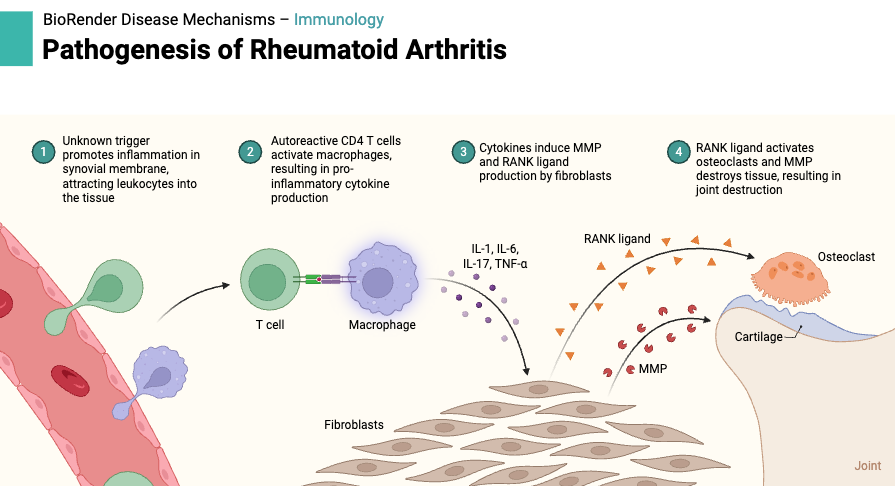
Rheumatoid arthritis (RA) is a chronic inflammatory autoimmune disease. It mainly affects the synovial joints. Hands, feet and knees are commonly affected. It causes pain, swelling and later destruction of cartilage and bone. - Type 1 Diabetes Mellitus
Type 1 diabetes mellitus is an organ-specific autoimmune disease. It affects the pancreas. In this disease, immune cells destroy the insulin producing beta cells. So insulin is not produced properly and blood glucose level becomes high. - Multiple Sclerosis (MS)
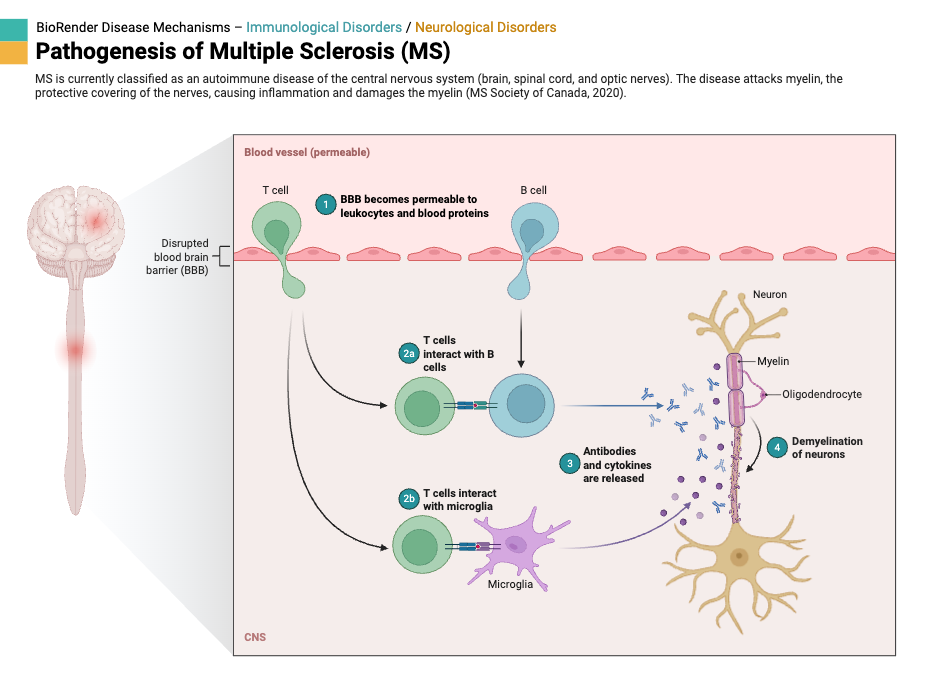
Multiple sclerosis (MS) is an autoimmune disease affecting the central nervous system. The immune cells attack the myelin sheath of nerve fibres. Due to this, nerve impulse transmission is disturbed. It causes different nervous symptoms. - Celiac Disease
Celiac disease is an autoimmune disease of small intestine. It occurs due to immune reaction against gluten. Gluten produces inflammation in intestinal lining. As a result, absorption of nutrients becomes poor. - Hashimoto’s Thyroiditis
Hashimoto’s thyroiditis is an autoimmune disease of thyroid gland. In this disease, thyroid tissue is destroyed by immune reaction. So the thyroid hormone production becomes less. This condition is called hypothyroidism. - Graves’ Disease
Graves’ disease is also an autoimmune disease of thyroid gland. Here autoantibodies stimulate the thyroid-stimulating hormone receptor. As a result, thyroid gland produces more thyroid hormone. This condition is called hyperthyroidism. - Inflammatory Bowel Disease (IBD)
Inflammatory bowel disease (IBD) is a group of autoimmune inflammatory disease of digestive tract. It includes ulcerative colitis and Crohn’s disease. It causes chronic inflammation and ulceration in the gastrointestinal tract. - Psoriasis and Psoriatic Arthritis
Psoriasis is an autoimmune disease of skin. In this disease, cytokine activation causes rapid growth of skin cells. It forms thick, scaly and inflamed patches on skin. When joints are also inflamed, it is called psoriatic arthritis. - Sjögren’s Syndrome
Sjögren’s syndrome is a systemic autoimmune disease. It mainly affects moisture producing glands. It causes dryness of mouth and eyes. It may also affect joints and other tissues. - Autoimmune Addison’s Disease
Autoimmune Addison’s disease is an organ-specific autoimmune disease. It affects the adrenal cortex. Immune system destroys adrenal cortex cells. So important steroid hormones are not produced in proper amount.
Clinical Features and Symptoms of Autoimmune Diseases
Autoimmune diseases show different types of clinical features. Some symptoms are general and present in many autoimmune diseases. Some symptoms are related with particular organ or particular disease. The symptoms may also increase and decrease from time to time.
- General symptoms
In many autoimmune diseases, the early symptoms are not very specific. The person may have fatigue, fever without any clear cause, joint pain and muscle pain. Weight loss or weight gain may also occur in some cases. These symptoms are common, so diagnosis may be difficult in the early stage. - Flare-up and remission
Autoimmune diseases usually occur with flare-up and remission. In flare-up, the symptoms become more severe. In remission, the symptoms decrease or disappear for some time. This repeated pattern is commonly seen in many autoimmune conditions. - Chronic inflammation
Chronic inflammation is one of the important feature of autoimmune disease. The immune system remains active for long time. This causes pain, swelling and tissue injury. In severe cases, the damage may become permanent in organs and tissues. - Systemic Lupus Erythematosus (SLE)
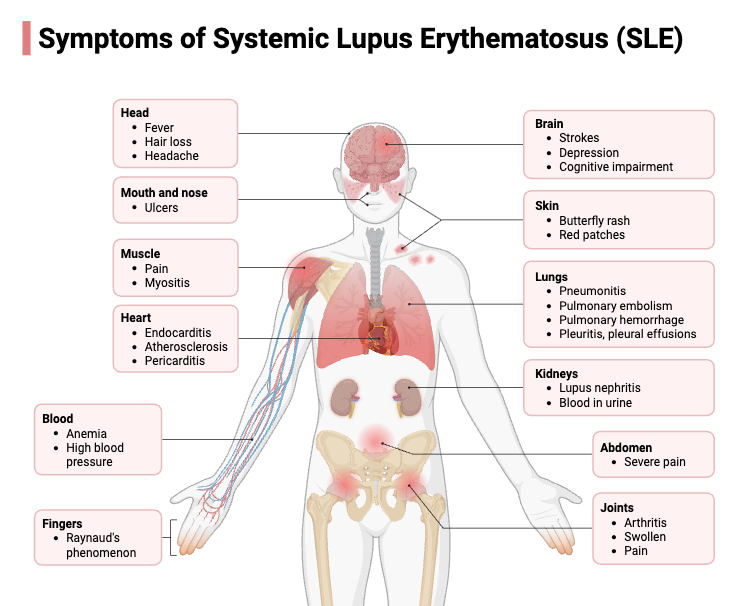
Systemic lupus erythematosus (SLE) may affect skin, joints, kidneys, blood vessels and nervous system. A butterfly shaped rash may appear on cheeks and nose, which is sensitive to sunlight. Hair loss, joint pain, chest pain, seizures, memory loss and confusion may also occur. Colour change of fingers during cold is called Raynaud phenomenon. - Rheumatoid Arthritis (RA)
Rheumatoid arthritis (RA) mainly affects the joints. It causes chronic joint pain, stiffness and swelling. Hands, feet and knees are commonly affected. In later stage, the joints may become deformed and cartilage and bone may be destroyed. - Multiple Sclerosis (MS)
Multiple sclerosis (MS) mainly affects the nervous system. It causes visual disturbance, muscle weakness and difficulty in coordination and balance. Numbness and prickling sensation may also occur. Memory and thinking problem may be found in some patients. - Type 1 Diabetes Mellitus
Type 1 diabetes mellitus occurs due to destruction of insulin producing beta cells of pancreas. The common features are extreme fatigue, increased thirst and frequent urination. Rapid weight loss may occur. Blood glucose level becomes high, which is called hyperglycemia. - Celiac Disease
Celiac disease affects the small intestine. It occurs due to immune reaction after taking gluten. The common symptoms are severe diarrhoea and abdominal pain. Due to poor absorption, weight loss, malnutrition and anemia may occur. - Addison’s Disease
Addison’s disease occurs when immune system destroys the adrenal cortex. It causes extreme weakness, low blood pressure, decreased appetite and nausea. Darkening of skin may occur, which is called hyperpigmentation. Severe stress or infection may cause adrenal crisis, which may produce shock and kidney failure. - Psoriasis
Psoriasis is an autoimmune disease of skin. It causes thick red patches on skin. These patches are itchy or sore and covered by silvery scales. It commonly appears on elbows, knees, scalp, face, palms and feet. - Myasthenia Gravis
Myasthenia gravis is an autoimmune disease affecting muscles. It causes marked muscle weakness. The weakness increases with activity and improves with rest. In severe condition, respiratory muscles may be affected and it can cause fatal respiratory arrest. - Graves’ Disease
Graves’ disease is an autoimmune disease of thyroid gland. In this condition, thyroid hormone is produced in excess. This is called hyperthyroidism. It increases body functions and may cause weight loss, sweating, fast heartbeat and nervousness.
Diagnosis of Autoimmune Diseases
Autoimmune diseases are difficult to diagnose because the early symptoms are not clear. Fatigue, fever, joint pain and muscle pain may be present. These symptoms are common in many diseases. The symptoms may become severe and then again decrease for some time.
- Clinical Examination
Diagnosis is started from the history of patient and clinical examination. The affected organ, duration of disease and family history are noted. The pattern of flare-up and remission is also important. It gives idea about the autoimmune nature of the disease. - Antinuclear Antibody Test (ANA Test)
Antinuclear antibody (ANA) test is used as a screening test for systemic autoimmune disease. It detects antibodies against nuclear parts of the cell. Negative test generally shows absence of these antibodies. Positive test only shows presence of antibodies, but it does not always confirm the disease. - ANA Titre and Pattern
When ANA test is positive, the titre and pattern are checked. Titre shows the amount of antibody in blood. Low titre like 1:40 may be normal. High titre like 1:160 or more is more important. The pattern seen under microscope helps in further diagnosis. - Specific Autoantibody Test
Specific autoantibodies are tested for particular autoimmune disease. Anti-dsDNA and anti-Smith antibody are found in systemic lupus erythematosus (SLE). Anti-CCP antibody is important in rheumatoid arthritis (RA). Anti-TPO antibody is found in autoimmune thyroid disease like Hashimoto’s thyroiditis. - Inflammatory Marker Test
Inflammatory marker tests are done to know the level of inflammation in body. The common tests are erythrocyte sedimentation rate (ESR) and C-reactive protein (CRP). These increase during active inflammation or immune flare. They are not specific for one disease. - Imaging and Biopsy
Imaging tests are used to see damage in organs and tissues. In rheumatoid arthritis, X-ray, ultrasound and MRI show joint and bone damage. In celiac disease, antibody test is done with endoscopy and biopsy of small intestine. The biopsy shows damage of intestinal lining. - New Diagnostic Methods
New methods include artificial intelligence (AI), machine learning and biomarker study. These methods study health records, T-cell receptor sequencing and immune marker profiles. It helps to detect disease early and separate similar autoimmune diseases.
Treatment and Management of Autoimmune Diseases
Autoimmune diseases are treated by controlling the abnormal immune reaction. The treatment is used to reduce inflammation, decrease pain and prevent permanent tissue damage. The management also includes diet, lifestyle and removal of triggering factors.
- Non-Steroidal Anti-Inflammatory Drugs (NSAIDs)
NSAIDs are drugs used to reduce pain and inflammation. Drugs like ibuprofen are commonly used. These are mainly used for short term relief. They do not stop the disease process but helps in controlling symptoms. - Corticosteroids
Corticosteroids are strong anti-inflammatory drugs. Examples are prednisone and dexamethasone. These drugs act fast and are used during sudden flare-up of disease. Long term use is avoided because it may cause weight gain, bone thinning and other side effects. - Disease-Modifying Antirheumatic Drugs (DMARDs)
DMARDs are drugs which slow down the progress of autoimmune disease. Methotrexate is an important example. These drugs are used to prevent permanent damage of tissues and joints. They act slowly but have important role in long term treatment. - Broad Immunosuppressants
Immunosuppressants are drugs which suppress the immune system. Drugs like calcineurin inhibitors and mTOR inhibitors are used in some autoimmune diseases. They reduce the attack on own tissues. But they may also reduce normal protection against infections. - Biologics and Targeted Therapies
Biologics are advanced medicines which act on specific immune cells or inflammatory pathways. TNF inhibitors and JAK inhibitors are examples. These drugs are more targeted than broad immunosuppressants. So the general side effects may be less in many cases. - CAR-T Cell Therapy
CAR-T cell therapy is a new type of treatment. In this method, the patient’s own T cells are modified. These modified cells can attack abnormal B cells which produce autoantibodies. It is mainly used in cancer, but now it is also studied in autoimmune diseases for immune reset. - Antigen-Specific Tolerance
Antigen-specific tolerance is an experimental treatment. It is used to train the immune system to tolerate particular self-antigens again. Peptide vaccines are an example of this approach. The main aim is to reduce autoimmune reaction without suppressing the whole immune system. - Microbiome Modulation and FMT
Gut bacteria have important effect on immune system. So probiotics, dietary changes and fecal microbiota transplantation (FMT) are studied for autoimmune disease. These methods help to change gut microbes and reduce abnormal immune activation. - Autoimmune Protocol (AIP) Diet
Autoimmune protocol (AIP) diet is used to reduce inflammation and support gut healing. In elimination phase, grains, dairy, legumes, refined sugars and nightshade vegetables are removed for some weeks. In reintroduction phase, foods are added one by one to find symptom triggering foods. In maintenance phase, the person follows a long term diet which the body can tolerate. - Anti-Inflammatory Nutrition
Anti-inflammatory diet includes antioxidant rich foods, healthy fats, lean proteins and omega-3 fatty acids. Olive oil and avocado oil are examples of healthy fats. These foods help to reduce oxidative stress and systemic inflammation. Processed food and excess sugar are generally avoided. - Stress Management
Stress can increase flare-up of autoimmune disease. Chronic stress may disturb immune balance and increase inflammation. Adequate sleep, deep breathing and mindfulness are used to control stress. It is an important part of management. - Treating Underlying Infections
Some viral and bacterial infections may trigger autoimmune reaction by molecular mimicry. So chronic infections should be identified and treated. This helps to reduce continuous immune stimulation. It may also decrease flare-up in some patients. - Reducing Environmental Toxins
Environmental toxins can increase inflammatory load in the body. Cigarette smoke, heavy metals, mold and some chemicals may act as immune irritants. Reducing exposure to these factors helps in management of autoimmune disease. - Moderate Exercise
Moderate exercise is helpful in autoimmune disease. Walking, swimming and yoga are commonly used. It reduces inflammatory markers and supports regulatory T cells (Tregs). But heavy exercise during active flare-up should be avoided because it may increase symptoms.
Complications Associated with Autoimmune Diseases
Autoimmune diseases may cause many complications. These complications occur because of continuous immune reaction. It may be due to direct tissue destruction. It may also occur due to drugs used for the treatment of autoimmune diseases.
- Severe Organ and Tissue Damage
Severe organ and tissue damage is common in uncontrolled autoimmune disease. The immune mediated inflammation remains for long time. It damages different organs and tissues of the body. Sometimes the damage becomes widespread and irreversible. - Joint and Bone Destruction
Joint and bone destruction is mainly seen in rheumatoid arthritis. In this disease, joint inflammation occurs for long period. It causes pain, swelling and stiffness. Later the cartilage and bone are degraded and the joint may become disfigured. - Neurological and Cognitive Impairment
Neurological impairment occurs when autoimmune disease affects the nervous system. Multiple sclerosis and systemic lupus erythematosus (SLE) may cause vision problem, seizures, memory loss and confusion. In severe case, physical and mental function are reduced. In myasthenia gravis, muscle weakness becomes extreme and respiratory arrest may occur. - Cardiovascular and Renal Damage
Cardiovascular damage may occur due to autoimmune inflammation of blood vessels. This is called vasculitis. It may produce aneurysm or haemorrhage. Heart valves may be damaged in rheumatic fever. Kidney damage occurs as glomerulonephritis, mainly in SLE, and it may lead to kidney failure. - Adrenal Crisis and Shock
Adrenal crisis is a serious complication of autoimmune Addison’s disease. It may occur during severe stress or infection. In this condition, there is circulatory collapse, severe abdominal pain or back pain. Shock and kidney failure may also occur. - Hormonal Imbalances
Hormonal imbalance occurs when endocrine glands are attacked. In type 1 diabetes, insulin deficiency occurs and blood glucose becomes high. In Hashimoto’s thyroiditis, thyroid hormone becomes low and goiter may develop. In Graves’ disease, thyroid hormone is produced in excess and thyrotoxicosis may occur. - Malnutrition and Anemia
Malnutrition occurs in autoimmune diseases of gastrointestinal tract. In celiac disease and autoimmune gastritis, mucosal lining is damaged. Due to this, absorption of nutrients becomes poor. It may cause severe diarrhoea, weight loss, iron deficiency and pernicious anemia. - Multiple Autoimmune Syndromes
Multiple autoimmune syndrome is a condition where more than one autoimmune disease occurs in same person. A person with one autoimmune disease has more risk of another autoimmune disease. This is also called autoimmune comorbidity or overlap syndrome. - High Risk of Severe Infections
Severe infections may occur due to use of immunosuppressant drugs. These drugs suppress the immune system to control autoimmune reaction. But the body becomes weak against microbes. So bacterial, viral and fungal infections may become severe. - Medication-Induced Side Effects
Long term treatment may produce side effects. Corticosteroids may cause osteoporosis, diabetes, weight gain and high blood pressure. Biologics and other immunosuppressants may increase the risk of infections. In some cases, risk of malignancy or cancer may also increase.
- Clinical and Immunological Significance of Autoimmune Diseases
Autoimmune diseases have both clinical and immunological importance. Clinically, these diseases cause long term illness, organ damage and disability. Immunologically, these diseases show how the normal immune tolerance is broken and how the immune system starts attack against own body tissues.
A. Clinical Significance of Autoimmune Diseases
- Global Burden
Autoimmune diseases affect large number of people in the world. More than 100 million people are affected by these diseases. There are more than 80 to 120 different autoimmune conditions. These diseases are also important cause of morbidity in developed countries. - Female Bias
Autoimmune diseases are more common in females. About 80% autoimmune patients are females. This is related with X-chromosome and hormonal factors. These diseases are also important cause of death and disability in women below 65 years. - Diagnostic Difficulty
Diagnosis of autoimmune disease is difficult in many cases. The early symptoms are not specific. Fatigue, joint pain and fever may be present in many other diseases also. The symptoms may appear during flare-up and then reduce during remission, so diagnosis may be delayed. - Tissue and Organ Damage
Autoimmune diseases may cause permanent tissue damage. In type 1 diabetes, insulin producing beta cells of pancreas are destroyed. In systemic diseases like systemic lupus erythematosus (SLE) and rheumatoid arthritis, skin, joints, kidneys and blood vessels may be damaged. This damage occurs due to continuous inflammation. - Comorbidities
A person with one autoimmune disease may develop another autoimmune disease. This condition is called autoimmune comorbidity. These patients may also have more risk of cardiovascular disease and severe infections. The risk becomes more when immunosuppressive drugs are used for long time.
B. Immunological Significance of Autoimmune Diseases
- Breakdown of Immune Tolerance
The main immunological importance of autoimmune disease is loss of immune tolerance. Normally the immune system can separate self and non-self. In autoimmune disease, central tolerance and peripheral tolerance fail. Due to this, the immune system reacts against self tissues. - Autoantibodies and Autoreactive T Cells
Loss of tolerance allows survival of abnormal immune cells. B cells produce autoantibodies against the body’s own antigens. Autoreactive T cells directly attack healthy cells or release cytokines. These cytokines recruit macrophages and other inflammatory cells and produce tissue damage. - Genetic and Hormonal Susceptibility
Genetic factors have important role in autoimmunity. Some HLA haplotypes increase the chance of autoimmune disease. In females, incomplete X-chromosome inactivation may increase immune stimulating proteins like TLR7. Estrogen also supports B cell survival and antibody production. - Molecular Mimicry
Molecular mimicry is an important mechanism of autoimmune disease. In this process, viral or bacterial antigens resemble with self-antigens of the body. The immune system attacks the pathogen but also cross reacts with similar host tissues. Thus infection can act as a trigger for autoimmunity. - Leaky Gut and Dysbiosis
The gut is an important immunological barrier. In dysbiosis, the normal gut microbes are disturbed. It may increase zonulin production and open the tight junctions of intestinal wall. Then bacteria, toxins and food antigens enter into blood and produce systemic immune activation. - Th17 and Treg Imbalance
Th17 cells and regulatory T cells (Tregs) are important in autoimmune disease. Th17 cells produce inflammatory reaction. Tregs normally suppress the immune response. In autoimmune disease, Th17 activity becomes high and Treg function becomes low. This imbalance helps to continue chronic inflammation.
References
- All disease begins in the (leaky) gut: Role of zonulin-mediated gut… (n.d.). PubMed Central (PMC).
- American Academy of Allergy, Asthma & Immunology. (2026, March 31). Immunosuppressive medication for the treatment of autoimmune disease.
- Autoimmune Association. (2026, March 23). Breakthrough research & new therapies on the horizon.
- Barnado, A., Moore, R. P., Domenico, H. J., Green, S., Camai, A., Suh, A., Han, B., Walker, K., Anderson, A., Caruth, L., Katta, A., McCoy, A. B., & Byrne, D. W. (2024). Identifying antinuclear antibody positive individuals at risk for developing systemic autoimmune disease: Development and validation of a real-time risk model. Frontiers in Immunology, 15, 1384229. https://doi.org/10.3389/fimmu.2024.1384229
- Blank, M., Israeli, E., Gertel, S., Amital, H., & Shoenfeld, Y. (2013). Chapter 21 Molecular mimicry in autoimmunity and vaccinations. In J. M. Anaya, Y. Shoenfeld, A. Rojas-Villarraga, et al. (Eds.), Autoimmunity: From bench to bedside. El Rosario University Press.
- Bruslind, L., & OpenStax. (2019). 15.2 Autoimmune disorders. In Allied health microbiology. Open Educational Resources.
- Cabaletta Bio. (2026, June 3). Cabaletta Bio announces new rese-cel data and development updates across autoimmune portfolio, including encouraging early PC-free lupus findings, at EULAR 2026 congress.
- CAR-T cell therapy: A new dawn in the treatment of autoimmune disease. (n.d.). PubMed Central (PMC).
- Checking your browser – reCAPTCHA. (n.d.).
- Chiavolini, D. (2026). Untangling a complex web: How to categorize autoimmune disease. Global Autoimmune Institute.
- Clinical and pathophysiological taxonomy of autoimmunity: Mechanisms, diagnostic advancements, and targeted therapeutic paradigms. (n.d.).
- Cleveland Clinic. (2023, August 1). Immunosuppressants.
- Control of central and peripheral tolerance by Aire. (n.d.). PubMed Central (PMC).
- Cusick, M. F., Libbey, J. E., & Fujinami, R. S. (2012). Molecular mimicry as a mechanism of autoimmune disease. Clinical Reviews in Allergy & Immunology, 42(1), 102–111. https://doi.org/10.1007/s12016-011-8294-7
- Diagnostic testing and interpretation of tests for autoimmunity. (n.d.). PubMed Central (PMC).
- Escape from X chromosome inactivation and the female… (n.d.). PubMed Central (PMC).
- Fairweather, D., Beetler, D. J., McCabe, E. J., & Lieberman, S. M. (2024). Mechanisms underlying sex differences in autoimmunity. The Journal of Clinical Investigation, 134(18), e180076. https://doi.org/10.1172/JCI180076
- Giorgi, A. (2023, December 15). Immunosuppressant drugs: A complete overview (Z. R. Cochrane, Med. Rev.). Healthline.
- Howland, M. (2026). Best anti-inflammatory meals for autoimmune disease flares. Breadless.
- Immunogenetic mechanisms for the coexistence of organ-specific and systemic autoimmune diseases. (n.d.). PubMed Central (PMC).
- Immunological mechanisms of tolerance: Central, peripheral and the role of T and B cells. (n.d.). PubMed Central (PMC).
- JoinAStudy.ca. (2026, February 3). A guide to autoimmune disease research in 2026.
- Lantern Clinic. (2025, October 3). What is the AIP diet? A complete guide to the autoimmune protocol diet & downloadable guide.
- Leaky gut and autoimmune diseases. (n.d.). PubMed.
- LifeSpring Publishing. (2025, September 18). Anti-inflammatory autoimmune diet: Nutrition for better health and well-being. LifeSpring Home Nutrition.
- Lin, M., Li, W., Wu, Y., Li, M., Li, Y., & Zhao, Y. (2026). Regulatory T cells and peripheral immune tolerance: Key mechanisms and therapeutic strategies for cardiovascular diseases. Frontiers in Immunology, 17, 1776040. https://doi.org/10.3389/fimmu.2026.1776040
- Miquel, C.-H., Faz-Lopez, B., & Guéry, J.-C. (2023). Influence of X chromosome in sex-biased autoimmune diseases. Journal of Autoimmunity, 137, 102992. https://doi.org/10.1016/j.jaut.2023.102992
- Mito Health. (2026, March 13). Understanding autoimmune markers: Testing, interpretation, and evidence-based management.
- Molecular mimicry and autoimmunity. (n.d.). PubMed Central (PMC).
- Molecular mimicry and autoimmunity. (n.d.). PubMed.
- Mu, Q., Kirby, J., Reilly, C. M., & Luo, X. M. (2017). Leaky gut as a danger signal for autoimmune diseases. Frontiers in Immunology, 8, 598. https://doi.org/10.3389/fimmu.2017.00598
- Pearson. (2026). Differentiate the three types of autoimmune diseases. Name – Tortora 14th Edition Ch 19 Problem 6.
- Pharmko. (2025, September 4). Specialty medications for immune support.
- Quest Diagnostics. (2023). Tests for autoimmune diseases.
- Rather, I. A. (2021, January 4). Leaky gut and autoimmunity. Encyclopedia MDPI.
- Serraino, C. (2026). Body regions commonly affected by autoimmunity. Global Autoimmune Institute.
- STEMCELL Technologies. (n.d.). Immune tolerance: Central and peripheral tolerance.
- St Thomas, N. (2024, March 26). An overlooked sex bias: Women disproportionately suffer from autoimmune diseases. Medical University of South Carolina.
- Summit Rheumatology. (2026). AIP diet plan for autoimmune conditions.
- T-cell tolerance: Central and peripheral. (n.d.). PubMed Central (PMC).
- Thompson, S. (2026, January 9). CAR T-cell therapy trial offers new hope for lupus, myositis and scleroderma patients. Norton Healthcare Provider.
- University Hospital, Montpellier. (2026, March 25). Phase IIa trial of anti-CD19 CAR T-cells in systemic sclerosis resistant to immunosuppressive therapy (SCLEROCAR). ClinicalTrials.gov.
- Vinmec Research Institute of Stem Cell and Gene Technology. (2026, February 25). CD19 CAR T-cell therapy for refractory systemic lupus erythematosus. ClinicalTrials.gov.
- Wheddon, K. (2024, February 12). A look at zonulin and leaky gut syndrome. Optibac Probiotics.
- Womack, L. (2026, January 22). CAR T cell therapy poised to transform autoimmune disease treatment. UNC School of Medicine.
- Yang, H., & Ray, L. E. (2025, February). Antinuclear antibodies (ANA). American College of Rheumatology.
- Yin, R., Melton, S., Huseby, E. S., Kardar, M., & Chakraborty, A. K. (2024). How persistent infection overcomes peripheral tolerance mechanisms to cause T cell–mediated autoimmune disease. Proceedings of the National Academy of Sciences, 121(11), e2318599121. https://doi.org/10.1073/pnas.2318599121
- Zakrzewski, J. (2024, September 17). AIP food list: What to eat and avoid on the autoimmune protocol diet. Nourish.
- Şevval, T. (2026, May 13). 12 common autoimmune disease medications: A complete guide. Liv Hospital.
Very good information about autoimmune disease.