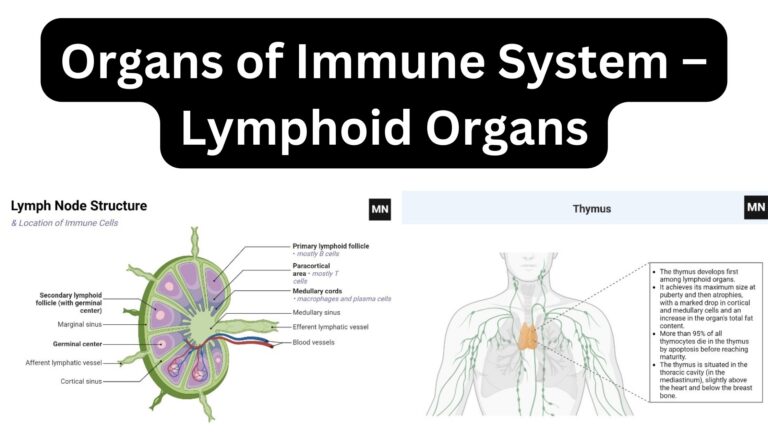
The organs of immune system are the organs and tissues which are involved in the defence of body. These organs work together to destroy or neutralize the pathogens. Pathogens may otherwise cause disease in the body. The organs of immune system are generally divided into three categories. These are primary lymphoid organs, secondary lymphoid organs
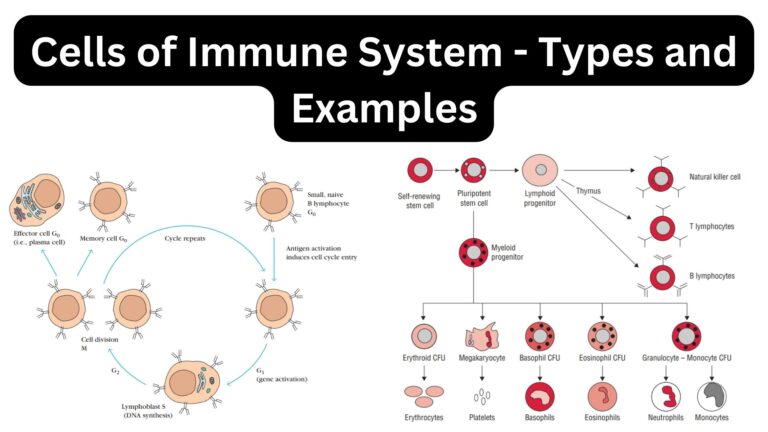
Cells of immune system are the protective cells of the body. These cells are concerned with defence against microorganisms, foreign particles, toxins and abnormal cells of own body. Most of these cells are formed in the bone marrow from hematopoietic stem cells. The hematopoietic stem cell gives rise to different blood cells. In immune system,
Adaptive immunity is the specific immunity which develops after exposure to an antigen. Adaptive immunity is the immunity which is developed after exposure to specific antigen. It is also called acquired immunity. It is a specific defence system of the body. It does not act immediately. It takes some time after first exposure to antigen.
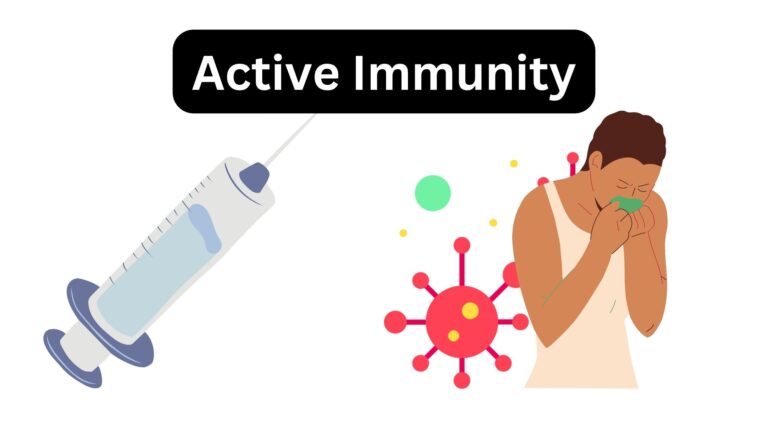
Active immunity is the immunity in which the body produces its own antibodies and memory cells against a pathogen. It develops slowly after infection or vaccination, but gives long lasting protection. Active immunity is the type of immunity in which the body produces its own antibodies and immune cells against a particular infectious organism. It
Passive immunity is the type of immunity in which ready-made antibodies are given to a person or animal from outside source. It is not produced by the own immune system of the body. In this immunity the immune system remain passive and only gets protection. It gives very quick protection against infection, toxin or any
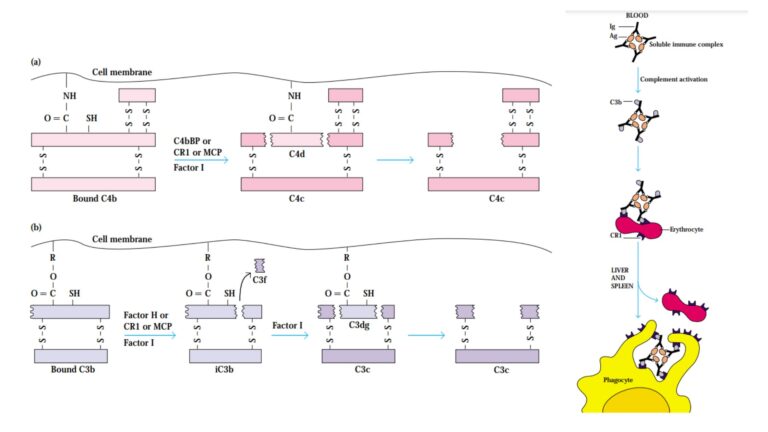
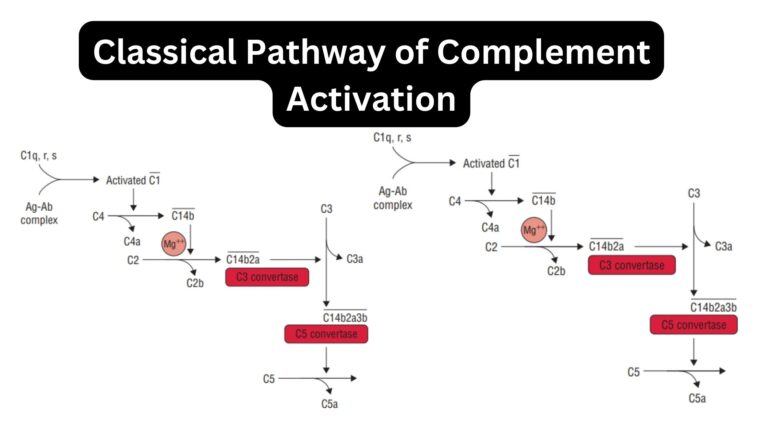
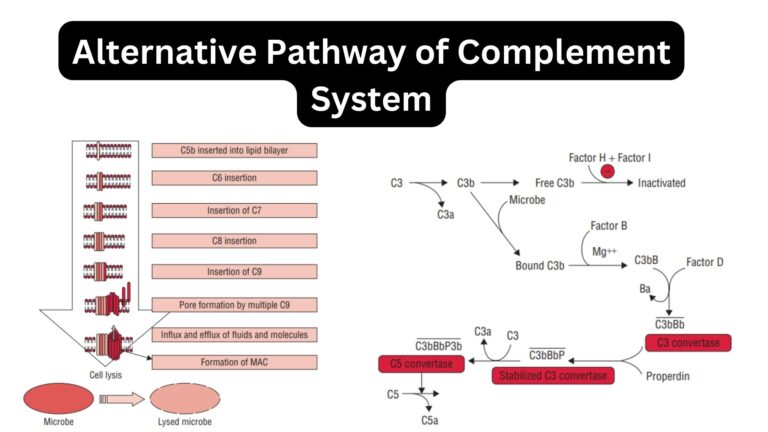
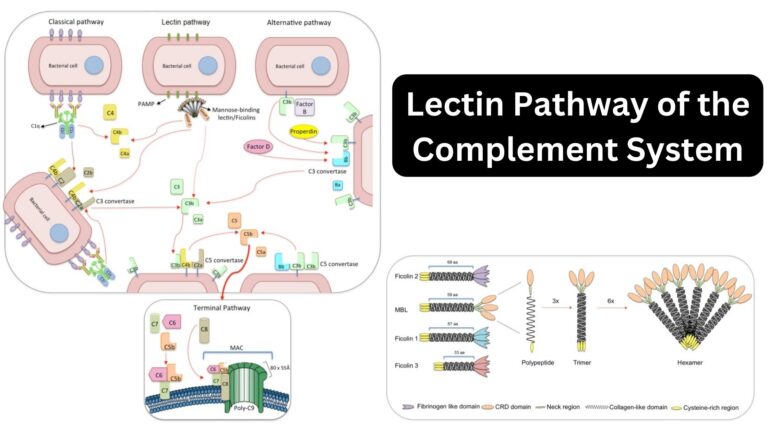
Complement system is an important part of innate immune system. It acts as first line defense against invading pathogens, foreign materials and damaged cells. It helps the body to remove microbes and abnormal cells. It is made up of more than 40 proteins. Most of these proteins circulate in blood in inactive form. When danger
Complement system is an important part of immune system that helps in the defense of body against invading microorganisms. It is present in the blood and tissue fluid in inactive form. It contains more than 30 plasma proteins which are activated during infection or immune reaction. These proteins are mostly present as inactive proenzymes. When
Complement system is an ancient part of innate immune system. It acts as first line defence of body against infections. It is present in blood and tissue fluid. It is made up of about 50 plasma and membrane bound proteins. These proteins remain mostly inactive form. After getting proper signal, they become activated one after
Complement system is an important part of the innate immune system which acts as first line defence against infections. It protects the body from foreign microorganisms and also helps in removing damaged cells and immune complexes. It is present in blood and tissue fluid in inactive form. It is made up of many soluble plasma
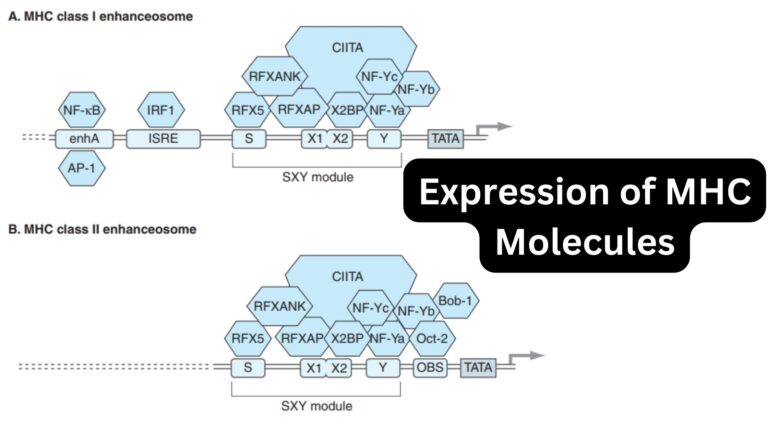
Major Histocompatibility Complex (MHC) molecules are surface proteins of cells. They present antigenic peptide to T cells. It is required for immune recognition of foreign antigen. Expression of MHC molecules is different in different cells. MHC class I molecules are present on almost all nucleated cells. They are absent or very little present on non-nucleated