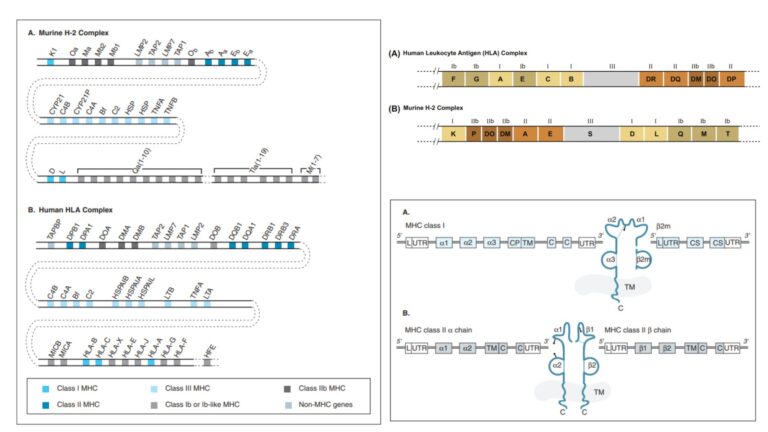
Major Histocompatibility Complex (MHC) genes are a group of closely linked genes present in vertebrate DNA. These genes are highly diverse and they play important role in adaptive immune system. In human, this region is known as Human Leukocyte Antigen (HLA) complex. The HLA complex is present on chromosome 6. It contains more than 200
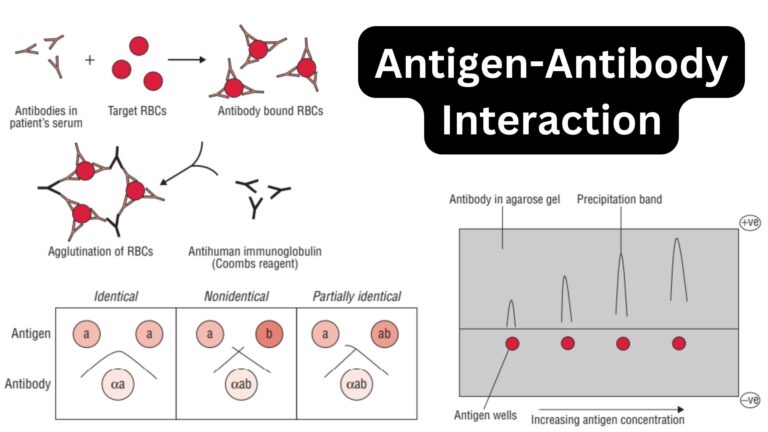
Antigen-antibody interaction reaction is a specific binding reaction between an antigen and its corresponding antibody. In this reaction the antibody recognizes the specific part of antigen, which is called epitope. The binding site of antibody is present in the hypervariable region and it is complementary to the epitope. This reaction is very important in humoral
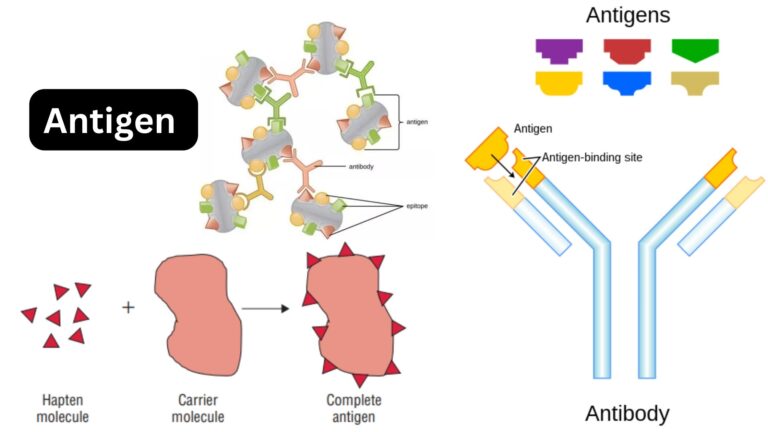
Antigen is a foreign molecule which is recognized by immune system. It may be protein, polysaccharide, lipid or nucleic acid. It is called antigen because it can generate antibody or bind with antibody. Antigen is mostly found on the surface of bacteria, virus, fungi and parasites. It may also present on normal human cells, cancer
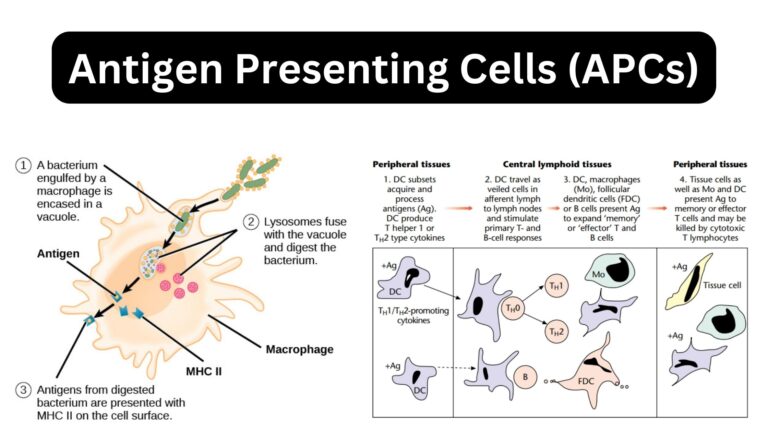
Antigen Presenting Cells (APCs) are immune cells which capture foreign antigens, process them and present them on their cell surface. The antigen is presented with Major Histocompatibility Complex (MHC) molecules. It is important for activation of T cells. APCs are the link between innate and adaptive immune response. They take antigen from microbes, infected cells
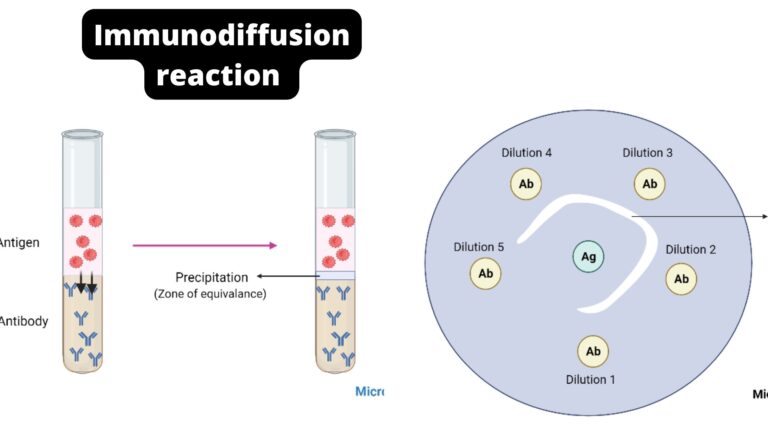
Immunodiffusion refers to the movement of antigen or antibody within the gel. Add the reactants to the wells. They diffuse to the area of lower/no concentration. A gradient of the reactants’ concentration forms as they diffuse into the gel. Immunoprecipitation takes place in a region with an equivalent concentration of both the antibody and antigen. This is represented by bands.
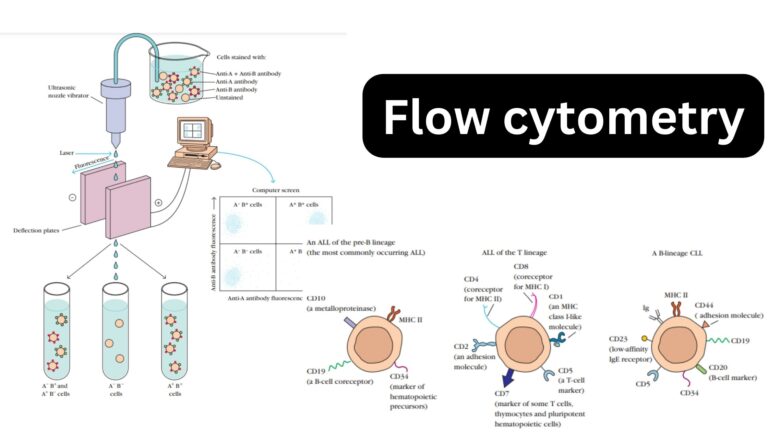
Flow cytometry is a laser based analytical technique used to measure physical and chemical characters of cells or particles present in a fluid. In this method, cells pass one by one through a laser beam. The scattered light and fluorescence signals are detected and analysed. Flow cytometry is a laser based technique. It is used
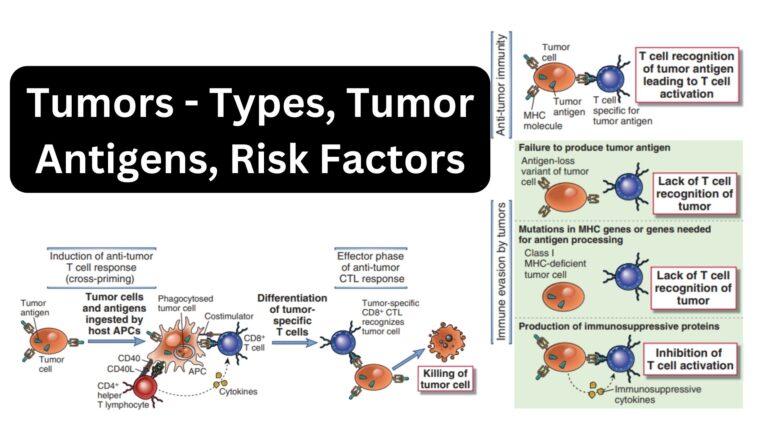
Tumor is also called neoplasm. It is an abnormal solid mass of tissue. It is formed when cells multiply in uncontrolled way or when cells do not die at proper time. Tumor is different from cyst. Cyst is usually filled with fluid or air. But tumor is a solid growth. It has no useful function
Immunotherapy for tumors is a treatment method where the body immune system is used to act against cancer cells. It helps immune cells to identify and kill tumor cells. It is not like chemotherapy, because chemotherapy directly attacks dividing cells. In immunotherapy, immune response is increased or trained against cancer antigen. The main target is
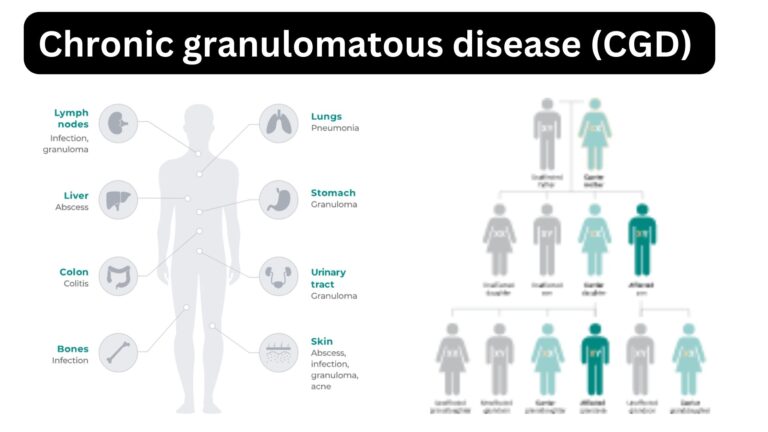
Chronic granulomatous disease (CGD) is a rare inherited primary immunodeficiency disease. It affects the phagocytic cells mainly neutrophils and macrophages. These cells are normally used to kill the invading bacteria and fungi. It is caused due to mutation in genes which are related with NADPH oxidase enzyme complex. Due to defect in this enzyme complex,
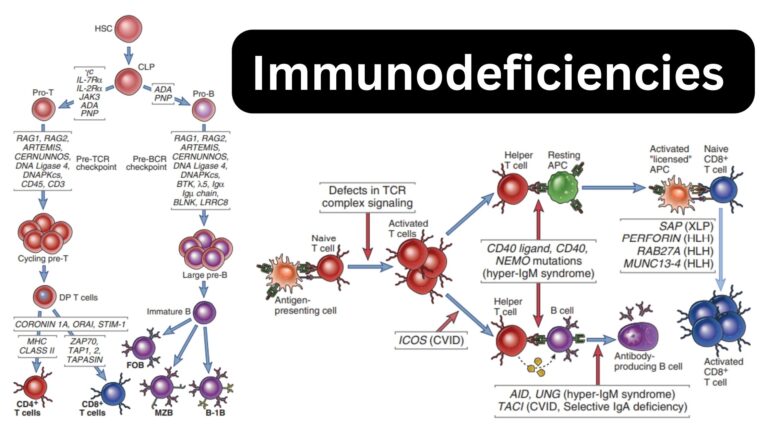
Immunodeficiency is a condition in which the immune system becomes weak or defective. It may occur due to defect in lymphocytes, phagocytes or complement system. In this condition, the body becomes more susceptible to infections. Immunodeficiency disorders are conditions in which the immune system becomes fully or partly impaired. It occurs due to defect, failure