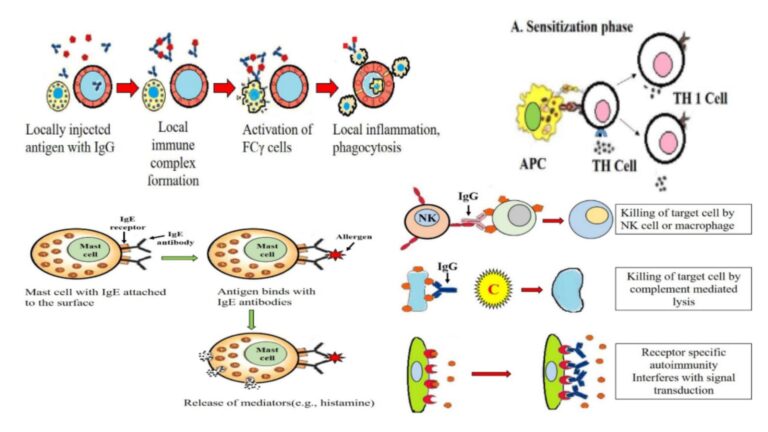
Hypersensitivity is an abnormal immune reaction of the body. It is an exaggerated response against an antigen. This reaction causes tissue damage and different physiological disturbances in the body. Normally immune system protects the body from harmful substances. But in hypersensitivity, the same immune system reacts in harmful way. It may react against harmless substances
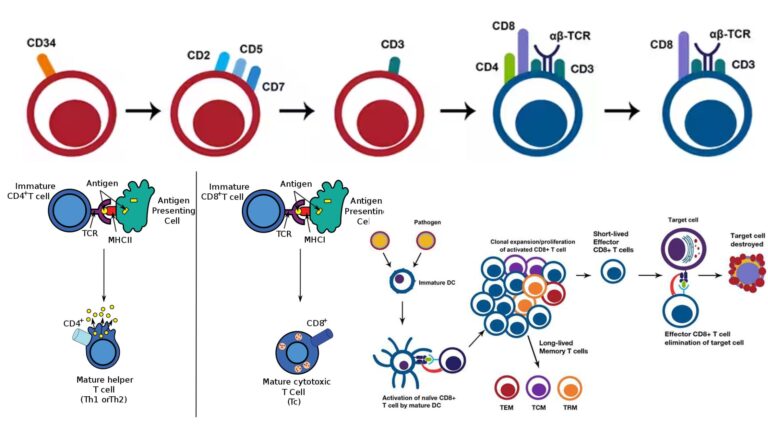
Cytotoxic T cells are special type of white blood cells present in the adaptive immune system. These cells are commonly called CD8⁺ T cells. They are mainly used to destroy the body cells which are infected by virus, intracellular pathogens or changed into cancerous cells. Cytotoxic T cells continuously move in the body and check
Cell mediated immune response is a type of adaptive immune response in which T lymphocytes directly react against the foreign antigen. It does not mainly depend on circulating antibody. It is mostly active against intracellular pathogens, infected cells and some abnormal cells. This immune response is mainly carried out by cytotoxic T cells (CD8⁺) and
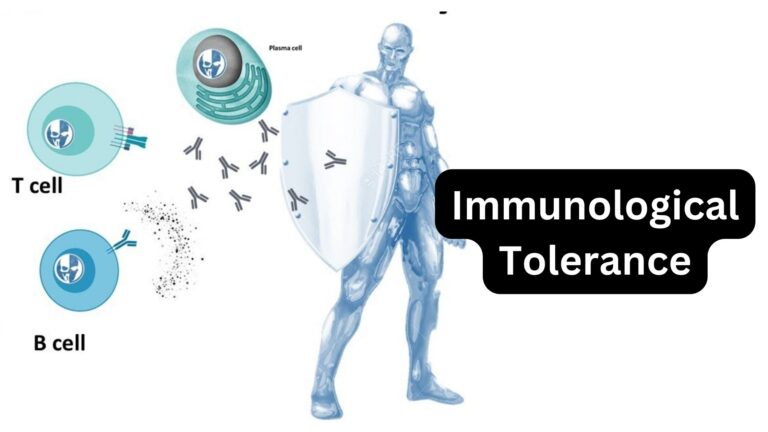
Immunological tolerance is a state of specific unresponsiveness of the immune system against a particular antigen. In this condition, the immune system does not produce destructive reaction against that antigen. It is a normal protective mechanism of the body. It helps the immune system to distinguish between self and non-self substances. The immune system can
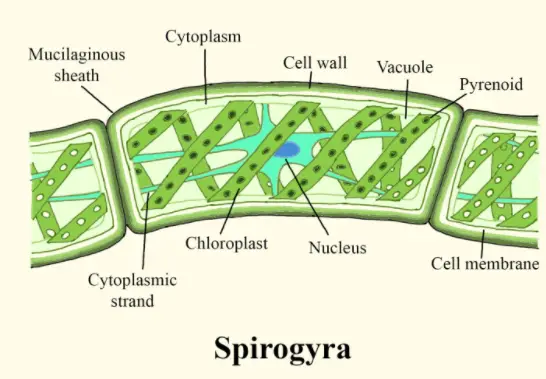
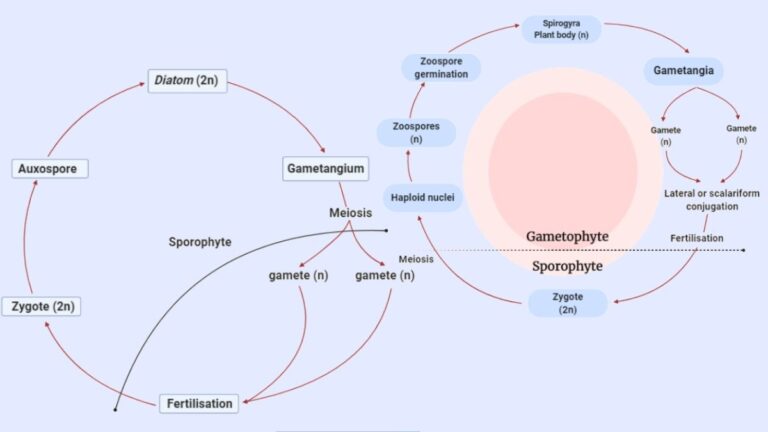
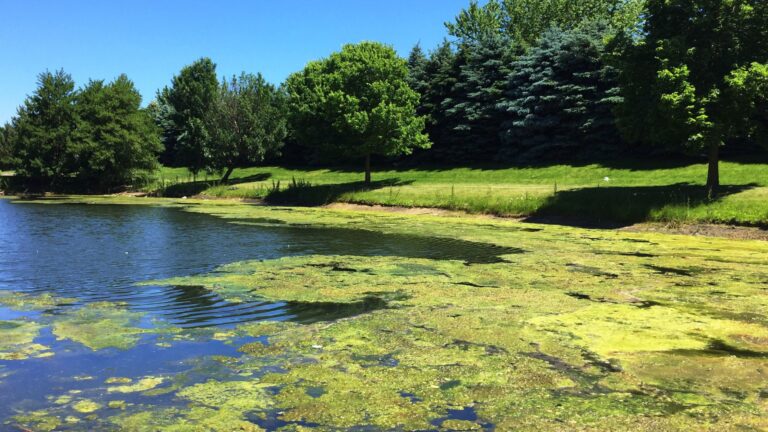
Spirogyra is a filamentous green algae. It is free floating in nature. It is mainly found in freshwater bodies like ponds, lakes and slow moving streams. It is commonly called water silk or pond scum. This name is given because its filament is soft, slimy and slippery. The filament is covered by mucilaginous sheath. The
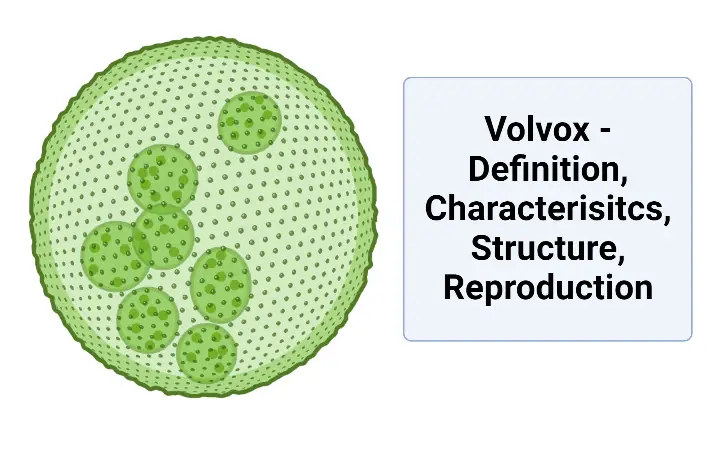
Volvox is a freshwater green algae. It forms hollow and spherical colony. It is also known as globe algae or rolling green algae. It is found in ponds, lakes, ditches and puddles. It occurs in freshwater bodies in different parts of the world. Sometimes the colony can be seen by naked eye. The colony of
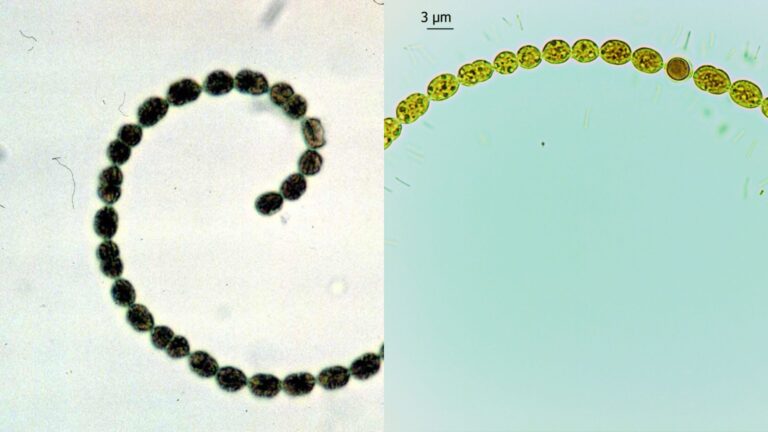
Anabaena is a filamentous cyanobacteria. It is commonly known as blue green algae. It is found in freshwater, marine water and soil. It may be present as plankton or mat like form. It is multicellular organism. The cells are arranged in unbranched chain. This chain is called trichome. The cells are bead like. These vegetative
Algae are a group of autotrophic, photosynthetic and oxygen producing organisms, which are mostly found in aquatic habitat. They are present in both freshwater and marine water, but some forms are also found on moist soil, tree bark and other terrestrial places. They contain chlorophyll and prepare their own food by the process of photosynthesis.
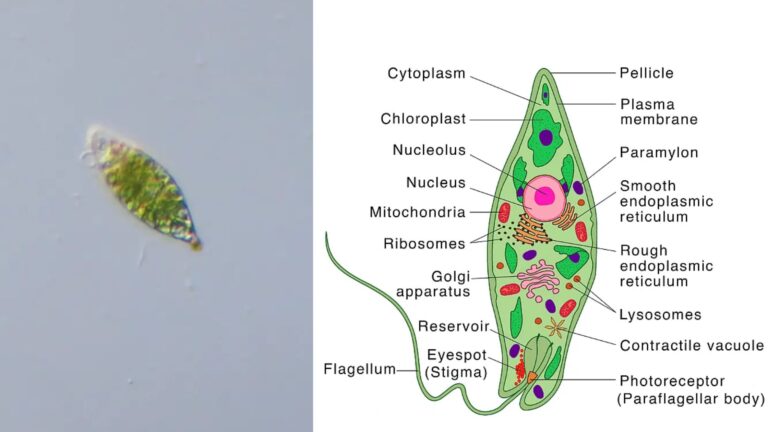
Euglena is a unicellular microscopic organism belonging to the kingdom Protista. It is generally found in freshwater ponds, lakes, streams and water having organic matter. Some species are also found in brackish water, salt water and moist soil. Euglena shows both plant and animal characters. It has chloroplast with chlorophyll, so in presence of sunlight
Toxigenic algae are the microscopic algae which produce toxic substances. These may be some microalgae and cyanobacteria. They are found in freshwater, sea water and brackish water. Under suitable condition, these algae multiply very fast. Warm temperature, stagnant or slow moving water and excess nutrients help in their growth. This rapid growth is called harmful