Filtration Sterilization – How It Works

Transcript
Introduction to Filtration Sterilization -Filtration sterilization is a popular method for sterilizing heat-sensitive liquids and gases without using high temperatures. Unlike thermal methods, filtration physically eliminates microorganisms rather than killing them. This makes it ideal for materials that would be damaged by heat. The process works by passing liquids or gases through materials with pores small enough to trap microorganisms while allowing the desired substance to flow through.
Applications and Materials Sterilized -Filtration sterilization is widely used for heat-sensitive materials including antibiotics, radioisotopes, vaccines, carbohydrates, and various biological solutions. These substances would lose their efficacy or structure if exposed to high temperatures. The method is particularly valuable in pharmaceutical manufacturing, laboratory work, and medical settings where maintaining the integrity of sensitive compounds is crucial while ensuring they’re free from microbial contamination.
Filter Materials and Construction -Various materials are used to construct sterilization filters, each with specific properties. These include asbestos pad (Seitz filter), diatomaceous earth (Berkefeld filter), porcelain (Chamberland-Pasteur filter), sintered glass disks, cellulose (Membrane filter), borosilicate glass fiber (HEPA filter), and clay/mud (Candle filter). The choice of material affects filtration efficiency, flow rate, and compatibility with the substance being filtered.
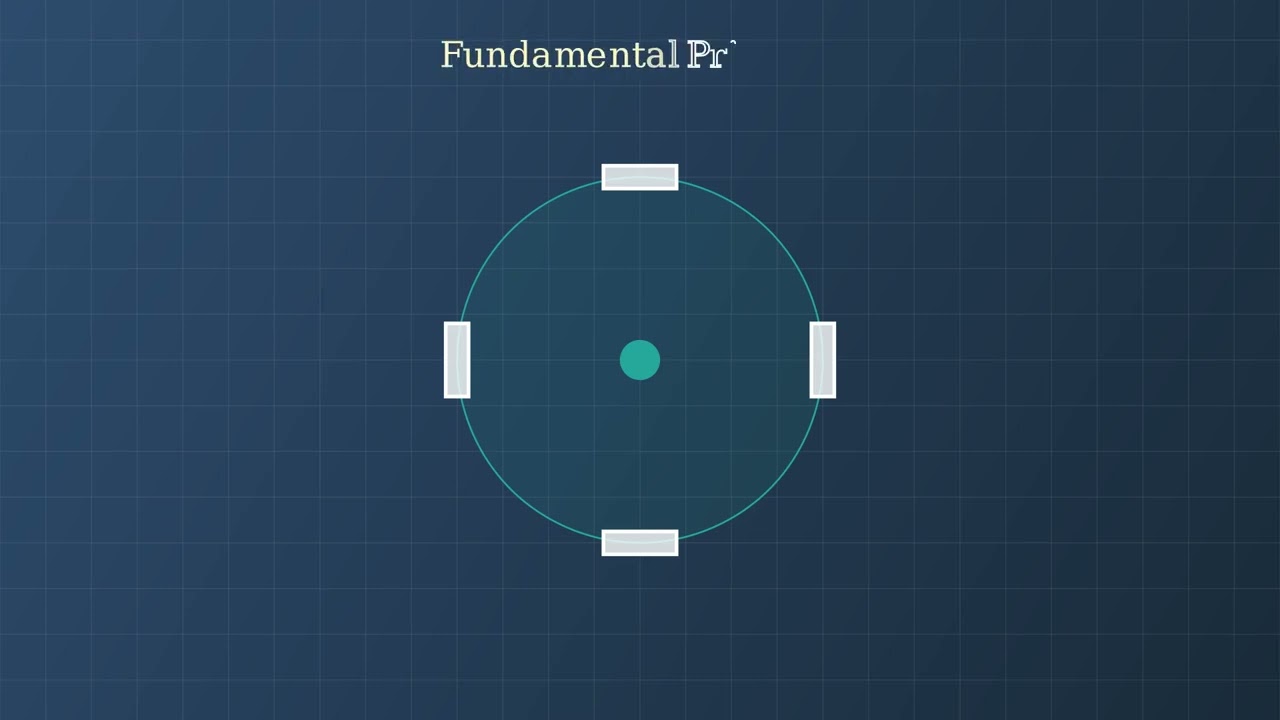
Working Principles of Filtration -Filtration sterilization works through two main mechanisms. First, it physically traps particles larger than the filter’s pore size. Second, it uses electrostatic attraction to capture particles smaller than the pores. The effectiveness depends on three key factors: the electric charge of the filter, the electric charge of the microorganisms, and the nature of the filtering fluid. These principles allow filters to capture particles much smaller than their nominal pore size.
Depth Filters: Structure and Function -Depth filters consist of overlapping sheets or fibers that create a maze-like structure with varying pore sizes. As fluid passes through, particles are trapped not just at the surface but throughout the depth of the filter material. This design provides high dirt-holding capacity and is commonly used in industrial air filtration, home air conditioning systems, and biosafety cabinets. Depth filters can capture particles through both sieving and adsorption mechanisms.
HEPA Filters: High-Efficiency Particulate Air Filtration -HEPA (High-Efficiency Particulate Air) filters are made of borosilicate glass with water-repellent binding. They’re remarkably efficient, capturing 99.97% of particles as small as 0.3 micrometers. This makes them essential in environments requiring extremely clean air, such as clean rooms, isolation rooms, and laboratories. HEPA filters work through a combination of interception, impaction, and diffusion to trap particles of various sizes.
Membrane Filters: Precision Filtration -Membrane filters are thin, porous sheets made of polymers like cellulose acetate. They feature precisely controlled pore sizes ranging from 0.1 to 10 micrometers, allowing for selective filtration based on particle size. These filters are primarily used for liquid sterilization in laboratory settings. Unlike depth filters, membrane filters trap particles mainly at their surface, making them ideal for analytical applications where recovery of trapped particles might be necessary.
Advantages of Filtration Sterilization -Filtration sterilization offers several advantages over other methods. It’s less capital intensive than setting up heat sterilization equipment, perfectly suited for heat-sensitive materials that would be damaged by thermal methods, and can handle large volumes of liquids or gases efficiently. Additionally, filtration doesn’t introduce chemical residues that might be present with chemical sterilization methods, making it ideal for pharmaceutical and biological applications.
Limitations and Challenges -Despite its benefits, filtration sterilization has limitations. It only works for gases and liquids, not solid materials. Filter replacement can be expensive, especially for high-grade filters. Material compatibility issues may arise between filters and certain substances. Clogging is a significant challenge that reduces efficiency and throughput over time. These limitations must be considered when choosing sterilization methods for specific applications.
Future Trends in Filtration Technology -Filtration technology continues to evolve with innovations in materials science. Newer filter materials offer improved flow rates, longer service life, and enhanced capture efficiency. Advances include antimicrobial filters that not only trap but kill microorganisms, smart filters with sensors to indicate when replacement is needed, and sustainable filter materials that reduce environmental impact. These developments are expanding the applications and effectiveness of filtration sterilization across industries.
Related Videos