Biochemical tests are laboratory procedures that use specific chemical reactions to identify and characterize microorganisms, such as bacteria. These tests are often used to identify the presence of specific enzymes or metabolic pathways in a microorganism, which can help to distinguish it from other microorganisms.
Some common biochemical tests used in bacteriology include:
Oxidase test: This test is used to detect the presence of the enzyme cytochrome oxidase, which is involved in the metabolism of oxygen. Catalase test: This test is used to detect the presence of the enzyme catalase, which helps to break down hydrogen peroxide. Indole test: This test is used to detect the presence of the enzyme tryptophanase, which breaks down the amino acid tryptophan. Nitrate reduction test: This test is used to detect the ability of a microorganism to reduce nitrate to nitrite. Gelatinase test: This test is used to detect the ability of a microorganism to produce the enzyme gelatinase, which breaks down gelatin.
These are just a few examples of the many different biochemical tests that are used in bacteriology. Biochemical tests can be useful for identifying and classifying bacteria, and for understanding their metabolism and ecological role.
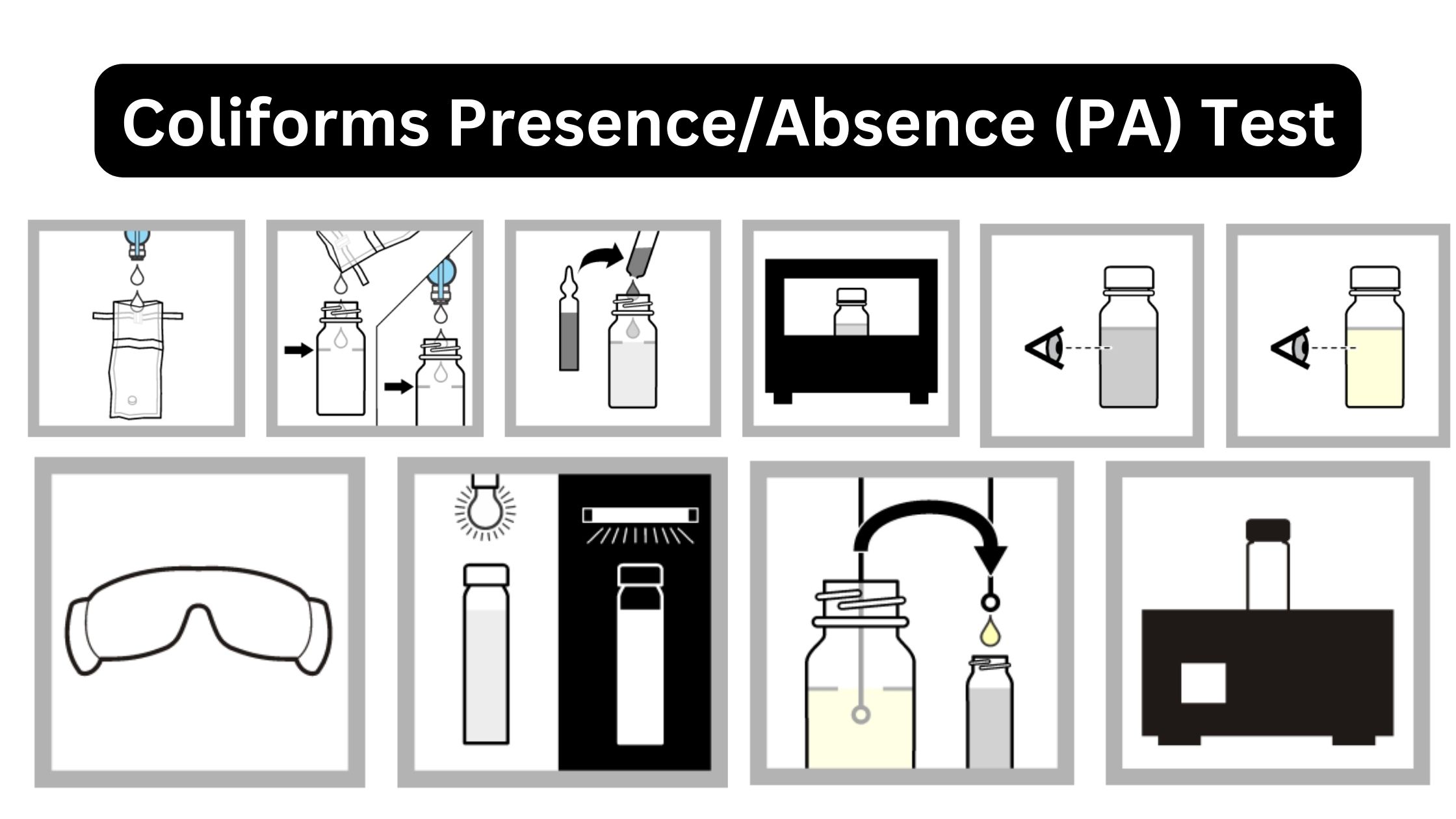
What is Coliform Presence/Absence Test? Coliform Presence/Absence (P-A) test is a rapid simple and inexpensive qualitative method which is used mainly for monitoring treated drinking water and distribution system for fecal indicator bacteria (coliforms). It is the modification of traditional multiple-tube fermentation technique where a single large water sample volume is inoculated in one culture … Read more
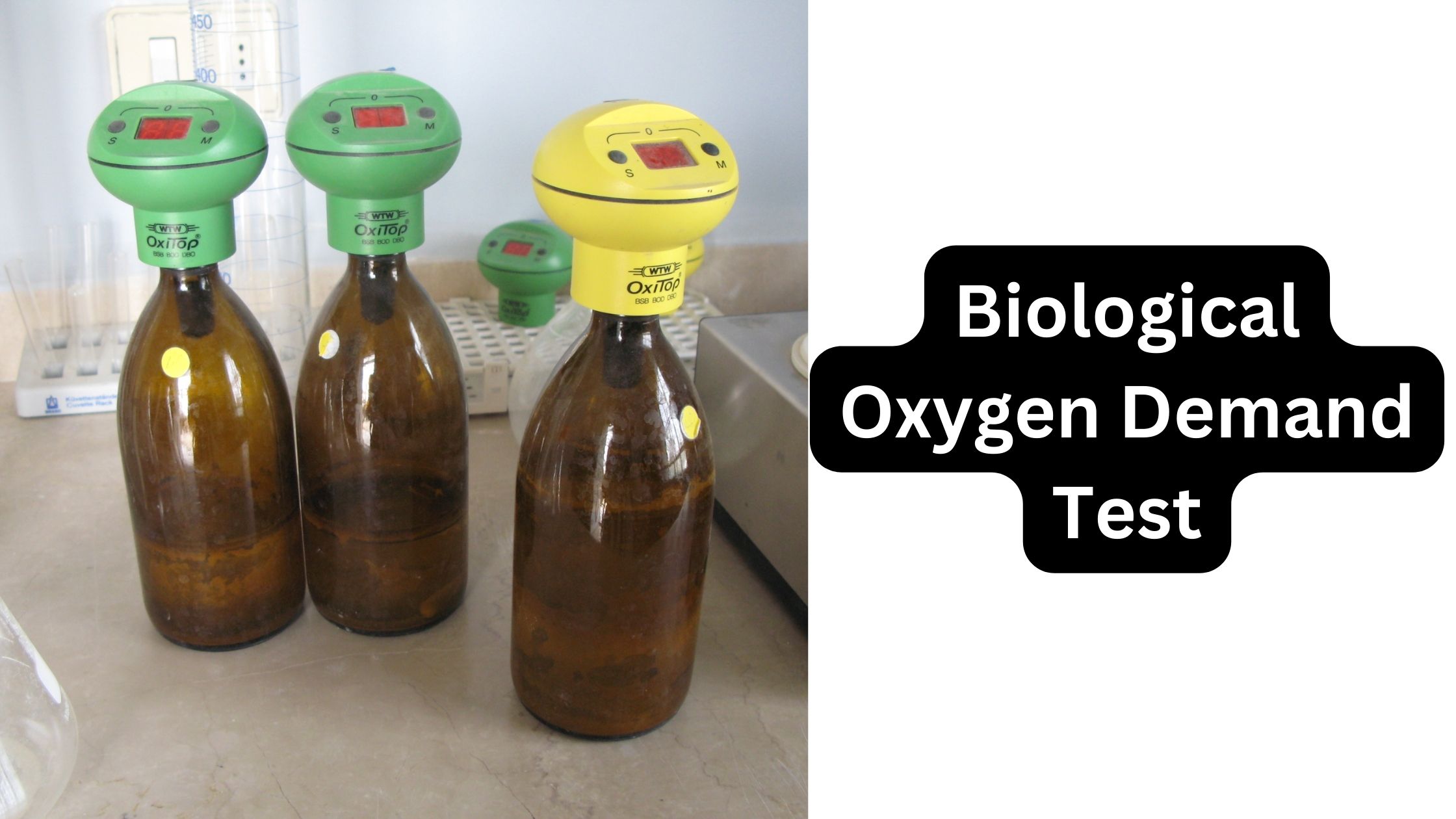
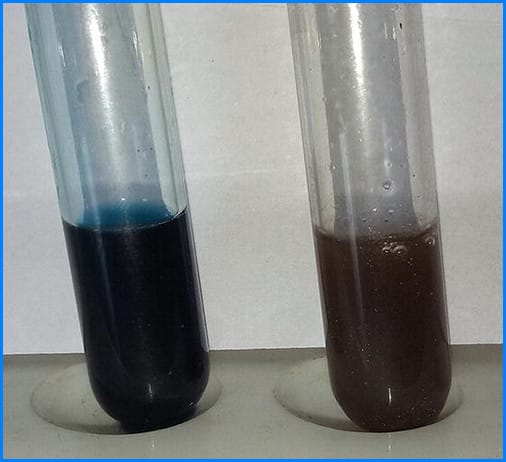
BOD test (Biochemical Oxygen Demand) is a standard laboratory test. It is used for measuring the amount of dissolved oxygen which is consumed by aerobic microorganisms (bacteria) when the organic matter present in water sample is broken down and decomposed. It is the process where oxygen is utilized during biodegradation and this is referred to … Read more
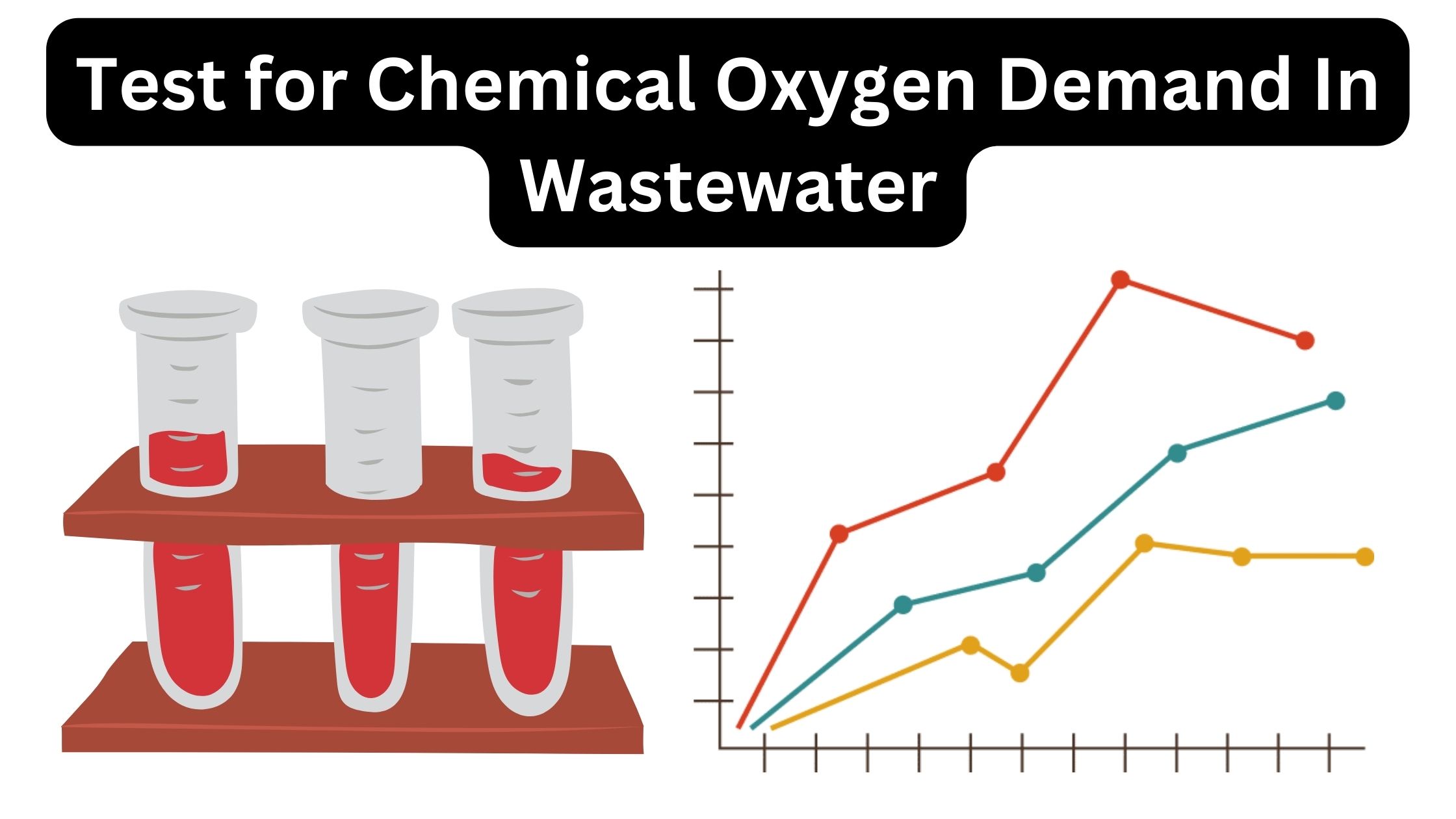
COD Test (Chemical Oxygen Demand test) is a water quality test. It is used to determine the amount of oxygen required to chemically oxidize the organic and inorganic pollutants present in a water sample. It is based on oxidation of pollutants by a strong chemical oxidant. Generally potassium dichromate (K2Cr2O7) is used in heated and … Read more
What is a Glucose Tolerance Test? Glucose Tolerance Test (GTT) is a medical test which is used to measure how effectively the body processes the glucose (sugar) from blood into the tissues. It is most commonly performed as Oral Glucose Tolerance Test (OGTT). It is mainly used for diagnosis of metabolic conditions like prediabetes type … Read more
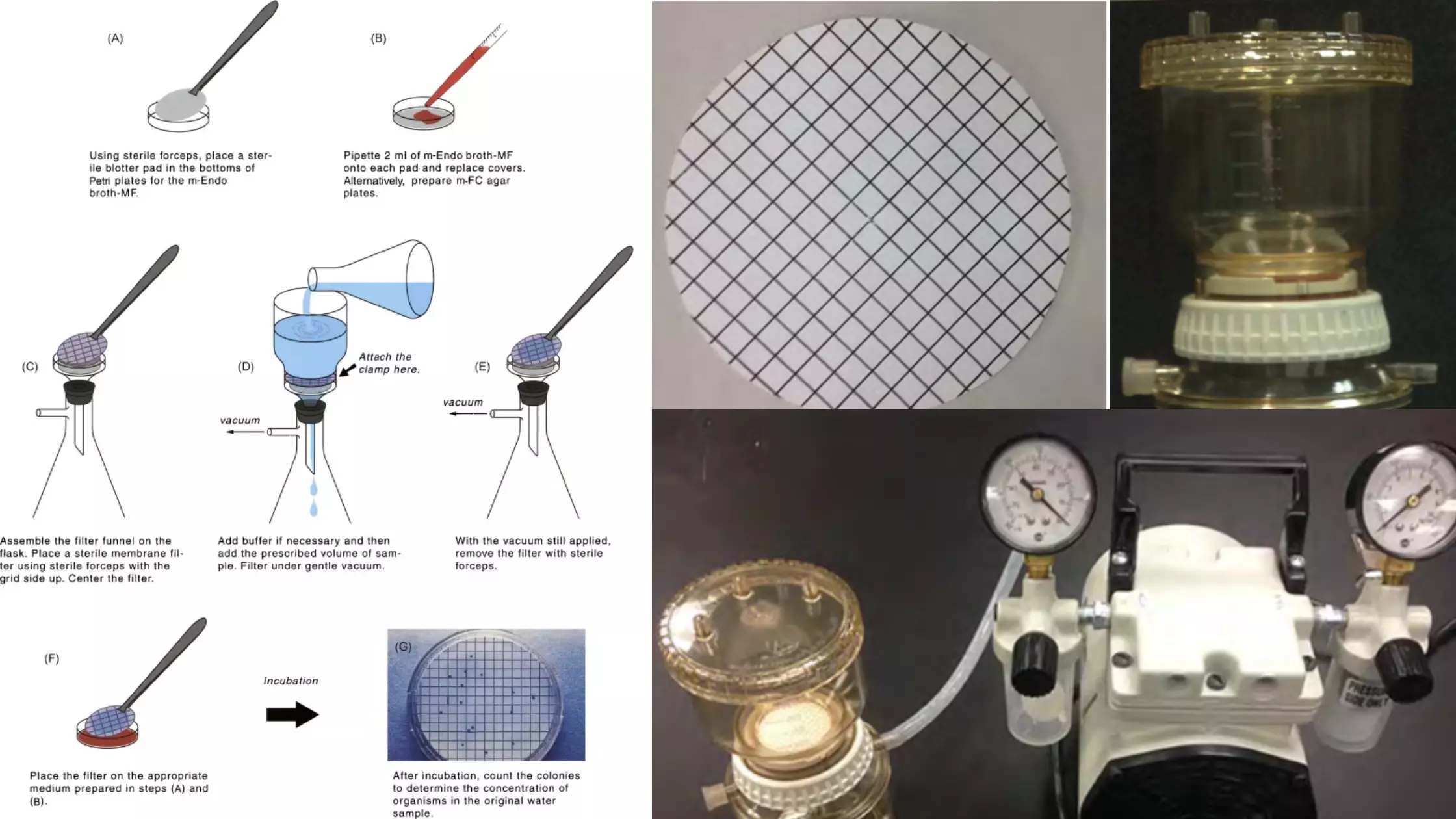
Membrane filtration method is a laboratory method which is used for estimation of microbial load (bioburden) in liquid sample like drinking water environmental water and pharmaceutical solution. It is a quantitative method and the bacteria are concentrated on a membrane filter and then counted as colony forming unit (CFU). Principle of this method is based … Read more
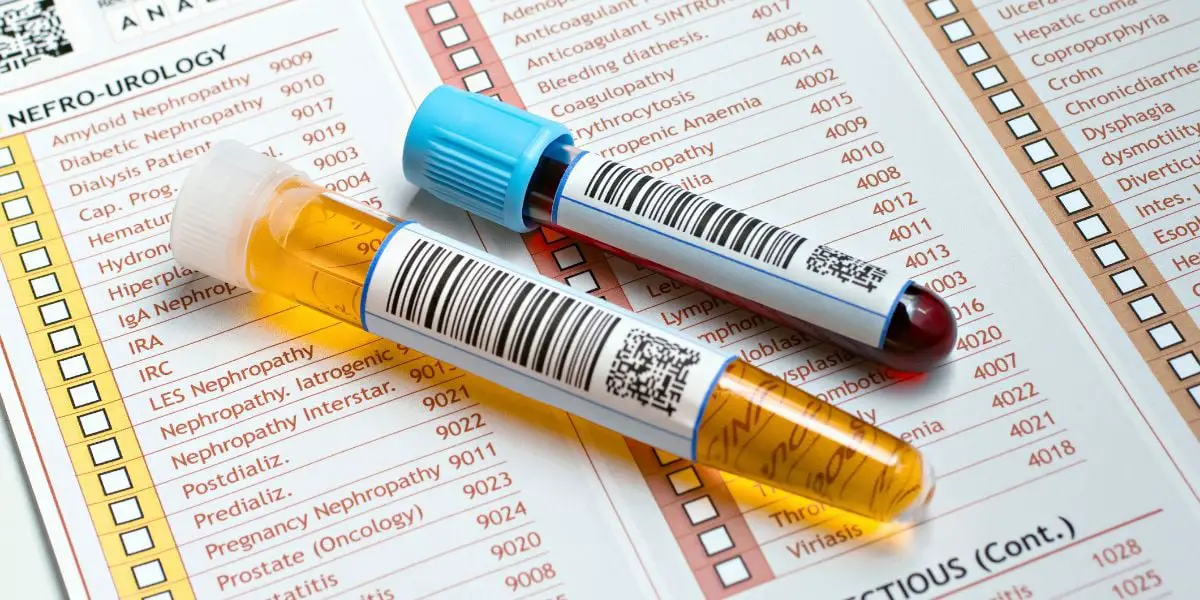
What is Heat and Acetic Acid Test? Heat and acetic acid test (heat coagulation test) is a simple qualitative and semi quantitative test which is used for detection of excess protein in urine sample. Mainly albumin is detected but globulin may be present also. It is done as a screening test for proteinuria. Principle of … Read more
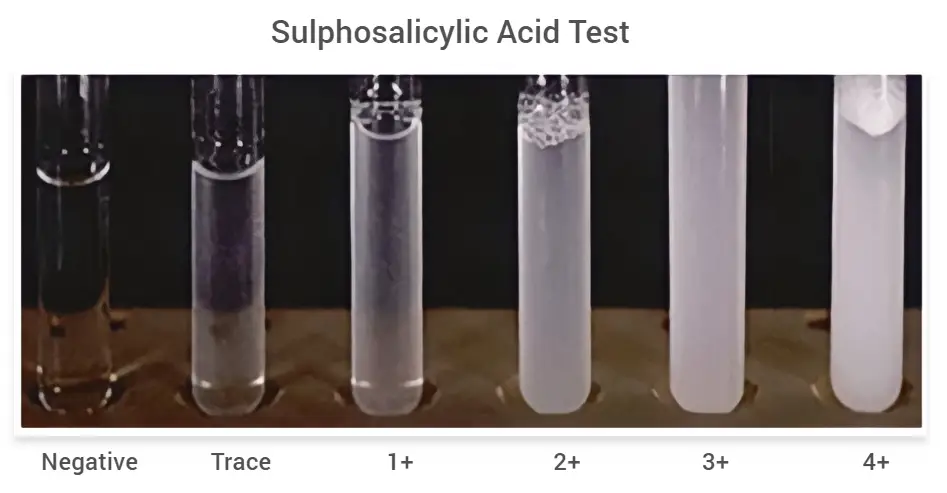
Sulfosalicylic acid (SSA) test is a simple screening test which is used to detect excessive proteins in urine. It is a rapid and low cost method and it is mainly used for checking proteinuria which indicates kidney impairment. The test is done on clear urine sample after centrifugation so that turbidity is observed clearly. It … Read more
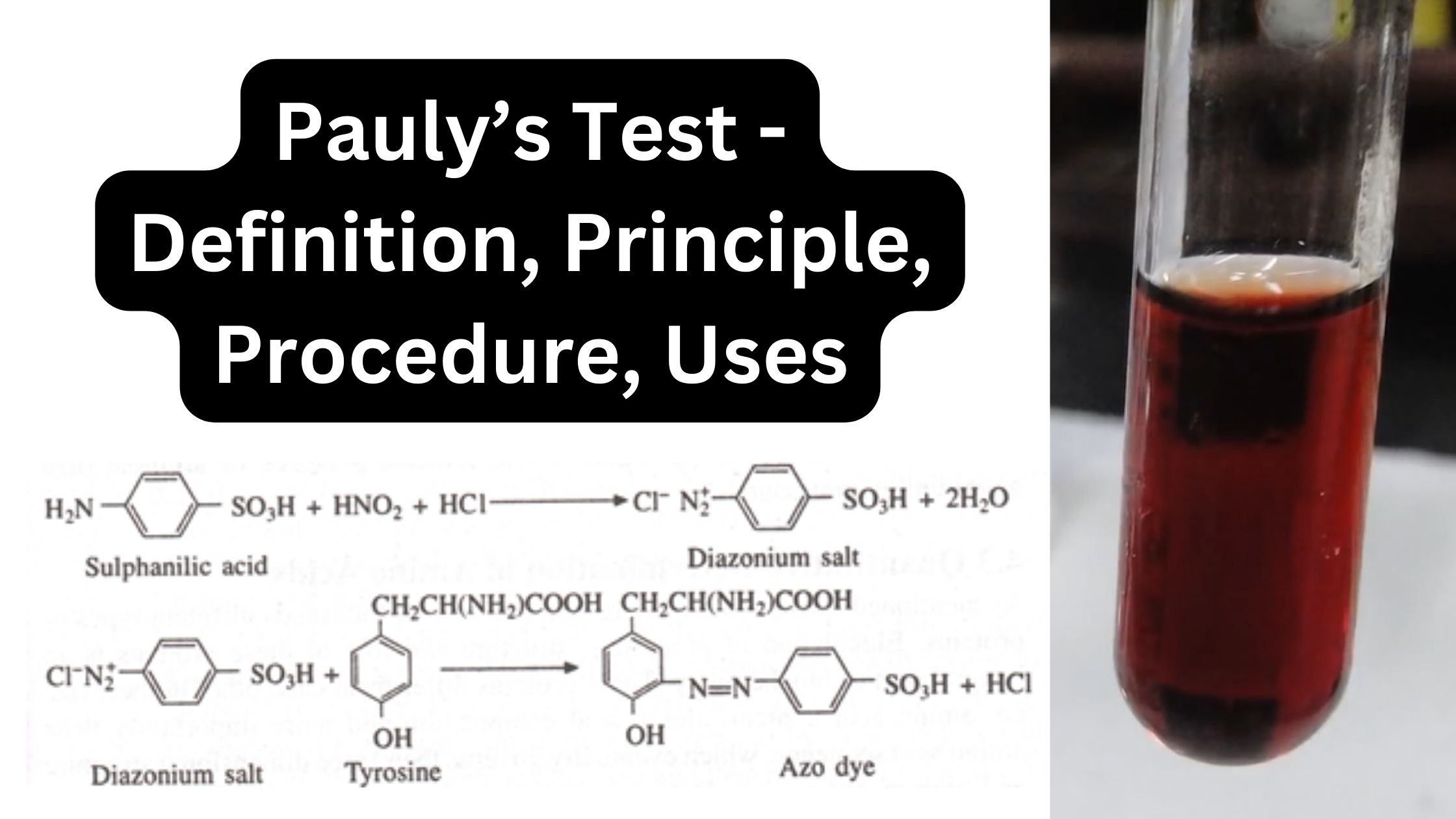
What is Pauly’s Test? Pauly’s test is a biochemical colour test which is used for detection of tyrosine and histidine amino acid in proteins. It is a specific colourimetric assay. It was given by Hermann Pauly (German chemist) in 1904. It is based on azo-coupling reaction. In this process sulfanilic acid is diazotized in cold … Read more
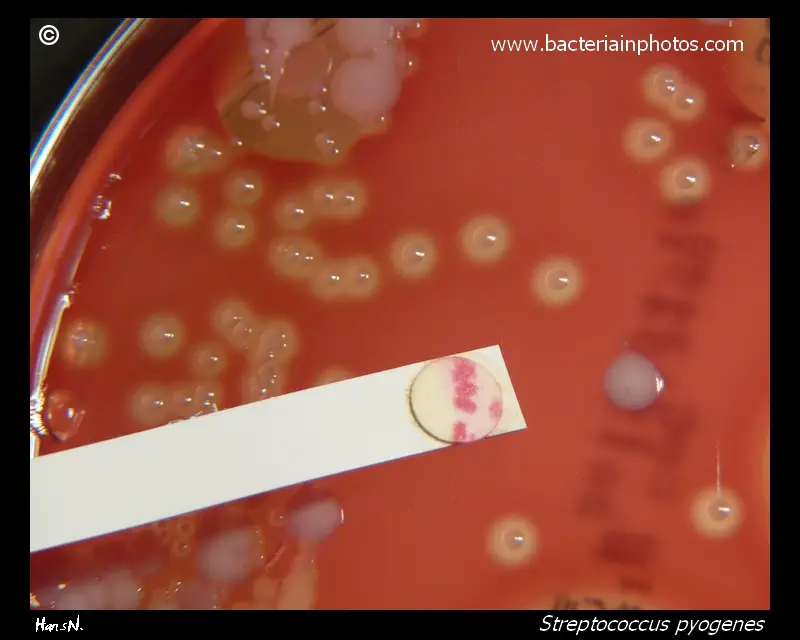
PYR test (Pyrrolidonyl Arylamidase test) is a rapid colorimetric biochemical test used in clinical microbiology. It is done for detection of enzyme pyrrolidonyl arylamidase (pyrrolidonyl aminopeptidase) in bacteria. In this test the bacteria is exposed to a synthetic substrate L-pyrrolidonyl-β-naphthylamide. If the enzyme is present the substrate is hydrolyzed and β-naphthylamine is released which is … Read more
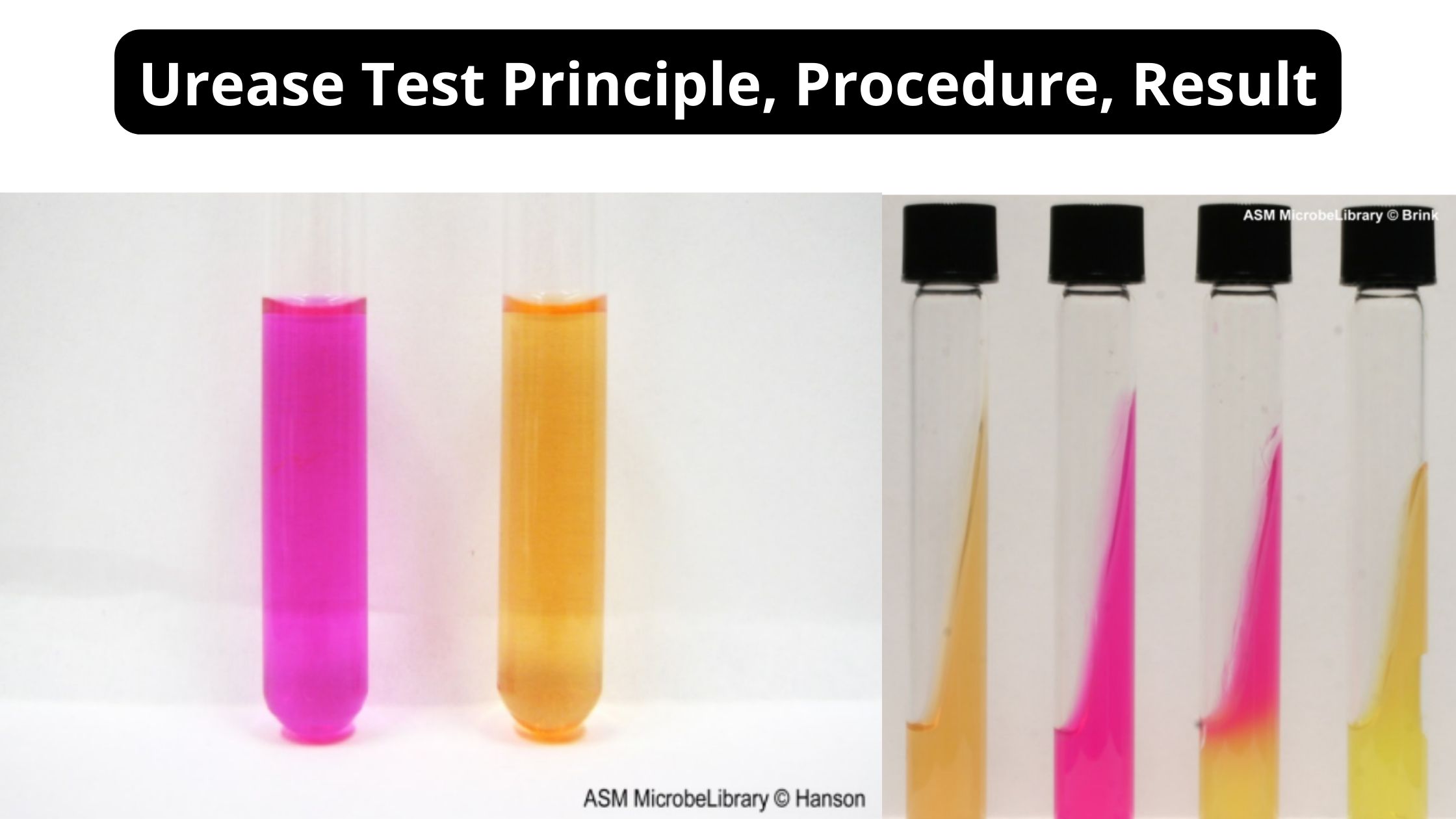
Urease test is a biochemical assay used in microbiology to detect whether microorganism produces urease enzyme or not. It is the process in which urea is broken down into ammonia and carbon dioxide by urease enzyme. When urease producing organism is inoculated in urease broth or agar the ammonia is rapidly accumulated and pH is … Read more