Solubility Tests of Proteins – Principle, Procedure, Result, Uses

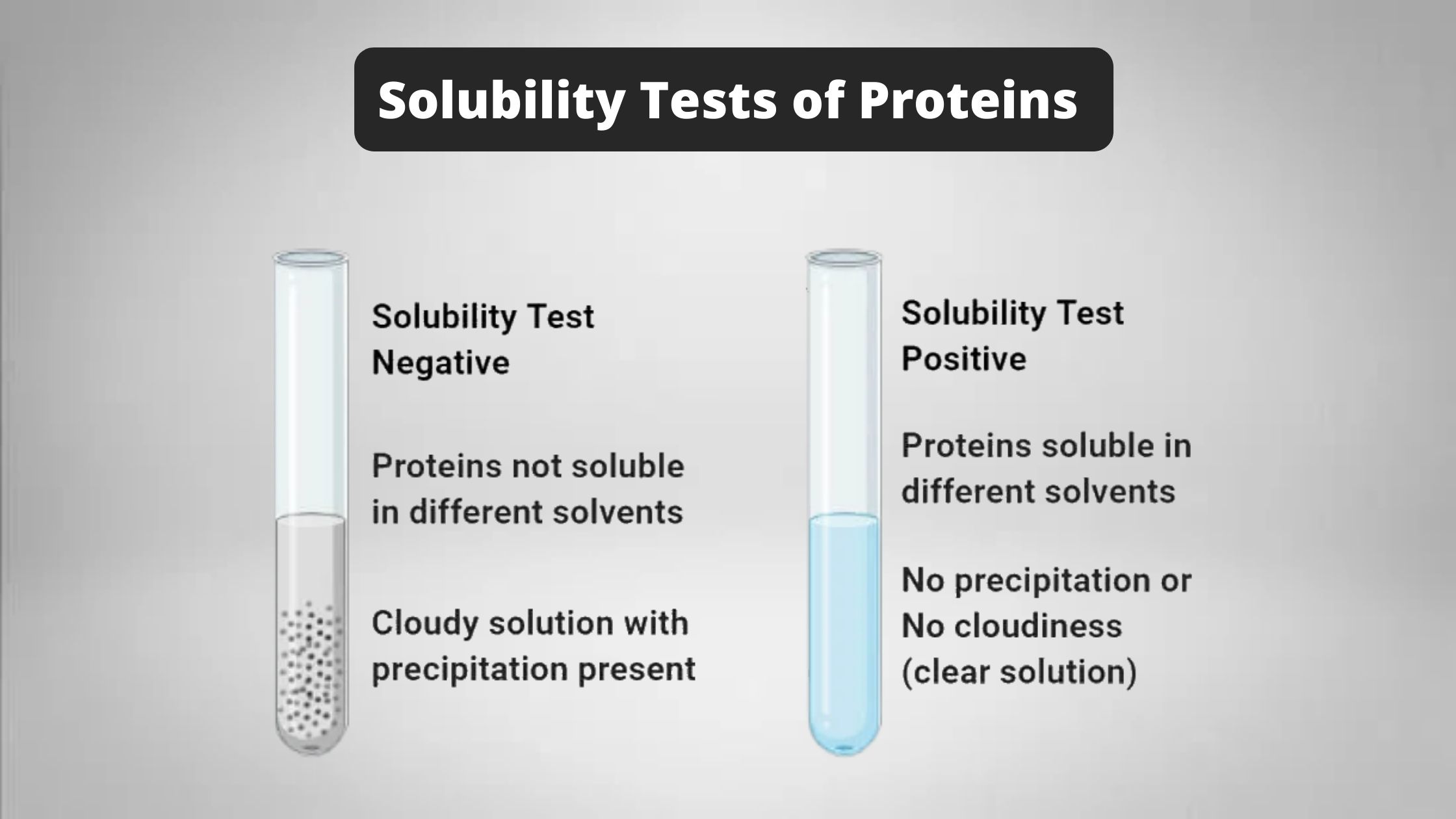
Solubility Tests is a type of biochemical test which is performed to check the ability of compounds to dissolve within a liquid solvent.


Solubility Tests is a type of biochemical test which is performed to check the ability of compounds to dissolve within a liquid solvent.
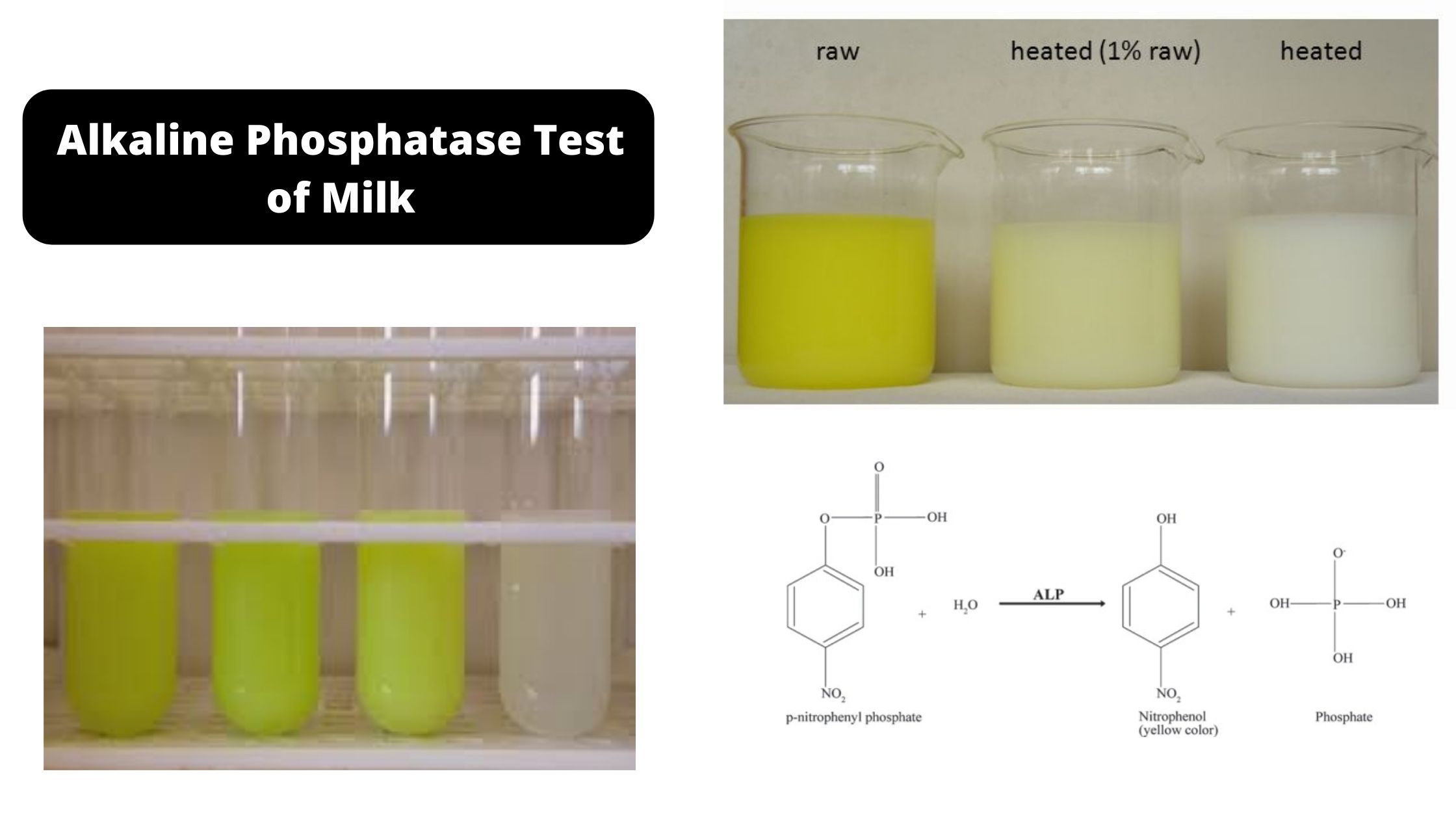
Alkaline Phosphatase (ALP) is an enzyme that is naturally found within all the raw milks that is utilized to determine the quality of pasteurization of milk. A complete pasteurization process can deactivate the enzyme below levels that can be detected by traditional methods. Because the stability of the heat of ALP is higher than the stability of pathogens that could be found in milk, it serves as a metric of security. However, failure for detection of ALP activity is not a mean an item is safe from pathogens.
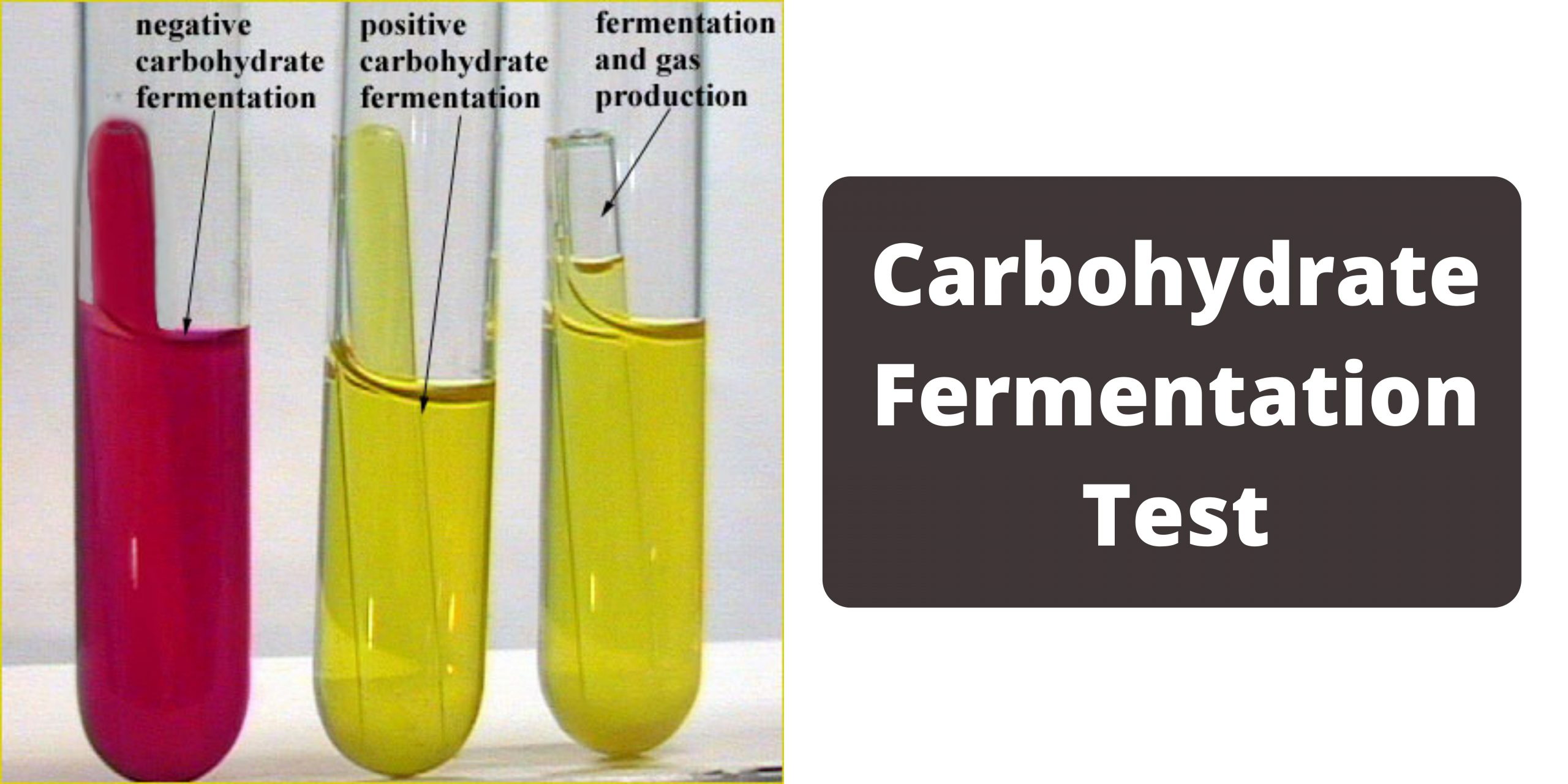
The carbohydrate fermentation test can be used to determine if bacteria are able to ferment a certain carbohydrate.
It is a test to determine any presence of acids or gas resulting from carbohydrate fermentation.
IMViC test is a group of four biochemical tests which are used in microbiology laboratory to identify and differentiate Gram-negative bacteria especially coliform group and Enterobacteriaceae family. These tests are commonly performed after Gram staining and the reactions are stable and used as important identification tests. IMViC is an acronym in which I stands for … Read more
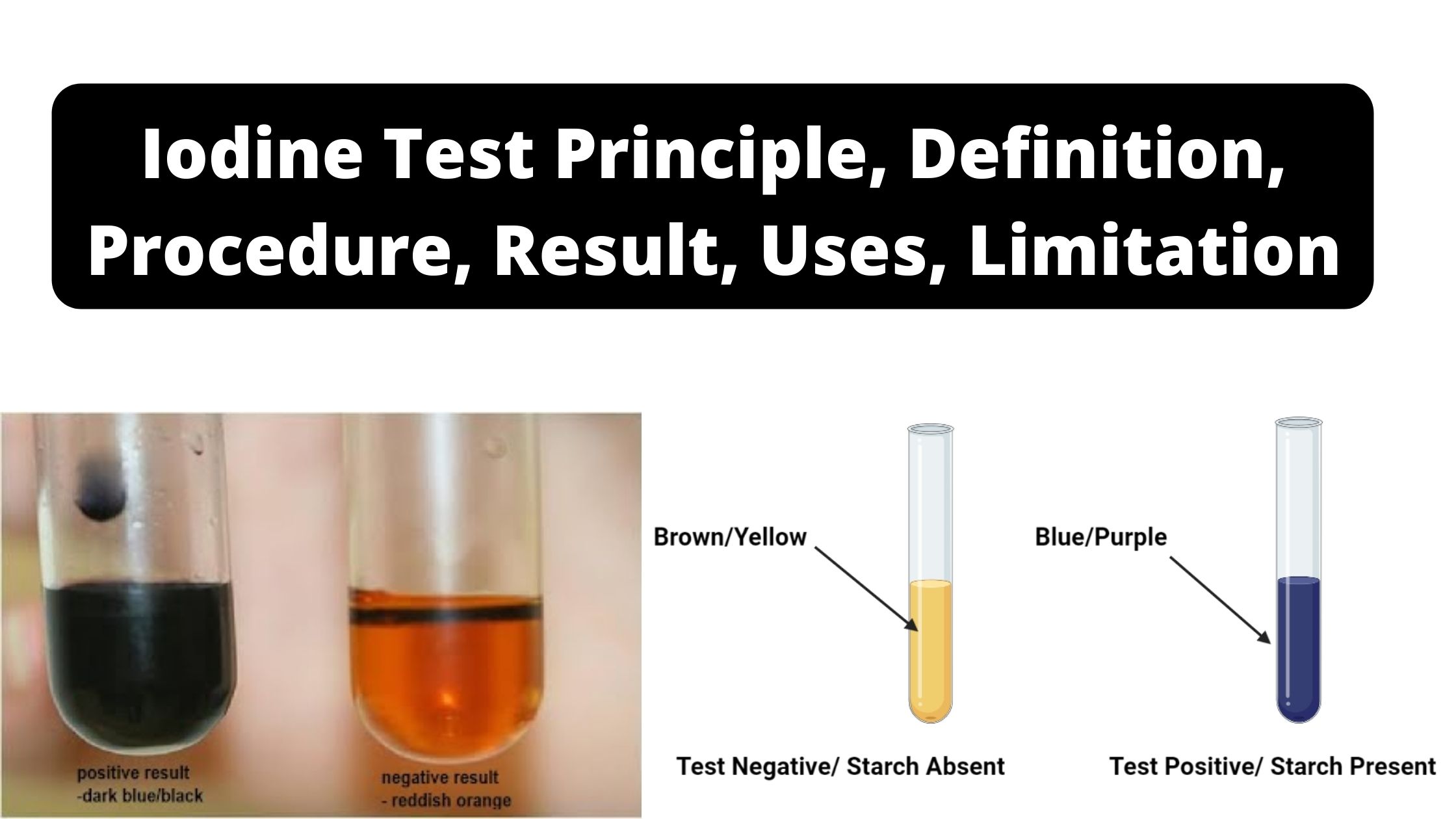
Iodine testing is a chemical test that distinguishes mono- or diaccharides from polysaccharides such as amylase, glycogen, and dextrin. Starch-iodine is a variant of this test. It’s used to determine if there is glucose in the leaves.
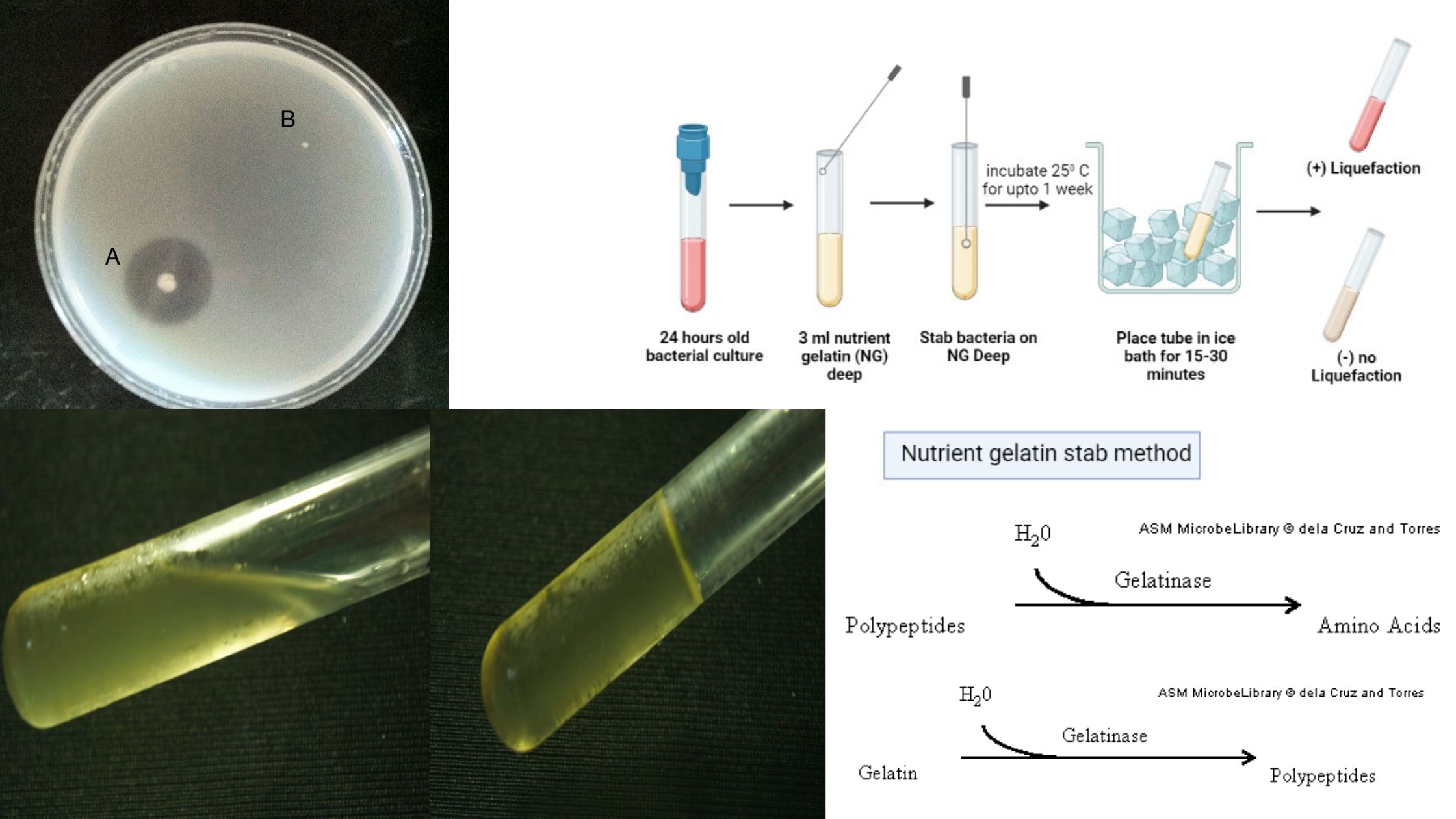
The gelatin proteins derived from the animal connective tissue, collagen. Gelatin is produced when collagen is boiled in water. A gelatin hydrolysis test is used to detects the presence of gelatinases. Gelatinases are extracellularly secreted by some bacteria which hydrolyze or digest gelatin.
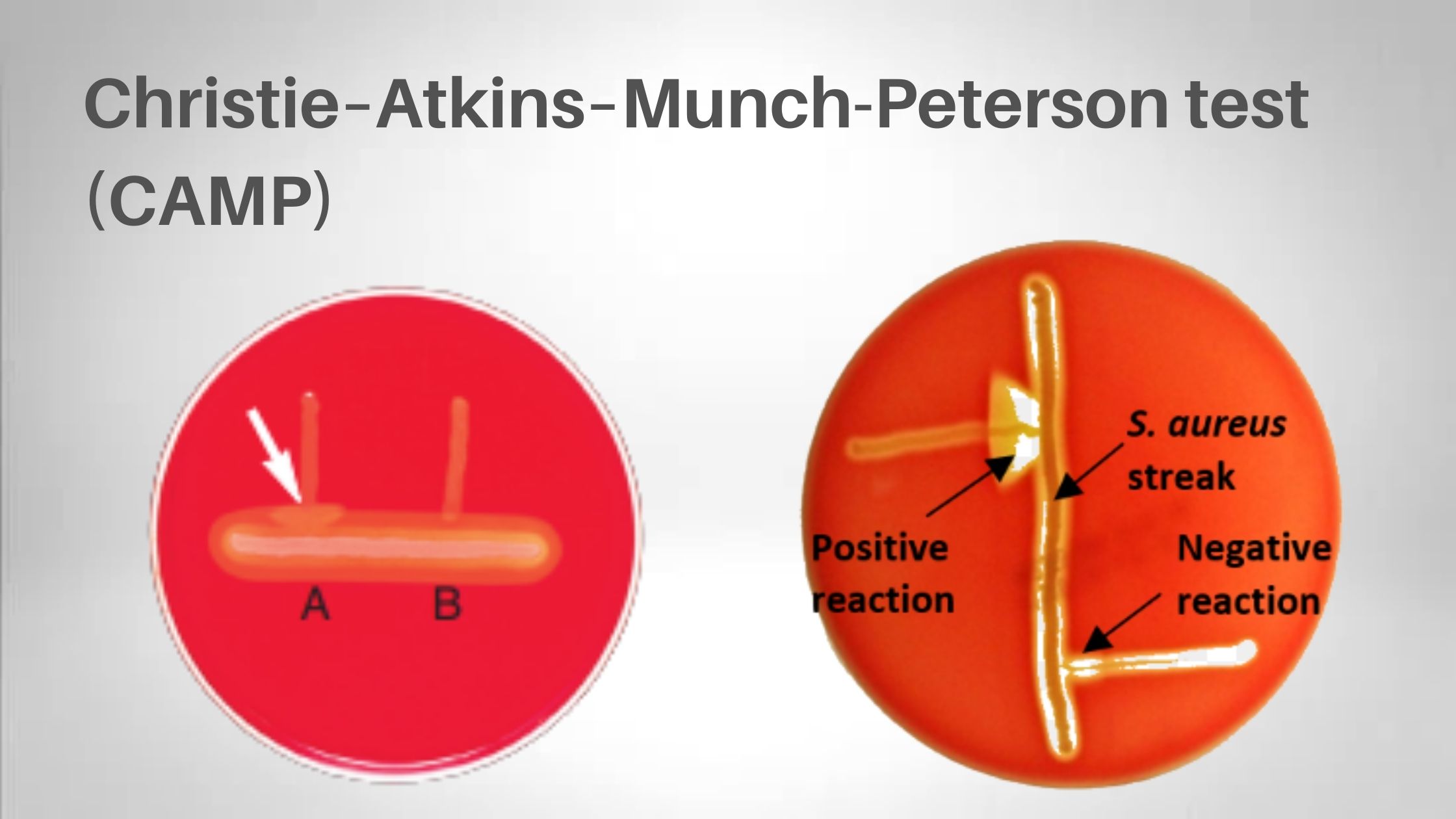
CAMP Test was first discovered by four researchers Christie, Atkins, Munch, and Peterson in 1944, that’s why this test is also known as Christie–Atkins–Munch-Peterson test.
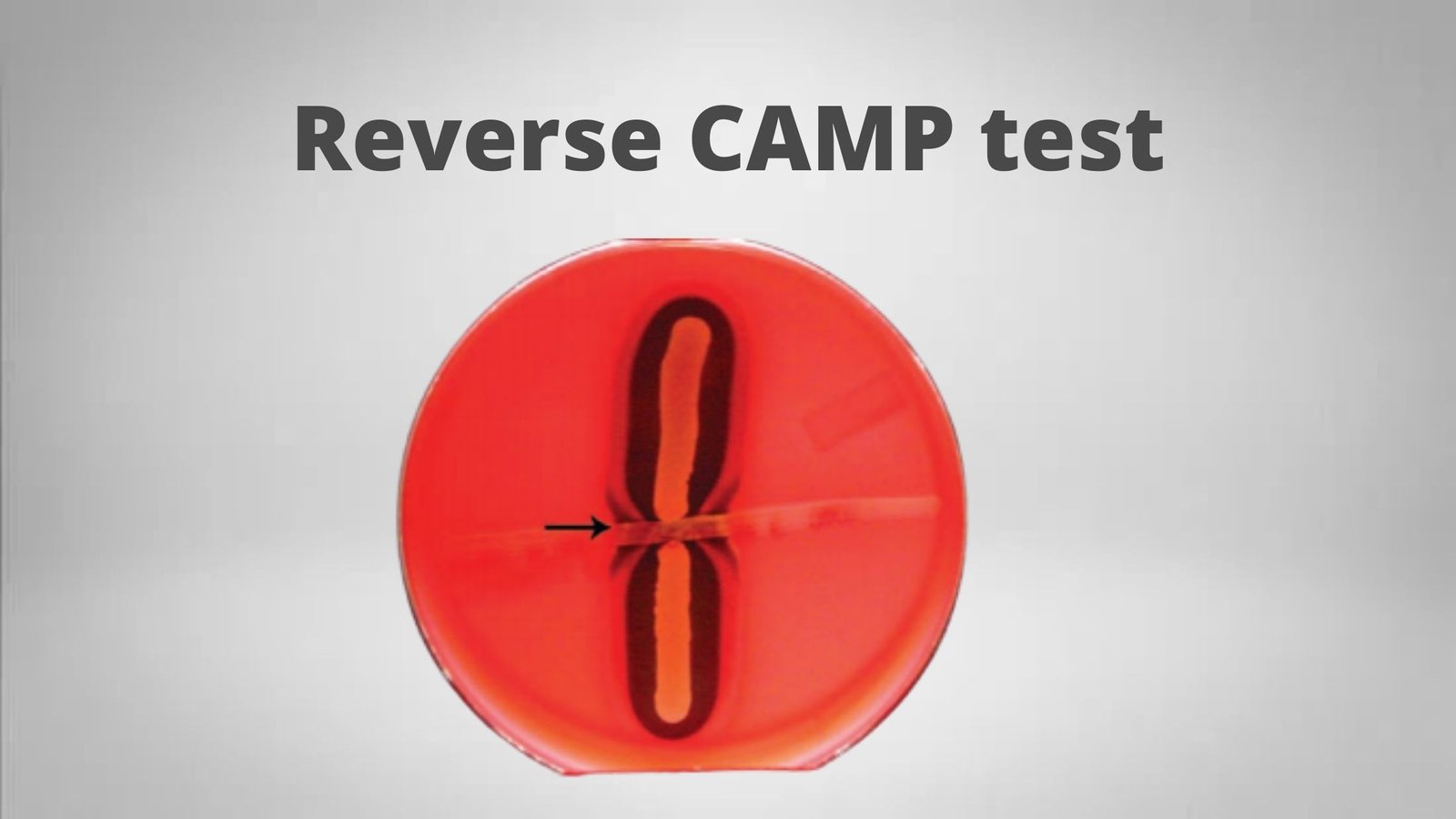
Learn the reverse CAMP test principle, procedure and result, including bow-tie hemolysis in Clostridium perfringens, positive organisms, uses and CAMP test differences.
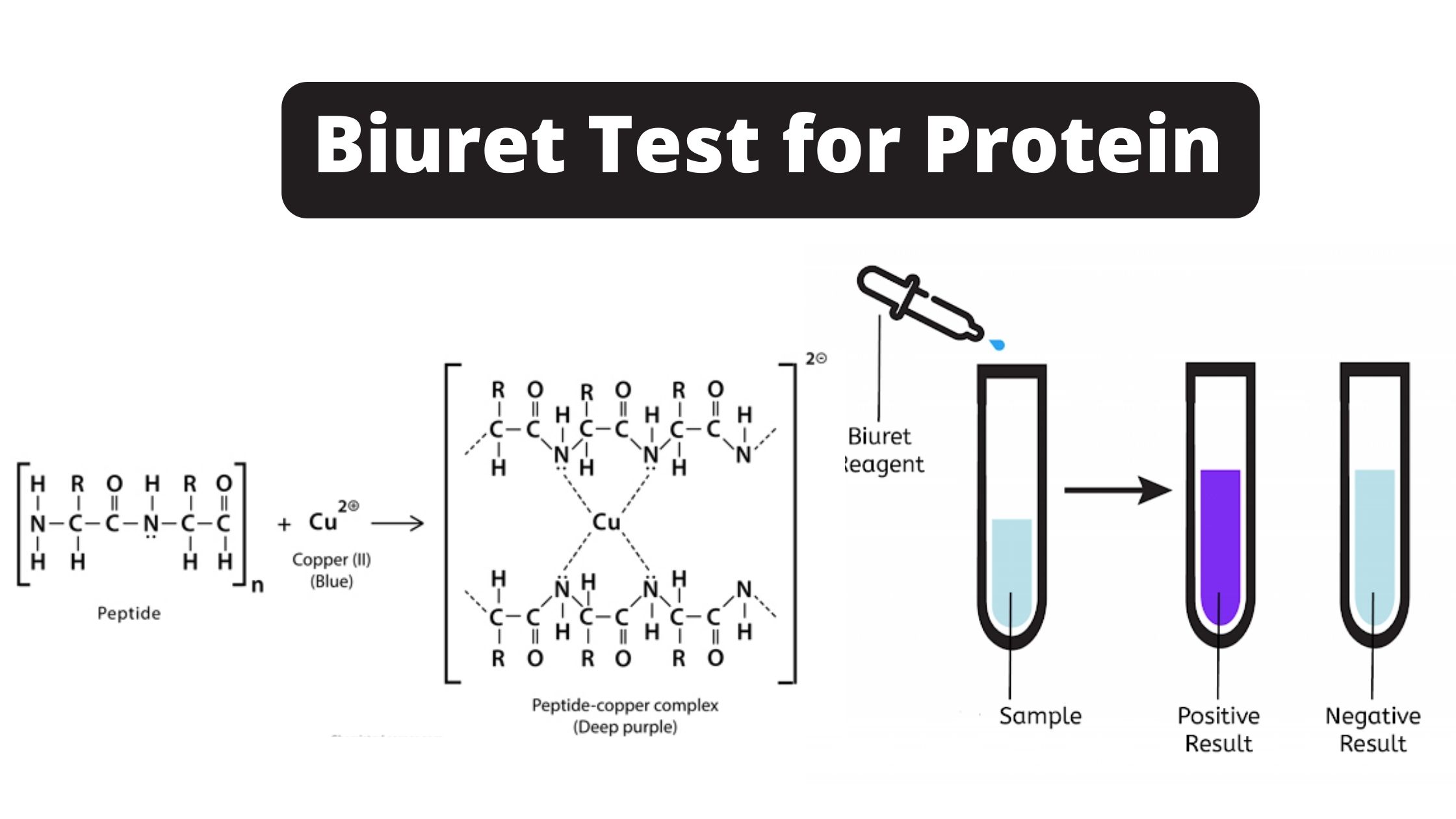
Proteins are polymers of amino acids. They are complex organic compounds containing nitrogen, hydrogen, carbon, and oxygen. Proteins are abundant in our everyday food e.g. egg, soya bean, pulses, fish, milk etc.
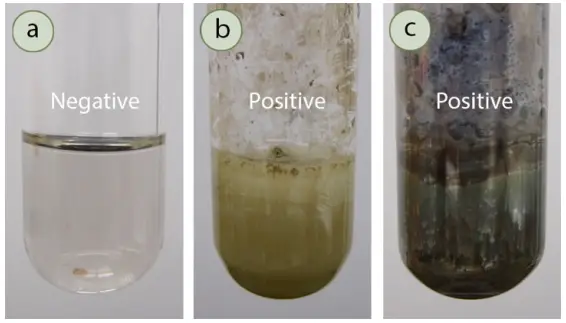
It is a type of biochemical test which is used to distinguish reducing sugars from non-reducing sugars. This biochemical test is also known as the silver mirror test based on the end product of this test. This test was also used to differentiate between aldehydes and ketones through routine qualitative organic analysis.