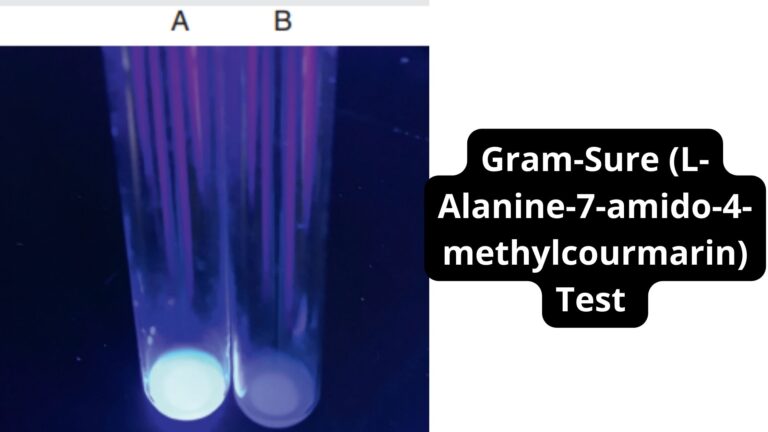
Gram-Sure Test is a rapid qualitative diagnostic test used for the differentiation of aerobic Gram-negative and Gram-positive bacteria. It is mainly applied for bacteria that are rods or coccobacilli in shape. This test works by detecting the presence of a specific enzyme known as L-alanine aminopeptidase. This enzyme is present almost exclusively in Gram-negative bacterial
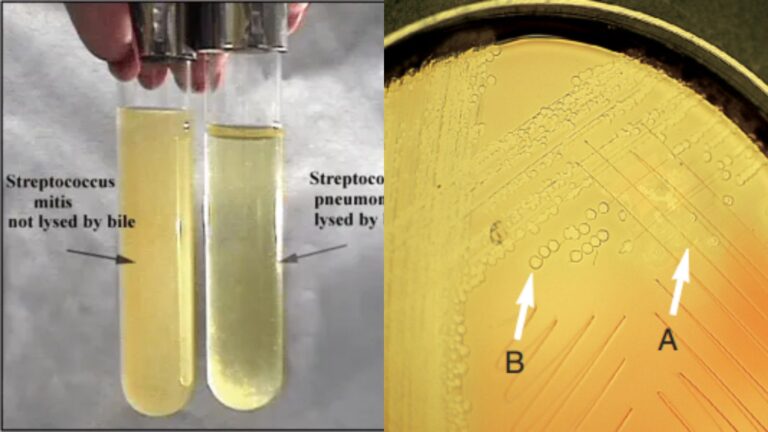
It is a biochemical test used in microbiology for the identification of Streptococcus pneumoniae from other alpha hemolytic streptococci. It is mainly based on the ability of pneumococcal cells to undergo lysis in presence of bile salts. This test is commonly performed in diagnostic laboratories for confirmation of pneumococcal isolates. It is the process in
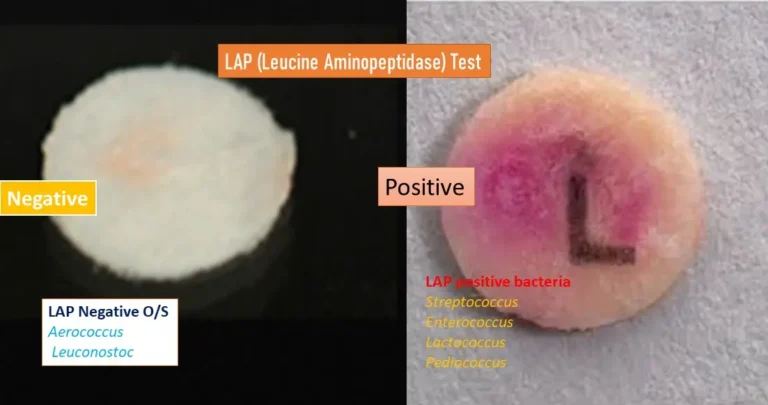
Leucine aminopeptidase (LAP) is an enzyme used to distinguish catalase-negative, gram-positive cocci of Aerococcus and Leuconostoc (LAP test negative) from other organisms in the group, such as Streptococcus, Enterococcus, Lactococcus, and Pediococcus (almost always positive).
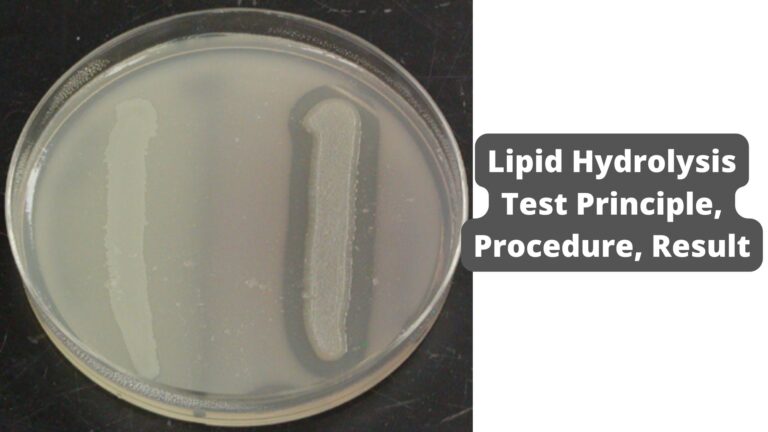
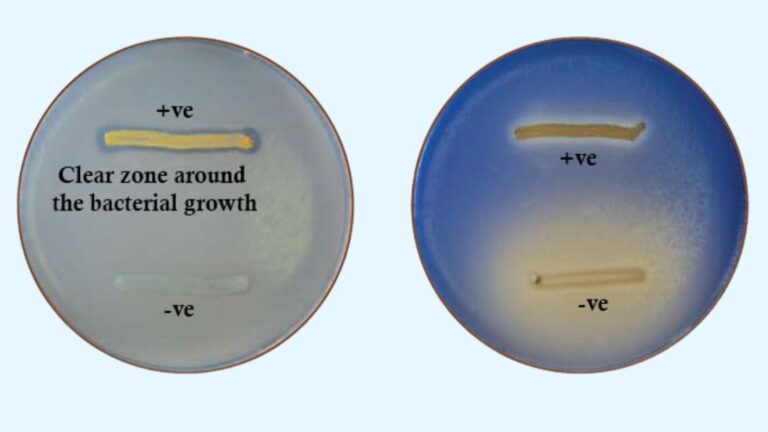
It is a biochemical test that is used to determine the ability of microorganism to produce and secrete the enzyme lipase. It is also referred to as lipase test. The complex lipids such as triglycerides are large molecules and these cannot pass through the bacterial cell membrane. Due to this reason some bacteria releases the
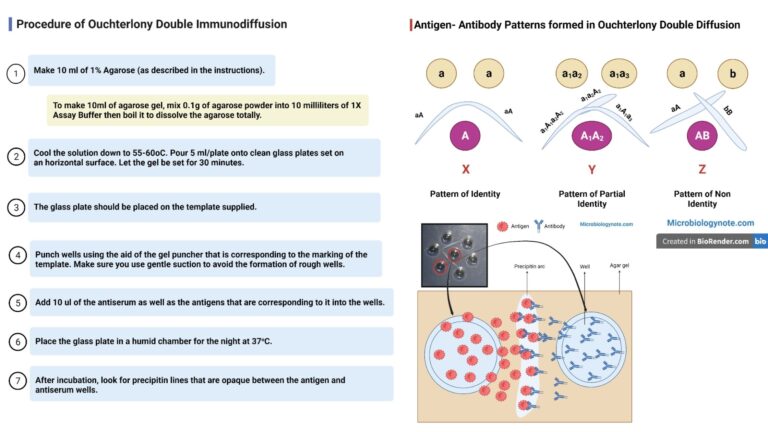
Ouchterlony Double Immunodiffusion Method is a qualitative immunological technique that is used to study antigen–antibody reaction in vitro. It is the process in which both antigen and antibody are allowed to diffuse freely in a semi-solid medium usually agar or agarose gel. This method was developed by Örjan Ouchterlony and it is commonly used for
The Arneth count is a hematological method used for the classification of neutrophils based on the number of lobes present in the nucleus. It is the process in which neutrophils are grouped into different classes according to nuclear segmentation and this helps in understanding the age and functional status of the cells. In this method
A BOD incubator is a laboratory instrument that is used for maintaining a controlled temperature environment required for the estimation of Biochemical Oxygen Demand of water samples. It is designed to operate both at heating and cooling conditions which is different from ordinary incubators. It is mainly adjusted at a fixed temperature of 20°C which
A lipase test is a laboratory diagnostic test which is done to measure the level of lipase enzyme in the blood. Lipase is a digestive enzyme which is mainly produced by pancreas and it helps in digestion of fats. It is the process in which dietary triglycerides are broken down into fatty acids and glycerol
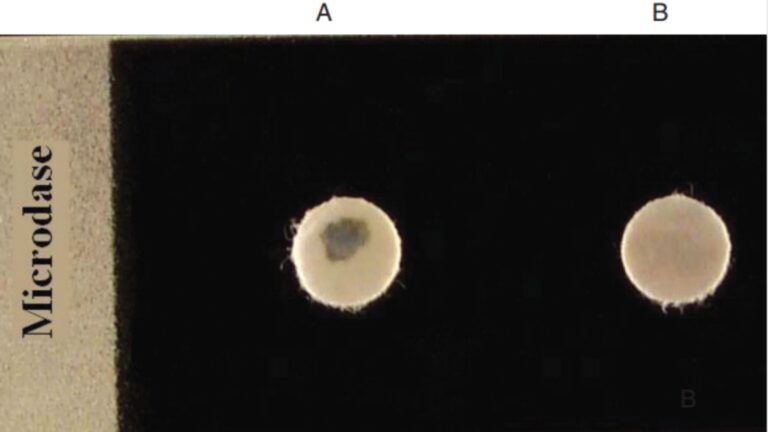
The oxidase enzyme is a key factor in distinguishing Staphylococcus from Micrococcus, and the Microdase Disk is a reagent-impregnated disc recommended for use in qualitative procedures.