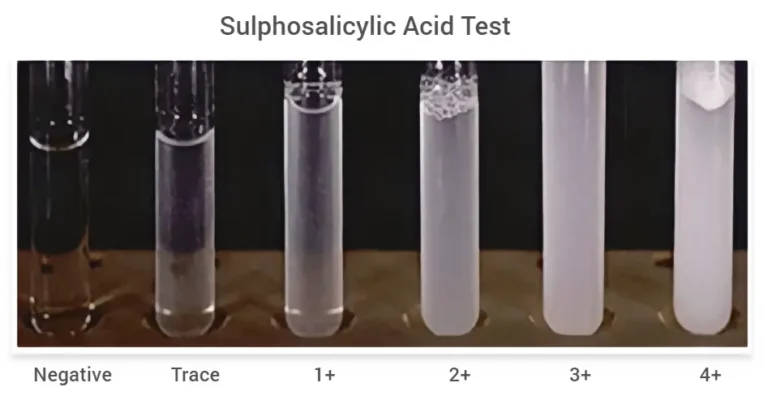
Sulfosalicylic acid (SSA) test is a simple screening test which is used to detect excessive proteins in urine. It is a rapid and low cost method and it is mainly used for checking proteinuria which indicates kidney impairment. The test is done on clear urine sample after centrifugation so that turbidity is observed clearly. It
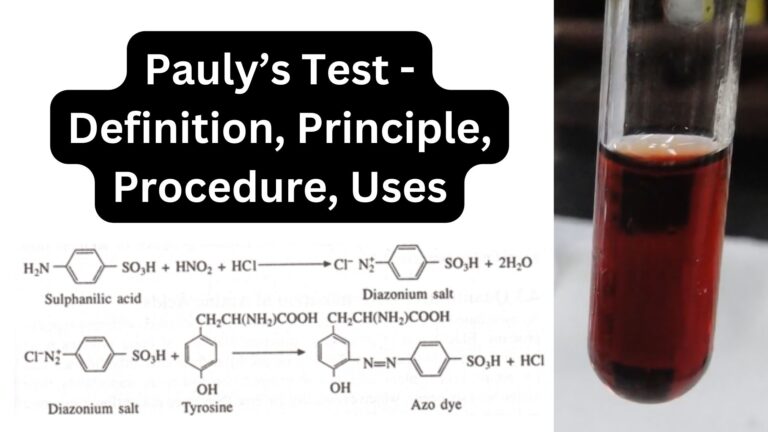
What is Pauly’s Test? Pauly’s test is a biochemical colour test which is used for detection of tyrosine and histidine amino acid in proteins. It is a specific colourimetric assay. It was given by Hermann Pauly (German chemist) in 1904. It is based on azo-coupling reaction. In this process sulfanilic acid is diazotized in cold
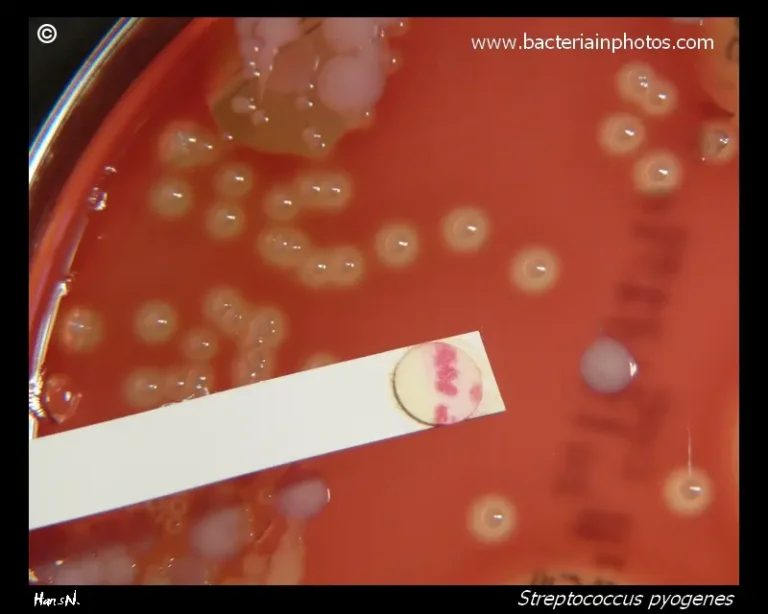
PYR test (Pyrrolidonyl Arylamidase test) is a rapid colorimetric biochemical test used in clinical microbiology. It is done for detection of enzyme pyrrolidonyl arylamidase (pyrrolidonyl aminopeptidase) in bacteria. In this test the bacteria is exposed to a synthetic substrate L-pyrrolidonyl-β-naphthylamide. If the enzyme is present the substrate is hydrolyzed and β-naphthylamine is released which is
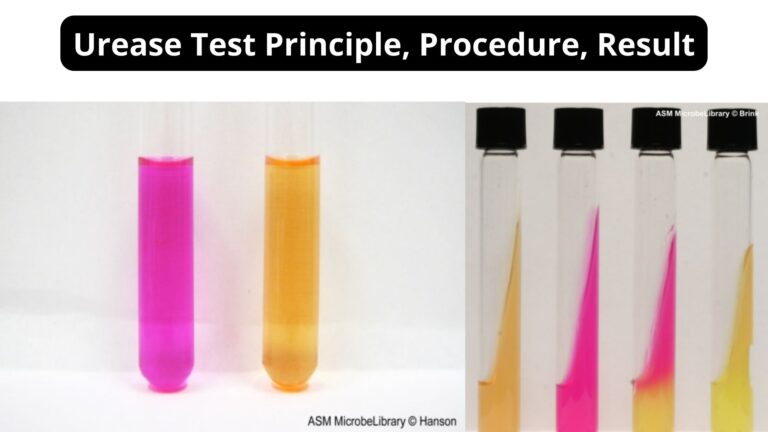
Urease test is a biochemical assay used in microbiology to detect whether microorganism produces urease enzyme or not. It is the process in which urea is broken down into ammonia and carbon dioxide by urease enzyme. When urease producing organism is inoculated in urease broth or agar the ammonia is rapidly accumulated and pH is
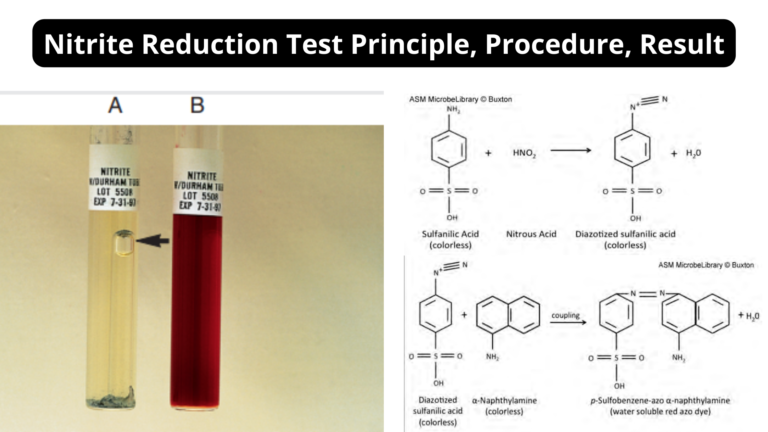
Nitrite Reduction Test is a biochemical test, which is used to determine that bacteria can reduce nitrite (NO2−) into other nitrogenous compounds. The nitrite is further reduced to nitric oxide (NO), nitrous oxide (N2O), nitrogen gas (N2) or ammonia (NH3). This test mainly indicates the ability of organism to remove nitrite from medium. In this
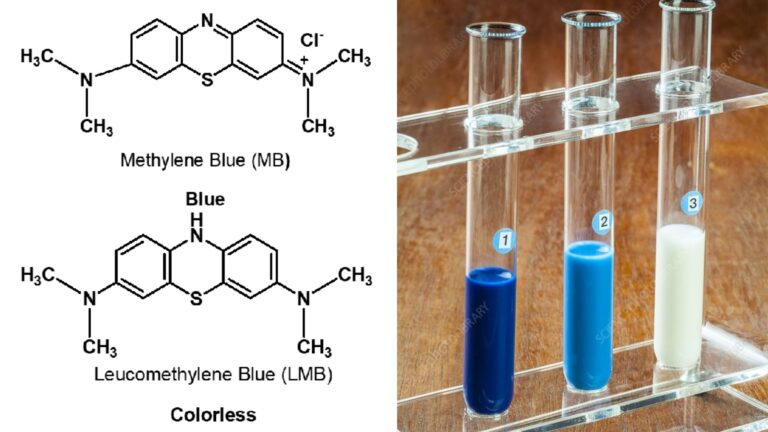
It is a rapid and simple test used for the determination of microbiological quality of milk. It is commonly employed in dairy laboratories to estimate the bacterial load present in milk samples. The test is based on the principle that actively growing bacteria utilize dissolved oxygen during their metabolic activities. Due to this oxygen consumption
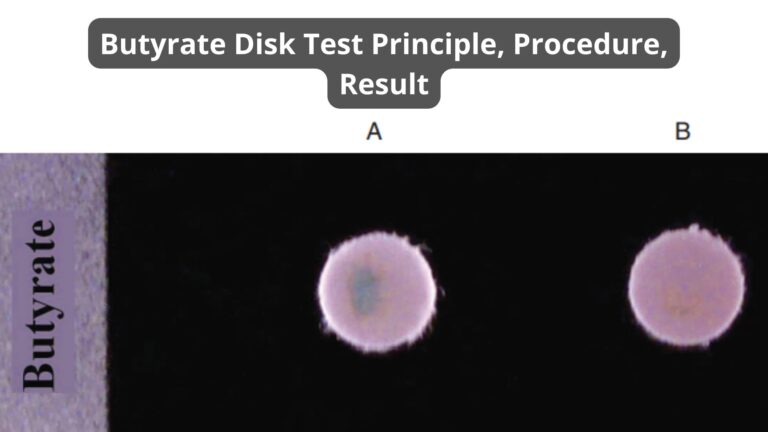
The Butyrate Disk Test is a rapid biochemical test used in microbiology laboratory for the detection of enzyme butyrate esterase in bacteria. It is mainly used for the presumptive identification of Moraxella catarrhalis, which is an important human pathogen associated with respiratory tract infections. It is useful because this organism shows morphological similarity with Neisseria
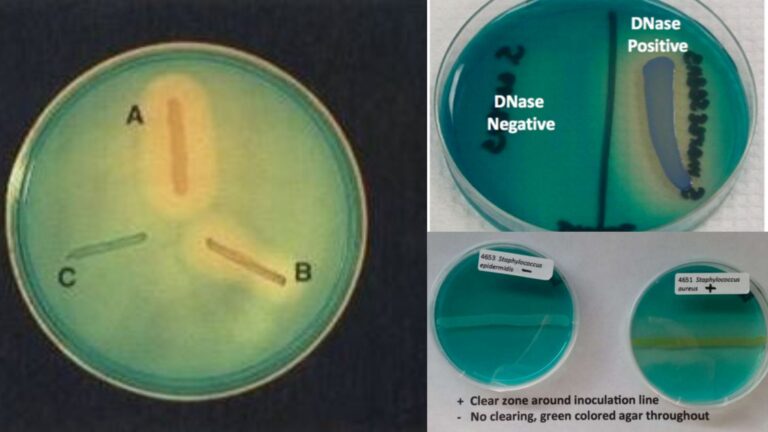
The DNase test is a differential biochemical test which is used to detect the ability of microorganism to produce an extracellular enzyme called deoxyribonuclease (DNase). It is the process where polymerized DNA present in the medium is hydrolyzed into smaller nucleotide fragments by the action of this enzyme. These degraded products can be absorbed by
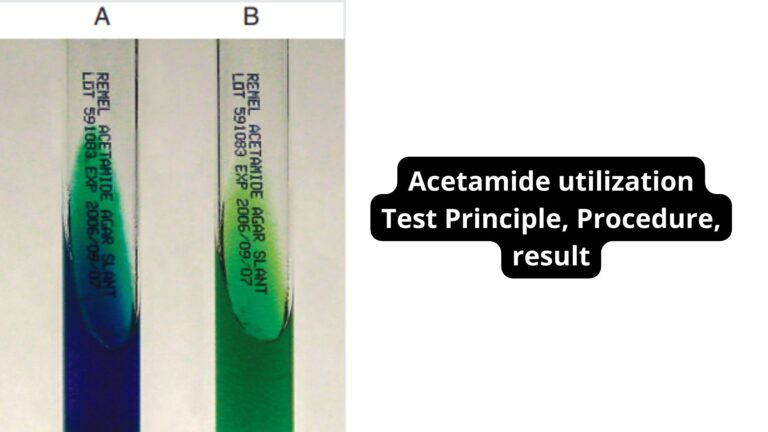
It is a biochemical test used for the identification and differentiation of non-fermentative Gram-negative bacteria. It is mainly applied for the confirmation of Pseudomonas aeruginosa. This test is based on the ability of the organism to utilize acetamide as the sole source of carbon and nitrogen. The test medium contains acetamide and a pH indicator
The Casein Hydrolysis Test is a biochemical test that is used to determine the ability of microorganism to produce and secrete extracellular proteolytic enzyme known as caseinase. It is the process in which casein protein of milk is broken down into smaller soluble products. Casein is the main protein present in milk and it is