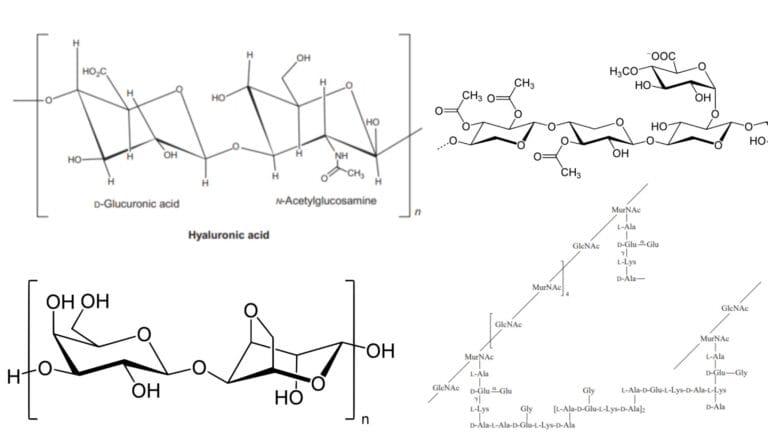
What is Polysaccharide? Characteristics of Polysaccharides Polysaccharides possess several characteristic properties: Chemically, polysaccharides are characterized by their complex structure, consisting of multiple monosaccharide units linked together by glycosidic bonds. The general chemical formula of polysaccharides is (C6H10O5)n, where “n” represents the number of monosaccharide units in the polysaccharide chain. Polysaccharides exhibit great structural diversity, ranging
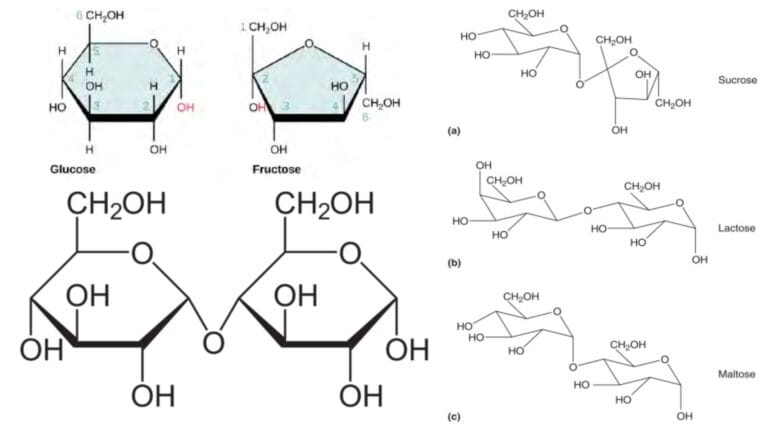
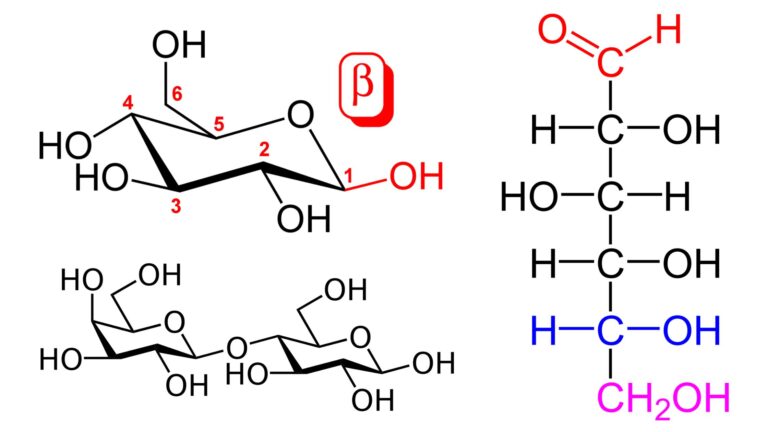
What are Disaccharides? Definition of Disaccharides Disaccharides are sugars formed by the joining of two monosaccharide molecules through a glycosidic linkage. They are soluble in water and include examples like sucrose, lactose, and maltose. Properties of Disaccharides Disaccharides possess several properties that are influenced by their structural characteristics and composition: These properties contribute to the
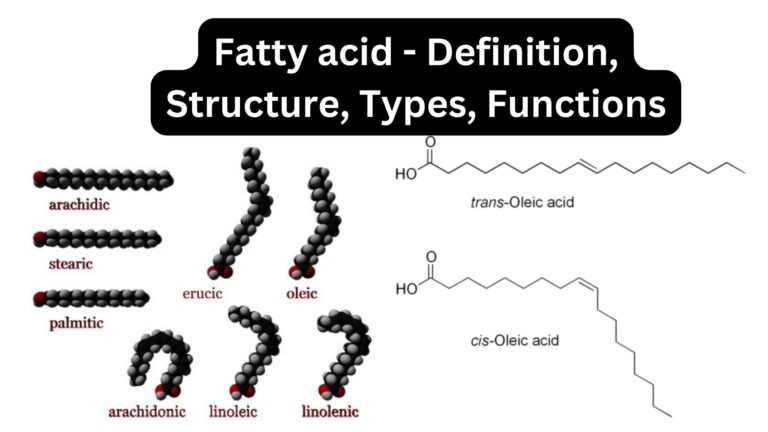
What is Fatty acid? Fatty acids are essential components in biochemistry, playing significant roles in various biological processes. These carboxylic acids consist of an aliphatic chain, which can be either saturated or unsaturated. In nature, most fatty acids have a straight chain with an even number of carbon atoms, ranging from 4 to 28. They
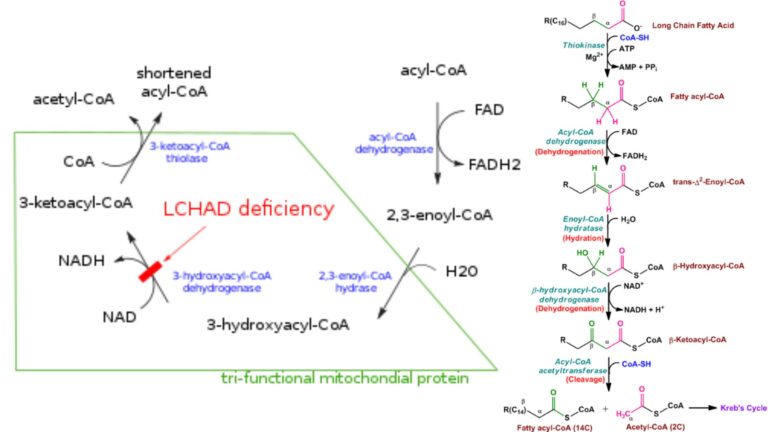
What is Beta-oxidation? Definition of Beta-oxidation Beta-oxidation is the metabolic process in cells where fatty acids are broken down into smaller units called acetyl-CoA, generating energy in the form of ATP. Location of Beta-Oxidation Beta-oxidation, a crucial metabolic pathway for the breakdown of fatty acids, occurs in specific cellular locations depending on the organism’s type. In
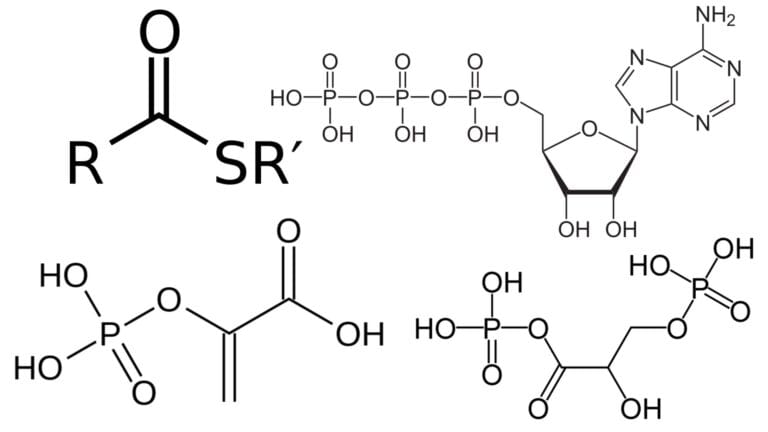
What is Energy rich compound? Phosphoenolpyruvate Structure of Phosphoenolpyruvate The structure of phosphoenolpyruvate (PEP) consists of a three-carbon pyruvate molecule with an additional phosphate group attached to one of the carbon atoms. Here is the structural formula of PEP: HO-C=O | P-O-P-OH | CH2-CHO In the structure, the central carbon atom is double-bonded to an
What is Carbohydrate? Definition of Carbohydrates Carbohydrates are carbon-based compounds that serve as a source of energy and play important roles in the structure and function of living organisms. Structure of Carbohydrates Monosaccharides Monosaccharides are fundamental units of carbohydrates and are often referred to as simple sugars. They play essential roles in various biological processes
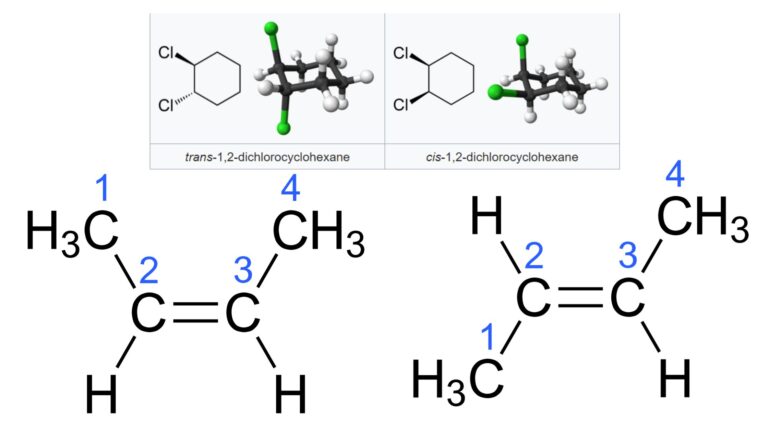
What is Cis and Trans Isomers? What causes cis and trans isomerism? Cis and trans isomerism arise due to the restricted rotation around a double bond or in a ring structure. This restricted rotation locks the atoms or groups into specific spatial arrangements, leading to different isomeric forms. Let’s explore an example to understand the
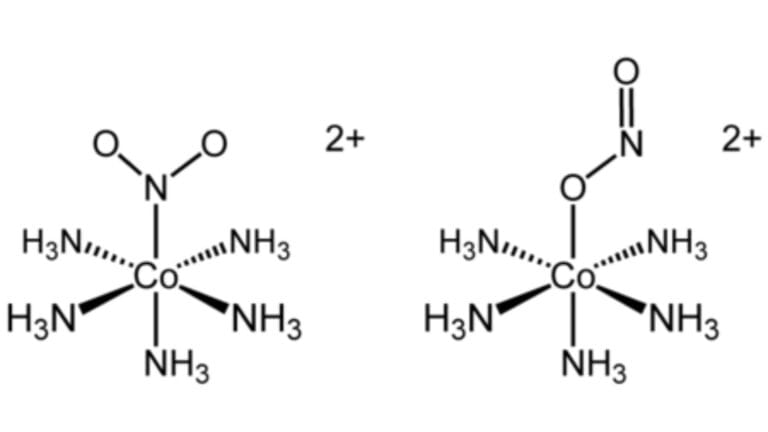
What is Linkage isomerism? – Linkage isomerism Definition Ligands Ligands That Can Form Linkage Isomers ligand Lewis structure name donor atoms CN– cyanide ion C or N SCN– thiocyanate ion S or N NO2– nitrite ion N or O Ambidentate Ligand An ambidentate ligand is a type of ligand that possesses two different potential sites
What is Structural isomer? Types of Structural isomer Structural isomerism, also known as constitutional isomerism, is a form of isomerism in which the atoms within a molecule are arranged in different orders, resulting in compounds with the same molecular formula but different structural formulae. Structural isomers often exhibit distinct physical and chemical properties. Let’s explore
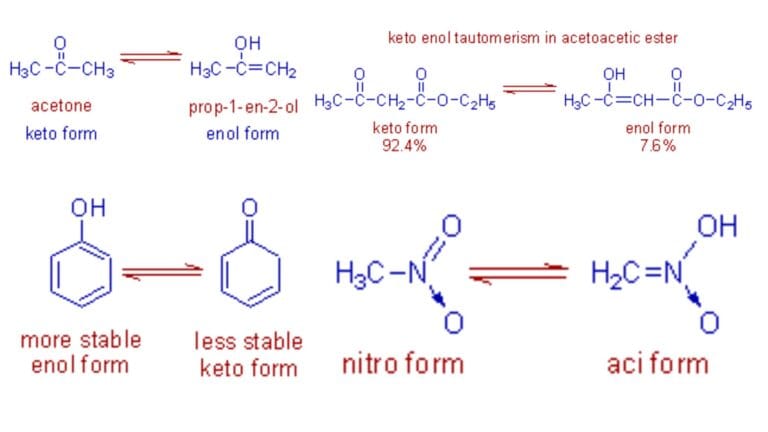
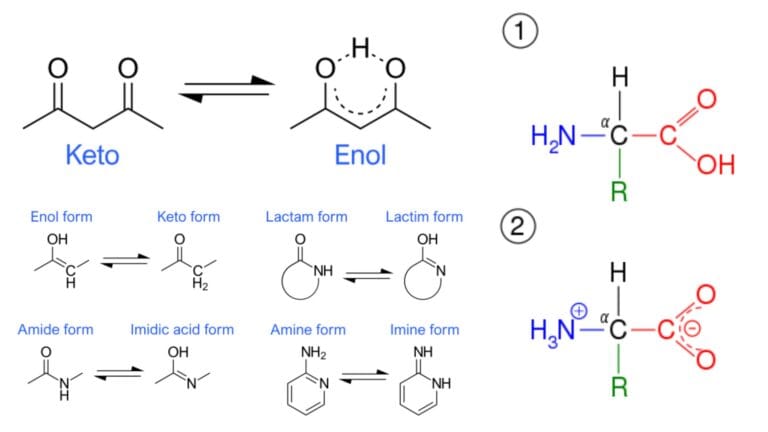
What is Tautomer? Tautomer definition A tautomer is a type of isomer that exists in multiple interconvertible structures, differing in the relative position of a specific atomic nucleus, typically hydrogen. What Is Tautomerism? Structural Requirement of Tautomerism Tautomerism, the phenomenon of interconversion between different isomeric forms of a compound, has specific structural requirements. Here are