Phenotype vs Genotype – Key Differences


Phenotype is a term that is used in genetics to describe all traits that can be observed in living organisms that result of interactions of the genotype and the environment.

Phenotype is a term that is used in genetics to describe all traits that can be observed in living organisms that result of interactions of the genotype and the environment.
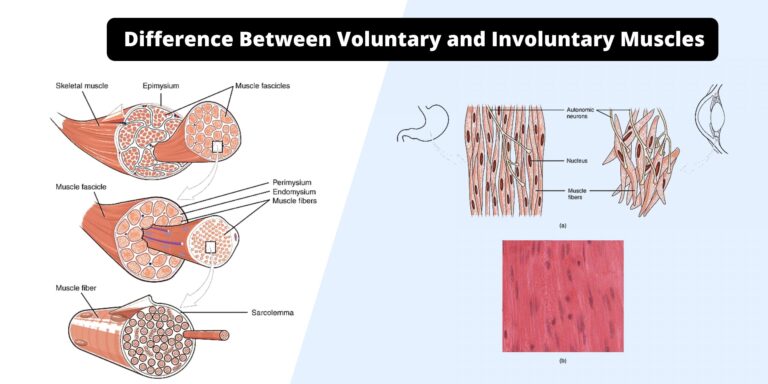
Voluntary muscles are muscles that are movable by at the discretion of a person . They are usually connected to the skeleton system.
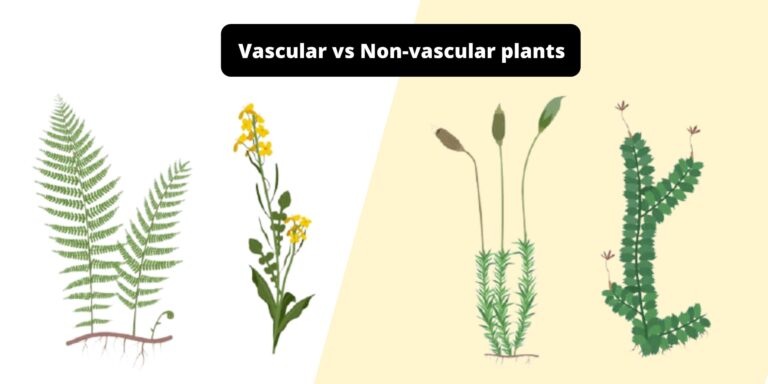
Vascular plants, often referred to as tracheophytes, are the plants on the land with cells that are lignified to conduct minerals and water all over the body.
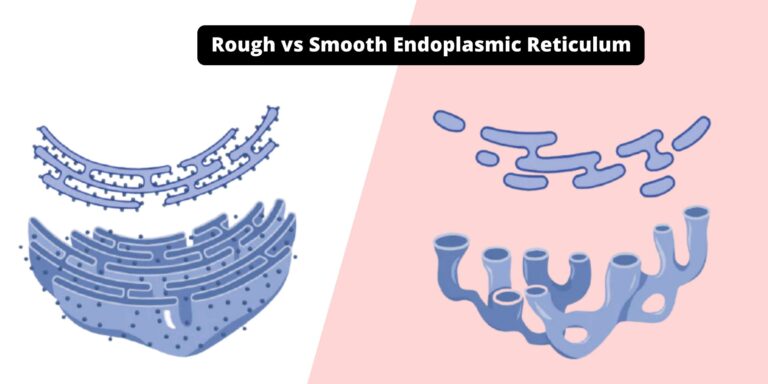
The rough and smooth ERs are the two kinds of endoplasmic-reticulum that form an interconnected system made up of membrane-bound channels that are located in the cell’s cytoplasm. ER is an organelle that is enclosed by membranes found only in the eukaryotic cell.
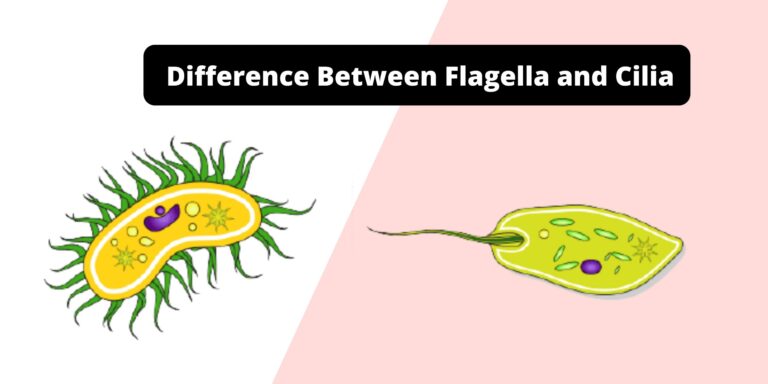
Cilia and Flagella are tiny structures attached to eukaryotic and prokaryotic cells. They protrude from the surface of their cells. These structures help in the locomotion of unicellular organisms. Accordingly, they mainly contain proteins called microtubules or basal bodies. In the case of single-celled eukaryotic organisms, both cilia and flagella are vital for locomotion.
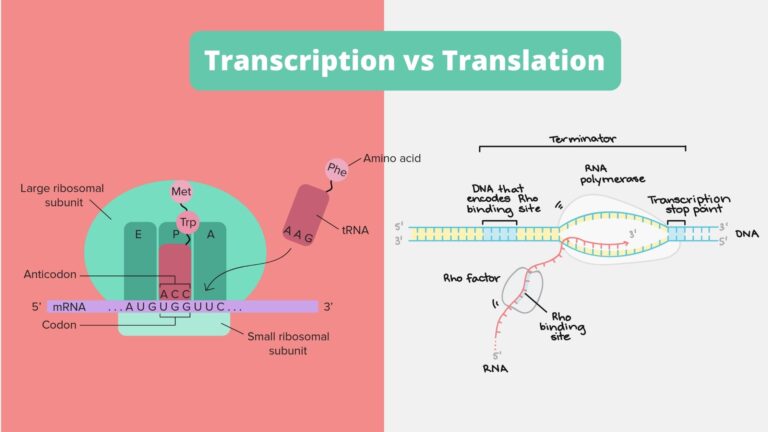
Transcription is the process by which the genetic information stored on DNA strands is transferred into an RNA-RNA strand via the polymerization process caused by enzymes known as DNA-dependent polymerases.

Mitochondria originates of the Greek word meaning’mitos’ thread and ‘chondrios’-granule. Mitochondria are also referred to as the “powerhouse of cells’ because their primary purpose is to generate energy through the process of ATP.

An anion can be described as an atom, or an atom group bearing either negative or positive electrical charges.
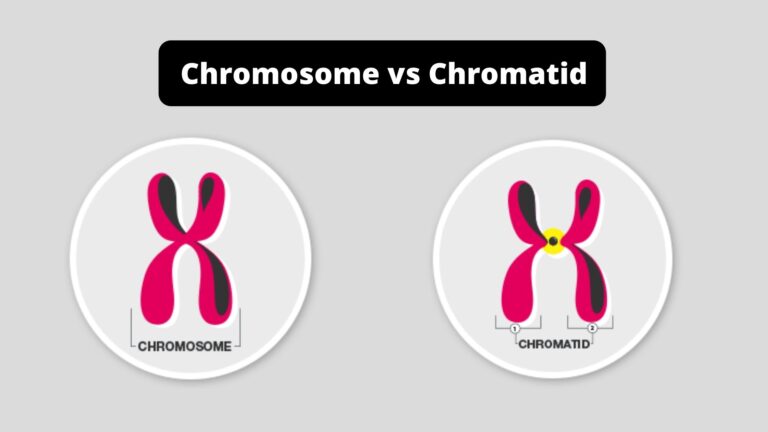
A Chromosome is a thread-like form found in the nucleus or nuclear region of cytoplasm. It’s made of one DNA molecule (Deoxyribonucleic acid) and proteins, which carry certain or all of the genetic materials in an organism.

The animals that are cold-blooded are those who are incapable of controlling their body’s temperature in accordance with temperatures of their environment.