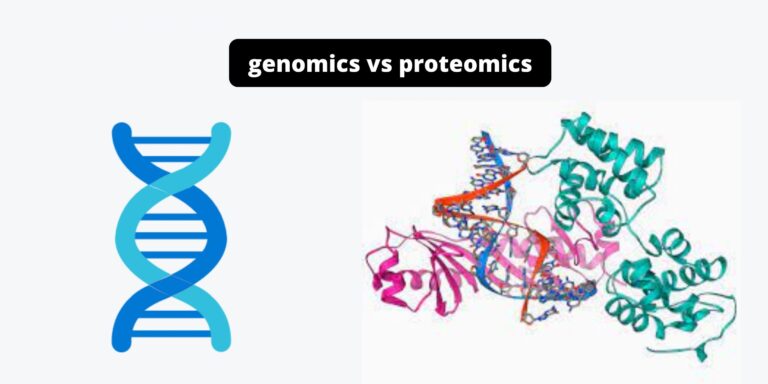
Proteomics and Genomics are two major areas of molecular biology. Genomes are the biological material that makes up an organism. It contains genes that contain the information about genetics of organisms (genetic code). The research conducted to uncover the information contained in the genome is called genomics.
Aerobic respiration refers to a series of metabolic reactions that occur in the presence oxygen in a cell. It is used to convert chemical energy into ATPs.
Inhalation, also known as Inspiration, is a type of breathing that involves the inhalation of air. It is when the air is drawn into the lungs through the contraction of the diaphragm and respiratory muscles.
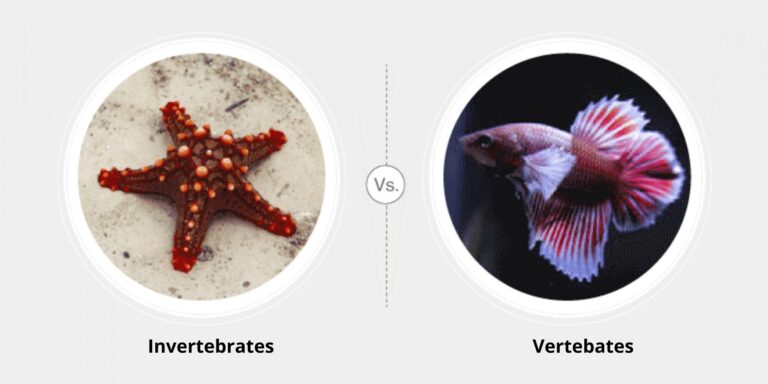
Vertebrates and Invertebrates are the two categories into which all the species of animals are classified. Animals are heterotrophic, multicellular organisms that are classified within the kingdom known as Animalia. The primary distinction between vertebrates and invertebrates lies in the fact that vertebrates comprise of a backbone while invertebrates don’t have an internal backbone.
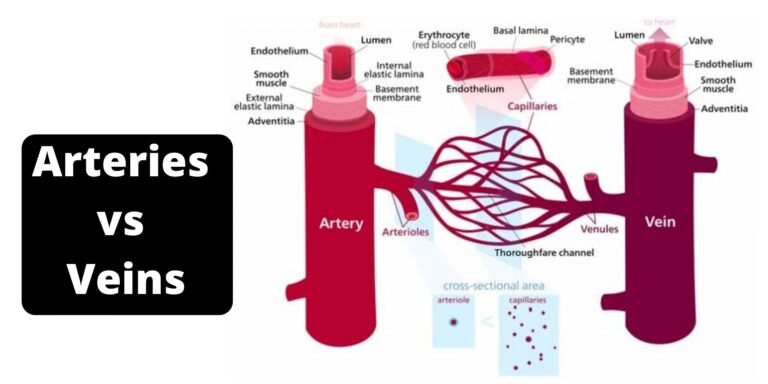
d arterial blood vessels are the two kinds of blood vessels that are part of the closed circulatory system. The primary purpose that blood vessels serve is move circulation of blood around the entire body. However, veins and arteries differ in design and purpose.
Primary succession can be described as a kind of eco-succession that occurs in an area that is new and has no suitable soil, and is first colonized with living creatures.
Passive and active transport are two different methods to move molecules across cells’ membranes. The cell membrane is multi-tasking device that provides structure to the cell , while protecting the contents of the cytosol from the outside environment.
An autotroph is one of the groups of organisms that can produce their own food using diverse substances like sunlight, water and various other chemical compounds.