Welcome to Biology Notes Online! We are the BNO Team, dedicated to providing high-quality, accessible biology study notes for students and teachers alike. Our goal is to simplify complex biological concepts and present them in an easy-to-understand format, entirely free of charge. Whether you're preparing for exams, teaching a class, or simply passionate about biology, our comprehensive notes are designed to support your learning and teaching journey.
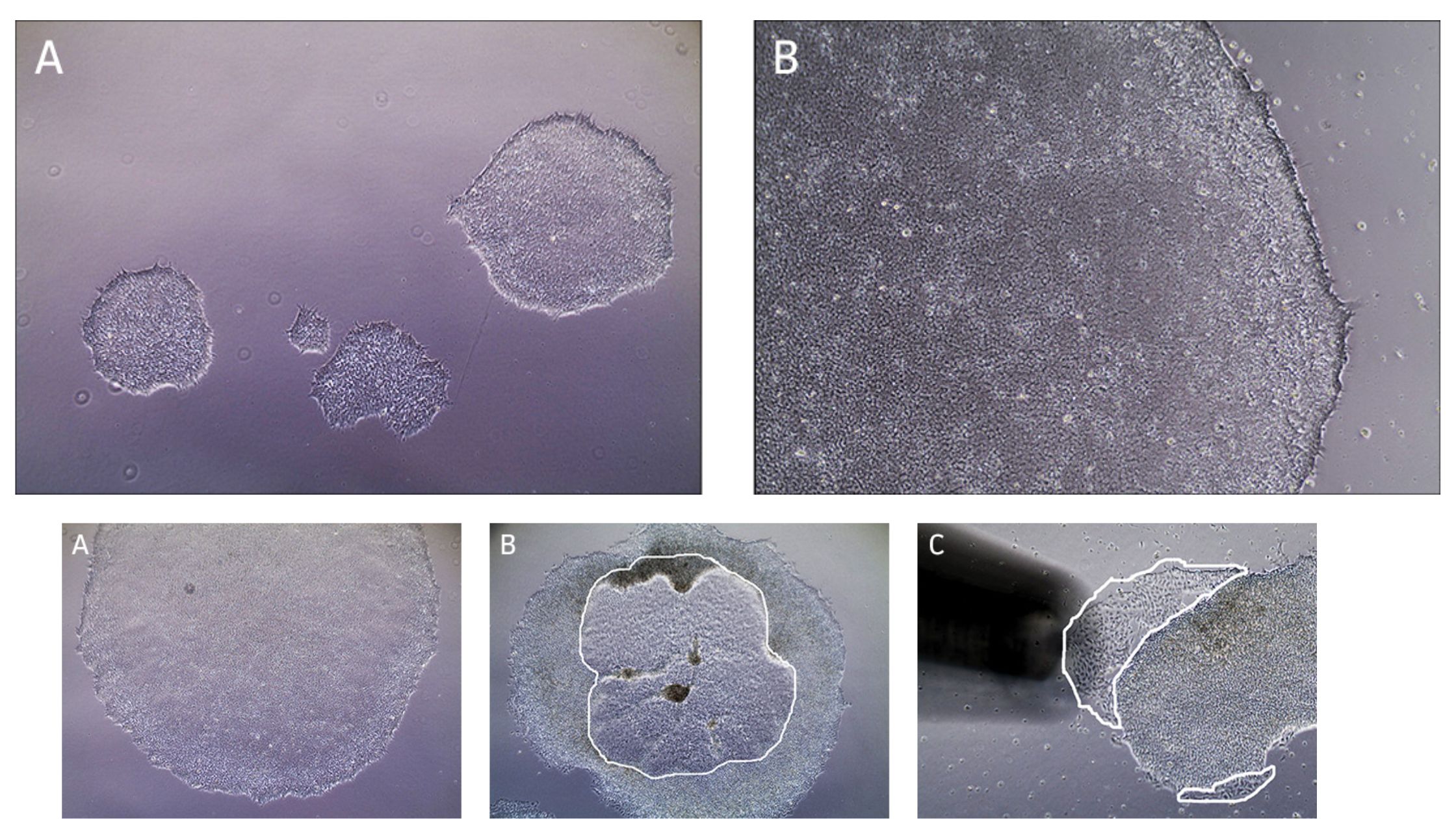
What is Stem cell? Classification of Stem Cells Stem cells can be classified into different categories based on their origin, potency, and differentiation potential. Here are the main classifications of stem cells: It’s important to note that the classification of stem cells is not always rigid, as there can be overlap and ongoing research to … Read more
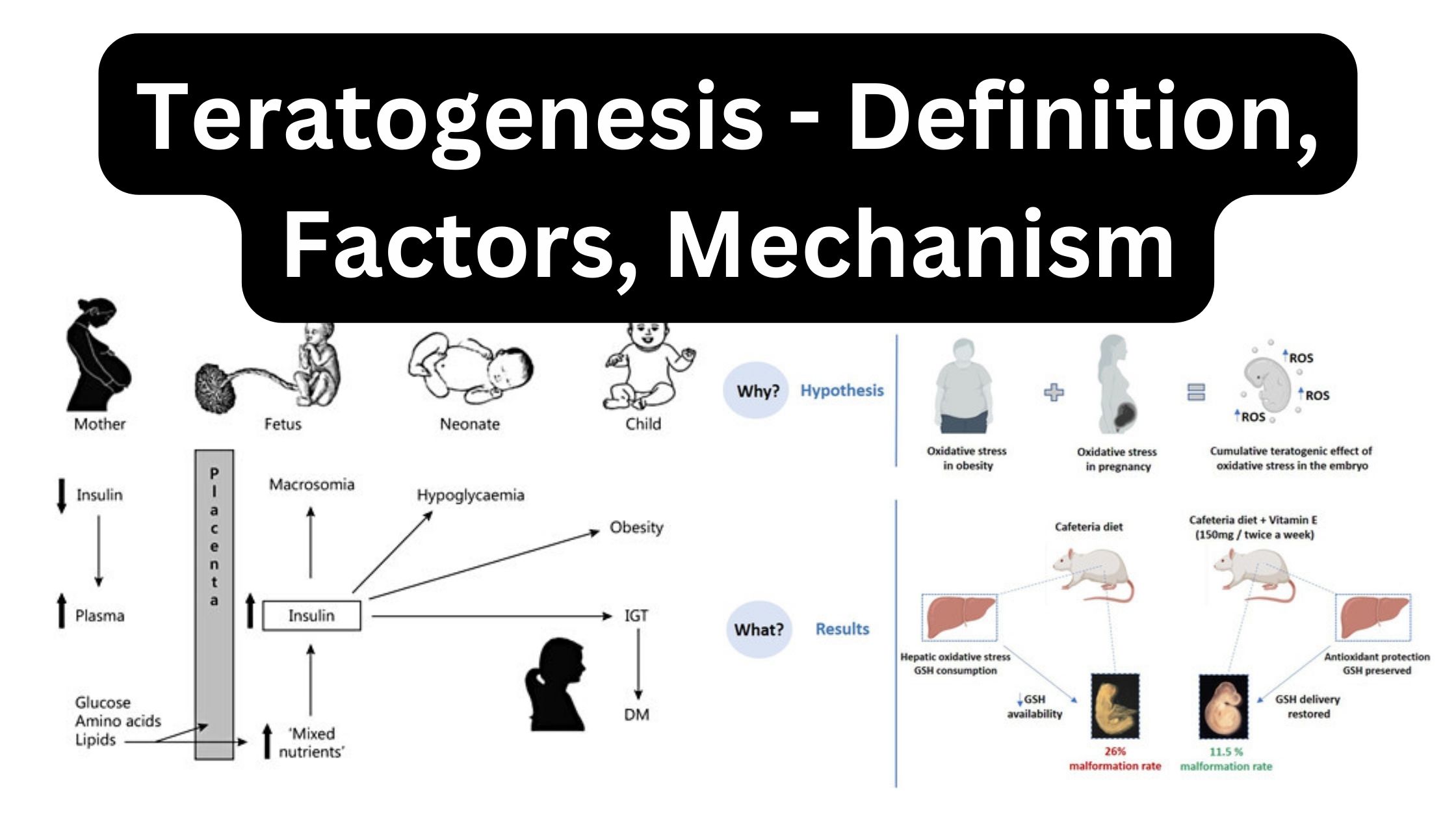
What is Teratogenesis? Teratogenic Agents 1. Infectious agents 2. Physical agents 3. Chemical agents Chemical agents, including certain medications and substances, can have teratogenic effects on the developing fetus. These agents can disrupt normal development and contribute to the occurrence of birth defects. Here are some key points about different chemical agents and their teratogenic … Read more
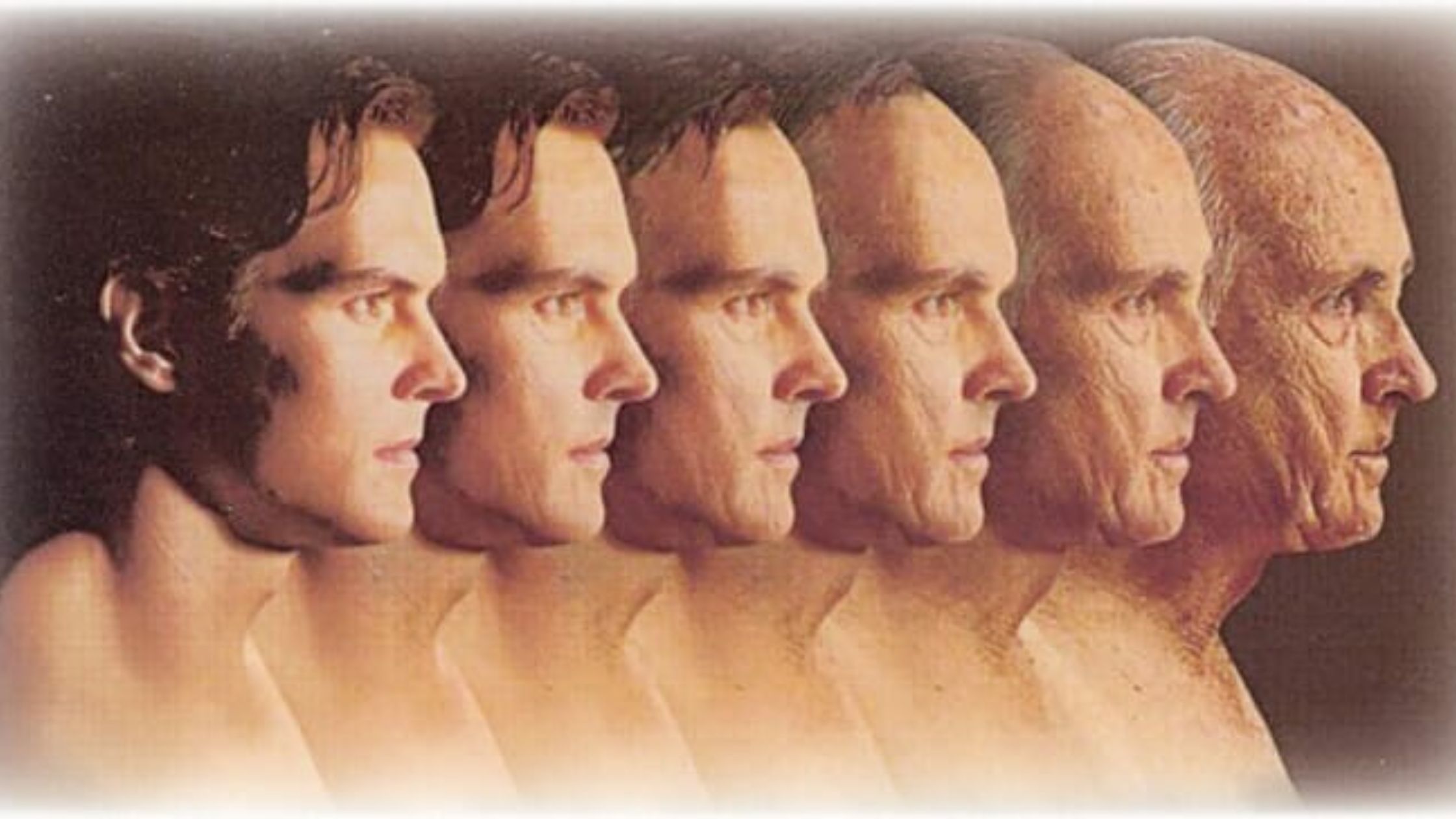
What is Ageing? Different Types of Aging Aging is a complex process that can be categorized into different types based on various perspectives. Understanding these different types of aging can provide a comprehensive view of the aging process. Here are five common classifications: Overall, aging is a multifaceted process that encompasses various dimensions. By considering … Read more
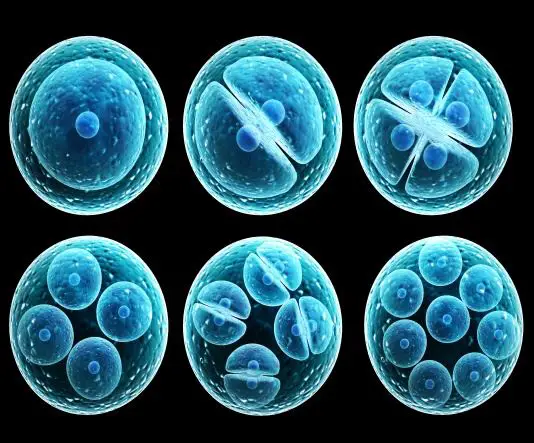
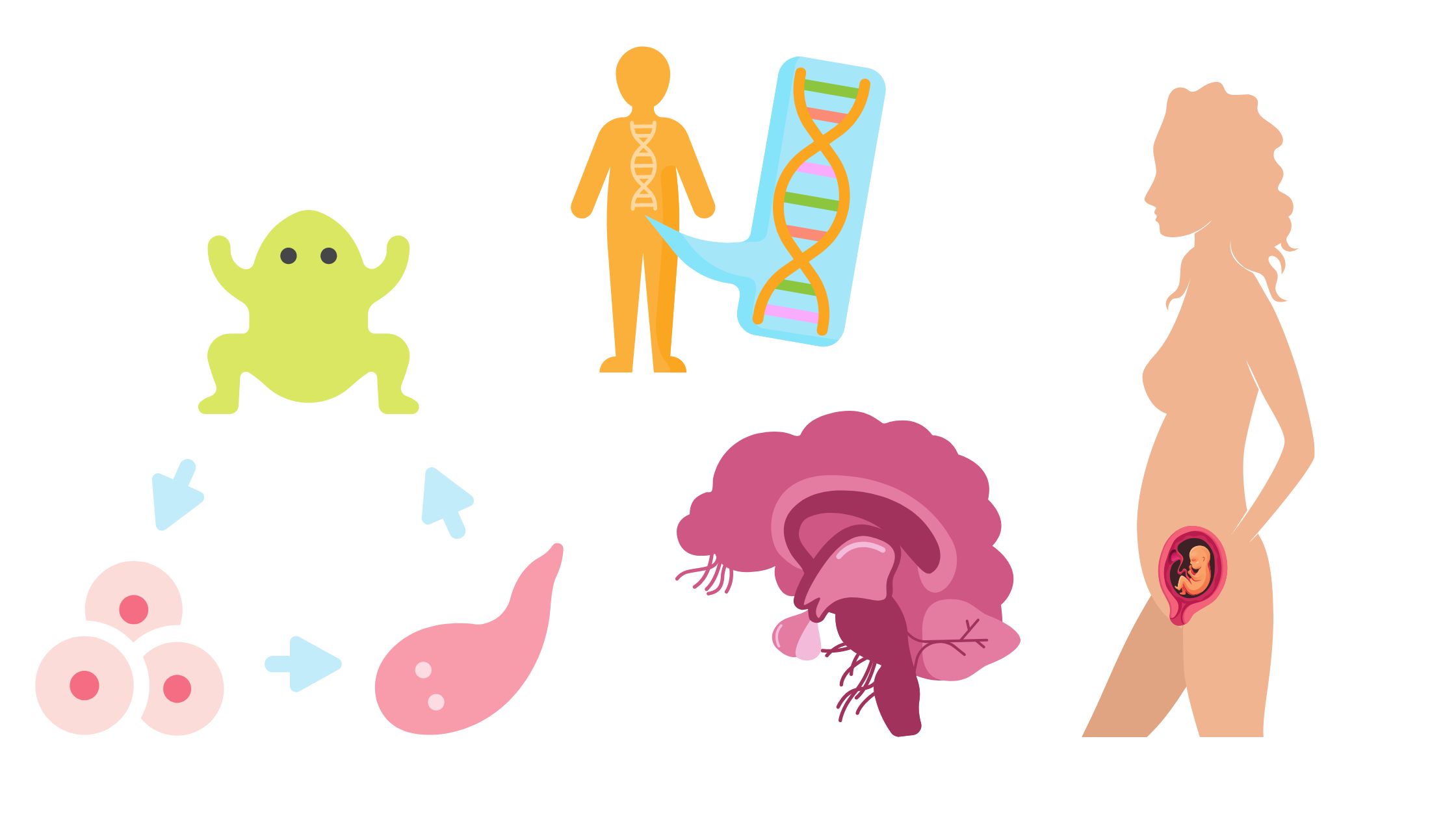
What is Developmental Biology? Developmental biology is a scientific discipline that focuses on understanding how organisms grow, develop, and mature from a fertilized egg into a complex multicellular organism. It explores the processes, mechanisms, and patterns that shape the formation of tissues, organs, and the overall body plan throughout an organism’s life cycle. Developmental biologists … Read more
What is Developmental Biology? Developmental biology is a branch of biology that studies the processes and mechanisms by which multicellular organisms grow, develop, and reach their final form from a single fertilized egg or embryo. It examines how cells differentiate and specialize to form different tissues and organs, as well as how these structures are … Read more
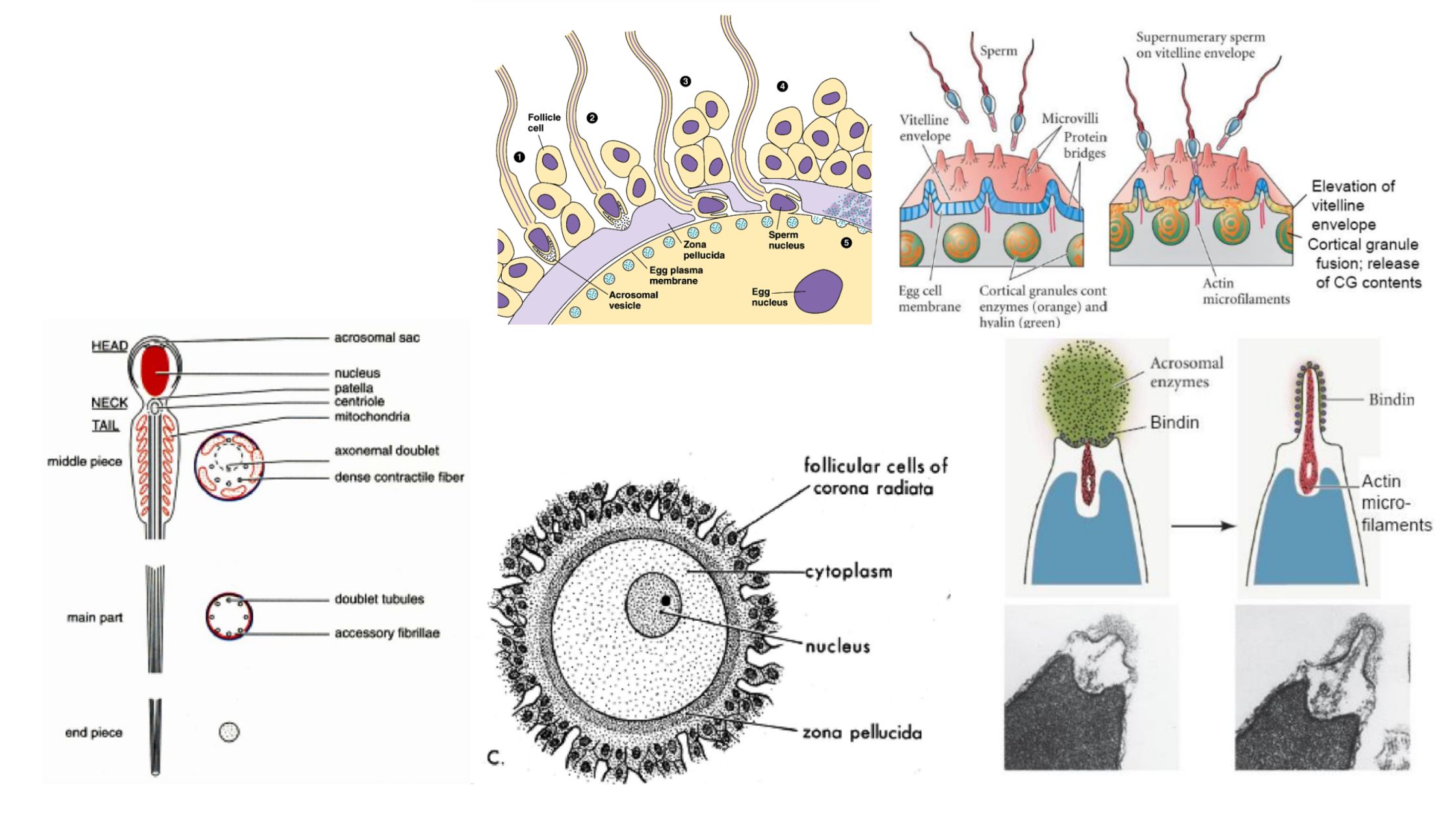
Special features of the gametes for fertilization Both gametes, the sperm and the egg, possess special features that enable successful fertilization. Egg: Sperm: In summary, the egg and the sperm possess specialized features that are essential for fertilization. The egg has protective coverings, recognition mechanisms, and cortical granules to prevent polyspermy and ensure compatibility with … Read more
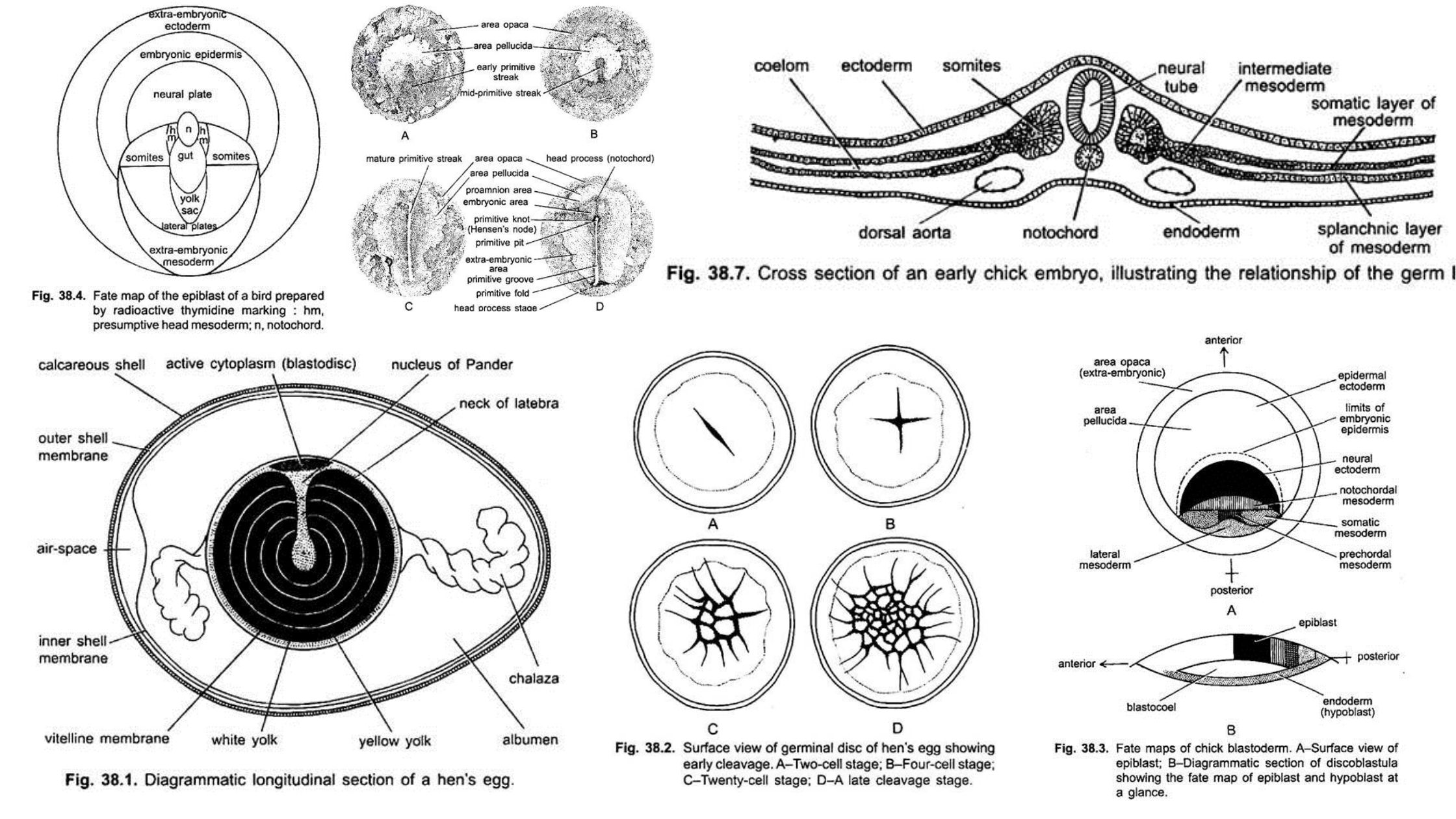
The development of a chick embryo from a freshly laid hen’s egg involves various stages and intricate processes. Let’s explore the initial stages of chick embryo development based on the provided information: The hen’s egg, when laid, is relatively large, measuring about 3cm in diameter and 5cm in length. It is considered a macrolecithal egg … Read more
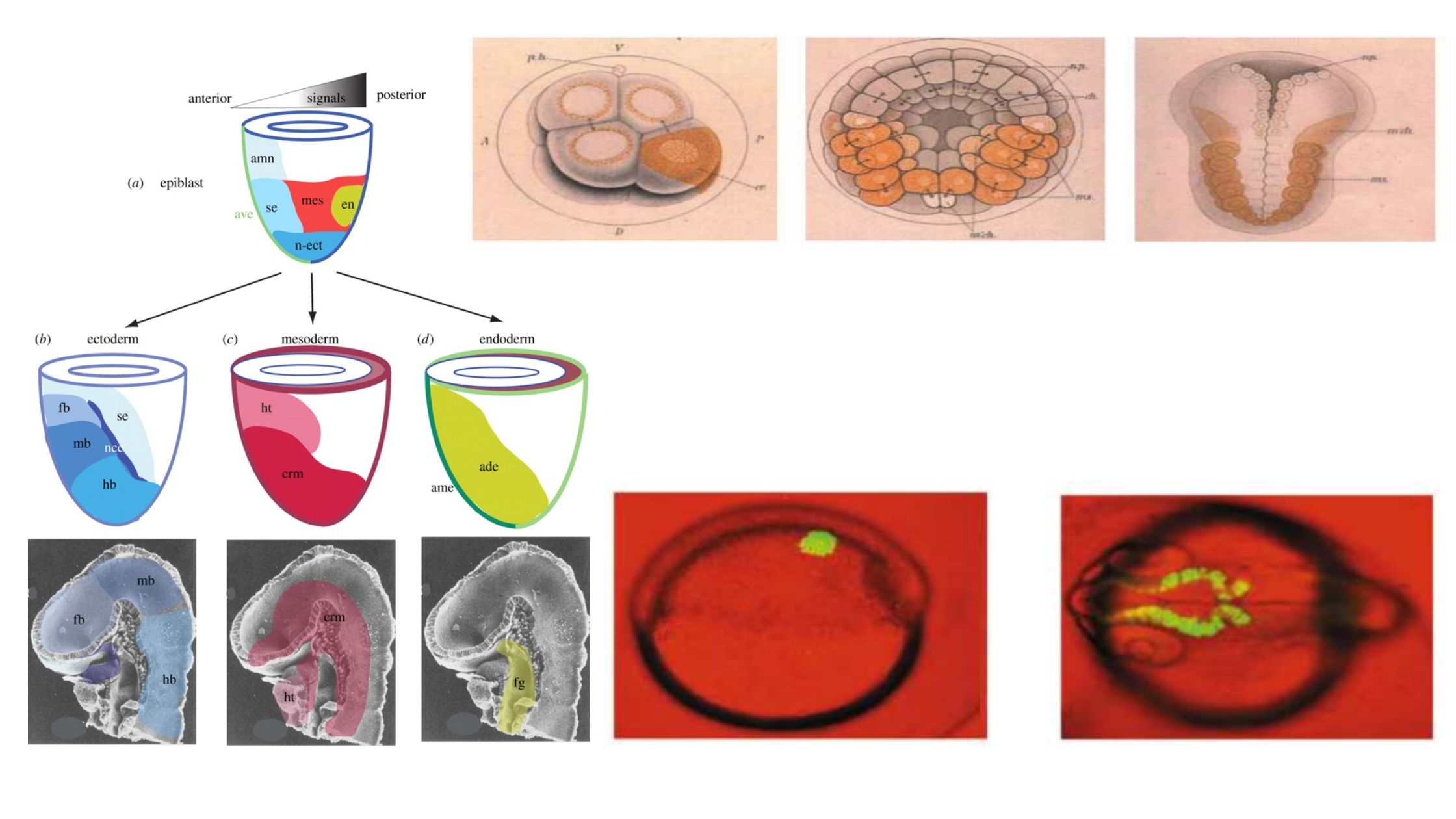
What is Fate Map? A fate map is a diagram or representation of an egg or blastula that depicts the expected fate or destiny of each cell or region at a later stage of development. Fate maps are indispensable tools in embryological experiments as they provide researchers with valuable information about the normal developmental outcomes … Read more
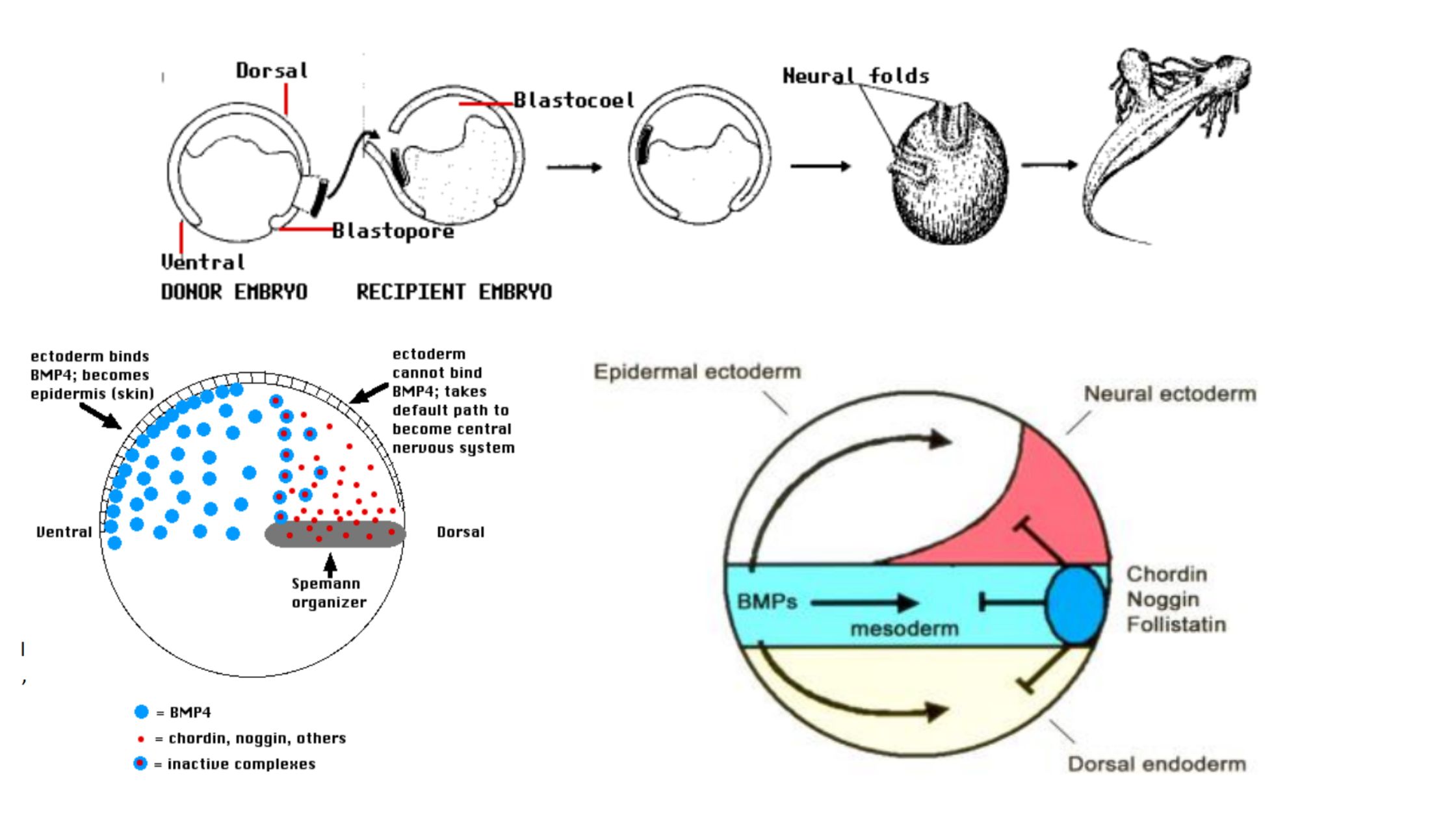
What is Embryonic Induction? Historical Background of Embryonic Induction The historical background of embryonic induction is marked by the pioneering work of Hans Spemann, a German embryologist, and his student Hilde Mangold in the 1920s. Their extensive research on newt species, specifically Triturus cristatus and Triturus taeniatus, led to the discovery of neural induction. In … Read more
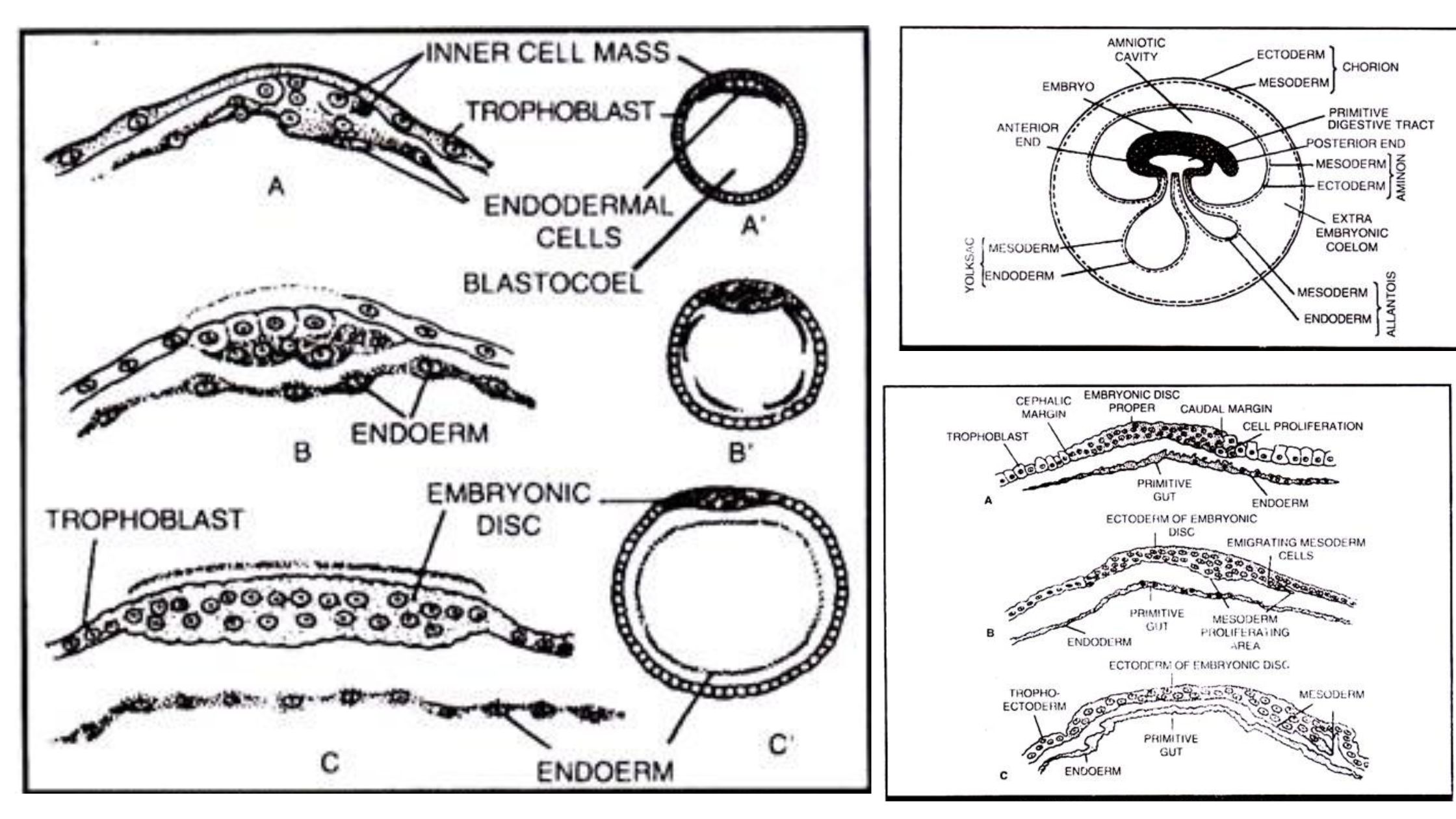
What is Germ layer? Fate of The germ layers 1. Ectoderm 2. Mesoderm 3. Endoderm 4. Neural crest Formation of Three Germ Layers (i) Formation of Endoderm (ii) Formation of Mesoderm (iii) Formation of Ectoderm FAQ