Amniocentesis (Amniotic Fluid Test) – Principle, Procedure, Result

Amniocentesis (Amniotic Fluid Test) - Principle, Procedure, Result

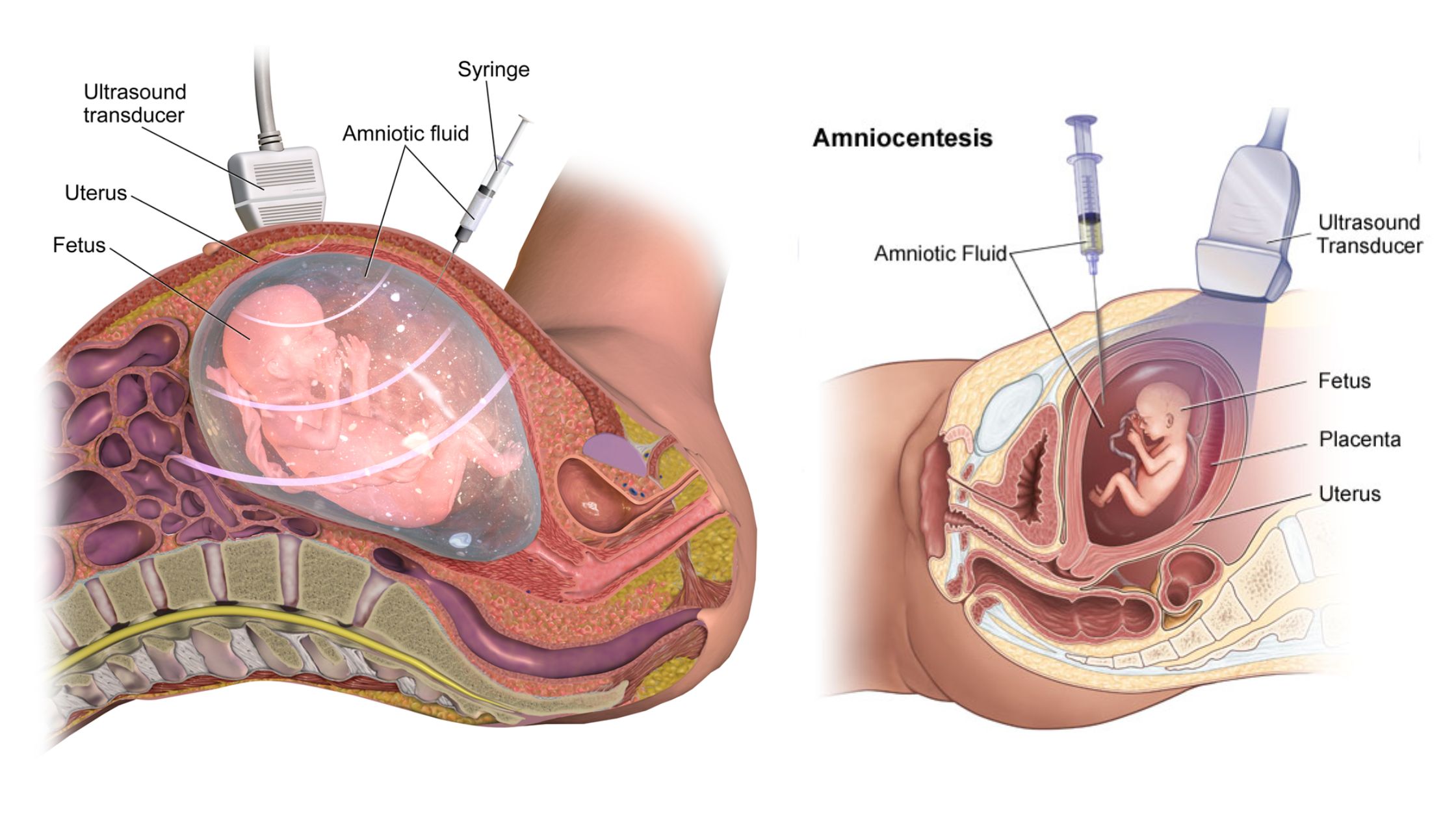
What is Amniocentesis? (Amniotic Fluid Test) Sample for Amniotic fluid Examination (Amniocentesis) The purpose of the test Amniocentesis, the examination of amniotic fluid, serves various purposes in prenatal diagnosis and assessment. The test provides valuable information about the fetus, allowing healthcare providers to make informed decisions regarding the health and well-being of both the mother … Read more
Agarose Gel Electrophoresis Definition, Principle, Procedure, Applications

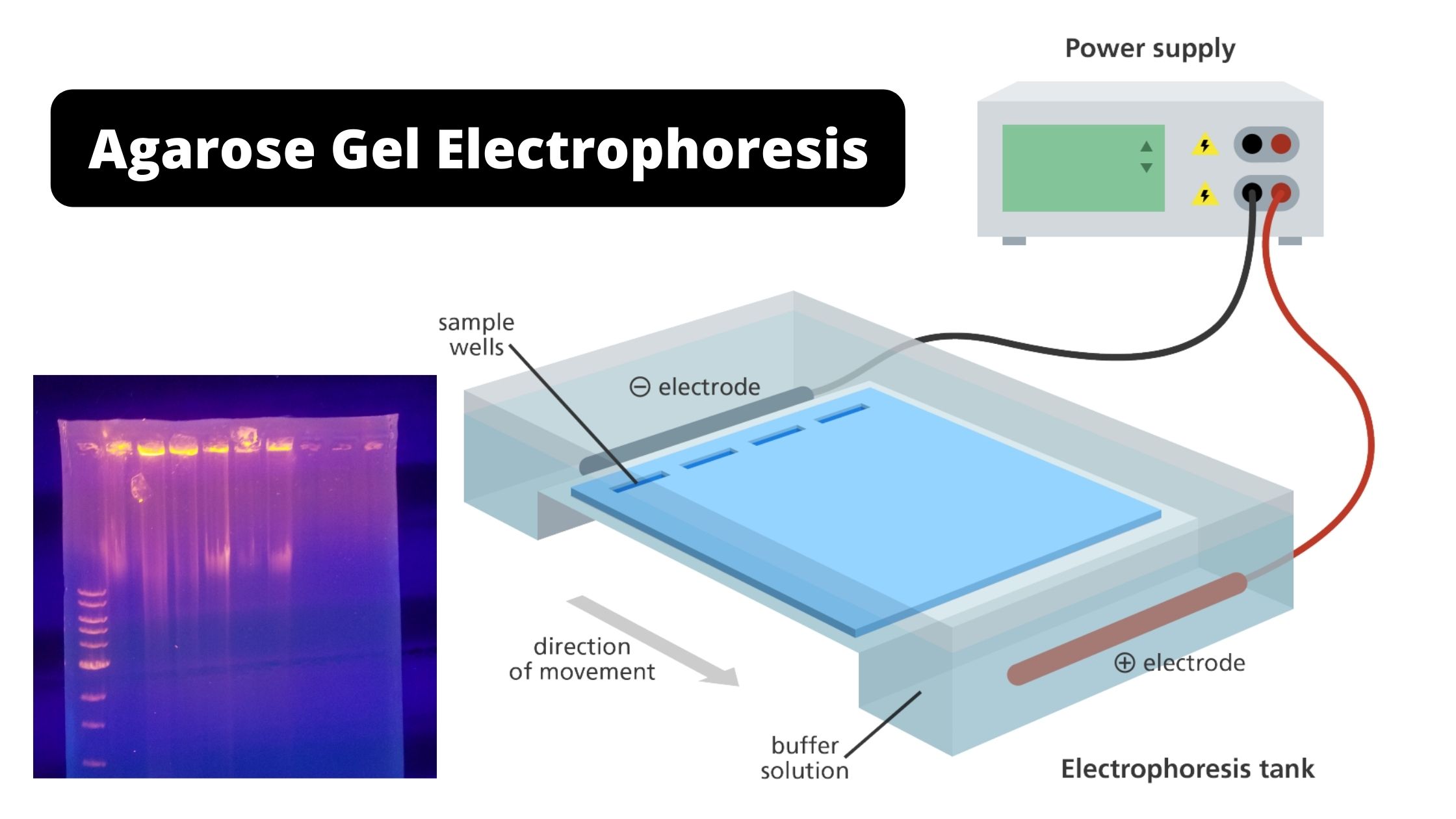
Agarose Gel Electrophoresis Definition, Principle, Procedure, Applications

Agarose gel electrophoresis (AGE) is an approach that is used to distinguish DNA from RNA based on their molecular sizes.
The separation of RNA and DNA molecules is accomplished when nucleic acids that are negatively charged travel through an agarose structure under an influence of an electrical fields (electrophoresis).

Hemocytometer and Haemocytometry

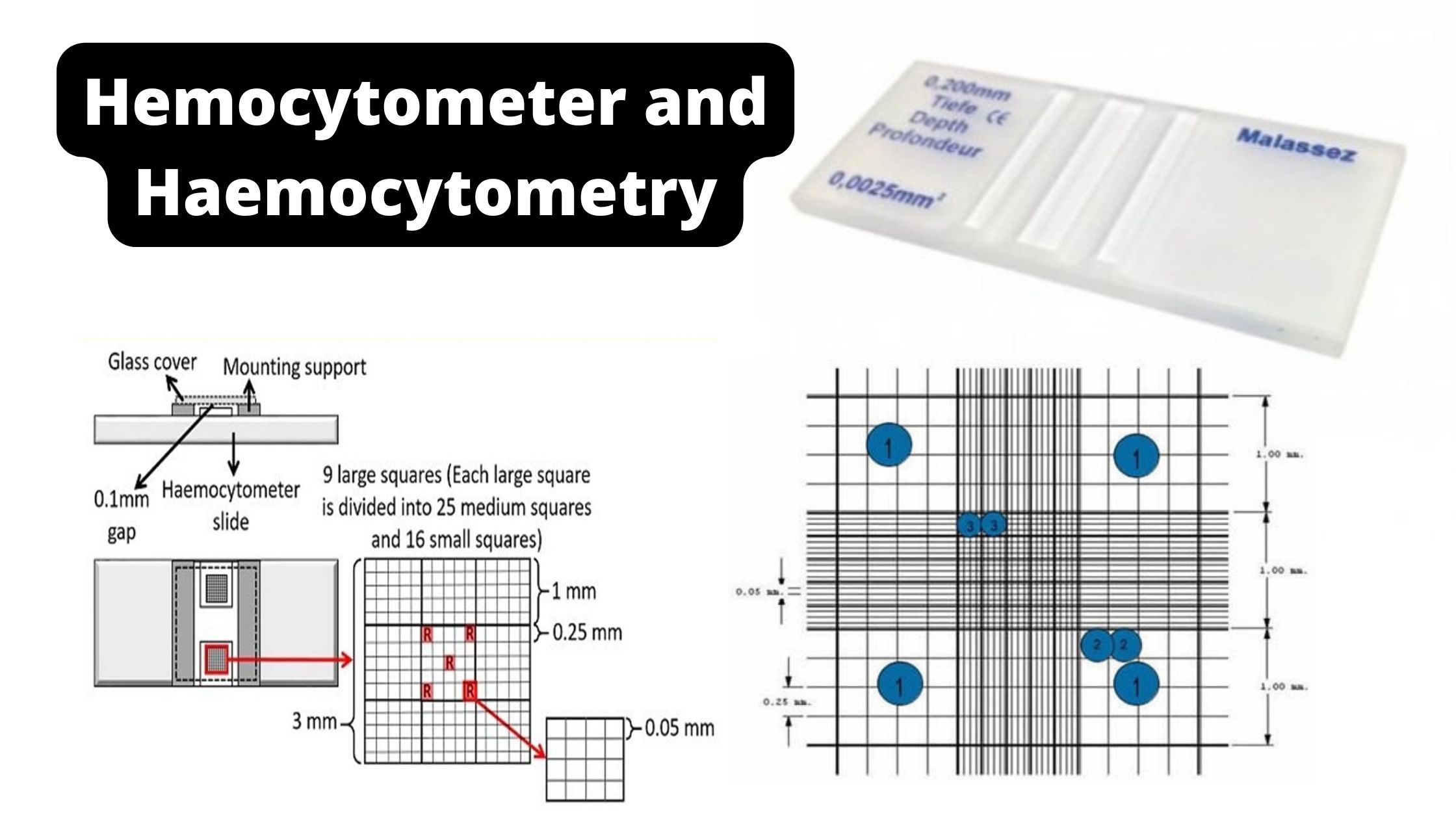
Hemocytometer and Haemocytometry

Despite all the technical advances in scientific laboratories, the Neubauer Chamber is still the most widely used method for cell counting worldwide. This technical data sheet was created to assist experienced and novice researchers in performing a cell count using a Neubauer or Hemocytometer. These principles can be applied to any cell-counting chamber. However, the … Read more

MacConkey Agar – Composition, Uses, Colony Characteristics

MacConkey Agar Composition, Uses, Colony Characteristics

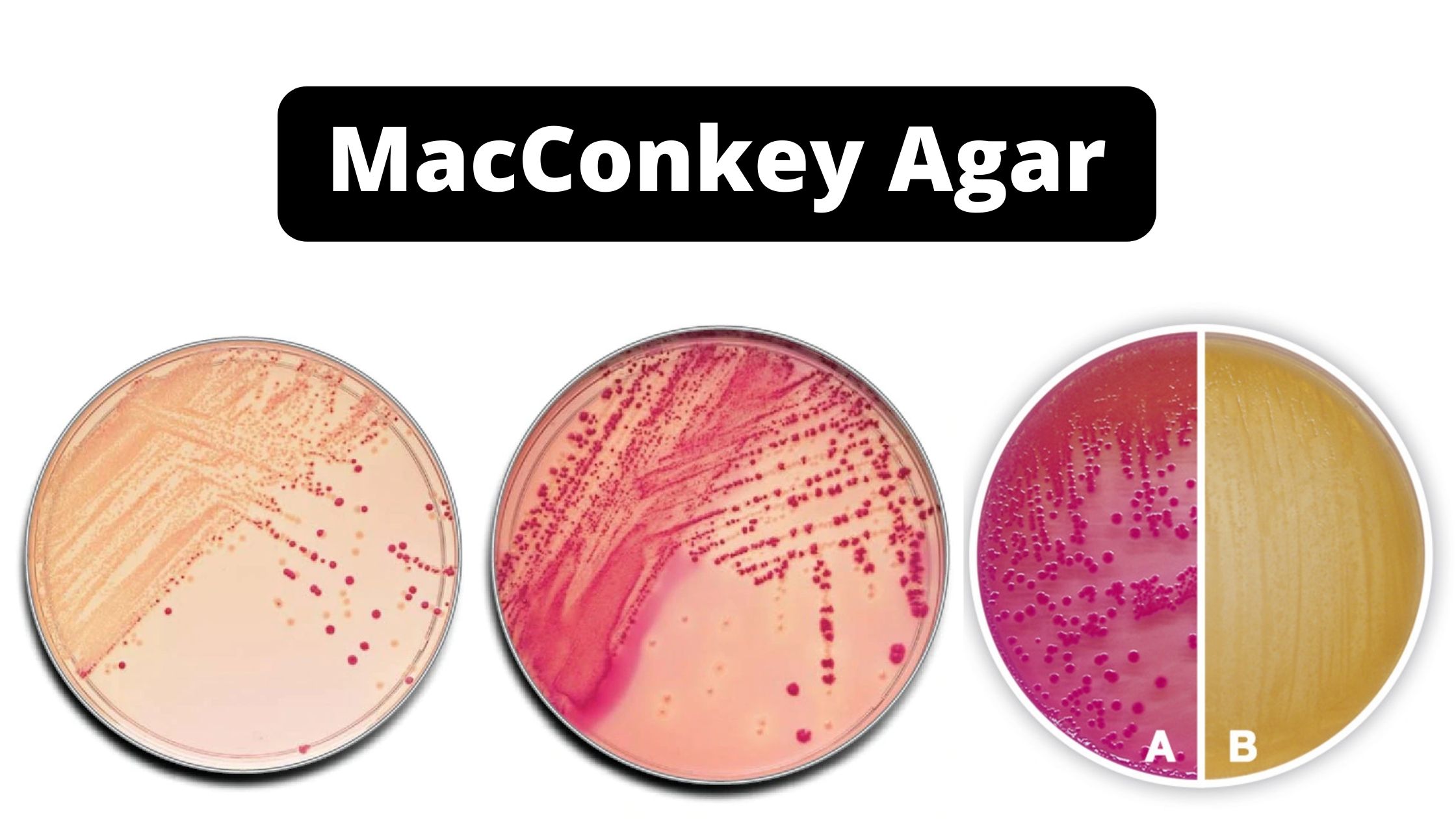
MacConkey Agar is a selective and differentiated culture medium widely used to isolate of Gram-negative enteric bacteria.
It is selective since it allows for the growth of gram-negative bacteria , and differentiating the bacteria that are gram-negative based on their metabolic process of lactose.

KOH Test (Potassium hydroxide test) Principle, Procedure, Results, Uses

KOH Test (Potassium hydroxide test) Principle, Procedure, Results, Uses

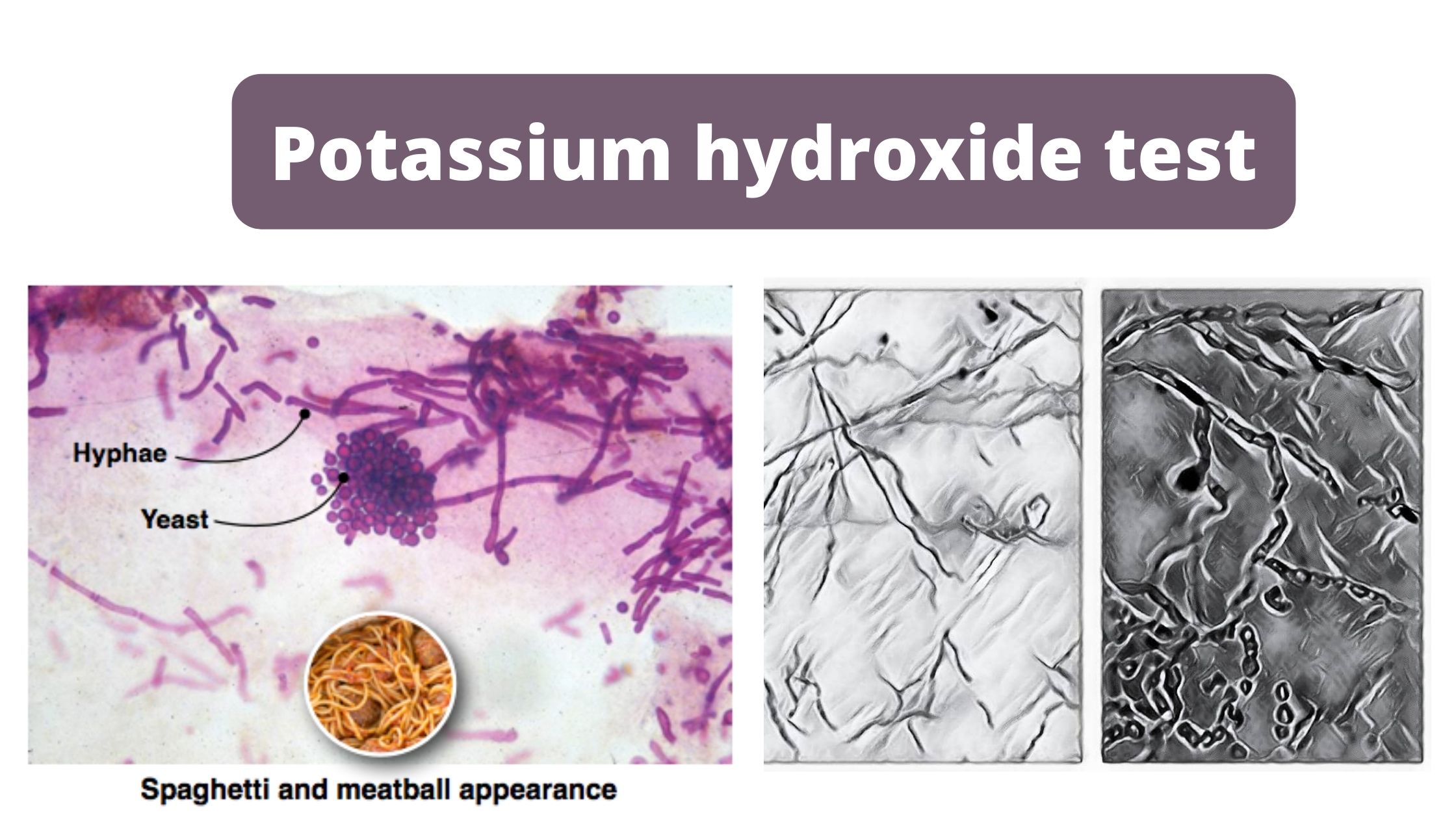
A KOH pre-test is a quick, non-invasive procedure to diagnose fungal infections that affect the nails or skin.
The cells are collected from the affected region and put on a slide using an acid composed of potassium hydroxide. They are looked at under a microscope in order to determine if there are evidence of the presence of a mold.

Bile Esculin Test Principle, Procedure, Result, and application.

Bile Esculin Test Principle, Procedure, Result, and application.

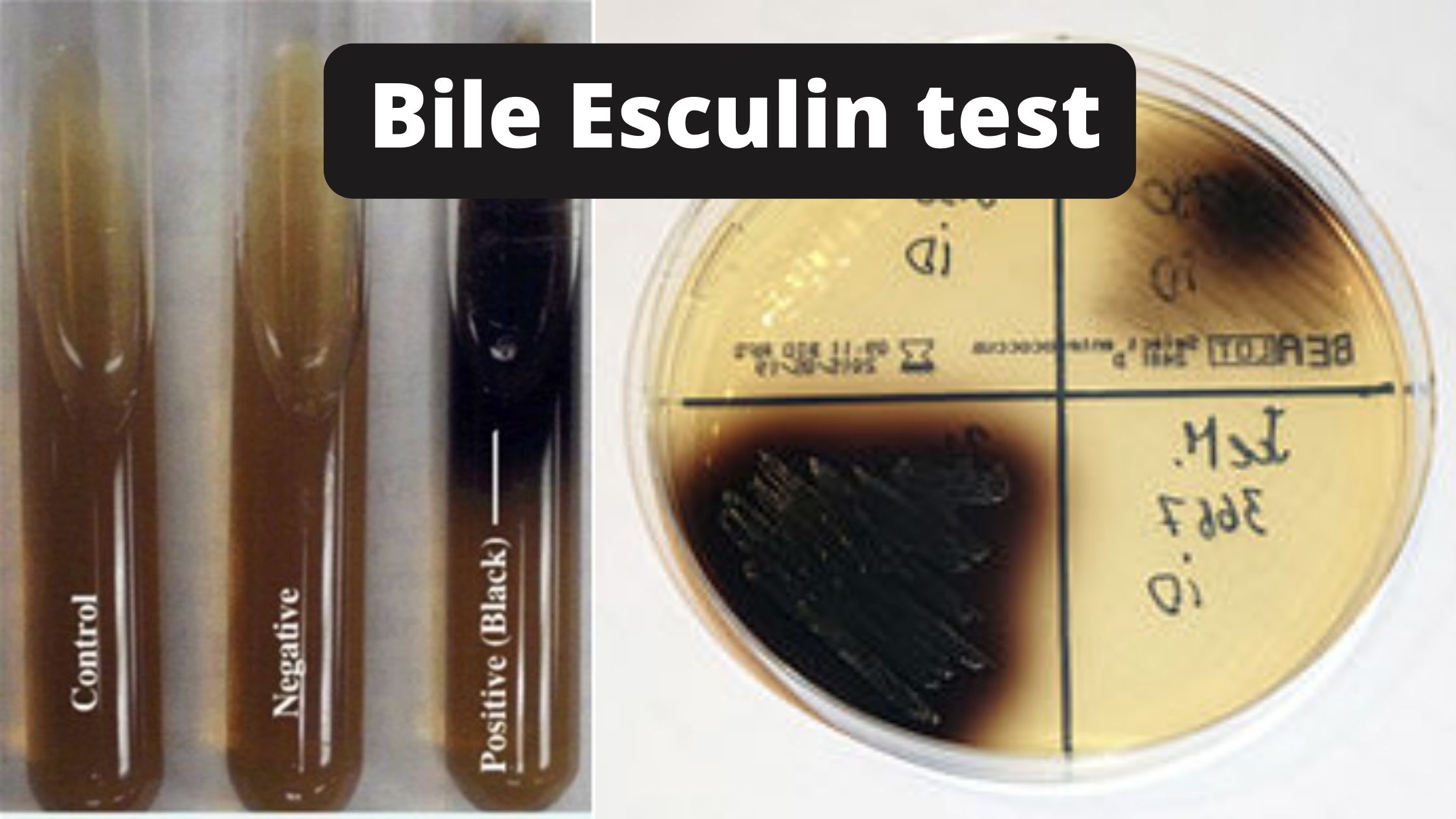
Bile Esculin test The Bile Esculin test is a biological test that is used to distinguish Enterococci from Group D Streptococci from non-group D viridans group Streptococci by their capacity to hydrolyze esculin. A variety of organisms are capable hydrolyzing esculin. But only a handful of them can do it when they are surrounded by … Read more