Welcome to Biology Notes Online! We are the BNO Team, dedicated to providing high-quality, accessible biology study notes for students and teachers alike. Our goal is to simplify complex biological concepts and present them in an easy-to-understand format, entirely free of charge. Whether you're preparing for exams, teaching a class, or simply passionate about biology, our comprehensive notes are designed to support your learning and teaching journey.
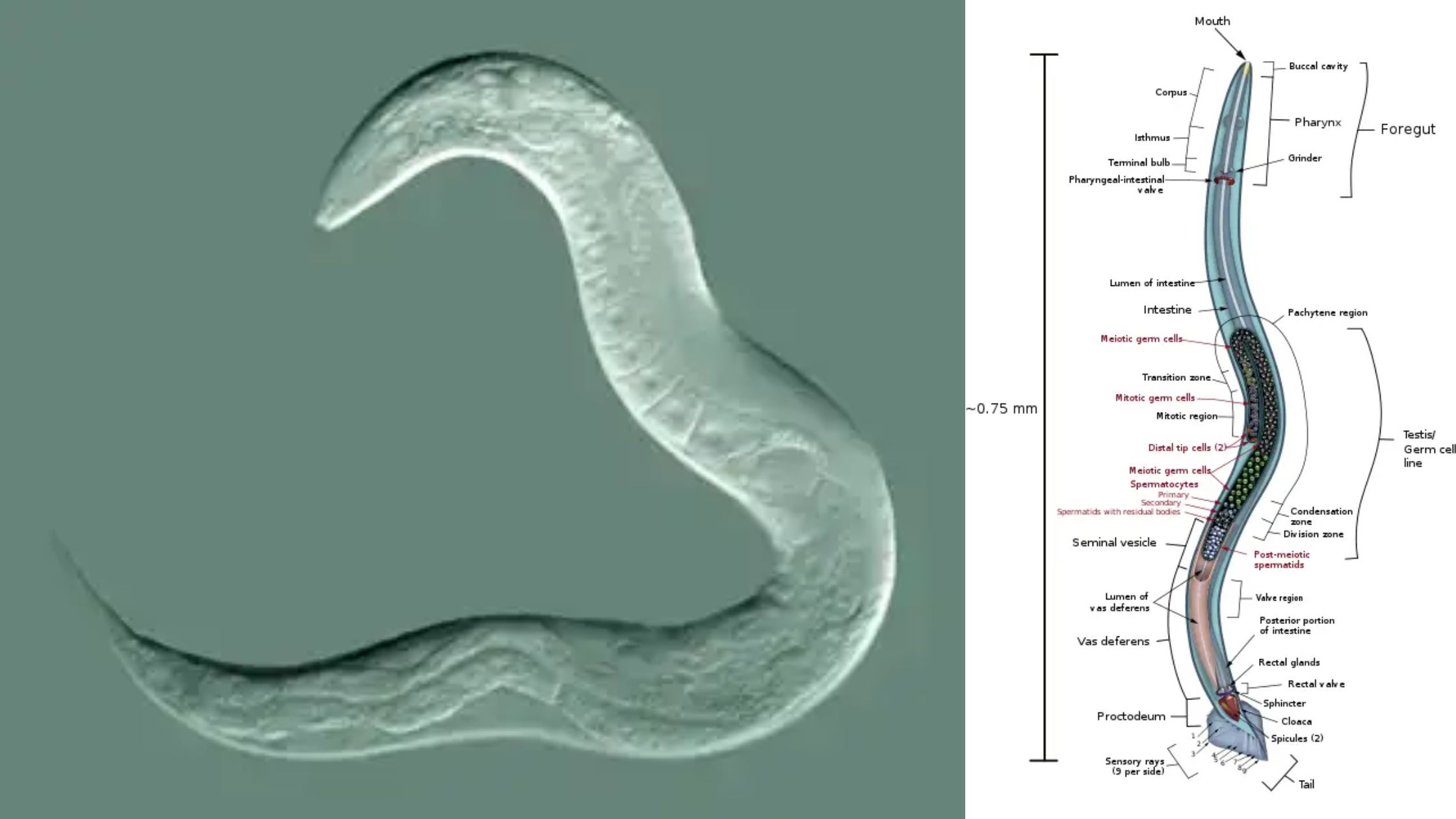
Under the lens of a microscope lies a world of wonder, and one of the fascinating creatures to observe is the humble worm. These ancient beings have been roaming the earth for hundreds of millions of years, evolving into the diverse forms we see today. In 2018, an article published in National Geographic unveiled the … Read more
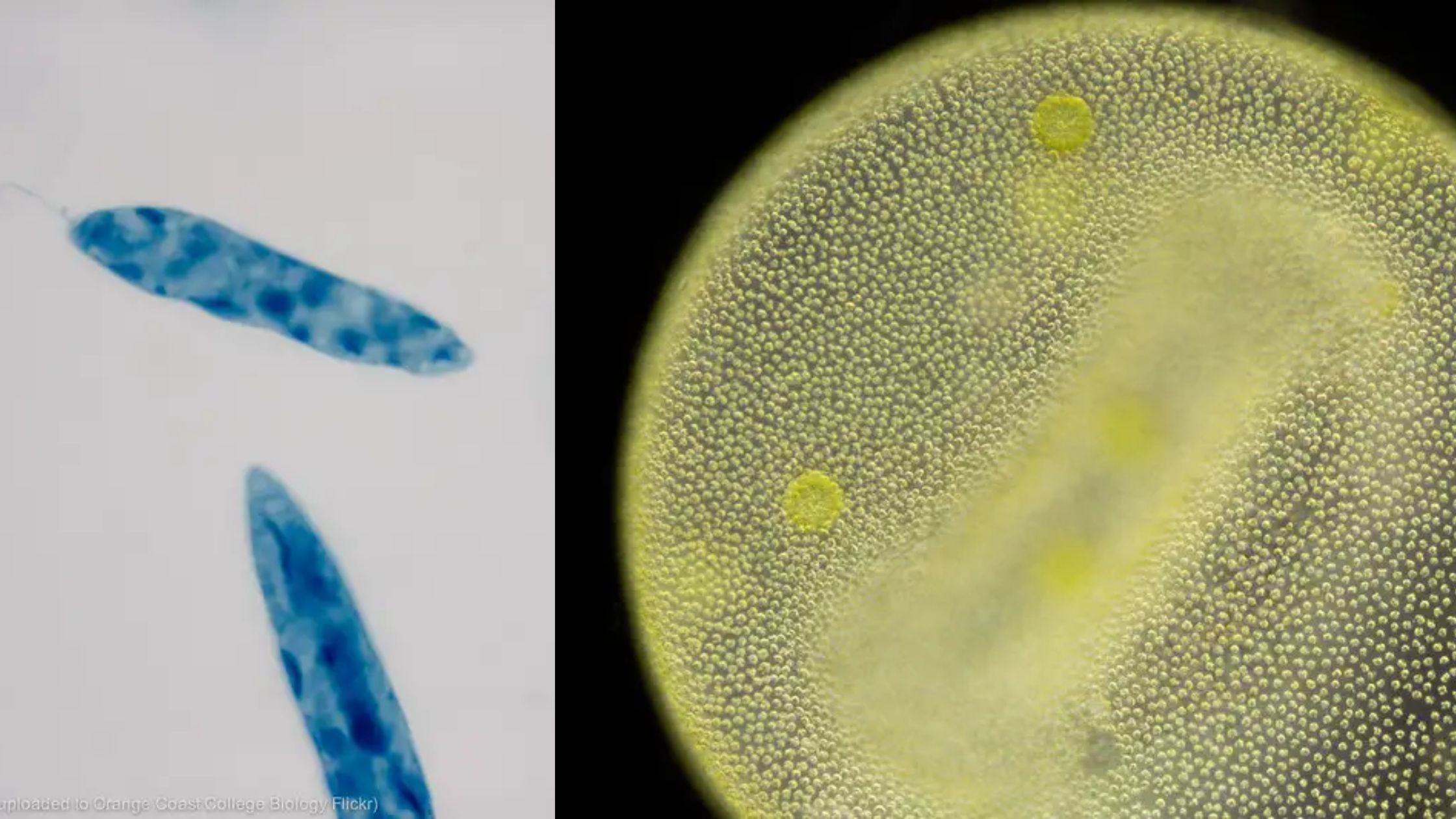
What is Protists? Protists are a group of eukaryotic organisms belonging to the Kingdom Protista. They are distinct from animals, plants, and fungi. While all protists are eukaryotes with a nucleus and cellular organelles, they can vary widely in their characteristics. The majority of protists are unicellular, although there are a few multicellular protists, with … Read more
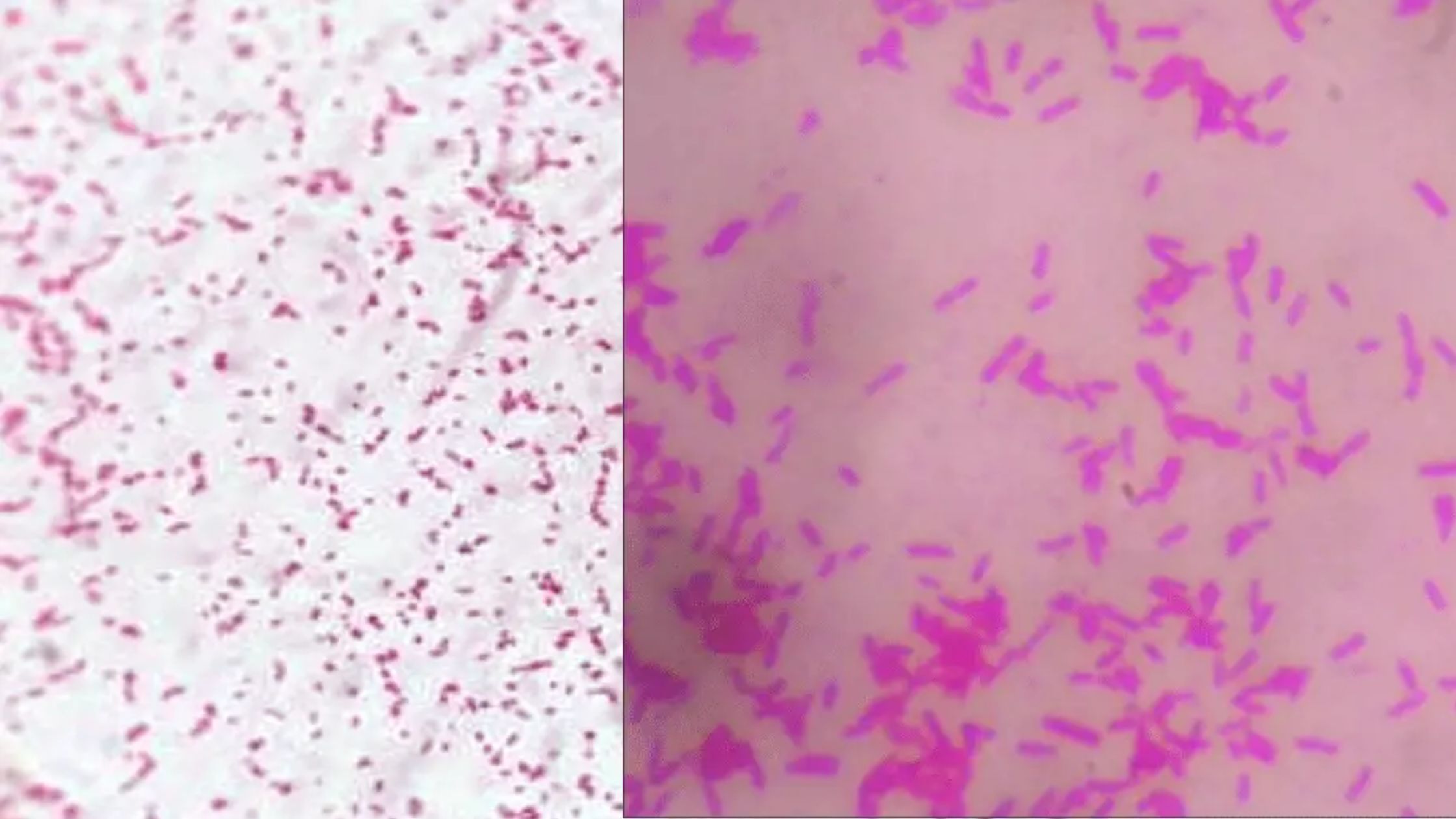
What is Salmonella? Salmonella is a group of gram-negative bacillus bacteria that is responsible for causing food poisoning and subsequent infections in the intestinal tract. While some infections can be effectively treated, there are certain strains that have developed resistance to antibiotics, making them potentially deadly. Consequently, Salmonella infections should not be underestimated and require … Read more
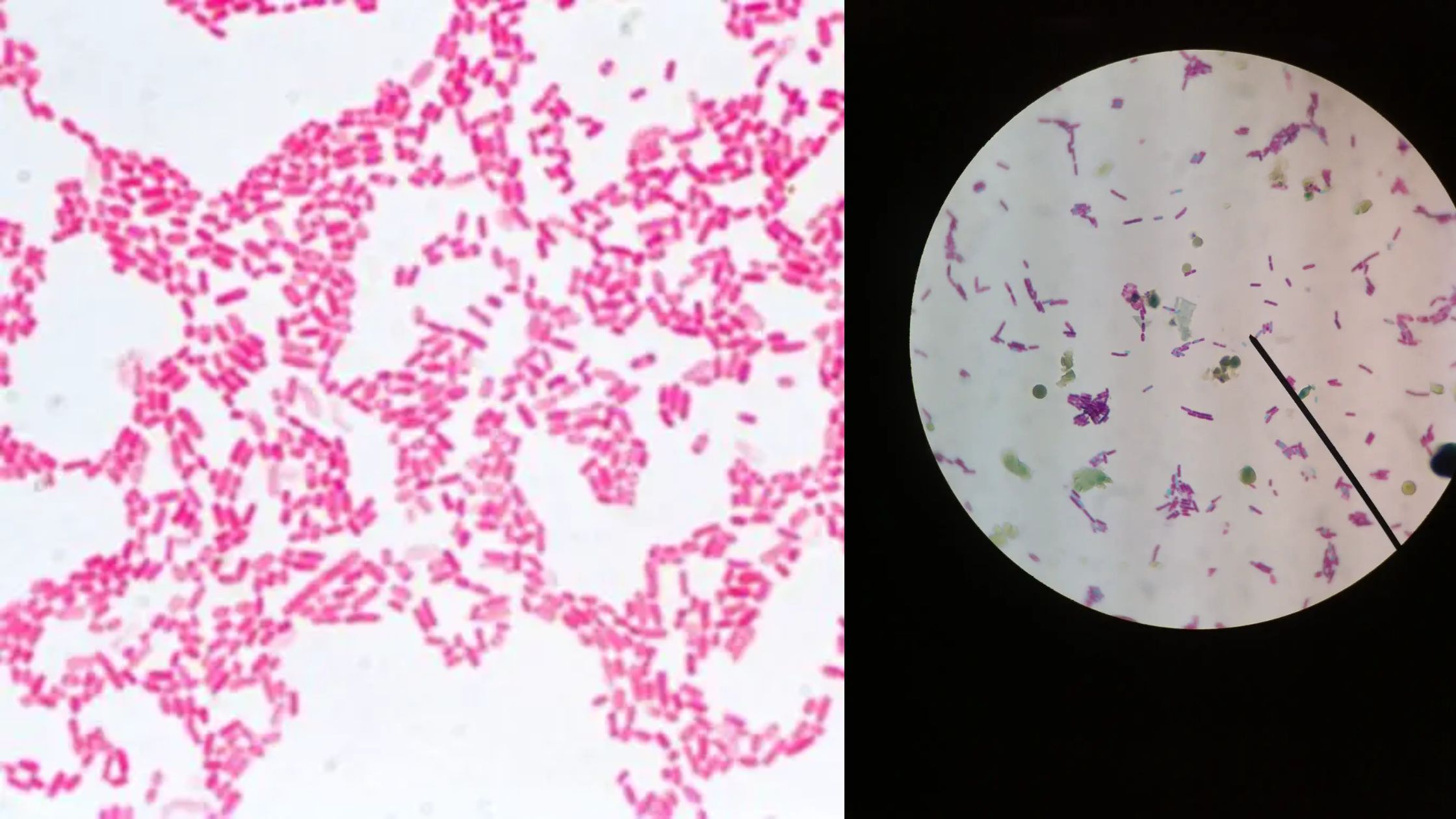
E. coli, short for Escherichia coli, is a versatile bacterium that can be found in a variety of environments, including certain foods, soil, and the intestines of animals, including humans. It belongs to the genus Escherichia and exhibits a wide diversity of strains. While many strains of E. coli are harmless and even beneficial, some … Read more
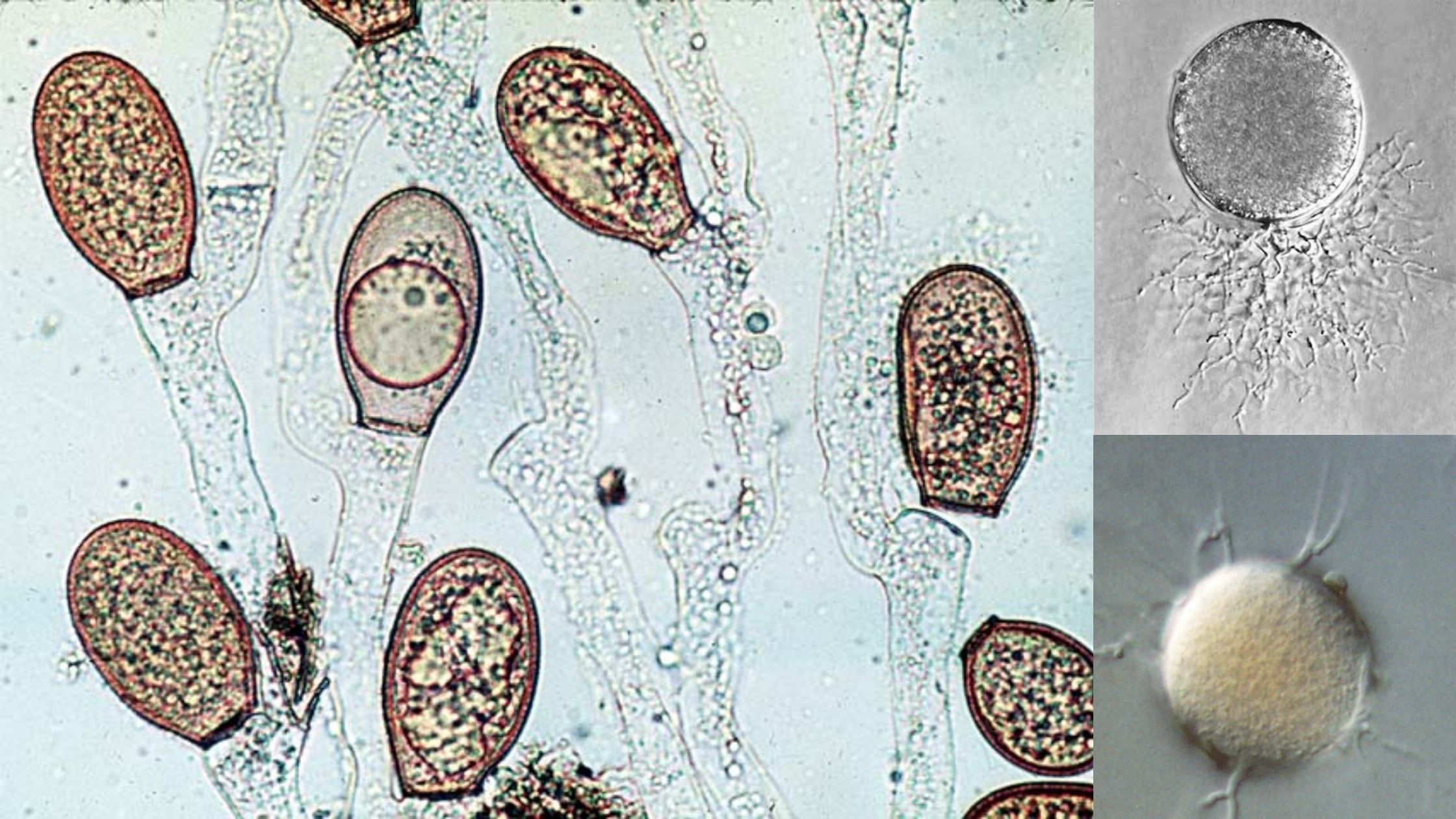
Chytridiomycota is a sub-group of zoosporic organisms from the kingdom Fungi. They are also known as chytrids. Named after the Ancient Greek word khutridion, which means “little pot”, it refers to the structure that contains unreleased zoospores. The earliest diverging fungal lineages are the Chytrids. Their membership in kingdom Fungi can be seen with chitin cell wall, posterior whiplash flagellum and absorptive nutrition. They also use glycogen to store energy and produce lysine through the a-amino acid (AAA).
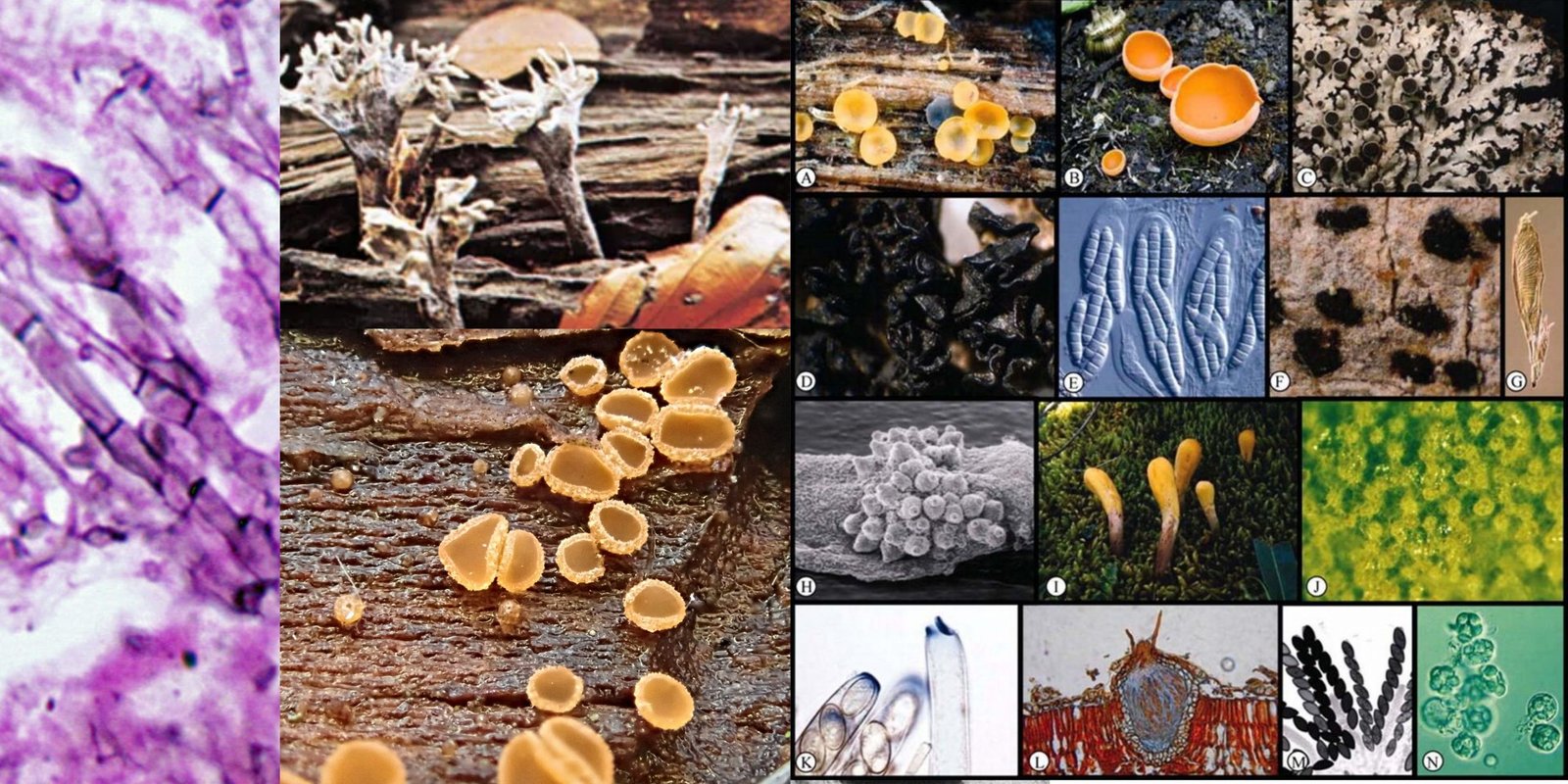
The Ascomycota sac fungi is monophyletic and comprises about 75% of the described fungi. It comprises the majority of fungi that mix together with algae to create lichens as well as the vast majority of fungi do not have morphological evidence for sexual reproduction. Among the Ascomycota are some famous fungi: Saccharomyces cerevisiae, the yeast of commerce and foundation of the baking and brewing industries (not to mention molecular developmental biology), Penicillium chrysogenum, producer of penicillin, Morchella esculentum, the edible morel, and Neurospora crassa, the “one-gene-one-enzyme” organism.
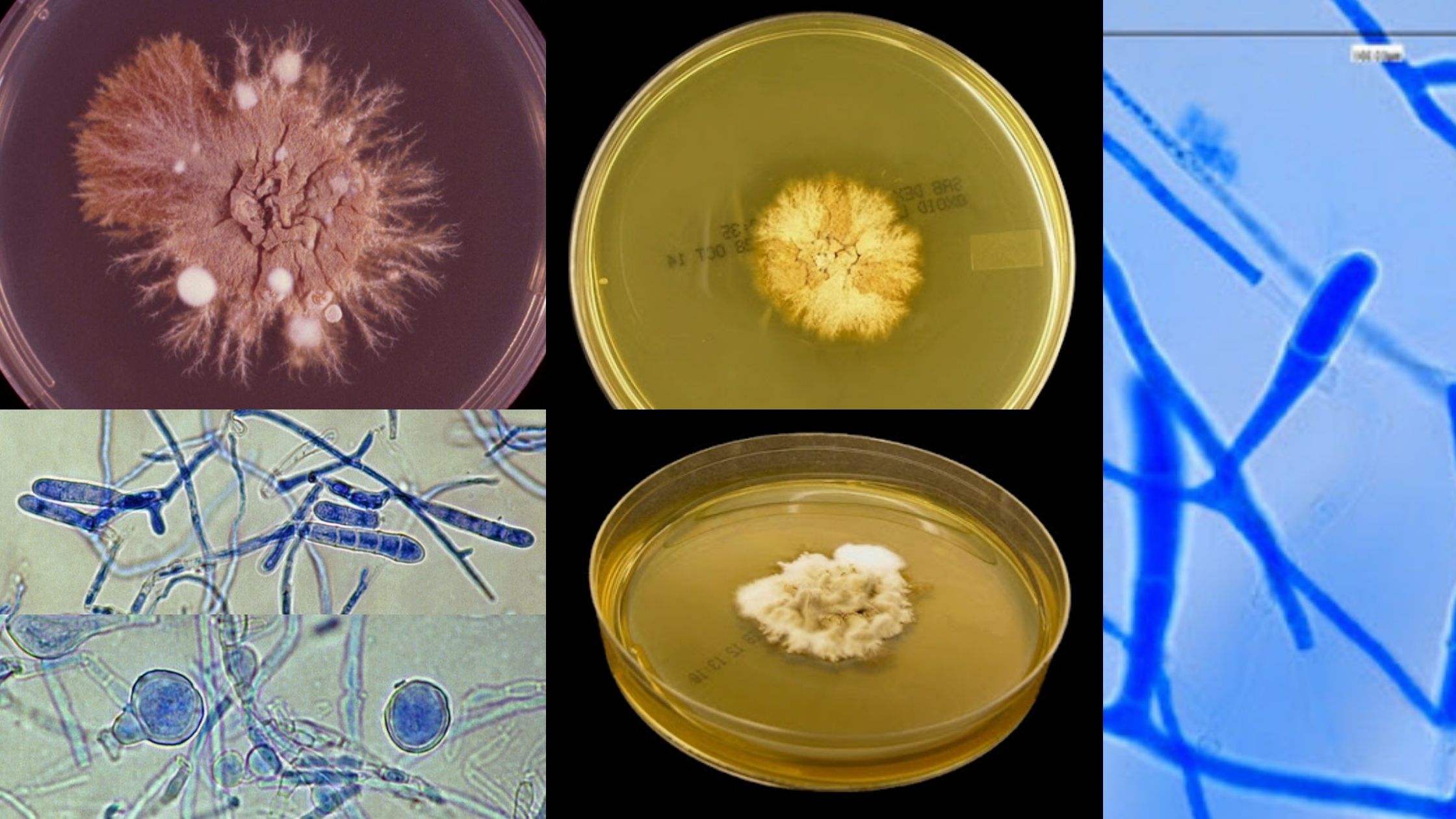
Epidermophyton floccosum is a type of filamentous fungus which causes nail and skin infection in human beings. The anthropophilic dermatophyte may cause diseases like tinea pedis (athlete’s foot) and tinea cruris, tinea corporis and even onychomycosis. The diagnostic methods for fungal infection are physical examination, testing for culture, and molecular examination. Treatment for fungal infections … Read more
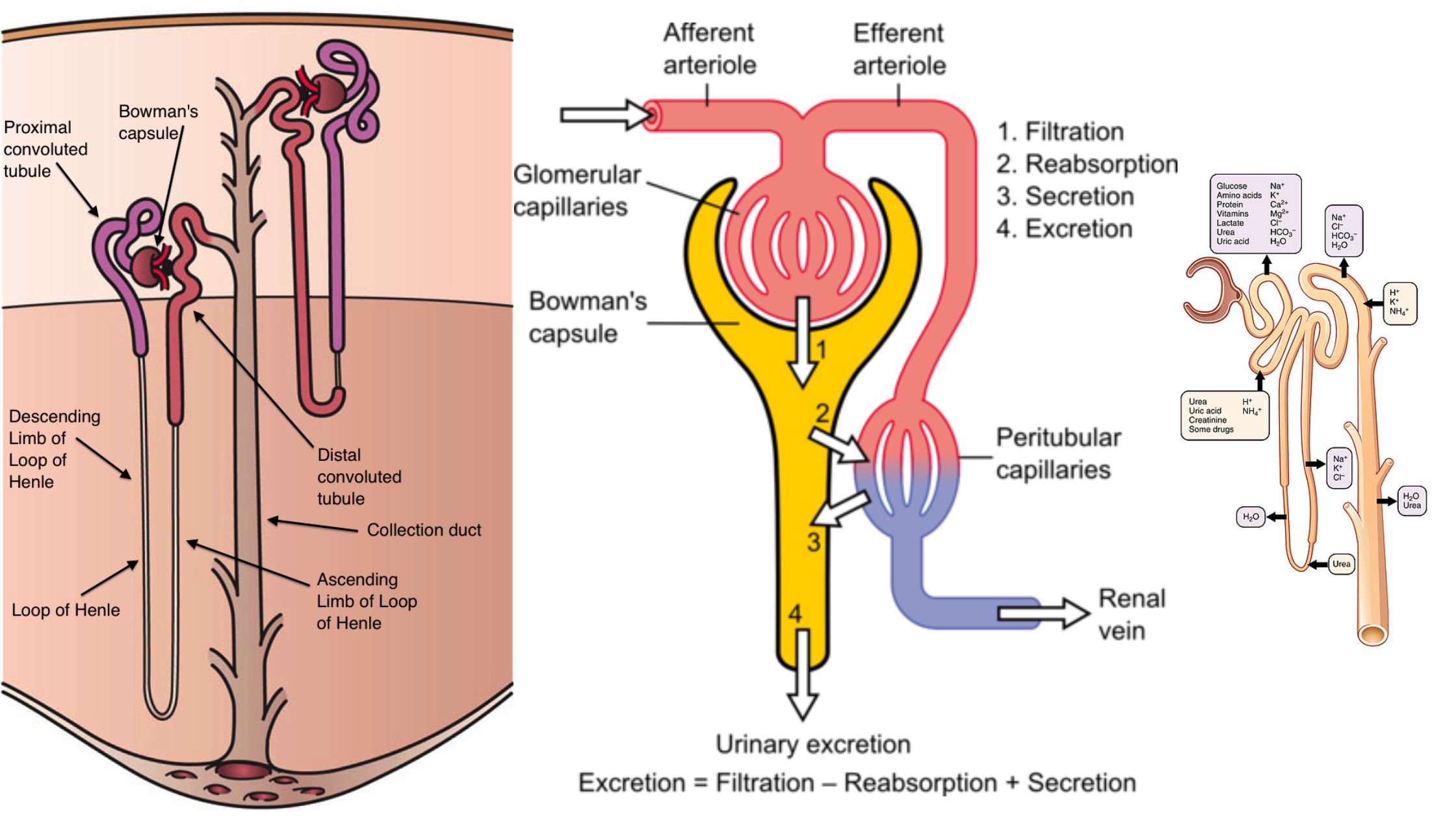
What is Nephron? Definition of Nephron A nephron is the basic functional unit of the kidney responsible for filtering blood and producing urine. It consists of a glomerulus (a cluster of capillaries) and a tubule, which processes the filtrate by reabsorbing water and essential substances while excreting waste products. Types of Nephron Nephrons, the functional units … Read more
In this article, we will discuss some important characters of algae. Algae is a photosynthetic eukaryotic organisms. They can be found everywhere such as soil, water, rocks, sands, etc. But most of them grow in the aquatic environment. Here is the some General Characters of Algae – Characters of Algae 1. Occurrence 2. Thallus organization … Read more