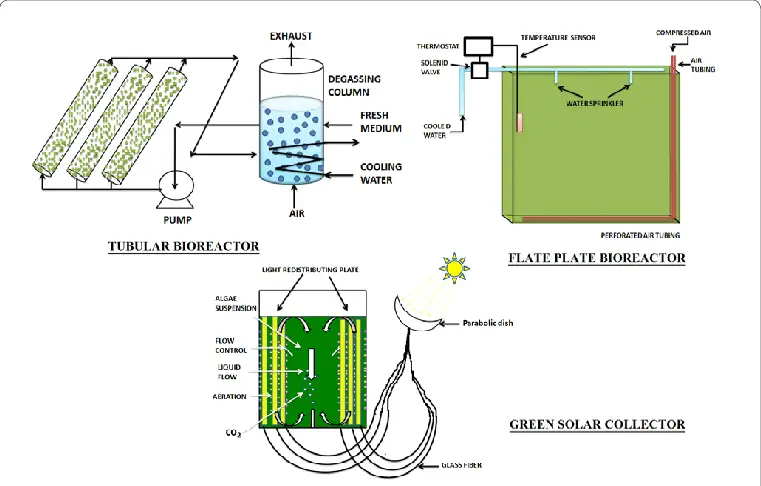
The Algae Bioreactor is a closed system that treats wastewater and produces biofuels using algae. The earliest commercial applications of algae bioreactors occurred in the 1960s for wastewater treatment. With the increasing global demand for alternative energy sources, the usage of algae bioreactors for biofuel production has risen to prominence in the 21st century. The
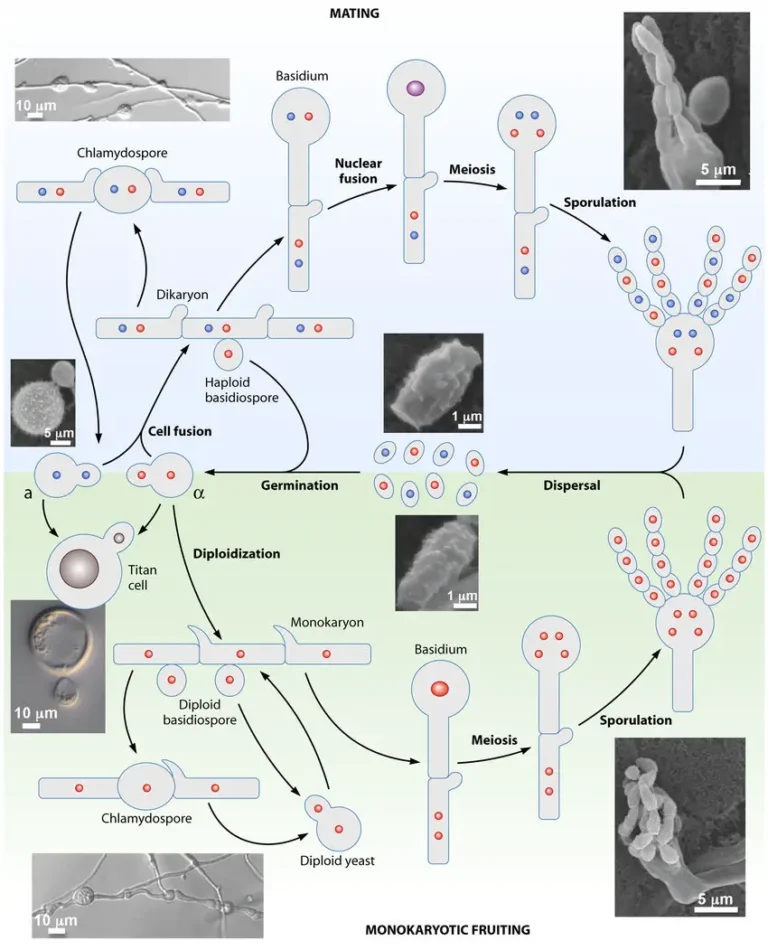
Characteristics of Cryptococcus neoformans Habitat of Cryptococcus neoformans Morphology of Cryptococcus neoformans Cultural characteristics of Cryptococcus neoformans Life Cycle of Cryptococcus neoformans Virulence Factors of Cryptococcus neoformans Cryptococcus neoformans is a fungal pathogen that causes life-threatening infections, primarily in immunocompromised individuals. Some of the virulence factors of Cryptococcus neoformans are: These virulence factors enable Cryptococcus neoformans to evade host
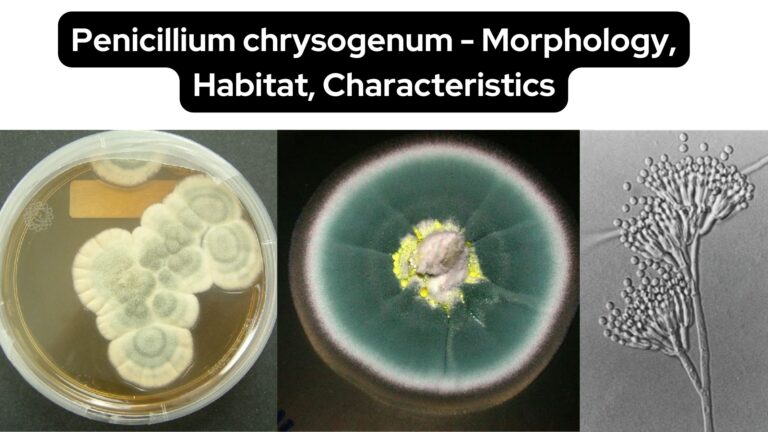
Kingdom: Fungi Division: Ascomycota Class: Eurotiomycetes Order: Eurotiales Family: Trichocomaceae Genus: Penicillium Species: P. chrysogenum Characteristics and significance Habitat of Penicillium chrysogenum Morphology of Penicillium chrysogenum Genome structure Cultural characteristics of Penicillium chrysogenum Penicillium chrysogenum has distinct cultural characteristics that can help identify it in a laboratory setting. Here are some of its cultural characteristics: Life Cycle of Penicillium chrysogenum
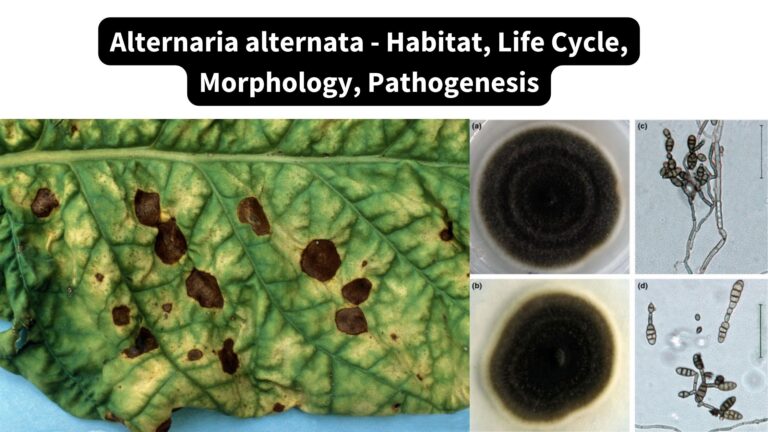
Alternaria alternata is a fungus that causes leaf spots, rots, blights, and other plant maladies. It is an opportunistic pathogen that affects over 380 plant species. Additionally, it can cause upper respiratory tract infections and asthma in immunocompromised humans. Classification of Alternaria alternata Kingdom Fungi Phylum Ascomycota Class Euascomycetes Order Pleosporales Family Pleosporaceae Genus Alternaria Habitat
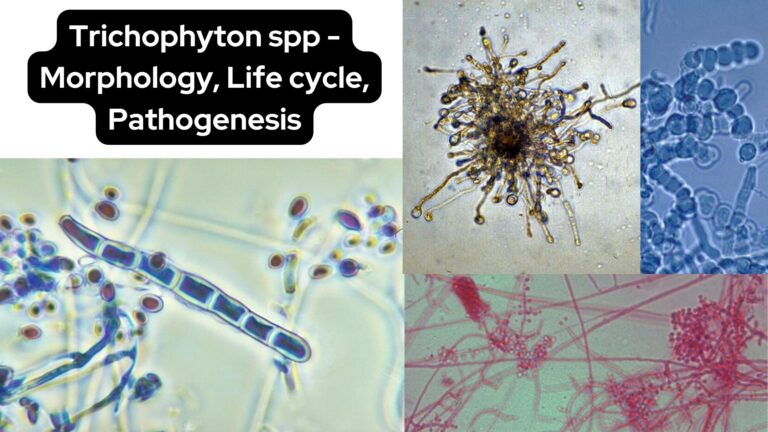
Trichophyton is a genus of fungi that comprises the parasitic species responsible for tinea, athlete’s foot, ringworm, jock itch, and similar infections of the nail, beard, skin, and scalp. Trichophyton fungi are characterized by the development of both macro- and microconidia with smooth walls. Macroconidia are thin- or thick-walled, clavate to fusiform, and range in
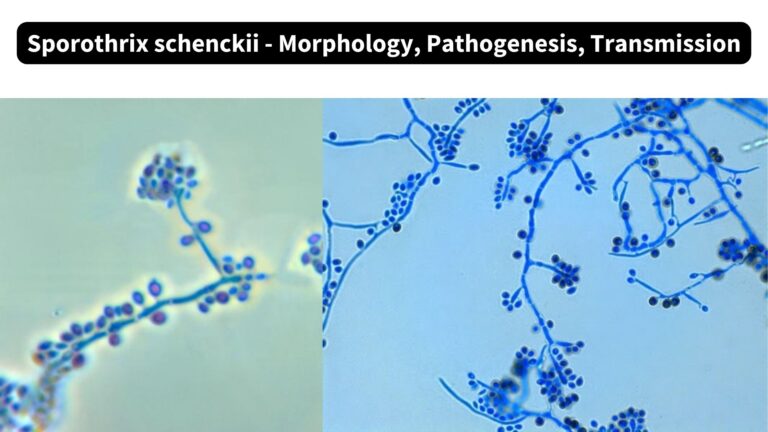
Sporothrix schenckii is a globally distributed fungus that was first isolated from a human specimen in 1896 by medical student Benjamin Schenck. The species is found in soil as well as on living and decaying plant matter, such as peat moss, and in soil. It is capable of infecting both humans and animals and is
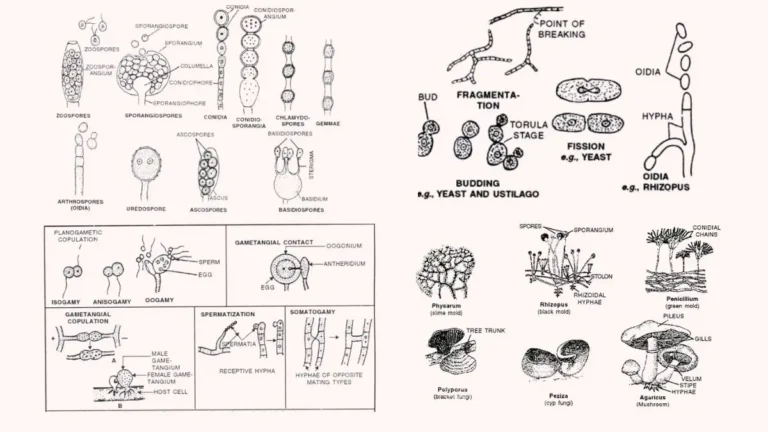
In this article, we will learn about the Types of Fungi and Their Reproduction. There are present 5 types of fungi such as Chytridiomycota, Zygomycota, Glomeromycota, Ascomycota, and Basidiomycota. Fungi reproduce by vegetative, sexual, and asexual method. The sexual reproduction is accomplished by the mating of haploid hyphae and form a diploid spore called a
In this article, we will learn about the Economic Importance of Fungi in agriculture, industries, medicine, etc. There are present a huge number of fungi, which has tremendous economic importance to humans. Every day we benefited or were harmed directly or indirectly by those fungi. They help in yielding antibiotics, maintain the soil fertility, cause
There are different modes of reproduction in fungi such as sexual, asexual, and vegetative modes of reproduction. There are involve different methods in asexual mode, sexual mode, and vegetative mode of reproduction, each of these methods are discussed below; Different modes of reproduction in fungi Mainly there are three types of reproduction in fungi such
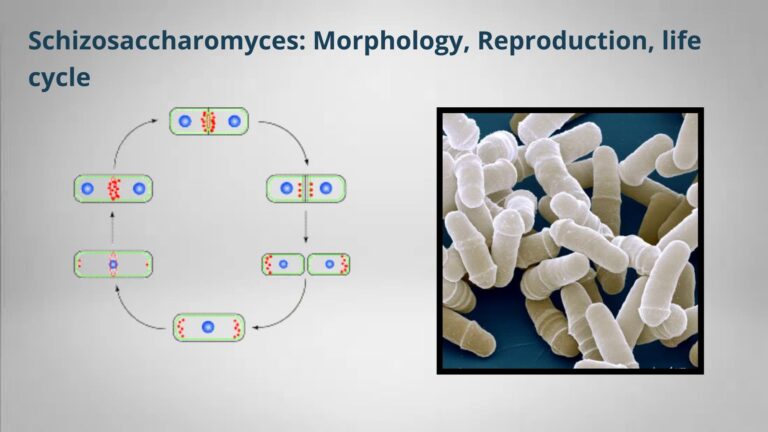
The S. octosporous contain a haploid somatic cell. During the favorable condition, cells undergo through asexual cycle known as fission and haplobiontic sexual cycle.