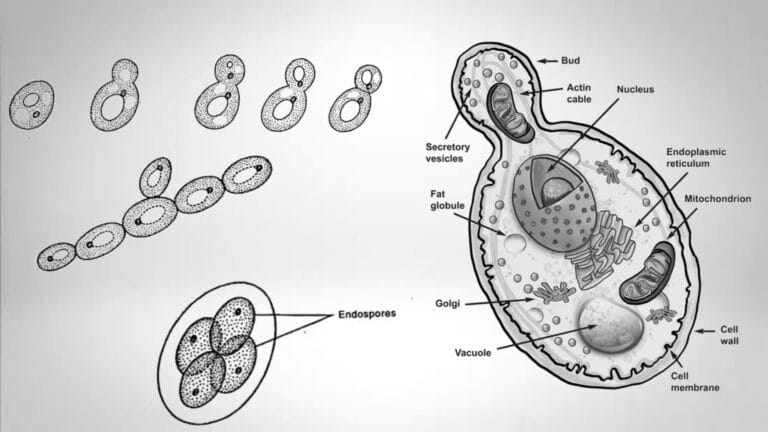
Yeast or Saccharomyces cerevisiae is a eukaryotic, unicellular microorganism and a member of the fungus kingdom. These are the unicellular microorganism which is evolved from multicellular ancestors.
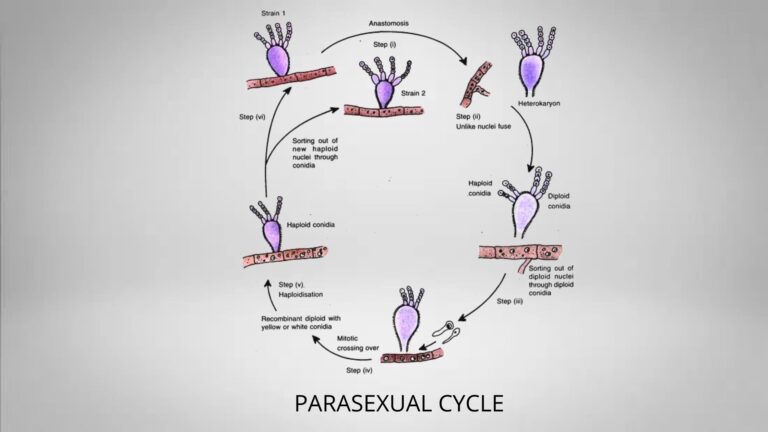
The Parasexual Cycle is defined as a cycle in which plasmogamy, karyogamy and meiosis (haploidisation) take place but not at a specified time or at specified points in the life-cycle of an organism.
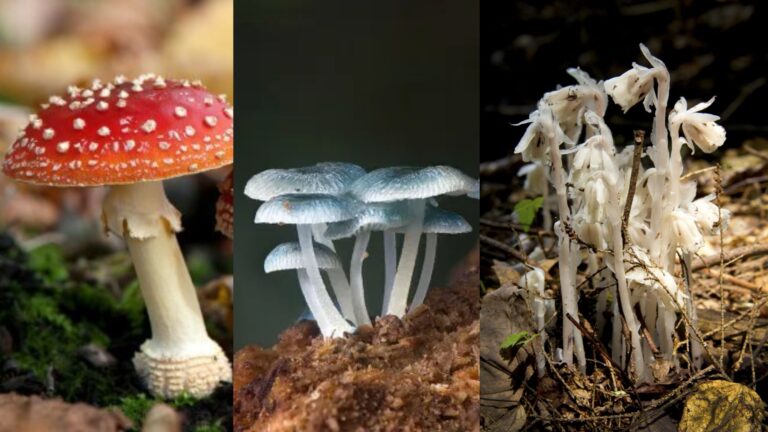
Sometimes referred to as saprotrophs saprophytes are organisms that receive nutrition from decaying and dead organic matter, particularly plant matter.
Hey, if you’re a student of microbiology then you’re familiar with the term Microsporum spp. but if you’re from another field I don’t think you’re familiar with the term. If you are familiar then let me know in the comment section. Now, let me explain you in a brief; There are some skin infections in
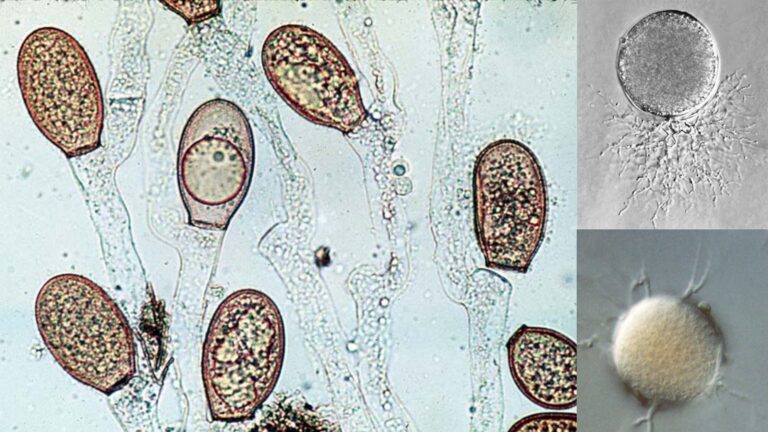
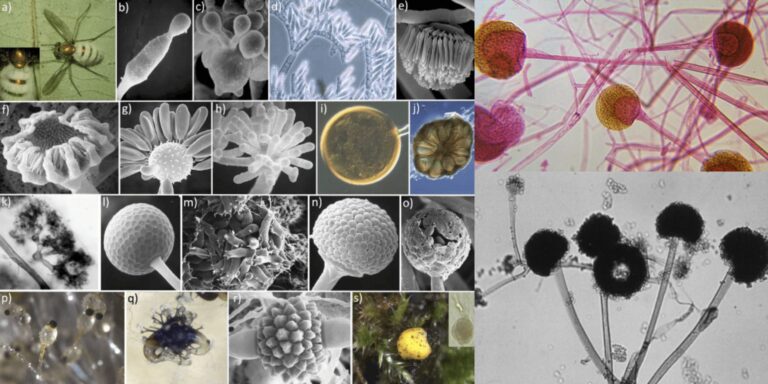
Chytridiomycota is a sub-group of zoosporic organisms from the kingdom Fungi. They are also known as chytrids. Named after the Ancient Greek word khutridion, which means “little pot”, it refers to the structure that contains unreleased zoospores. The earliest diverging fungal lineages are the Chytrids. Their membership in kingdom Fungi can be seen with chitin cell wall, posterior whiplash flagellum and absorptive nutrition. They also use glycogen to store energy and produce lysine through the a-amino acid (AAA).
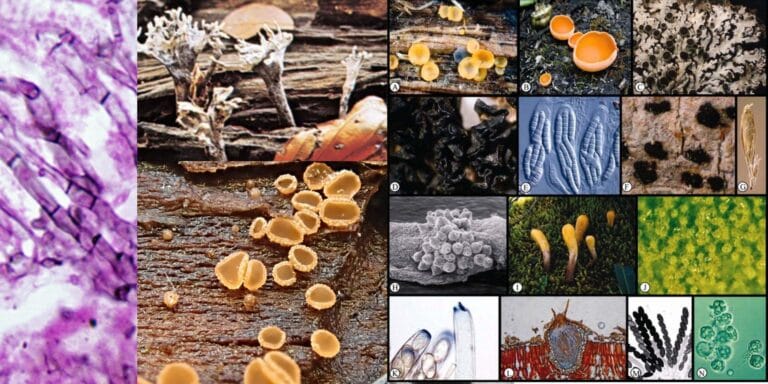
The Ascomycota sac fungi is monophyletic and comprises about 75% of the described fungi. It comprises the majority of fungi that mix together with algae to create lichens as well as the vast majority of fungi do not have morphological evidence for sexual reproduction. Among the Ascomycota are some famous fungi: Saccharomyces cerevisiae, the yeast of commerce and foundation of the baking and brewing industries (not to mention molecular developmental biology), Penicillium chrysogenum, producer of penicillin, Morchella esculentum, the edible morel, and Neurospora crassa, the “one-gene-one-enzyme” organism.
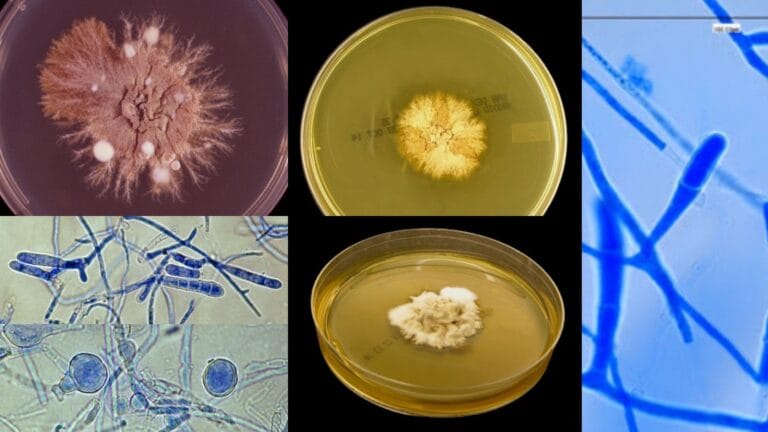
Epidermophyton floccosum is a type of filamentous fungus which causes nail and skin infection in human beings. The anthropophilic dermatophyte may cause diseases like tinea pedis (athlete’s foot) and tinea cruris, tinea corporis and even onychomycosis. The diagnostic methods for fungal infection are physical examination, testing for culture, and molecular examination. Treatment for fungal infections