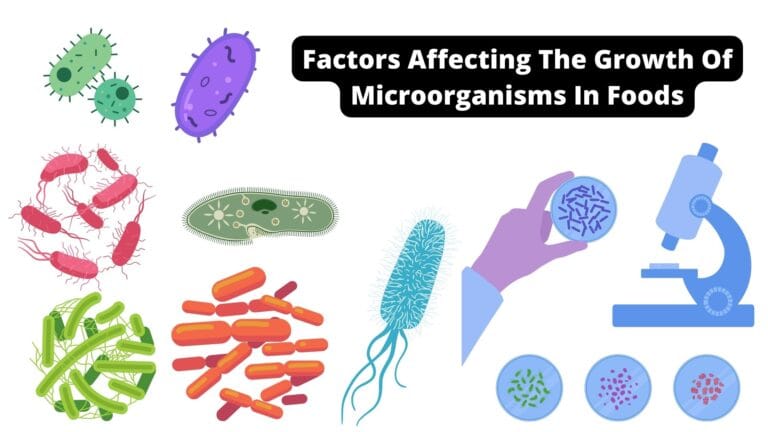
The growing plants carry a common microbiome on their surfaces. They could be contaminated by external sources. Animals too have a normal surface flora, as well as an intestinal one. They also release organisms through excretions and secretions. They can are also contaminated by outside sources. Animals and plants with parasitic diseases, of course, carry the pathogen responsible for the illness. The healthy tissues that are inside both animals and plants nevertheless are found to have a small number of living microorganisms or none at all.
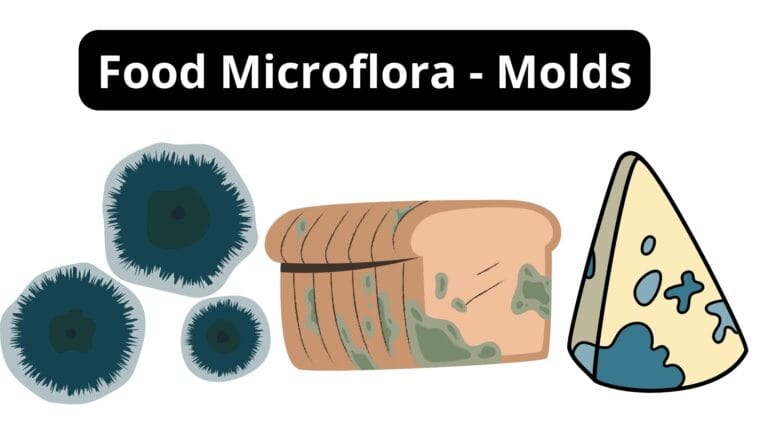
What are Molds? Morphological Characteristics of Molds In their classification and identification, they are based on their morphology (i.e. their form and structure as determined by their microscopic and macroscopic appearance). 1. Hyphae and Mycelium of Molds 2. Reproductive Parts or Structures of Molds (a) Asexual Spores of Molds (b) Sexual Spores of Molds These
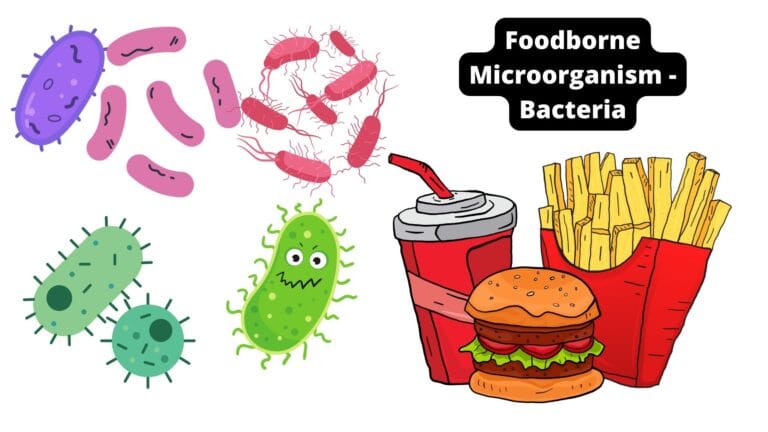
To identify bacteria in food, microscopic examination is the first step. It can determine the structure, shape, size, aggregation and staining reactions. These characteristics could be particularly important.
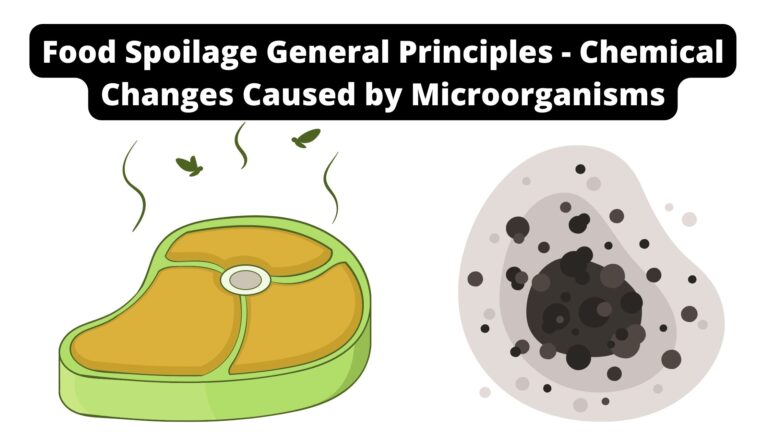
When food is called “spoiled”, it usually means that there is decay or decomposition of an unfavorable nature. Foods unfit for consumption are not considered spoiled. Spoiling could be caused by one or more of these:
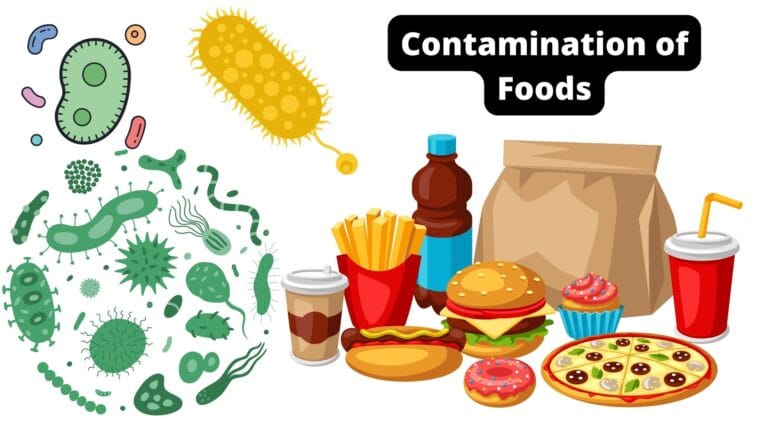
Unwanted microorganisms can cause food to be contaminated. The contamination is usually natural, but it can also be artificial. Natural contamination is when microorganisms attach to food during its growing stages. For example, Fruits are often contaminated by yeasts, which ferment the fruits’ carbohydrates. Artificial contamination is when food is improperly handled or processed.
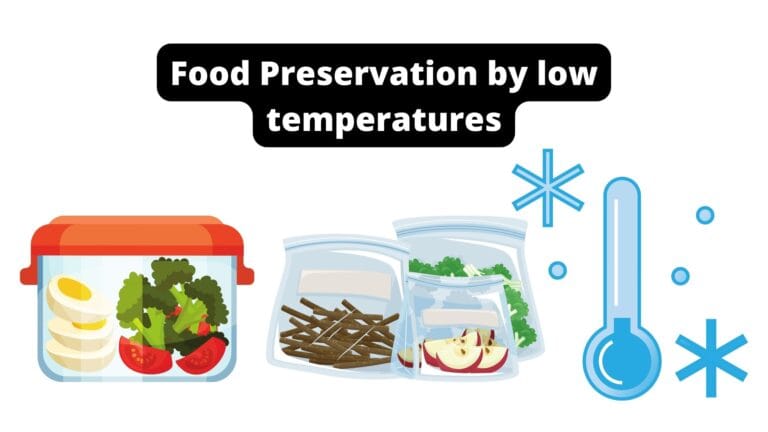
Low temperatures are employed to stop chemical reactions and the action of enzymes in food and to stop or slow the development and activities of microorganisms found in food items.
Food Preservation by Drying Purpose of drying The purpose of drying in food processing is multi-fold and serves several important functions. Here are the key purposes of drying: Principle of Preservation by Drying/ Dehydration/ Concentration The principle of drying in food processing is based on the state of water in the food and its effect
Interactions between microorganisms, animals, and plants are constant and natural. The ecological function of microorganisms and their role in the various biochemical cycles of nature are clearly documented. The human food supply is primarily composed of animals and plants or products that are derived from them, it’s reasonable to assume that the food we consume may contain microorganisms that interact with food.