Botulism Food Poisoning by Clostridium botulinum

Botulism Food Poisoning by Clostridium botulinum

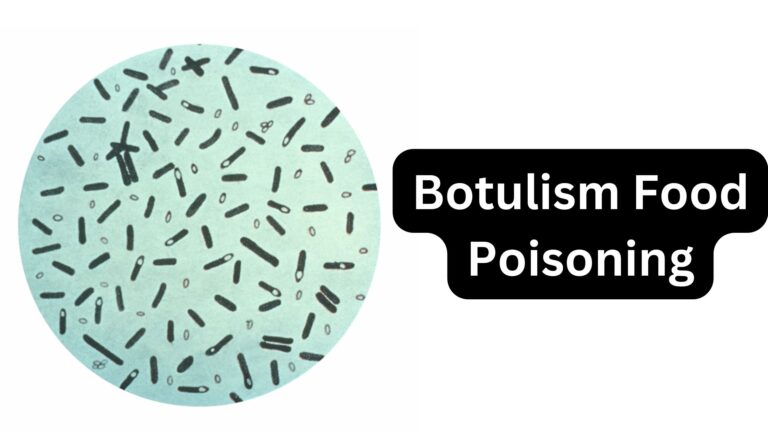
What is Botulism Food Poisoning? Botulism food poisoning is a severe and potentially life-threatening illness caused by the consumption of food contaminated with botulinum neurotoxins (BoNTs). Here are the key points about botulism food poisoning: Preventing botulism food poisoning involves proper food handling and storage practices, such as ensuring adequate heat treatment during cooking, avoiding
Microbial spoilage of fish and fish products and its preservation

Microbial spoilage of fish and fish products and its preservation

Contamination of Fish and Other Seafoods Contamination of fish and other seafood can occur through various factors throughout the harvesting, handling, and processing stages. Understanding these potential sources of contamination is crucial for ensuring the safety and quality of seafood products. Here are some key factors that contribute to the contamination of fish and other

Preservation, and Spoilage of Milk and Milk Products

Preservation, and Spoilage of Milk and Milk Products

Milk and milk products that provide nutrition have been of fundamental importance since ancient times. These are aids for improving the economic status of farmers and sellers, as well as the health of consumers. However, microbial contamination may cause these products to spoil, resulting in the potential loss of not only producers and sellers, but

Preservation, and Spoilage of Vegetables and Fruit

Preservation, and Spoilage of Vegetables and Fruit

Contamination of Vegetables And Fruit Preservation of Vegetables  Microorganisms on the surfaces of freshly picked fruits and vegetables comprise not just the regular surface flora, but also microorganisms from the soil and water, and possibly plant diseases. Additionally, a variety of moulds and occasionally a few yeasts may be present. Some germs may thrive between

Foodborne Microorganism – Yeasts

Foodborne Microorganism - Yeasts

The term “yeast”, which is similar to mold, is often used, but it can be difficult to define. It refers to fungi that are not filamentous, but unicellular, ovoid, or spheroid, and can reproduce by budding and fission. Yeasts can be beneficial or harmful to foods. Yeast fermentations play a role in the production of bread, wine, vinegar, and surface-ripened dairy products. Yeasts can be grown for enzymes or for food. When yeasts cause spoilage in sauerkraut, fruit juices and sirups as well as honey, jellies, meats and wine, they are considered undesirable.

Contamination, Preservation, and Spoilage of Cereals and Cereal Products

Contamination, Preservation, and Spoilage of Cereals and Cereal Products

What is spoilage? Contamination of Cereals and Cereal Products Contamination source of cereal products Cereal products, such as grains and flour, can be susceptible to contamination from various sources throughout their production and supply chain. Understanding these potential sources is crucial for ensuring the safety and quality of these food items. Here are some common

Preservation and Spoilage of Sugars and Sugar Products

Preservation and Spoilage of Sugars and Sugar Products

Contamination Of Sugars And Sugar Products Sucrose  Maple Syrup  Honey  Candy  Preservation Spoilage Sucrose During the production of sugar, the original cane or beet juice becomes increasingly purified toward sucrose and the concentration of sugar in solution increases until crystalline sugar and high-sugar molasses are produced. The more pure a product is, the less suitable