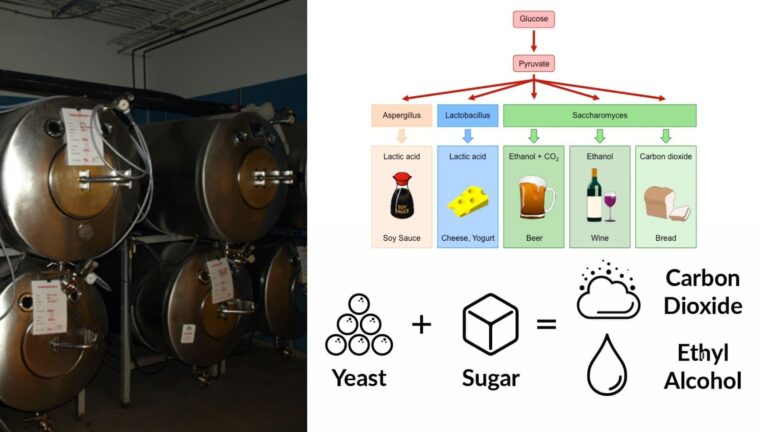
Fermentation is among the oldest techniques for processing food. The term “fermentation” refers to a procedure where chemical changes take place in organic substrates through the action of enzymes created by microorganisms. For instance yeast enzymes transform starches and sugars into alcohol, and proteins are transformed into peptides or amino acids. The fermentation process takes place without oxygen which produces ATP (energy).
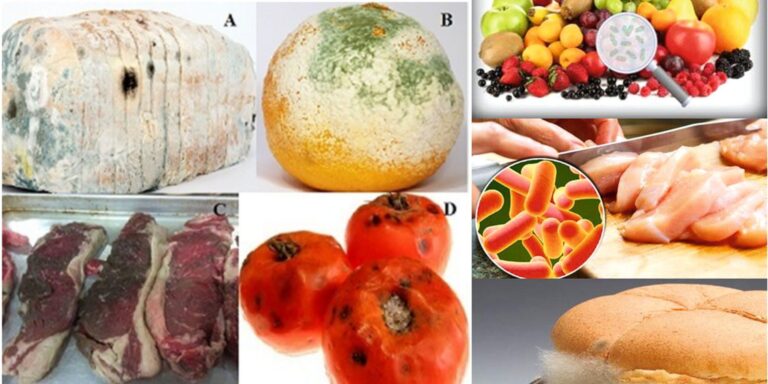
Food spoilage is the result of a metabolic process which causes food products to become unpalatable or inedible for human consumption because of changes in the sensory attributes.
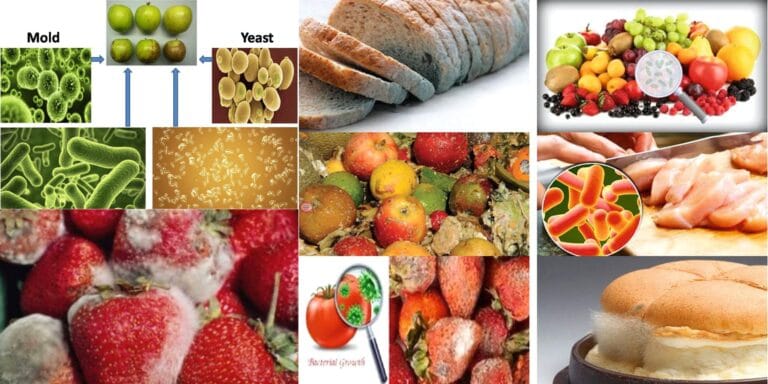
Chemical reactions that produce sensual changes that are offensive in food are controlled by a wide range of microbes that utilize food as a source of carbon and energy source. The organisms that cause these changes comprise prokaryotes (bacteria) as well as single-celled organisms that lack defined nuclei and organelles, as well as eukaryotes unicellulated (yeasts) as well as multicellular (molds) organisms that possess organelles and nuclei.
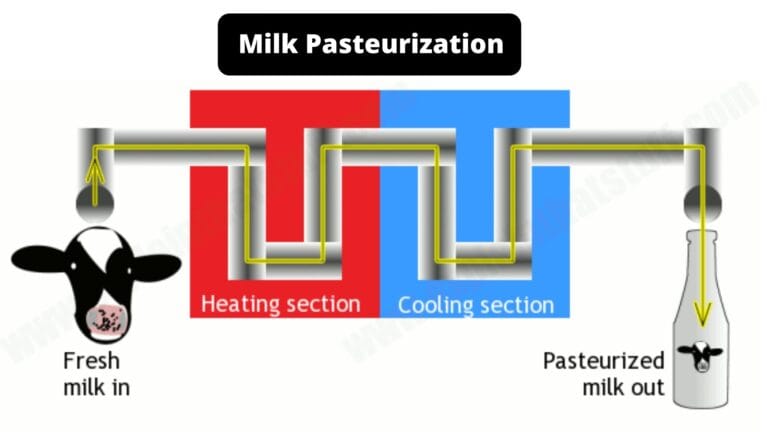
Pasteurisation was developed by an French Scientist known as Louis Pasteur during the nineteenth century. Pasteur realized that warming milk up to a high temperature , then cooling it quickly prior to packaging or bottling could preserve it for a longer time.
Facts of Bacterial Food Poisoning What is Bacterial Food Poisoning? Causes of Bacterial Food Poisoning Bacterial food poisoning mainly occurs by eating contaminated foods. the contamination of food with the bacterial toxin or chemicals can be occurred by; Symptoms of Bacterial Food Poisoning If you have bacterial food poisoning, you probably won’t go unnoticed. Symptoms