Budding and Binary Fission are two different forms of asexual reproduction in fungi and bacteria, and. Binary fission can be present in prokaryotes. Budding can be found in the eukaryotes. The primary difference between binary fission as well as budding is that, during binary fission, the parent organism is split into two daughter organisms through
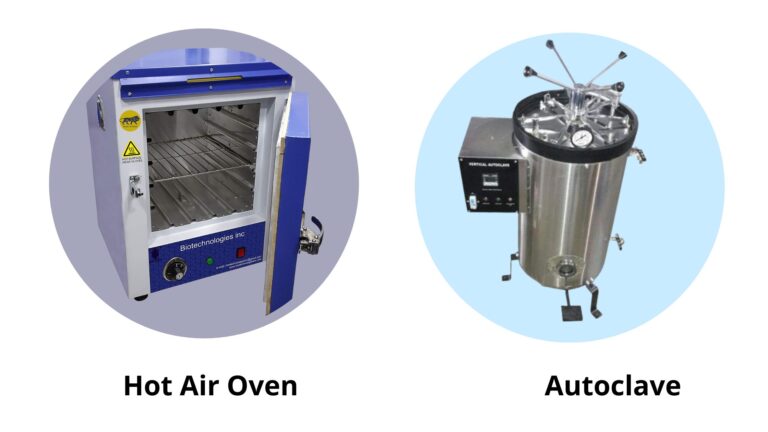
Through technological advances, The methods for sterilization have changed throughout the decades. There are now many different methods of sterilization employed in laboratories. However, autoclaving using steam is the most popular method for sterilization in the majority of labs. Although autoclaving is a clean rapid, reliable, and cost-effective method of sterilization, without any environmental risks and risks, it is still utilized most often in hospitals. However, there are three commonly employed methods of sterilization that are used: the steam autoclave unsaturated chemical-vapor sterilizer as well as the dry heat sterilizer. This article will only focus on steam autoclaves and dry heat sterilization techniques.
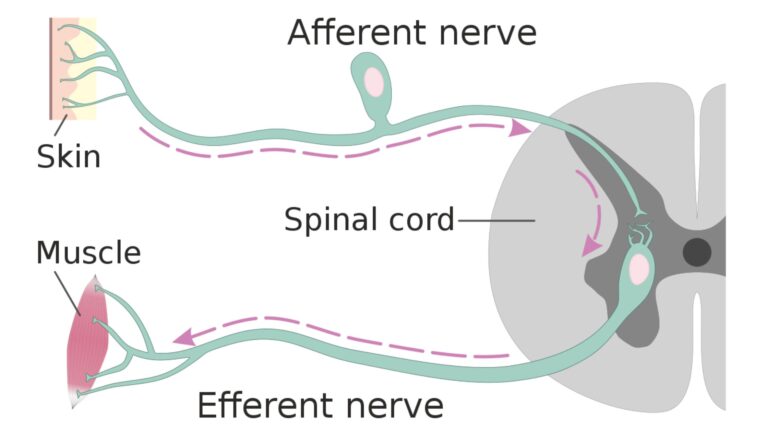
What is Afferent Neuron? What is Efferent Neuron? Similarities Between Afferent and Efferent Difference Between Afferent and Efferent – afferent vs efferent S.No Afferent Neuron Efferent Neuron 1. Afferent Neuron is a types of neurons that carry sensory impulses towards the central nervous system (CNS). Efferent Neuron is a types of neurons that carry motor
There are two types of DNA libraries that are constructed by genetic engineers using scientific methods. These can be classified as cDNA libraries as well as Genomic libraries. The major distinction in cDNA as well as Genomic library is the fact that cDNA library is a repository for the complementary DNA cloned from the all
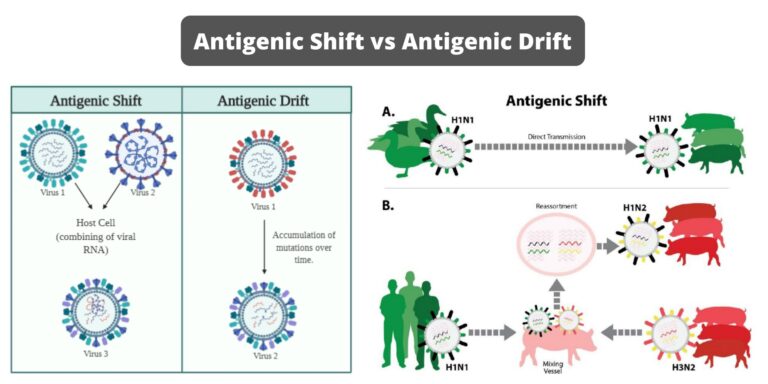
The primary distinction between antigenic drift or antigenic change is the fact that antigenic drift is a way to create change in viruses that is caused by the accumulation of mutations in genes that encode for antigen-binding sites, whereas antigenic shift is a method of combining two kinds of viruses to create one new type that has an assortment of surface antigens of the viruses that were originally.
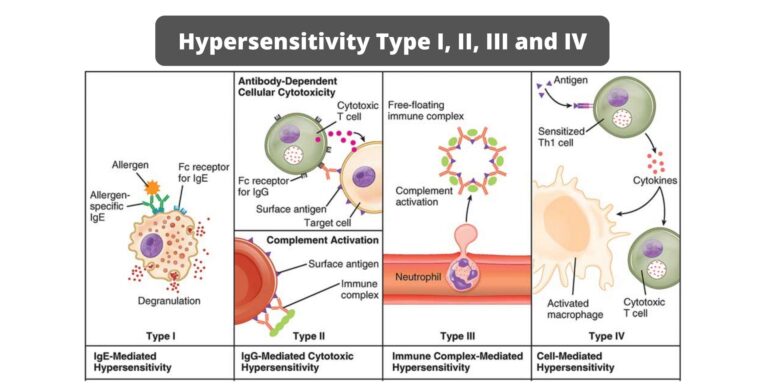
Hypersensitivity (also known as hypersensitivity response or intolerance) is a term used to describe undesirable reactions that are caused by the immune system, which includes autoimmunity and allergies. These are typically called an overreaction of the immune system, and these reactions can be harmful and uncomfortable. It is an immunologic term , and should not be misinterpreted as a psychiatric term of being hypersensitive, which refers that a person is hypersensitive to physical (ie sounds, touch light, sound, etc.) or emotional stimuli. However, there is a link between the two , studies have demonstrated that with ADHD (a mental disorders) tend to experience hypersensitivity reactions, such as asthma, allergies, or eczema and more than people who don’t have ADHD.
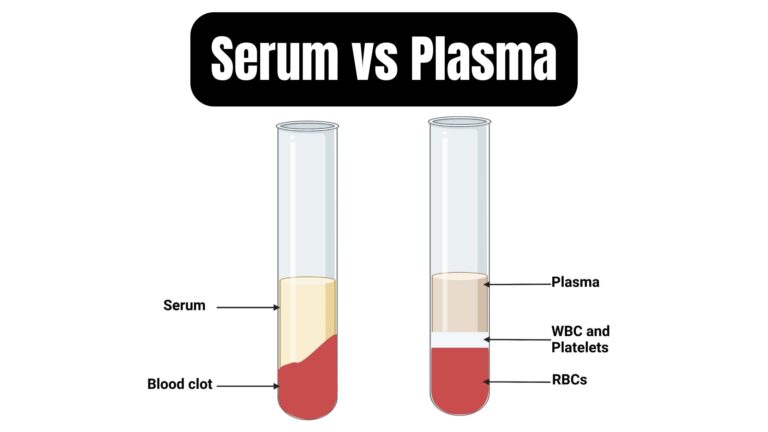
Plasma and serum are two blood derivatives which do not have blood cells such as red blood cells white blood cells and platelets. Both are enriched with proteins, drugs hormones, toxins and electrolytes. Both plasma and serum can be used to treat and diagnose. They are separated from blood using centrifugation, which eliminates the blood’s cellular component. Blood is infused with anticoagulants when it has been transfused to stop the clotting. The serum color is amber, while the plasma color is straw. The primary difference between serum as well as plasma lies in the fact that the latter is a protein-rich liquid that separates when blood is coagulated, whereas plasma forms the liquid part of blood that holds blood cells suspended.
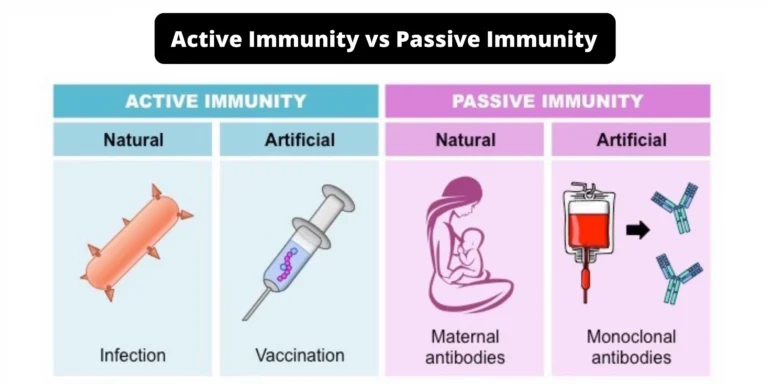
The immune system shields the body from a range of pathogens and the toxins. Innate immunity is the first line of defense against pathogens via physical and chemical barriers , such as mucus layers, skin and saliva. The second line of defense is also triggered by innate immunity via the phagocytes. This defense line is
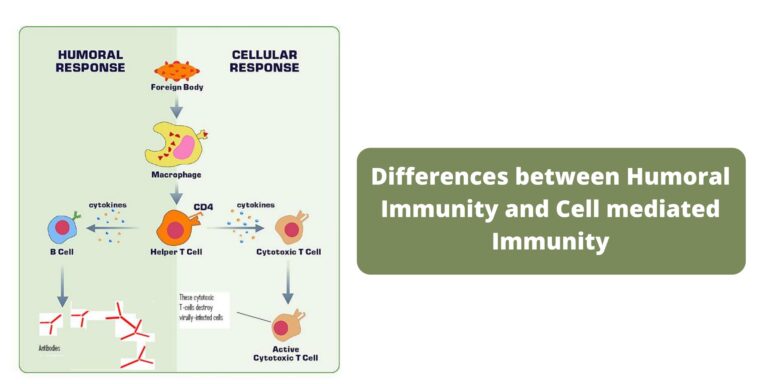
Cell-mediated immunity and immunological immunity are two kinds of adaptive immune responses which allow the human body to protect itself in a targeted manner against harmful substances such as viruses, bacteria and contaminants. While there is some overlap between the two parts of the immune response and both are based on the function of lymphoid cell function – there are some significant distinctions.